Rucellai Palace things to do, attractions, restaurants, events info and trip planning
Basic Info
Rucellai Palace
Via della Vigna Nuova, 18, 50123 Firenze FI, Italy
4.5(163)
Open 24 hours
Save
spot
spot
Ratings & Description
Info
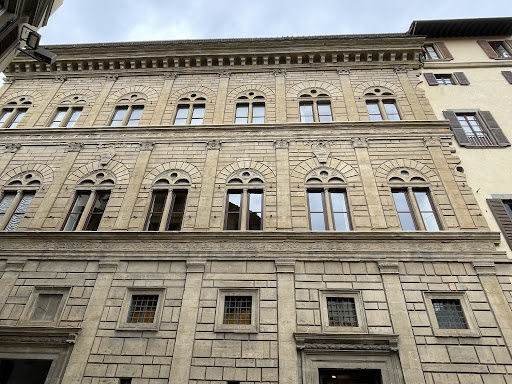
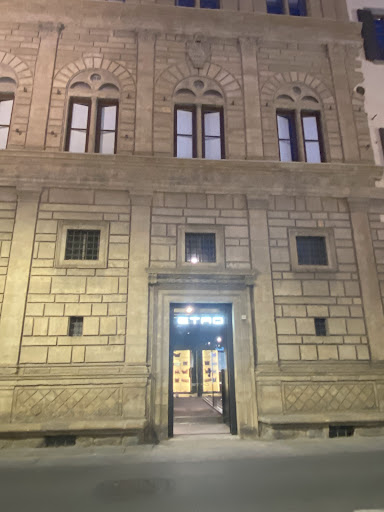
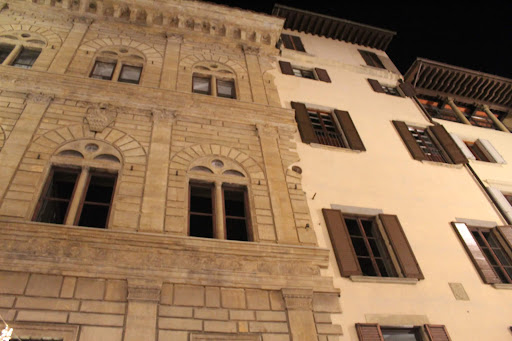
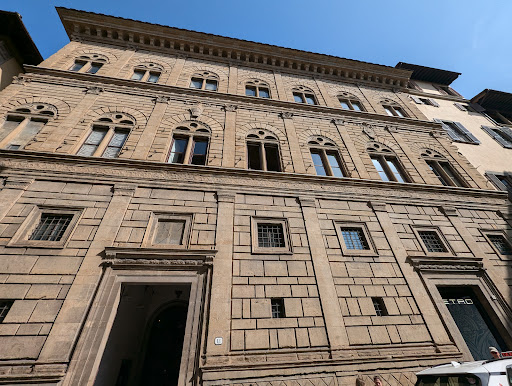
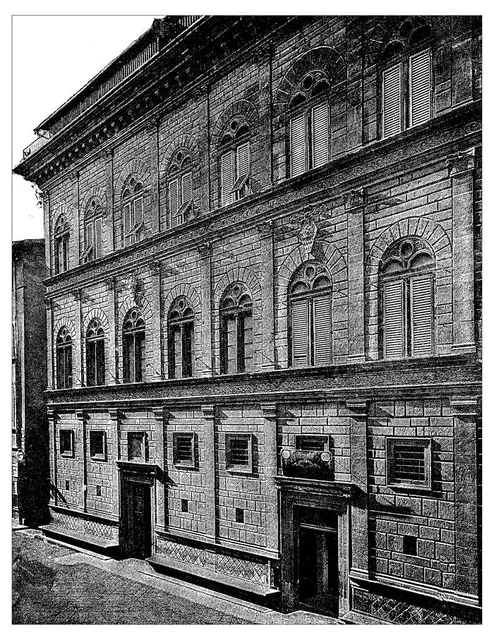
Palazzo Rucellai is a palatial fifteenth-century townhouse on the Via della Vigna Nuova in Florence, Italy. The Rucellai Palace is believed by most scholars to have been designed for Giovanni di Paolo Rucellai by Leon Battista Alberti between 1446 and 1451 and executed, at least in part, by Bernardo Rossellino.
Cultural
Scenic
Accessibility
attractions: Strozzi Palace, Strozzi Palace, Ponte Santa Trinita, Museo Marino Marini Firenze, Basilica di Santa Trinita, ISI Florence - International Studies Institute Main Office, Piazza della Repubblica, Basilica of Santa Maria Novella, Ponte Vecchio, Museo Novecento, restaurants: Il Latini, Trattoria Marione, I'Tuscani, L'Osteria di Giovanni, Parione, Osteria Ristorante La Spada, Ristorante Buca Mario, Il Barretto, Manifattura, Caffè Amerini, local businesses: Tartan Vintage, Via delle Belle Donne, 16R, Katian Boutique, Ponte Santa Trinità, Museo HZERO, Musée Marino Marini, BENHEART, Gucci - Firenze Flagship, Iglesia de la Santa Trinidad, Il Bisonte Florence
 Learn more insights from Wanderboat AI.
Plan your stay

Pet-friendly Hotels in Florence
Find a cozy hotel nearby and make it a full experience.

Affordable Hotels in Florence
Find a cozy hotel nearby and make it a full experience.

The Coolest Hotels You Haven't Heard Of (Yet)
Find a cozy hotel nearby and make it a full experience.

Trending Stays Worth the Hype in Florence
Find a cozy hotel nearby and make it a full experience.
Reviews
Live events

My Farm - Wine, Pasta & Vineyard in One Day
Wed, Feb 25 • 9:15 AM
50124, Florence, Tuscany, Italy
View details
Pastamania - Pasta Class & Wine near Ponte Vecchio
Wed, Feb 25 • 12:30 PM
50125, Florence, Tuscany, Italy
View details

City Escape 2026 Firenze
Wed, Feb 25 • 2:00 PM
Ponte Vecchio, Firenze, 50125
View details
Nearby attractions of Rucellai Palace
Strozzi Palace
Strozzi Palace
Ponte Santa Trinita
Museo Marino Marini Firenze
Basilica di Santa Trinita
ISI Florence - International Studies Institute Main Office
Piazza della Repubblica
Basilica of Santa Maria Novella
Ponte Vecchio
Museo Novecento
Strozzi Palace
4.6
(4.7K)
Open until 8:00 PM
Click for details
Strozzi Palace
4.6
(4.9K)
Open until 8:00 PM
Click for details

Ponte Santa Trinita
4.6
(4.8K)
Open 24 hours
Click for details
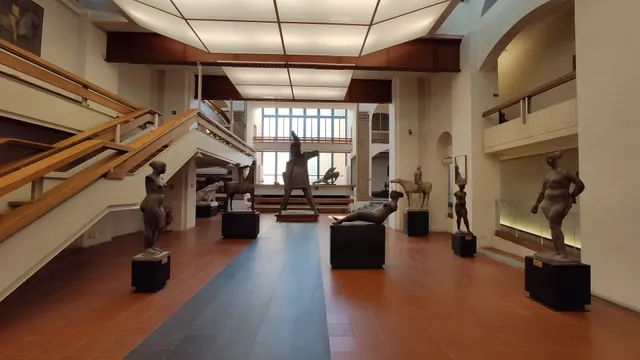
Museo Marino Marini Firenze
4.6
(254)
Open until 12:00 AM
Click for details
Nearby restaurants of Rucellai Palace
Il Latini
Trattoria Marione
I'Tuscani
L'Osteria di Giovanni
Parione
Osteria Ristorante La Spada
Ristorante Buca Mario
Il Barretto
Manifattura
Caffè Amerini
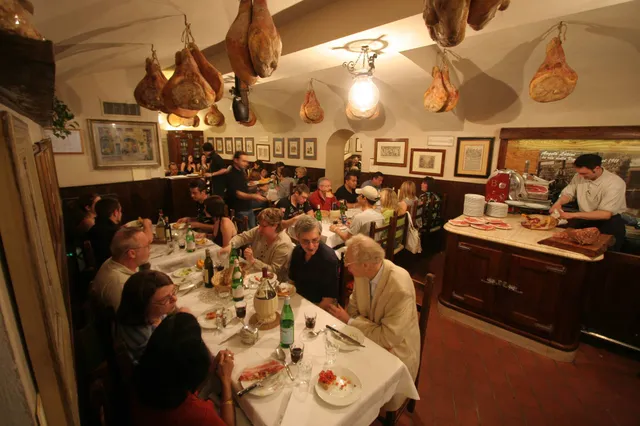
Il Latini
4.3
(2.1K)
$$
Closed
Click for details
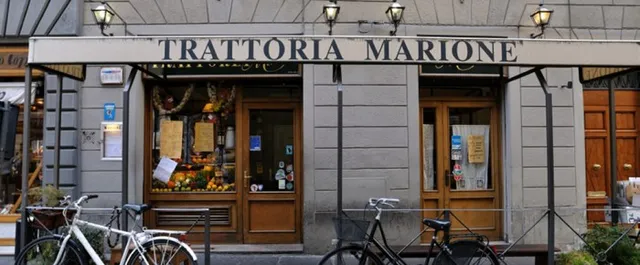
Trattoria Marione
4.4
(2.2K)
$$
Closed
Click for details
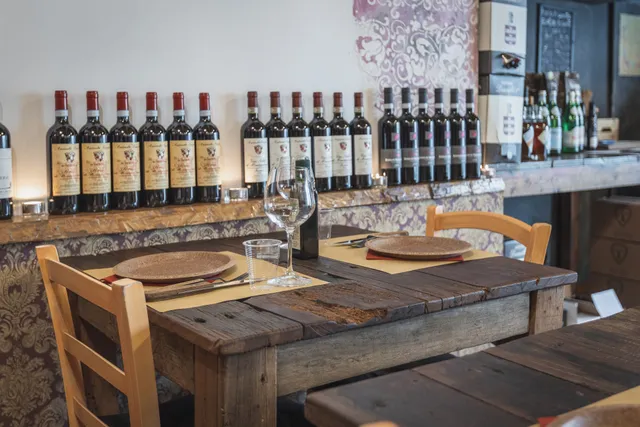
I'Tuscani
4.7
(1.5K)
$$
Open until 12:00 AM
Click for details
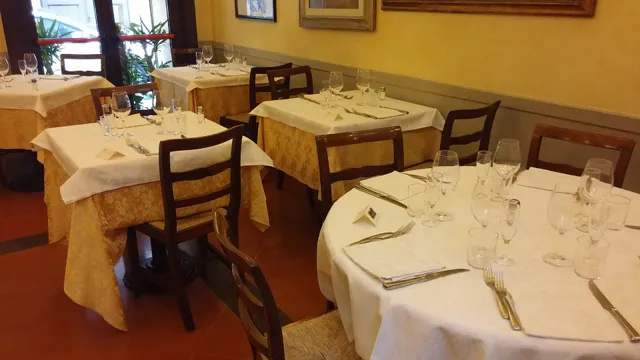
L'Osteria di Giovanni
4.7
(1.4K)
$$
Closed
Click for details
Nearby local services of Rucellai Palace
Tartan Vintage
Via delle Belle Donne, 16R
Katian Boutique
Ponte Santa Trinità
Museo HZERO
Musée Marino Marini
BENHEART
Gucci - Firenze Flagship
Iglesia de la Santa Trinidad
Il Bisonte Florence
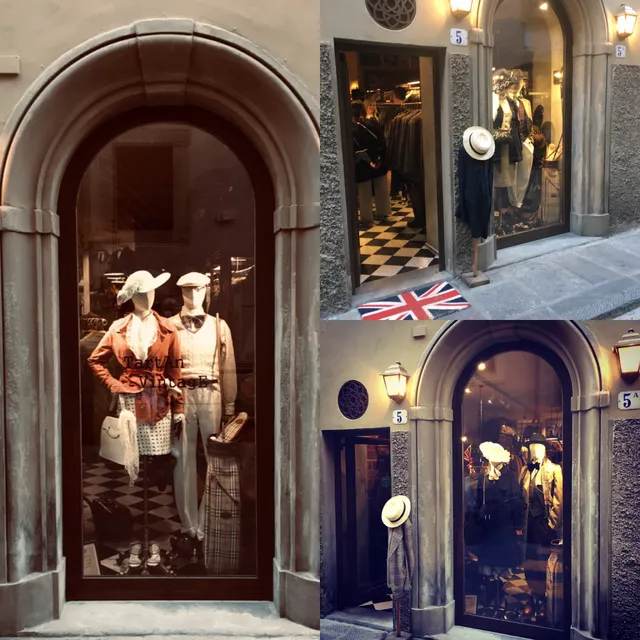
Tartan Vintage
5.0
(251)
Click for details
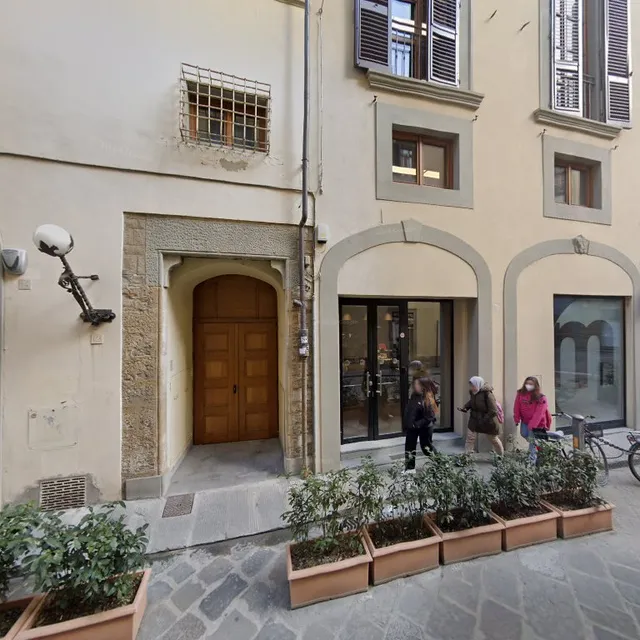
Via delle Belle Donne, 16R
4.4
(722)
Click for details

Katian Boutique
4.9
(142)
Click for details
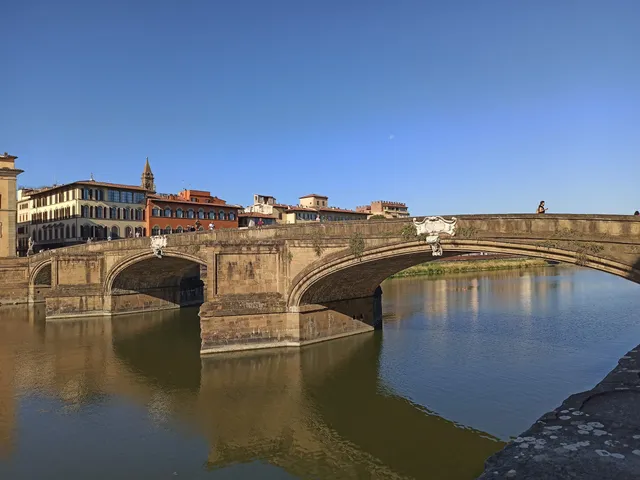
Ponte Santa Trinità
4.6
(4.2K)
Click for details