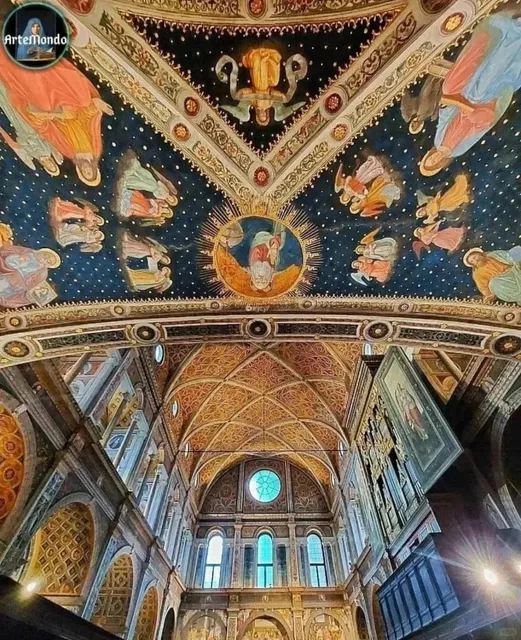
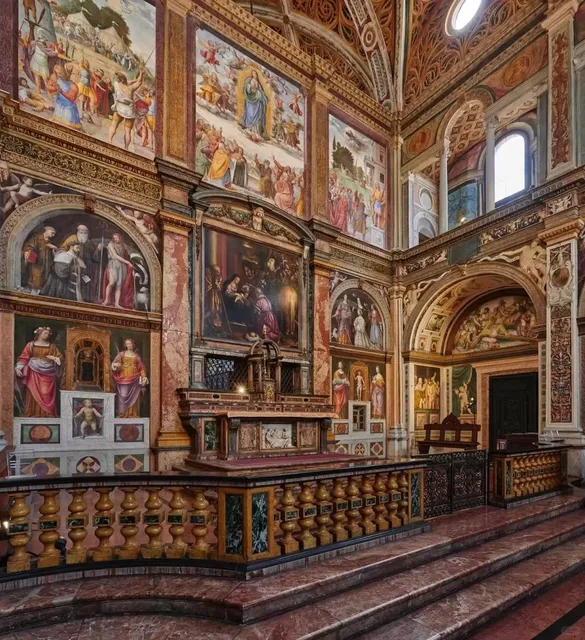
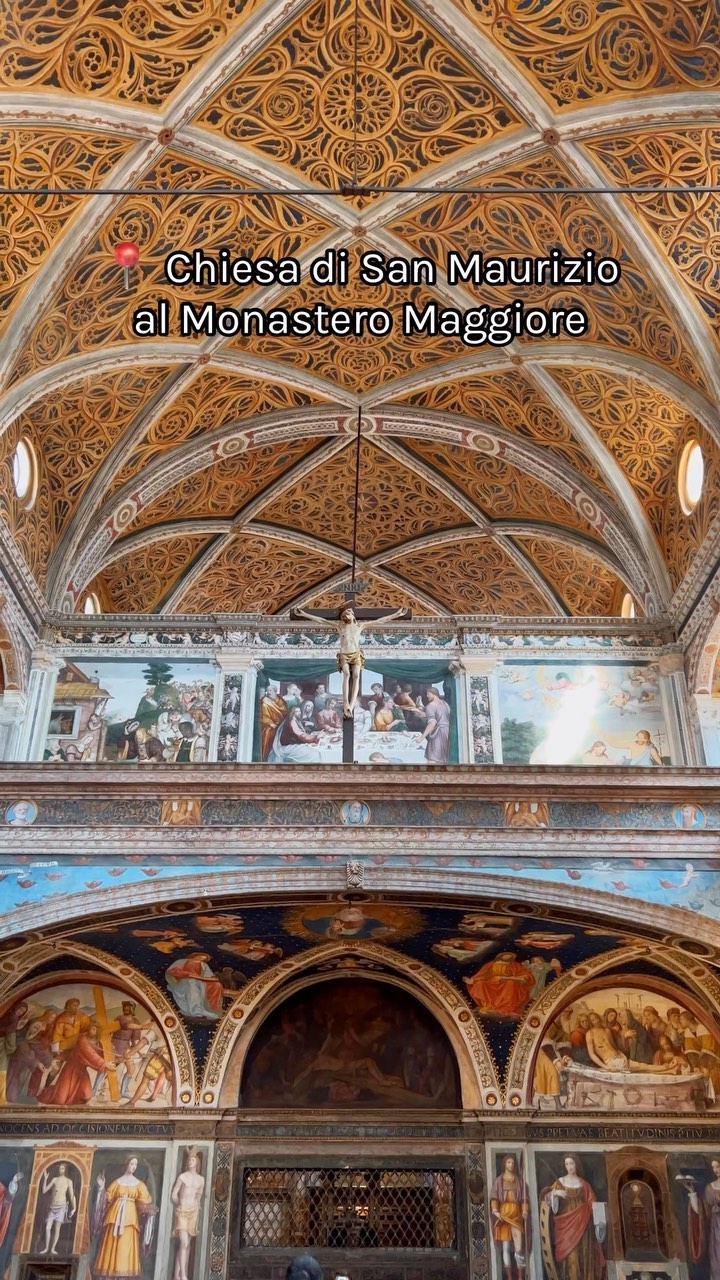
Chiesa di San Maurizio al Monastero Maggiore things to do, attractions, restaurants, events info and trip planning
Basic Info
Chiesa di San Maurizio al Monastero Maggiore
Corso Magenta, 15, 20123 Milano MI, Italy
4.8(3.4K)
Open until 12:00 AM
Save
spot
spot
Ratings & Description
Info
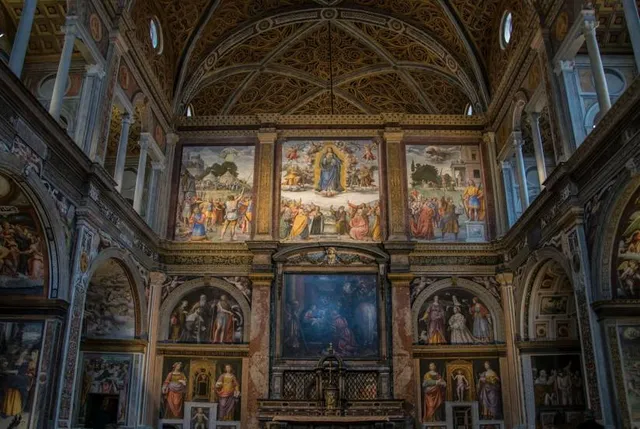
San Maurizio al Monastero Maggiore is a church in Milan, Northern Italy. It was originally attached to the most important female convent of the Benedictines in the city, Monastero Maggiore, which is now in use as the Civic Archaeological Museum.
Cultural
Accessibility
attractions: Civic Archaeological Museum, MTM Teatro Litta, Palazzo Litta, Teatro Dal Verme, Giardino Aristide Calderini, Sforzesco Castle, Basilica di Sant'Ambrogio, Galleria degli Artisti, Fondazione Luciana Matalon, Italian Stock Exchange, restaurants: Bistrò, Panini De Santis - Milan, Gelato Fatto Con Amore, Da Zero, Burla Giò, Parco Sushi Sashimi, Ristorante la Brisa, Tutto Bene, Grazie Bistrò, Bar Magenta, MAGENTINO BISTRONOMIA MILANESE, local businesses: Watch Hunters Milano, MI-TIME Vendita e Acquisto di Orologi usati a Milano, solo marchi di pregio, Oakley Milano Cadorna, Corso Magenta, 32, Flying Tiger Copenhagen, Pepperoni Pizza, Naviglio Grande, Kebap Pizza Istanbul Ayasofya, Figus Designer, UNIQLO Piazza Cordusio
 Learn more insights from Wanderboat AI.
Phone
+39 02 8844 5208
Website
museoarcheologicomilano.it
Open hoursSee all hours
MonClosedOpen
Plan your stay

Pet-friendly Hotels in Milan
Find a cozy hotel nearby and make it a full experience.

Affordable Hotels in Milan
Find a cozy hotel nearby and make it a full experience.

The Coolest Hotels You Haven't Heard Of (Yet)
Find a cozy hotel nearby and make it a full experience.

Trending Stays Worth the Hype in Milan
Find a cozy hotel nearby and make it a full experience.
Reviews
Live events

Sono qui con te.
Thu, Feb 19 • 8:30 PM
23 Via Solferino 20900 Monza
View details

Le Stagioni Musicali: Note dInverno III Edizione
Sat, Feb 21 • 5:00 PM
7 Via Santa Maddalena 20900 Monza
View details

FRED PERRY MILANO POP-UP OPENING EVENT
Thu, Feb 19 • 6:30 PM
8 Corso Venezia 20121 Milano
View details
Nearby attractions of Chiesa di San Maurizio al Monastero Maggiore
Civic Archaeological Museum
MTM Teatro Litta
Palazzo Litta
Teatro Dal Verme
Giardino Aristide Calderini
Sforzesco Castle
Basilica di Sant'Ambrogio
Galleria degli Artisti
Fondazione Luciana Matalon
Italian Stock Exchange
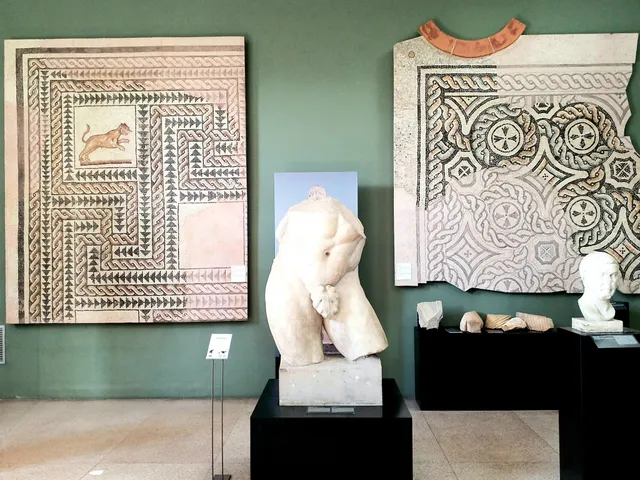
Civic Archaeological Museum
4.5
(899)
Open until 12:00 AM
Click for details
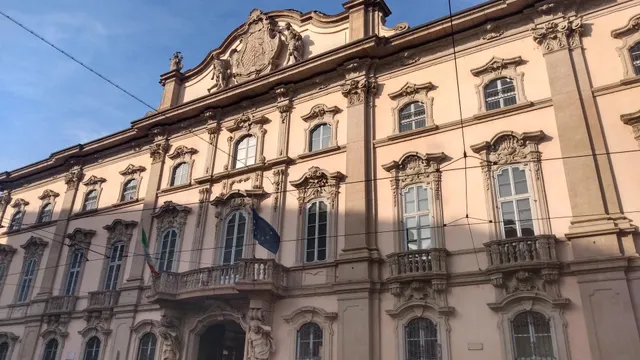
MTM Teatro Litta
4.4
(454)
Open 24 hours
Click for details
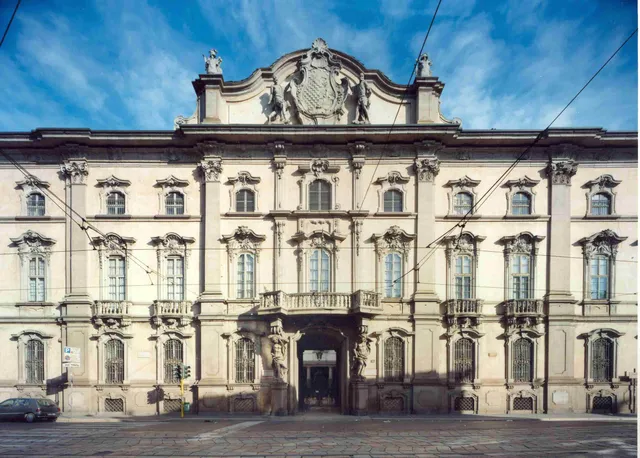
Palazzo Litta
4.6
(255)
Open 24 hours
Click for details
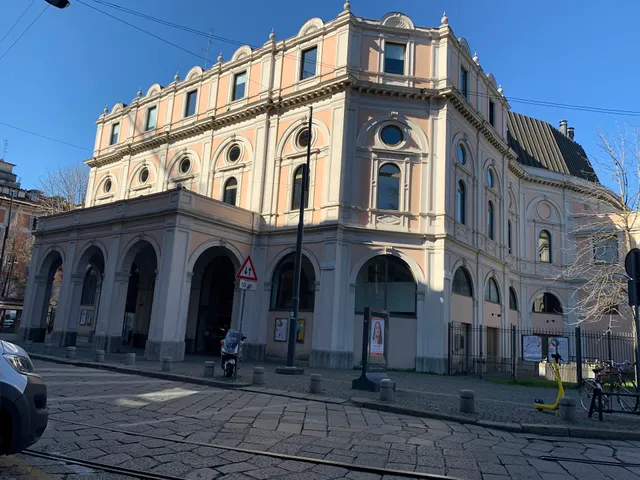
Teatro Dal Verme
4.6
(2.2K)
Open 24 hours
Click for details
Nearby restaurants of Chiesa di San Maurizio al Monastero Maggiore
Bistrò
Panini De Santis - Milan
Gelato Fatto Con Amore
Da Zero
Burla Giò
Parco Sushi Sashimi
Ristorante la Brisa
Tutto Bene, Grazie Bistrò
Bar Magenta
MAGENTINO BISTRONOMIA MILANESE
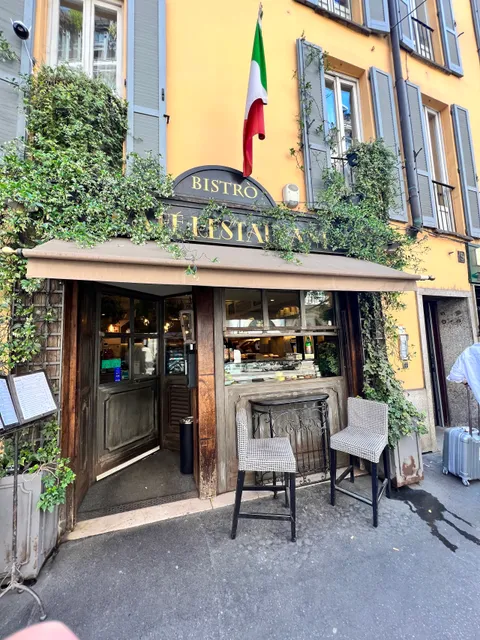
Bistrò
4.2
(868)
Open until 12:00 AM
Click for details
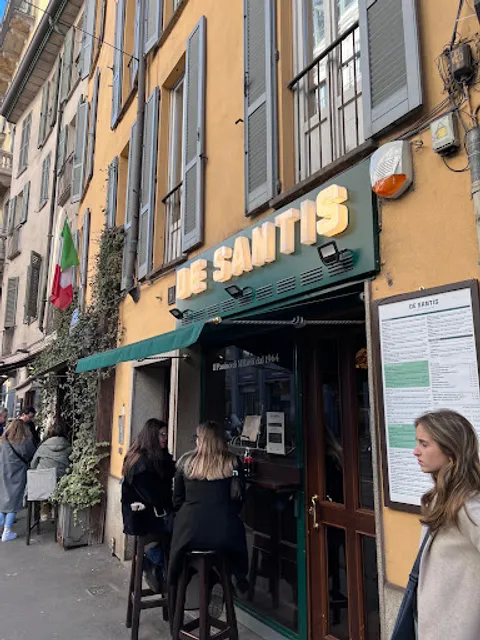
Panini De Santis - Milan
4.4
(657)
Closed
Click for details
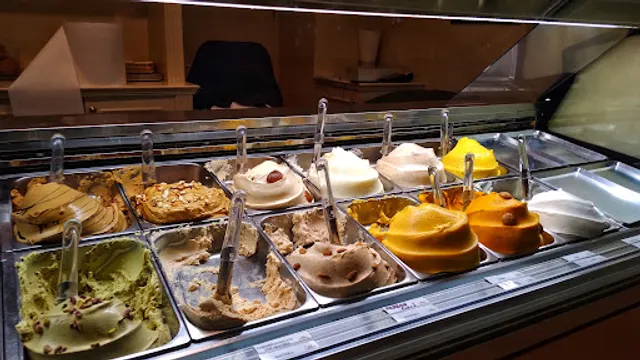
Gelato Fatto Con Amore
4.8
(1.1K)
$$
Click for details
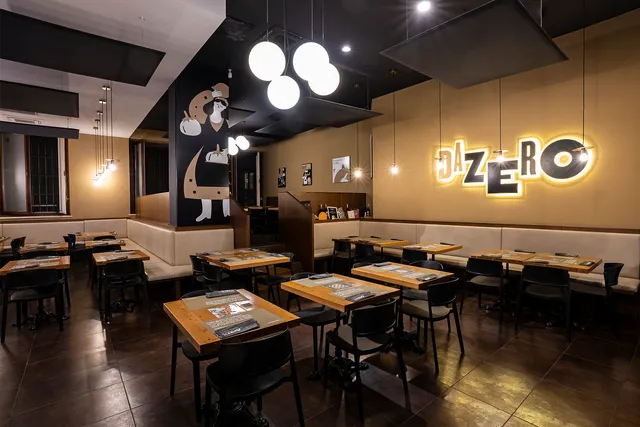
Da Zero
4.4
(2K)
Closed
Click for details
Nearby local services of Chiesa di San Maurizio al Monastero Maggiore
Watch Hunters Milano
MI-TIME Vendita e Acquisto di Orologi usati a Milano, solo marchi di pregio
Oakley Milano Cadorna
Corso Magenta, 32
Flying Tiger Copenhagen
Pepperoni Pizza
Naviglio Grande
Kebap Pizza Istanbul Ayasofya
Figus Designer
UNIQLO Piazza Cordusio
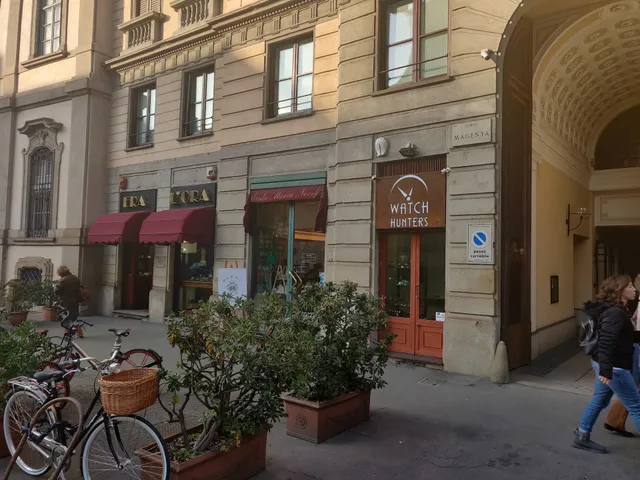
Watch Hunters Milano
4.9
(42)
Click for details
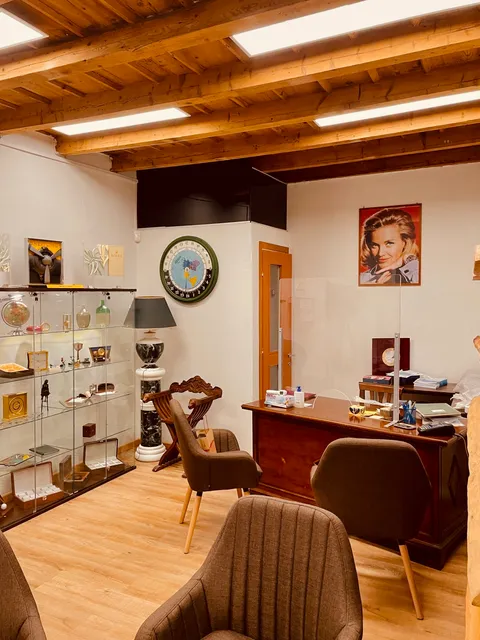
MI-TIME Vendita e Acquisto di Orologi usati a Milano, solo marchi di pregio
4.9
(41)
Click for details

Oakley Milano Cadorna
4.3
(150)
Click for details
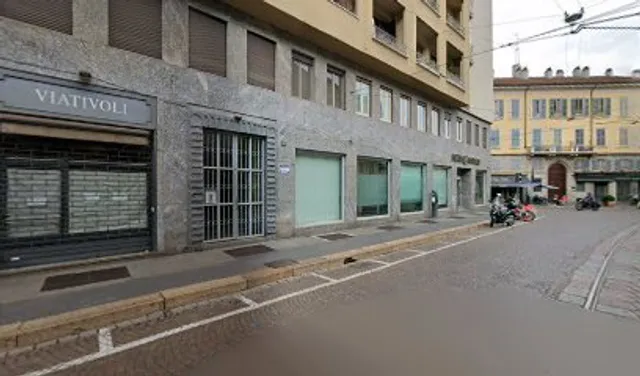
Corso Magenta, 32
3.9
(58)
Click for details