HTML SitemapExplore
Find Things to DoFind The Best Restaurants

Palazzo Citterio — Attraction in Milan

Name
Palazzo Citterio
Description
Nearby attractions
Pinacoteca di Brera
Via Brera, 28, 20121 Milano MI, Italy
Brera Botanical Garden
Via Brera, 28, 20121 Milano MI, Italy
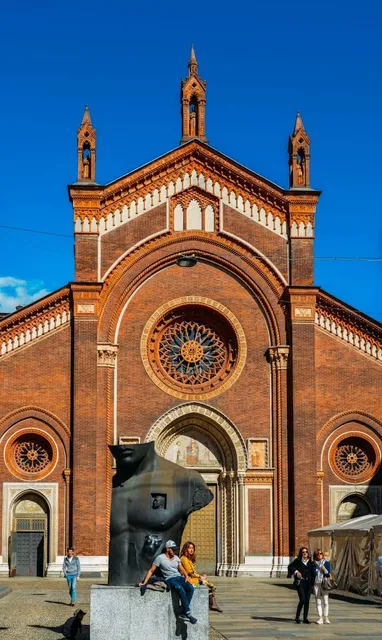
Santa Maria del Carmine Church
Piazza del Carmine, 2, 20121 Milano MI, Italy
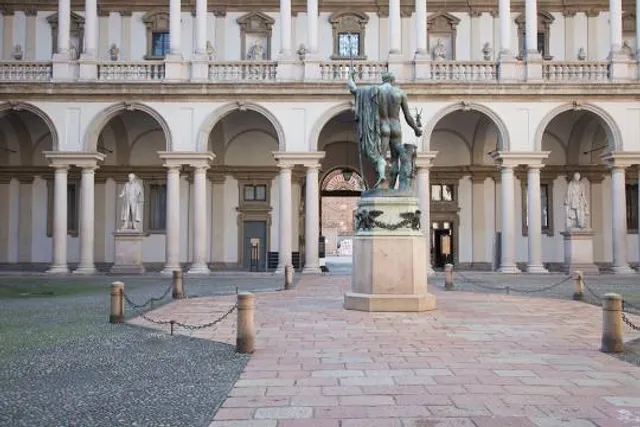
Palazzo Brera
Via Brera, 26, 20121 Milano MI, Italy
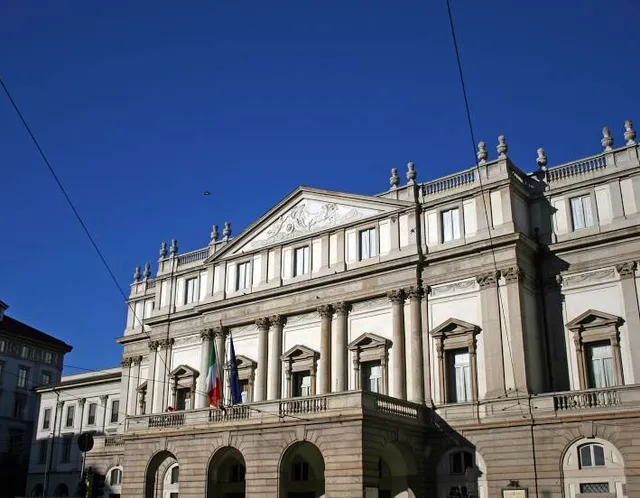
Teatro alla Scala
V. Filodrammatici, 2, 20121 Milano MI, Italy
Museo del Risorgimento
Via Borgonuovo, 23, 20121 Milano MI, Italy
Brera Astronomical Observatory
Via Brera, 28, 20121 Milano MI, Italy
Braidense National Library
Via Brera, 28, 20121 Milano MI, Italy
Poldi Pezzoli Museum
Via Alessandro Manzoni, 12, 20121 Milano MI, Italy
Gallerie d’Italia
Piazza della Scala, 6, 20121 Milano MI, Italy
Nearby restaurants
Il Carminio
Via del Carmine, 3, 20121 Milano MI, Italy
Osteria Da Fortunata - Brera
Via Fiori Chiari, 13, 20121 Milano MI, Italy
Bauscia
Via dell'Orso, 2, 20121 Milano MI, Italy
God Save The Food
Piazza del Carmine, 1, 20121 Milano MI, Italy
Da Zero
Via dell'Orso, 4, 20121 Milano MI, Italy
Bar Brera
Via Brera, 23, 20121 Milano MI, Italy
Taverna del Borgo Antico
Via Madonnina, 27, 20121 Milano MI, Italy
Ristorante Pizzeria Il Kaimano
Via Fiori Chiari, 20, 20121 Milano MI, Italy
Il Cestino
Via Madonnina, 27/A, 20121 Milano MI, Italy
Ristorante Nabucco
Via Fiori Chiari, 10, 20121 Milano MI, Italy
Nearby hotels
Bulgari Hotel Milano
Via Privata Fratelli Gabba, 7B, 20121 Milano MI, Italy
Mandarin Oriental, Milan
Via Andegari, 9, 20121 Milano MI, Italy
Brera Luxury Suite
Via Brera, 17, 20121 Milano MI, Italy
The Unique Brera
Piazza del Carmine, 6, 20121 Milano MI, Italy
Casa Brera, a Luxury Collection Hotel, Milan
Piazzetta M. Bossi, 2, 20121 Milano MI, Italy
B&B Hotel Milano Duomo
Via S. Tomaso, 4, 20121 Milano MI, Italy
Armani Hotel
Via Alessandro Manzoni, 31, 20121 Milano MI, Italy
Be Mate Via Tivoli
Via Tivoli, 4, 20121 Milano MI, Italy
LUMERA STAY
Piazza S. Marco, 1, 20121 Milano MI, Italy
Hotel Milano Castello
Via S. Tomaso, 2, 20121 Milano MI, Italy
Related posts
🎨✨ Milan's New Cultural Landmark: The Opening of Palazzo CitterioMilan’s Art Exhibition at Palazzo Citterio Finally Opens to the Public
Keywords
Palazzo Citterio tourism.Palazzo Citterio hotels.Palazzo Citterio bed and breakfast. flights to Palazzo Citterio.Palazzo Citterio attractions.Palazzo Citterio restaurants.Palazzo Citterio travel.Palazzo Citterio travel guide.Palazzo Citterio travel blog.Palazzo Citterio pictures.Palazzo Citterio photos.Palazzo Citterio travel tips.Palazzo Citterio maps.Palazzo Citterio things to do.
Palazzo Citterio things to do, attractions, restaurants, events info and trip planning
Palazzo Citterio
ItalyLombardyMilanPalazzo Citterio

Basic Info

Palazzo Citterio

Via Brera, 14, 20121 Milano MI, Italy
4.3(272)
Open 24 hours
Save
spot

Ratings & Description

Info

Cultural
Accessibility
attractions: Pinacoteca di Brera, Brera Botanical Garden, Santa Maria del Carmine Church, Palazzo Brera, Teatro alla Scala, Museo del Risorgimento, Brera Astronomical Observatory, Braidense National Library, Poldi Pezzoli Museum, Gallerie d’Italia, restaurants: Il Carminio, Osteria Da Fortunata - Brera, Bauscia, God Save The Food, Da Zero, Bar Brera, Taverna del Borgo Antico, Ristorante Pizzeria Il Kaimano, Il Cestino, Ristorante Nabucco
logoLearn more insights from Wanderboat AI.
Phone
+39 02 7210 5141
Website
palazzocitterio.org

Plan your stay

hotel
Pet-friendly Hotels in Milan
Find a cozy hotel nearby and make it a full experience.

hotel
Affordable Hotels in Milan
Find a cozy hotel nearby and make it a full experience.

hotel
The Coolest Hotels You Haven't Heard Of (Yet)
Find a cozy hotel nearby and make it a full experience.

hotel
Trending Stays Worth the Hype in Milan
Find a cozy hotel nearby and make it a full experience.

Reviews

Nearby attractions of Palazzo Citterio

Pinacoteca di Brera

Brera Botanical Garden

Santa Maria del Carmine Church

Palazzo Brera

Teatro alla Scala

Museo del Risorgimento

Brera Astronomical Observatory

Braidense National Library

Poldi Pezzoli Museum

Gallerie d’Italia
Pinacoteca di Brera

Pinacoteca di Brera

4.7

(12.3K)

Open 24 hours
Click for details
Brera Botanical Garden

Brera Botanical Garden

4.3

(2K)

Open 24 hours
Click for details
Santa Maria del Carmine Church

Santa Maria del Carmine Church

4.6

(645)

Open 24 hours
Click for details
Palazzo Brera

Palazzo Brera

4.7

(465)

Open 24 hours
Click for details

Things to do nearby

Private Milan Photo Session by Hooman
Fri, Dec 26 • 11:30 AM
20121, Milan, Lombardy, Italy
View details
The secret of fresh pasta- tiramisù in a glam home
Thu, Dec 25 • 6:00 PM
20144, Milan, Lombardy, Italy
View details
The Total tour of Milan: be a local
Thu, Dec 25 • 4:30 PM
Milan, Lombardy, Italy
View details

Nearby restaurants of Palazzo Citterio

Il Carminio

Osteria Da Fortunata - Brera

Bauscia

God Save The Food

Da Zero

Bar Brera

Taverna del Borgo Antico

Ristorante Pizzeria Il Kaimano
Il Cestino

Ristorante Nabucco

Il Carminio

Il Carminio

4.5

(204)

$$

Click for details
Osteria Da Fortunata - Brera

Osteria Da Fortunata - Brera

4.2

(3.2K)

Click for details
Bauscia

Bauscia

4.4

(742)

$$

Click for details
God Save The Food

God Save The Food

4.0

(1.1K)

$$

Click for details
Get the Appoverlay
Get the AppOne tap to find yournext favorite spots!
Wanderboat LogoWanderboat

Your everyday Al companion for getaway ideas

CompanyAbout Us
InformationAI Trip PlannerSitemap
SocialXInstagramTiktokLinkedin
LegalTerms of ServicePrivacy Policy

Get the app

© 2025 Wanderboat. All rights reserved.

Posts

🎨✨ Milan's New Cultural Landmark: The Opening of Palazzo Citterio
Katherine WardKatherine Ward
🎨✨ Milan's New Cultural Landmark: The Opening of Palazzo Citterio
Milan’s Art Exhibition at Palazzo Citterio Finally Opens to the Public
Lillian Baker Lillian Baker
Milan’s Art Exhibition at Palazzo Citterio Finally Opens to the Public
Dario FurenteDario Furente
Palazzo Citterio: Between Potential and Disarray The visit to Palazzo Citterio leaves mixed feelings. The general impression is of a space with immense potential, hindered by curatorial and logistical choices that lack coherence and attention to the visitor’s experience. One of the main issues is the distribution of the artworks: too much or too little, without a sense of balance. Some rooms feel overly crowded, creating visual overload, while others are so sparsely arranged that they seem to lack a clear narrative thread. This inconsistency negatively impacts the experience, leaving visitors disoriented. Even the placement criteria of the works, presumably carefully considered, remain unclear to the general public. According to ICOM guidelines, a museum’s goal is also to educate, yet here education seems to take a backseat to an aesthetic that is hard to interpret. Another critical point concerns the captions: they are difficult to read and often hard to find. In a context where inclusivity should be a priority, this becomes a tangible barrier. It is paradoxical that the bathroom signage is more visible and functional than the information accompanying the artworks. From an architectural perspective, there are interesting elements, such as the staircases and the room dedicated to Pellizza da Volpedo, which evoke a certain brutalist charm. However, from an exhibition standpoint, these spaces fail to convince: the aesthetic impact is there, but the educational or narrative function is lacking. It feels more like stepping into a design store than a place dedicated to the enhancement of art. Have you visited the Bershka flagship store designed by Rem Koolhaas? That’s the vibe. Finally, a logistical note: the lack of a cloakroom is a surprising omission, especially for a venue of this importance. It might seem like a minor detail, but it adds to a general sense of disorganization. In summary, Palazzo Citterio is a space rich in significant artworks, but its potential is heavily limited by suboptimal curatorial and logistical management. A deeper reflection is needed to make the experience more accessible, educational, and fulfilling for visitors.
See more posts
See more posts
hotel
Find your stay

Pet-friendly Hotels in Milan

Find a cozy hotel nearby and make it a full experience.

🎨✨ Milan's New Cultural Landmark: The Opening of Palazzo Citterio
Katherine Ward

Katherine Ward

hotel
Find your stay

Affordable Hotels in Milan

Find a cozy hotel nearby and make it a full experience.

Get the Appoverlay
Get the AppOne tap to find yournext favorite spots!
Milan’s Art Exhibition at Palazzo Citterio Finally Opens to the Public
Lillian Baker

Lillian Baker

hotel
Find your stay

The Coolest Hotels You Haven't Heard Of (Yet)

Find a cozy hotel nearby and make it a full experience.

hotel
Find your stay

Trending Stays Worth the Hype in Milan

Find a cozy hotel nearby and make it a full experience.

Palazzo Citterio: Between Potential and Disarray The visit to Palazzo Citterio leaves mixed feelings. The general impression is of a space with immense potential, hindered by curatorial and logistical choices that lack coherence and attention to the visitor’s experience. One of the main issues is the distribution of the artworks: too much or too little, without a sense of balance. Some rooms feel overly crowded, creating visual overload, while others are so sparsely arranged that they seem to lack a clear narrative thread. This inconsistency negatively impacts the experience, leaving visitors disoriented. Even the placement criteria of the works, presumably carefully considered, remain unclear to the general public. According to ICOM guidelines, a museum’s goal is also to educate, yet here education seems to take a backseat to an aesthetic that is hard to interpret. Another critical point concerns the captions: they are difficult to read and often hard to find. In a context where inclusivity should be a priority, this becomes a tangible barrier. It is paradoxical that the bathroom signage is more visible and functional than the information accompanying the artworks. From an architectural perspective, there are interesting elements, such as the staircases and the room dedicated to Pellizza da Volpedo, which evoke a certain brutalist charm. However, from an exhibition standpoint, these spaces fail to convince: the aesthetic impact is there, but the educational or narrative function is lacking. It feels more like stepping into a design store than a place dedicated to the enhancement of art. Have you visited the Bershka flagship store designed by Rem Koolhaas? That’s the vibe. Finally, a logistical note: the lack of a cloakroom is a surprising omission, especially for a venue of this importance. It might seem like a minor detail, but it adds to a general sense of disorganization. In summary, Palazzo Citterio is a space rich in significant artworks, but its potential is heavily limited by suboptimal curatorial and logistical management. A deeper reflection is needed to make the experience more accessible, educational, and fulfilling for visitors.
Dario Furente

Dario Furente

See more posts
See more posts

Reviews of Palazzo Citterio

4.3
(272)
avatar
2.0
47w

Palazzo Citterio: Between Potential and Disarray

The visit to Palazzo Citterio leaves mixed feelings. The general impression is of a space with immense potential, hindered by curatorial and logistical choices that lack coherence and attention to the visitor’s experience.

One of the main issues is the distribution of the artworks: too much or too little, without a sense of balance. Some rooms feel overly crowded, creating visual overload, while others are so sparsely arranged that they seem to lack a clear narrative thread. This inconsistency negatively impacts the experience, leaving visitors disoriented. Even the placement criteria of the works, presumably carefully considered, remain unclear to the general public. According to ICOM guidelines, a museum’s goal is also to educate, yet here education seems to take a backseat to an aesthetic that is hard to interpret.

Another critical point concerns the captions: they are difficult to read and often hard to find. In a context where inclusivity should be a priority, this becomes a tangible barrier. It is paradoxical that the bathroom signage is more visible and functional than the information accompanying the artworks.

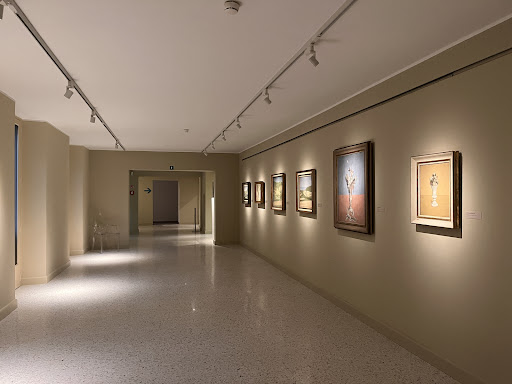
From an architectural perspective, there are interesting elements, such as the staircases and the room dedicated to Pellizza da Volpedo, which evoke a certain brutalist charm. However, from an exhibition standpoint, these spaces fail to convince: the aesthetic impact is there, but the educational or narrative function is lacking. It feels more like stepping into a design store than a place dedicated to the enhancement of art. Have you visited the Bershka flagship store designed by Rem Koolhaas? That’s the vibe.

Finally, a logistical note: the lack of a cloakroom is a surprising omission, especially for a venue of this importance. It might seem like a minor detail, but it adds to a general sense of disorganization.

In summary, Palazzo Citterio is a space rich in significant artworks, but its potential is heavily limited by suboptimal curatorial and logistical management. A deeper reflection is needed to make the experience more accessible, educational, and fulfilling...

   Read more
avatar
3.0
50w

Ultimo tassello del progetto "Grande Brera" e ultimo nato tra i musei pubblici milanesi, è stato infatti inaugurato a dicembre 2024 dopo 50 anni di attesa (il palazzo era stato acquistato dallo Stato nel 1972, proprio per allargare la sede espositiva della Pinacoteca). Per il momento il museo è aperto solo dal giovedì alla domenica dalle 14.00 alle 19.00. Come per la Pinacoteca di Brera, anche qui è obbligatoria la prenotazione online. Personalmente, ritengo che 12 euro di biglietto sia esagerato rispetto a quanto offerto (e più sotto spiego perché). Andateci solo se siete appassionati di arte moderna e contemporanea e, possibilmente, aspettate che inseriscano il biglietto cumulato con la Pinacoteca (si vocifera di 20 euro per entrambi a partire da maggio o giugno 2025). La collezione permanente di Palazzo Citterio è prettamente di arte moderna: al 90% sono opere del Novecento italiano ed è formata principalmente da due importanti lasciti (le collezioni Jesi e Vitali) che purtroppo, tra le loro clausole, prevedono che ogni collezione sia trattata come un unicum e quindi indivisibile. Questo impatta negativamente sulla visita, avendo tolto ai curatori la possibilità di creare un percorso più coerente e lineare. Inoltre, le opere sono poche, un palazzo intero è sprecato: la collezione occupa solo il primo piano. Al piano terra c'è l'accoglienza, al -1 uno spazio espositivo temporaneo (vi si accede dal cortile del civico 12) ed un auditorium; il secondo piano è dedicato interamente alle mostre temporanee. Anche la fruibilità della collezione permanente non mi ha soddisfatta: al contrario della Pinacoteca, qui non ci sono descrizioni ad accompagnare (almeno) le opere più importanti. C'è solo una spiegazione generica della singola sala, tra l'altro montata su un cartello troppo in alto e scritto troppo piccolo, è quasi illeggibile. Inoltre, in alcune sale c'è un cartello unico che comprende tutte le didascalie della sala. Entrambe queste scelte non aiutano durante la visita e creano capannelli di persone e code in attesa di leggere le (poche) informazioni disponibili. Sinceramente non ho apprezzato nemmeno l'intervento di restauro: tonnellate di cemento armato a vista in stile brutalista fanno a pugni con l'elegante palazzo Settecentesco e con i suoi meravigliosi soffitti al...

   Read more
avatar
5.0
7y

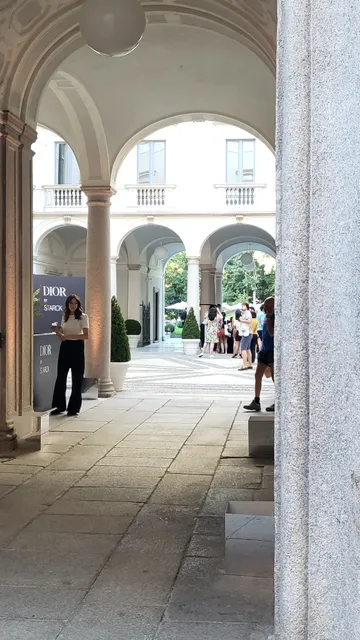
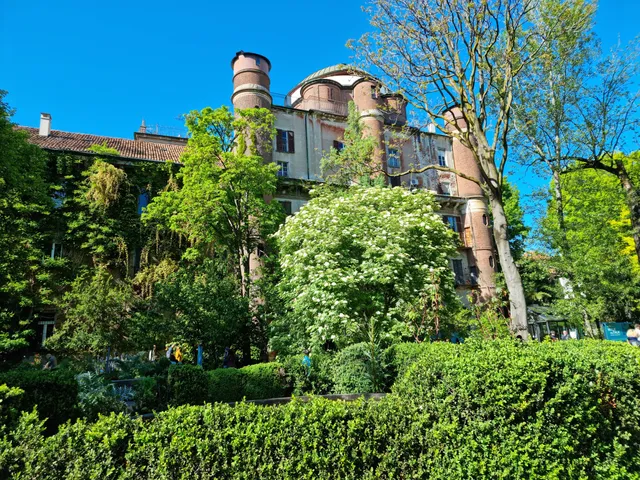
Un edificio nobiliare risalente al 1764 (probabilmente realizzato unendo due edifici più antichi) con una lunga fronte su Via Brera, che presenta (sui tre piani) balconcini di ferro arabescati: stile barocchetto. Due ingressi, al n. 12 e al n. 14; da uno di essi si ha la visuale completa degli spazi esterni di pertinenza del palazzo: il cortile a rizzada, intorno al quale corrono i portici settecenteschi, nel quale si apre una modernissima scala in cemento armato che conduce ai piani sotterranei, e il giardino, avvolto dai moderni palazzi di via fratelli Gabba, su cui si affaccia anche l’Osservatorio di Brera.

Il palazzo, dal 1972 proprietà dello Stato, dopo oltre 40 anni di lavori è stato inaugurato l’11 aprile 2018; verrà aperto al pubblico durante il Salone del Mobile, dal 18 al 20 aprile, con visite guidate (dalle 17.30 alle 20); poi verranno effettuati i necessari collaudi e, presumibilmente in giugno, sarà consegnato alla Pinacoteca di Brera che dovrebbe trasferire in questa nuova sede le collezioni del Novecento e/o allestirvi esposizioni temporanee, come previsto dal progetto iniziale.

Si tratta di 6.500 metri quadri di spazio; una successione di ambienti molto diversi tra loro: una scala modernissima, a rampe a forbice; sale contraddistinte dai soffitti a cassettoni in calcestruzzo ed altre coperte a shed; sale storiche con dipinti murali (a tempera) e stucchi settecenteschi o con grandi specchi; sale sotterranee in cemento armato, bagno (elegantissimo) con pareti e pavimenti in marmo (anni Settanta?). E un giardino in cui si può passeggiare percorrendo le scalinate costruite con materiali di recupero che salgono sulla montagnola di aiuole (la “collina di Ermes”), costeggiando il “muro longobardo” costruito (anch’esso con materiali di recupero) da Mimmo Paladino.

Contrasti fortissimi in qualunque senso si proceda nella visita (dalle sale storiche a quelle moderne o viceversa; dal cortile/giardino all’interno o viceversa) eppure non sgradevoli, non fastidiosi: visitare il palazzo è come fare un viaggio nel tempo, accostandosi a gusti e...

   Read more
Page 1 of 7
Previous
Next