Basilica Reale Pontificia San Francesco da Paola things to do, attractions, restaurants, events info and trip planning
Basic Info
Basilica Reale Pontificia San Francesco da Paola
Piazza del Plebiscito, 80132 Napoli NA, Italy
4.6(642)
Open 24 hours
Save
spot
spot
Ratings & Description
Info
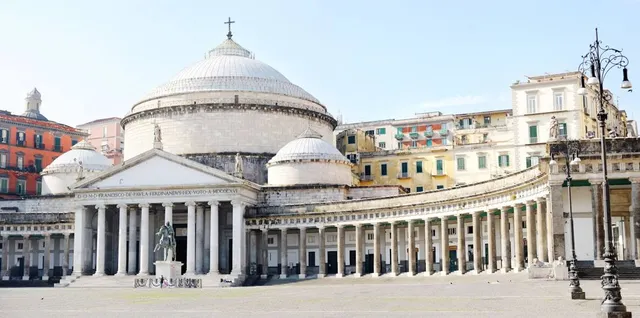
San Francesco di Paola is a prominent church located to the west in Piazza del Plebiscito, the main square of Naples, Italy. In the early 19th century, King Joachim Murat of Naples planned the entire square and the large building with the colonnades as a tribute to the emperor.
Cultural
Scenic
Family friendly
Accessibility
attractions: Piazza del Plebiscito, Galleria Borbonica - Ingresso Vico Grottone, Napoli Sotterranea Guided Authorized Tour, San Carlo Theatre, Galleria Umberto I, Palazzo Serra di Cassano, Molosiglio Gardens, Galleria Borbonica, Museo Artistico-Industriale Filippo Palizzi, Royal Palace of Naples, restaurants: Na Bona Furchetta Trattoria, Pizzeria Pavia, Gran Caffè Gambrinus, Pizzeria Brandi, Antica Taverna a Chiaia, Antica Trattoria da Nanninella Napoli, Trattoria Da Ettore, La Trattoria da Peppino Ritrovo degli Artisti, Ristorante Sette Passi a Chiaia, Il Pizzaiolo di Pizzofalcone, local businesses: Marte Gioielli, Feltrinelli Bookstores, Pietrasalata gioielli Argento, Zara, Farmacia Pizzofalcone Dott.Fulvio Natale, Metropolitan Cinema, gamelife, CHIAIA BURGER&Fry, Maxon Store, Pylones Napoli
 Learn more insights from Wanderboat AI.
Phone
+39 081 1948 4893
Plan your stay

Pet-friendly Hotels in Naples
Find a cozy hotel nearby and make it a full experience.

Affordable Hotels in Naples
Find a cozy hotel nearby and make it a full experience.

The Coolest Hotels You Haven't Heard Of (Yet)
Find a cozy hotel nearby and make it a full experience.

Trending Stays Worth the Hype in Naples
Find a cozy hotel nearby and make it a full experience.
Reviews
Live events
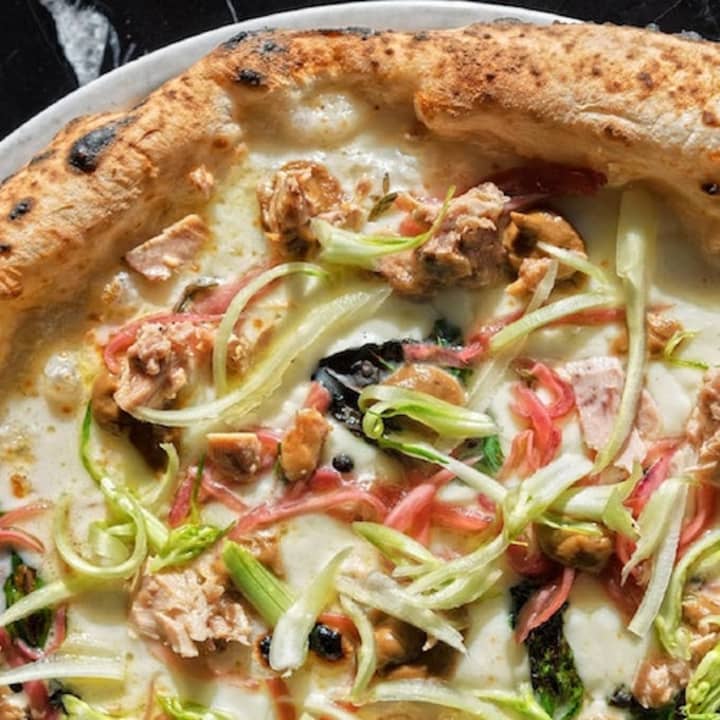
Degustazione di pizza a Napoli: Esperienza gastronomica
Sat, Feb 7 • 12:30 PM
Riviera di Chiaia, 271, Napoli, 80121
View details
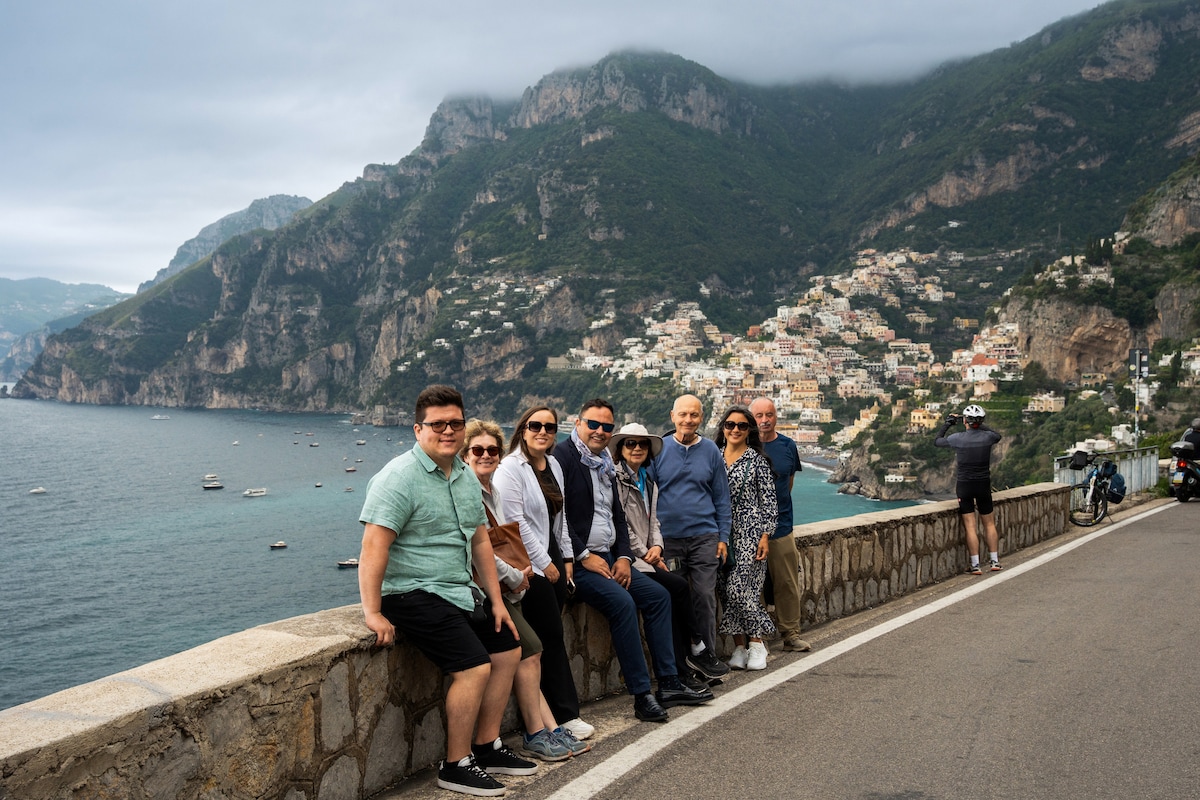
Discover the Amalfi Coast
Sat, Feb 7 • 9:00 AM
80142, Naples, Campania, Italy
View details
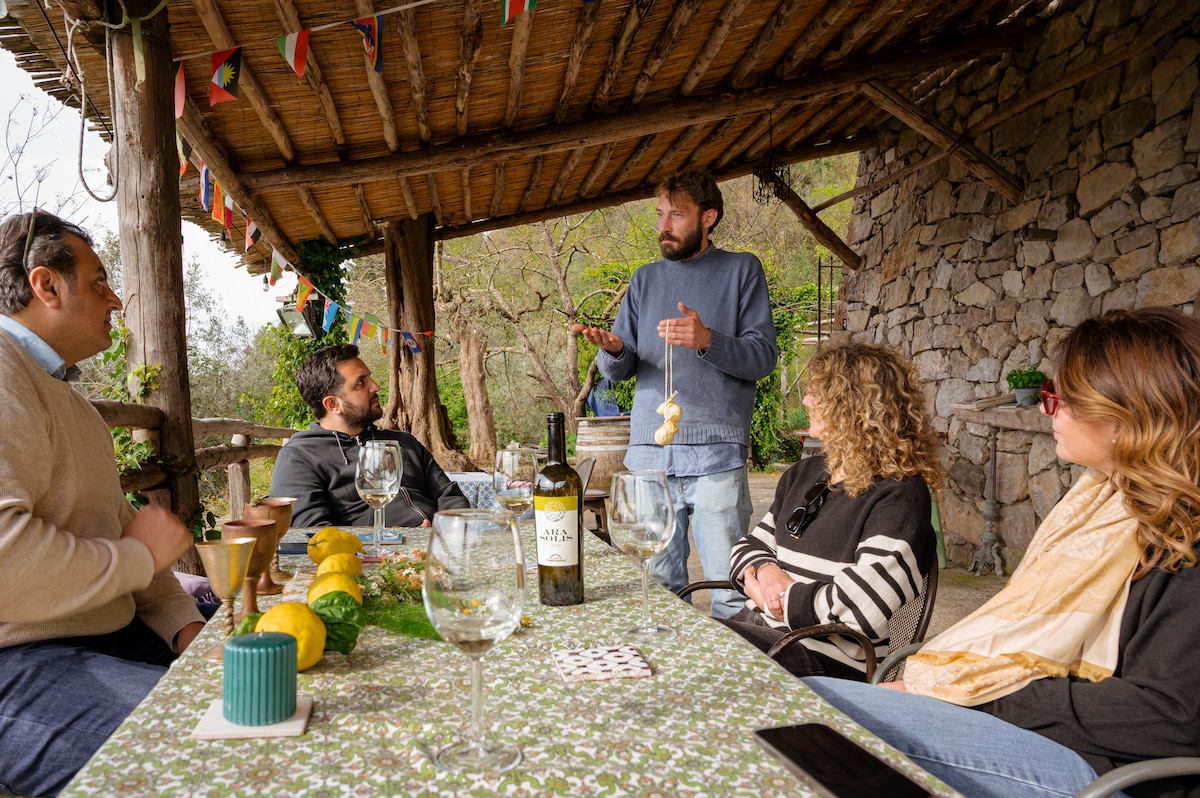
Taste wine and cheese in a paradise
Mon, Feb 9 • 1:30 PM
80069, Vico Equense, Campania, Italy
View details
Nearby attractions of Basilica Reale Pontificia San Francesco da Paola
Piazza del Plebiscito
Galleria Borbonica - Ingresso Vico Grottone
Napoli Sotterranea Guided Authorized Tour
San Carlo Theatre
Galleria Umberto I
Palazzo Serra di Cassano
Molosiglio Gardens
Galleria Borbonica
Museo Artistico-Industriale Filippo Palizzi
Royal Palace of Naples
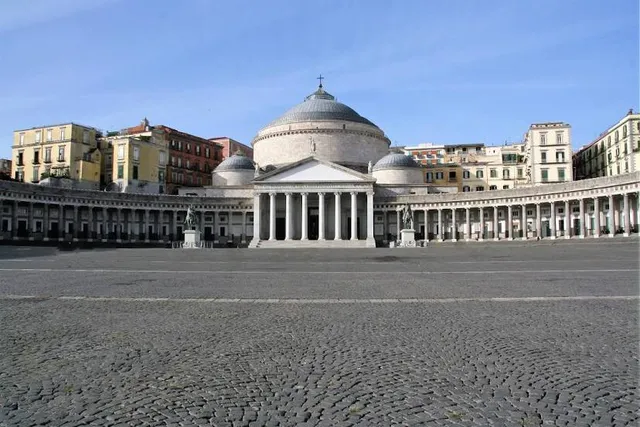
Piazza del Plebiscito
4.7
(28.9K)
Open 24 hours
Click for details
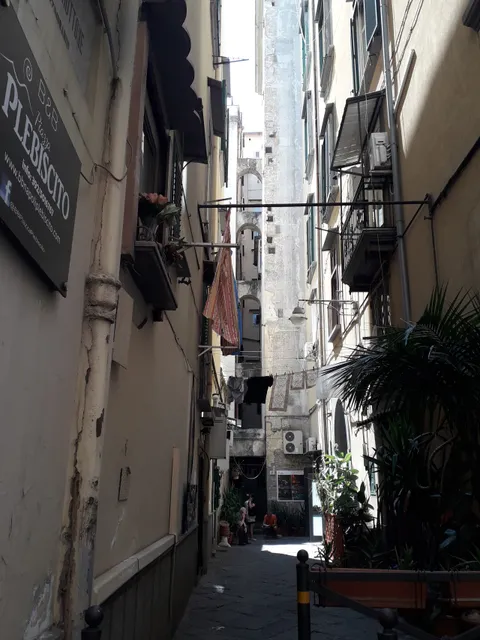
Galleria Borbonica - Ingresso Vico Grottone
4.7
(1.1K)
Open until 5:00 PM
Click for details
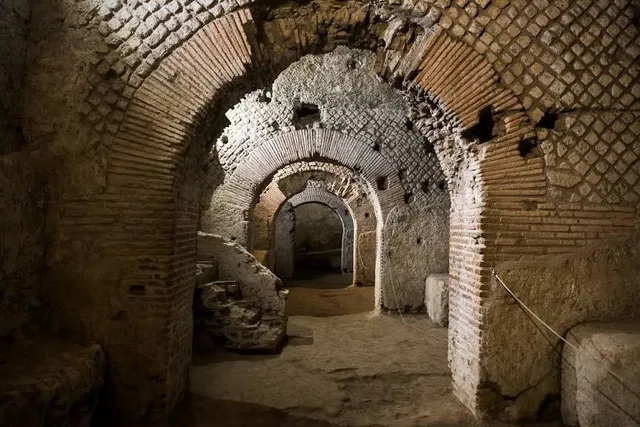
Napoli Sotterranea Guided Authorized Tour
4.7
(3.8K)
Open until 6:00 PM
Click for details
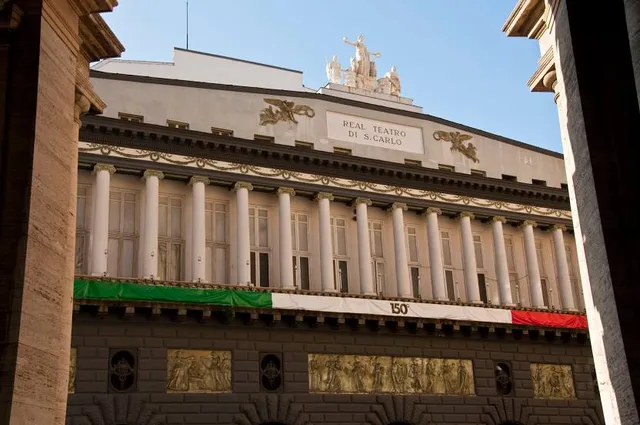
San Carlo Theatre
4.8
(3.8K)
Open 24 hours
Click for details
Nearby restaurants of Basilica Reale Pontificia San Francesco da Paola
Na Bona Furchetta Trattoria
Pizzeria Pavia
Gran Caffè Gambrinus
Pizzeria Brandi
Antica Taverna a Chiaia
Antica Trattoria da Nanninella Napoli
Trattoria Da Ettore
La Trattoria da Peppino Ritrovo degli Artisti
Ristorante Sette Passi a Chiaia
Il Pizzaiolo di Pizzofalcone
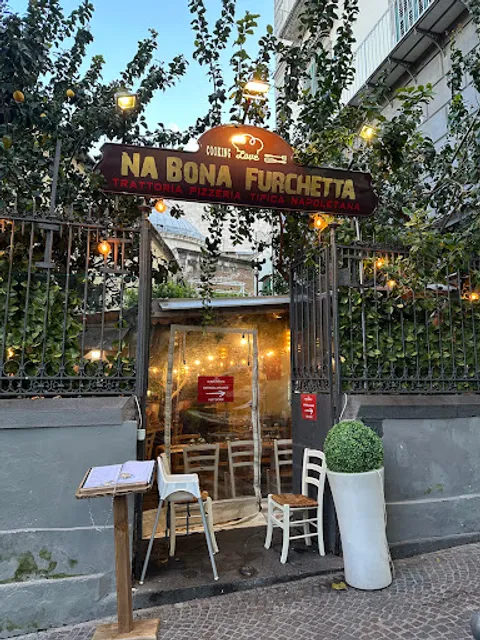
Na Bona Furchetta Trattoria
4.5
(1.3K)
$$
Open until 12:00 AM
Click for details
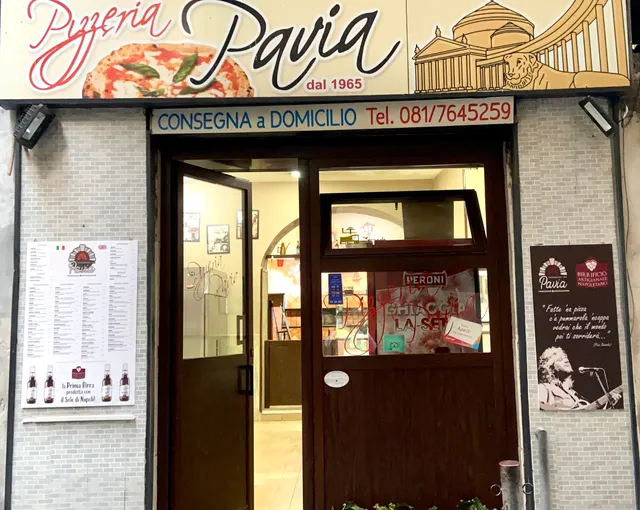
Pizzeria Pavia
4.7
(1.1K)
Open until 4:00 PM
Click for details
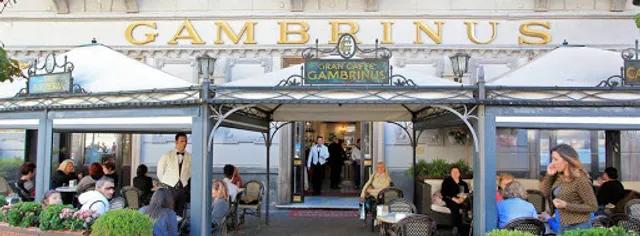
Gran Caffè Gambrinus
4.0
(5.5K)
Open until 1:00 AM
Click for details
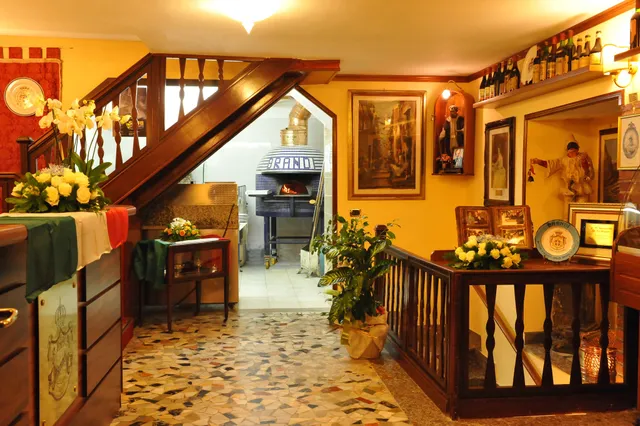
Pizzeria Brandi
4.2
(3K)
Open until 3:30 PM
Click for details
Nearby local services of Basilica Reale Pontificia San Francesco da Paola
Marte Gioielli
Feltrinelli Bookstores
Pietrasalata gioielli Argento
Zara
Farmacia Pizzofalcone Dott.Fulvio Natale
Metropolitan Cinema
gamelife
CHIAIA BURGER&Fry
Maxon Store
Pylones Napoli

Marte Gioielli
5.0
(64)
Click for details
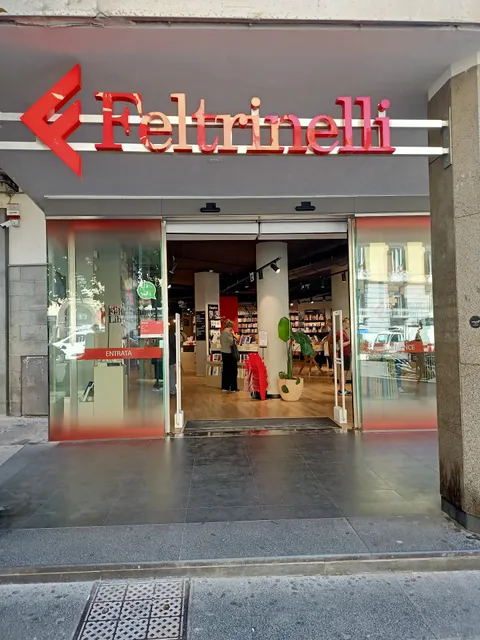
Feltrinelli Bookstores
4.5
(2.7K)
Click for details
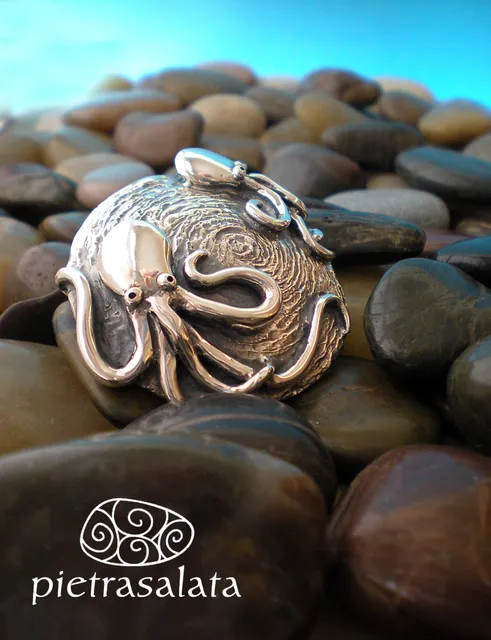
Pietrasalata gioielli Argento
4.8
(81)
Click for details
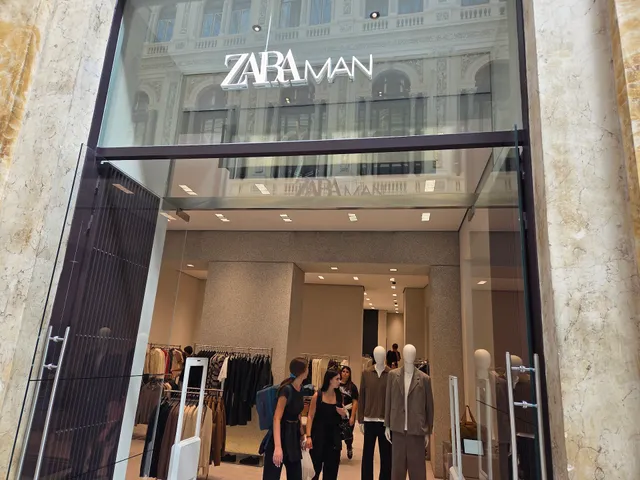
Zara
3.8
(1.1K)
Click for details


The hit list

Plan your trip with Wanderboat
Welcome to Wanderboat AI, your AI search for local Eats and Fun, designed to help you explore your city and the world with ease.
Powered by Wanderboat AI trip planner.





