Complesso Museale Santa Maria delle Anime del Purgatorio ad Arco things to do, attractions, restaurants, events info and trip planning

Basic Info
Complesso Museale Santa Maria delle Anime del Purgatorio ad Arco
Via dei Tribunali, 39, 80138 Napoli NA, Italy
4.6(450)
Closed

tickets
Save
spot
spot
Ratings & Description
Info
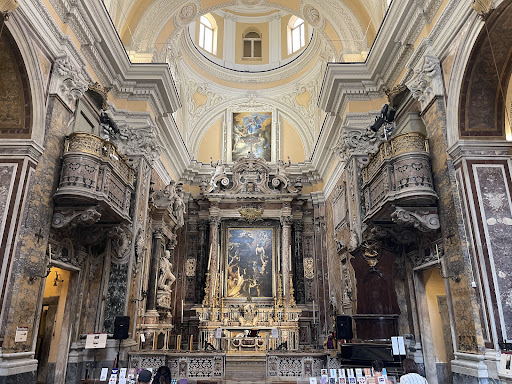
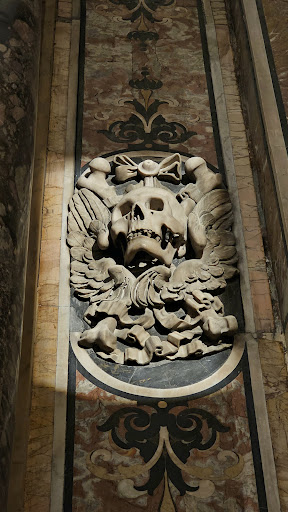
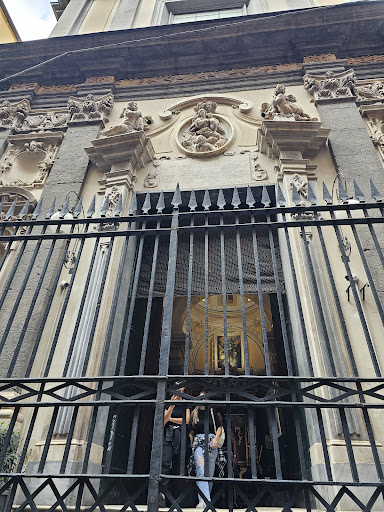
The church of the Purgatorio ad Arco, or Santa Maria delle Anime del Purgatorio ad Arco is a religious edifice in central Naples, Italy, located on Via dei Tribunali. The church is two blocks west of the church of Santa Maria Maggiore della Pietrasanta on Via dei Tribunali.
Cultural
Accessibility
Family friendly
attractions: Underground Naples, Sansevero Chapel Museum, LAPIS Museum - Museo dell'Acqua Napoli, Complesso Monumentale San Lorenzo Maggiore, Duomo di Santa Maria Assunta, Basilica di San Paolo Maggiore, La Scarabattola, Murales Maradona di Mario Casti, Museo delle Torture, Palazzo Petrucci, restaurants: Gino e Toto Sorbillo, Pizzeria e Trattoria del Purgatorio, Pizzeria Antonio Sorbillo, Portico Pizzeria e Trattoria, Trattoria Enoteca Campagnola, Pizzeria I Decumani, Antica Pizzeria Di Matteo, Pizzeria Presepe Napoletano by Gino Sorbillo, Ristopescheria la tana della sirena, Diaz Microtorrefazione, local businesses: Sansevero Chapel Museum, Church San Michele, Storica Salumeria Zinzi, London Store, Salumeria Rafele 'O Lattaro, Via S. Gregorio Armeno, Pasticceria Artigianale Ippolito, Via San Gregorio Armeno, Basilica, I Minopoli a San Gregorio Armeno
 Learn more insights from Wanderboat AI.
Phone
+39 371 583 1130
Website
purgatorioadarco.it
Open hoursSee all hours
Sat10 AM - 5 PMClosed
Plan your stay

Pet-friendly Hotels in Naples
Find a cozy hotel nearby and make it a full experience.

Affordable Hotels in Naples
Find a cozy hotel nearby and make it a full experience.

The Coolest Hotels You Haven't Heard Of (Yet)
Find a cozy hotel nearby and make it a full experience.

Trending Stays Worth the Hype in Naples
Find a cozy hotel nearby and make it a full experience.
Reviews
Live events
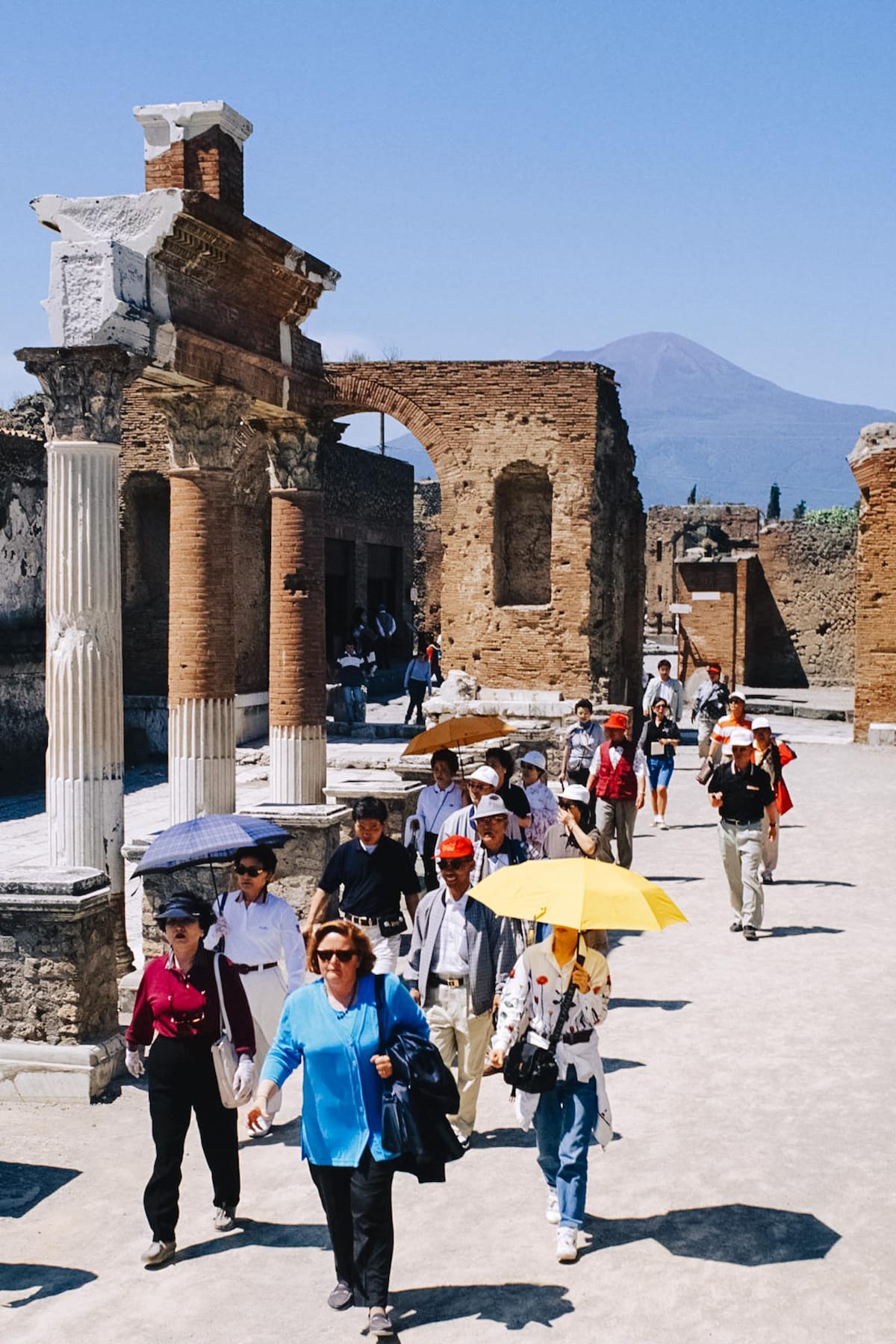
Explore Pompeii and Herculaneum
Sat, Feb 7 • 10:30 AM
80045, Pompei, Campania, Italy
View details

Taste wine and cheese in a paradise
Mon, Feb 9 • 1:30 PM
80069, Vico Equense, Campania, Italy
View details
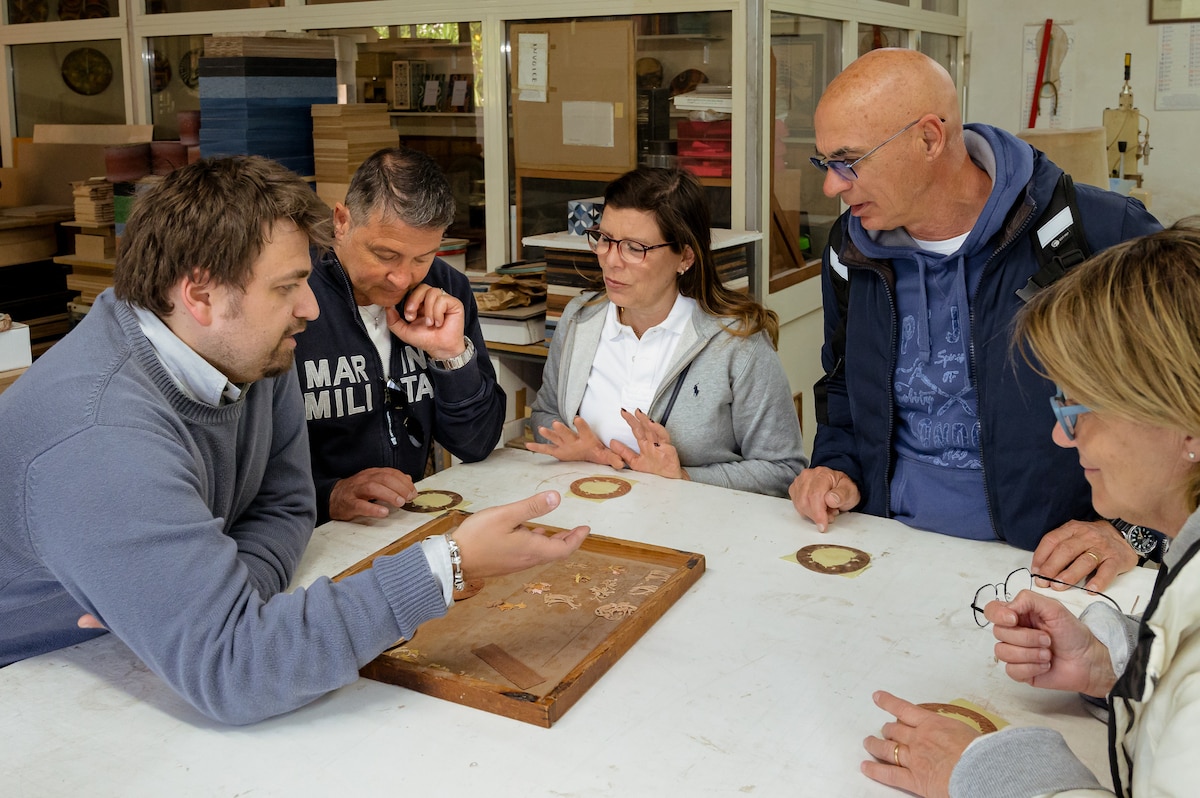
Craft a wood inlay piece with an artisan
Sat, Feb 7 • 9:30 AM
80067, Sorrento, Campania, Italy
View details
Nearby attractions of Complesso Museale Santa Maria delle Anime del Purgatorio ad Arco
Underground Naples
Sansevero Chapel Museum
LAPIS Museum - Museo dell'Acqua Napoli
Complesso Monumentale San Lorenzo Maggiore
Duomo di Santa Maria Assunta
Basilica di San Paolo Maggiore
La Scarabattola
Murales Maradona di Mario Casti
Museo delle Torture
Palazzo Petrucci

Underground Naples
4.6
(10.8K)
Closed
Click for details

Sansevero Chapel Museum
4.7
(15.5K)
Closed
Click for details
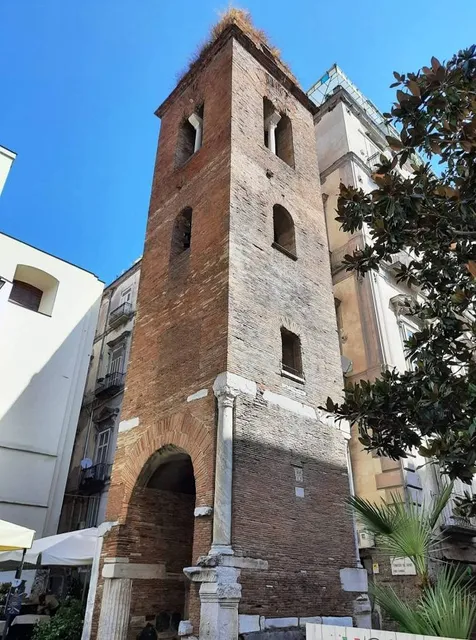
LAPIS Museum - Museo dell'Acqua Napoli
4.6
(624)
Closed
Click for details

Complesso Monumentale San Lorenzo Maggiore
4.5
(1.2K)
Closed
Click for details
Nearby restaurants of Complesso Museale Santa Maria delle Anime del Purgatorio ad Arco
Gino e Toto Sorbillo
Pizzeria e Trattoria del Purgatorio
Pizzeria Antonio Sorbillo
Portico Pizzeria e Trattoria
Trattoria Enoteca Campagnola
Pizzeria I Decumani
Antica Pizzeria Di Matteo
Pizzeria Presepe Napoletano by Gino Sorbillo
Ristopescheria la tana della sirena
Diaz Microtorrefazione

Gino e Toto Sorbillo
4.5
(11.5K)
Closed
Click for details
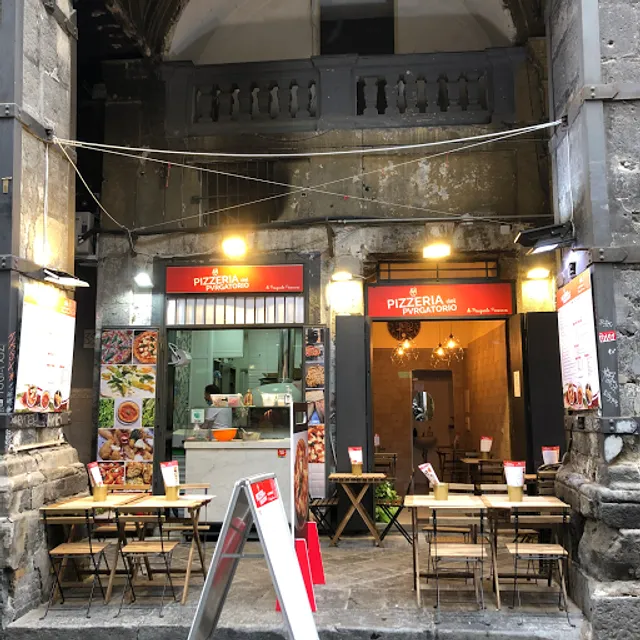
Pizzeria e Trattoria del Purgatorio
4.7
(2.6K)
Closed
Click for details
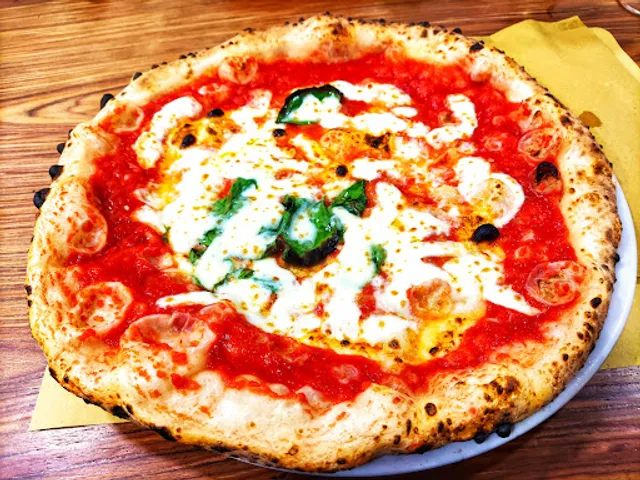
Pizzeria Antonio Sorbillo
4.8
(2.1K)
Closed
Click for details

Portico Pizzeria e Trattoria
4.6
(2K)
Closed
Click for details
Nearby local services of Complesso Museale Santa Maria delle Anime del Purgatorio ad Arco
Sansevero Chapel Museum
Church San Michele
Storica Salumeria Zinzi
London Store
Salumeria Rafele 'O Lattaro
Via S. Gregorio Armeno
Pasticceria Artigianale Ippolito
Via San Gregorio Armeno
Basilica
I Minopoli a San Gregorio Armeno

Sansevero Chapel Museum
4.7
(11.9K)
Click for details

Church San Michele
4.6
(348)
Click for details
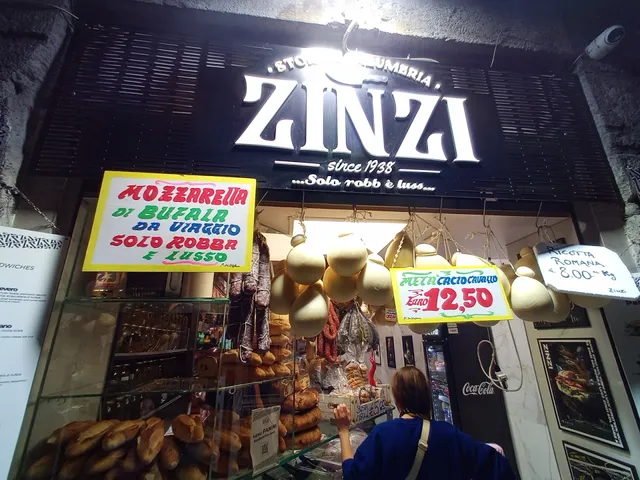
Storica Salumeria Zinzi
4.2
(239)
Click for details
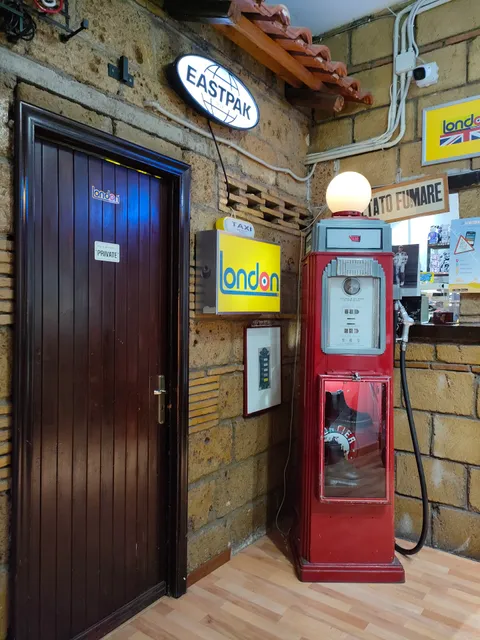
London Store
4.8
(673)
Click for details


The hit list
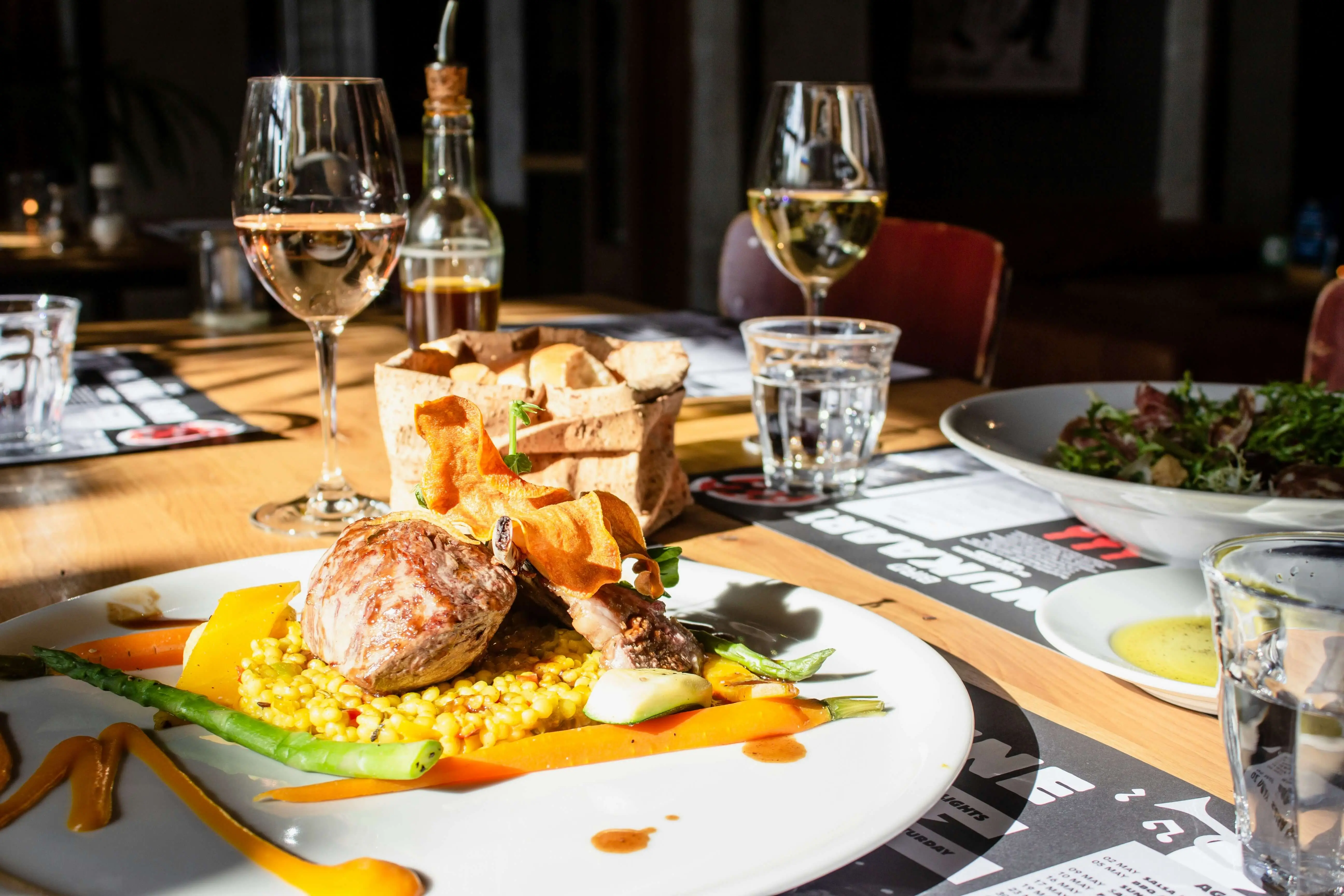

Plan your trip with Wanderboat
Welcome to Wanderboat AI, your AI search for local Eats and Fun, designed to help you explore your city and the world with ease.
Powered by Wanderboat AI trip planner.