Cattedrale di Pisa things to do, attractions, restaurants, events info and trip planning
Basic Info
Cattedrale di Pisa
Piazza del Duomo, 56126 Pisa PI, Italy
4.8(5.3K)
Closed


tickets
Save
spot
spot
Ratings & Description
Info
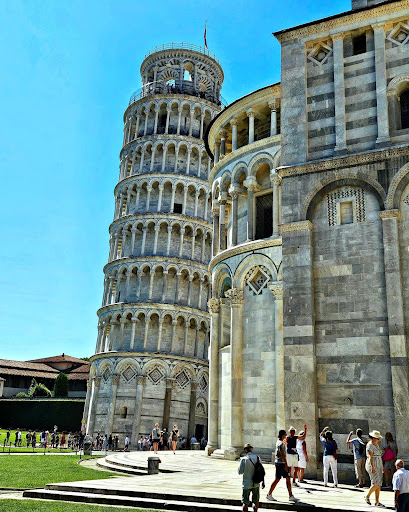
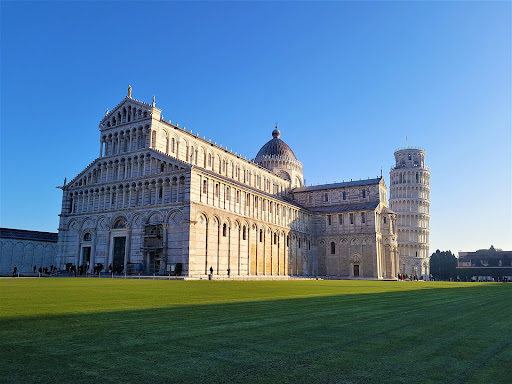
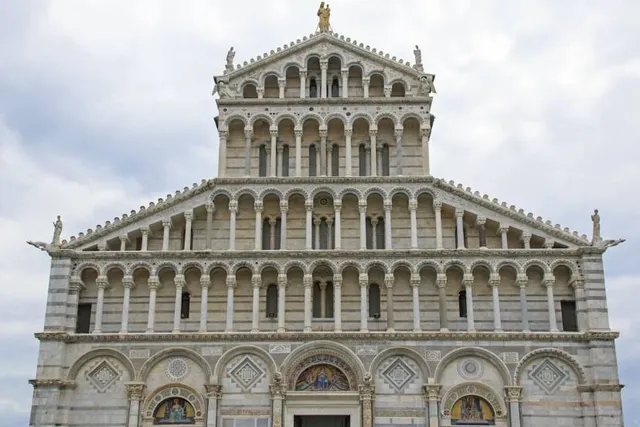
Pisa Cathedral is a medieval Roman Catholic cathedral dedicated to the Assumption of the Virgin Mary, in the Piazza dei Miracoli in Pisa, Italy, the oldest of the three structures in the plaza followed by the Pisa Baptistry and the Campanile known as the Leaning Tower of Pisa.
Cultural
Family friendly
Accessibility
attractions: Leaning Tower of Pisa, Piazza del Duomo, Battistero di San Giovanni, Camposanto, Sinopie Museum, Museo dell'Opera del Duomo, Angelo Caduto, Fontana dei Putti, Lupa Capitolina, Palazzo della Opera della Primaziale Pisana, restaurants: RISTORANTE PIZZERIA L'EUROPEO, Ristorante Pizzeria Duomo, Ristoro Pecorino, Ristorante Enoteca Il Toscano, Trattoria Toscana dal 1976 Pisa, Bistrot dell’Opera, Kiste' - La Pizza Artigianale, Pizzeria Trattoria La Buca, Cafè I Miracoli, Trattoria Il Turista | Pisa, local businesses: Cathedral of Santa Maria Assunta and Jenesien, Museo dell'Opera del Duomo, Schiefer Turm Pisa, Iglesia de Santa Clara, Tourist Market, G. Barsanti e Figli e C. Sas, Bottega dei Miracoli, Summer Cinema Roma, Arcidiocesi di Pisa, Place des Chevaliers
 Learn more insights from Wanderboat AI.
Phone
+39 050 560921
Website
opapisa.it
Open hoursSee all hours
Sun10 AM - 6 PMClosed
Plan your stay

Pet-friendly Hotels in Pisa
Find a cozy hotel nearby and make it a full experience.

Affordable Hotels in Pisa
Find a cozy hotel nearby and make it a full experience.

The Coolest Hotels You Haven't Heard Of (Yet)
Find a cozy hotel nearby and make it a full experience.

Trending Stays Worth the Hype in Pisa
Find a cozy hotel nearby and make it a full experience.
Reviews
Live events

Scrittura Creativa - One Shot Writing Night - Scatola Cibo di Bill Simpson
Mon, Feb 23 • 8:45 PM
31 Via del Borghetto 56124 Pisa
View details

Vengo anchio! (o magari no) Vol II
Tue, Feb 24 • 6:30 PM
5 Via Silvestri 56125 Pisa
View details
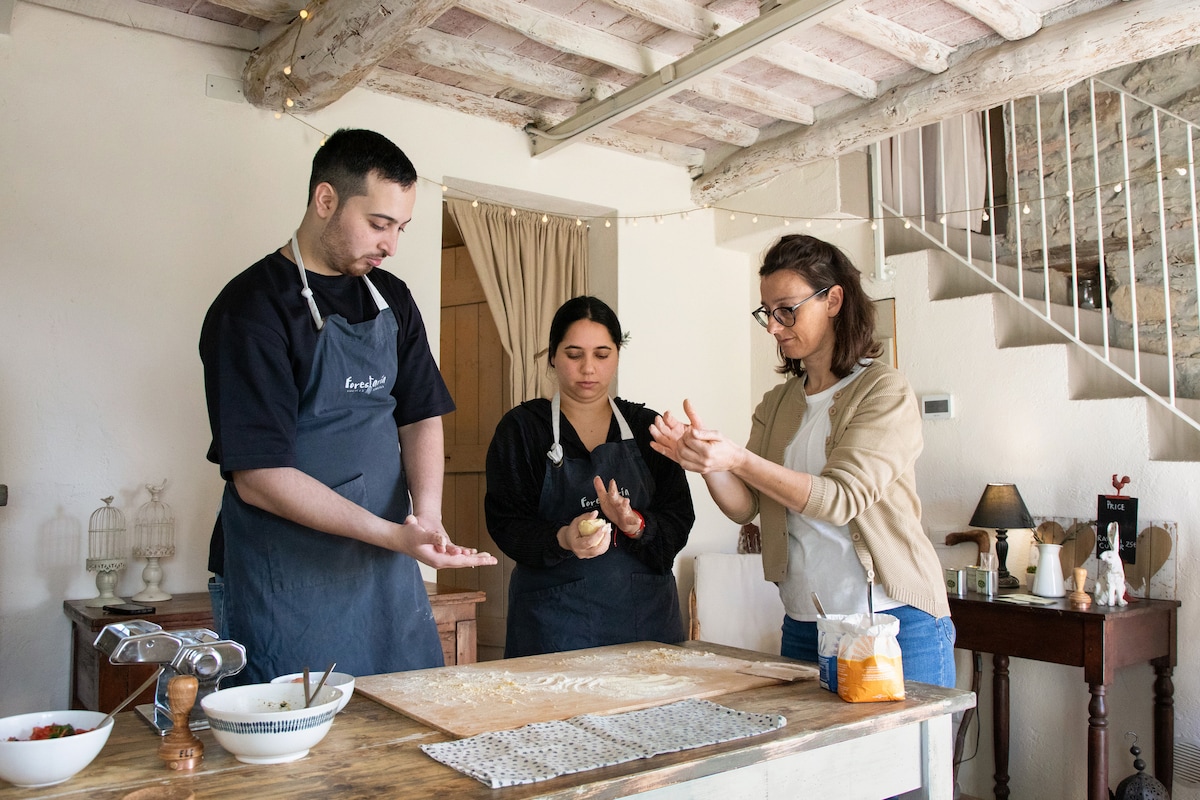
Cooking at a Tuscan farm
Mon, Feb 23 • 11:00 AM
55012, Capannori, Toscana, Italy
View details
Nearby attractions of Cattedrale di Pisa
Leaning Tower of Pisa
Piazza del Duomo
Battistero di San Giovanni
Camposanto
Sinopie Museum
Museo dell'Opera del Duomo
Angelo Caduto
Fontana dei Putti
Lupa Capitolina
Palazzo della Opera della Primaziale Pisana
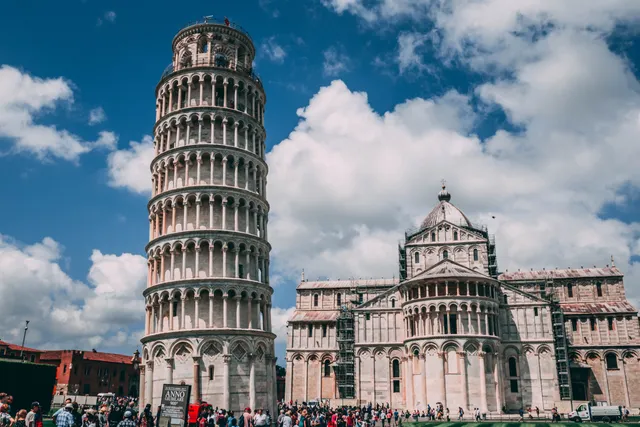
Leaning Tower of Pisa
4.7
(58.4K)
Closed
Click for details
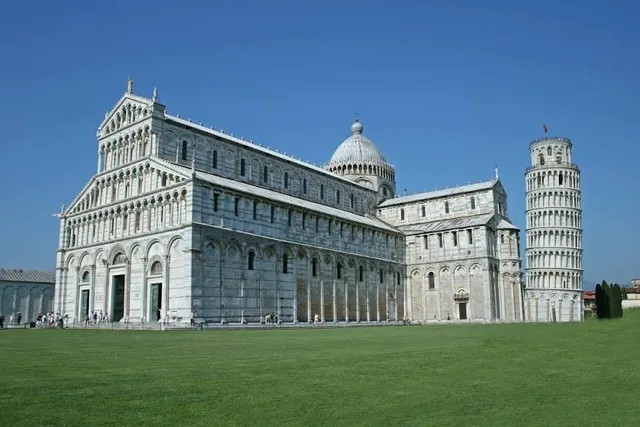
Piazza del Duomo
4.7
(43.9K)
Open until 12:00 AM
Click for details
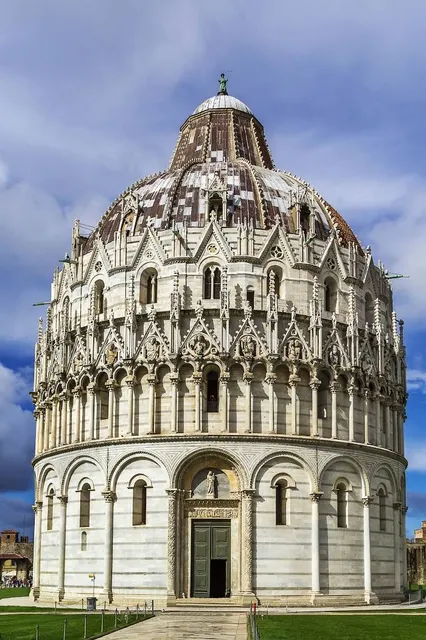
Battistero di San Giovanni
4.6
(1.8K)
Closed
Click for details
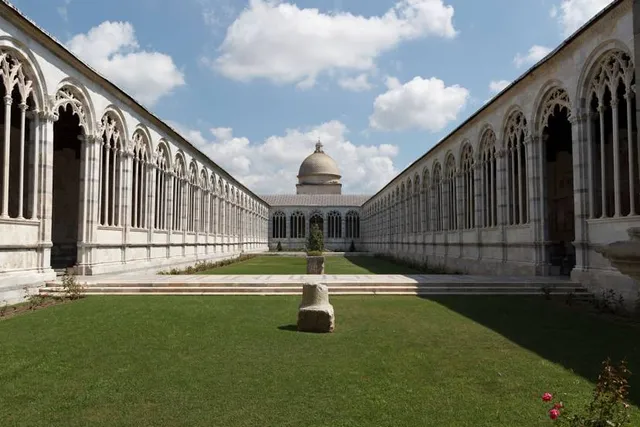
Camposanto
4.7
(567)
Closed
Click for details
Nearby restaurants of Cattedrale di Pisa
RISTORANTE PIZZERIA L'EUROPEO
Ristorante Pizzeria Duomo
Ristoro Pecorino
Ristorante Enoteca Il Toscano
Trattoria Toscana dal 1976 Pisa
Bistrot dell’Opera
Kiste' - La Pizza Artigianale
Pizzeria Trattoria La Buca
Cafè I Miracoli
Trattoria Il Turista | Pisa
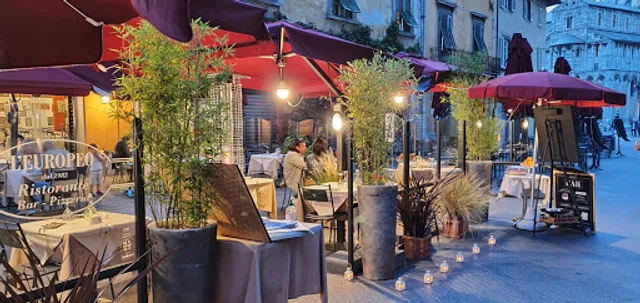
RISTORANTE PIZZERIA L'EUROPEO
4.6
(2K)
Closed
Click for details
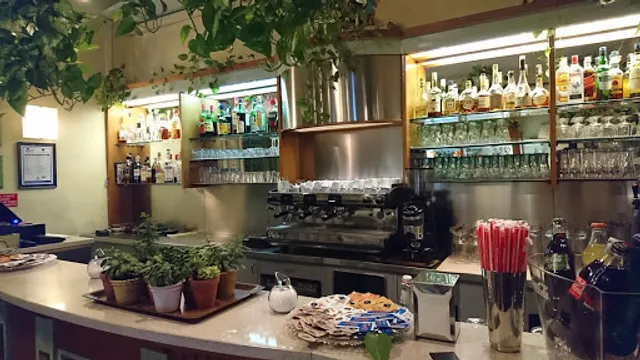
Ristorante Pizzeria Duomo
3.5
(839)
Closed
Click for details
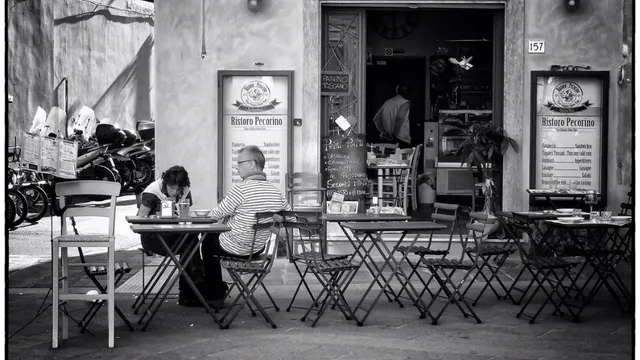
Ristoro Pecorino
4.4
(1.3K)
Closed
Click for details
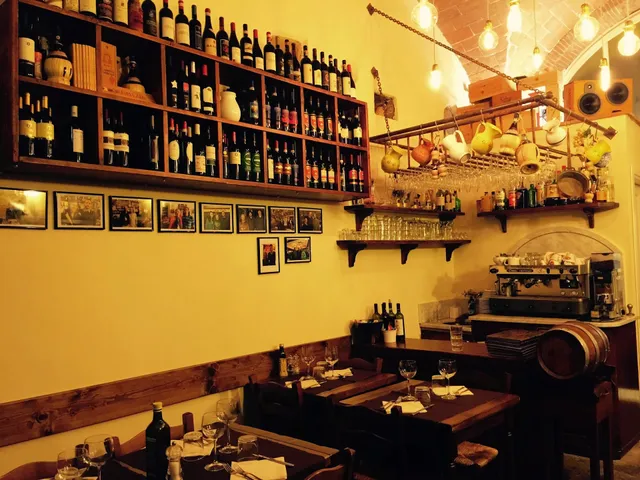
Ristorante Enoteca Il Toscano
4.1
(716)
Closed
Click for details
Nearby local services of Cattedrale di Pisa
Cathedral of Santa Maria Assunta and Jenesien
Museo dell'Opera del Duomo
Schiefer Turm Pisa
Iglesia de Santa Clara
Tourist Market
G. Barsanti e Figli e C. Sas
Bottega dei Miracoli
Summer Cinema Roma
Arcidiocesi di Pisa
Place des Chevaliers
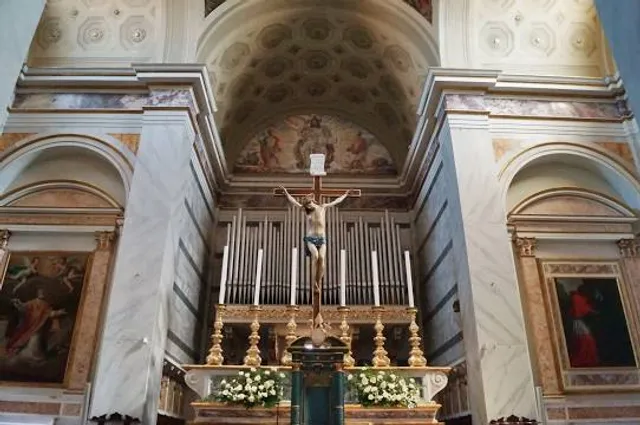
Cathedral of Santa Maria Assunta and Jenesien
4.5
(185)
Click for details

Museo dell'Opera del Duomo
4.6
(230)
Click for details
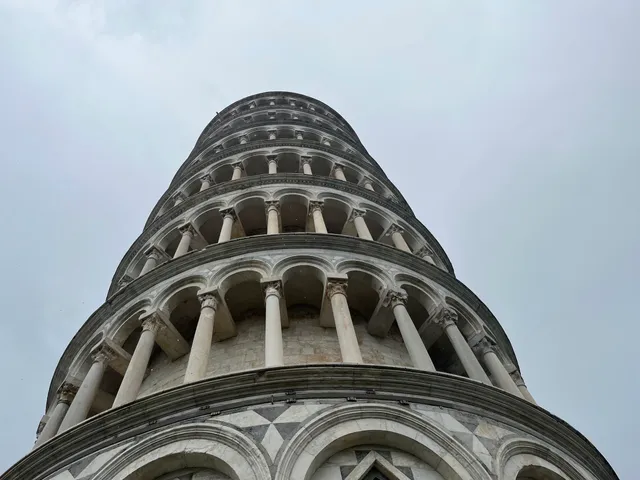
Schiefer Turm Pisa
4.4
(20)
Click for details
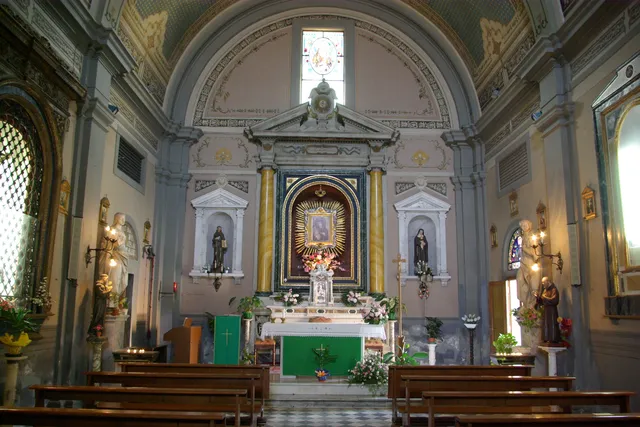
Iglesia de Santa Clara
4.4
(59)
Click for details