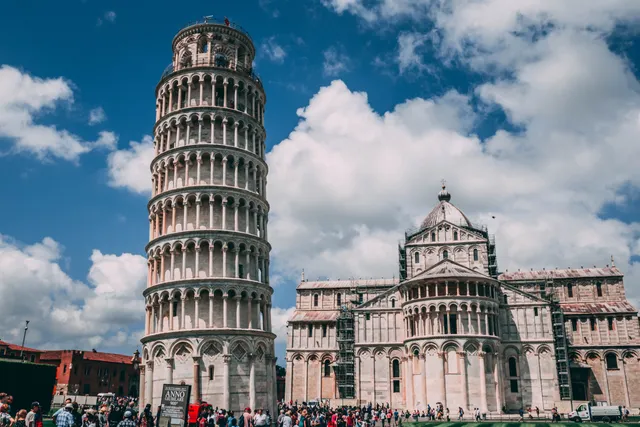
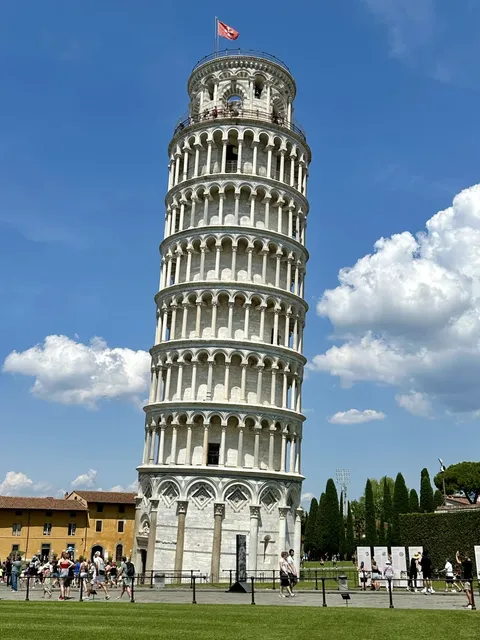
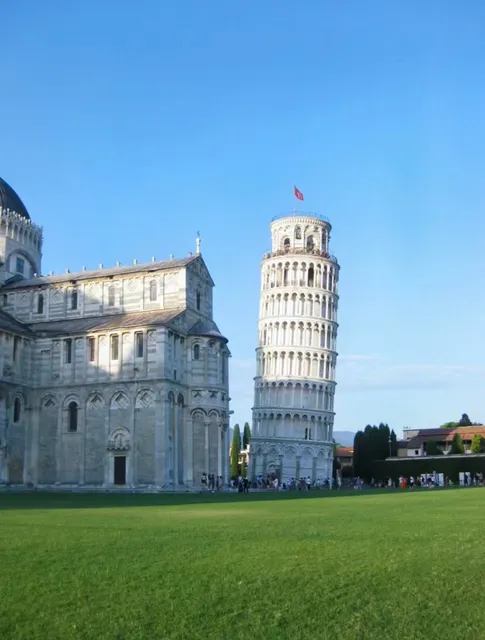
The Leaning Tower of Pisa: A Marvel of Engineering The Leaning Tower of Pisa is a bell tower located in Pisa, Italy. It's famous for its significant lean, which is the result of an unstable foundation. Why Does It Lean? The tower began to lean during construction in the 12th century due to soft ground that couldn't properly support the structure's weight. The lean worsened over time, reaching a critical point in the late 20th century. Stabilization Efforts To prevent the tower from collapsing, extensive restoration work was carried out between 1993 and 2001. Engineers successfully reduced the tilt and stabilized the structure. A Tourist Attraction Despite its lean, the Leaning Tower of Pisa remains a major tourist attraction. Visitors can climb the tower's spiral staircase to enjoy panoramic views of the city. A Deeper Dive into the Leaning Tower of Pisa Architectural Marvels Romanesque Style: The tower is a prime example of Romanesque architecture, characterized by its round arches, thick walls, and ornate details. Bell Tower: Its primary function was to house the bells for the nearby Pisa Cathedral. Marble Construction: The tower is constructed primarily of white marble, giving it a striking appearance. Historical Significance Symbol of Pisa's Power: The tower was built during a period of great prosperity for the city of Pisa, symbolizing its wealth and influence. Construction Challenges: Due to the unstable foundation, construction was halted several times over the centuries. UNESCO World Heritage Site: In 1987, the Leaning Tower of Pisa, along with the Pisa Cathedral and Baptistery, was declared a UNESCO World Heritage Site. Fun Facts Height: The tower is approximately 57 meters (187 feet) tall. Steps: There are 296 steps to climb to the top. Leaning Angle: The current lean is around 3.97 degrees. Popular Tourist Destination: Millions of visitors from around the world flock to Pisa each year to see the Leaning Tower. Restoration Efforts and Cultural Significance Restoration Efforts 1960s Stabilization: Initial attempts to stabilize the tower involved placing weights on the opposite side of the lean. 1990s Major Project: The most significant restoration project took place between 1993 and 2001. Engineers used a complex system of counterweights and steel cables to straighten the tower by about 17 centimeters (6.7 inches). Ongoing Monitoring: The tower continues to be monitored closely to ensure its stability and prevent further leaning. Cultural Significance Symbol of Italy: The Leaning Tower of Pisa has become a symbol of Italy and its rich cultural heritage. Tourist Attraction: It is one of the most popular tourist destinations in the world, attracting millions of visitors each year. In Popular Culture Symbol of Italy: The Leaning Tower of Pisa has become a recognizable symbol of Italy, appearing in films, television shows, and advertisements. Inspiration for Artists: It has inspired countless artists, including painters, sculptors, and musicians. Cultural Icon: The tower is a beloved cultural icon, recognized by people all over the world. Impact on the Local Economy Major Tourist Attraction: The Leaning Tower is a major tourist attraction, generating millions of euros in revenue for the city of Pisa each year. Job Creation: The tower supports a number of jobs in the tourism industry, including tour guides, souvenir vendors, and restaurant workers. Economic Development: The tower has contributed to the overall economic development of the Pisa region. Additional Facts UNESCO World Heritage Site: The Leaning Tower of Pisa, along with the Pisa Cathedral and Baptistery, is a UNESCO World Heritage Site. Scientific Research: The tower has been the subject of extensive scientific research, with scientists studying its structural integrity and the causes of its lean. Popular Destination for Students: The tower is a popular destination for students studying architecture and engineering. I hope this comprehensive overview of the Leaning...
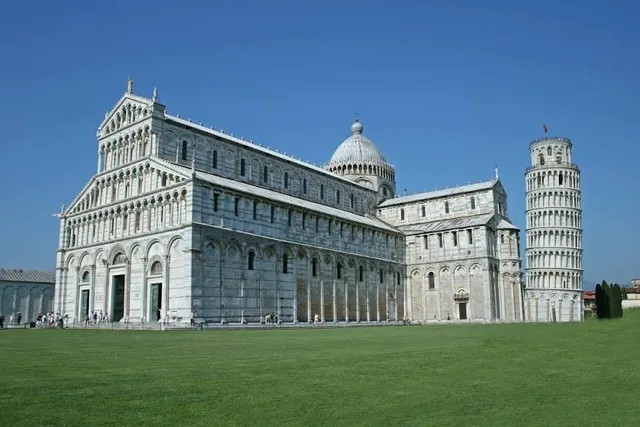
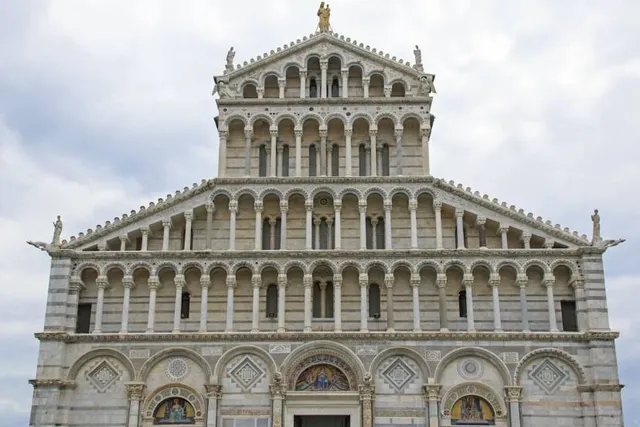
   Read moreLocated at Piazza del Duomo, 56126 Pisa PI, Italy đŽđš. The Leaning Tower of Pisa is the freestanding bell tower of Pisa Cathedral. Itâs known for its nearly four degree lean, the result of an unstable foundation. The tower is one of three 3ď¸âŁ structures in Pisaâs Cathedral Square, which includes the cathedral and Pisa Baptistery. Over time, the tower has become one of the most visited tourist attractions in the world as well as an architectural icon of Italy. It receives over 5 million visitors every year. The tower has 296 or 294 steps; the seventh floor has two fewer steps on the north-facing staircase. The tower began to lean during construction in the 12th century, due to soft ground which could not properly support the structure's weight. It worsened through the completion of construction in the 14th century. By 1990, the tilt had reached 5.5 degrees. The structure was stabilized by remedial work between 1993 and 2001, which reduced the tilt to 3.97 degrees. Admission to the Cathedral is FREE. Children under 8 years are not permitted to enter the Tower and children under 18 years are required to be accompanied by an adult. The ticket is valid on the day and at the time specified. Please check the time of your visit, if you are late you will not be allowed in and you will not be refunded. The tower is not recommended for people with cardiovascular and muscular disorders. The floor is uneven and slippery. We got the complete visit ticket which let us visit all the monuments and museums in the cathedral square including the tower. It cost us âŹ27.00 each and âŹ5.00 for an audio guide for Museo Opera which I highly recommend. You can get single tickets for each structure. Itâs an incredibly busy attraction because of its popularity. I would suggest visiting in morning to try and beat the crowds. Whatever time you booked your ticket to the tower, get there at least fifteen minutes before that and try to get front of lines in order to get great views at top of tower. Thereâs not a lot of space at top, so getting there first helps to get the best photos without pushing through people. The lean is very evident and can feel awkward. There are lockers available near ticket office, suggest putting bags in them before climbing tower as bags can be a hindrance while in tower. Visiting the tower and the other attractions was an amazing experience. It certainly lived up to the hype. Definitely recommend. Thumbs...
   Read moreThe Leaning Tower of Pisa: A Marvel of Architecture and Perseverance
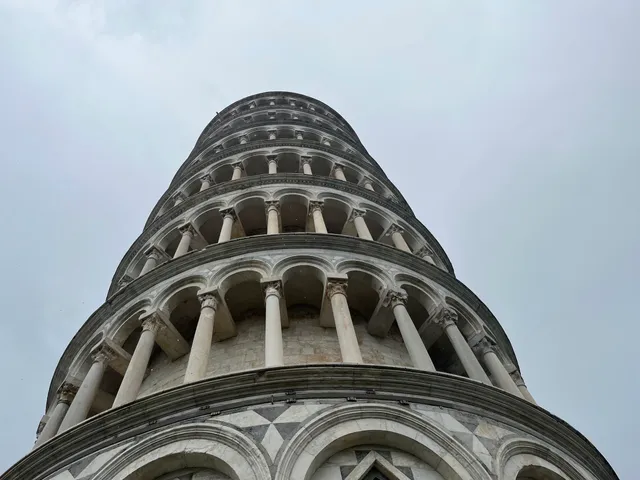
The Leaning Tower of Pisa, or simply the Tower of Pisa, is an iconic campanile (freestanding bell tower) that graces the city of Pisa, Italy. Its distinctive lean has made it a global symbol of architectural wonder and human tenacity. Letâs delve into the fascinating history and allure of this leaning marvel:
A Tower with a Twist:
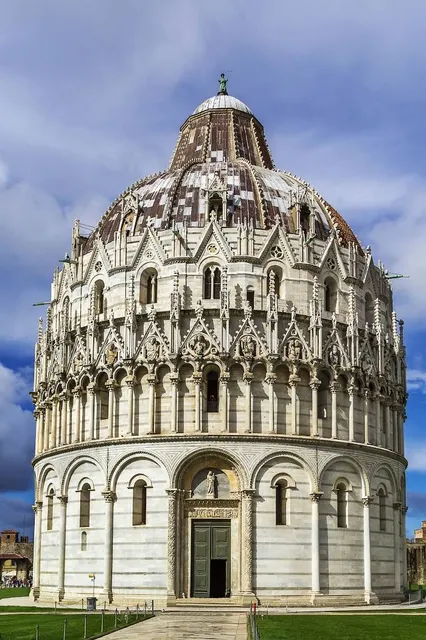
The Leaning Tower of Pisa is part of the Piazza del Duomo, a UNESCO World Heritage Site that includes the cathedral and the Pisa Baptistry.
Its nearly four-degree lean is the result of an unstable foundation, which began to shift during its construction in the 12th century.
Architectural Beauty:
The tower stands 55.86 meters (183 feet 3 inches) tall on the low side and 56.67 meters (185 feet 11 inches) on the high side.
Its Romanesque design features Doric columns, intricate details, and a cylindrical shape.
The Unintentional Lean:
The towerâs lean was not intentional. It occurred due to the soft ground on which it was built.
As construction progressed, the tower began to tilt, worsening through the 14th century.
Stabilization Efforts:
By 1990, the tilt had reached 5.5 degrees.
Extensive remedial work between 1993 and 2001 reduced the tilt to 3.97 degrees.
The tower now stands as a testament to human ingenuity and engineering.
The Architectâs Identity:
The identity of the original architect remains a subject of debate.
While long attributed to Guglielmo and Bonanno Pisano, recent studies suggest Diotisalvi as the likely architect.
Climbing the Tower:
Visitors can climb the towerâs 296 or 294 steps to reach the top.
The seventh floor has two fewer steps on the north-facing staircase.
Views from the Top:
The terrace offers panoramic vistas of Pisa and beyond.
Sunset casts a golden glow over the city, making it a photographerâs paradise.
Legends and Pop Culture:
The tower features in Dan Brownâs novel âAngels & Demonsâ.
Watching tourists pose for pictures, propping up the tower, is both amusing and endearing.
In summary, the Leaning Tower of Pisa is more than an architectural anomalyâitâs a testament to human resilience, a beacon of hope, and a must-visit landmark for travelers worldwide. đď¸đđŽđš
For more information, visit the official website of the Leaning Tower of Pisa. Happy...
   Read more