HTML SitemapExplore
Find Things to DoFind The Best Restaurants

Castel Sant'Angelo — Attraction in Rome

Name
Castel Sant'Angelo
Description
Nearby attractions
Castel Sant'Angelo
Lungotevere Castello, 50, 00193 Roma RM, Italy
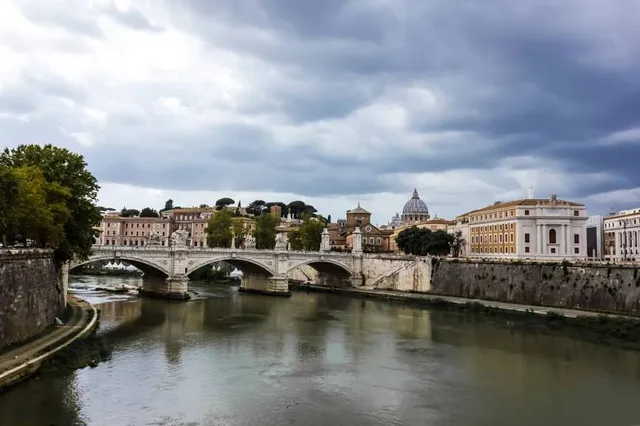
St. Angelo Bridge
Ponte Sant'Angelo, 00186 Roma RM, Italy
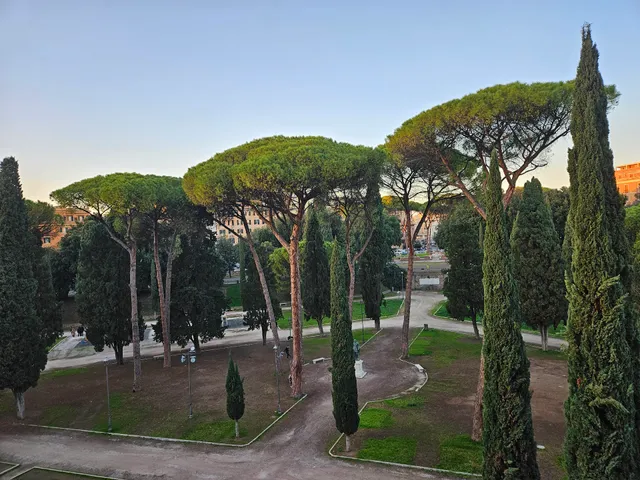
Parco della Mole Adriana
Piazza Adriana, 00193 Roma RM, Italy
Ponte Vittorio Emanuele II
Lungotevere dei Fiorentini, 00186 Roma RM, Italy
Terrazzo dell'Angelo
Lungotevere Castello, 50, 00186 Roma RM, Italy
Passetto di Borgo
00193 Rome, Metropolitan City of Rome Capital, Italy
Museum Leonardo Da Vinci Experience
Via della Conciliazione, 19/21, 00193 Roma RM, Italy
Parrocchia Santuario di Santa Maria in Traspontina
Via della Conciliazione, 00193 Roma RM, Italy
Piazza Navona
Piazza Navona, 00186 Roma RM, Italy
Basilica di San Giovanni Battista dei Fiorentini
Via Acciaioli, 2, 00186 Roma RM, Italy
Nearby restaurants
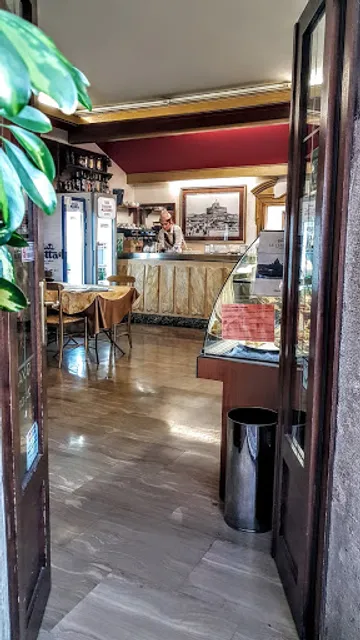
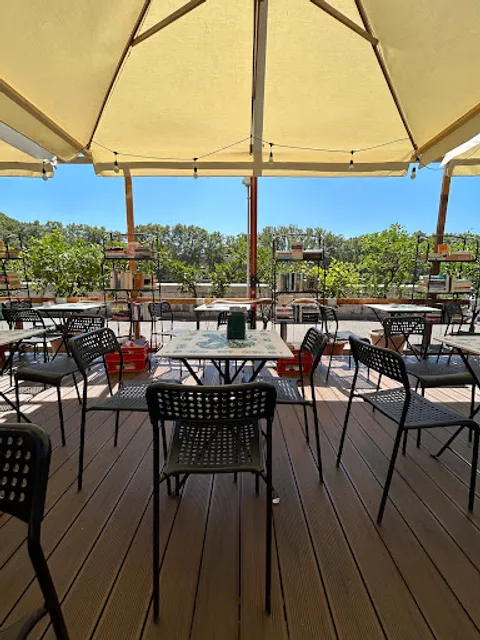
Caffetteria Ristorante Castel Sant’Angelo
Lungotevere Castello, 50, 00186 Roma RM, Italy
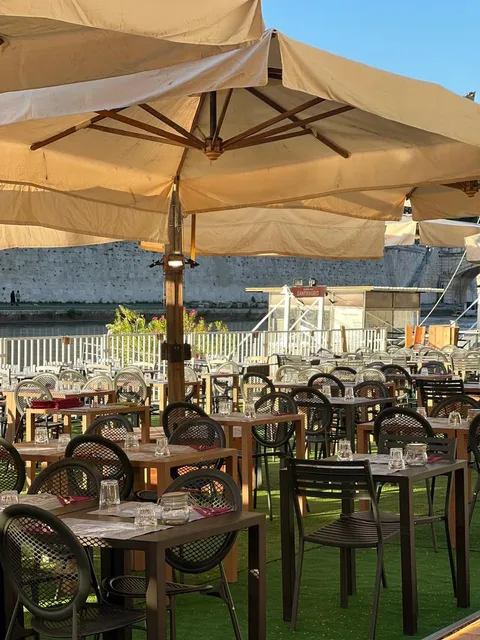
Terrazza Tevere
Lungotevere Tor di Nona, 00186 Roma RM, Italy
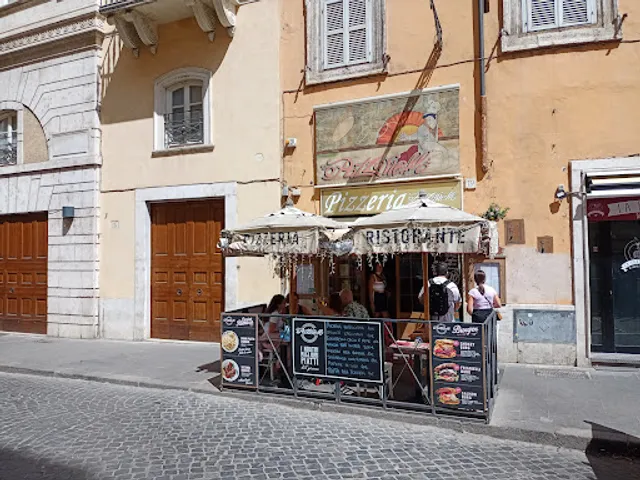
O'Pazzariello
Via del Banco di Santo Spirito, 19, 00186 Roma RM, Italy
Bar Nero Caffé
Via Paola, 31/34, 00186 Roma RM, Italy
Locanda dell'Angelo Ristorante Pizzeria Braceria
Via Paola, 26, 00186 Roma RM, Italy
Ristorante Giovanni
Via del Banco di Santo Spirito, 58, 00186 Roma RM, Italy
Ristorante Sant'Angelo
Via del Banco di Santo Spirito, 8, 00186 Roma RM, Italy
La Salumeria
Via del Banco di Santo Spirito, 24, 00186 Roma RM, Italy
Osteria Le Streghe dal 1920
Vicolo del Curato, 13, 00186 Roma RM, Italy
Il Pastaio di Roma
V. dei Coronari, 102/103, 00186 Roma RM, Italy
Nearby hotels
TheWesley Rome Hotel
Via del Banco di Santo Spirito, 3, 00186 Roma RM, Italy
Domus Alberico
Via Alberico II, 33, 00193 Roma RM, Italy
La Residenza Dell'Angelo
Via Paola, 46, 00186 Roma RM, Italy
The Bridge Suites
Via del Banco di Santo Spirito, 3, 00186 Roma RM, Italy
Infinity Castle B&B
Via del Banco di Santo Spirito, 3, 00186 Roma RM, Italy
Hotel De Charme Roma Dei Papi
Piazza Adriana, 5, 00193 Roma RM, Italy
Alto Apartment
Lungotevere degli Altoviti, 1/Interno 3, 00186 Roma RM, Italy
Ronda St. Angelo Suites
Via dell'Arco dei Banchi, 3, 00186 Roma RM, Italy
Residenza Adriana
Piazza Adriana, 10/C, 00193 Roma RM, Italy
Navona Street Hotel & Bistrot
Via dei banchi nuovi 54, Via Giovanni Giraud, 53, 00186 Roma RM, Italy
Related posts
Keywords
Castel Sant'Angelo tourism.Castel Sant'Angelo hotels.Castel Sant'Angelo bed and breakfast. flights to Castel Sant'Angelo.Castel Sant'Angelo attractions.Castel Sant'Angelo restaurants.Castel Sant'Angelo travel.Castel Sant'Angelo travel guide.Castel Sant'Angelo travel blog.Castel Sant'Angelo pictures.Castel Sant'Angelo photos.Castel Sant'Angelo travel tips.Castel Sant'Angelo maps.Castel Sant'Angelo things to do.
Castel Sant'Angelo things to do, attractions, restaurants, events info and trip planning
Castel Sant'Angelo
ItalyLazioRomeCastel Sant'Angelo

Basic Info

Castel Sant'Angelo

Lungotevere Castello, 50, 00193 Roma RM, Italy
4.7(121)
Closed
Save
spot

Ratings & Description

Info

Cultural
Scenic
Family friendly
Accessibility
attractions: Castel Sant'Angelo, St. Angelo Bridge, Parco della Mole Adriana, Ponte Vittorio Emanuele II, Terrazzo dell'Angelo, Passetto di Borgo, Museum Leonardo Da Vinci Experience, Parrocchia Santuario di Santa Maria in Traspontina, Piazza Navona, Basilica di San Giovanni Battista dei Fiorentini, restaurants: Caffetteria Ristorante Castel Sant’Angelo, Terrazza Tevere, O'Pazzariello, Bar Nero Caffé, Locanda dell'Angelo Ristorante Pizzeria Braceria, Ristorante Giovanni, Ristorante Sant'Angelo, La Salumeria, Osteria Le Streghe dal 1920, Il Pastaio di Roma
logoLearn more insights from Wanderboat AI.
Phone
+39 06 681 9111
Website
beniculturali.it
Open hoursSee all hours
Fri9 AM - 7:30 PMClosed

Plan your stay

hotel
Pet-friendly Hotels in Rome
Find a cozy hotel nearby and make it a full experience.

hotel
Affordable Hotels in Rome
Find a cozy hotel nearby and make it a full experience.

hotel
The Coolest Hotels You Haven't Heard Of (Yet)
Find a cozy hotel nearby and make it a full experience.

hotel
Trending Stays Worth the Hype in Rome
Find a cozy hotel nearby and make it a full experience.

Reviews

Nearby attractions of Castel Sant'Angelo

Castel Sant'Angelo

St. Angelo Bridge

Parco della Mole Adriana

Ponte Vittorio Emanuele II

Terrazzo dell'Angelo

Passetto di Borgo

Museum Leonardo Da Vinci Experience

Parrocchia Santuario di Santa Maria in Traspontina

Piazza Navona

Basilica di San Giovanni Battista dei Fiorentini

Castel Sant'Angelo

Castel Sant'Angelo

4.7

(34.1K)

Open 24 hours
Click for details
St. Angelo Bridge

St. Angelo Bridge

4.7

(9.5K)

Open 24 hours
Click for details
Parco della Mole Adriana

Parco della Mole Adriana

4.6

(10.9K)

Closed
Click for details
Ponte Vittorio Emanuele II

Ponte Vittorio Emanuele II

4.7

(1.3K)

Open 24 hours
Click for details

Things to do nearby

Pasta-making class, wine tasting and dinner
Sat, Dec 27 • 2:30 PM
00044, Frascati, Lazio, Italy
View details

Colosseum of Wonders -Arena Floor Access
Tue, Dec 30 • 10:30 AM
00184, Rome, Lazio, Italy
View details
Pasta and Pizza cooking class with wine and more
Sat, Dec 27 • 5:45 PM
00142, Rome, Lazio, Italy
View details

Nearby restaurants of Castel Sant'Angelo

Caffetteria Ristorante Castel Sant’Angelo

Terrazza Tevere

O'Pazzariello

Bar Nero Caffé

Locanda dell'Angelo Ristorante Pizzeria Braceria

Ristorante Giovanni

Ristorante Sant'Angelo

La Salumeria

Osteria Le Streghe dal 1920

Il Pastaio di Roma

Caffetteria Ristorante Castel Sant’Angelo

Caffetteria Ristorante Castel Sant’Angelo

3.8

(183)

Click for details
Terrazza Tevere

Terrazza Tevere

4.6

(760)

$

Click for details
O'Pazzariello

O'Pazzariello

4.4

(1.8K)

Click for details
Bar Nero Caffé

Bar Nero Caffé

3.8

(418)

Click for details
Get the Appoverlay
Get the AppOne tap to find yournext favorite spots!

The hit list

restaurant
Best 10 Restaurants to Visit in Rome
February 12 · 5 min read
attraction
Best 10 Attractions to Visit in Rome
February 12 · 5 min read
Rome

Plan your trip with Wanderboat

Welcome to Wanderboat AI, your AI search for local Eats and Fun, designed to help you explore your city and the world with ease.

Powered by Wanderboat AI trip planner.
Wanderboat LogoWanderboat

Your everyday Al companion for getaway ideas

CompanyAbout Us
InformationAI Trip PlannerSitemap
SocialXInstagramTiktokLinkedin
LegalTerms of ServicePrivacy Policy

Get the app

© 2025 Wanderboat. All rights reserved.

Posts

Paul ParentPaul Parent
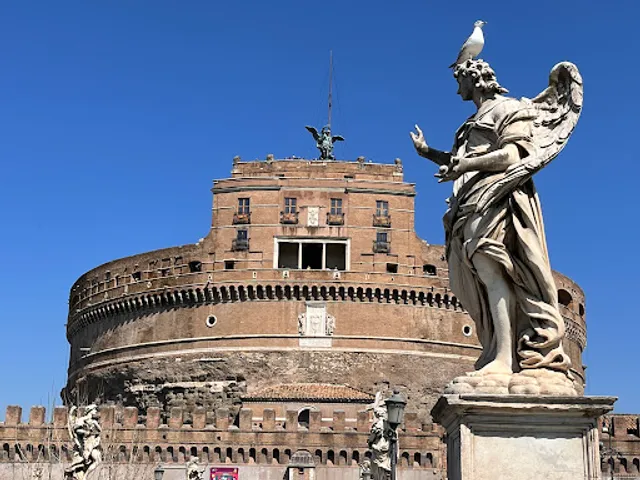
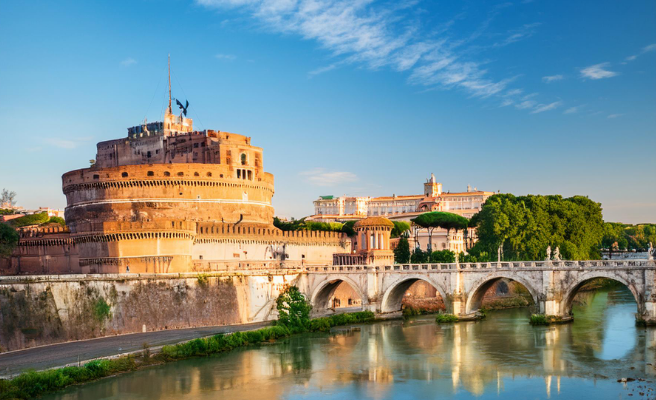
Castel Sant’Angelo, also known as the Mausoleum of Hadrian, is one of Rome’s most fascinating monuments, combining history, architecture, and dramatic views of the Eternal City. Originally built in the 2nd century AD as an imperial tomb, it was later transformed into a fortress, a papal residence, and today stands as a museum overlooking the Tiber River. Its massive cylindrical structure, topped with the bronze statue of the Archangel Michael, is instantly recognizable and tells the story of Rome’s evolution through centuries of power, faith, and conflict. For photographers, Castel Sant’Angelo offers multiple perspectives. From the Ponte Sant’Angelo, lined with Bernini’s statues of angels, you can frame the fortress rising majestically at the end of the bridge — a classic composition that highlights both the Tiber and the monument. At sunset, the golden light reflects off the stone, giving the castle a warm, almost glowing quality. Night photography is especially rewarding, as the bridge and castle are beautifully lit, with shimmering reflections in the river. Inside, the spiraling corridors, ancient chambers, and panoramic terraces provide endless opportunities for both architectural and atmospheric shots. The rooftop offers one of the best views of St. Peter’s Basilica and the Roman skyline. Beyond its visual appeal, Castel Sant’Angelo embodies the layered history of Rome. It feels less like a static monument and more like a journey through time — from ancient emperors to medieval popes, from military might to cultural preservation. In short, Castel Sant’Angelo is both a historical treasure and a photographic gem. Whether capturing its imposing exterior across the Tiber or exploring its interiors for unique angles, it remains one of the city’s most rewarding subjects for photographers and travelers alike.
Sarah RacioppoliSarah Racioppoli
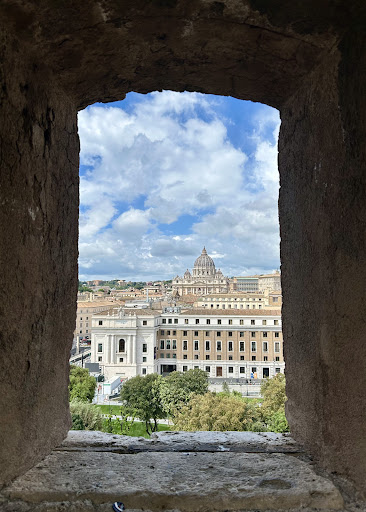
Walking through Rome, you're constantly surrounded by history, but nothing prepared us for the pleasant surprise that was Castel Sant'Angelo. Our incredible Vespa tour guide recommended it on a whim, and it turned into one of the true highlights of our May 2025 trip. We visited on a weekday around 10 am without any pre-booking and found the entry process quick and easy. A crucial note for other travelers: I was with a friend who has a disability, and we were both granted free entry, which was not only a lovely gesture but also made the experience even more special. The price would have been more than fair at €16, but this policy is fantastic for accessibility. We spent a couple hours exploring, and the time flew by. It's so much more than a fortress; it's a living labyrinth of history. We wound our way through a fantastic variety of spaces, from detailed exhibitions and art galleries to military rooms and even a few hidden corners that felt like secret passages. But the absolute showstopper? The views. As you ascend, the panoramas get better with every step, culminating in a jaw-dropping outdoor terrace. The vista of St. Peter's Basilica from here is simply unmatched! it’s the kind of moment that makes you stop and just take it all in. On the other side, you get a beautiful perspective of the Tiber River and the entire city center. We also discovered a hidden café with a lovely outdoor terrace which was the best spot for a quick rest. Overall, if you're looking for a perfect blend of history, architecture, and breathtaking views, Castel Sant'Angelo is an absolute must-visit. You get so much for your time and money, and no pre-reservation was needed for us, which was a huge bonus. Highly recommend!
Stefano ManzoStefano Manzo
Il Museo Nazionale di Castel Sant'Angelo istituito nel 1925, è “ospitato” da quello che è detto anche Mausoleo di Adriano, il quale si trova nel centro storico di Roma, uno dei monumenti più simbolici e ricchi di storia della città, nel Rione XIV (Borgo) e si affaccia sul Lungotevere Castello. Attualmente l’interno del castello è utilizzato come museo, ed è molto bello e interessante con collezioni di arte e storia e anche cimeli dell’Esercito Italiano, ed è fra i più visitati d’Italia. Per la visita, lungo il percorso vi sono appositi cartelloni con brevi spiegazioni e le indicazioni sul tracciato da percorrere, di seguito una lista di alcuni luoghi significativi: Il cortile dell’Angelo o d’Onore, ci si trova una bellissima Statua dell’Arcangelo Gabriele un tempo situata dove si trova quella attuale. Da questo luogo si possono visitare gli ambienti fatti edificare originariamente dal papa Nicolò V, dove rifugiarsi in caso di pericolo, qui si trova la bella Sala di Apollo, un grande ambiente con la volta a botte ribassata, e completamente decorato, anche con il tema delle caratteristiche “grottesche”, continuando vi è la Cappella dedicata ai Santi Cosma e Damiano alla quale nella sua ristrutturazione del XVI secolo, ha partecipato anche Michelangelo, poi le Salette di Clemente VII. Quindi si può accedere al Cortile della Balestra dove nel perimetro vi erano anche le prigioni, utilizzate dal rinascimento dove vi furono imprigionati diversi personaggi illustri, fra i quali Benvenuto Cellini, Giordani Bruno, Beatrice Cenci e il famoso conte Cagliostro. Quindi si può procedere verso la Stufetta di Clemente VII bellissima dal punto di vista architettonico, ricca di stucchi e affreschi Il Papa Paolo III ampliando principalmente ambienti preesistenti, fece realizzare, negli anni quaranta del cinquecento, due appartamenti quello privato utilizzato dal Pontefici e quello utilizzato dal Castellano, cioè quello gestiva il Castello. L’ambiente più fastoso e di grande rilevanza artistica dell’appartamento privato è la Sala Paolina, sulle pareti vi sono rappresentate le scene della vita di Alessandro Magno e di San Paolo. Contemporaneamente vennero decorati altri importanti ambienti, quali la Sala di Amore e Psiche la quale era la camera da letto, il nome le deriva dal soggetto del fregio dipinto Perin del Vaga (discepolo di Raffaello) intorno al 1545, dove oltre al letto è presente una spinetta e un inginocchiatoio. Altro ambiente privato è la Sala del Perseo utilizzato come studiolo del papa, anche questa con i dipinti che raccontano il mito dell’eroe greco, realizzati da Perin del Vaga, Dell’appartamento del Castellano l’ambiente principale è la Sala della Biblioteca decorata con le scene dell’antica Roma, altre sale che ne facevano parte quella dell’Adrianeo e quella dei Festoni. Dalla Biblioteca si accede alla Sala del Tesoro (visibile solo dall’esterno), ancora con gli armadi originari, custodiva il denaro e gli oggetti preziosi della Camera Apostolica, ancora oggi è visibile al centro della Sala il grande forziere. Vi sono altri luoghi da visitare quali ad esempio i quattro ambienti dell’Armeria dove sono esposte armature, divise militari, cimeli e armi di vario tipo, fra quanto di interesse e curiosità che vi è contenuto cito il cofanetto ligneo originale che conteneva una pistola appartenuta a Giuseppe Garibaldi. CURIOSITA: Dalla Terrazza dell’Angelo, il punto più alto del Castello, dove è presente l’iconica e colossale Statua bronzea dell’Arcangelo Michele si può ammirare una splendida vista di un’ampia zona della città antica, compreso il Tevere e all’orizzonte la Basilica di San Pietro, alla quale era collegata tramite il famoso corridoio fortificato conosciuto come il “Passetto di Borgo”. Se quanto letto ha suscitato in te meraviglia e/o emozione, ti invito a esplorare le altre mie recensioni per scoprire i tesori senza tempo che Roma ha da offrire.
See more posts
See more posts
hotel
Find your stay

Pet-friendly Hotels in Rome

Find a cozy hotel nearby and make it a full experience.

Castel Sant’Angelo, also known as the Mausoleum of Hadrian, is one of Rome’s most fascinating monuments, combining history, architecture, and dramatic views of the Eternal City. Originally built in the 2nd century AD as an imperial tomb, it was later transformed into a fortress, a papal residence, and today stands as a museum overlooking the Tiber River. Its massive cylindrical structure, topped with the bronze statue of the Archangel Michael, is instantly recognizable and tells the story of Rome’s evolution through centuries of power, faith, and conflict. For photographers, Castel Sant’Angelo offers multiple perspectives. From the Ponte Sant’Angelo, lined with Bernini’s statues of angels, you can frame the fortress rising majestically at the end of the bridge — a classic composition that highlights both the Tiber and the monument. At sunset, the golden light reflects off the stone, giving the castle a warm, almost glowing quality. Night photography is especially rewarding, as the bridge and castle are beautifully lit, with shimmering reflections in the river. Inside, the spiraling corridors, ancient chambers, and panoramic terraces provide endless opportunities for both architectural and atmospheric shots. The rooftop offers one of the best views of St. Peter’s Basilica and the Roman skyline. Beyond its visual appeal, Castel Sant’Angelo embodies the layered history of Rome. It feels less like a static monument and more like a journey through time — from ancient emperors to medieval popes, from military might to cultural preservation. In short, Castel Sant’Angelo is both a historical treasure and a photographic gem. Whether capturing its imposing exterior across the Tiber or exploring its interiors for unique angles, it remains one of the city’s most rewarding subjects for photographers and travelers alike.
Paul Parent

Paul Parent

hotel
Find your stay

Affordable Hotels in Rome

Find a cozy hotel nearby and make it a full experience.

Get the Appoverlay
Get the AppOne tap to find yournext favorite spots!
Walking through Rome, you're constantly surrounded by history, but nothing prepared us for the pleasant surprise that was Castel Sant'Angelo. Our incredible Vespa tour guide recommended it on a whim, and it turned into one of the true highlights of our May 2025 trip. We visited on a weekday around 10 am without any pre-booking and found the entry process quick and easy. A crucial note for other travelers: I was with a friend who has a disability, and we were both granted free entry, which was not only a lovely gesture but also made the experience even more special. The price would have been more than fair at €16, but this policy is fantastic for accessibility. We spent a couple hours exploring, and the time flew by. It's so much more than a fortress; it's a living labyrinth of history. We wound our way through a fantastic variety of spaces, from detailed exhibitions and art galleries to military rooms and even a few hidden corners that felt like secret passages. But the absolute showstopper? The views. As you ascend, the panoramas get better with every step, culminating in a jaw-dropping outdoor terrace. The vista of St. Peter's Basilica from here is simply unmatched! it’s the kind of moment that makes you stop and just take it all in. On the other side, you get a beautiful perspective of the Tiber River and the entire city center. We also discovered a hidden café with a lovely outdoor terrace which was the best spot for a quick rest. Overall, if you're looking for a perfect blend of history, architecture, and breathtaking views, Castel Sant'Angelo is an absolute must-visit. You get so much for your time and money, and no pre-reservation was needed for us, which was a huge bonus. Highly recommend!
Sarah Racioppoli

Sarah Racioppoli

hotel
Find your stay

The Coolest Hotels You Haven't Heard Of (Yet)

Find a cozy hotel nearby and make it a full experience.

hotel
Find your stay

Trending Stays Worth the Hype in Rome

Find a cozy hotel nearby and make it a full experience.

Il Museo Nazionale di Castel Sant'Angelo istituito nel 1925, è “ospitato” da quello che è detto anche Mausoleo di Adriano, il quale si trova nel centro storico di Roma, uno dei monumenti più simbolici e ricchi di storia della città, nel Rione XIV (Borgo) e si affaccia sul Lungotevere Castello. Attualmente l’interno del castello è utilizzato come museo, ed è molto bello e interessante con collezioni di arte e storia e anche cimeli dell’Esercito Italiano, ed è fra i più visitati d’Italia. Per la visita, lungo il percorso vi sono appositi cartelloni con brevi spiegazioni e le indicazioni sul tracciato da percorrere, di seguito una lista di alcuni luoghi significativi: Il cortile dell’Angelo o d’Onore, ci si trova una bellissima Statua dell’Arcangelo Gabriele un tempo situata dove si trova quella attuale. Da questo luogo si possono visitare gli ambienti fatti edificare originariamente dal papa Nicolò V, dove rifugiarsi in caso di pericolo, qui si trova la bella Sala di Apollo, un grande ambiente con la volta a botte ribassata, e completamente decorato, anche con il tema delle caratteristiche “grottesche”, continuando vi è la Cappella dedicata ai Santi Cosma e Damiano alla quale nella sua ristrutturazione del XVI secolo, ha partecipato anche Michelangelo, poi le Salette di Clemente VII. Quindi si può accedere al Cortile della Balestra dove nel perimetro vi erano anche le prigioni, utilizzate dal rinascimento dove vi furono imprigionati diversi personaggi illustri, fra i quali Benvenuto Cellini, Giordani Bruno, Beatrice Cenci e il famoso conte Cagliostro. Quindi si può procedere verso la Stufetta di Clemente VII bellissima dal punto di vista architettonico, ricca di stucchi e affreschi Il Papa Paolo III ampliando principalmente ambienti preesistenti, fece realizzare, negli anni quaranta del cinquecento, due appartamenti quello privato utilizzato dal Pontefici e quello utilizzato dal Castellano, cioè quello gestiva il Castello. L’ambiente più fastoso e di grande rilevanza artistica dell’appartamento privato è la Sala Paolina, sulle pareti vi sono rappresentate le scene della vita di Alessandro Magno e di San Paolo. Contemporaneamente vennero decorati altri importanti ambienti, quali la Sala di Amore e Psiche la quale era la camera da letto, il nome le deriva dal soggetto del fregio dipinto Perin del Vaga (discepolo di Raffaello) intorno al 1545, dove oltre al letto è presente una spinetta e un inginocchiatoio. Altro ambiente privato è la Sala del Perseo utilizzato come studiolo del papa, anche questa con i dipinti che raccontano il mito dell’eroe greco, realizzati da Perin del Vaga, Dell’appartamento del Castellano l’ambiente principale è la Sala della Biblioteca decorata con le scene dell’antica Roma, altre sale che ne facevano parte quella dell’Adrianeo e quella dei Festoni. Dalla Biblioteca si accede alla Sala del Tesoro (visibile solo dall’esterno), ancora con gli armadi originari, custodiva il denaro e gli oggetti preziosi della Camera Apostolica, ancora oggi è visibile al centro della Sala il grande forziere. Vi sono altri luoghi da visitare quali ad esempio i quattro ambienti dell’Armeria dove sono esposte armature, divise militari, cimeli e armi di vario tipo, fra quanto di interesse e curiosità che vi è contenuto cito il cofanetto ligneo originale che conteneva una pistola appartenuta a Giuseppe Garibaldi. CURIOSITA: Dalla Terrazza dell’Angelo, il punto più alto del Castello, dove è presente l’iconica e colossale Statua bronzea dell’Arcangelo Michele si può ammirare una splendida vista di un’ampia zona della città antica, compreso il Tevere e all’orizzonte la Basilica di San Pietro, alla quale era collegata tramite il famoso corridoio fortificato conosciuto come il “Passetto di Borgo”. Se quanto letto ha suscitato in te meraviglia e/o emozione, ti invito a esplorare le altre mie recensioni per scoprire i tesori senza tempo che Roma ha da offrire.
Stefano Manzo

Stefano Manzo

See more posts
See more posts

Reviews of Castel Sant'Angelo

4.7
(121)
avatar
5.0
18w

Castel Sant’Angelo, also known as the Mausoleum of Hadrian, is one of Rome’s most fascinating monuments, combining history, architecture, and dramatic views of the Eternal City.

Originally built in the 2nd century AD as an imperial tomb, it was later transformed into a fortress, a papal residence, and today stands as a museum overlooking the Tiber River. Its massive cylindrical structure, topped with the bronze statue of the Archangel Michael, is instantly recognizable and tells the story of Rome’s evolution through centuries of power, faith, and conflict.

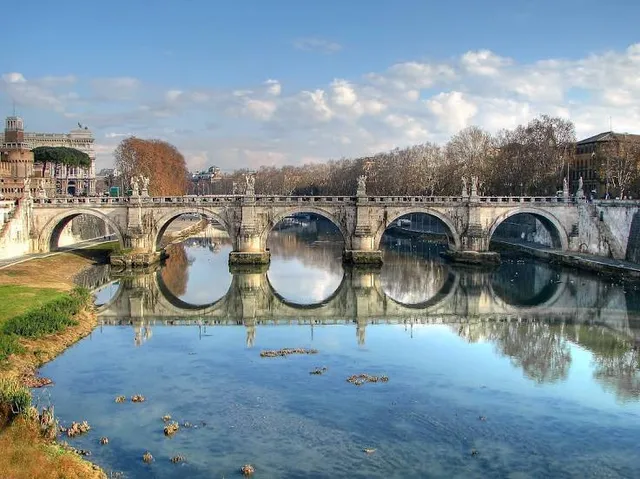
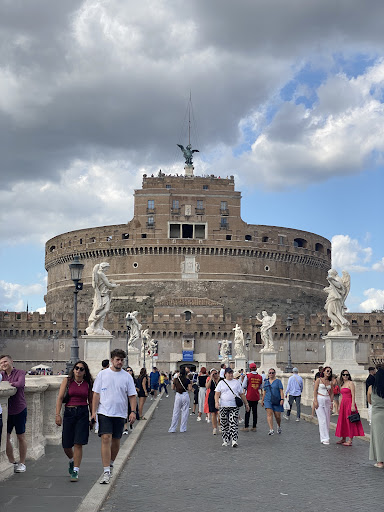
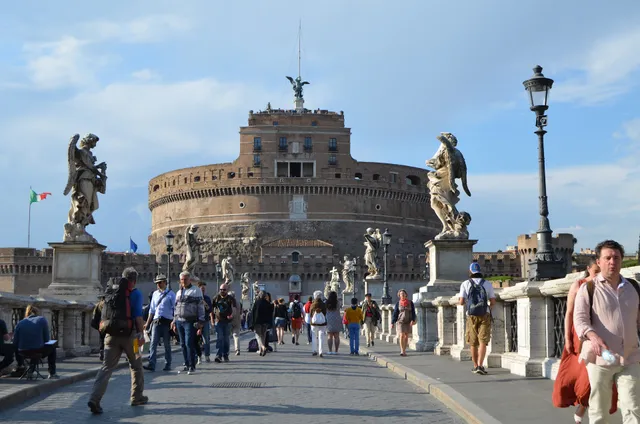
For photographers, Castel Sant’Angelo offers multiple perspectives. From the Ponte Sant’Angelo, lined with Bernini’s statues of angels, you can frame the fortress rising majestically at the end of the bridge — a classic composition that highlights both the Tiber and the monument.

At sunset, the golden light reflects off the stone, giving the castle a warm, almost glowing quality. Night photography is especially rewarding, as the bridge and castle are beautifully lit, with shimmering reflections in the river. Inside, the spiraling corridors, ancient chambers, and panoramic terraces provide endless opportunities for both architectural and atmospheric shots. The rooftop offers one of the best views of St. Peter’s Basilica and the Roman skyline.

Beyond its visual appeal, Castel Sant’Angelo embodies the layered history of Rome. It feels less like a static monument and more like a journey through time — from ancient emperors to medieval popes, from military might to cultural preservation.

In short, Castel Sant’Angelo is both a historical treasure and a photographic gem. Whether capturing its imposing exterior across the Tiber or exploring its interiors for unique angles, it remains one of the city’s most rewarding subjects for photographers and...

   Read more
avatar
5.0
15w

Walking through Rome, you're constantly surrounded by history, but nothing prepared us for the pleasant surprise that was Castel Sant'Angelo. Our incredible Vespa tour guide recommended it on a whim, and it turned into one of the true highlights of our May 2025 trip. We visited on a weekday around 10 am without any pre-booking and found the entry process quick and easy.

A crucial note for other travelers: I was with a friend who has a disability, and we were both granted free entry, which was not only a lovely gesture but also made the experience even more special. The price would have been more than fair at €16, but this policy is fantastic for accessibility. We spent a couple hours exploring, and the time flew by. It's so much more than a fortress; it's a living labyrinth of history. We wound our way through a fantastic variety of spaces, from detailed exhibitions and art galleries to military rooms and even a few hidden corners that felt like secret passages. But the absolute showstopper? The views. As you ascend, the panoramas get better with every step, culminating in a jaw-dropping outdoor terrace. The vista of St. Peter's Basilica from here is simply unmatched! it’s the kind of moment that makes you stop and just take it all in. On the other side, you get a beautiful perspective of the Tiber River and the entire city center. We also discovered a hidden café with a lovely outdoor terrace which was the best spot for a quick rest. Overall, if you're looking for a perfect blend of history, architecture, and breathtaking views, Castel Sant'Angelo is an absolute must-visit. You get so much for your time and money, and no pre-reservation was needed for us, which was a huge bonus....

   Read more
avatar
5.0
40w

Il Museo Nazionale di Castel Sant'Angelo istituito nel 1925, è “ospitato” da quello che è detto anche Mausoleo di Adriano, il quale si trova nel centro storico di Roma, uno dei monumenti più simbolici e ricchi di storia della città, nel Rione XIV (Borgo) e si affaccia sul Lungotevere Castello.

Attualmente l’interno del castello è utilizzato come museo, ed è molto bello e interessante con collezioni di arte e storia e anche cimeli dell’Esercito Italiano, ed è fra i più visitati d’Italia.

Per la visita, lungo il percorso vi sono appositi cartelloni con brevi spiegazioni e le indicazioni sul tracciato da percorrere, di seguito una lista di alcuni luoghi significativi:

Il cortile dell’Angelo o d’Onore, ci si trova una bellissima Statua dell’Arcangelo Gabriele un tempo situata dove si trova quella attuale.

Da questo luogo si possono visitare gli ambienti fatti edificare originariamente dal papa Nicolò V, dove rifugiarsi in caso di pericolo, qui si trova la bella Sala di Apollo, un grande ambiente con la volta a botte ribassata, e completamente decorato, anche con il tema delle caratteristiche “grottesche”, continuando vi è la Cappella dedicata ai Santi Cosma e Damiano alla quale nella sua ristrutturazione del XVI secolo, ha partecipato anche Michelangelo, poi le Salette di Clemente VII.

Quindi si può accedere al Cortile della Balestra dove nel perimetro vi erano anche le prigioni, utilizzate dal rinascimento dove vi furono imprigionati diversi personaggi illustri, fra i quali Benvenuto Cellini, Giordani Bruno, Beatrice Cenci e il famoso conte Cagliostro.

Quindi si può procedere verso la Stufetta di Clemente VII bellissima dal punto di vista architettonico, ricca di stucchi e affreschi

Il Papa Paolo III ampliando principalmente ambienti preesistenti, fece realizzare, negli anni quaranta del cinquecento, due appartamenti quello privato utilizzato dal Pontefici e quello utilizzato dal Castellano, cioè quello gestiva il Castello.

L’ambiente più fastoso e di grande rilevanza artistica dell’appartamento privato è la Sala Paolina, sulle pareti vi sono rappresentate le scene della vita di Alessandro Magno e di San Paolo.

Contemporaneamente vennero decorati altri importanti ambienti, quali la Sala di Amore e Psiche la quale era la camera da letto, il nome le deriva dal soggetto del fregio dipinto Perin del Vaga (discepolo di Raffaello) intorno al 1545, dove oltre al letto è presente una spinetta e un inginocchiatoio. Altro ambiente privato è la Sala del Perseo utilizzato come studiolo del papa, anche questa con i dipinti che raccontano il mito dell’eroe greco, realizzati da Perin del Vaga,

Dell’appartamento del Castellano l’ambiente principale è la Sala della Biblioteca decorata con le scene dell’antica Roma, altre sale che ne facevano parte quella dell’Adrianeo e quella dei Festoni. Dalla Biblioteca si accede alla Sala del Tesoro (visibile solo dall’esterno), ancora con gli armadi originari, custodiva il denaro e gli oggetti preziosi della Camera Apostolica, ancora oggi è visibile al centro della Sala il grande forziere.

Vi sono altri luoghi da visitare quali ad esempio i quattro ambienti dell’Armeria dove sono esposte armature, divise militari, cimeli e armi di vario tipo, fra quanto di interesse e curiosità che vi è contenuto cito il cofanetto ligneo originale che conteneva una pistola appartenuta a Giuseppe Garibaldi.

CURIOSITA: Dalla Terrazza dell’Angelo, il punto più alto del Castello, dove è presente l’iconica e colossale Statua bronzea dell’Arcangelo Michele si può ammirare una splendida vista di un’ampia zona della città antica, compreso il Tevere e all’orizzonte la Basilica di San Pietro, alla quale era collegata tramite il famoso corridoio fortificato conosciuto come il “Passetto di Borgo”.

Se quanto letto ha suscitato in te meraviglia e/o emozione, ti invito a esplorare le altre mie recensioni per scoprire i tesori senza tempo che Roma...

   Read more
Page 1 of 7
Previous
Next