Fountain of the Moro things to do, attractions, restaurants, events info and trip planning
Basic Info
Fountain of the Moro
Piazza Navona, 00186 Roma RM, Italy
4.7(760)
Open until 12:00 AM
Save
spot
spot
Ratings & Description
Info
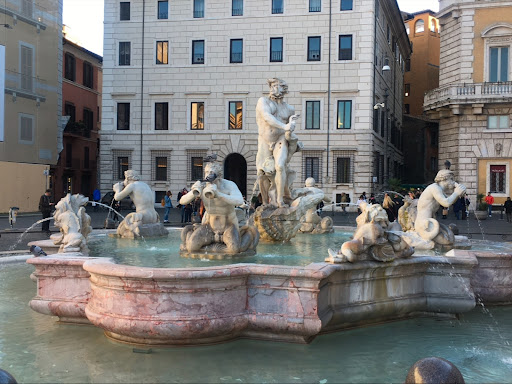
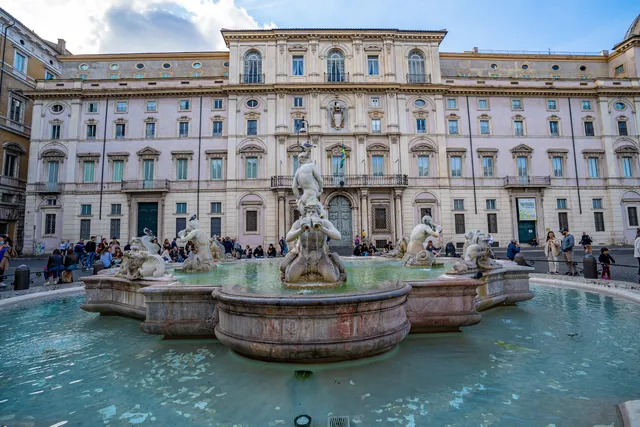
Fontana del Moro is a fountain located at the southern end of the Piazza Navona in Rome, Italy. It depicts a nautical scene with tritons, dolphins, and a conch shell. It was originally designed by Giacomo della Porta in the 1570s with later contributions from Gian Lorenzo Bernini in the 1650s.
Cultural
Scenic
Outdoor
Family friendly
Accessibility
attractions: Piazza Navona, Pantheon, Museo di Roma - Palazzo Braschi, Campo de' Fiori, Sant'Agnese in Agone, Church of St. Louis of the French, Gran Cafè Marcel, Chiostro del Bramante, Basilica di Sant'Andrea della Valle, Welcome To Rome, restaurants: Osteria da Fortunata - Rinascimento, La Nuova Piazzetta Navona, Cantina e Cucina, La Piccola Cuccagna - Ristorante, Camillo a Piazza Navona, Mimì e Cocò, Mastrociccia - Osteria Pizzeria, Sant' Eustachio Caffè, Cul De Sac, Osteria da Fortunata, local businesses: Neptune Fountain, DA ROMA azienda agricola, La Sella Roma, Lifestyle Suites Rome, Museo Barracco de Escultura Antigua, Via della Palombella, 37, Antica Cappelleria Troncarelli dal 1857, L'Artigianato, La Boutique del Limoncello Roma, Gelateria del Campo
 Learn more insights from Wanderboat AI.
Phone
+39 06 0608
Open hoursSee all hours
FriOpen 24 hoursOpen
Plan your stay

Pet-friendly Hotels in Rome
Find a cozy hotel nearby and make it a full experience.

Affordable Hotels in Rome
Find a cozy hotel nearby and make it a full experience.

The Coolest Hotels You Haven't Heard Of (Yet)
Find a cozy hotel nearby and make it a full experience.

Trending Stays Worth the Hype in Rome
Find a cozy hotel nearby and make it a full experience.
Reviews
Live events
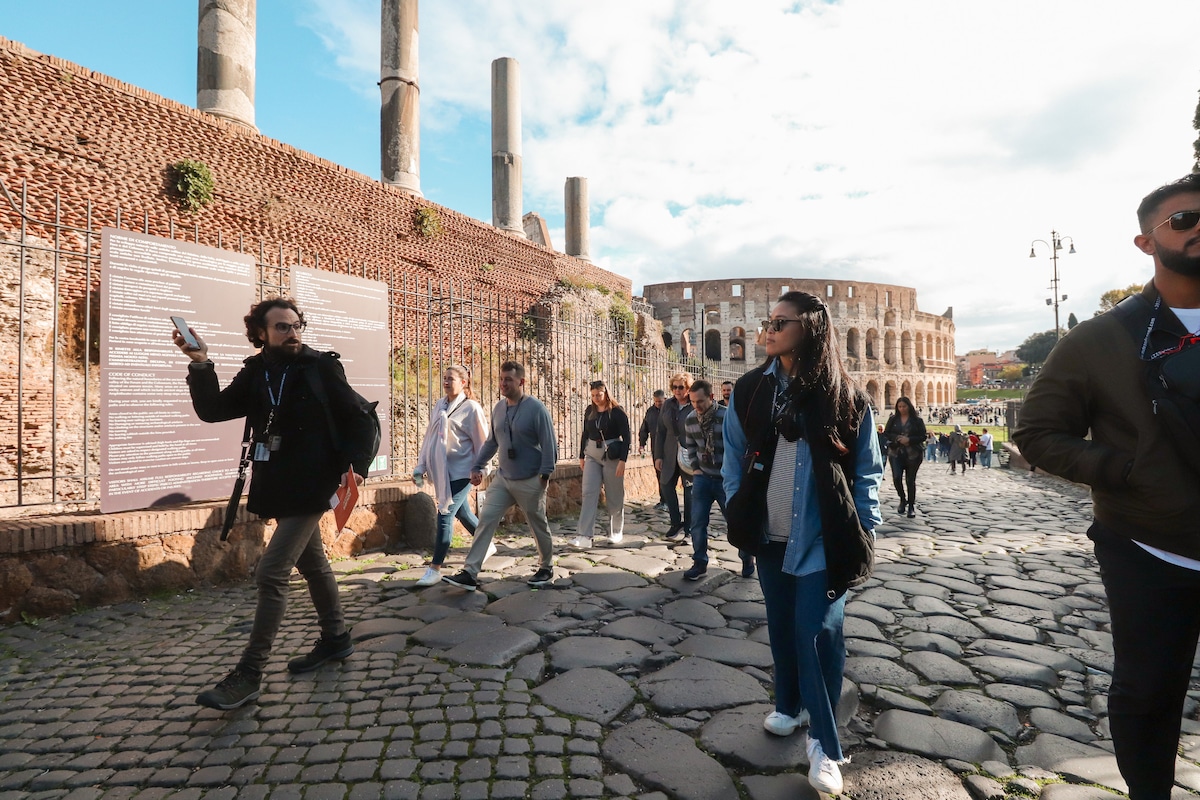
Colosseum, Forum, and Palatine Hill Guided Tour
Fri, Feb 13 • 1:00 PM
00184, Rome, Lazio, Italy
View details

The Jury Experience: Omicidio da un milione di dollari o rete di bugie?
Fri, Feb 13 • 6:30 PM
Viale Guglielmo Marconi, 698/E, Roma, 00146
View details

Youthness & Never Die @ Circoletto Trionfale
Fri, Feb 13 • 11:00 PM
7400 Via Trionfale 00136 Roma
View details
Nearby attractions of Fountain of the Moro
Piazza Navona
Pantheon
Museo di Roma - Palazzo Braschi
Campo de' Fiori
Sant'Agnese in Agone
Church of St. Louis of the French
Gran Cafè Marcel
Chiostro del Bramante
Basilica di Sant'Andrea della Valle
Welcome To Rome
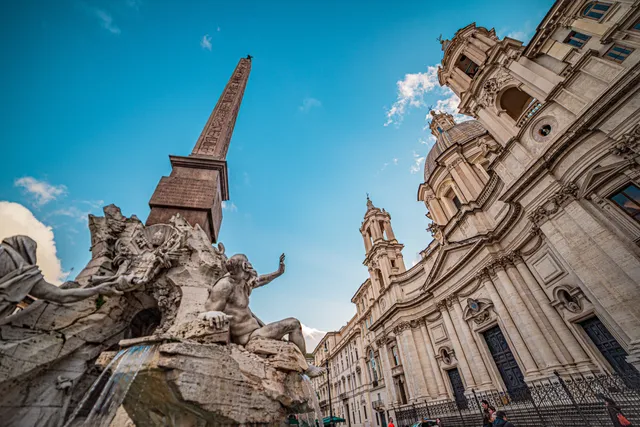
Piazza Navona
4.7
(65.6K)
Open until 12:00 AM
Click for details
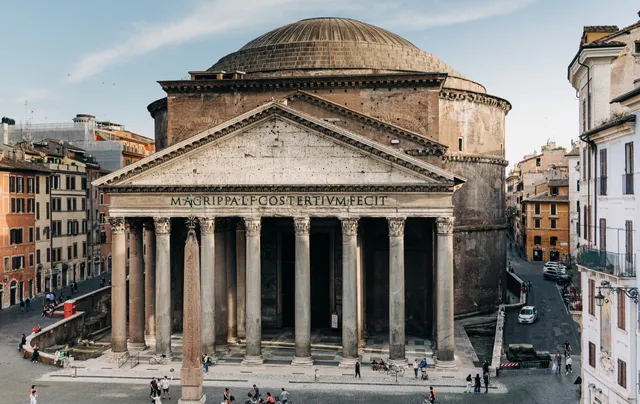
Pantheon
4.8
(79.9K)
Closed
Click for details
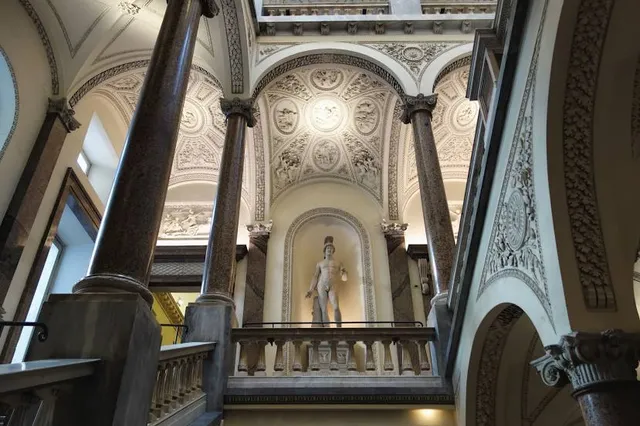
Museo di Roma - Palazzo Braschi
4.5
(2.2K)
Closed
Click for details
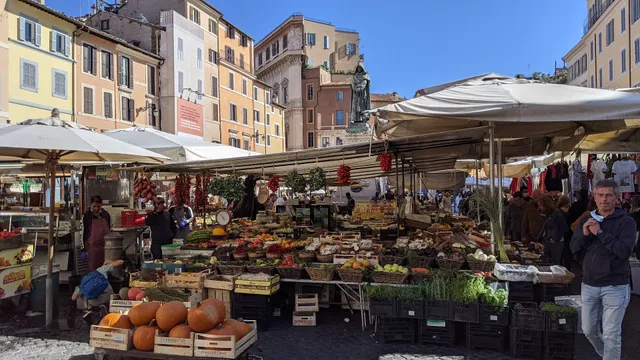
Campo de' Fiori
4.4
(22.8K)
Open 24 hours
Click for details
Nearby restaurants of Fountain of the Moro
Osteria da Fortunata - Rinascimento
La Nuova Piazzetta Navona
Cantina e Cucina
La Piccola Cuccagna - Ristorante
Camillo a Piazza Navona
Mimì e Cocò
Mastrociccia - Osteria Pizzeria
Sant' Eustachio Caffè
Cul De Sac
Osteria da Fortunata
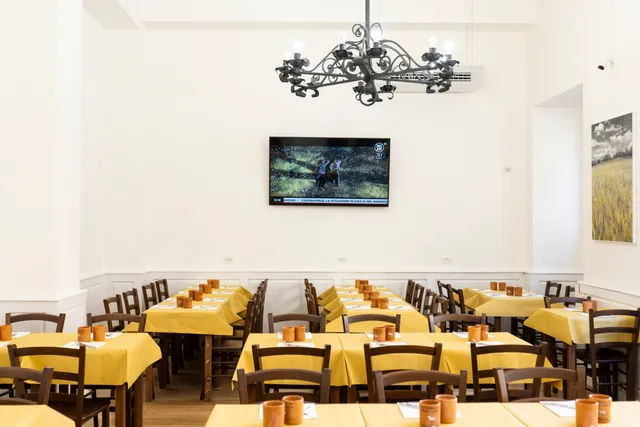
Osteria da Fortunata - Rinascimento
4.6
(7K)
Closed
Click for details
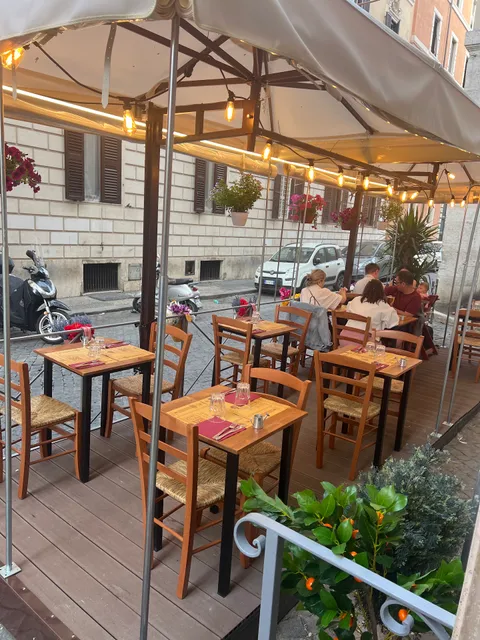
La Nuova Piazzetta Navona
4.9
(4.4K)
Closed
Click for details
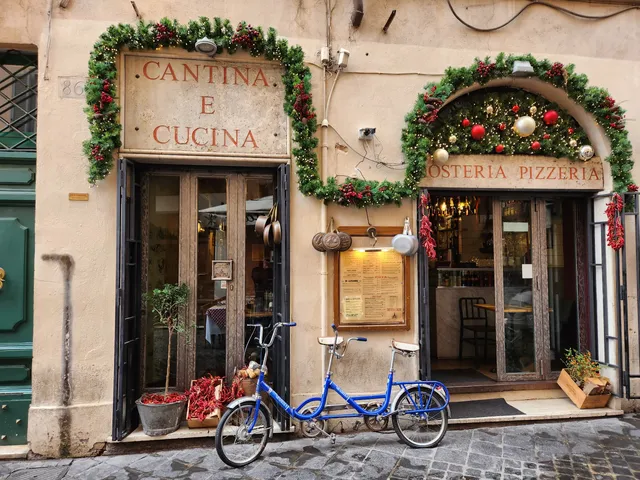
Cantina e Cucina
4.6
(6.5K)
Closed
Click for details
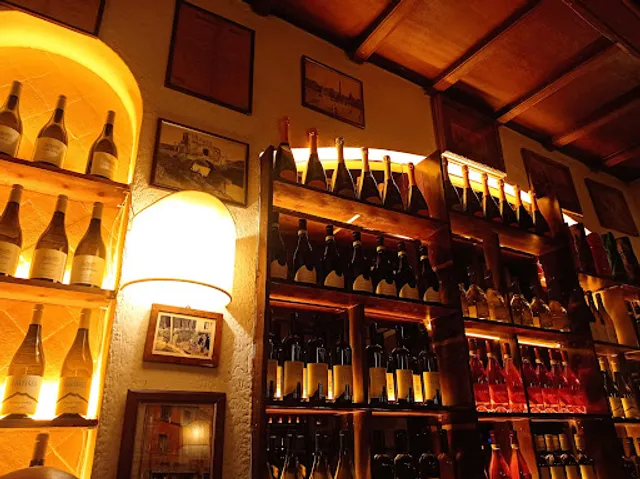
La Piccola Cuccagna - Ristorante
4.6
(1.8K)
Closed
Click for details
Nearby local services of Fountain of the Moro
Neptune Fountain
DA ROMA azienda agricola
La Sella Roma
Lifestyle Suites Rome
Museo Barracco de Escultura Antigua
Via della Palombella, 37
Antica Cappelleria Troncarelli dal 1857
L'Artigianato
La Boutique del Limoncello Roma
Gelateria del Campo
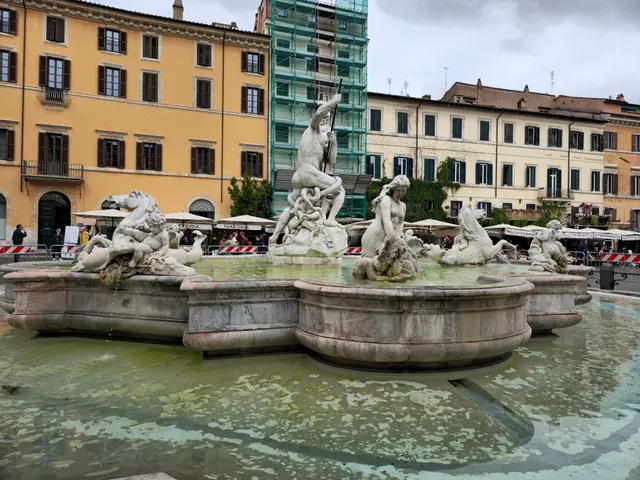
Neptune Fountain
4.8
(2K)
Click for details
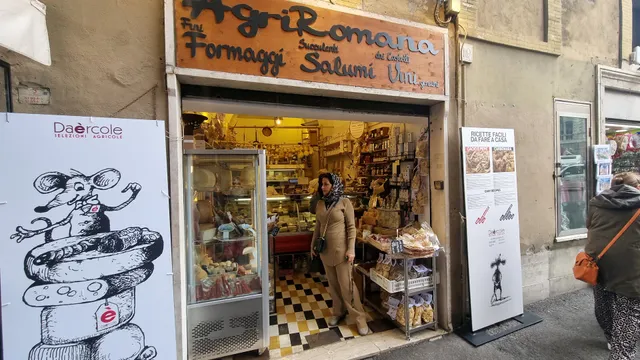
DA ROMA azienda agricola
5.0
(189)
Click for details
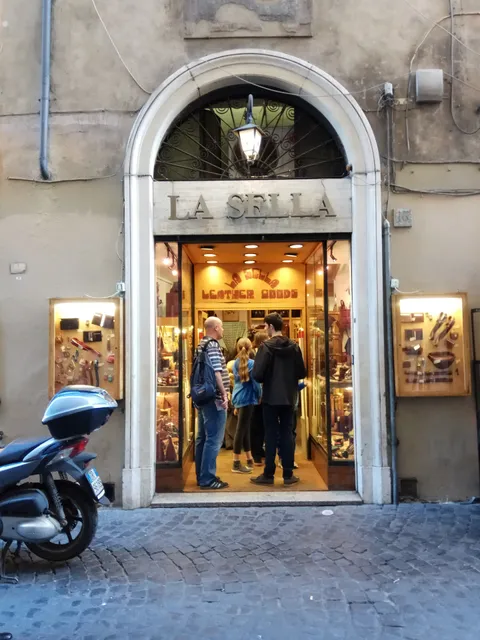
La Sella Roma
4.1
(163)
Click for details

Lifestyle Suites Rome
4.7
(122)
Click for details


The hit list



Plan your trip with Wanderboat
Welcome to Wanderboat AI, your AI search for local Eats and Fun, designed to help you explore your city and the world with ease.
Powered by Wanderboat AI trip planner.