Museo Pietro Canonica things to do, attractions, restaurants, events info and trip planning
Basic Info
Museo Pietro Canonica
Viale Pietro Canonica, 2, 00197 Roma RM, Italy
4.6(333)
Closed
Save
spot
spot
Ratings & Description
Info
Cultural
Family friendly
Accessibility
attractions: Villa Borghese, Bioparco di Roma, Piazza di Siena, Temple of Aesculapius, National Gallery of Modern and Contemporary Art, Borghese Gallery and Museum, Museo Carlo Bilotti, Casino dell'Orologio, Fountain of the Seahorses, La Casina di Raffaello, restaurants: Casina del Lago, Pic Nic - Just Amir srl, COSMIC BAR - Valle Giulia, Caffè delle Arti, Satyrus Temporary Bar, Wunderkong, Thousand and One Nights, Harry's Bar, La Bruschetta e… (Via Veneto), Crazy Pizza Rome, local businesses: Temple d'Esculape, Casa del Cinema, Prince Spa, Cinema Caravaggio, Euronics Nova, Basilica Parrocchiale Santa Maria del Popolo, Santa Maria della Pace - Chiesa Prelatizia dell'Opus Dei, Riflessi Store Roma - Negozio di Arredamento Roma, Hype Clothinga, Marini Home Design
 Learn more insights from Wanderboat AI.
Phone
+39 06 0608
Website
museocanonica.it
Open hoursSee all hours
Wed10 a.m. - 4 p.m.Closed
Plan your stay

Pet-friendly Hotels in Rome
Find a cozy hotel nearby and make it a full experience.

Affordable Hotels in Rome
Find a cozy hotel nearby and make it a full experience.

The Coolest Hotels You Haven't Heard Of (Yet)
Find a cozy hotel nearby and make it a full experience.

Trending Stays Worth the Hype in Rome
Find a cozy hotel nearby and make it a full experience.
Reviews
Live events
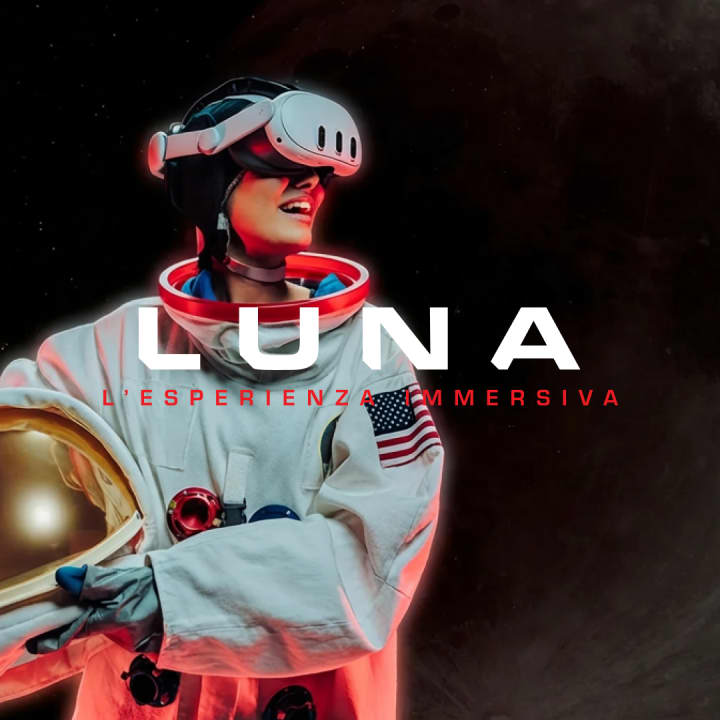
LUNA: A Journey to the Moon – un’esperienza immersiva in realtà virtuale a Roma
Wed, Feb 25 • 4:00 PM
Via Trionfale, 7400, Roma, 00136
View details
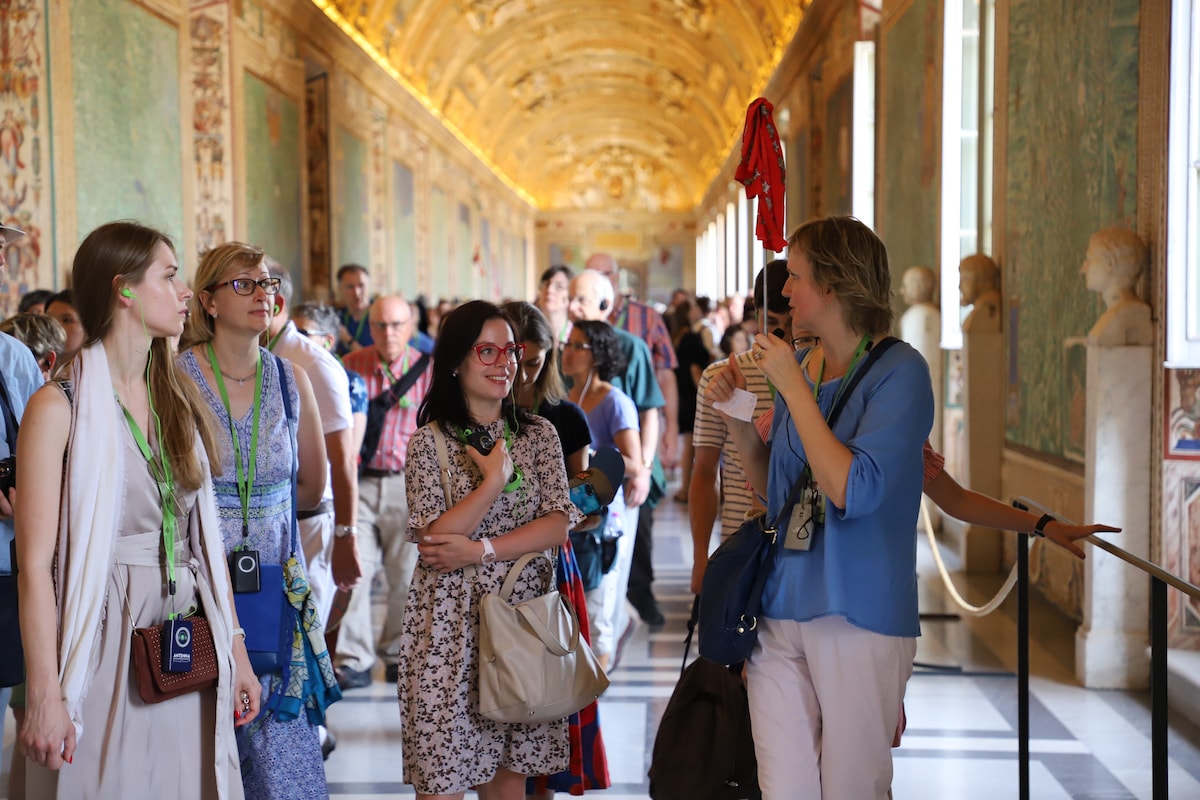
Vatican & St Peters Basilica: unlock the wonders
Wed, Feb 25 • 1:00 PM
00192, Rome, Lazio, Italy
View details

Chaos Lab Roma
Fri, Feb 27 • 4:30 PM
P.za di S. Giovanni in Laterano 74, 00185
View details
Nearby attractions of Museo Pietro Canonica
Villa Borghese
Bioparco di Roma
Piazza di Siena
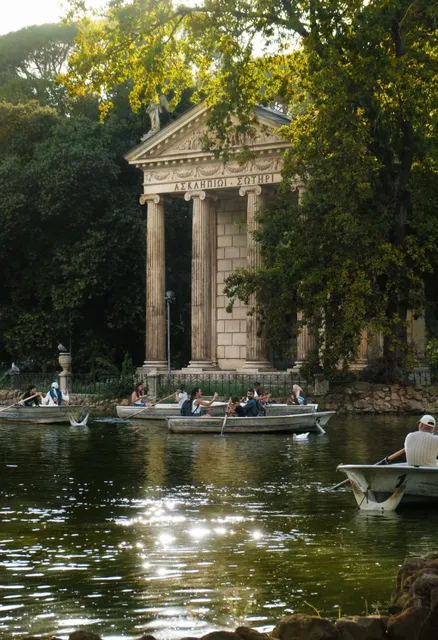
Temple of Aesculapius
National Gallery of Modern and Contemporary Art
Borghese Gallery and Museum
Museo Carlo Bilotti
Casino dell'Orologio
Fountain of the Seahorses
La Casina di Raffaello
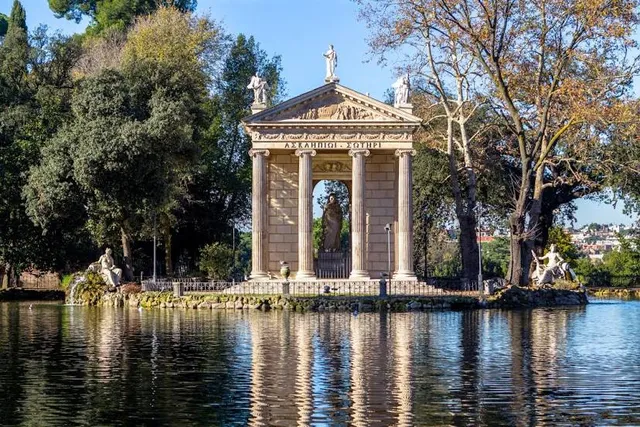
Villa Borghese
4.6
(29.7K)
Open 24 hours
Click for details
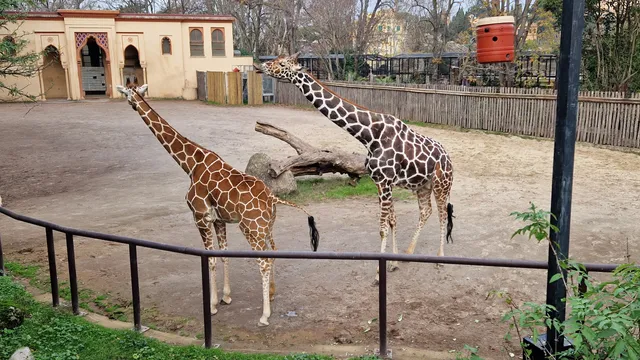
Bioparco di Roma
4.4
(9.4K)
Closed
Click for details
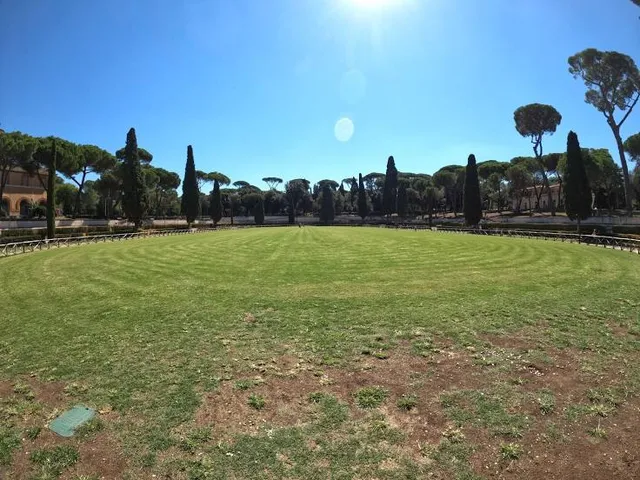
Piazza di Siena
4.7
(1.4K)
Open until 12:00 AM
Click for details
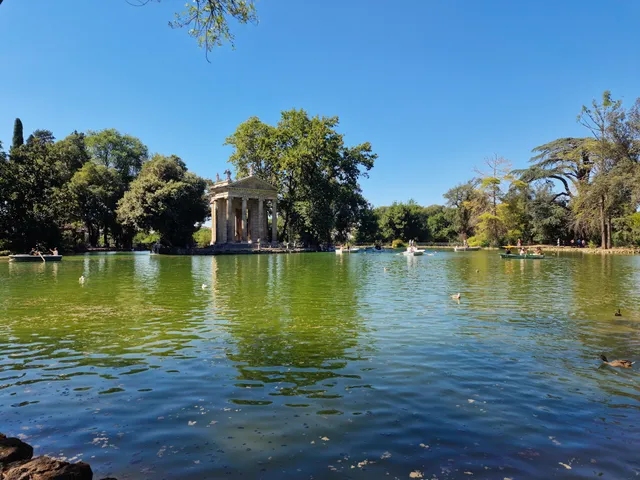
Temple of Aesculapius
4.7
(3.6K)
Closed
Click for details
Nearby restaurants of Museo Pietro Canonica
Casina del Lago
Pic Nic - Just Amir srl
COSMIC BAR - Valle Giulia
Caffè delle Arti
Satyrus Temporary Bar
Wunderkong
Thousand and One Nights
Harry's Bar
La Bruschetta e… (Via Veneto)
Crazy Pizza Rome

Casina del Lago
2.9
(677)
Closed
Click for details
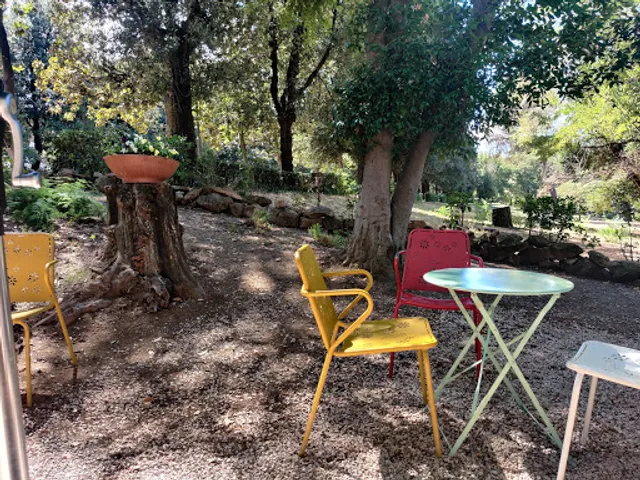
Pic Nic - Just Amir srl
3.3
(467)
Closed
Click for details
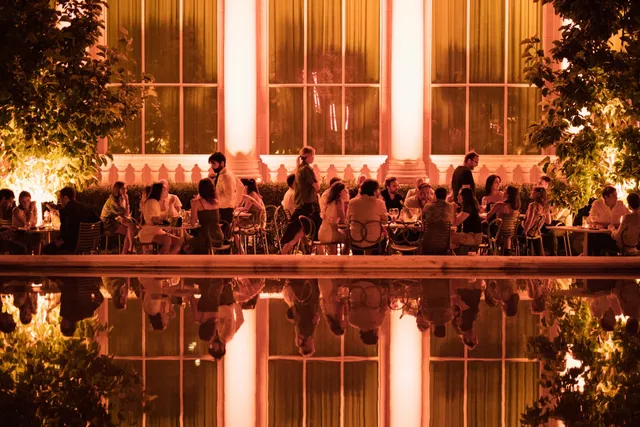
COSMIC BAR - Valle Giulia
4.0
(95)
Click for details
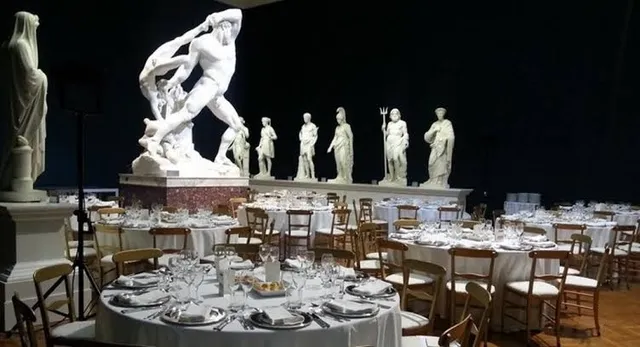
Caffè delle Arti
4.1
(729)
Closed
Click for details
Nearby local services of Museo Pietro Canonica
Temple d'Esculape
Casa del Cinema
Prince Spa
Cinema Caravaggio
Euronics Nova
Basilica Parrocchiale Santa Maria del Popolo
Santa Maria della Pace - Chiesa Prelatizia dell'Opus Dei
Riflessi Store Roma - Negozio di Arredamento Roma
Hype Clothinga
Marini Home Design
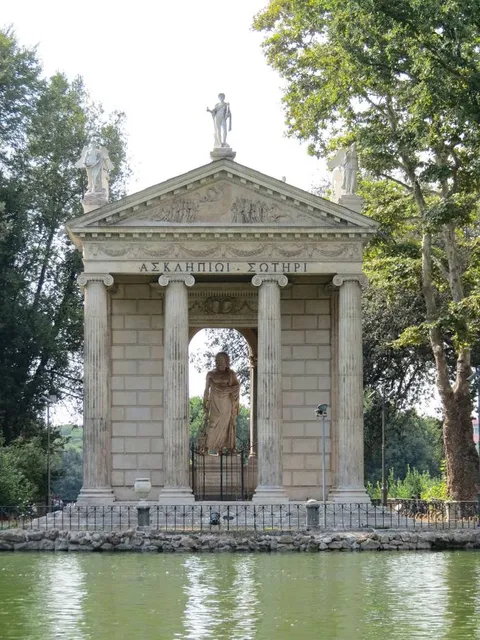
Temple d'Esculape
4.7
(2.5K)
Click for details
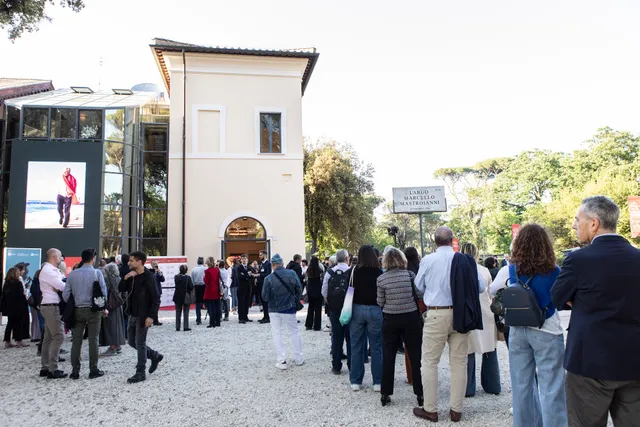
Casa del Cinema
4.2
(707)
Click for details
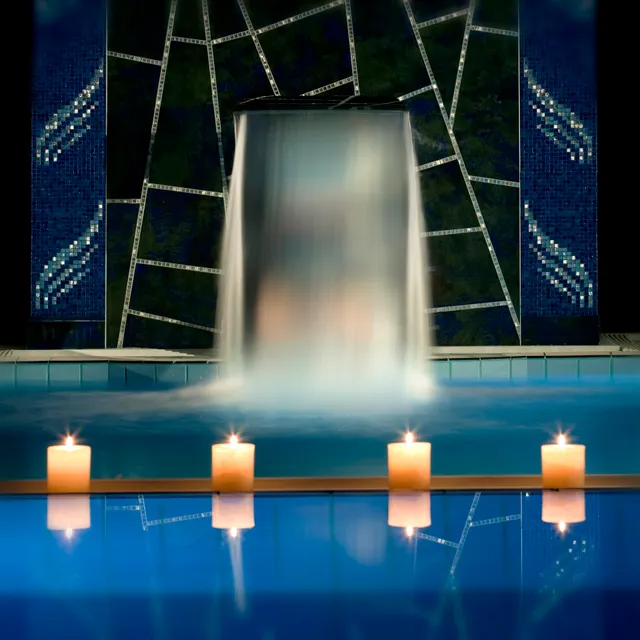
Prince Spa
4.1
(67)
Click for details
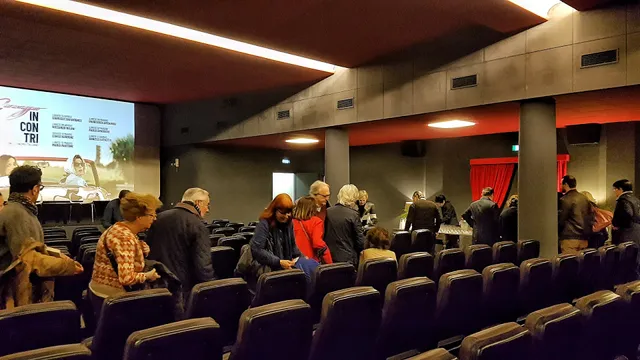
Cinema Caravaggio
4.4
(187)
Click for details


The hit list
Plan your trip with Wanderboat
Welcome to Wanderboat AI, your AI search for local Eats and Fun, designed to help you explore your city and the world with ease.
Powered by Wanderboat AI trip planner.