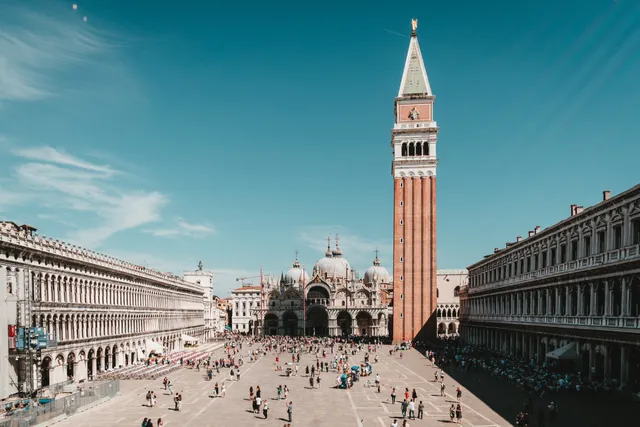
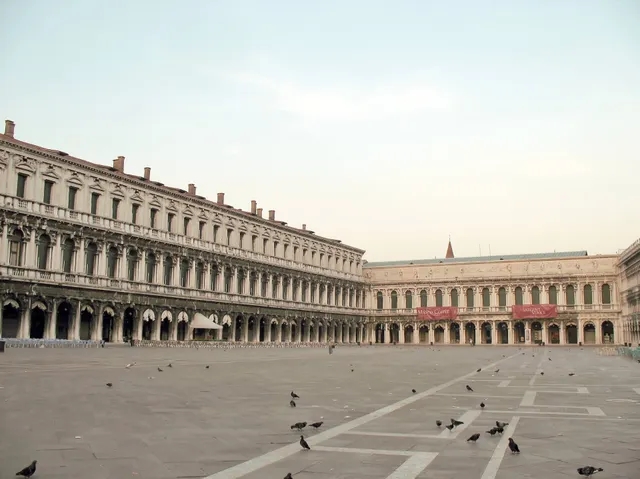
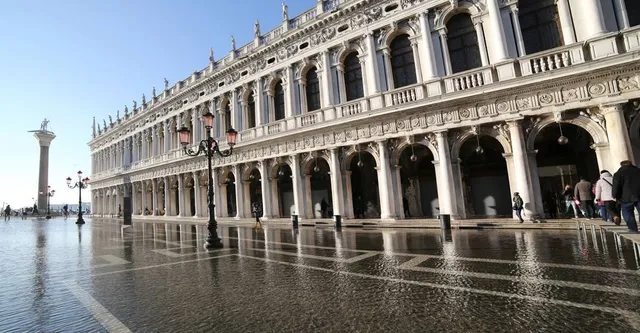
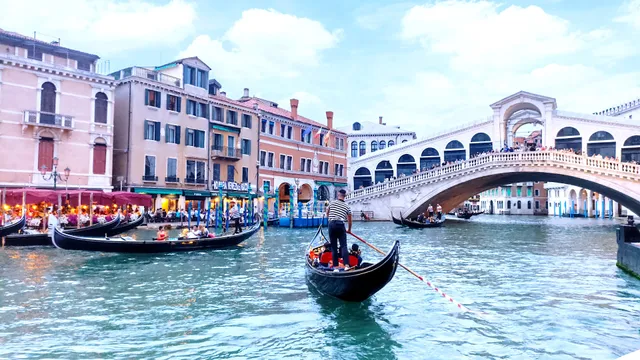
Palazzo Ducale is an amazing place, impossible to be described - it MUST be seen!!! Also, many satellite activities and exhibitions are available there - look at this : A golden thread unites historical and artistic events, diplomatic balances and religious customs in the Mediterranean along the route between Venice and Crete, 13th-century Candia, the pearl of the Mar della Serenissima state. Painted gold, which makes the icons shine with a spiritual light, is the protagonist of the exhibition and is the backdrop to a long history of intense pictorial relations between the two islands. After the fall of Constantinople (1453), Candia became the most important artistic center for the ancient Byzantine tradition, to which more than a hundred workshops of "madoneri", especially authors of popular religious images, faithfully referred. At the same time, Venice - like a new Byzantium - witnessed the arrival of an increasing number of works and artists from the Aegean island: "iconographers", traveling or immigrating between Crete, the Ionian Islands and the capital. The result is the encounter and original synthesis between the local Byzantine palace imprint – already one of the main souls of the Venetian tradition itself – and the Western figurative language, first late Gothic, then Renaissance, anthropocentric, naturalistic and cheerful. A happy relationship is intertwined, without ever breaking, from the golden Venetian Renaissance between the fifteenth and sixteenth centuries to the threshold of the nineteenth century, with moments of particular and happy union. The seven sections of the exhibition chronologically mark and illustrate this unique pictorial journey; at the center of the fascinating history and painting is its most famous and extravagant representative: Dominic Theotokopoulos, El Greco (1541-1614), who in his native Crete takes his first steps in education in the post-Byzantine tradition, to arrive in Venice around 1567. The exhibition is complemented by a focus on the icon, studied in its material and technical-executive aspects: a significant contribution to the knowledge of visitors, created in collaboration with the National Institute of Nuclear Physics – CHNet Cultural Heritage Network. The exhibition represents a commitment to international collaboration between the MUVE Foundation, the Hellenic Republic and other important museums and collections – including private ones – in Greece, Italy and Europe. The contribution of the Ministry of Culture of the Hellenic Republic was essential, together with institutions such as the Byzantine and Christian Museum of Athens, the main lender of the works, the National Gallery of Athens and the Hellenic Institute for Byzantine and Post-Byzantine Studies of Venice. A special contribution came from the city of Heraklion and the...
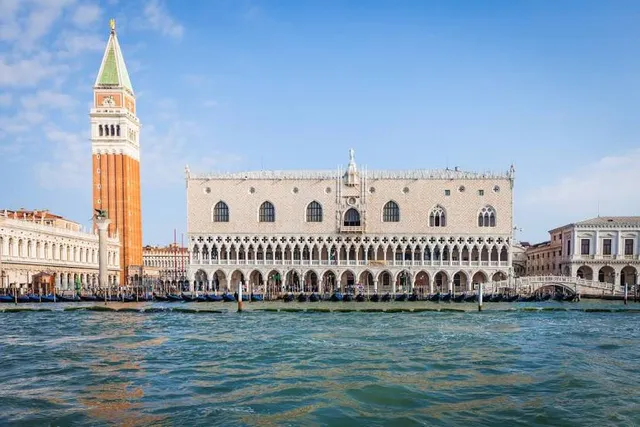
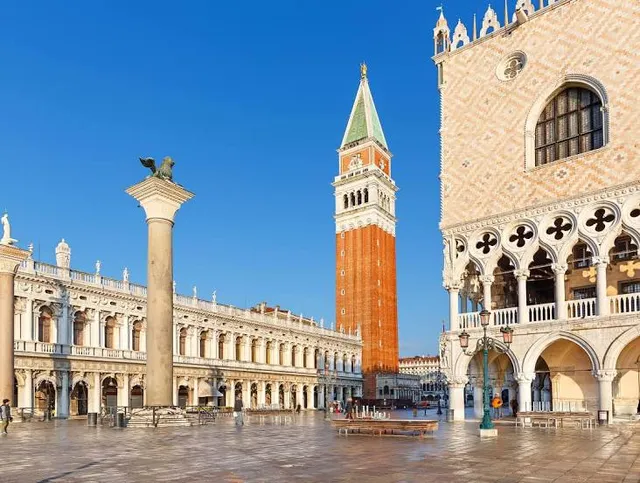
Read moreAn overwhelming and very beautiful building, the Doge's Palace in Venice (Palazzo Ducale) is one of the most important landmarks of the city with a rich and fascinating history. The breathtaking facade of the Doge's Palace in Venice with its magnificent pink Veronese marble is a true Gothic masterpiece. The impressive architecture as well as the magnificent interiors are absolutely worth seeing. For almost 1000 years, this was the building from which 120 supreme judges, the Doges, exercised their power and ruled Venice.
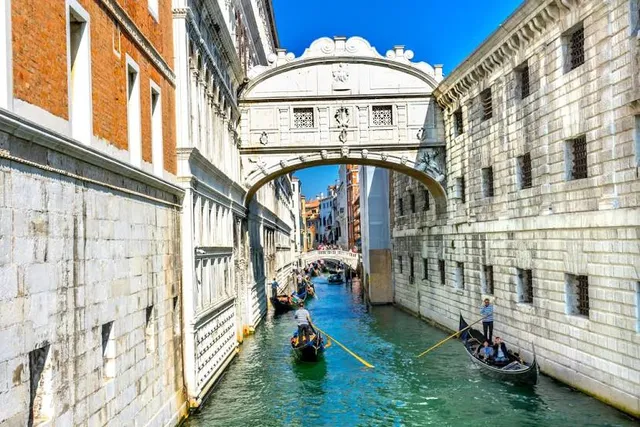
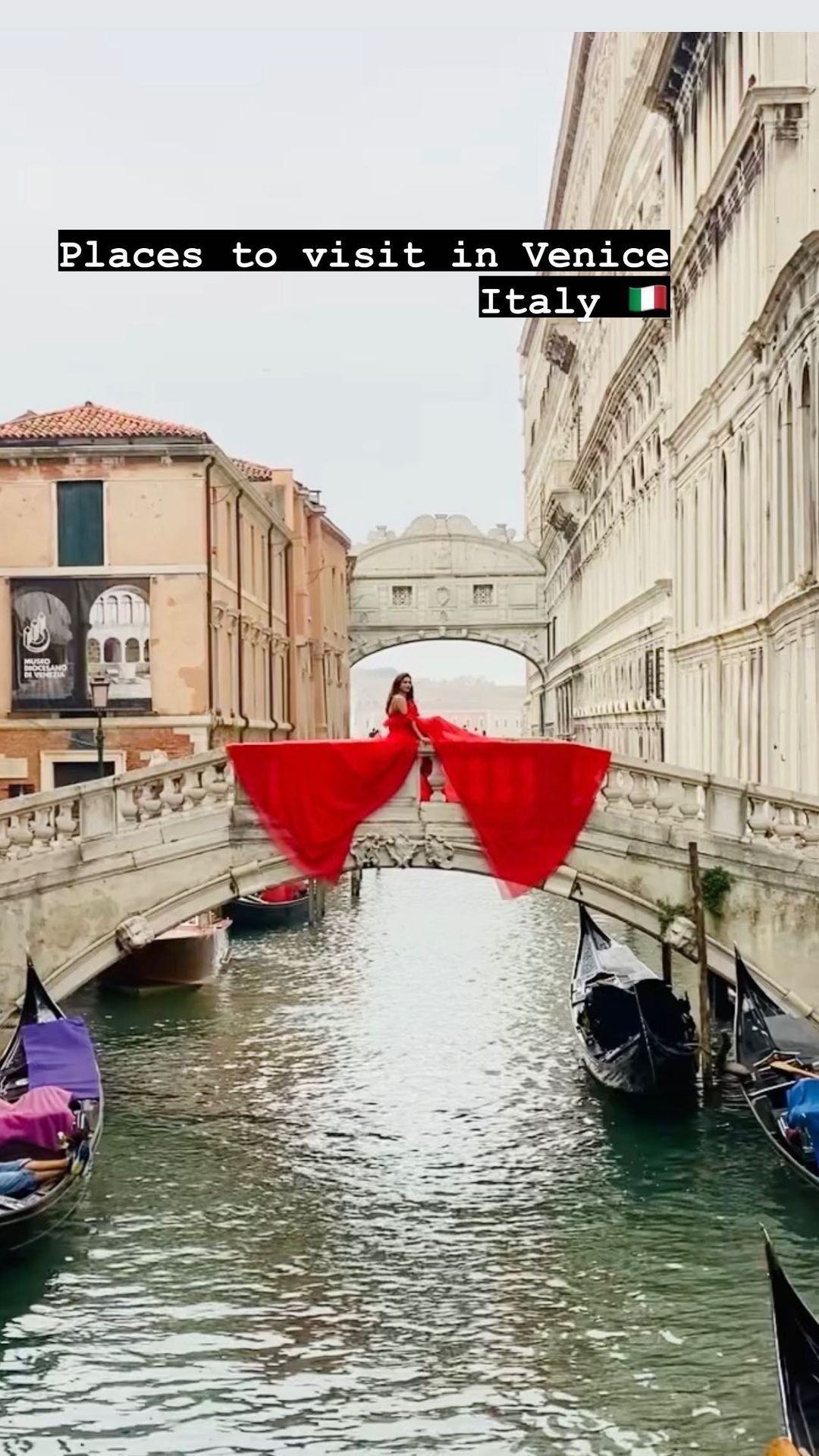
This seat of government housed a senate, the secret police and also prisons, with the famous little Bridge of Sighs. It was also the residence of the Doge of Venice, who, once elected, remained in office for the rest of his life. By the end of the 13th century, Venice was one of the richest cities in Europe, mainly thanks to the trade of spices, silk and wool between Europe and the Middle East. The wealthy citizens became patrons of the arts, having their palaces decorated with magnificent sculptures and paintings. The building is an unmistakable testimony to the wealth and power of Venice at that time. You will also have the unique opportunity to walk over the famous Bridge of Sighs and get some nice photos from the inside out - the way it was the last time for prisoners to catch a glimpse of freedom.
Tour is possible without guide in 1 - 1½ hours. The guide is recommended if you are interested in history. One of the highlights of a visit to incredible Venice. Definitely a must see.
Try to get there early and beat the masses. Lucked out and got to visit Doge's Palace as the only visitor for about ½ hour before a couple of others arrived. Very few tourists in July 2020. Wonderful building and incredible art work. Definitely worth a visit.
During Covid the opening hours for visiting sights, for the very few tourists that dared to visit, was extremely unorganized and unhelpful.
In July 2020 - Closed Monday - Tuesday - Wednesday. Unbelievable for a major tourist attraction. Could have at least been open every other day to give those those who are in town Monday through Wednesday a chance to visit the Palace as well.
Montag - Dienstag - Mittwoch geschlossen. Unglaublich für eine große Touristenattraktion. Hätte zumindest jeden zweiten Tag geöffnet sein können, um denjenigen, die von Montag bis Mittwoch in der Stadt sind, die Möglichkeit zu geben, auch den Palast zu besichtigen.
Chiuso dal lunedì al martedì al mercoledì. Incredibile per una grande attrazione turistica. Poteva essere aperto almeno a giorni alterni per dare la possibilità di visitare il Palazzo anche a chi si trova in città dal lunedì...
Read morePalazzo Ducale** (Doge’s Palace) in Venice is a stunning example of Venetian Gothic architecture and one of the city’s most historically significant landmarks. Here are some key points from reviews:
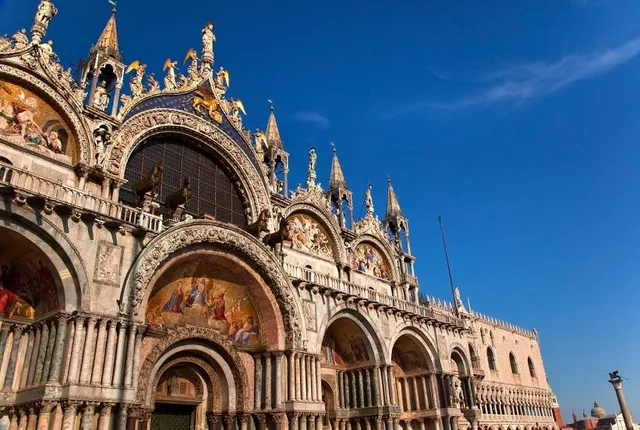
Pros: Architectural Masterpiece**: The palace’s exterior combines Venetian Gothic, Byzantine, and Moorish influences, making it a unique architectural marvel. The intricate facades, arches, and windows are highly praised by visitors.
Historical Significance: As the former residence of the Doge (the ruler of Venice) and the seat of the Venetian government, Palazzo Ducale is steeped in history. The guided tours and exhibits provide an in-depth look at Venice’s political and judicial systems, including access to the Sala del Maggior Consiglio, one of the largest rooms in Europe, where the Venetian government met.
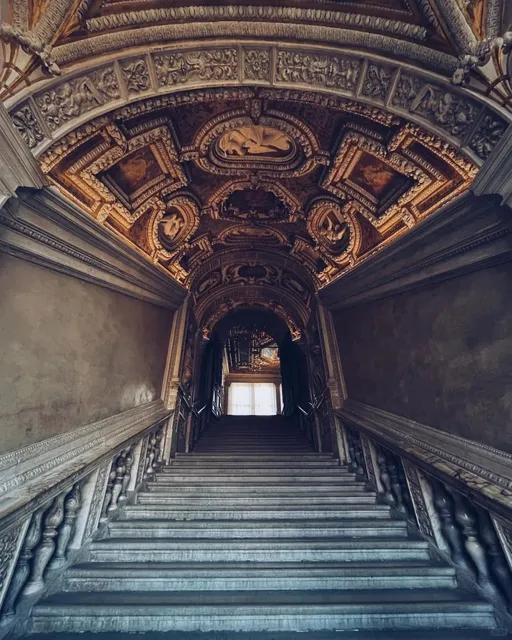
Stunning Interiors: Inside, the palace is filled with opulent rooms featuring gilded ceilings, detailed frescoes, and works by renowned artists like Titian, Veronese, and Tintoretto. The **Golden Staircase (Scala d'Oro) and Bridge of Sighs, which connects the palace to the prison, are highlights.
Secret Itineraries Tour**: Many visitors recommend the special “Secret Itineraries” tour, which takes you behind the scenes to hidden chambers, the torture chambers, and the prison cells, including the one that held the infamous Casanova.
Cons: Crowds**: As one of Venice’s most popular attractions, Palazzo Ducale can get extremely crowded, especially during peak tourist season. This can detract from the experience, particularly when trying to view smaller rooms or detailed artworks.
Pricey Admission**: Some visitors find the admission price high, especially when combined with long waits for entry. However, many feel it is worth it given the rich historical context and architectural beauty.
Overwhelming for Some**: Due to the sheer size of the palace and the depth of information, a few visitors have mentioned that it can be overwhelming to take it all in during one visit, especially without a guide.
Overall: Palazzo Ducale is a must-visit for history buffs, art lovers, and anyone interested in Venice’s unique past. Its blend of art, architecture, and history makes it one of the top attractions...
Read more