Biblioteca Nazionale Marciana things to do, attractions, restaurants, events info and trip planning
Basic Info
Biblioteca Nazionale Marciana
P.za San Marco, 7, 30124 Venezia VE, Italy
4.1(190)
Open until 12:00 AM
Save
spot
spot
Ratings & Description
Info
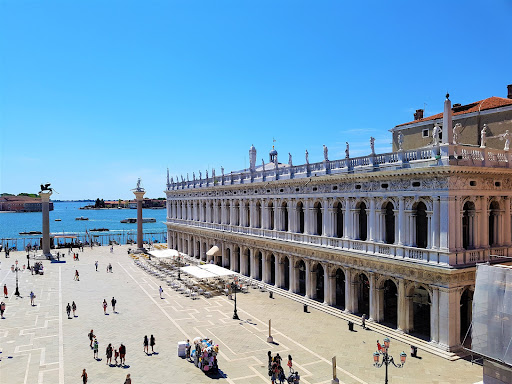
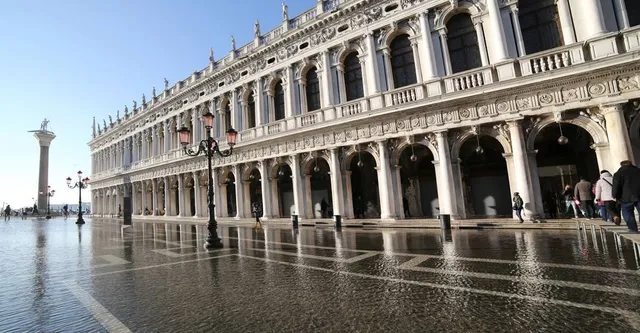
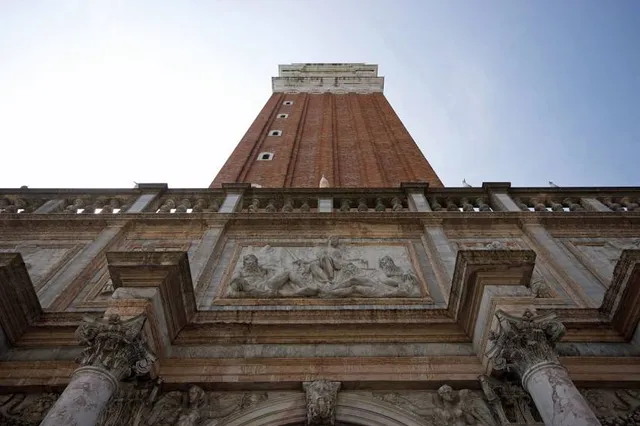
The Marciana Library or Library of Saint Mark is a public library in Venice, Italy. It is one of the earliest surviving public libraries and repositories for manuscripts in Italy and holds one of the world's most significant collections of classical texts. It is named after St Mark, the patron saint of the city.
Cultural
Accessibility
attractions: Piazza San Marco, Doge's Palace, Saint Mark's Basilica, Bridge of Sighs, St Mark's Campanile, Giardini Reali, St. Mark’s Museum, Clock Tower, Museo Correr, Colonna di San Todaro, restaurants: Caffè Florian, Caffe Aurora, Rossopomodoro Venezia San Marco, Caffè Gelateria Al Todaro Dal 1948, Caffè Lavena, Trattoria Ai Leoncini, Hard Rock Cafe, Ristorante Centrale Pizzeria, 1000 Gourmet Venezia, Venchi Chocolate & Gelato Venice Piazza San Marco Store, local businesses: St. Mark's Square, National Archeological Museum, Traghetto Gondole Molo, National Archeological Museum, Zara, Louis Vuitton Venice, Venice Events, rio del Palazzo, Crai SanMarco Supermarket, Parish Church of Saint Moisè( Venice)
 Learn more insights from Wanderboat AI.
Phone
+39 041 240 7211
Website
cultura.gov.it
Open hoursSee all hours
SatClosedOpen
Plan your stay

Pet-friendly Hotels in Venice
Find a cozy hotel nearby and make it a full experience.

Affordable Hotels in Venice
Find a cozy hotel nearby and make it a full experience.

The Coolest Hotels You Haven't Heard Of (Yet)
Find a cozy hotel nearby and make it a full experience.

Trending Stays Worth the Hype in Venice
Find a cozy hotel nearby and make it a full experience.
Reviews
Live events

Legends, Ghosts and Ghouls of Venice
Sat, Feb 14 • 9:00 PM
30121, Venice, Veneto, Italy
View details
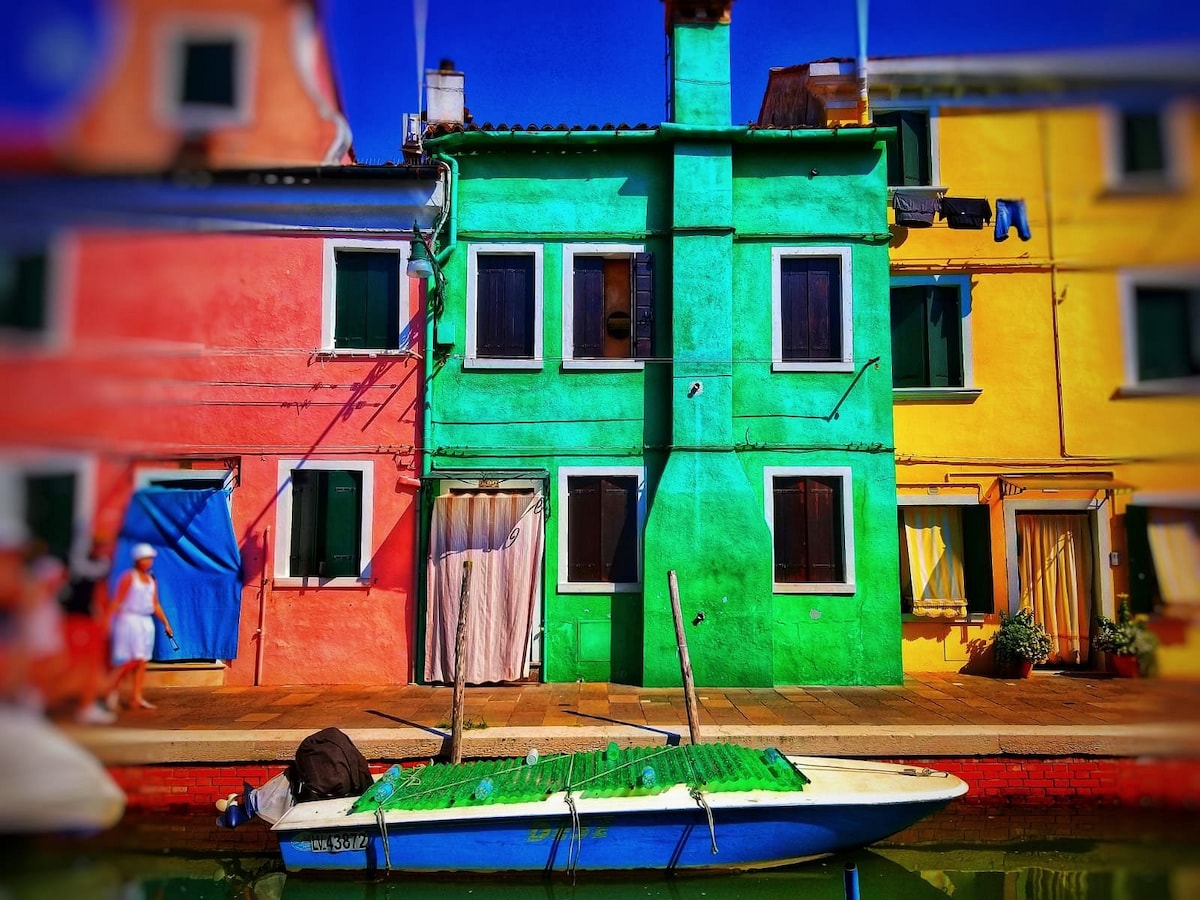
Murano Burano Torcello with a Local
Sat, Feb 14 • 9:00 AM
N/A 30100, Venice, Veneto, Italy
View details

OGNI MERCOLEDI ANDA VENICE HOSTEL - FREE ENTRY
Wed, Feb 18 • 9:00 PM
10 Via Ortigara 30171 Mestre
View details
Nearby attractions of Biblioteca Nazionale Marciana
Piazza San Marco
Doge's Palace
Saint Mark's Basilica
Bridge of Sighs
St Mark's Campanile
Giardini Reali
St. Mark’s Museum
Clock Tower
Museo Correr
Colonna di San Todaro
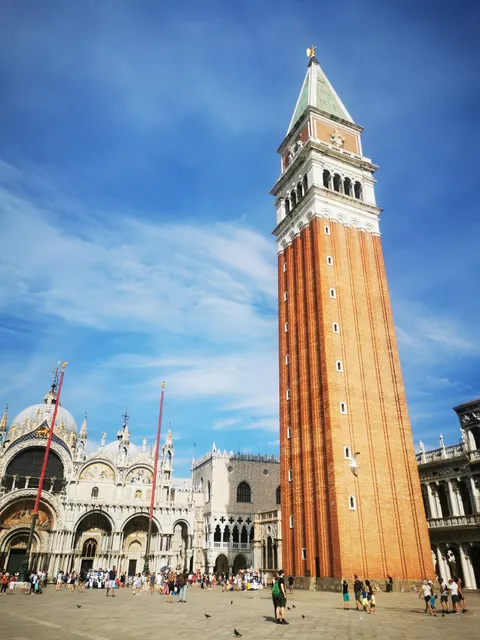
Piazza San Marco
4.7
(57.7K)
Open 24 hours
Click for details
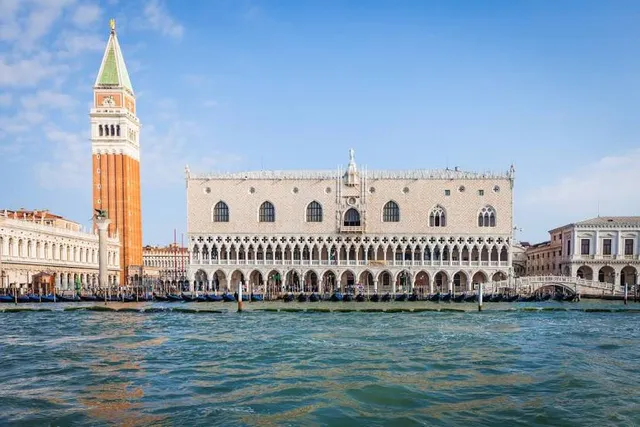
Doge's Palace
4.7
(14K)
Open until 6:00 PM
Click for details
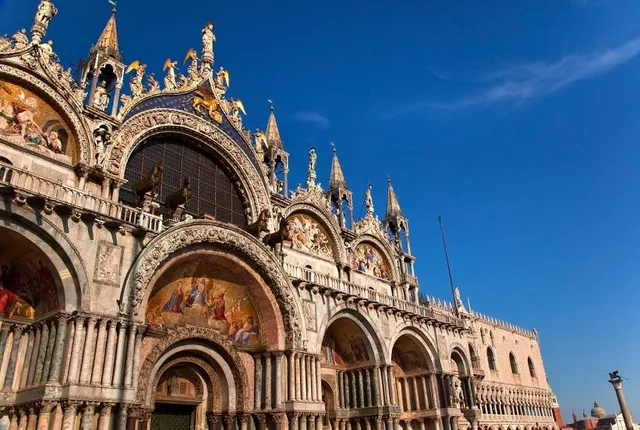
Saint Mark's Basilica
4.7
(10.3K)
Open until 5:15 PM
Click for details
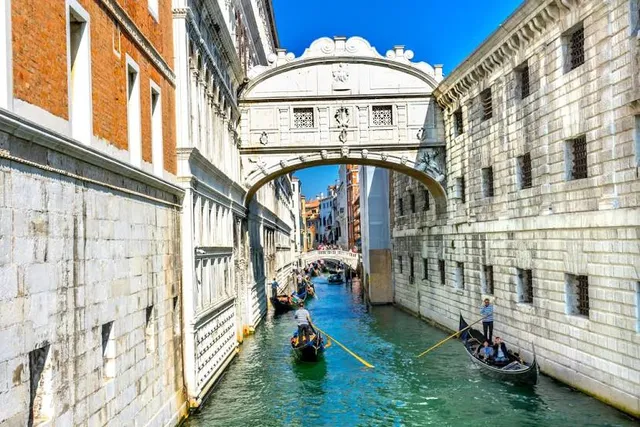
Bridge of Sighs
4.6
(10.3K)
Open until 11:00 PM
Click for details
Nearby restaurants of Biblioteca Nazionale Marciana
Caffè Florian
Caffe Aurora
Rossopomodoro Venezia San Marco
Caffè Gelateria Al Todaro Dal 1948
Caffè Lavena
Trattoria Ai Leoncini
Hard Rock Cafe
Ristorante Centrale Pizzeria
1000 Gourmet Venezia
Venchi Chocolate & Gelato Venice Piazza San Marco Store
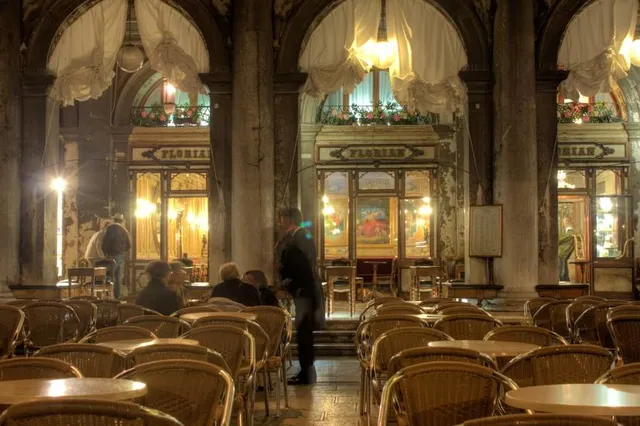
Caffè Florian
3.9
(3.1K)
Open until 11:00 PM
Click for details
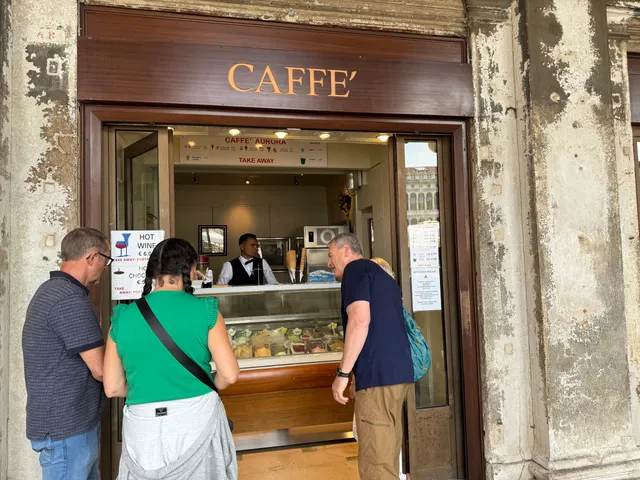
Caffe Aurora
3.9
(613)
Open until 11:00 PM
Click for details
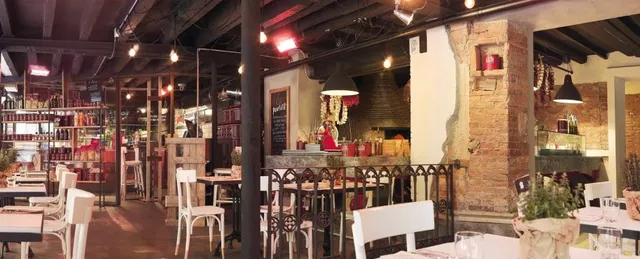
Rossopomodoro Venezia San Marco
4.1
(4.2K)
Closed
Click for details
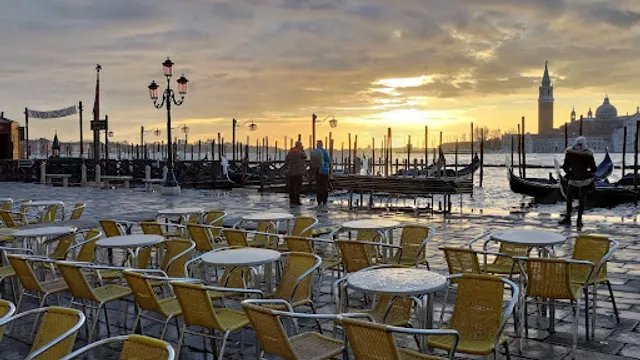
Caffè Gelateria Al Todaro Dal 1948
2.7
(257)
Open until 7:30 PM
Click for details
Nearby local services of Biblioteca Nazionale Marciana
St. Mark's Square
National Archeological Museum
Traghetto Gondole Molo
National Archeological Museum
Zara
Louis Vuitton Venice
Venice Events
rio del Palazzo
Crai SanMarco Supermarket
Parish Church of Saint Moisè( Venice)
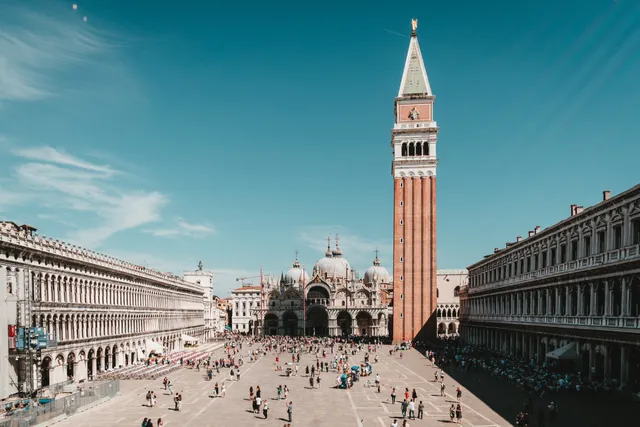
St. Mark's Square
4.7
(53.6K)
Click for details
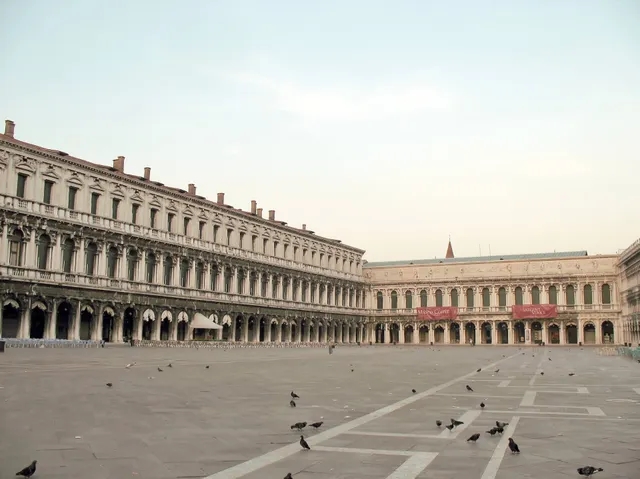
National Archeological Museum
4.2
(258)
Click for details
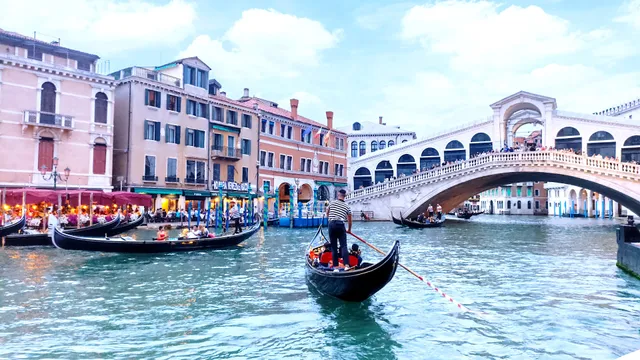
Traghetto Gondole Molo
4.0
(171)
Click for details
National Archeological Museum
4.2
(175)
Click for details