Palazzo dei Camerlenghi things to do, attractions, restaurants, events info and trip planning
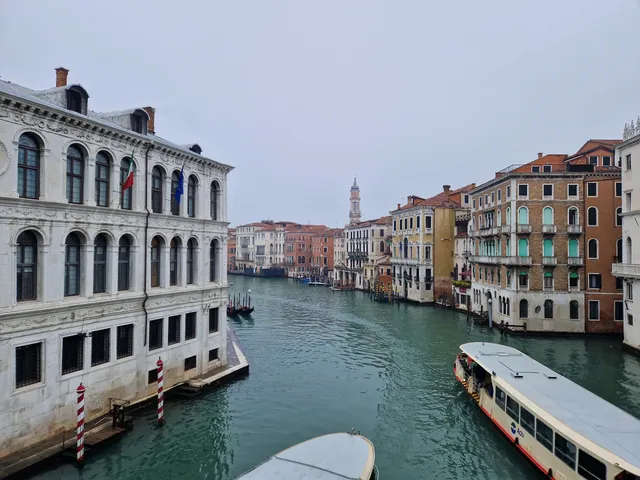
Basic Info
Palazzo dei Camerlenghi
Ruga dei Oresi, 1, 30125 Venezia VE, Italy
4.7(67)
Open 24 hours
Save
spot
spot
Ratings & Description
Info
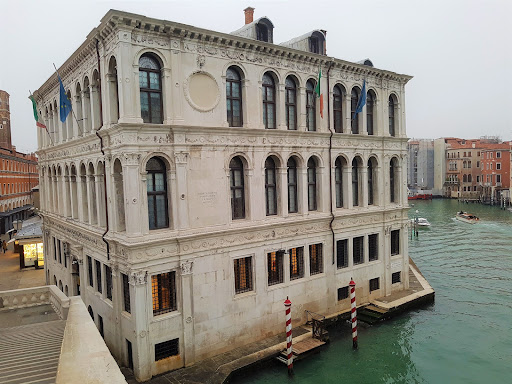
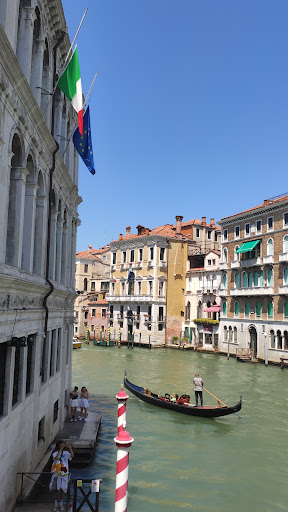
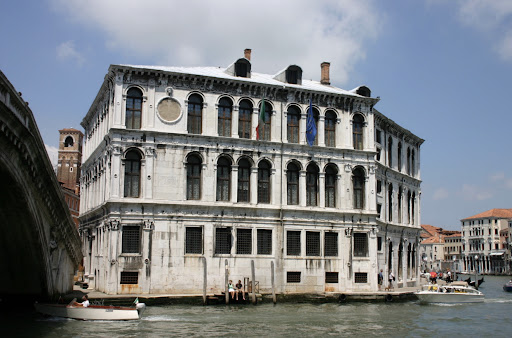
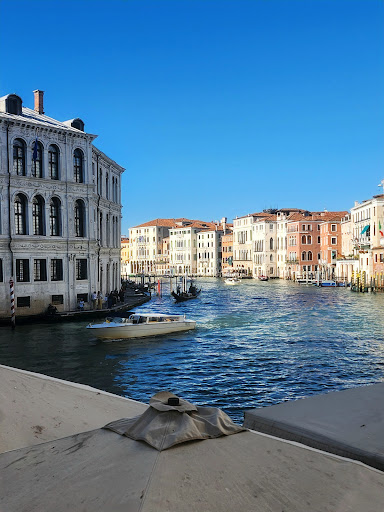
Palazzo dei Camerlenghi is a Renaissance palazzo in Venice, northern Italy, located in the sestiere of San Polo. It faces the Canal Grande, adjacent to the Rialto Bridge.
Cultural
Scenic
attractions: Chiesa di San Giacomo di Rialto, Rialto Bridge, Piazza San Marco, Teatro Goldoni, San Salvador, Venice, Palazzo Contarini del Bovolo, Teatro Malibran, Church of Saint Mary of Miracles, Grand Canal, Galleria Giorgio Franchetti alla Ca' d'Oro, restaurants: Ristorante Caffè Saraceno, Riva Rialto, Terrazza Sommariva, Ristorante Rialto Sul Canallgrande, Osteria Bancogiro, Suso, L' Bacaro de' Bischeri, Rosticceria Gislon, Trattoria alla Madonna, Trattoria Rialto Novo, local businesses: Savor Italy Tours, Aliani Casa Del Parmigiano, Iris Galerie Venice Rialto, Captain Candy, Venchi Cioccolato e Gelato, Venezia Rialto, Rialto Market, WindTre Store, Venice Duck Store - The Original, Leon D'Oro Masks - Rialto Bridge Venice, Eredi di Jovon Bruno
 Learn more insights from Wanderboat AI.
Plan your stay

Pet-friendly Hotels in Venice
Find a cozy hotel nearby and make it a full experience.

Affordable Hotels in Venice
Find a cozy hotel nearby and make it a full experience.

The Coolest Hotels You Haven't Heard Of (Yet)
Find a cozy hotel nearby and make it a full experience.

Trending Stays Worth the Hype in Venice
Find a cozy hotel nearby and make it a full experience.
Reviews
Live events

OGNI MERCOLEDI ANDA VENICE HOSTEL - FREE ENTRY
Wed, Mar 4 • 9:00 PM
10 Via Ortigara 30171 Mestre
View details
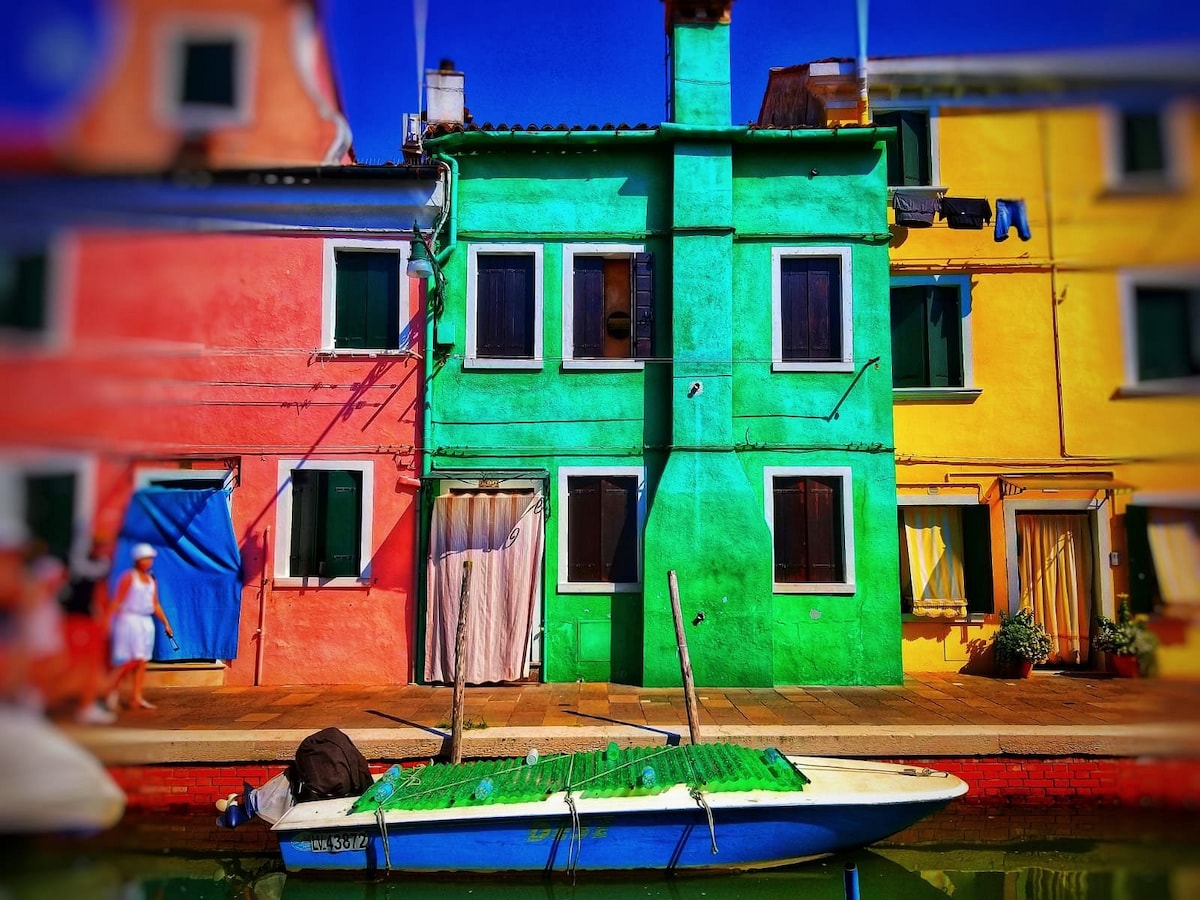
Murano Burano Torcello with a Local
Mon, Mar 2 • 9:00 AM
N/A 30100, Venice, Veneto, Italy
View details
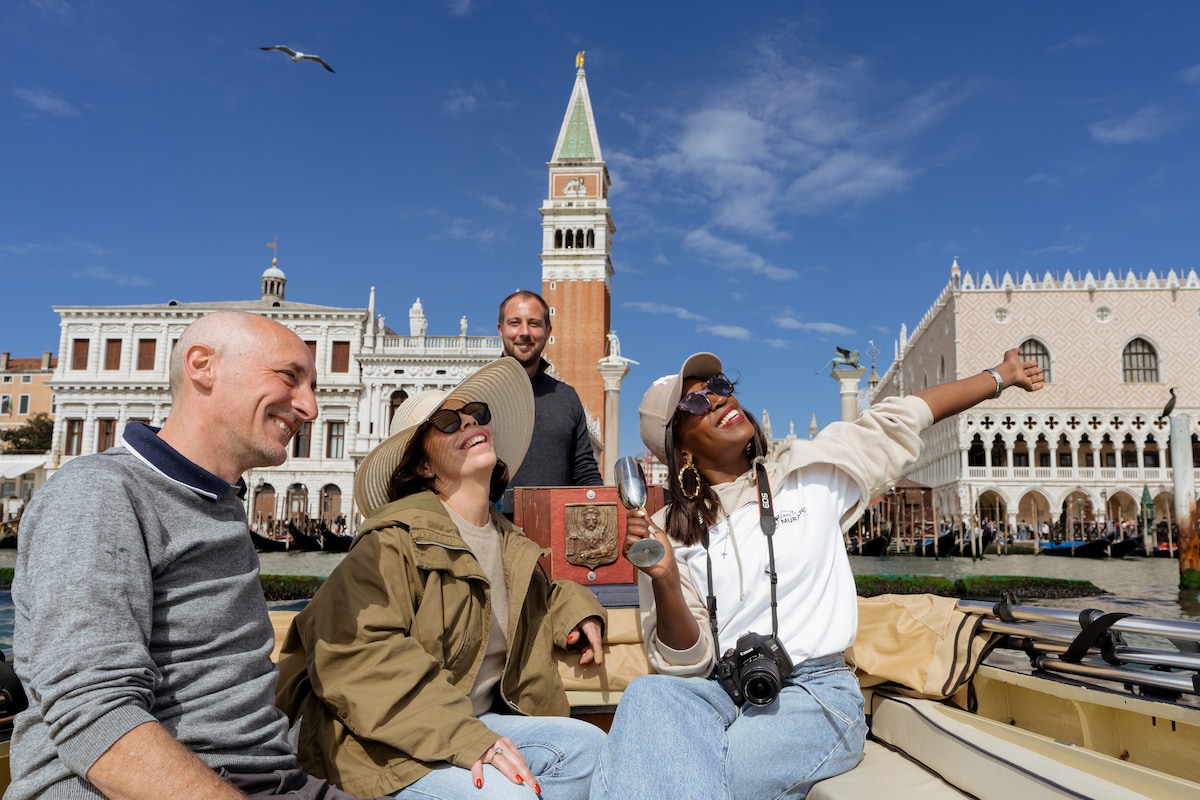
See the beauty of Venice
Sat, Feb 28 • 1:00 PM
30121, Venice, Veneto, Italy
View details
Nearby attractions of Palazzo dei Camerlenghi
Chiesa di San Giacomo di Rialto
Rialto Bridge
Piazza San Marco
Teatro Goldoni
San Salvador, Venice
Palazzo Contarini del Bovolo
Teatro Malibran
Church of Saint Mary of Miracles
Grand Canal
Galleria Giorgio Franchetti alla Ca' d'Oro
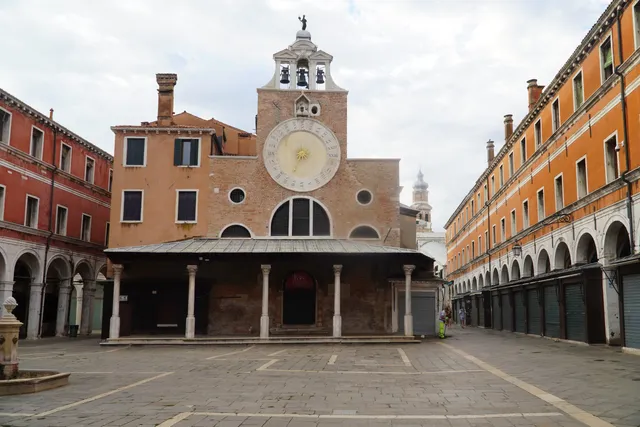
Chiesa di San Giacomo di Rialto
4.5
(328)
Closed
Click for details
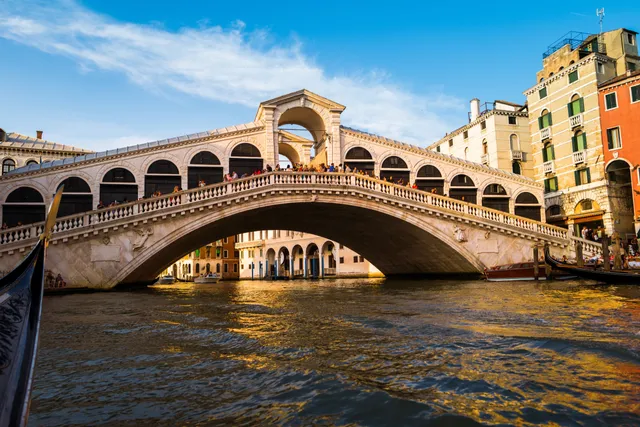
Rialto Bridge
4.7
(114)
Open 24 hours
Click for details
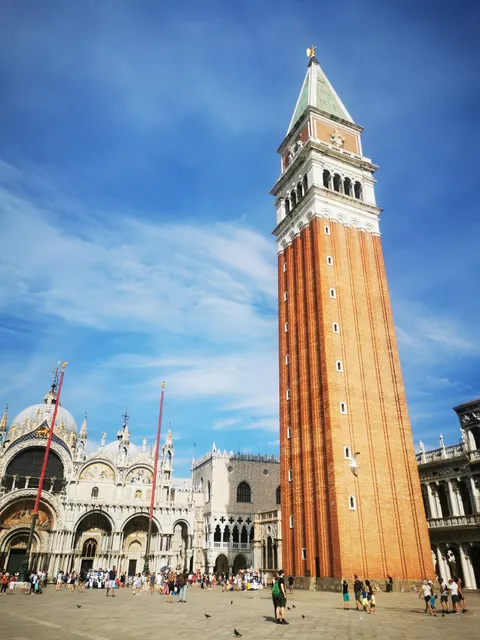
Piazza San Marco
4.7
(57.3K)
Open 24 hours
Click for details
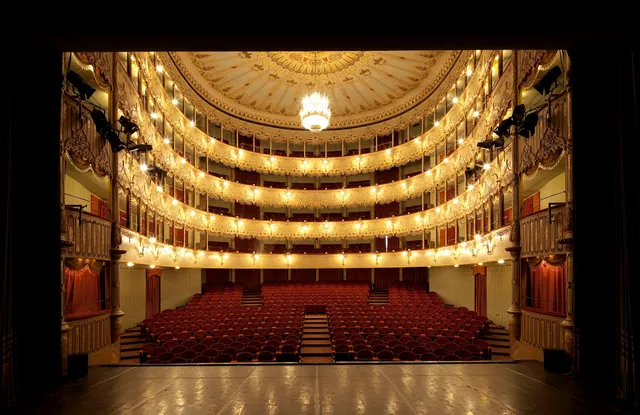
Teatro Goldoni
4.6
(821)
Open 24 hours
Click for details
Nearby restaurants of Palazzo dei Camerlenghi
Ristorante Caffè Saraceno
Riva Rialto
Terrazza Sommariva
Ristorante Rialto Sul Canallgrande
Osteria Bancogiro
Suso
L' Bacaro de' Bischeri
Rosticceria Gislon
Trattoria alla Madonna
Trattoria Rialto Novo
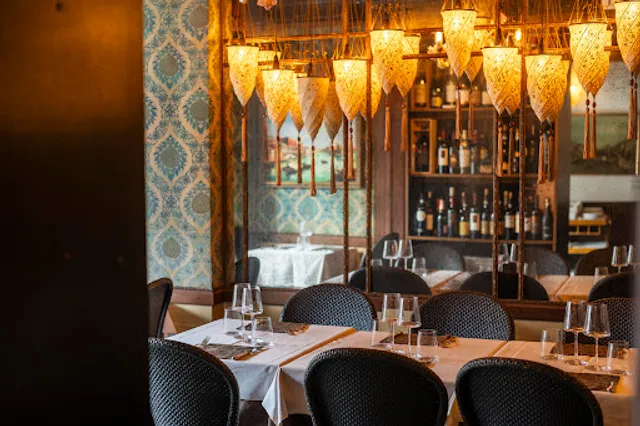
Ristorante Caffè Saraceno
4.5
(5.2K)
Open until 2:00 AM
Click for details
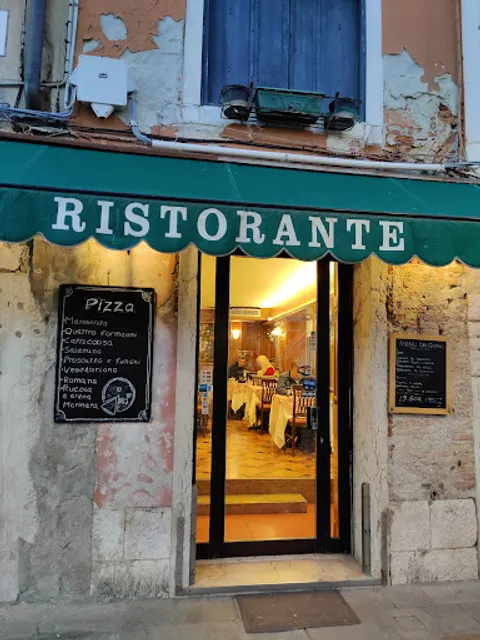
Riva Rialto
4.3
(1.6K)
Open until 12:00 AM
Click for details
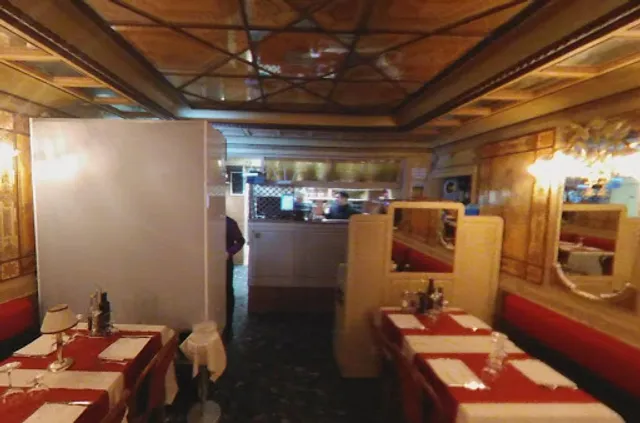
Terrazza Sommariva
4.6
(2.6K)
$$
Open until 11:30 PM
Click for details
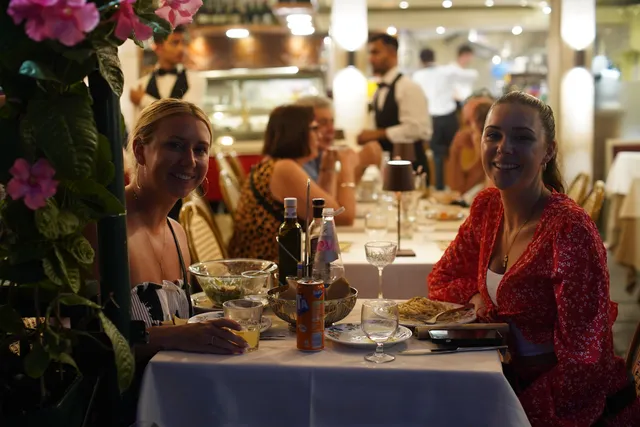
Ristorante Rialto Sul Canallgrande
4.2
(1.9K)
$$
Open until 2:00 AM
Click for details
Nearby local services of Palazzo dei Camerlenghi
Savor Italy Tours
Aliani Casa Del Parmigiano
Iris Galerie Venice Rialto
Captain Candy
Venchi Cioccolato e Gelato, Venezia Rialto
Rialto Market
WindTre Store
Venice Duck Store - The Original
Leon D'Oro Masks - Rialto Bridge Venice
Eredi di Jovon Bruno

Savor Italy Tours
5.0
(752)
Click for details
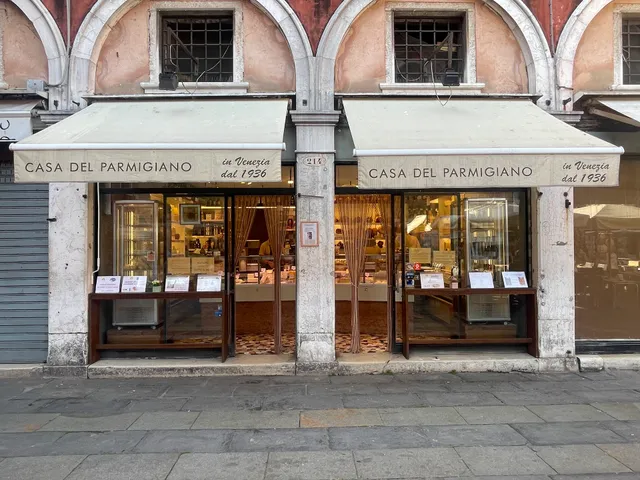
Aliani Casa Del Parmigiano
4.7
(435)
Click for details

Iris Galerie Venice Rialto
4.9
(308)
Click for details
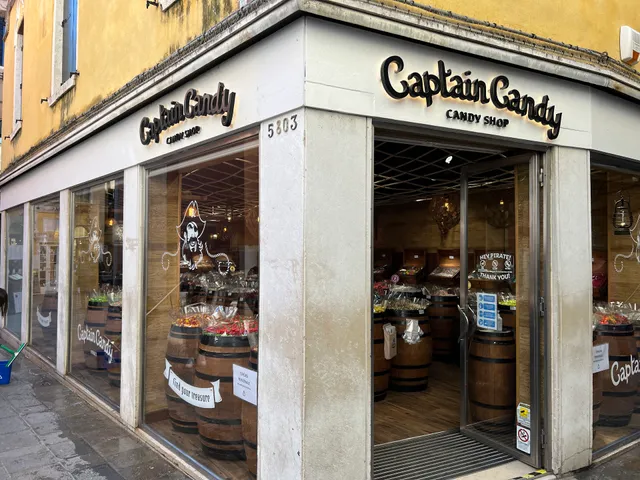
Captain Candy
4.9
(574)
Click for details