Kiyomizu-dera きよみずでら (Kiyomizu means pure water) was established in 778, during the late Nara period by Enchin Shonin, who was a priest from Nara.
Many of the temple's present buildings were constructed in 1633 on the orders of the shogun Tokugawa Lemitsu. There is not a single nail to be used in the entire structure. It takes its name from the waterfall within the complex, which runs off the nearby hills.
Kiyomizu-dera is one of the popular tourist attractions in Kyoto. There is a saying that if you dont visit Kiyomizu-dera then you have not been to Kyoto. No need to introduce this famous shrine in details. Most people more or less know the history, location etc.
We arrived at kiyomizu-dera at around 6am to avoid the crowds and enjoy the tranquil atmosphere. Needless to say we took Uber to get there in this early hour. There were still some people think alike and arrived early like us. It was a rainy morning but it did not dampen our spirits. Rather we felt we were embraced by a refreshing gentle breeze and fully enjoyed the calm ambiance of a rainy morning. The wooden platform that extends out from the main shrine hall is about 13 meters above the ground. From the platform you can have a nice view of the greenery below and even the Kyoto Tower in a distance. The wooden platform at the main shrine hall was literally EMPTY the whole time I took photos and video. What a marvellous opportunity for a photographer to encounter. It was so peaceful yet amazing for me to take photos freely and comfortably. The platform looked so different from all the social media videos and photos (many photos show that the platform was packed with people or people took selfies at some rather odd angles to avoid crowds or peoples heads). By the time we finished exploring the shrine, it was still pretty early.
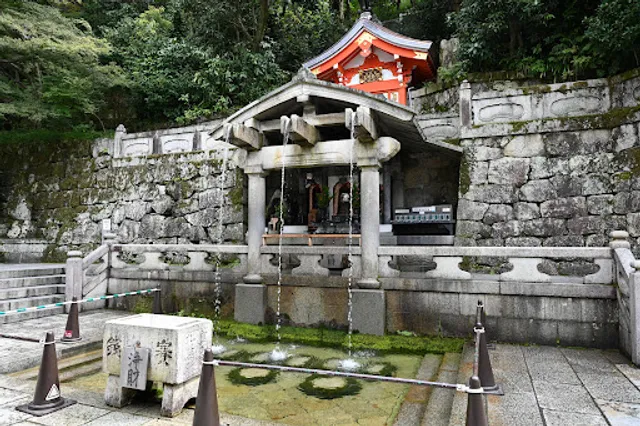
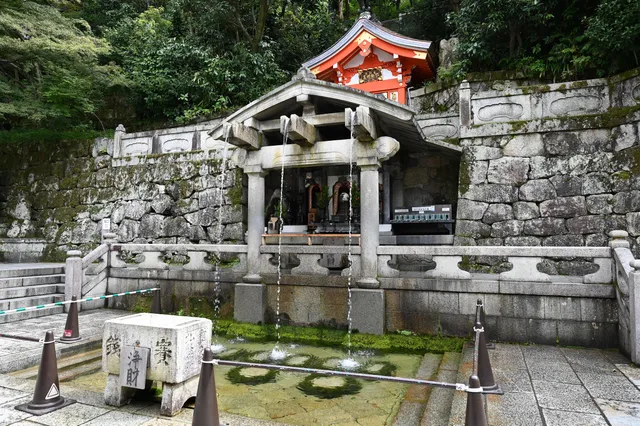
After finished visiting the main hall, we walked down a flight of stairs at the far end of the shrine and reach The Otowa waterfall. It is a popular waterfall for tourists to visit. Usually people line up to drink the sacred water from the fall. It is believed that the sacred water has the blessings for healing and good fortune. The sacred water can be drunk by using a long ladle. The proper and hygiene way to drink the water is to pour the water into your palms and drink it. However some people just drink the water directly from the ladle. I just take a rain check on trying to drink the water. Instead I pray for blessings at the main shrine hall. The sacred water is divided into 3 sections: one is for longevity, one is for good luck in love relationship and the last one is for academic success.
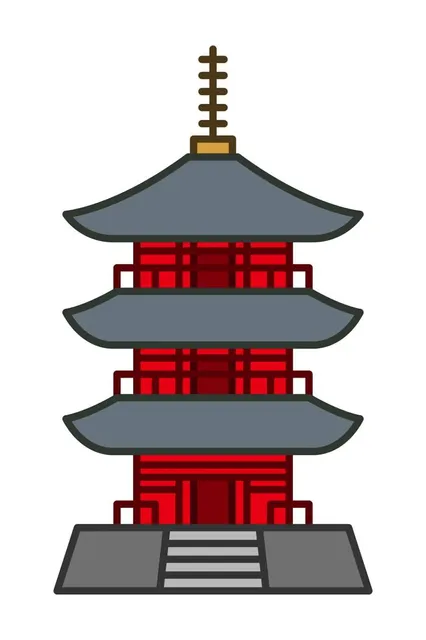
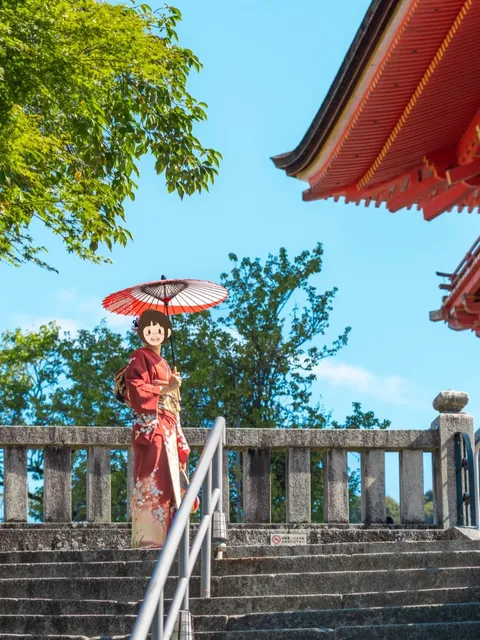
We then continued to walk up to the bright red three story tall pagoda Koyazu. Few tourists will walk up here. It was so tranquil and peaceful here.
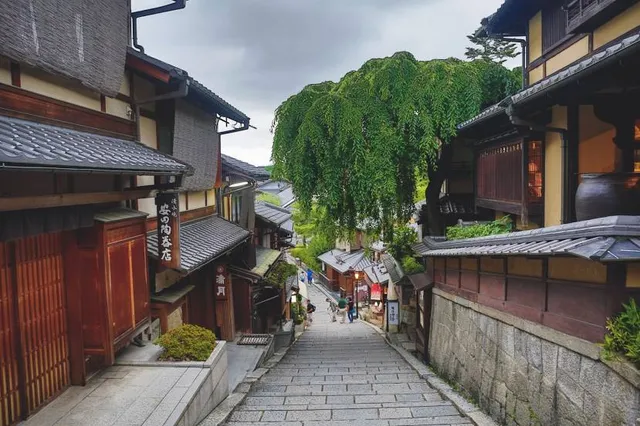
We then walked down to the Sanenzaka and Ninenzaka paths. Be aware when walking on these steep stone paths. If you stripped or fell down, you will have bad luck for one year. While we were at the path, one lady fell down on the path. She was ok but I prayed that she won’t have any bad luck. We swiftly went to the only Starbucks which has “tatami mats interior” at Ninezaka path to grab breakfast and coffee. It was only 810am (Starbucks opens at 8am). We thought we were early enough to get some seats. Oops, wrong again. The second floor were already packed with people, and there was absolutely no empty seats at all. We felt the whole space rather cramped so we left with an empty stomach. However the shops on these two paths open at 9 or 10am, so we did not want to wait for an hour in the rain. So we left and ventured to our next destination.
Overall our visit to Kiyomizu-dera was a memorable yet serene experience. So go early if you can, and you...
Read moreReview of Kiyomizu-dera Temple – Kyoto Overview Kiyomizu-dera, one of Kyoto’s most famous and historically significant temples, is a UNESCO World Heritage Site and a must-visit for travelers exploring Japan’s cultural heart. Located on the eastern hills of Kyoto in the Higashiyama district, the temple is renowned for its stunning wooden stage, breathtaking views, and spiritual significance. Founded in 778 AD, Kiyomizu-dera belongs to the Hosso sect of Buddhism and is dedicated to Kannon, the goddess of mercy.
Architecture & Design The highlight of Kiyomizu-dera is its massive wooden stage, extending 13 meters (43 feet) above the hillside, supported by 139 wooden pillars without a single nail. This architectural marvel offers panoramic views of Kyoto, especially during cherry blossom season in spring and the fiery maple leaves of autumn.
The temple complex features several impressive structures:
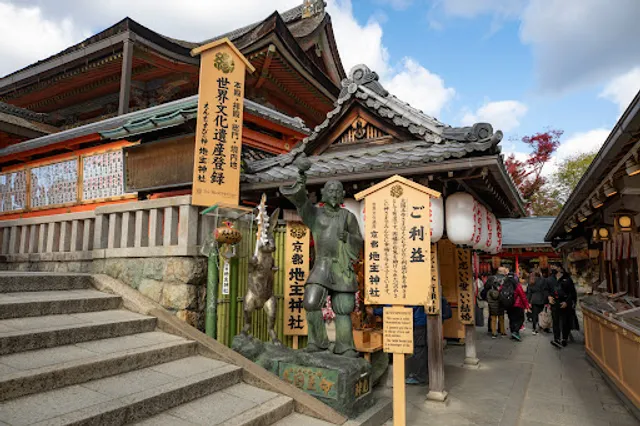
Hondo (Main Hall): Houses the statue of Kannon Bodhisattva and is the heart of worship at Kiyomizu-dera. Otowa Waterfall: The temple’s name, “Kiyomizu” (清水), means “pure water”, derived from this sacred waterfall. Visitors can drink from three streams, each believed to grant wisdom, longevity, or success. Jishu Shrine: A small Shinto shrine within Kiyomizu-dera, dedicated to the deity of love and matchmaking. Visitors attempt to walk between two stones with their eyes closed to test their luck in love. Koyasu Pagoda: A striking red pagoda believed to bring safe childbirth and protection for mothers and children. History & Cultural Significance Kiyomizu-dera was founded by the monk Enchin after he discovered the Otowa Waterfall. In 1633, the present structures were rebuilt under Tokugawa Iemitsu, the third shogun of the Tokugawa shogunate. The temple has been a pilgrimage site for centuries, attracting both Buddhist devotees and travelers seeking enlightenment, protection, and good fortune.
One of the most famous legends associated with Kiyomizu-dera is the Edo-period tradition of "jumping from the stage"—a belief that if one survived the fall, their wish would come true. Fortunately, this practice was banned in the 19th century!
Visitor Experience Kiyomizu-dera is a top attraction in Kyoto, but it gets crowded, especially during cherry blossom (April) and autumn foliage (November) seasons. Arriving early in the morning or visiting during the night illuminations offers a more serene experience.
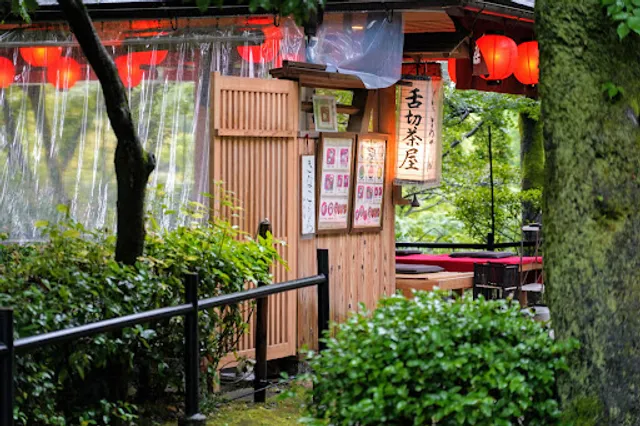
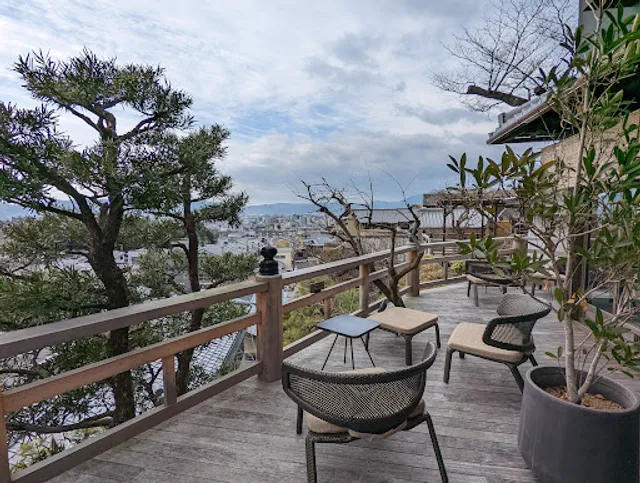
The temple is particularly enchanting at sunset, with Kyoto’s cityscape visible in the distance. Exploring the surrounding Higashiyama district, with its traditional wooden buildings, tea houses, and souvenir shops, adds to the charm of the visit. Nearby, visitors can stroll through Ninenzaka and Sannenzaka streets, famous for their well-preserved historic atmosphere.
Best Times to Visit Spring (March-April): Cherry blossoms frame the temple beautifully. Autumn (November): Vibrant red and orange maple leaves create a magical scene. Winter (December-February): Fewer crowds and, occasionally, a serene snowfall covering the temple. Summer (July-August): Lush greenery, but it can be hot and humid. Conclusion Kiyomizu-dera is one of Kyoto’s most iconic and spiritually significant landmarks. Its unique wooden architecture, deep history, and stunning seasonal beauty make it an unforgettable experience. Whether for its scenic views, cultural heritage, or spiritual rituals, Kiyomizu-dera is an essential stop for anyone...
Read moreStepping into the grounds of Kiyomizu-dera is like stepping into a realm where the past and present seamlessly converge. This UNESCO World Heritage Site, with its sprawling temple complex and panoramic views of Kyoto, offers us a glimpse into Japan's rich cultural and spiritual heritage.
The main hall of Kiyomizu-dera, known as the Kiyomizu Stage, is a masterpiece of wooden architecture that seems to defy gravity as it juts out over the lush valley below. From this vantage point, we are treated to breathtaking views of Kyoto's skyline, with the city's iconic landmarks and verdant mountains stretching out before them.
As we explore the temple complex, we encounter a wealth of cultural and historical treasures at every turn. From the tranquil beauty of the Otowa Waterfall, where we can drink from streams believed to grant health, longevity, and success, to the intricately adorned halls and pagodas that house sacred relics and artifacts, Kiyomizu-dera is a place of reverence and wonder.
The temple grounds are also home to lush gardens, winding pathways, and hidden shrines waiting to be discovered. We can meander through moss-covered forests, pause at tranquil ponds adorned with blooming lotus flowers, and pay our respects at centuries-old stone statues and lanterns.
One of the most enchanting aspects of Kiyomizu-dera is its seasonal beauty. Whether visited in spring, when cherry blossoms carpet the hillsides in shades of pink and white, or in autumn, when the foliage bursts into fiery hues of red and gold, Kiyomizu-dera offers a feast for the senses at every time of year.
Practical amenities such as restrooms, souvenir shops, and tea houses are available within the temple grounds, ensuring a comfortable and enjoyable experience for visitors. Friendly staff members are on hand to offer assistance and share insights into the temple's history and customs, enriching the...
Read more