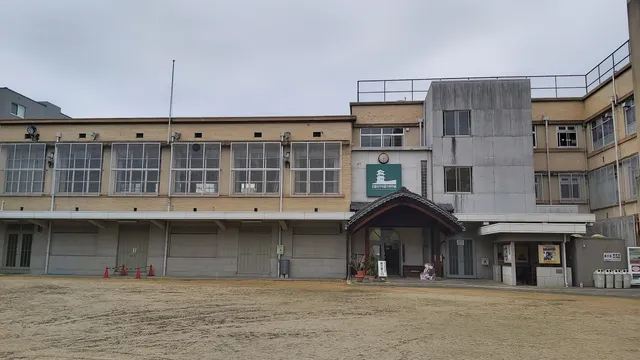
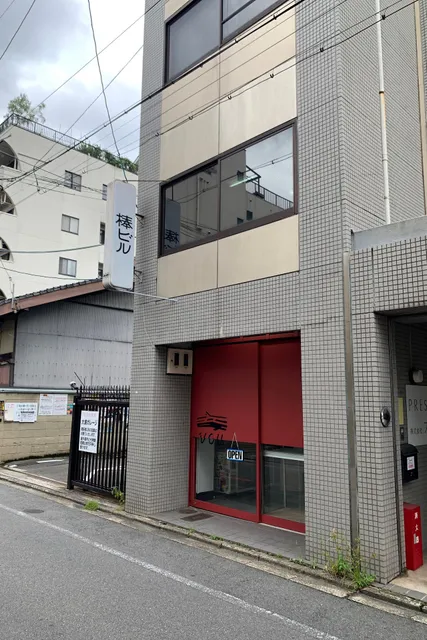
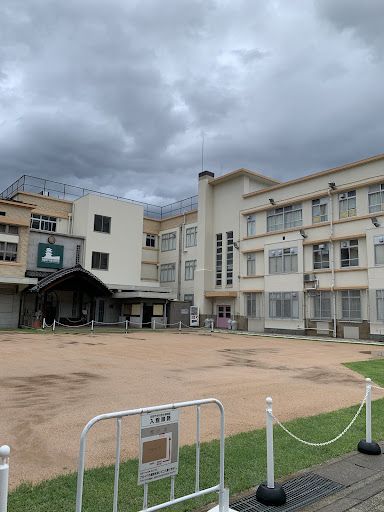
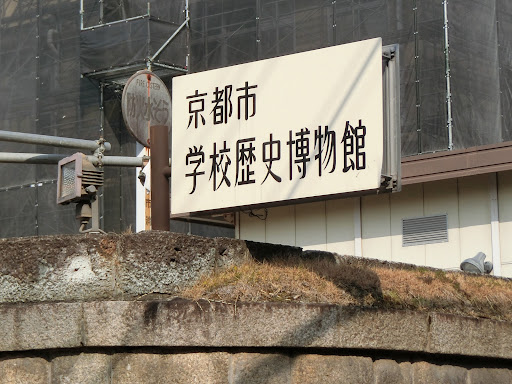
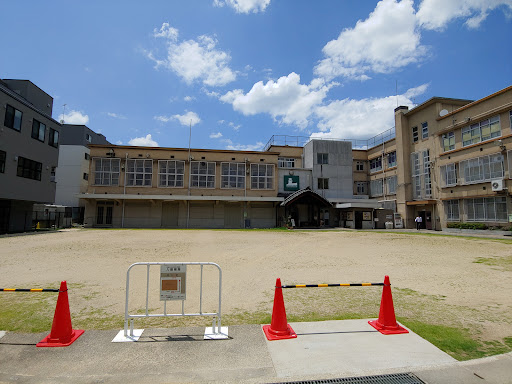
The Kyoto municipal museum of school history is a great small museum that is worth the detour if you are into the history of education, if you have a connection with the school environment, or if you are just a very curious person. The staff did not speak english but they tried their best to explain to me what I needed to know, they were very kind and welcoming. Please note that the entrance is located on a street parallel to the one indicated by Google Maps, you just have to follow the signs. The scenography was surprisingly very qualitative. I learned a lot. Don't go if you're short on time, though. The permanent exhibition has an English audio guide tool on your phone (bring your headphones!) that summarizes the main information from the texts, and they provide documentation in English as well. Not everything is translated, however, and the temporary exhibition is 100% in Japanese with no translation available; you'll need to take the time to translate the texts with Google Translate if you really want to enjoy the museum. Also, please be a respectful tourist; the...
Read more京都では、明治2年(1869年)に、日本で最初に番組小学校とよばれる学区制の小学校が64校つくられました。 京都市学校歴史博物館は、番組小学校に関する資料をはじめ、京都市の学校に遺された教科書や教材・教具などの教育資料、また卒業生などが学校に寄贈した数々の美術工芸品を収集・保存して展示しています。
博物館概要: 幕末の動乱による戦禍、明治維新による東京奠都(※)により、京都は衰退の危機にありました。しかし、町衆をはじめとする明治の先人達は、厳しい状況下にもかかわらず、京都の復興のため、都市基盤の整備や勧業政策など様々な近代化政策を実施しましたが、中でもとりわけ力を入れたのが“教育”でした。我々の先人達は、「まちづくりは人づくりから」の信念により、明治5(1872)年の学制公布に先立ち、明治2年に日本で最初の学区制小学校である64校もの「番組小学校」を開校させました。 京都市学校歴史博物館は、「番組小学校」をはじめとする京都の教育の伝統と、学校の運営と創設に力を注いだ町衆の情熱を全国に発信するため、京都市の学校に遺された歴史資料(教科書・文献資料・教材・教具等)、卒業生などが学校に寄贈した美術工芸品(絵画・書跡・陶磁器・染織等)を収集・保存し、展示を行っている施設です。 平成10(1998)年11月、元 京都市立開智小学校(明治2年6月・下京第11番組小学校として開校)の施設を改修整備して開設しました。展示室・収蔵庫の整備、エレベーターの新設など博物館としての機能を整える一方、外観などについては最小限の改修にとどめています。 平成16(2004)年12月から博物館相当施設に指定されています。 ※「奠都」とは「新たに都を置く」ことを言います。明治維新で首都機能は東京に移りましたが、京都を都として廃する宣言はなされませんでした。(博物館HPより) またこの博物館の正門と石塀は登録有形文化財です。 In Kyoto, in 1869, 64 district-based elementary schools were established for the first time in Japan. The Kyoto Municipal School History Museum collects and preserves educational materials such as textbooks, teaching materials, and teaching tools left behind by schools in Kyoto City, as well as materials related to program elementary schools, as well as numerous arts and crafts donated to schools by graduates. are on display.
Museum overview: Kyoto was in danger of decline due to the war damage caused by the turmoil at the end of the Edo period, and the consolidation of Tokyo (*) due to the Meiji Restoration. However, despite the harsh conditions, our predecessors in the Meiji period, including the townspeople, implemented various modernization policies, such as urban infrastructure development and promotional policies, in order to restore Kyoto. “Education” was included. Based on the belief that "urban development starts with human resource development," our predecessors established 64 "Program Elementary Schools" in 1872, the first school district elementary school in Japan, prior to the promulgation of the school system in 1872. I opened the school. The Kyoto Municipal School History Museum is a museum built on the heritage of Kyoto City schools in order to convey to the whole country the educational traditions of Kyoto, including the ``Program Elementary School,'' and the passion of the townsfolk who devoted themselves to the management and establishment of the school. This is a facility that collects, preserves, and exhibits historical materials (textbooks, literature materials, teaching materials, teaching tools, etc.) and arts and crafts (paintings, calligraphy, ceramics, textiles, etc.) donated to the school by graduates. In November 1998, the facility of the former Kyoto Municipal Kaichi Elementary School (opened in June 1870 as Shimogyo 11th Program Elementary School) was renovated and opened. While improving the functions of the museum by improving the exhibition rooms and storage, and installing a new elevator, the external appearance has been kept to a minimum. It has been designated as a museum-equivalent facility since December 2004.
Kyoto'' means
establishing a new capital''. With the Meiji Restoration, the function of the capital was moved to Tokyo, but no declaration was made to abolish Kyoto as the capital. (From the museum website) The museum's main gate and stone walls are registered tangible... Read more登録有形文化財(建造物) 名称 : 京都市学校歴史博物館(旧京都市立開智小学校)正門 時代 : 明治 年代 : 明治34/大正7移築 西暦 : 1901/1918移築 構造及び形式等 : 木造、瓦葺、間口3.5m、両側袖塀付 登録年月日 : 2005.02.09(平成17.02.09) 登録基準1 : 国土の歴史的景観に寄与しているもの 所有者名 : 京都市 解説文: 御幸町通に東面して建つ。間口3.5mの背面に控柱を立てた高麗門形式で,屋根は切妻造,本瓦葺になる。南北に袖塀をつけ,南には潜戸を設ける。親柱は高く延ばして棟木を支え,桁は前後とも腕木で受ける。明治期における学校建築の形式の一端を伝えている。(国指定文化財等データベースより)
名称 : 京都市学校歴史博物館(旧京都市立開智小学校)石塀 時代 : 大正 年代 : 大正7 西暦 : 1918 構造及び形式等 : 石造、延長56m 登録年月日 : 2005.02.09(平成17.02.09) 登録基準1 : 国土の歴史的景観に寄与しているもの 解説文: 大正期の敷地拡張時に建設された。正門南北に延び,門廻りの隅は円形に築く。京都白川石を用いた重厚な間知石布積で,通り側は丁寧な瘤出仕上げとする。頂部には笠石を置き,現在は土盛に芝を張っている。往時の有様を伝えるとともに,街路景観を整えている。(国指定文化財等データベースより) Registered tangible cultural property (building) Name: Kyoto Municipal Museum of School History (former Kyoto Municipal Kaichi Elementary School) front gate Period: Meiji Period: Meiji 34/Taisho 7 relocated AD: 1901/1918 Relocated Structure and form: Wooden, tiled roof, 3.5m frontage, with side fences on both sides Registration date: 2005.02.09 (Heisei 17.02.09) Registration Criteria 1: Contributing to the national historical landscape Owner name: Kyoto City Commentary: The building faces east on Miyukicho-dori. It has a 3.5-meter frontage with a support pillar on the back, and the roof is gabled and tiled. Side fences are installed on the north and south sides, and hidden doors are installed on the south side. The new posts are extended high to support the ridgepoles, and the girders are supported by brackets both front and rear. It conveys part of the style of school architecture in the Meiji period. (From the database of nationally designated cultural properties)
Name: Kyoto Municipal Museum of School History (former Kyoto Municipal Kaichi Elementary School) stone wall Era: Taisho Age: Taisho 7 AD: 1918 Structure and form, etc.: Masonry, length 56m Registration date: 2005.02.09 (Heisei 17.02.09) Registration Criteria 1: Contributing to the national historical landscape Commentary: It was built when the site was expanded in the Taisho period. The main gate extends north and south, and the corners around the gate are built in a circle. The building is made of Kyoto Shirakawa stone, which is used to create a heavy cloth piling, and the street side is finished with a careful bump. A coping stone is placed on the top, and turf is currently being laid on the earthen mound. Along with conveying the state of the past, the streetscape has been arranged. (From the database of nationally designated...
Read more