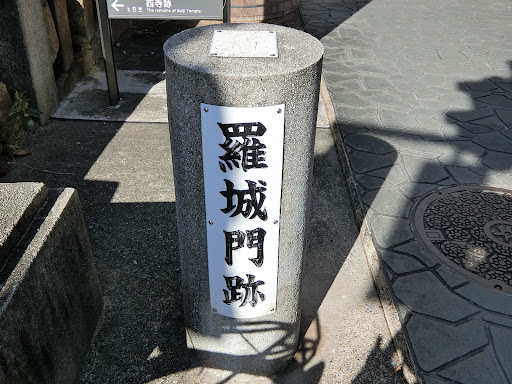
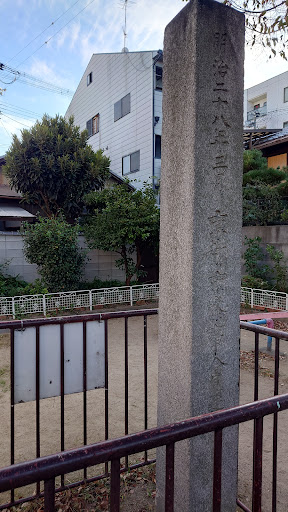
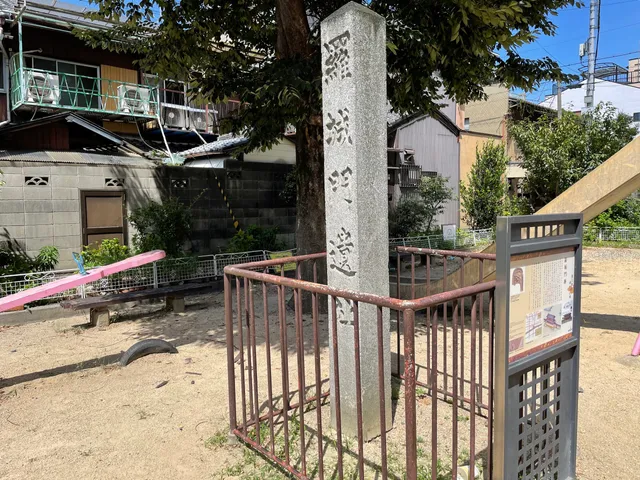
Rajomon Gate Relic Site things to do, attractions, restaurants, events info and trip planning
Basic Info
Rajomon Gate Relic Site
54 Karahashi Rajomoncho, Minami Ward, Kyoto, 601-8453, Japan
3.5(152)
Open until 12:00 AM
Save
spot
spot
Ratings & Description
Info
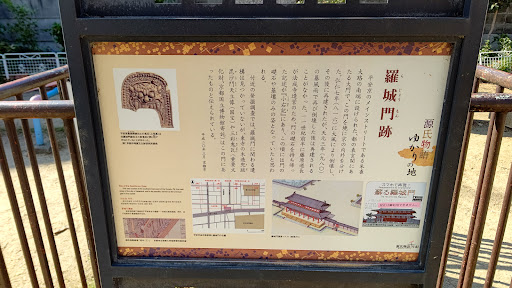
Rajōmon, also called Rashōmon, was the gate built at the southern end of the monumental Suzaku Avenue in the ancient Japanese cities of Heijō-kyō and Heian-kyō, in accordance with the Chinese grid-patterned city layout.
Cultural
Scenic
Family friendly
Off the beaten path
attractions: Karahashi Rajomon Park, To-ji Temple, To-ji Gojunoto (Five Story Pagoda), Kentatsu Inari Shrine, Namdaimon (Grand South Gate), Ruins of Sai-ji Temple, Tōji Rengemon Gate, Tōji Shōshibō, Rokusonnō Shrine, Kanchi-in Temple, restaurants: Mister Gyoza, D-Light, ごはん処 嘉八, Rokuroku Horumon, solkatt coffee kyoto, 喜久勝, Yubani, LU-PAIN BAKERS, うを一(う越一), Ramen Zundouya Kyototoyota, local businesses: Tō-ji Temple, Kodo (Lecture Hall), Kondō (Main Hall), AEON Rakunan, Tōji Yashimaden, AEON Kyoto Rakunan Shopping Center, DAISO, Toji Dainichido, Tōji Mochi, Renge-ji Temple
 Learn more insights from Wanderboat AI.
Website
city.kyoto.lg.jp
Open hoursSee all hours
ThuOpen 24 hoursOpen
Plan your stay

Pet-friendly Hotels in Kyoto
Find a cozy hotel nearby and make it a full experience.

Affordable Hotels in Kyoto
Find a cozy hotel nearby and make it a full experience.

The Coolest Hotels You Haven't Heard Of (Yet)
Find a cozy hotel nearby and make it a full experience.

Trending Stays Worth the Hype in Kyoto
Find a cozy hotel nearby and make it a full experience.
Reviews
Live events
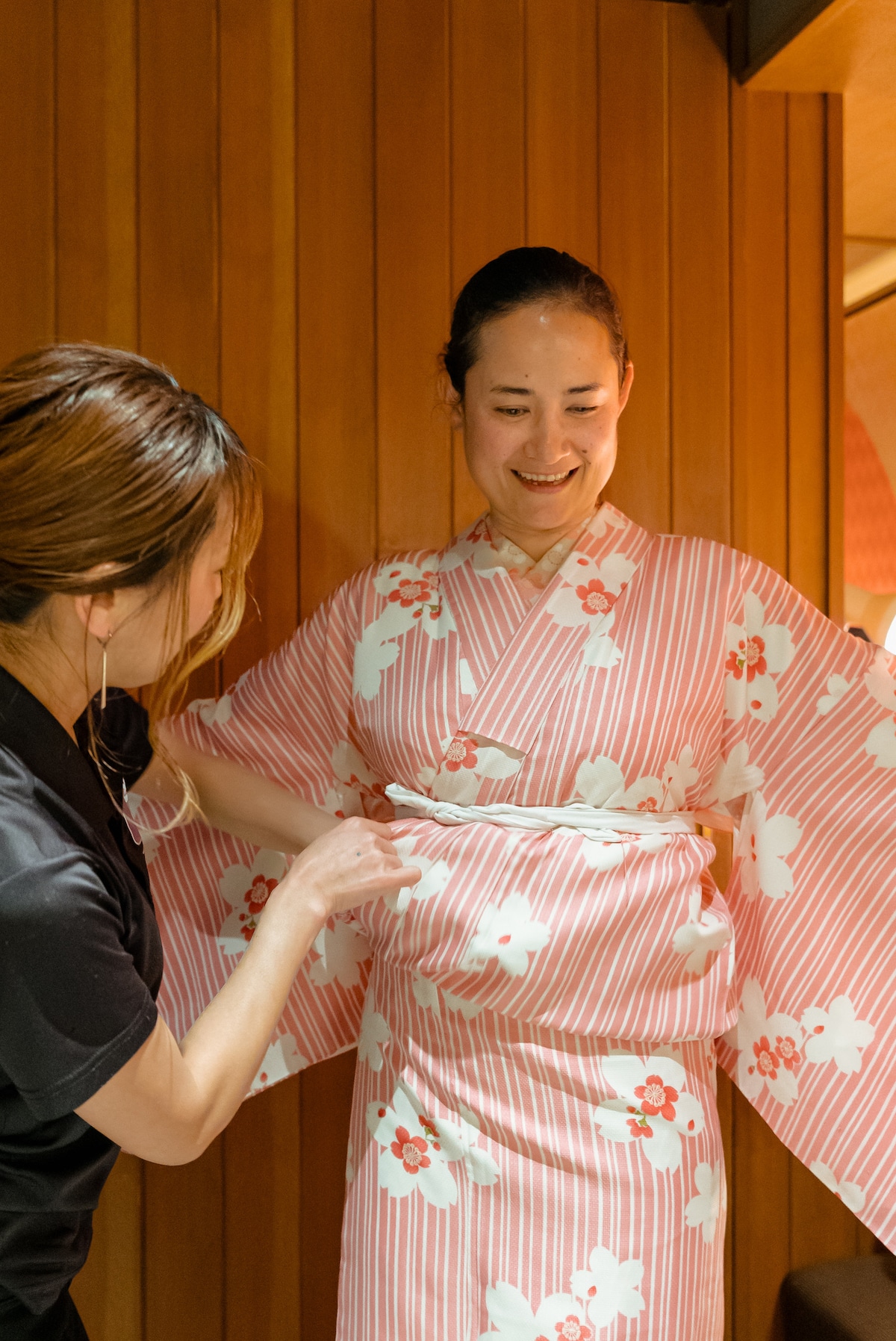
Explore Kyoto in a Kimono
Thu, Feb 26 • 10:00 AM
605-0005, Kyoto, Kyoto, Japan
View details
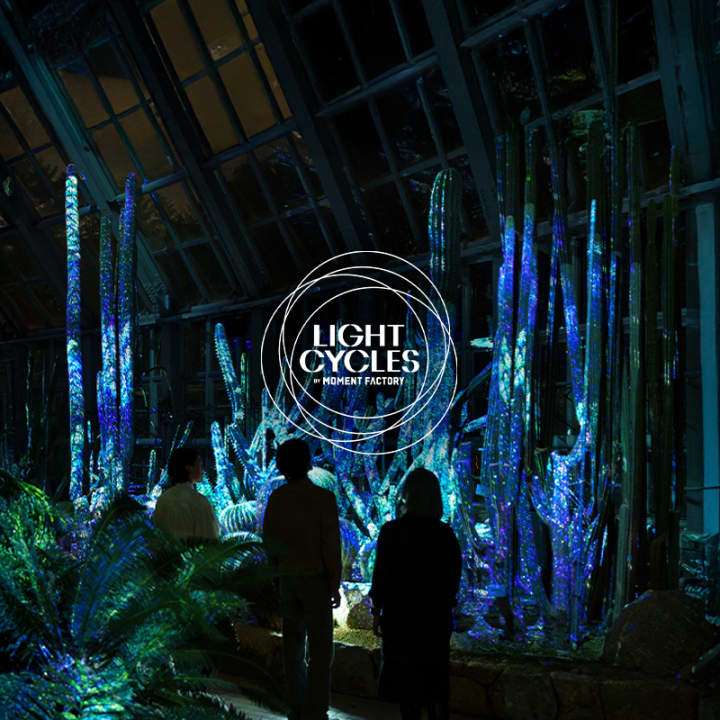
京都府立植物園:LIGHT CYCLES KYOTO (ライトサイクル京都)
Thu, Feb 26 • 6:00 PM
京都市左京区下鴨半木町, 606-0823
View details
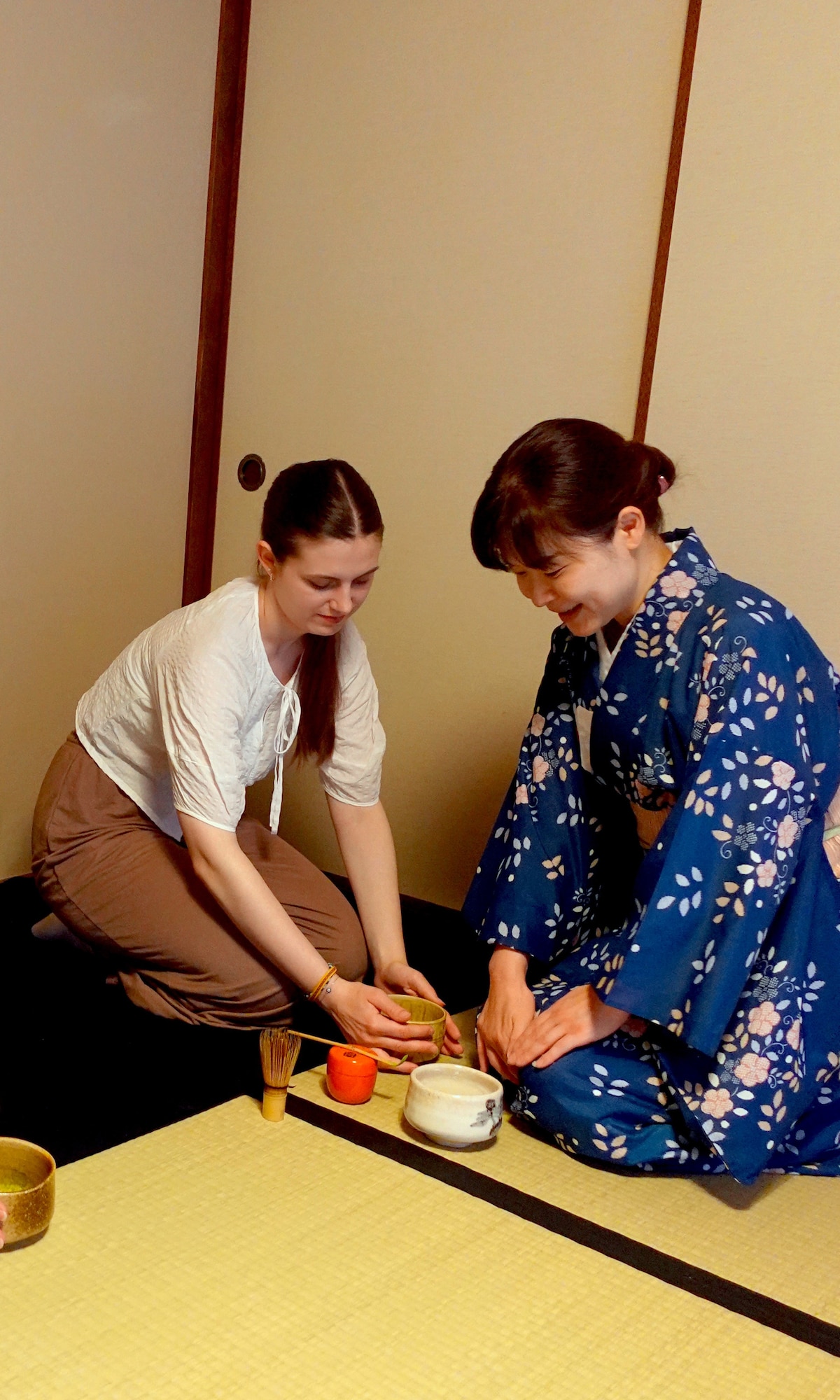
Learn tea ceremony in traditional Kyoto townhouse
Fri, Feb 27 • 1:00 PM
600-8397, Kyoto, Kyoto, Japan
View details
Nearby attractions of Rajomon Gate Relic Site
Karahashi Rajomon Park
To-ji Temple
To-ji Gojunoto (Five Story Pagoda)
Kentatsu Inari Shrine
Namdaimon (Grand South Gate)
Ruins of Sai-ji Temple
Tōji Rengemon Gate
Tōji Shōshibō
Rokusonnō Shrine
Kanchi-in Temple
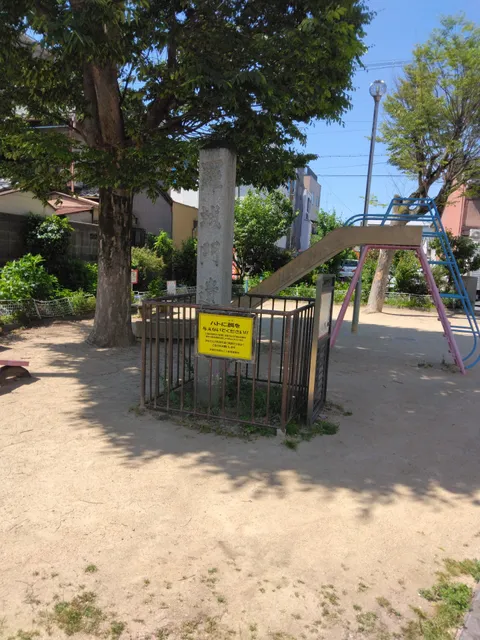
Karahashi Rajomon Park
3.4
(146)
Closed
Click for details
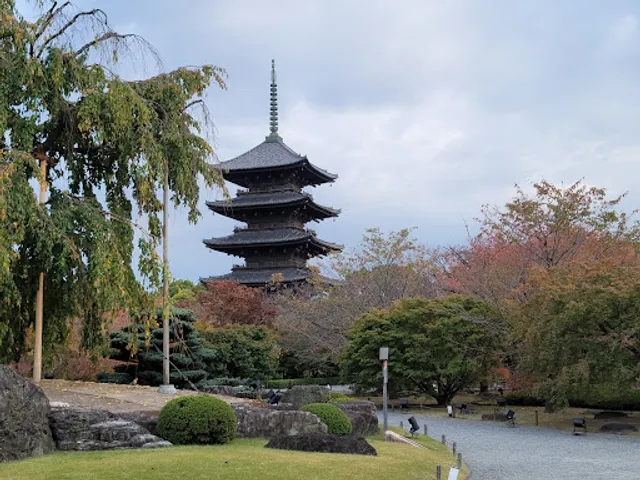
To-ji Temple
4.5
(7K)
Closed
Click for details
To-ji Gojunoto (Five Story Pagoda)
4.6
(833)
Open until 5:00 PM
Click for details
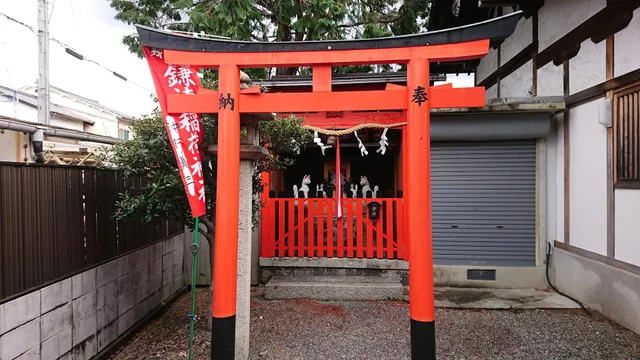
Kentatsu Inari Shrine
4.2
(79)
Open 24 hours
Click for details
Nearby restaurants of Rajomon Gate Relic Site
Mister Gyoza
D-Light
ごはん処 嘉八
Rokuroku Horumon
solkatt coffee kyoto
喜久勝
Yubani
LU-PAIN BAKERS
うを一(う越一)
Ramen Zundouya Kyototoyota
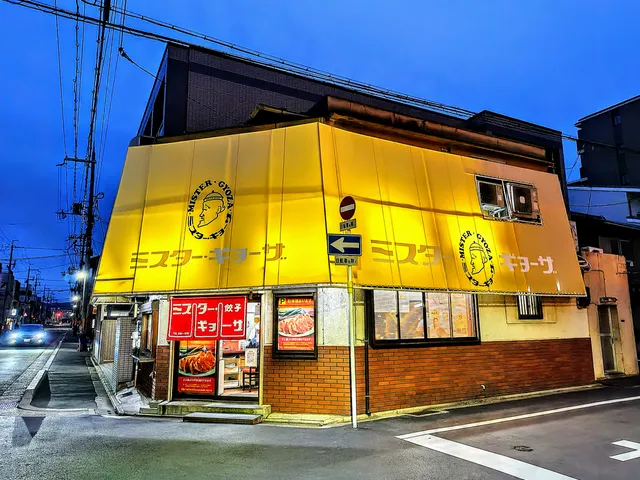
Mister Gyoza
4.2
(1.1K)
Open until 12:00 AM
Click for details
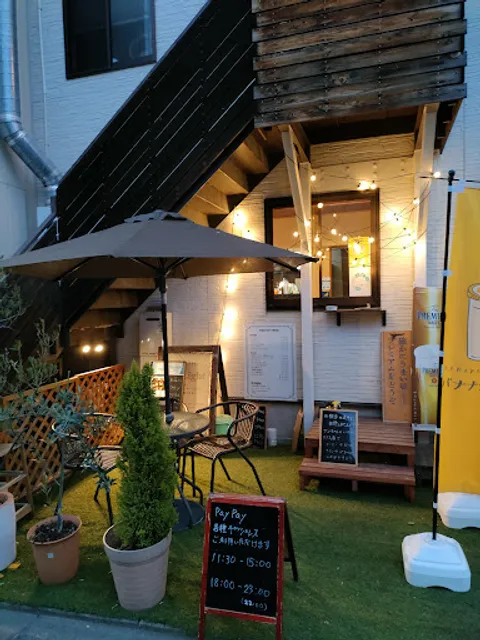
D-Light
4.8
(123)
Closed
Click for details

ごはん処 嘉八
4.8
(42)
Closed
Click for details

Rokuroku Horumon
4.1
(25)
Open until 12:00 AM
Click for details
Nearby local services of Rajomon Gate Relic Site
Tō-ji Temple
Kodo (Lecture Hall)
Kondō (Main Hall)
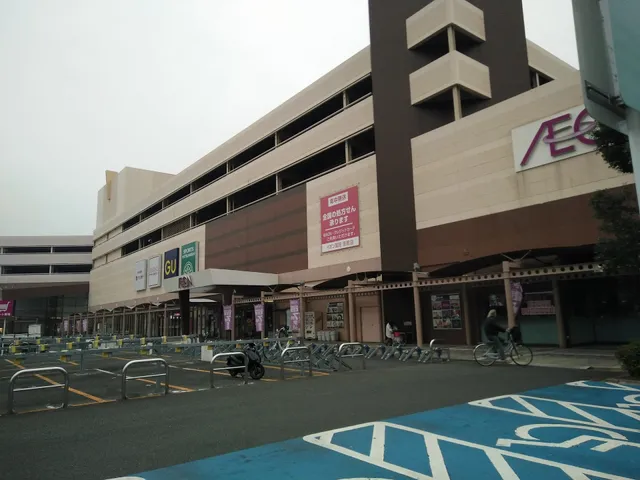
AEON Rakunan
Tōji Yashimaden
AEON Kyoto Rakunan Shopping Center
DAISO
Toji Dainichido
Tōji Mochi
Renge-ji Temple
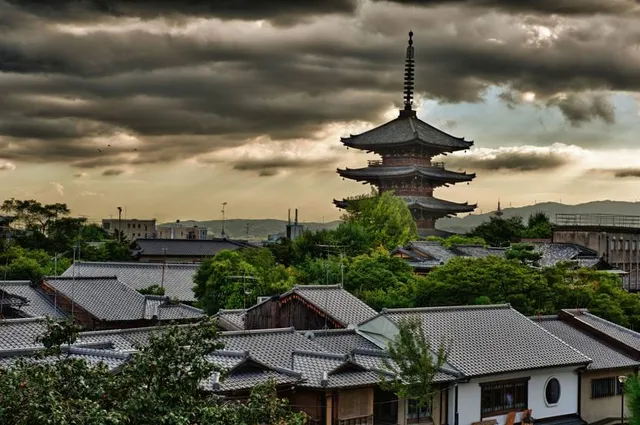
Tō-ji Temple
4.5
(5.5K)
Click for details
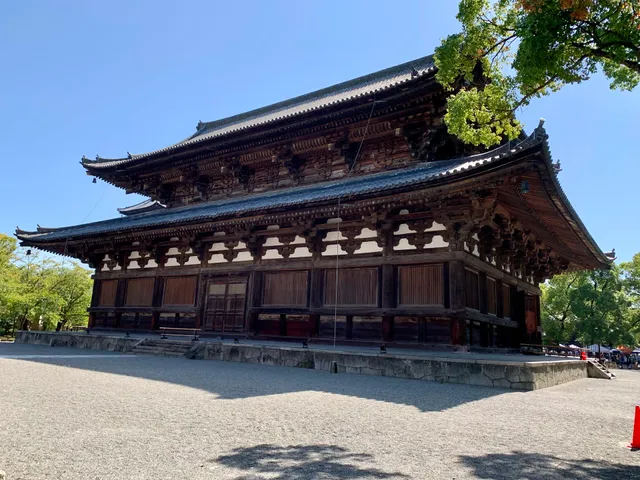
Kodo (Lecture Hall)
4.7
(83)
Click for details
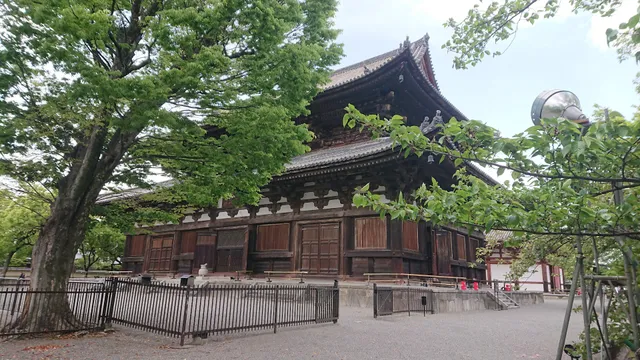
Kondō (Main Hall)
4.6
(59)
Click for details
AEON Rakunan
3.7
(1.5K)
Click for details