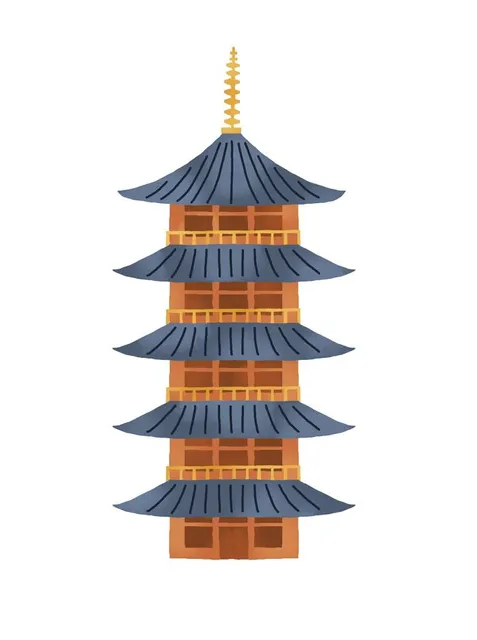
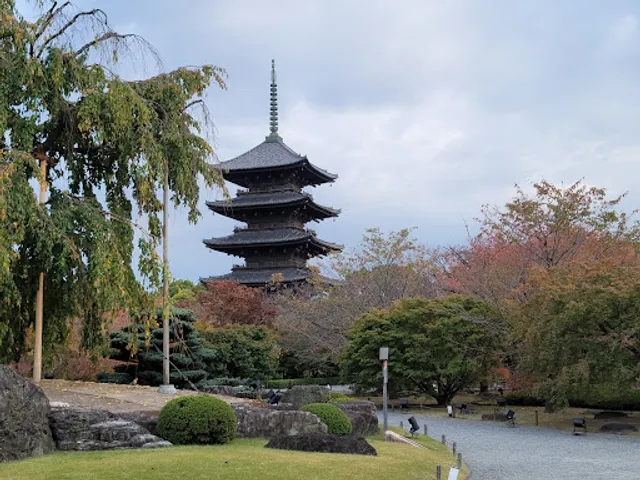
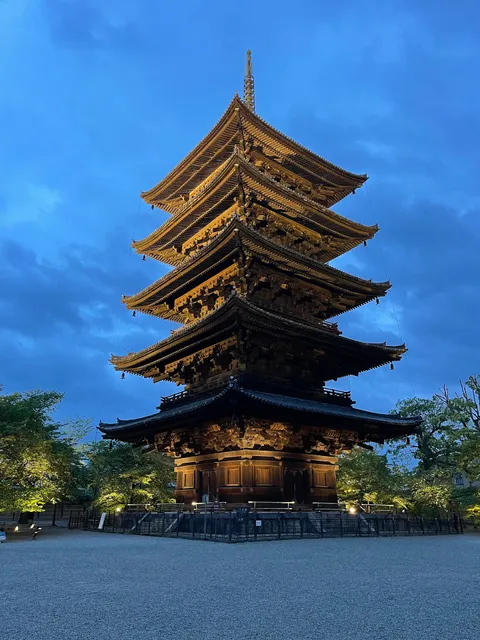
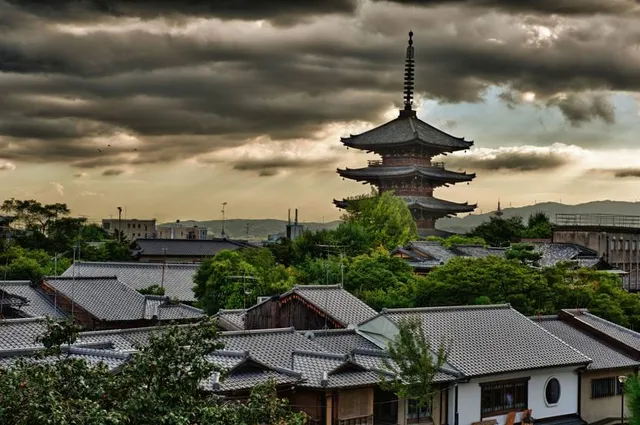
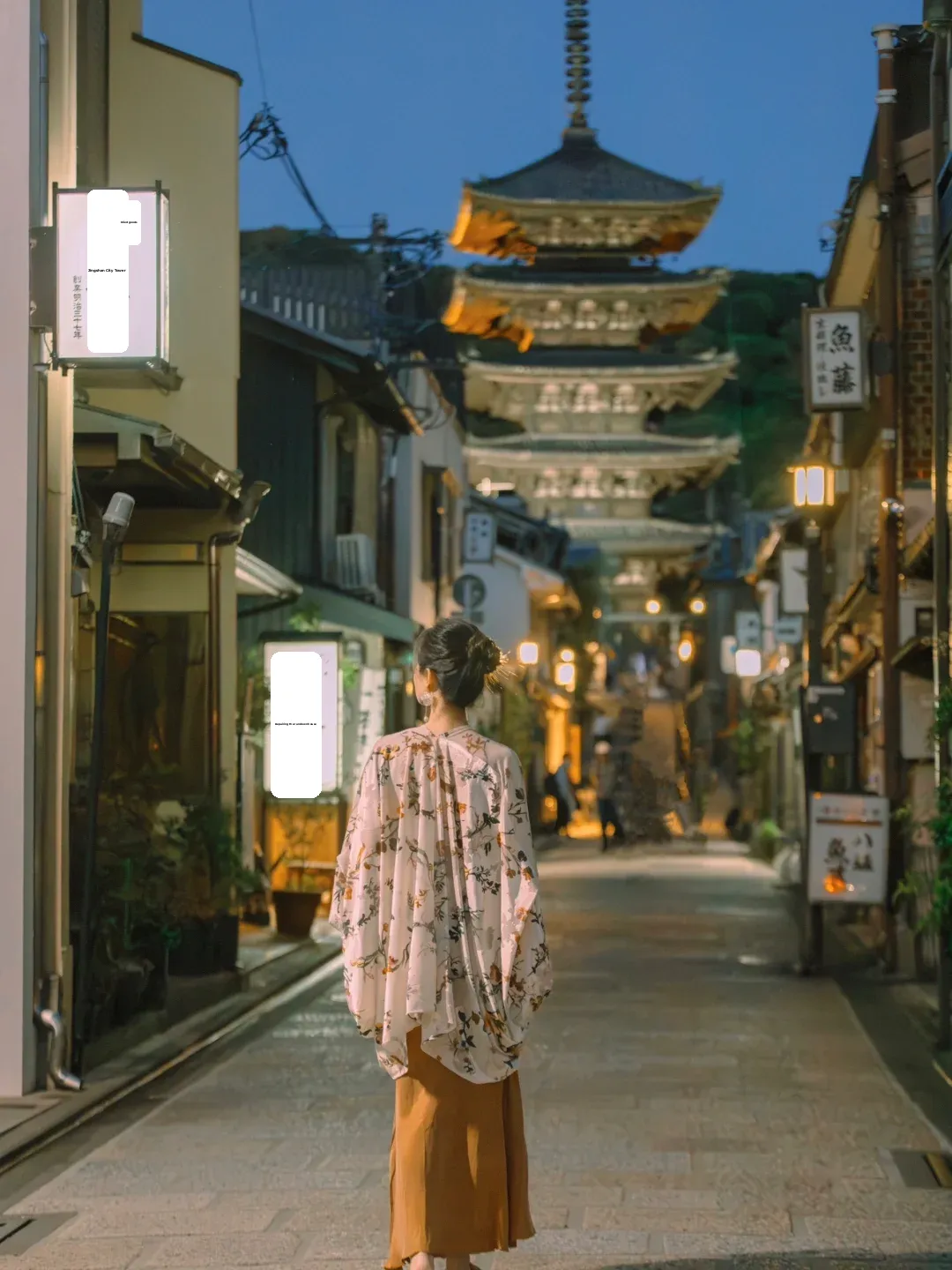
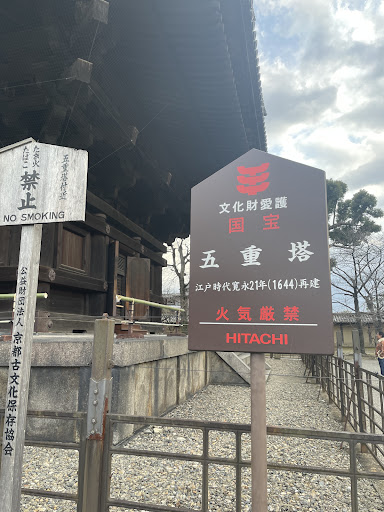
In the realm of architectural marvels, the five-story pagoda stands as a testament to the ingenuity and craftsmanship of traditional wooden construction. My initial encounter with this towering structure left me in a state of awe, not solely due to its imposing height but also because of the intricate beauty and historical depth it encapsulates. The sheer scale of this wooden edifice, one of the largest of its kind, is a sight to behold, bridging the chasm between human endeavor and architectural artistry.
Upon approaching the pagoda, one is immediately struck by the harmonious blend of strength and elegance that defines its form. Each level, meticulously crafted and proportioned, leads the eye upward to the sky, while the robust wooden frame speaks to centuries-old techniques perfected by skilled artisans. The pagoda's design, characterized by its resilience and aesthetic balance, is not merely a feat of engineering but a profound expression of spiritual symbolism, embodying the cosmic order and the connection between the earth and the heavens.
Exploring the pagoda's surroundings further enhances the sense of wonder. Set against a backdrop of lush landscapes or nestled within the serene confines of a historic temple complex, the structure seems to exist in a timeless realm, inviting contemplation and reverence. The play of light and shadow across its wooden façade throughout the day adds layers of nuance to its appearance, ensuring that no two visits feel exactly the same.
Beyond its physical grandeur, the pagoda's cultural and historical significance cannot be overstated. It serves as a living link to the past, offering insights into the architectural traditions, religious practices, and aesthetic sensibilities of the era in which it was constructed. The opportunity to stand in the presence of such a monument is to connect with centuries of history, to feel the weight of time, and to marvel at the continuity of human creativity and devotion.
In conclusion, the five-story pagoda is not just an architectural landmark but a profound cultural treasure. Its impressive scale and the mastery evident in its construction are a call to those who appreciate the confluence of art, history, and spirituality. A visit to this magnificent structure is a journey into the heart of tradition, offering a deeply moving experience that transcends the visual to touch the soul. For anyone seeking to immerse themselves in the beauty of architectural heritage and to ponder the enduring legacy of human ingenuity, the pagoda awaits, a timeless monument that inspires awe and wonder in...
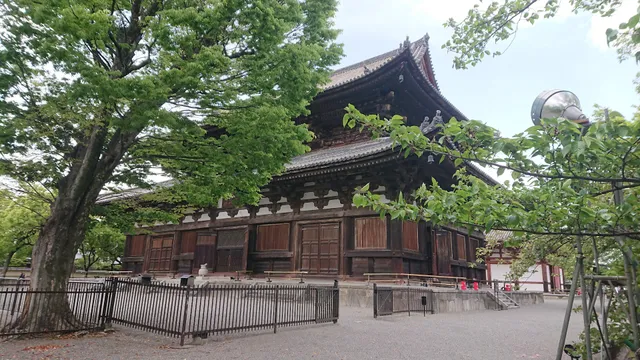
Read moreOne of our FAVOURITE temples we visited on our Kyoto trip, honestly a MUST. Gorgeous, historic, great pictures, and lovely property so meticulously maintained.
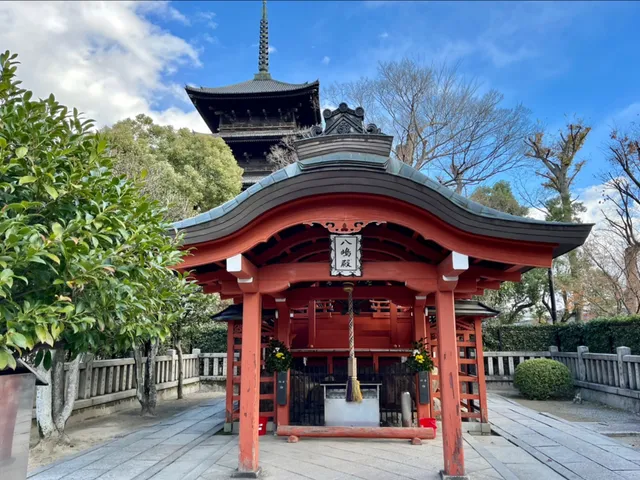
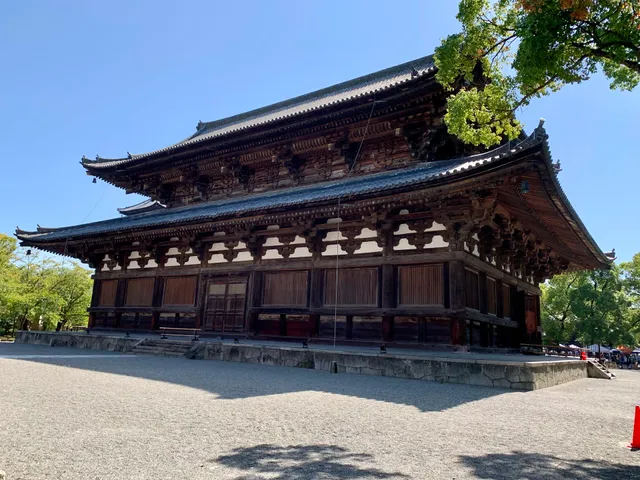
☆ The main building itself is not open to the public for walking inside. It's by special reservation only (I do not know the process for this since I didn't know ahead of time, but maybe it's fairly easy if done enough in advance). ☆ Not being able to go inside didn't stop us from enjoying everything, though. We spent THREE HOURS here. And we weren't the only ones (see my favourite photos of the turtles sunbathing themselves in view of the temple 🥹) ☆ the buildings off to the side that aren't the temple itself have religious statues inside. There are signs posted that ask that you be respectful, quiet, and not take photos due to their significance. There are people who come inside to pray and some people that pray outside the buildings facing the statues inside. ☆ not only do they provide their own seal, they do it in front of you and ALLOW pictures and videos if you ask. ☆ there is an art gallery inside the same building where you can get your seal. ☆ this might seem like a weird comment to make, but I LOVED the public restrooms here. They were so clean, had sanitiser for the toilet seats, and hand soap...
Read more国宝・重要文化財(建造物) 名称 : 教王護国寺五重塔 ふりがな : きょうおうごこくじごじゅうのとう 員数 : 1基 種別 : 近世以前/寺院 時代 : 江戸前期 年代 : 寛永20 西暦 : 1643 構造及び形式等 : 三間五重塔婆、本瓦葺 国宝・重文区分 : 国宝 重文指定年月日 : 1897.12.28(明治30.12.28) 国宝指定年月日 : 1952.11.22(昭和27.11.22) 解説文: 幕府によって再建された五重塔で、初重内部では心柱の四方に金剛界四仏を安置する。総高五四・八mは現存する木造塔として国内最高を誇り、かつ均整のとれた姿で、古都京都のシンボルである。(文化庁:国指定文化財等データベースより)
弘法大師空海が奔走した五重塔の大工事 弘法大師空海は講堂の次に五重塔の大工事に着手しました。しかし、費用も人手も足りませんでした。そこで天長3年、826年11月24日、「東寺の塔を造り奉るたてまつ材木を曳ひき運ぶ勧進かんじんの表」を朝廷に提出します。 ここで弘法大師空海は、「桓武天皇が造営をはじめて30年が経過しているのにいまだ建築の事業が完成していません。東奔西走して探したところ東寺よりほど近い東山に塔の材木を見つけました。19日より僧と人夫で曳きはじめましたが、木材は大きく、曳く人々の力は弱く思うように運べません」と現状を説明し、材木運搬の協力を願い出ています。 五重塔は、落雷などによって4度焼失しましたが、そのたびに、弘法大師空海と同じように、多くの僧が奔走。五重塔再建という大事業を成し遂げてきました。いまの五重塔は、寛永21年、1644年に再建した、5代目にあたります。(東寺HPより) National Treasures/Important Cultural Properties (Buildings) Name: Kyoogokokuji Five-storied Pagoda Furigana: Kyou-Ougokuji Goju-no-To Number of members: 1 unit Type: Pre-Modern/Temple Period: Early Edo period Age: Kanei 20 AD: 1643 Structure and form, etc.: Three-room five-storied pagoda, tiled roof National Treasure/Important Cultural Property Classification: National Treasure Important cultural designation date: 1897.12.28 (Meiji 30.12.28) National Treasure Designated Date: 1952.11.22 (Showa 27.11.22) Commentary: A five-storied pagoda rebuilt by the shogunate, in the inner part of the first layer, the Four Buddhas of the Kongokai are enshrined on the four sides of the central pillar. With a total height of 54.8m, it is the tallest existing wooden pagoda in Japan. (Agency for Cultural Affairs: Database of Nationally Designated Cultural Properties)
The great construction of the five-storied pagoda by Kobo Daishi Kukai Kobo Daishi Kukai started the large-scale construction of the five-storied pagoda after the auditorium. However, there was not enough money and manpower. Therefore, on November 24, 826, in the 3rd year of Tenchou, he submitted to the Imperial Court the
Kanjin Kanjin no Omote, which carries the timbers used to construct the pagoda of To-ji Temple.'' Here, Kobo Daishi Kukai said,
It has been 30 years since Emperor Kanmu started construction, but the construction project has not yet been completed. On the 19th, monks and workers began pulling the trees, but the logs are large and the people pulling them are not strong enough to carry them as they wish,” he explained the current situation and asked for cooperation in transporting the logs. The five-storied pagoda was destroyed by lightning four times, but each time many monks struggled, just like Kobo Daishi Kukai. We have accomplished the big project of rebuilding the five-storied pagoda. The current five-storied pagoda is the 5th generation that was rebuilt in 1644, 21st year of Kan'ei.... Read more