Osaka Science Museum things to do, attractions, restaurants, events info and trip planning
Basic Info
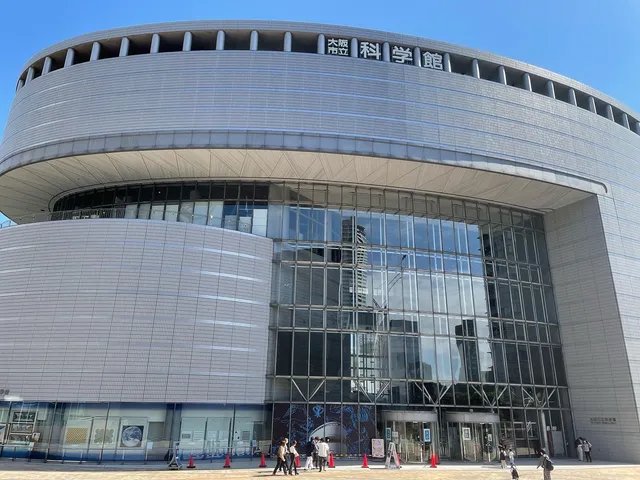
Osaka Science Museum
4 Chome-2-1 Nakanoshima, Kita Ward, Osaka, 530-0005, Japan
4.2(104)
Closed


tickets
Save
spot
spot
Ratings & Description
Info
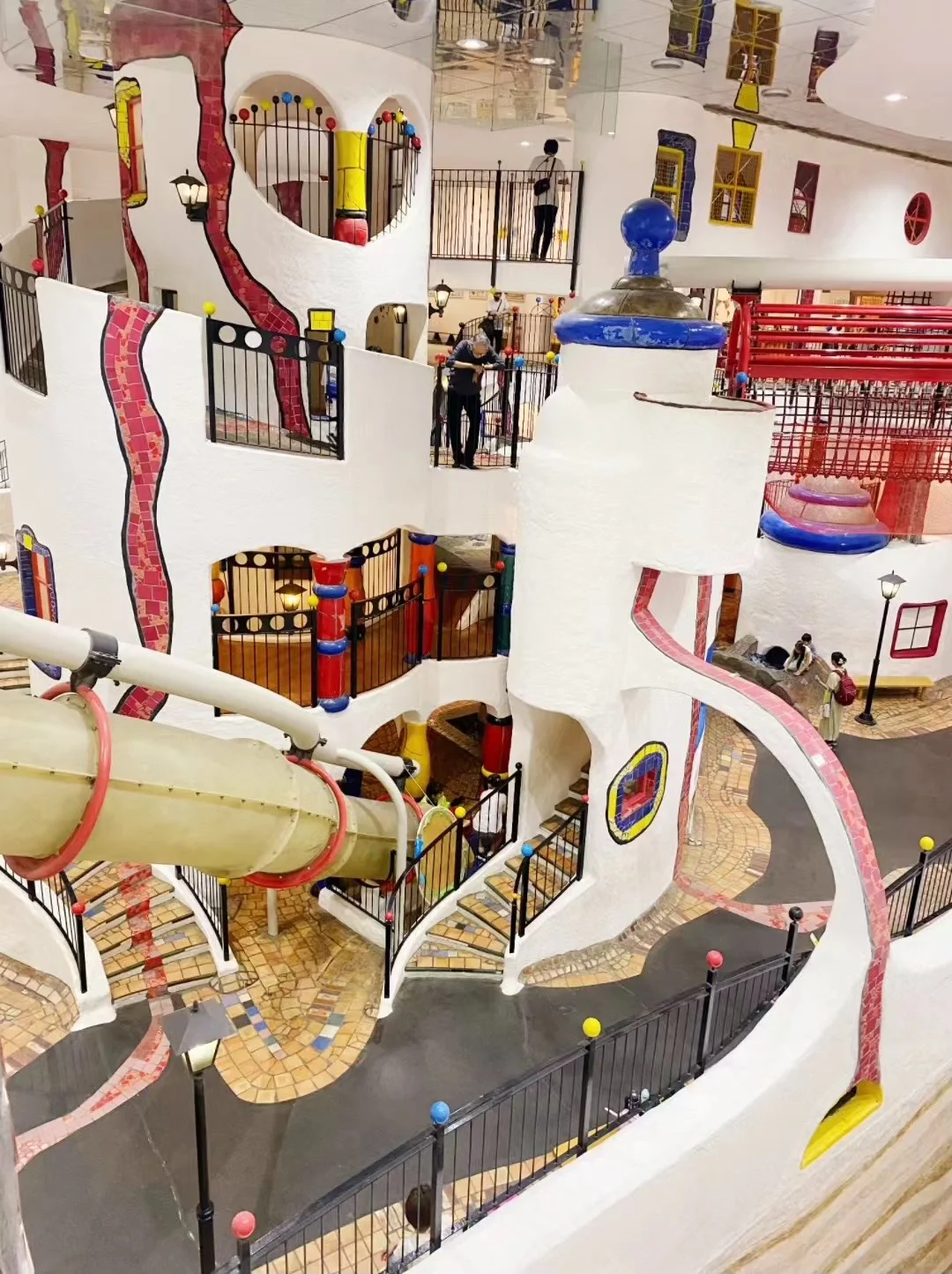
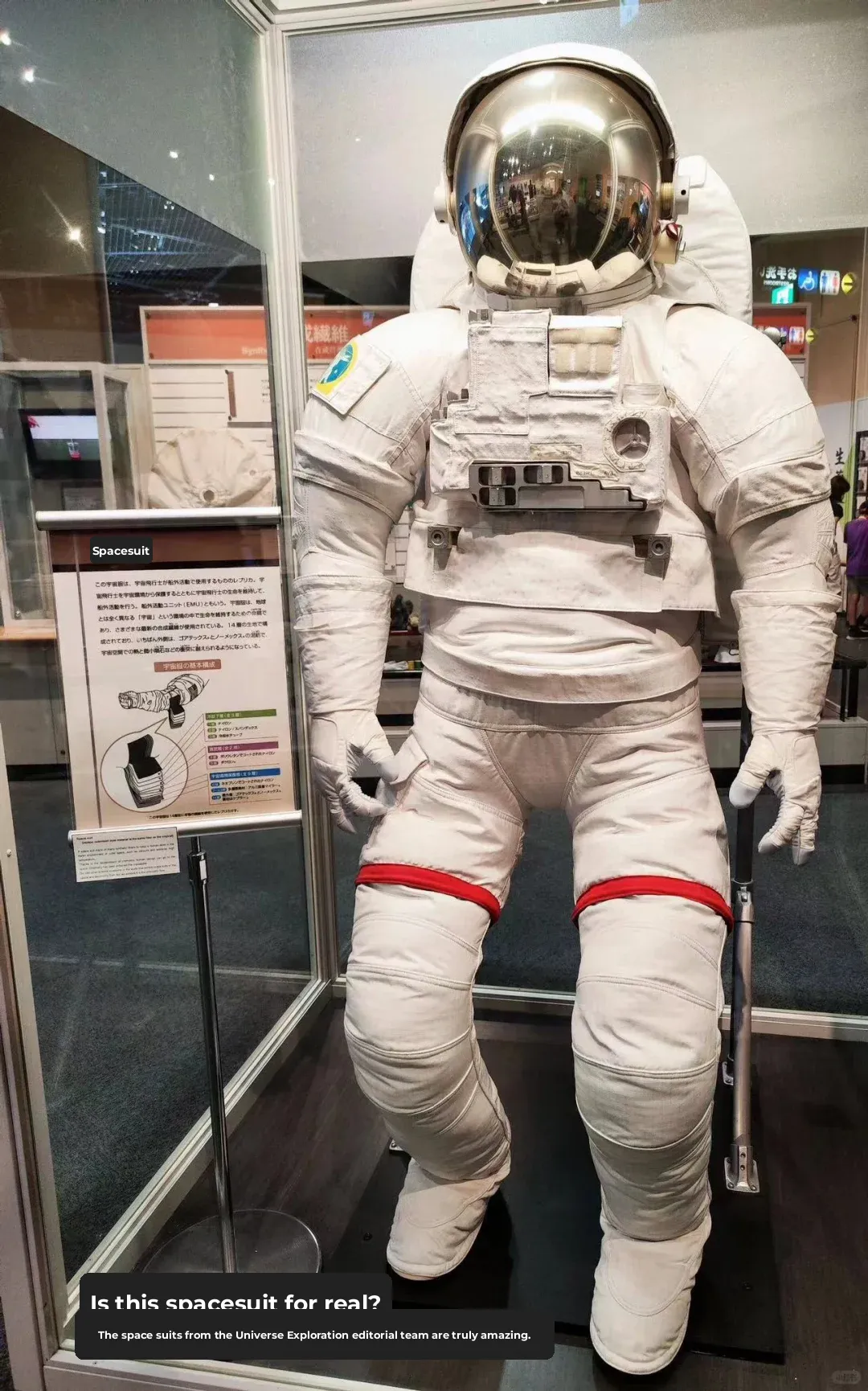
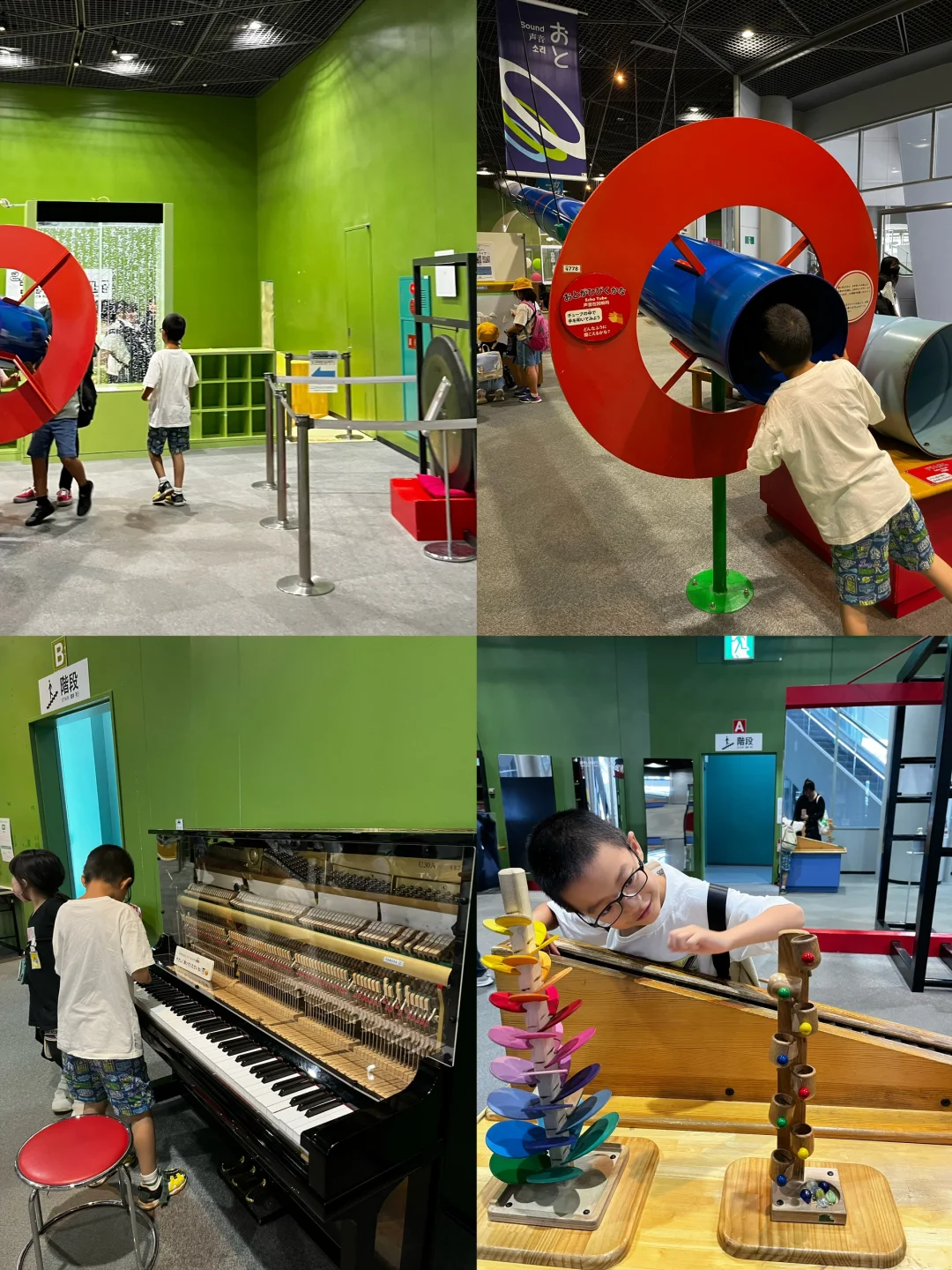
The Osaka Science Museum is a science museum in Naka-no-shima, Kita-ku, Osaka, Japan. The museum is located between the Dōjima River and the Tosabori River, above Osaka's subterranean National Museum of Art. Opened in 1989, the museum was constructed to mark the 100th anniversary of Osaka City.
Cultural
Family friendly
Accessibility
attractions: The National Museum of Art, Osaka, Nakanoshima Museum of Art, Osaka, Osaka Science Museum Planetarium, Museum Shop, “Ship’s Cat” (Kenji Yanobe), Nakanoshima-shikinooka Park, ほたるまち, Nakanoshima Festival Tower, Festival Hall, Grand Cube Osaka (Osaka International Convention Center), restaurants: Manryo, CAFE REXIA 中之島, The Most Deserted Ramen-Bar in the World, heys, Boiled Beef and Side Dishes Izakaya CHIIYAN, Musée Karato, Taitanmen Dakishimetai, Lumiere, Paris-h, Calen, local businesses: HAY OSAKA, Nakanoshima River Cruise (Hotarumachi Port), Daibiru Main Building, Nakanoshima Daibiru, Osaka University Nakanoshima Center, Dojima River Forum, Takoyaki Akinai, Nakanoshima-shikinooka Park, UCCJ Osaka Church, Nakanoshima Festival Tower West
 Learn more insights from Wanderboat AI.
Phone
+81 6-6444-5656
Website
sci-museum.jp
Open hoursSee all hours
FriClosed
Plan your stay

Pet-friendly Hotels in Osaka
Find a cozy hotel nearby and make it a full experience.

Affordable Hotels in Osaka
Find a cozy hotel nearby and make it a full experience.

The Coolest Hotels You Haven't Heard Of (Yet)
Find a cozy hotel nearby and make it a full experience.

Trending Stays Worth the Hype in Osaka
Find a cozy hotel nearby and make it a full experience.
Reviews
Live events
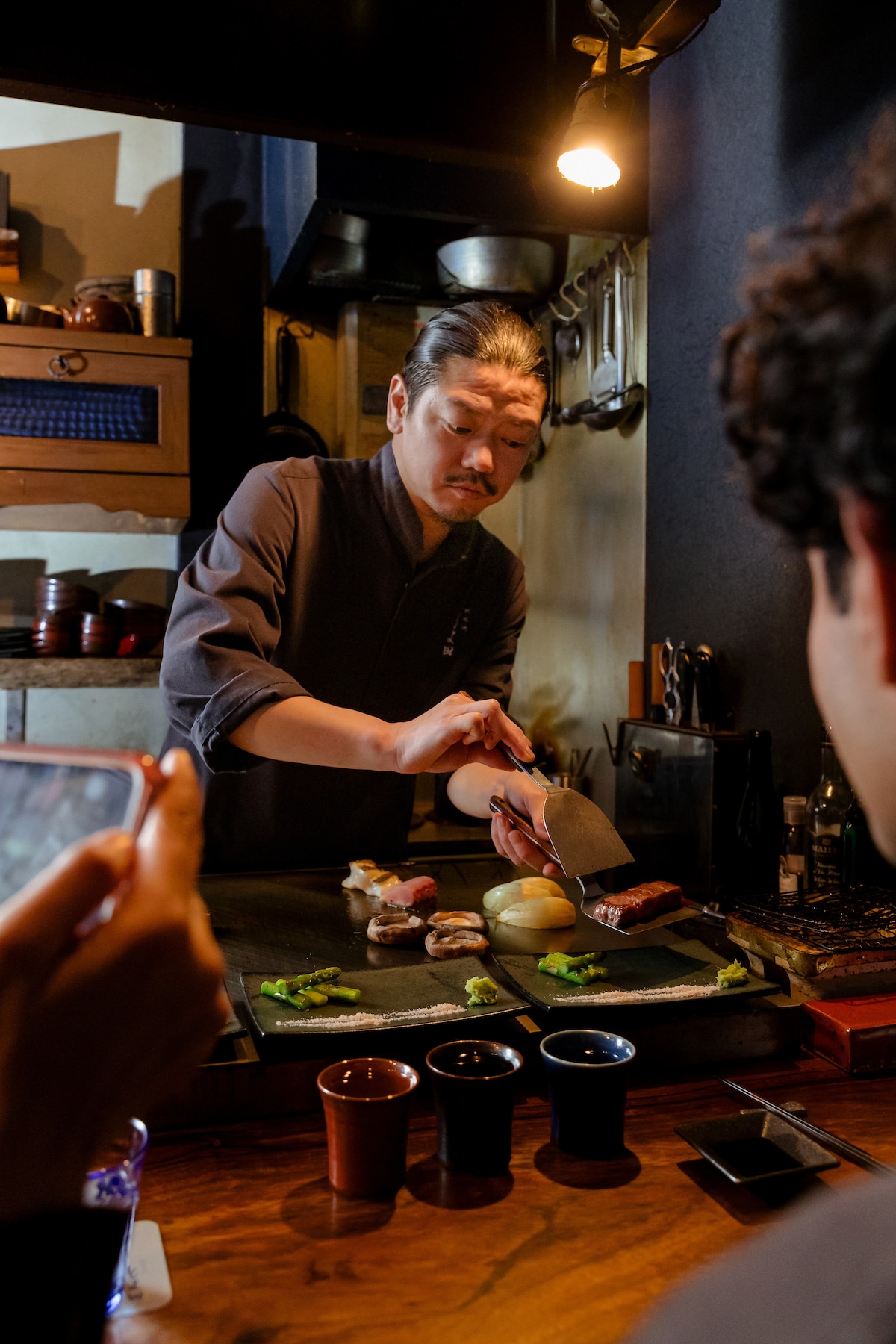
Compare wagyu, sashimi, and sake
Sat, Feb 21 • 11:30 AM
530-0002, Osaka, Osaka, Japan
View details
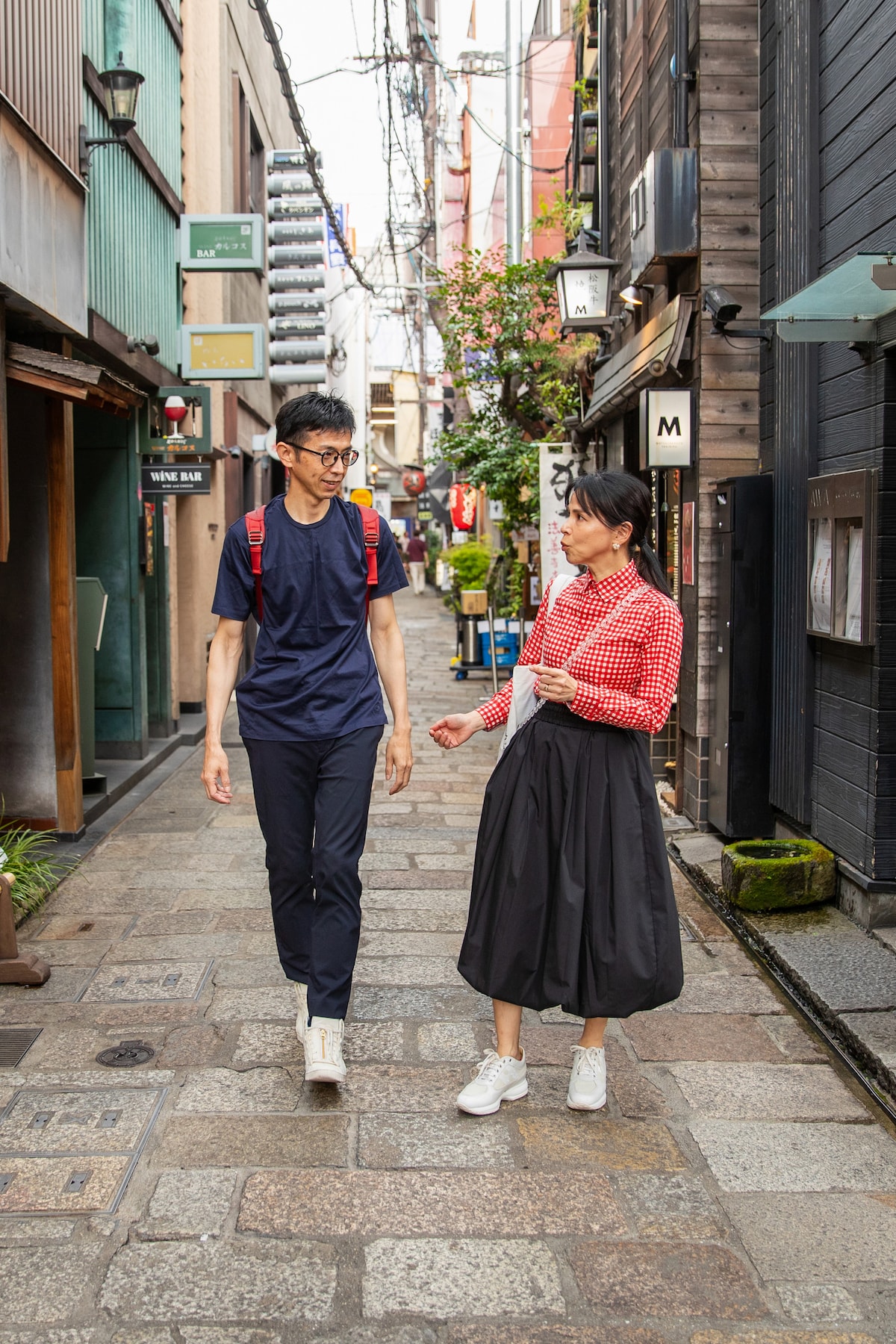
Eat your way through Osaka - food tour in Namba
Fri, Feb 27 • 4:00 PM
542-0085, Osaka, Osaka, Japan
View details

Off The Beaten Path Osaka Local Bar Crawl
Sat, Feb 21 • 6:00 PM
530-0034, Osaka, Osaka, Japan
View details
Nearby attractions of Osaka Science Museum
The National Museum of Art, Osaka
Nakanoshima Museum of Art, Osaka
Osaka Science Museum Planetarium
Museum Shop
“Ship’s Cat” (Kenji Yanobe)
Nakanoshima-shikinooka Park
ほたるまち
Nakanoshima Festival Tower
Festival Hall
Grand Cube Osaka (Osaka International Convention Center)
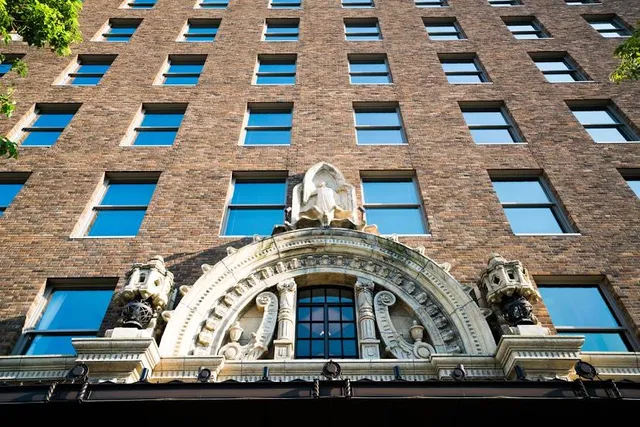
The National Museum of Art, Osaka
4.1
(1.8K)
Open until 8:00 PM
Click for details

Nakanoshima Museum of Art, Osaka
4.4
(2.4K)
Closed
Click for details
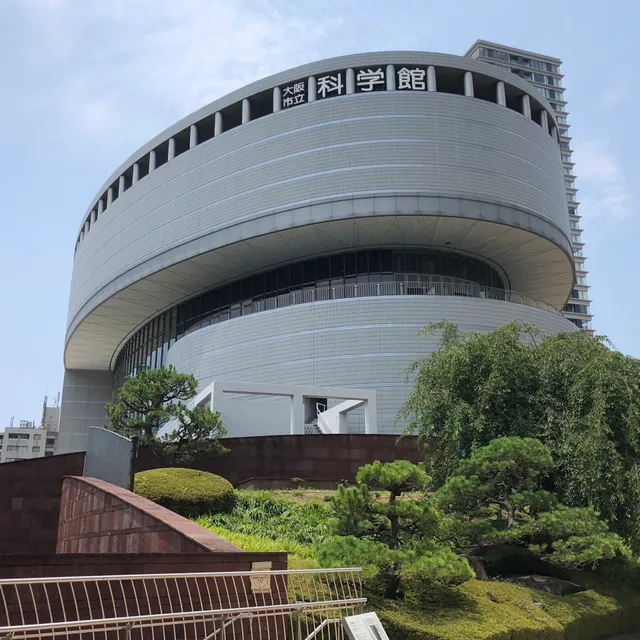
Osaka Science Museum Planetarium
4.5
(103)
Closed
Click for details
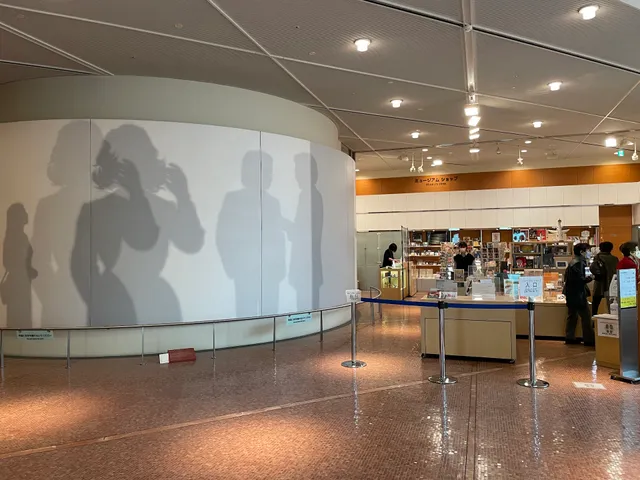
Museum Shop
3.7
(42)
Open until 7:00 PM
Click for details
Nearby restaurants of Osaka Science Museum
Manryo
CAFE REXIA 中之島
The Most Deserted Ramen-Bar in the World
heys
Boiled Beef and Side Dishes Izakaya CHIIYAN
Musée Karato
Taitanmen Dakishimetai
Lumiere
Paris-h
Calen
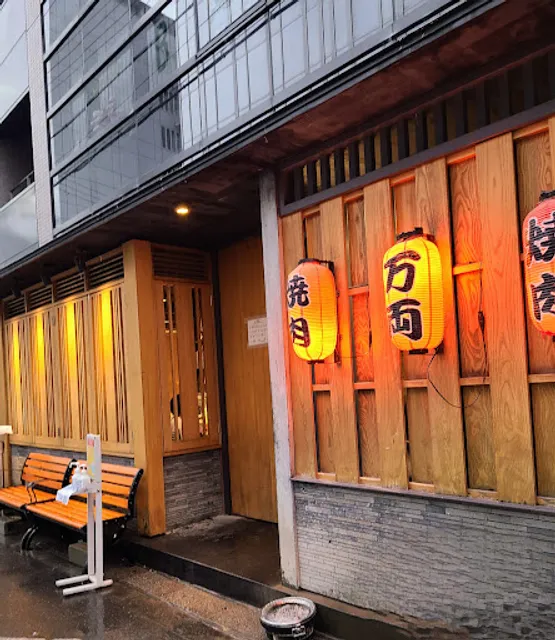
Manryo
4.3
(370)
$$
Open until 11:30 PM
Click for details

CAFE REXIA 中之島
4.7
(102)
Click for details
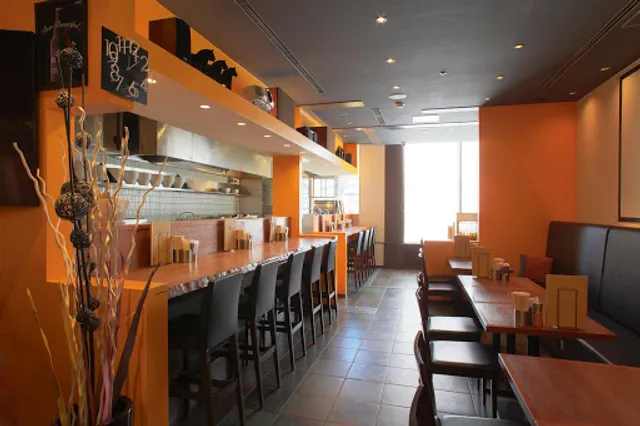
The Most Deserted Ramen-Bar in the World
4.2
(932)
Open until 10:00 PM
Click for details
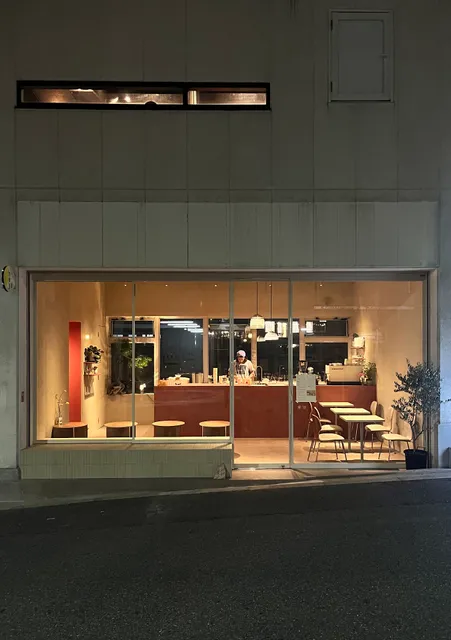
heys
4.8
(97)
Closed
Click for details
Nearby local services of Osaka Science Museum
HAY OSAKA
Nakanoshima River Cruise (Hotarumachi Port)
Daibiru Main Building
Nakanoshima Daibiru
Osaka University Nakanoshima Center
Dojima River Forum
Takoyaki Akinai
Nakanoshima-shikinooka Park
UCCJ Osaka Church
Nakanoshima Festival Tower West
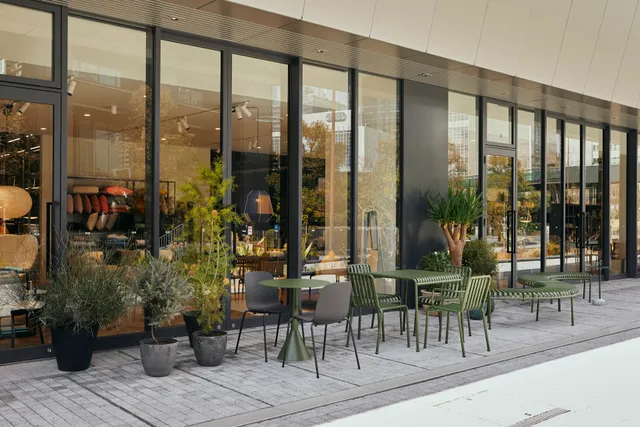
HAY OSAKA
4.0
(86)
Click for details
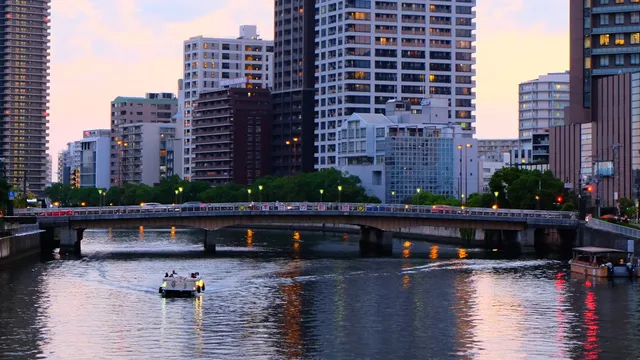
Nakanoshima River Cruise (Hotarumachi Port)
4.0
(300)
Click for details

Daibiru Main Building
3.9
(159)
Click for details
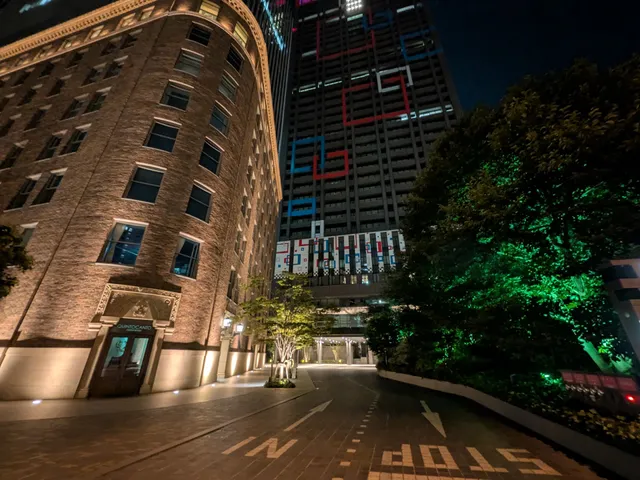
Nakanoshima Daibiru
3.8
(265)
Click for details