Osaka Tenmangu things to do, attractions, restaurants, events info and trip planning
Basic Info
Osaka Tenmangu
2 Chome-1-8 Tenjinbashi, Kita Ward, Osaka, 530-0041, Japan
4.3(4.4K)
Open until 5:00 PM
Save
spot
spot
Ratings & Description
Info
The Osaka Tenmangū Shrine is a Shinto shrine and one of Tenmangū founded in AD 949 in Osaka. The Tenjin Festival is held here annually from 24 July to 25 July.
Cultural
Family friendly
attractions: Tenma-Tenjin Hanjotei, Tenmangu Kaikan Hall, Daishogunsha, Kita Torii Gate, North Shinto Shrine Arch of Osaka Tenmangu, Tenjinbashi-suji Shopping Street Arcade South end, Osaka Green Hall, MAG南森町アートギャラリー, Takigawa Park, UCCJ Tenma Church, South end of Tenjinbashi-suji Shopping Street, restaurants: Nakamuraya, Croquette and Beef Cutlet, Ramen Mouri, Doutor Coffee shop Tenjinbashi 2 Chome, Unatoto Minamimorimachi, Hitokuchi no Shiawase, Green Tea & Sweets CAFE Osaka Chakai, Sweets Kammidokoro KAMAKURA Osaka Tenmangu ( bracken-starch dumpling ), Yakiniku Maru Minamimorimachi (BBQ Beef), Tempura Ebino-ya Minamimorimachi, Western-style Kitchen “Fujioken” Minamimorimachi, local businesses: Tenjinbashi-suji Shopping Street ( 2 Chome & Minamimorimachi ), KOHYO Minamimorimachi store, Soba Tenjin DOSANJIN, Japanese Authentic Style Food, Grand Front Gate, Tenjinbashi-suji Shopping Street ( 1 Chome ), Ōsakatemmangū Station, Shirayone Inari Shrine, Go-Honden, Main Sanctuary of Osaka Tenmangu Shrine, Temizuya, worshippers wash hands and rinse mouths, tototo RECORDS
 Learn more insights from Wanderboat AI.
Phone
+81 6-6353-0025
Website
osakatemmangu.or.jp
Open hoursSee all hours
Tue9 AM - 5 PMOpen
Plan your stay

Pet-friendly Hotels in Osaka
Find a cozy hotel nearby and make it a full experience.

Affordable Hotels in Osaka
Find a cozy hotel nearby and make it a full experience.

The Coolest Hotels You Haven't Heard Of (Yet)
Find a cozy hotel nearby and make it a full experience.

Trending Stays Worth the Hype in Osaka
Find a cozy hotel nearby and make it a full experience.
Reviews
Live events
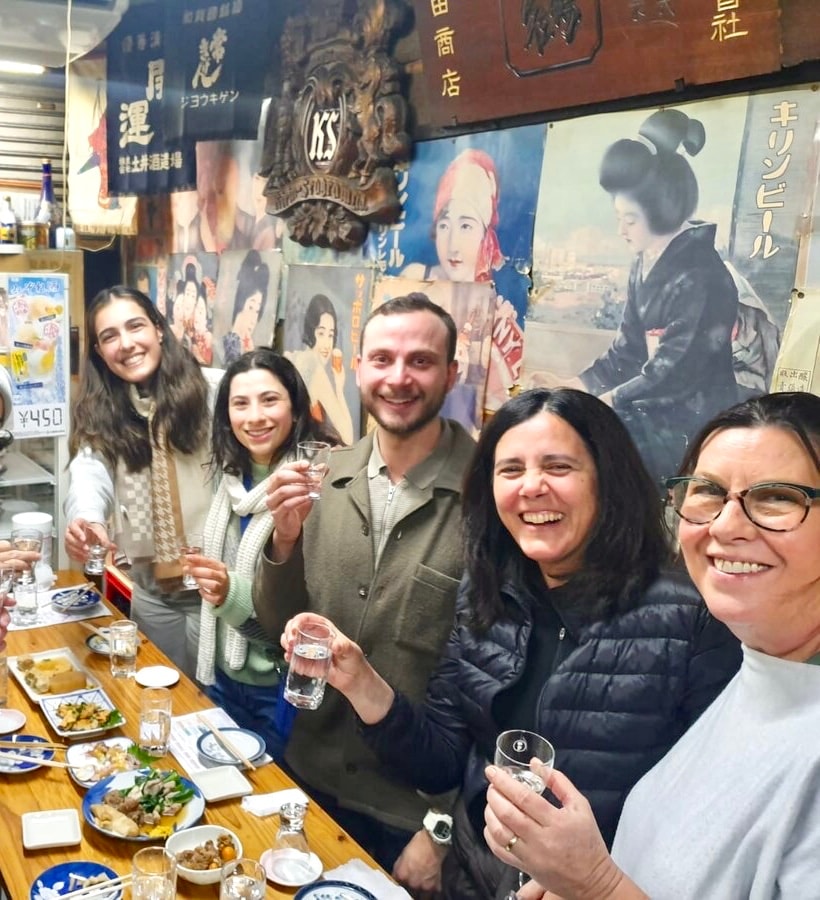
Off The Beaten Path Osaka Local Bar Crawl
Tue, Feb 24 • 6:00 PM
530-0034, Osaka, Osaka, Japan
View details

Welcome Osaka Pub Crawlfree Shot & Fun Chat 2-4 Stores 大阪はしご酒 国際交流
Fri, Feb 27 • 7:00 PM
心斎橋筋2丁目6−14 中央区 大阪市, 大阪府 542-0085
View details
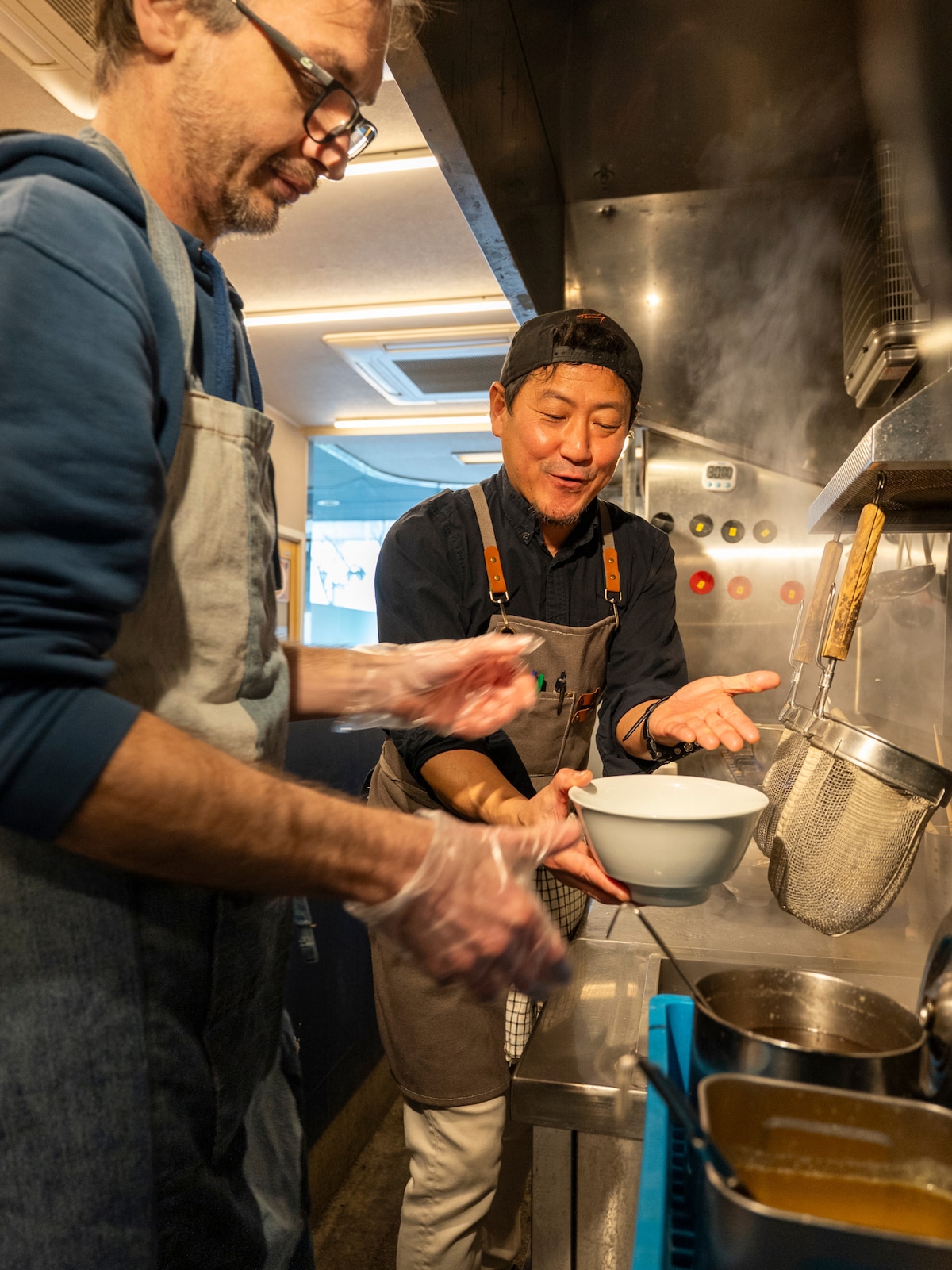
Experience making ramen in a private kitchen in Osaka!
Tue, Feb 24 • 2:00 PM
543-0021, Osaka, Osaka, Japan
View details
Nearby attractions of Osaka Tenmangu
Tenma-Tenjin Hanjotei
Tenmangu Kaikan Hall
Daishogunsha
Kita Torii Gate, North Shinto Shrine Arch of Osaka Tenmangu
Tenjinbashi-suji Shopping Street Arcade South end
Osaka Green Hall
MAG南森町アートギャラリー
Takigawa Park
UCCJ Tenma Church
South end of Tenjinbashi-suji Shopping Street
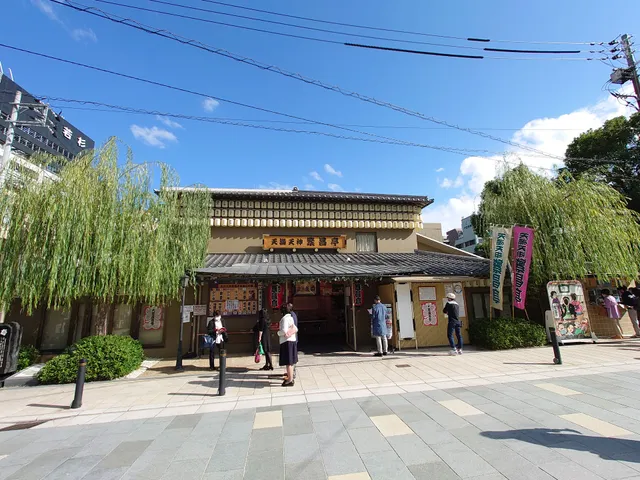
Tenma-Tenjin Hanjotei
4.3
(881)
Open 24 hours
Click for details
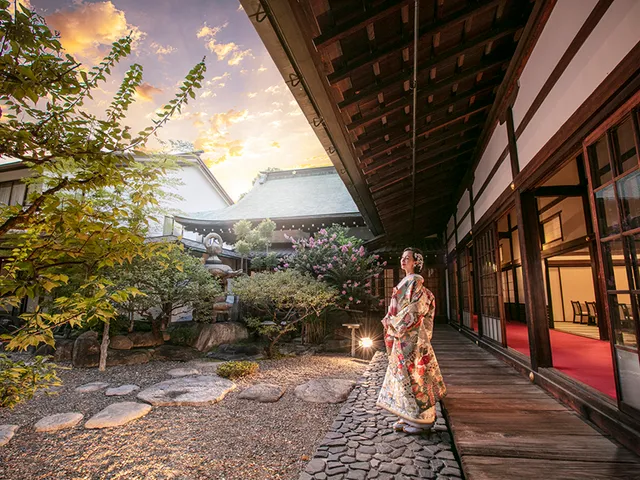
Tenmangu Kaikan Hall
4.0
(71)
Open until 12:00 AM
Click for details
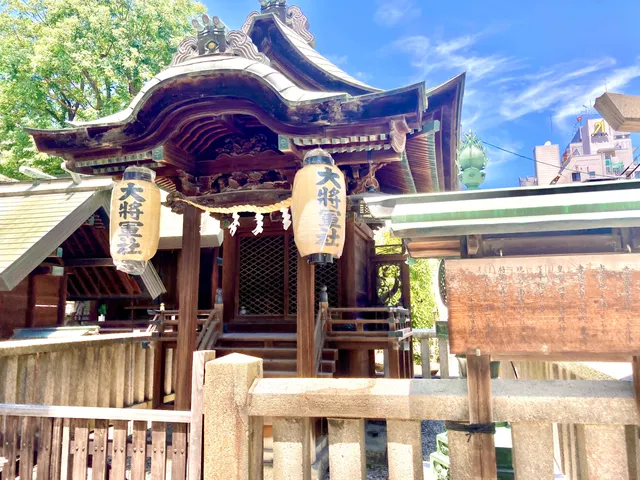
Daishogunsha
4.0
(25)
Open until 6:00 PM
Click for details
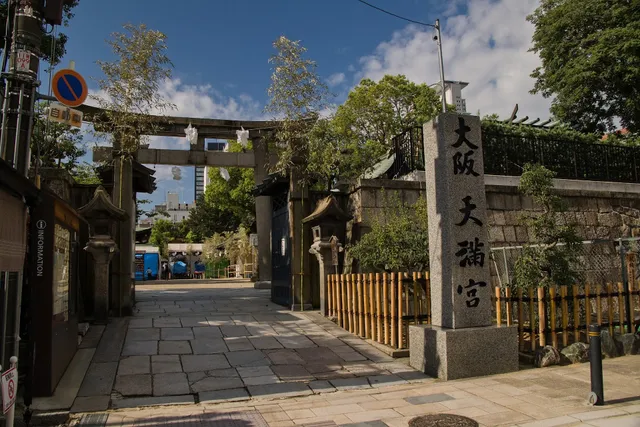
Kita Torii Gate, North Shinto Shrine Arch of Osaka Tenmangu
3.8
(17)
Open 24 hours
Click for details
Nearby restaurants of Osaka Tenmangu
Nakamuraya, Croquette and Beef Cutlet
Ramen Mouri
Doutor Coffee shop Tenjinbashi 2 Chome
Unatoto Minamimorimachi
Hitokuchi no Shiawase
Green Tea & Sweets CAFE Osaka Chakai
Sweets Kammidokoro KAMAKURA Osaka Tenmangu ( bracken-starch dumpling )
Yakiniku Maru Minamimorimachi (BBQ Beef)
Tempura Ebino-ya Minamimorimachi
Western-style Kitchen “Fujioken” Minamimorimachi
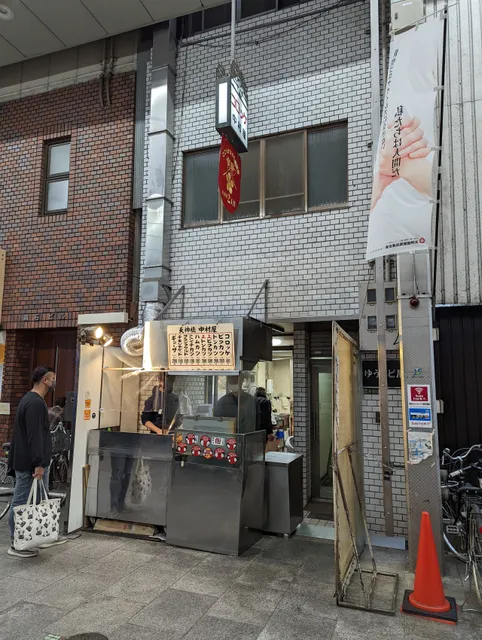
Nakamuraya, Croquette and Beef Cutlet
4.2
(1.1K)
Open until 6:00 PM
Click for details
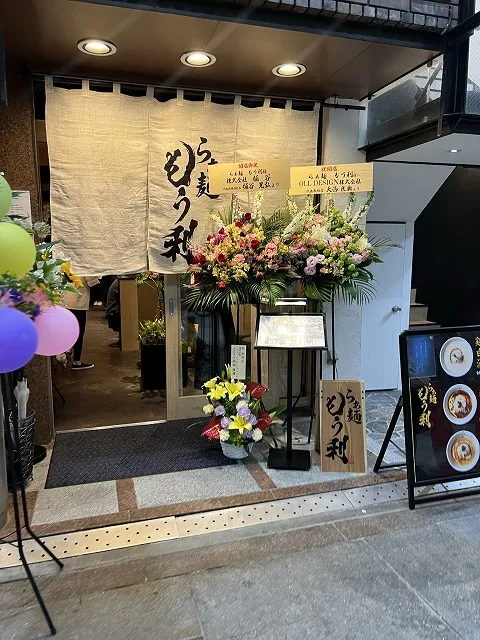
Ramen Mouri
4.4
(341)
Open until 2:30 PM
Click for details
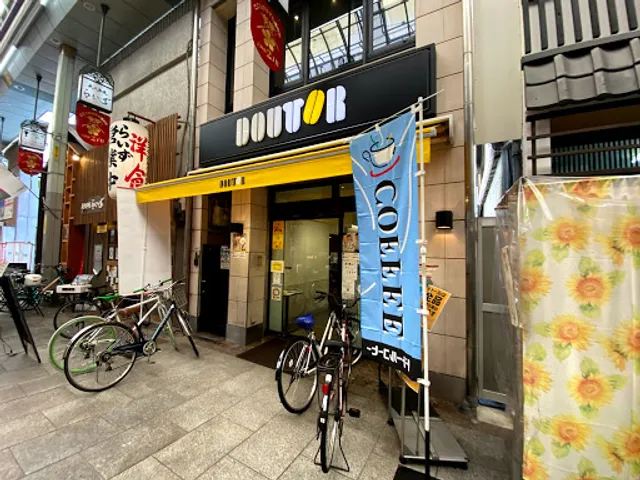
Doutor Coffee shop Tenjinbashi 2 Chome
3.5
(329)
Open until 9:00 PM
Click for details
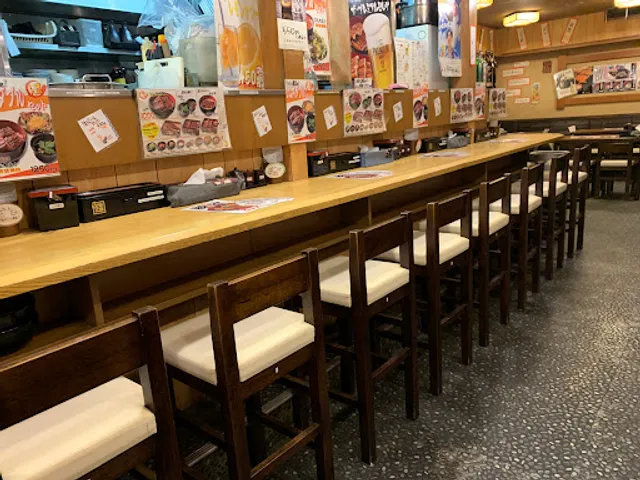
Unatoto Minamimorimachi
4.1
(654)
Open until 10:00 PM
Click for details
Nearby local services of Osaka Tenmangu
Tenjinbashi-suji Shopping Street ( 2 Chome & Minamimorimachi )
KOHYO Minamimorimachi store
Soba Tenjin DOSANJIN, Japanese Authentic Style Food
Grand Front Gate
Tenjinbashi-suji Shopping Street ( 1 Chome )
Ōsakatemmangū Station
Shirayone Inari Shrine
Go-Honden, Main Sanctuary of Osaka Tenmangu Shrine
Temizuya, worshippers wash hands and rinse mouths
tototo RECORDS
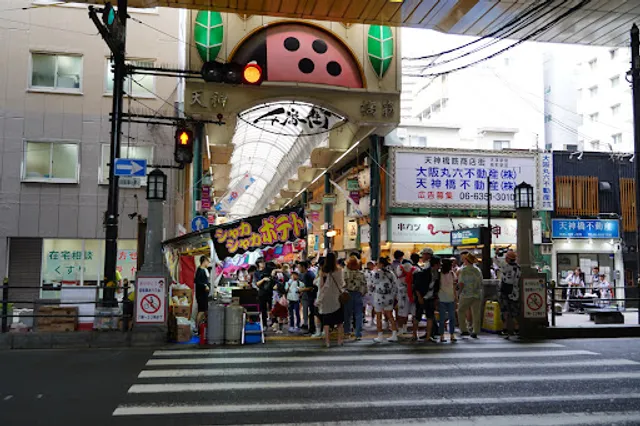
Tenjinbashi-suji Shopping Street ( 2 Chome & Minamimorimachi )
4.1
(4K)
Click for details
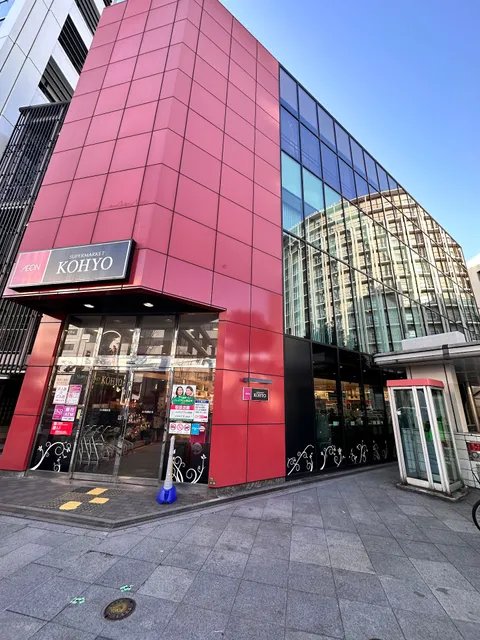
KOHYO Minamimorimachi store
3.8
(730)
Click for details
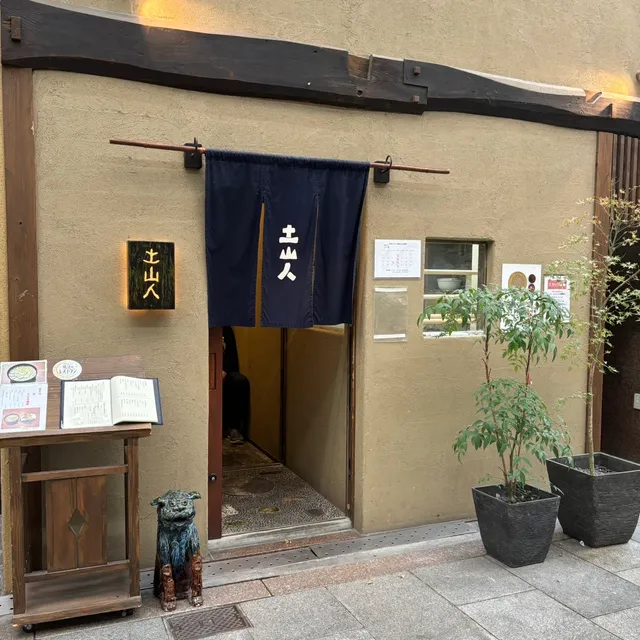
Soba Tenjin DOSANJIN, Japanese Authentic Style Food
3.9
(164)
Click for details
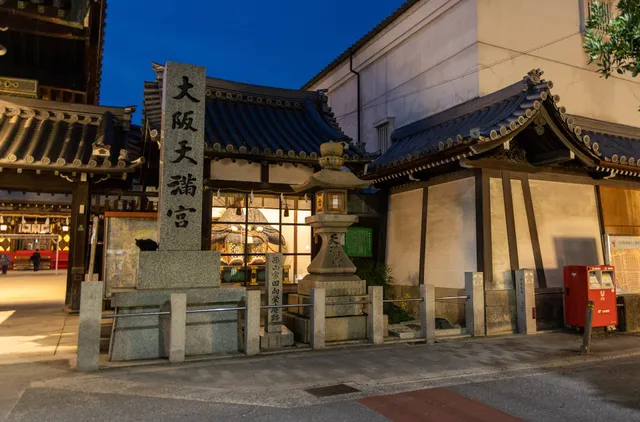
Grand Front Gate
4.3
(34)
Click for details