Hōzōmon Gate things to do, attractions, restaurants, events info and trip planning
Basic Info
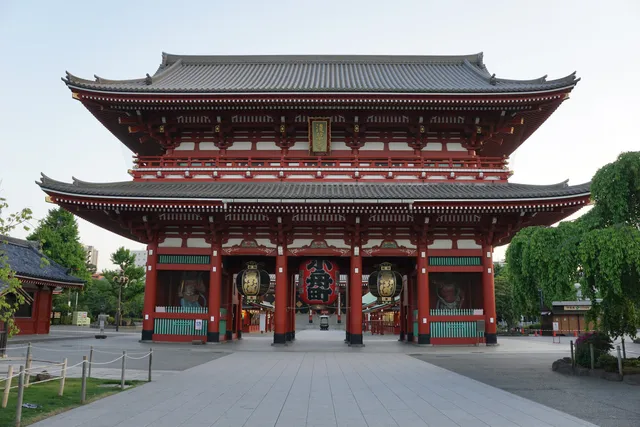
Hōzōmon Gate
2 Chome-3-1 Asakusa, Taito City, Tokyo 111-0032, Japan
4.5(1.3K)
Open until 5:00 PM
Save
spot
spot
Ratings & Description
Info
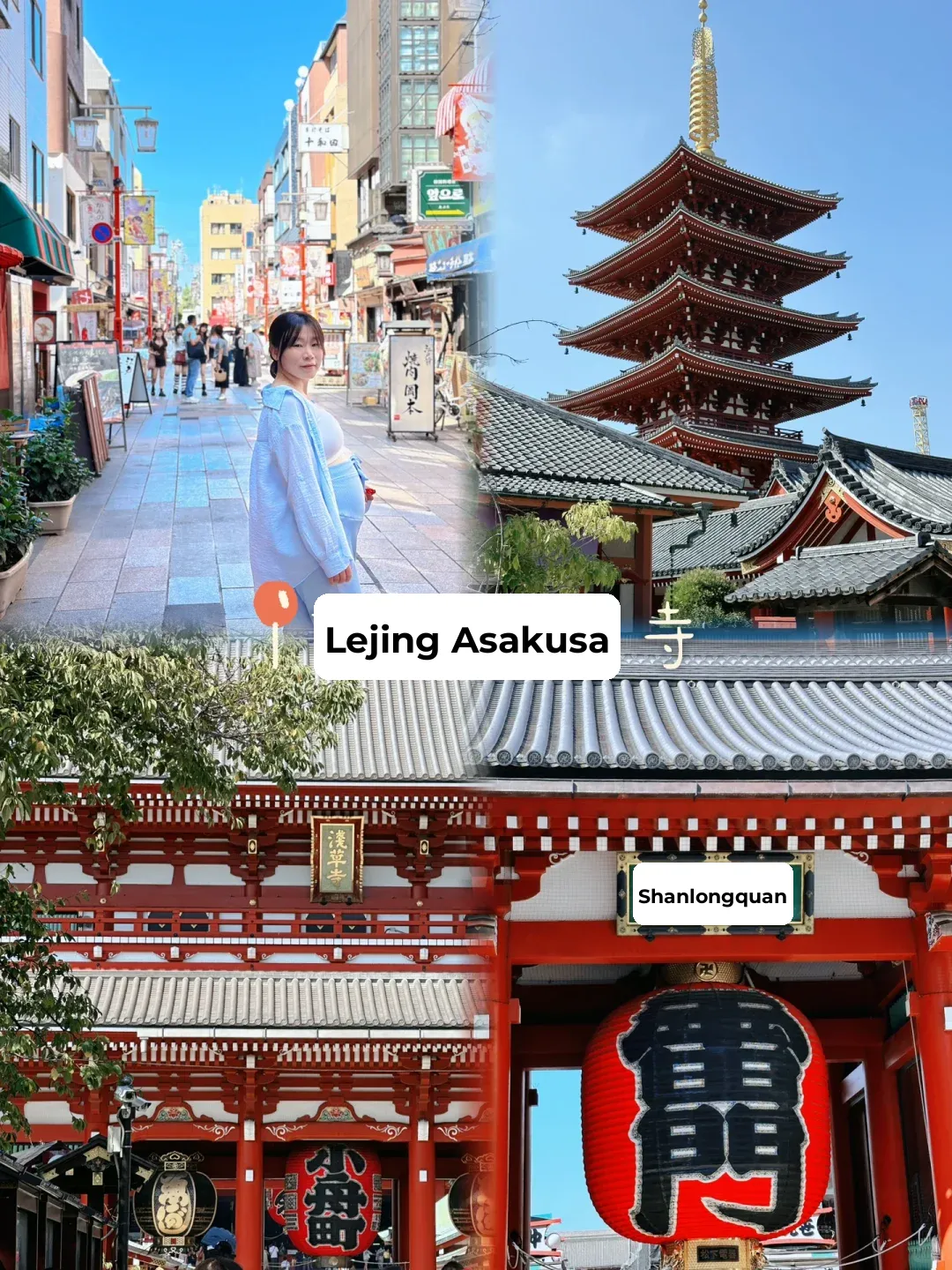
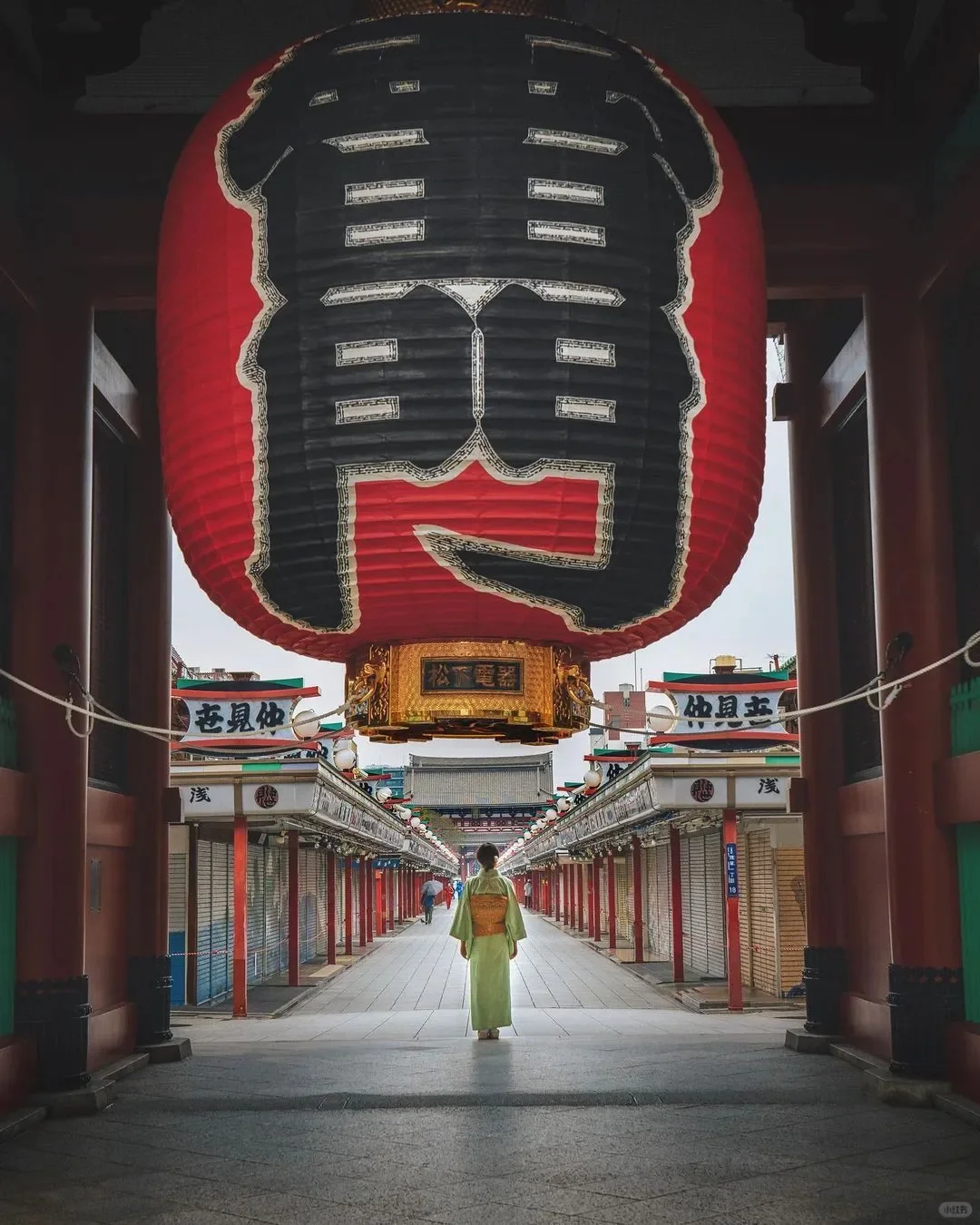
The Hōzōmon is the inner of two large entrance gates that ultimately leads to the Sensō-ji in Asakusa, Tokyo. A two-story gate, the Hōzōmon's second story houses many of the Sensō-ji's treasures. The first story houses two statues, three lanterns and two large sandals.
Cultural
Accessibility
attractions: Sensō-ji, Asakusa Shrine, Nakamise-dori Street, Sensō-ji Five-Storied Pagoda, Kaminarimon, Asakusa Hanayashiki, Asakusa Public Hall, Tokyo Metropolitan Industrial Trade Center Taito Building, Senso-ji Nitemmon, Asakusa Mokubakan, restaurants: LaVASARA CAFE&GRILL, Yoroiya, Daikokuya Tempura, Imahan Annex, Matcha Sweets Shop SAWAWA Asakusa, Asakusa Edo Monja Hyoutan, Yamaka Sakaba, Sakaba Totoya, Umezono, Japanese Tea Shop & Cafe Premium & Health MARUZEN Tea Roastery Asakusa Matcha | Ice Cream | Gelato, local businesses: Mitsumine Shrine, Senso-ji Hondo, Kobe Beef Wagyu Katana Asakusa Main Branch, 大正ロマン館 Grace..., Asakusa Kokonoe, nane tokyo asakusa 浅草店, VASARA Kimono Rental Asakusa Flagship Store, Yohei, おしゃれ着物レンタル, Tokyo Asakusa Rickshaw Tours
 Learn more insights from Wanderboat AI.
Phone
+81 3-3842-0181
Website
senso-ji.jp
Open hoursSee all hours
Mon6:30 AM - 5 PMOpen
Plan your stay

Pet-friendly Hotels in Tokyo
Find a cozy hotel nearby and make it a full experience.

Affordable Hotels in Tokyo
Find a cozy hotel nearby and make it a full experience.

The Coolest Hotels You Haven't Heard Of (Yet)
Find a cozy hotel nearby and make it a full experience.

Trending Stays Worth the Hype in Tokyo
Find a cozy hotel nearby and make it a full experience.
Reviews
Live events
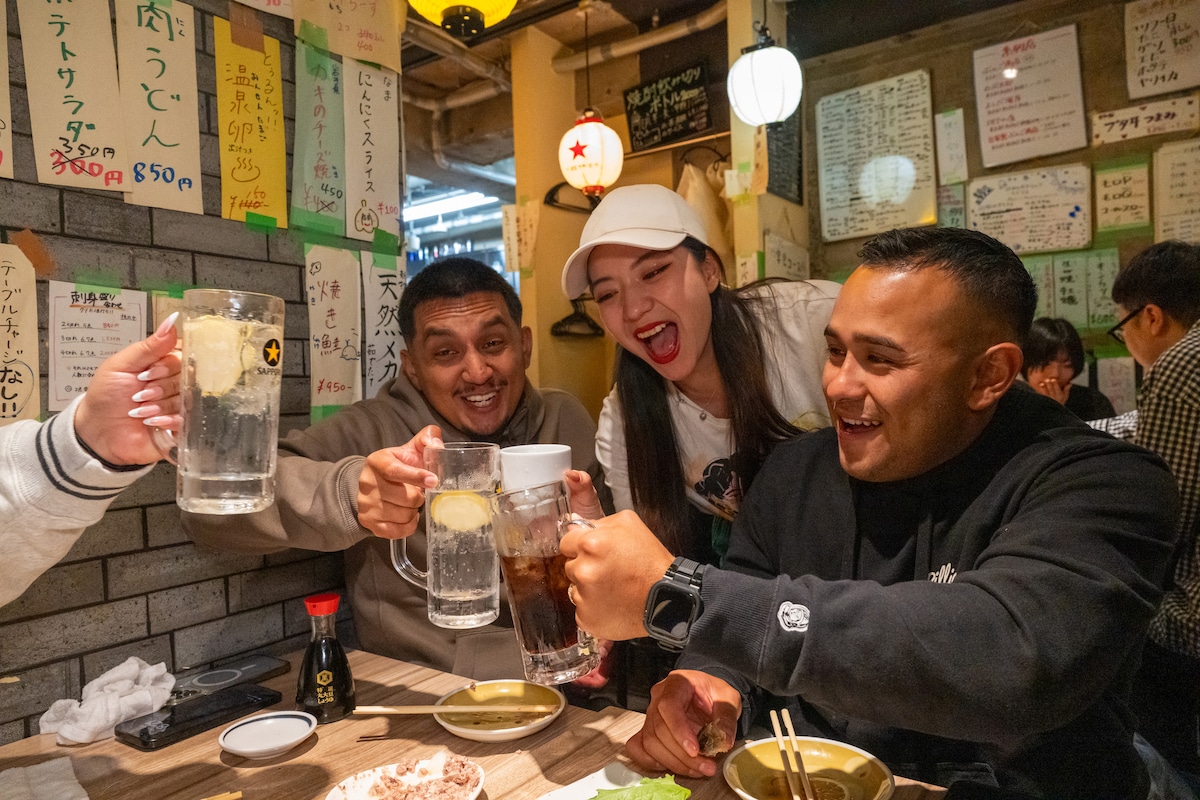
Unlimited Local Night《ALL-Y-Can-DRINK》Shinjuku Gem
Mon, Feb 9 • 7:15 PM
160-0022, Tokyo Prefecture, Shinjuku City, Japan
View details
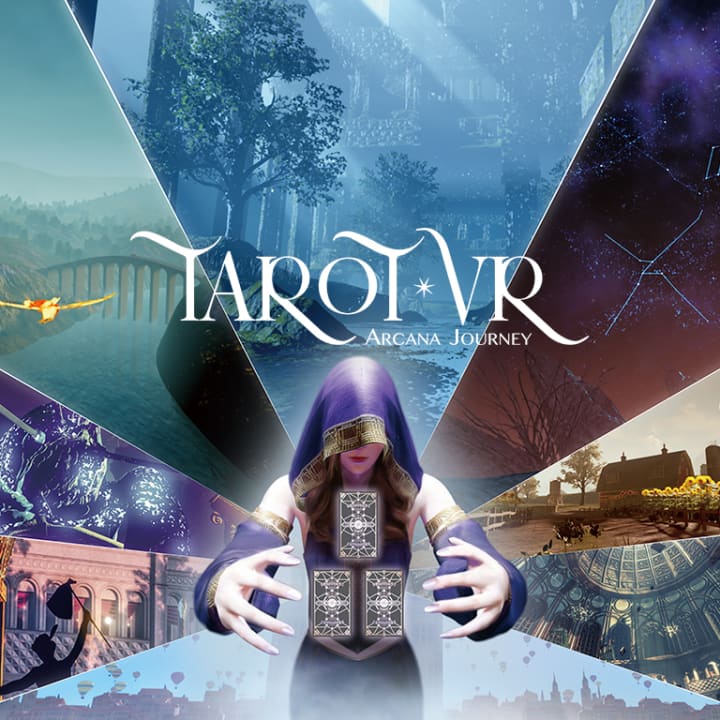
TYFFONIUM 新宿:タロットVR アルカナ・ジャーニー
Mon, Feb 9 • 10:10 AM
東京都新宿区西新宿2-2-1 京王プラザホテル 南館2F (2-chōme-2-1 Nishishinjuku, Shinjuku City), 160-8330
View details
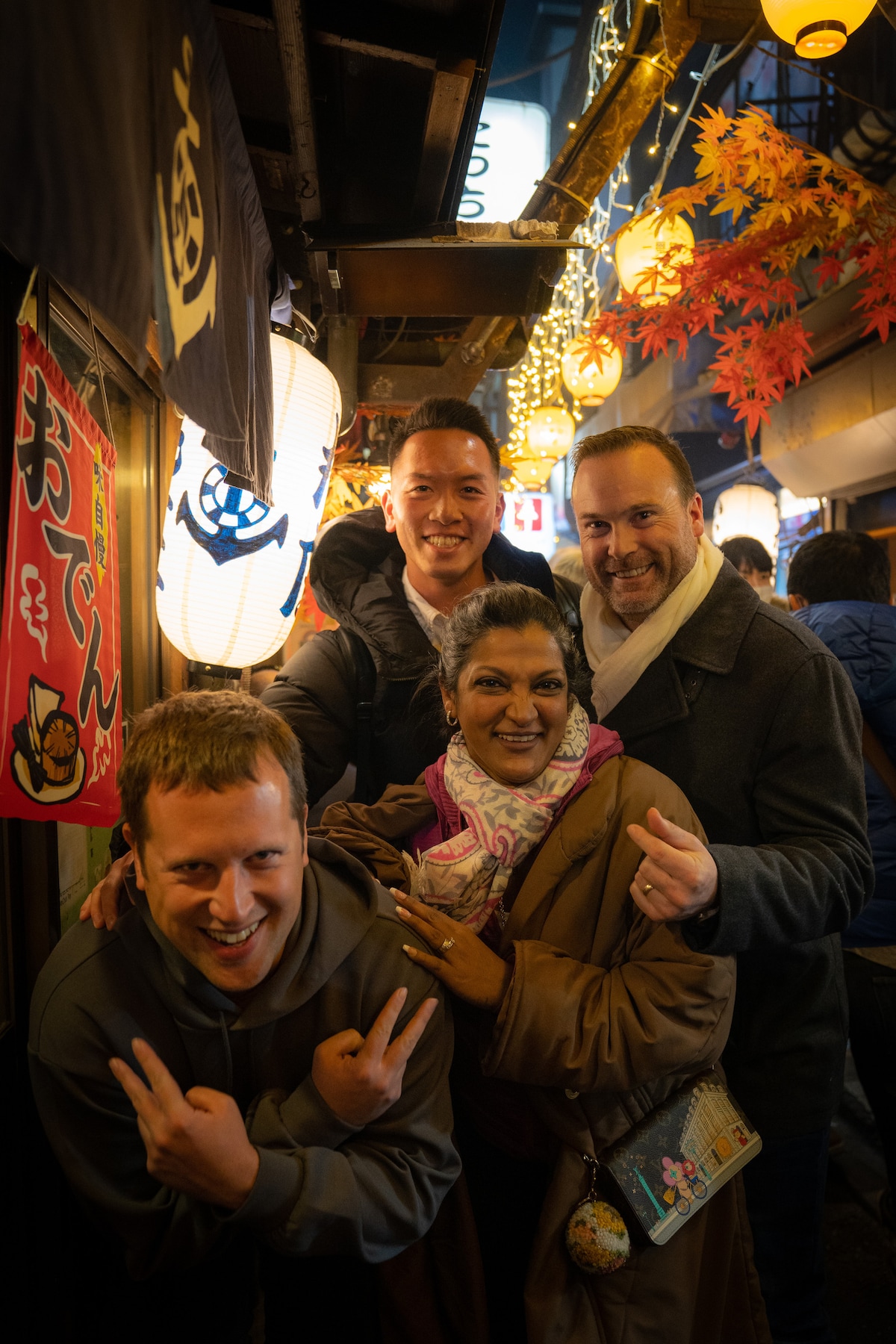
Tokyo: Shinjuku Local Bar and Izakaya Crawl
Mon, Feb 9 • 6:00 PM
160-0023, Tokyo Prefecture, Shinjuku City, Japan
View details
Nearby attractions of Hōzōmon Gate
Sensō-ji
Asakusa Shrine
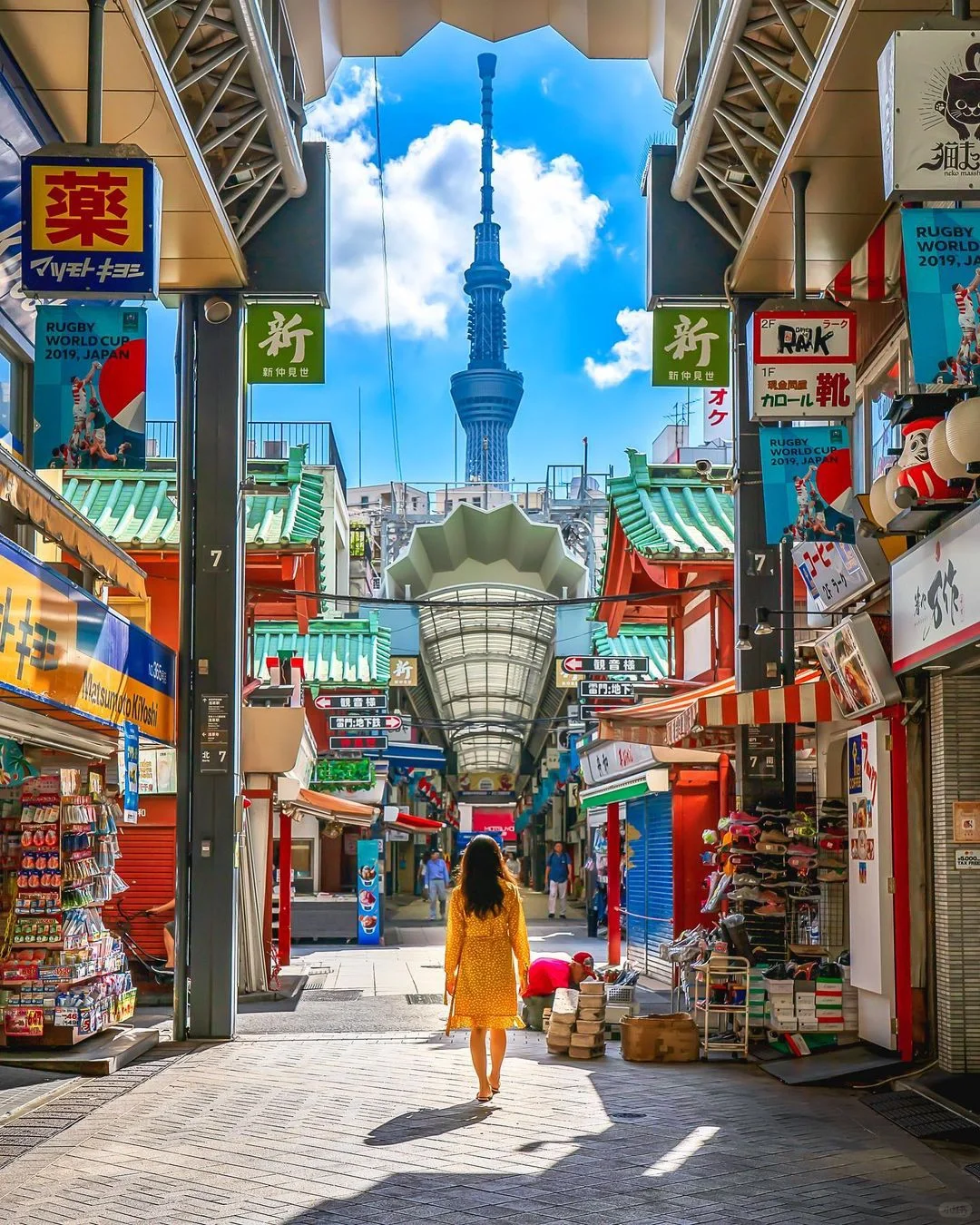
Nakamise-dori Street
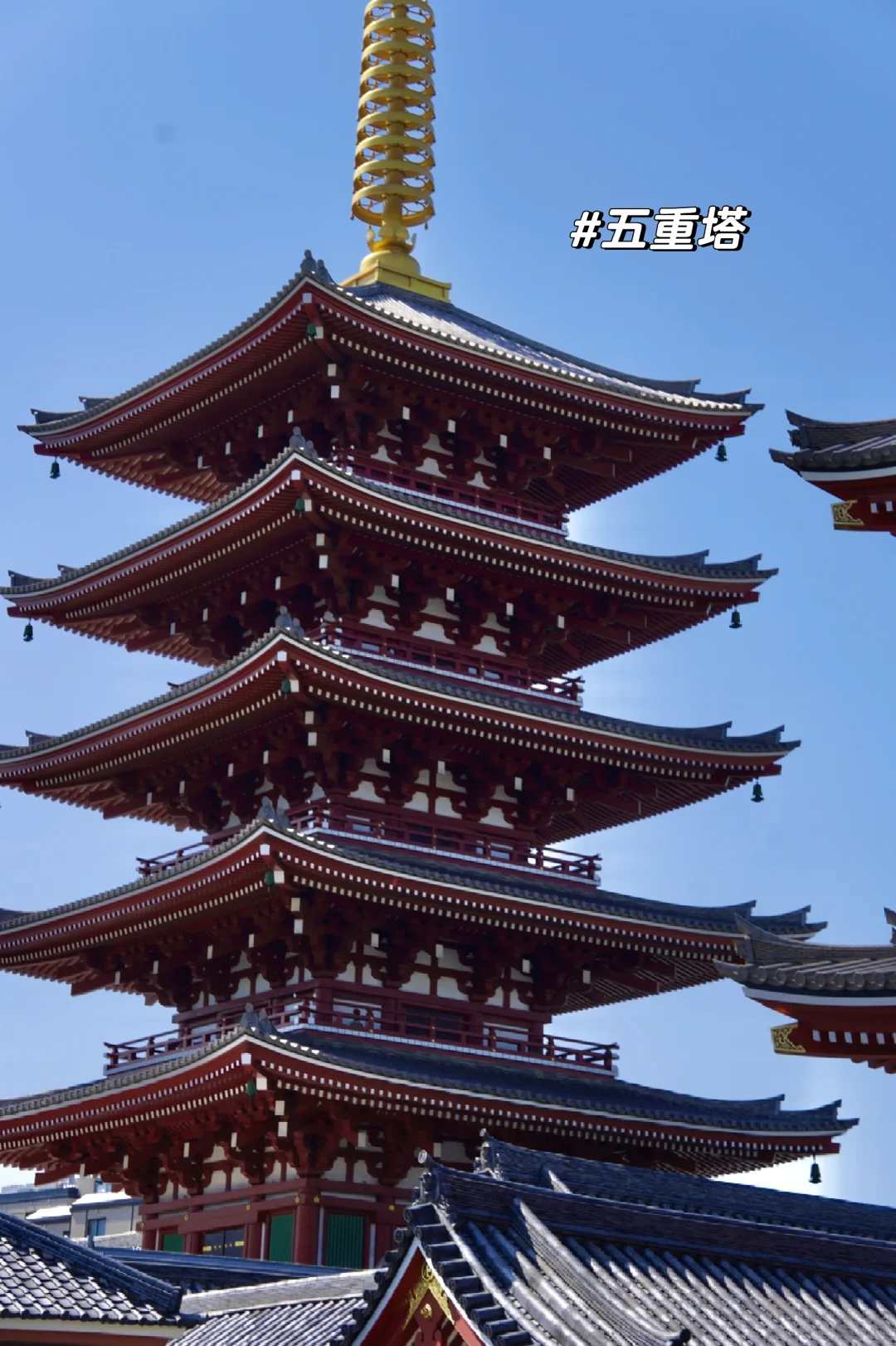
Sensō-ji Five-Storied Pagoda
Kaminarimon
Asakusa Hanayashiki
Asakusa Public Hall
Tokyo Metropolitan Industrial Trade Center Taito Building
Senso-ji Nitemmon
Asakusa Mokubakan
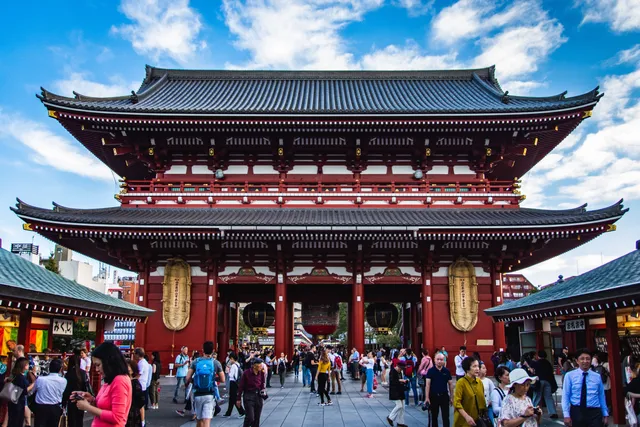
Sensō-ji
4.5
(31.2K)
Open 24 hours
Click for details
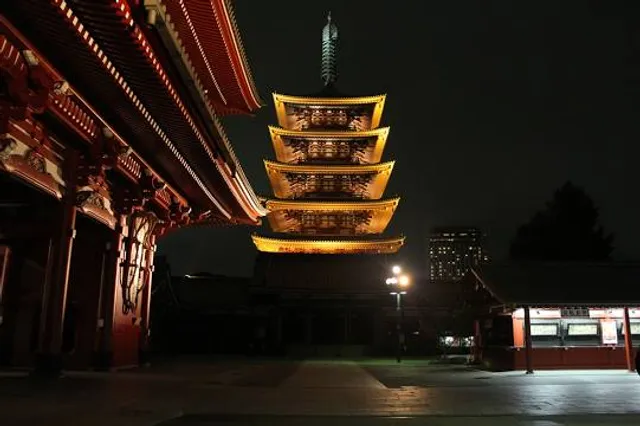
Asakusa Shrine
4.5
(2.2K)
Open until 12:00 AM
Click for details
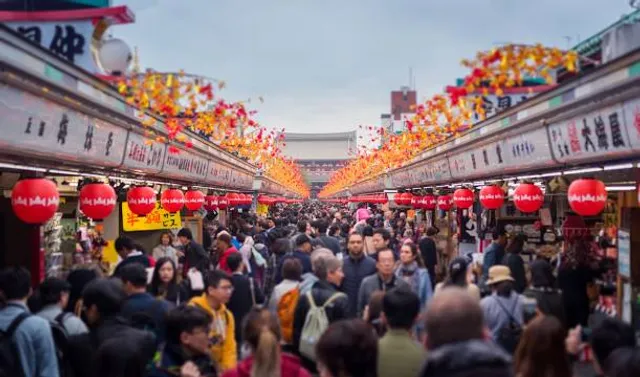
Nakamise-dori Street
4.3
(5.9K)
Closed
Click for details
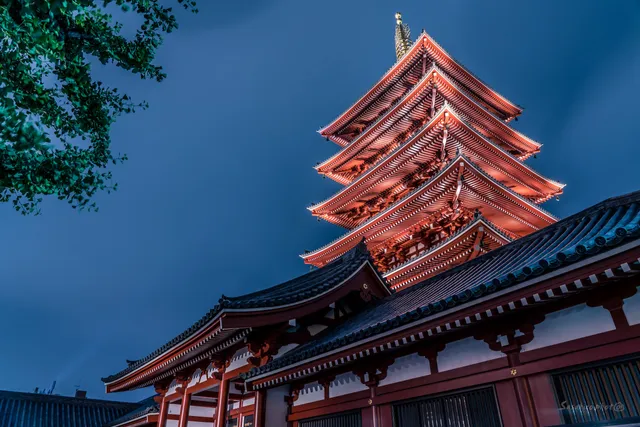
Sensō-ji Five-Storied Pagoda
4.6
(384)
Open until 6:00 PM
Click for details
Nearby restaurants of Hōzōmon Gate
LaVASARA CAFE&GRILL
Yoroiya
Daikokuya Tempura
Imahan Annex
Matcha Sweets Shop SAWAWA Asakusa
Asakusa Edo Monja Hyoutan
Yamaka Sakaba
Sakaba Totoya
Umezono
Japanese Tea Shop & Cafe Premium & Health MARUZEN Tea Roastery Asakusa Matcha | Ice Cream | Gelato
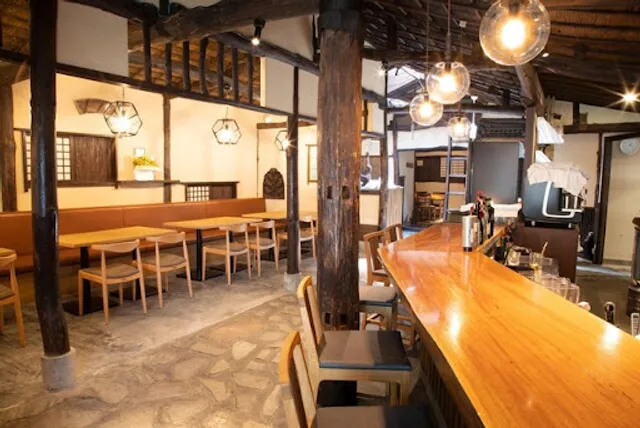
LaVASARA CAFE&GRILL
4.7
(5.6K)
Closed
Click for details
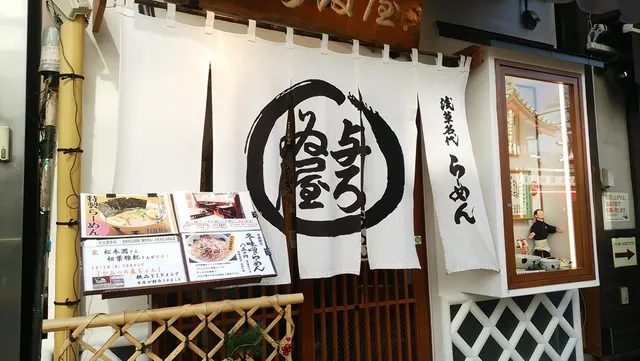
Yoroiya
4.4
(1.4K)
Closed
Click for details
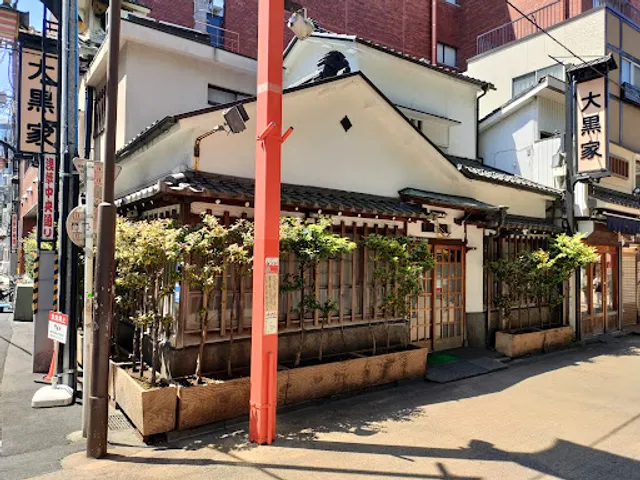
Daikokuya Tempura
3.5
(1.6K)
Closed
Click for details
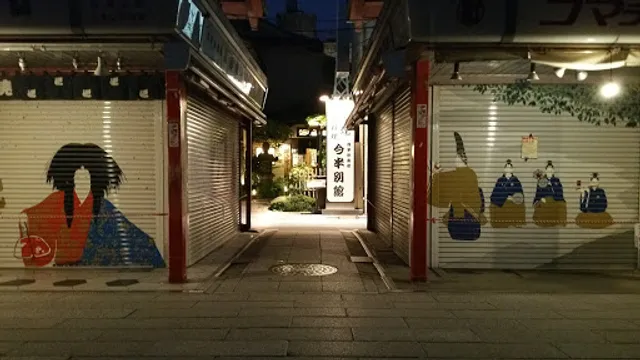
Imahan Annex
4.3
(363)
$$$
Closed
Click for details
Nearby local services of Hōzōmon Gate
Mitsumine Shrine
Senso-ji Hondo
Kobe Beef Wagyu Katana Asakusa Main Branch
大正ロマン館 Grace...
Asakusa Kokonoe
nane tokyo asakusa 浅草店
VASARA Kimono Rental Asakusa Flagship Store
Yohei
おしゃれ着物レンタル
Tokyo Asakusa Rickshaw Tours
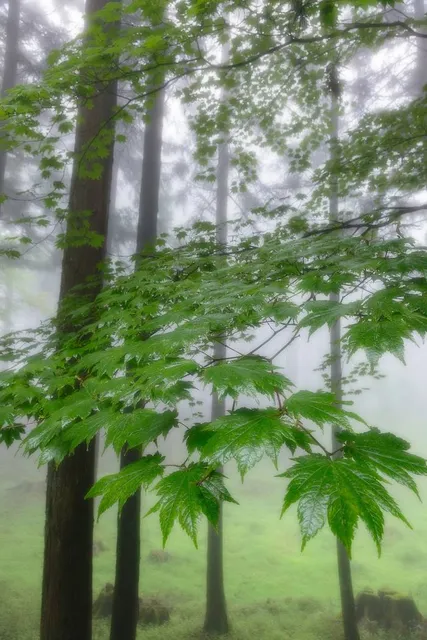
Mitsumine Shrine
4.6
(3.6K)
Click for details
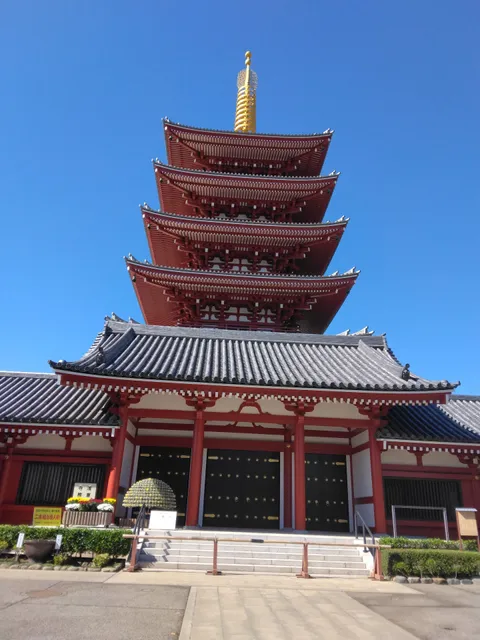
Senso-ji Hondo
4.5
(303)
Click for details
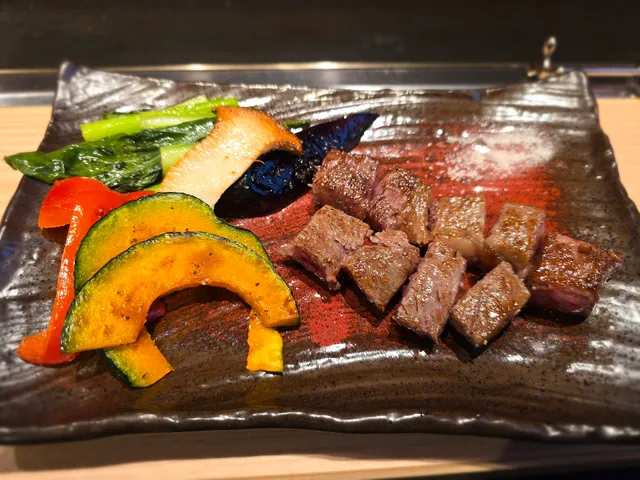
Kobe Beef Wagyu Katana Asakusa Main Branch
4.9
(1.2K)
Click for details
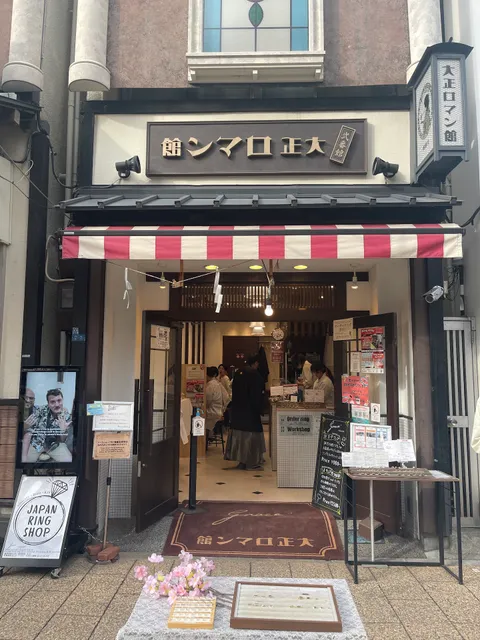
大正ロマン館 Grace...
4.9
(490)
Click for details