Asakusa Shrine things to do, attractions, restaurants, events info and trip planning
Basic Info
Asakusa Shrine
2 Chome-3-1 Asakusa, Taito City, Tokyo 111-0032, Japan
4.5(2.2K)
Open until 12:00 AM
Save
spot
spot
Ratings & Description
Info
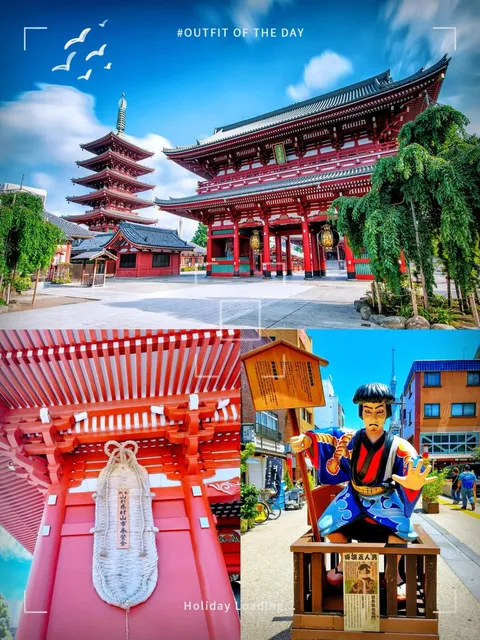
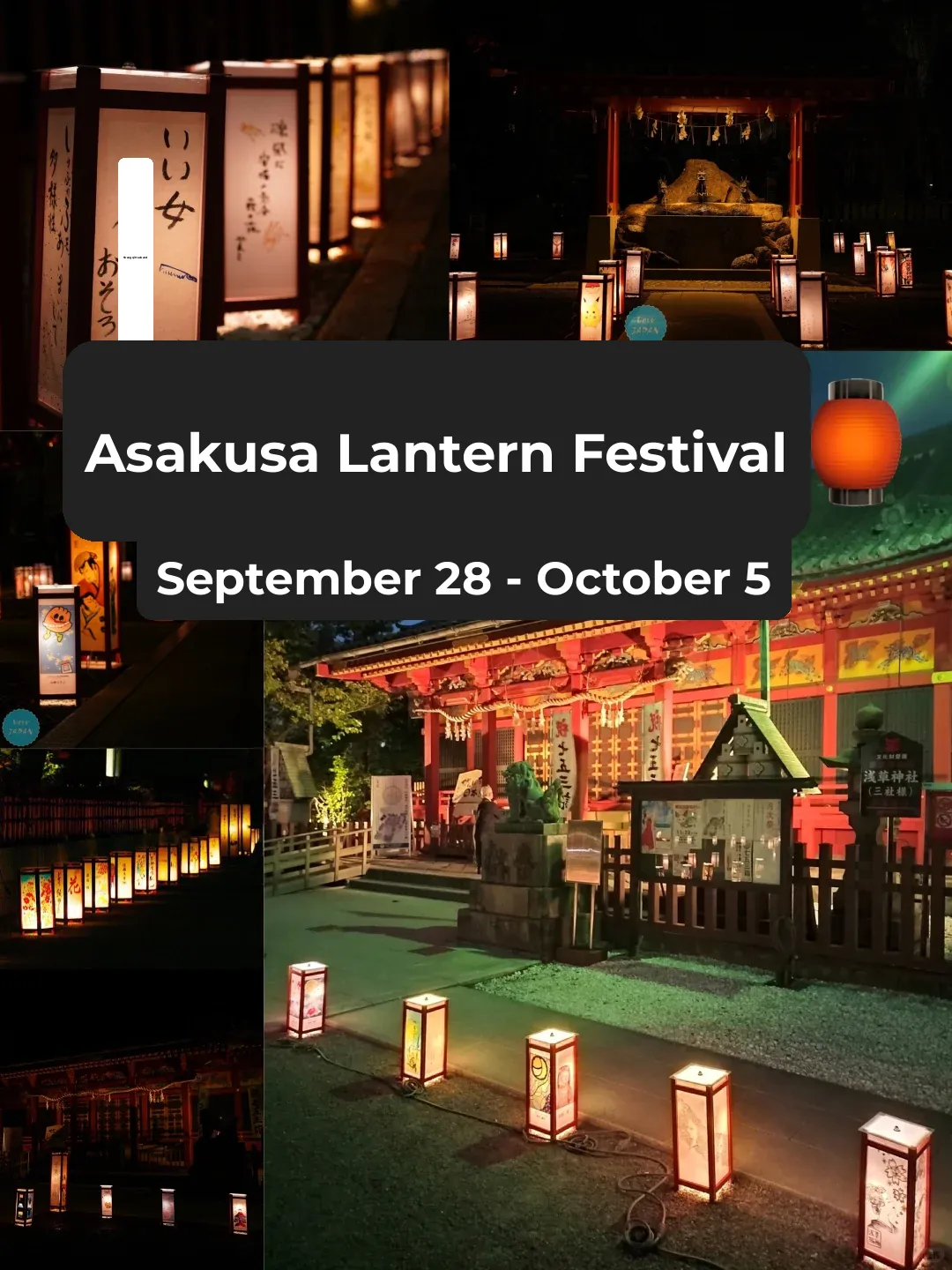
Asakusa Shrine is a Shinto shrine located in the Asakusa district of Tokyo, Japan. Also known as Sanja-sama, it is one of the most famous Shinto shrines in the city. The shrine honors the three men who founded the Sensō-ji. Asakusa Shrine is part of a larger grouping of sacred buildings in the area.
Cultural
Outdoor
Family friendly
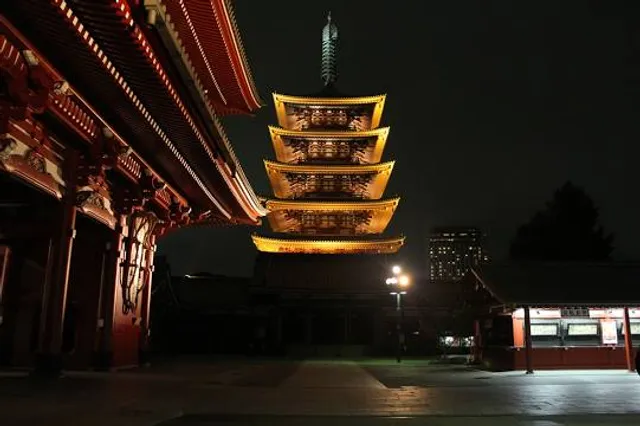
attractions: Sensō-ji, Asakusa Shrine, Hōzōmon Gate, Tokyo Metropolitan Industrial Trade Center Taito Building, Asakusa Hanayashiki, Hikan Inari-jinja Shrine, Senso-ji Nitemmon, Sensō-ji Five-Storied Pagoda, Sensō-ji Temple, Nakamise-dori Street, restaurants: LaVASARA CAFE&GRILL, Suzukien Asakusa matcha gelato, Gyumon Halal Ramen Asakusa, Asakusa Kagetsudō Melon Bread, Urinbo, Vegan Churros ~G'DAY~, Cat Cafe Asakusa Neko-en, Andesu Matoba, Feb's coffee & scone, Waunn, local businesses: Mitsumine Shrine, Senso-ji Hondo, Senso-ji Hondo, Senso-ji Hondo, Senso-ji Hondo, Nitenmon Gate, Asakusa kimono rental Miyabi, 浅草寺 影向堂, Zenshoji Temple, Kobe Beef Wagyu Katana Asakusa Main Branch
 Learn more insights from Wanderboat AI.
Phone
+81 3-3844-1575
Website
asakusajinja.jp
Open hoursSee all hours
TueOpen 24 hoursOpen
Plan your stay

Pet-friendly Hotels in Tokyo
Find a cozy hotel nearby and make it a full experience.

Affordable Hotels in Tokyo
Find a cozy hotel nearby and make it a full experience.

The Coolest Hotels You Haven't Heard Of (Yet)
Find a cozy hotel nearby and make it a full experience.

Trending Stays Worth the Hype in Tokyo
Find a cozy hotel nearby and make it a full experience.
Reviews
Live events

TYFFONIUM 新宿:IT/イット カーニバル
Wed, Feb 25 • 11:40 AM
東京都新宿区西新宿2-2-1 京王プラザホテル 南館2F (2-chōme-2-1 Nishishinjuku, Shinjuku City), 160-8330
View details

Ramen Dojo Tokyo: Make All 3 Ramen
Wed, Feb 25 • 11:00 AM
153-0044, Tokyo Prefecture, Meguro City, Japan
View details
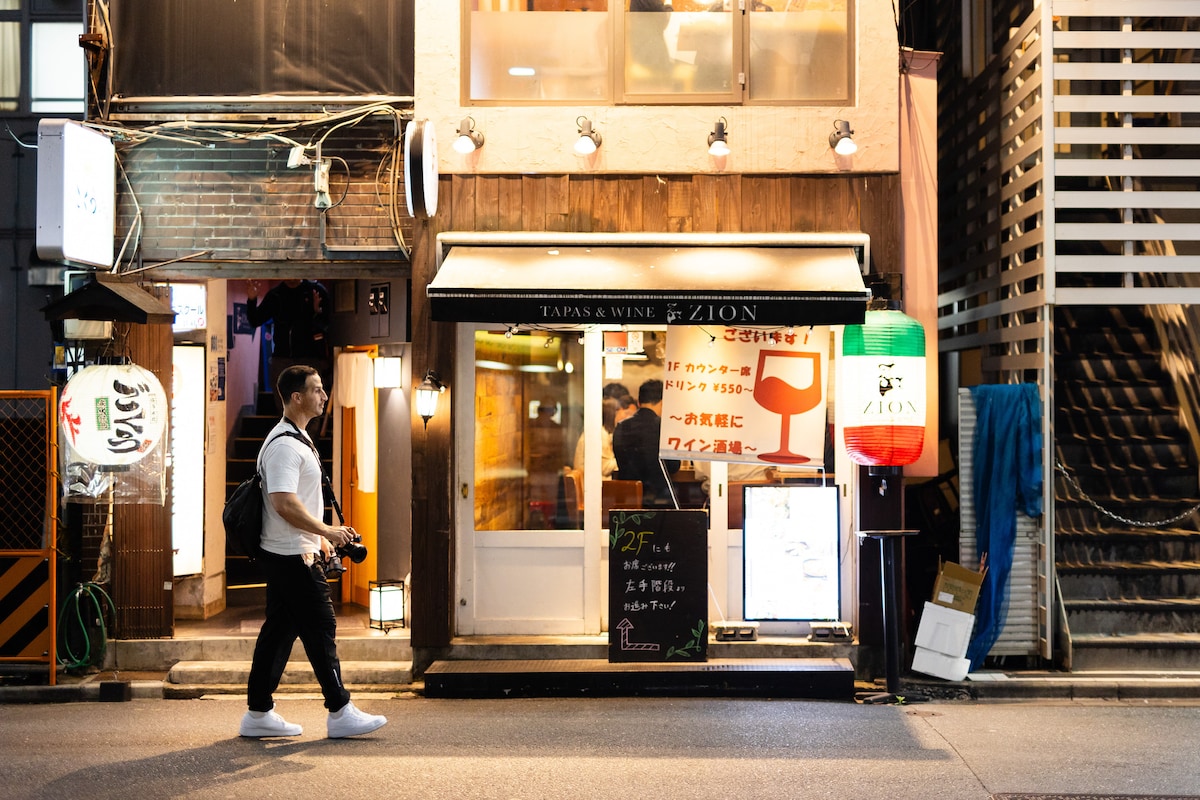
Photograph Tokyos hidden streets with a local pro
Wed, Feb 25 • 4:00 PM
161-0031, Tokyo Prefecture, Shinjuku City, Japan
View details
Nearby attractions of Asakusa Shrine
Sensō-ji
Asakusa Shrine
Hōzōmon Gate
Tokyo Metropolitan Industrial Trade Center Taito Building
Asakusa Hanayashiki
Hikan Inari-jinja Shrine
Senso-ji Nitemmon
Sensō-ji Five-Storied Pagoda
Sensō-ji Temple
Nakamise-dori Street
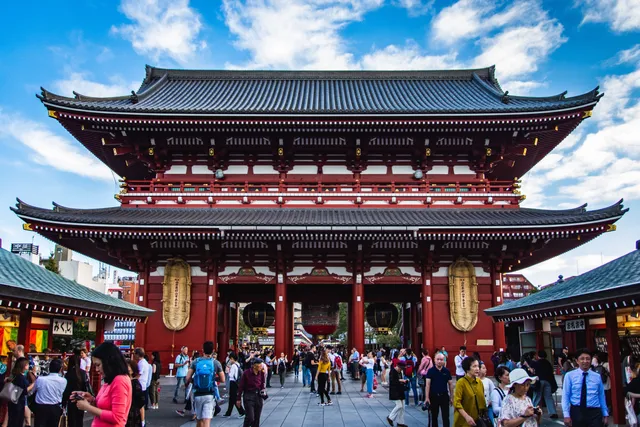
Sensō-ji
4.5
(30.6K)
Open 24 hours
Click for details
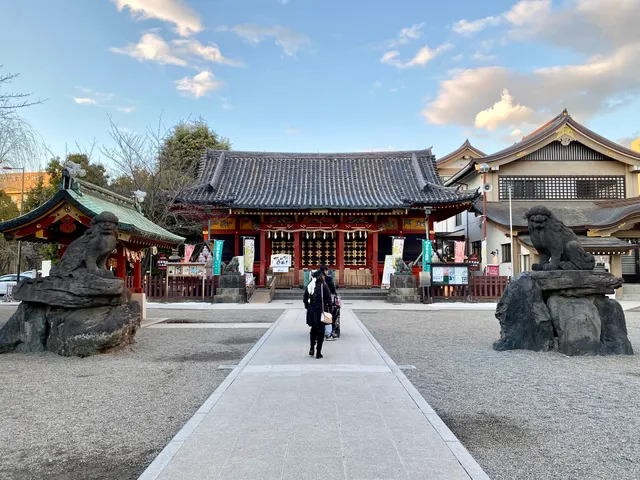
Asakusa Shrine
4.5
(2.3K)
Open until 12:00 AM
Click for details
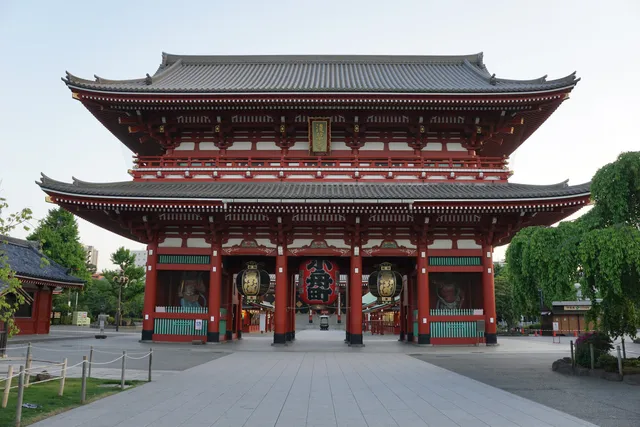
Hōzōmon Gate
4.5
(1.4K)
Closed
Click for details
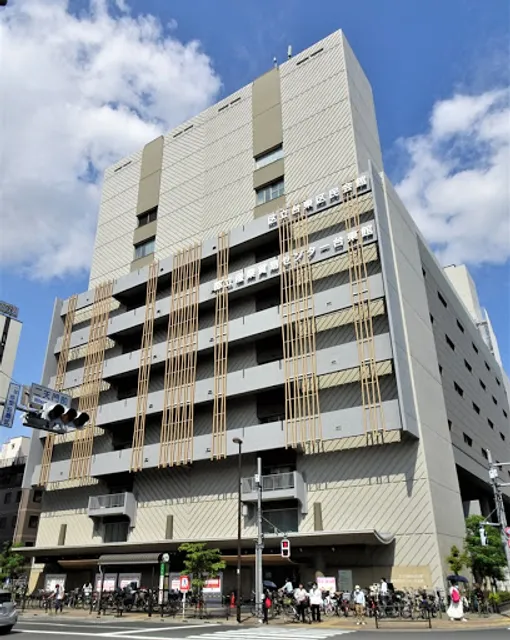
Tokyo Metropolitan Industrial Trade Center Taito Building
3.7
(1.2K)
Closed
Click for details
Nearby restaurants of Asakusa Shrine
LaVASARA CAFE&GRILL
Suzukien Asakusa matcha gelato
Gyumon Halal Ramen Asakusa
Asakusa Kagetsudō Melon Bread
Urinbo
Vegan Churros ~G'DAY~
Cat Cafe Asakusa Neko-en
Andesu Matoba
Feb's coffee & scone
Waunn
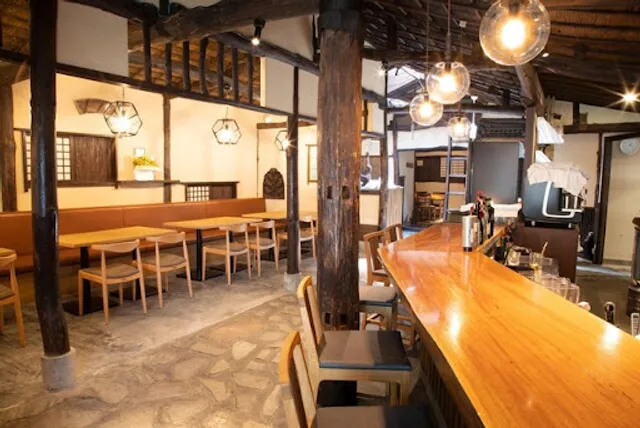
LaVASARA CAFE&GRILL
4.7
(5.8K)
Open until 11:00 PM
Click for details
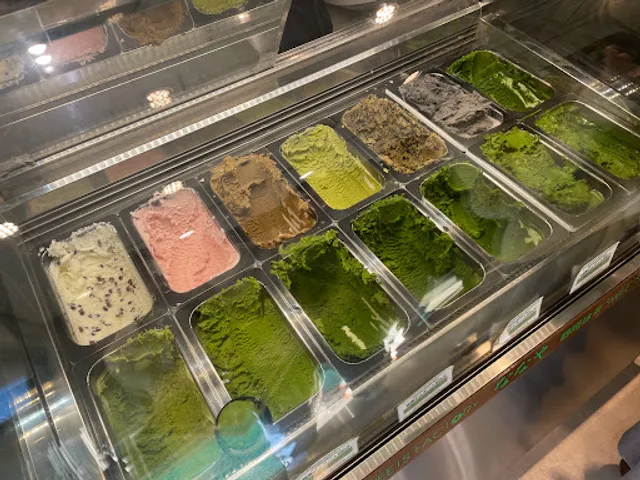
Suzukien Asakusa matcha gelato
4.4
(1.8K)
Closed
Click for details
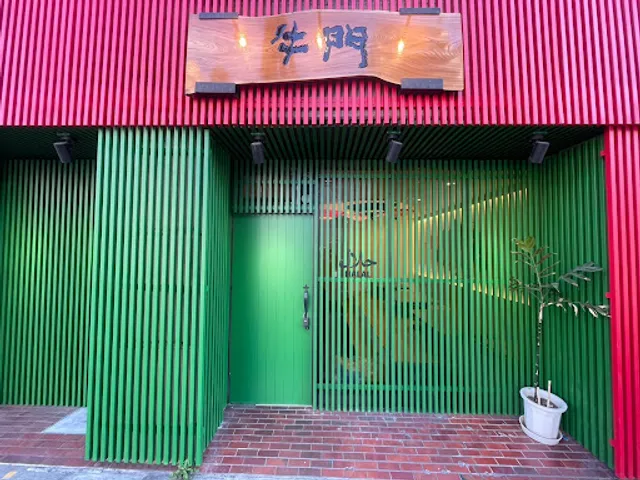
Gyumon Halal Ramen Asakusa
4.9
(5.7K)
Open until 10:00 PM
Click for details
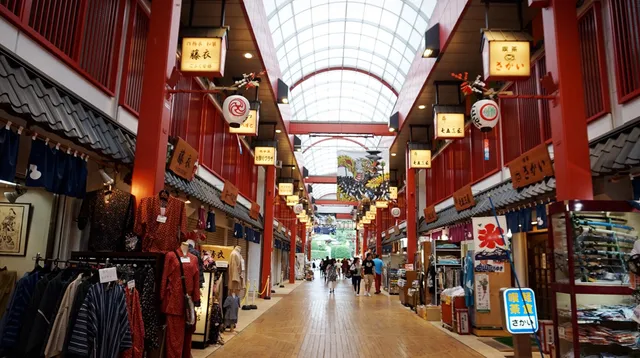
Asakusa Kagetsudō Melon Bread
4.4
(1.2K)
Closed
Click for details
Nearby local services of Asakusa Shrine
Mitsumine Shrine
Senso-ji Hondo
Senso-ji Hondo
Senso-ji Hondo
Senso-ji Hondo
Nitenmon Gate
Asakusa kimono rental Miyabi
浅草寺 影向堂
Zenshoji Temple
Kobe Beef Wagyu Katana Asakusa Main Branch
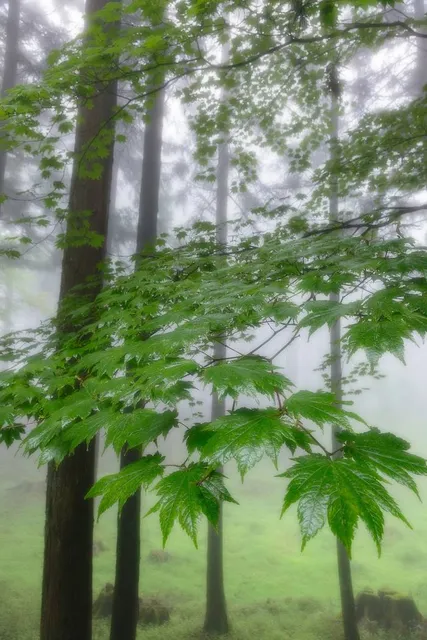
Mitsumine Shrine
4.6
(3.6K)
Click for details
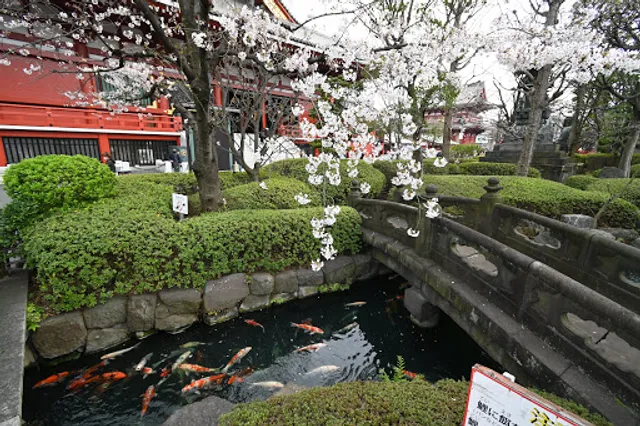
Senso-ji Hondo
4.5
(299)
Click for details
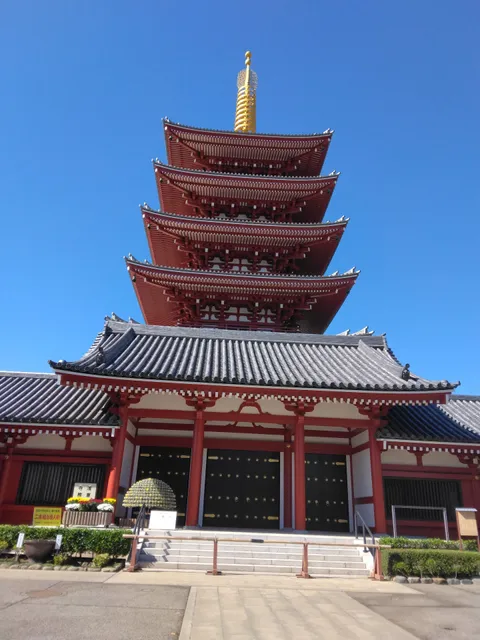
Senso-ji Hondo
4.5
(293)
Click for details
Senso-ji Hondo
4.5
(308)
Click for details