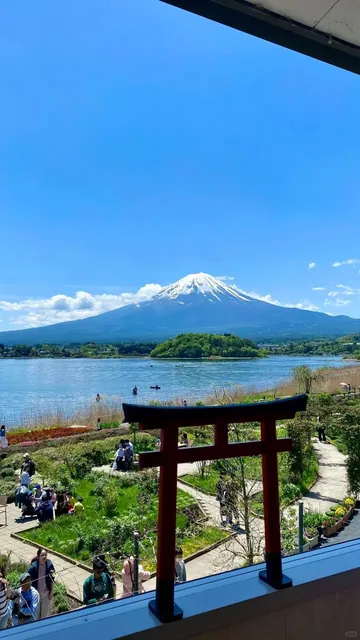
Review of Asakusa Shrine – Tokyo Overview Asakusa Shrine, also known as Sanja-sama (Shrine of the Three Gods), is one of Tokyo’s most historically significant Shinto shrines. Located near Sensō-ji Temple in the lively Asakusa district, it stands as a cultural and spiritual landmark. Built in 1649 by Tokugawa Iemitsu, the shrine is dedicated to the three men who founded Sensō-ji: Hajino Nakatomo, Hinokuma Hamanari, and Hinokuma Takenari. Unlike Sensō-ji, which is a Buddhist temple, Asakusa Shrine follows Shinto traditions, making it an essential place to understand the coexistence of Buddhism and Shintoism in Japan.
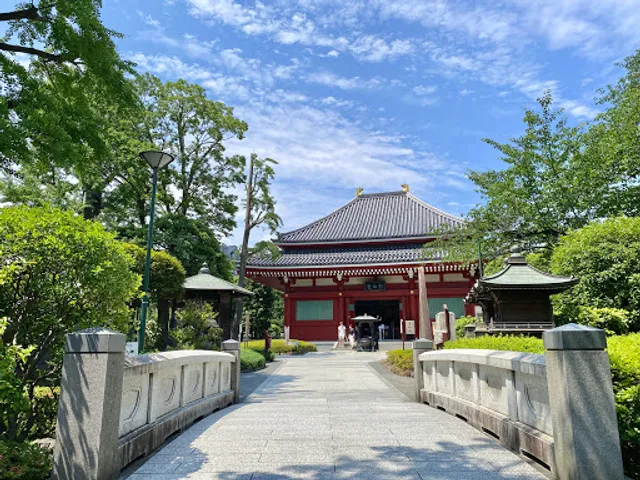
Architecture & Design Asakusa Shrine showcases traditional Edo-period Shinto architecture. The shrine’s main hall (honden) features a simple yet elegant design with a thatched roof, wooden beams, and intricate gold and red details. The structure has remained intact since its construction, even surviving World War II bombings, earning it the designation of an Important Cultural Property of Japan.
A torii gate marks the entrance, leading visitors into a peaceful atmosphere that contrasts with the bustling streets of Asakusa. Within the shrine grounds, you’ll find:
A stone guardian lion-dog (komainu) protecting the entrance. A purification fountain (temizuya) where visitors cleanse their hands and mouths before praying. A sacred tree (shinboku), believed to house divine spirits. Ema plaques, where worshippers write their wishes and prayers. History & Cultural Significance Asakusa Shrine was built to honor the three fishermen who, according to legend, discovered the golden statue of Kannon (the Buddhist goddess of mercy) in the Sumida River in 628 AD. This event led to the founding of Sensō-ji, Tokyo’s oldest temple. The shrine remains a symbol of gratitude for these men, emphasizing the deep ties between Shinto and Buddhism in Japanese culture.
The shrine is most famous for hosting the Sanja Matsuri, one of Tokyo’s largest and most energetic festivals. Held in mid-May, this three-day event features massive mikoshi (portable shrines) carried through the streets by lively participants. The festival draws millions of visitors and showcases the vibrancy of traditional Japanese culture.
Visitor Experience Compared to Sensō-ji’s crowds, Asakusa Shrine offers a quieter, more spiritual atmosphere. Visitors can:
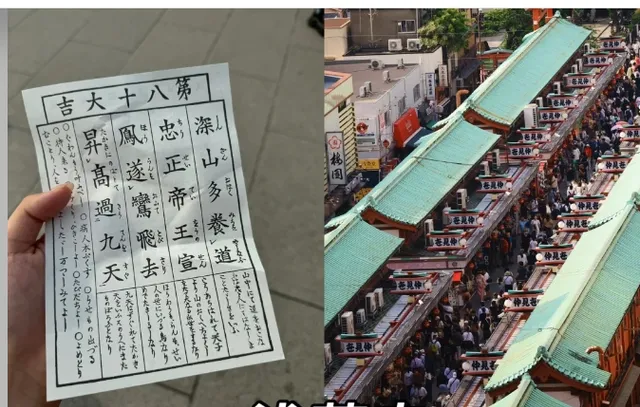
Pray at the main altar by tossing a coin, clapping, and bowing in the traditional Shinto manner. Draw an omikuji (fortune slip) to see their luck for the year. Purchase protective charms (omamori) for health, success, or love. Enjoy the nearby Nakamise Street, filled with traditional snacks, souvenirs, and crafts. The contrast between the bustling Sensō-ji and the tranquil Asakusa Shrine makes the visit even more special. It’s an ideal place to reflect, take in Japanese religious traditions, and experience Tokyo’s deep history.
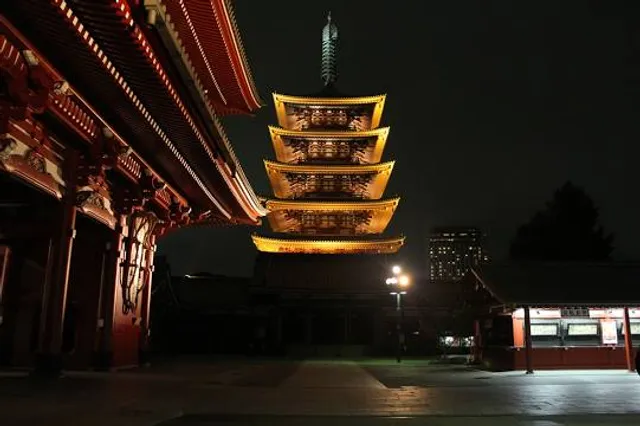
Best Times to Visit Early morning for a peaceful atmosphere. Mid-May for the vibrant Sanja Matsuri festival. Evenings, when the shrine is beautifully illuminated. Conclusion Asakusa Shrine is an essential stop in Tokyo, offering a blend of history, spirituality, and cultural richness. Whether visiting for its historical significance, religious experience, or serene ambiance, Asakusa Shrine provides a unique glimpse into Japan’s Shinto traditions and...
Read moreSenso-ji is undoubtedly one of Tokyo’s most iconic and spiritually significant temples, and despite its overwhelming crowds and commercialised surroundings, it still retains a deep sense of historical and cultural reverence—if you can see past the tourist swarm.
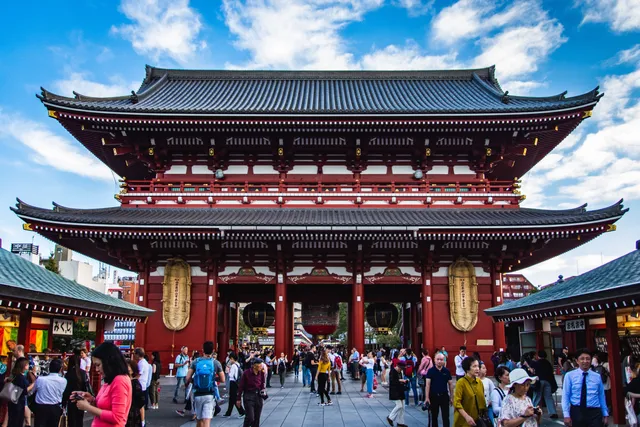
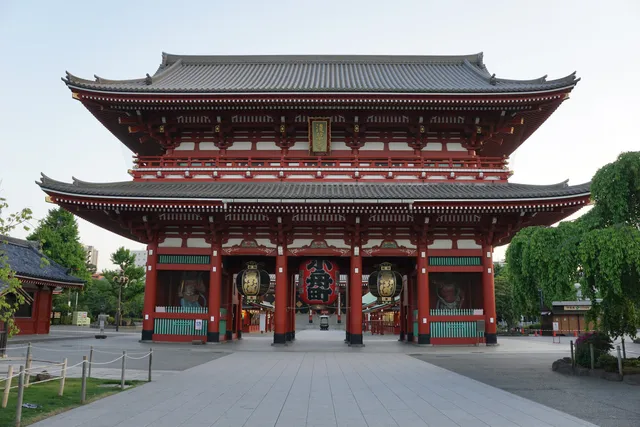
First, the temple grounds themselves are truly breathtaking. The vibrant red Kaminarimon gate, the incense-filled air, and the grandeur of the main hall offer a striking glimpse into Japan’s religious heritage. That said, it’s hard to fully appreciate the sanctity of the space when you’re shoulder-to-shoulder with tour groups, influencers with selfie sticks, and vendors calling out about Hello Kitty keychains.
The walk through Nakamise Street, which leads up to the temple, is packed with shops selling everything from traditional snacks to kitschy souvenirs. While some items reflect Japanese craftsmanship, many are mass-produced novelties with questionable mark-ups. It felt ironic, almost comical, to be passing rows of aggressive retail stalls just to get to a sacred Buddhist site. Prices are, frankly, ridiculous in places—paying ¥1,500 for a tiny coin purse or ¥600 for a stick of dango just feels exploitative in a place meant for reflection.
Despite these contradictions, I was incredibly fortunate to visit during the Sanja Matsuri, one of Tokyo’s most important and vibrant festivals, held bi-annually. The energy was unlike anything I’ve ever experienced: rows of portable shrines (mikoshi) paraded through the area by locals in traditional garb, taiko drums reverberating in your chest, and the whole neighbourhood transformed into a powerful display of devotion and celebration. It added an almost mythic layer to the temple’s atmosphere, reminding me of its true cultural weight beneath the commercial clutter.
It’s moments like that where Senso-ji really shines—when the modern noise is drowned out by something ancient and alive.
Would I recommend it? Yes, with some caveats. Come early in the morning or late at night if you want a quieter, more spiritual experience. Avoid weekends unless you’re interested in people-watching. If you’re a traveller who appreciates a bit of chaos with your culture, this place will certainly deliver. But if you’re hoping for serenity, you might find the hawkers and selfie frenzies a bit much.
All in all, Senso-ji is a must-visit for its historical value and aesthetic appeal, but be prepared to navigate through a sea of tourists and overpriced trinkets. Four stars—for the temple’s enduring beauty and the unforgettable Sanja Matsuri, minus one star for the intense commercialisation that threatens to...
Read moreSenso-ji Temple, located in the Asakusa district of Tokyo, is a must-see for anyone visiting the city. As Tokyo’s oldest temple, it offers a profound blend of history, culture, and spirituality, all set against the backdrop of the bustling city.
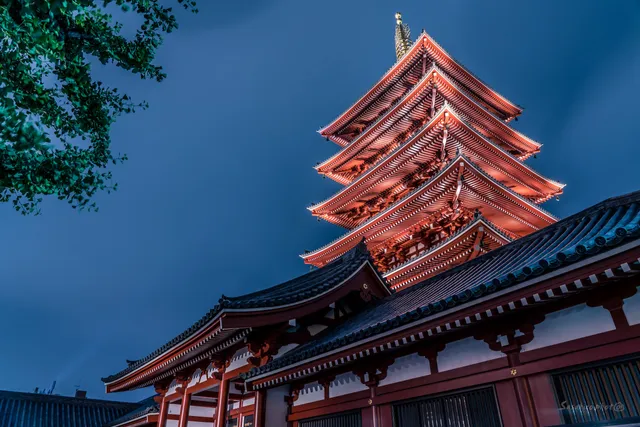
Historical Significance Stepping into Senso-ji feels like stepping back in time. The temple dates back to 645 AD, making it a significant cultural landmark in Tokyo. The impressive Thunder Gate (Kaminarimon) at the entrance, with its massive red lantern, is an iconic symbol of the city. Walking through the gate feels like entering a different era, where ancient traditions meet the modern world.
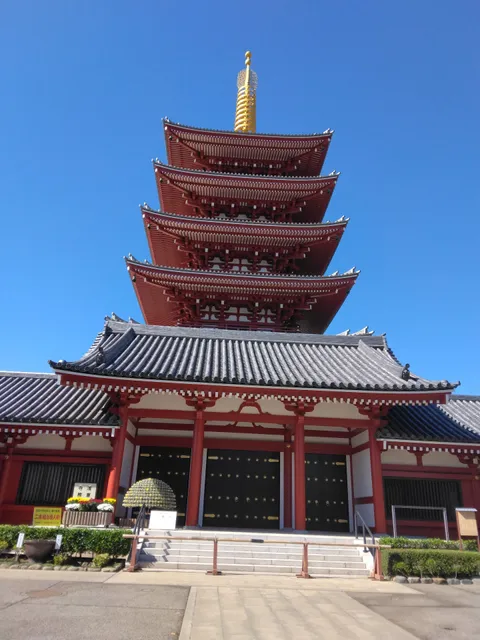
Architecture and Atmosphere The architecture of Senso-ji is stunning, with its vibrant red pagoda and intricate wooden carvings. The main hall (Hondo) is both majestic and serene, filled with the scent of incense and the soft murmur of prayers. Despite being a popular tourist spot, the temple maintains a peaceful atmosphere, offering a place for quiet reflection amidst the city’s hustle and bustle.
Nakamise Shopping Street Leading up to the temple is Nakamise-dori, a lively shopping street lined with traditional shops and food stalls. Here, you can find everything from local snacks like taiyaki (fish-shaped cakes) and ningyo-yaki (doll-shaped cakes) to unique souvenirs. It’s a great place to experience a taste of old Tokyo and pick up some traditional crafts.
Cultural Experience Senso-ji is not just a place of worship but also a hub of cultural activities. Visitors can participate in traditional practices like drawing omikuji (fortune-telling paper strips) or purifying themselves with incense smoke at the large cauldron. During festivals like Sanja Matsuri, the temple becomes even more vibrant, with parades and performances that showcase Japanese culture at its best.
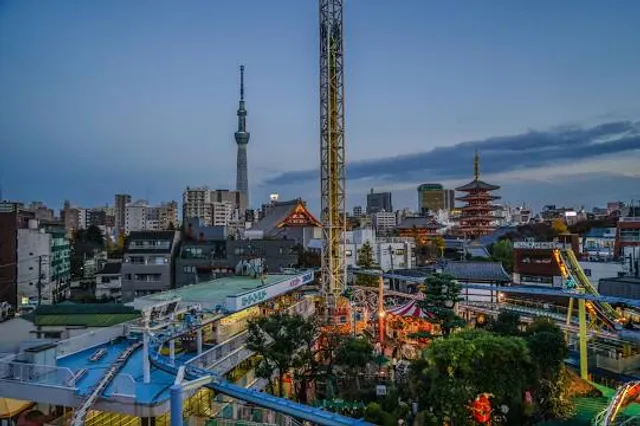
Accessibility and Location Located in the heart of Asakusa, Senso-ji is easily accessible by public transport. The nearby Asakusa Station connects you to the rest of Tokyo, making it a convenient stop on any itinerary. The surrounding area, with its blend of traditional and modern attractions, offers plenty to explore beyond the temple grounds.
Conclusion Senso-ji Temple is a must-visit for anyone interested in Japan’s rich cultural heritage. Whether you’re there to admire the stunning architecture, explore the lively markets, or simply soak in the spiritual atmosphere, Senso-ji offers a memorable and enriching experience. It’s a place where the past and present beautifully coexist, making it a highlight of any...
Read more