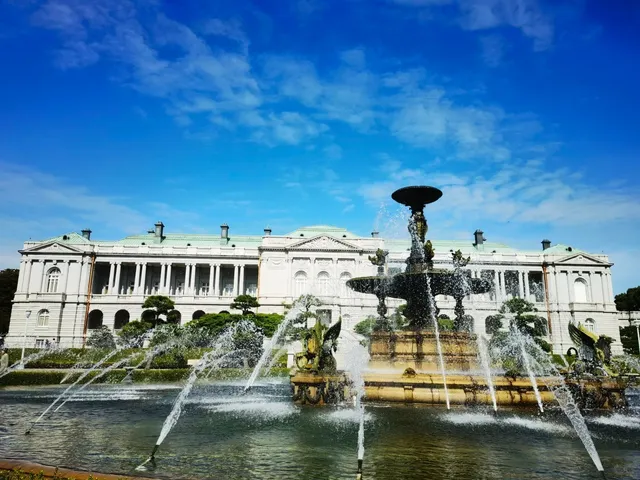
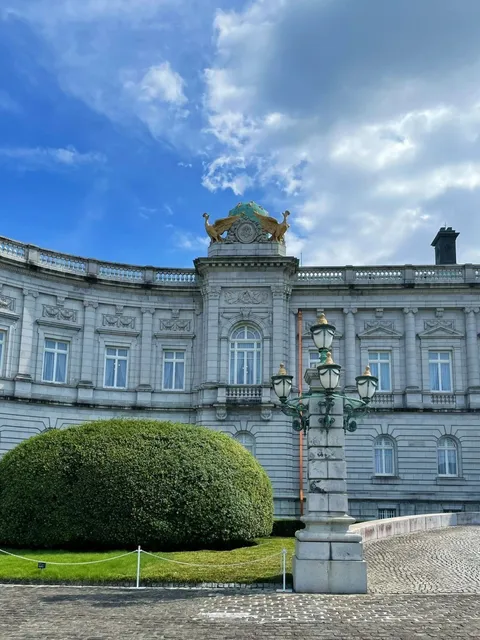
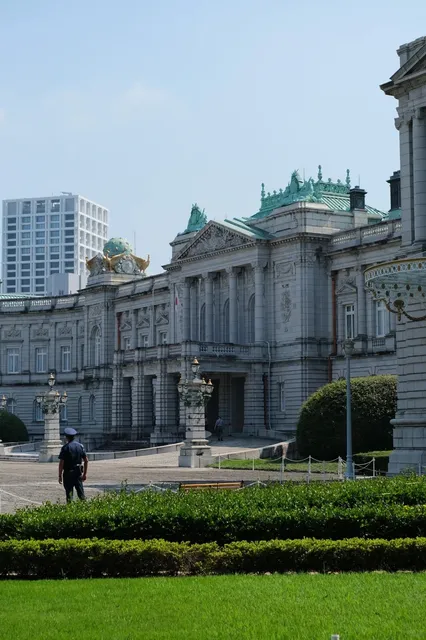
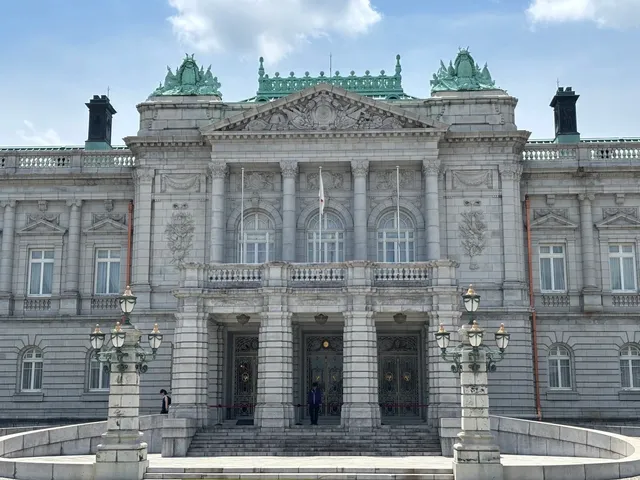
State Guest House Akasaka Palace things to do, attractions, restaurants, events info and trip planning
Basic Info
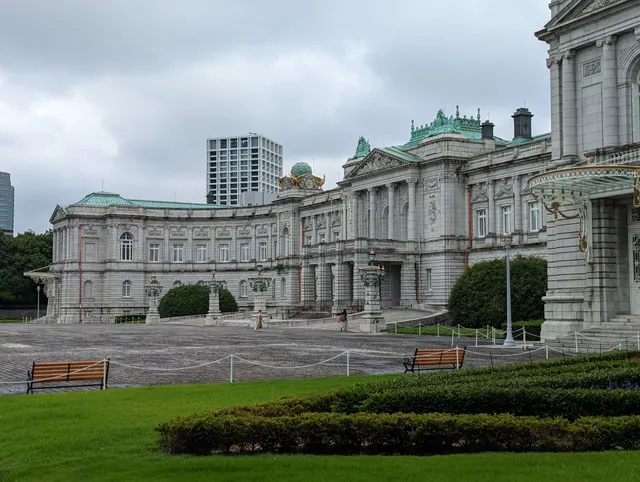
State Guest House Akasaka Palace
2 Chome-1-1 Motoakasaka, Minato City, Tokyo 107-0051, Japan
4.6(1.1K)
Closed

tickets
Save
spot
spot
Ratings & Description
Info
Cultural
Entertainment
Scenic
Family friendly
Accessibility
Luxury
attractions: Main Garden, Front Yard of State Guest House, Akasaka State Guest House East Gate (Kishu clan Tokugawa Nakayashiki front gate), Kioi Hall, Wakaba East Park, Yotsuya-Mitsuke Park, Sophia University Yotsuya Campus, Toyokawa-inari Tokyo-betsuin Temple, Hotel New Otani Japanese Garden, St. Ignatius Catholic Church, restaurants: View & Dining The Sky, Tour d'Argent Tokyo, Kyubey Hotel New Otani The Main Branch, Taikan En, Hashiguchi, Trader Vic's Tokyo, Tonkatsu Fumizen New Otani Hotel Main Shop, AUX BACCHANALES KIOICHO, TORAYA Akasaka Main Store, SATSUKI サツキ, local businesses: Japanese Style Annex, Yushintei, Tokyo Ramen Tours, Ryushuin, Akasaka Residence, Garden Pool, Hotel New Otani - The Main Shopping Arcade, Seirinji, Tsubomiya, Yotsuya Station, atré Yotsuya
 Learn more insights from Wanderboat AI.
Phone
+81 3-5728-7788
Website
geihinkan.go.jp
Open hoursSee all hours
Sat10 AM - 5 PMClosed
Plan your stay

Pet-friendly Hotels in Tokyo
Find a cozy hotel nearby and make it a full experience.

Affordable Hotels in Tokyo
Find a cozy hotel nearby and make it a full experience.

The Coolest Hotels You Haven't Heard Of (Yet)
Find a cozy hotel nearby and make it a full experience.

Trending Stays Worth the Hype in Tokyo
Find a cozy hotel nearby and make it a full experience.
Reviews
Live events

ザ・ジュリー・エクスペリエンス:ダイヤモンドと嘘、そして死体編
Fri, Mar 6 • 5:30 PM
東京都文京区後楽1丁目3−61 ジオポリス 内, 112-0004
View details
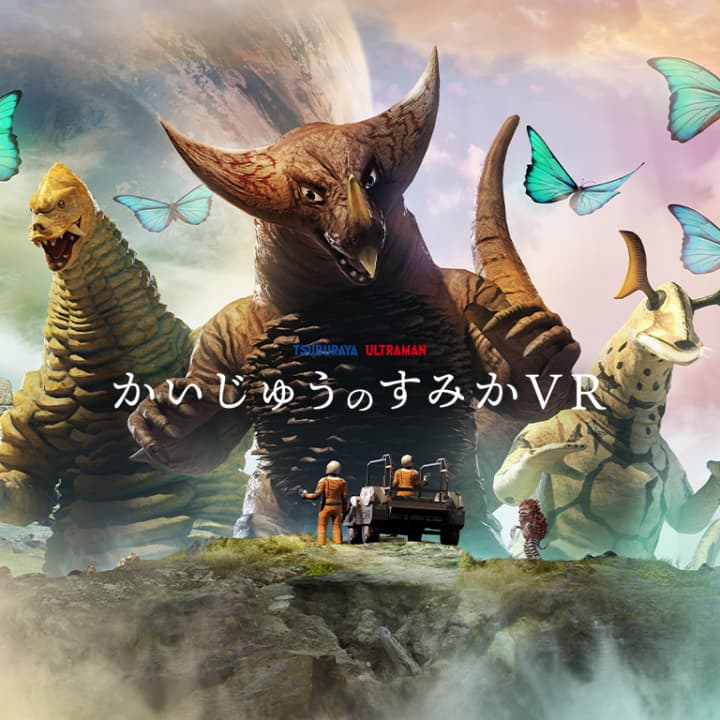
TYFFONIUM 新宿:かいじゅうのすみかVR
Sat, Feb 28 • 4:20 PM
東京都新宿区西新宿2-2-1 京王プラザホテル 南館2F (2-chōme-2-1 Nishishinjuku, Shinjuku City), 160-8330
View details
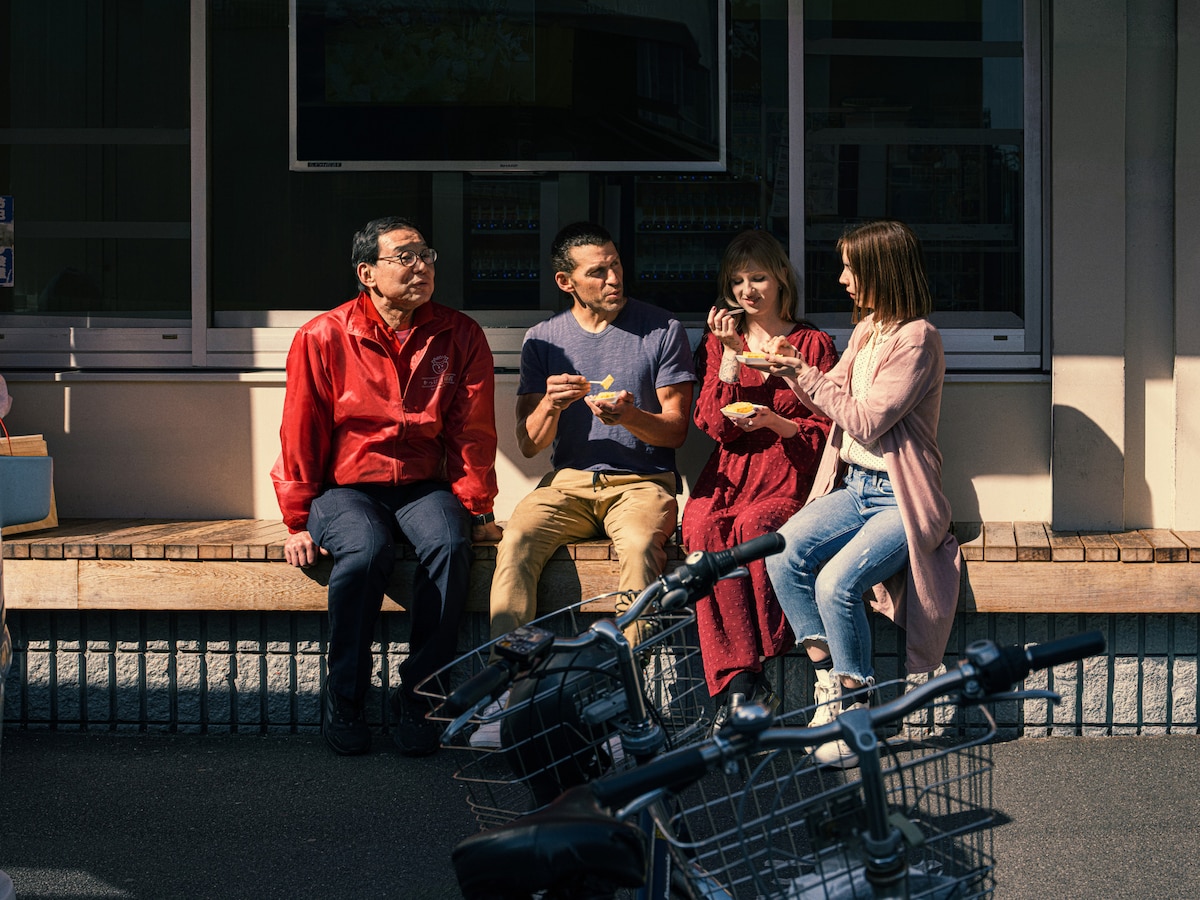
Toshi Experience World’s largest fish market tour
Sat, Feb 28 • 12:00 PM
135-0061, Tokyo Prefecture, Koto City, Japan
View details
Nearby attractions of State Guest House Akasaka Palace
Main Garden
Front Yard of State Guest House
Akasaka State Guest House East Gate (Kishu clan Tokugawa Nakayashiki front gate)
Kioi Hall
Wakaba East Park
Yotsuya-Mitsuke Park
Sophia University Yotsuya Campus
Toyokawa-inari Tokyo-betsuin Temple
Hotel New Otani Japanese Garden
St. Ignatius Catholic Church
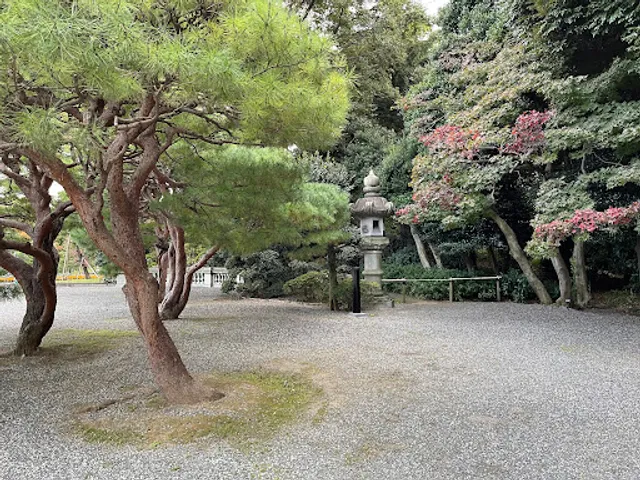
Main Garden
4.6
(106)
Closed
Click for details
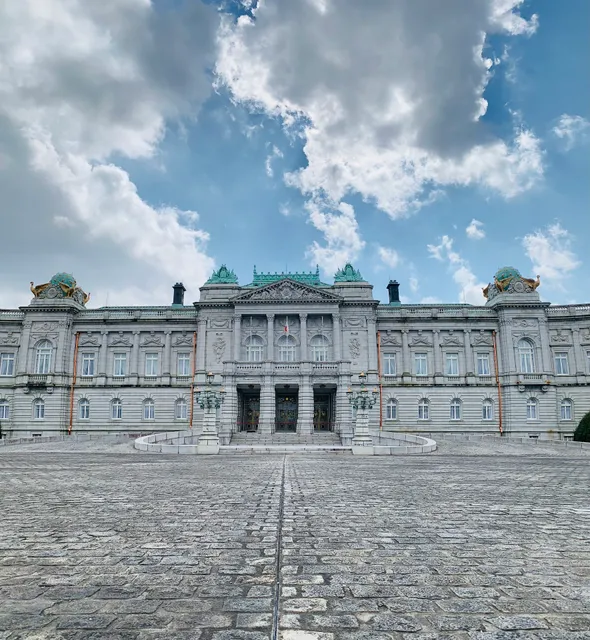
Front Yard of State Guest House
4.6
(74)
Open 24 hours
Click for details
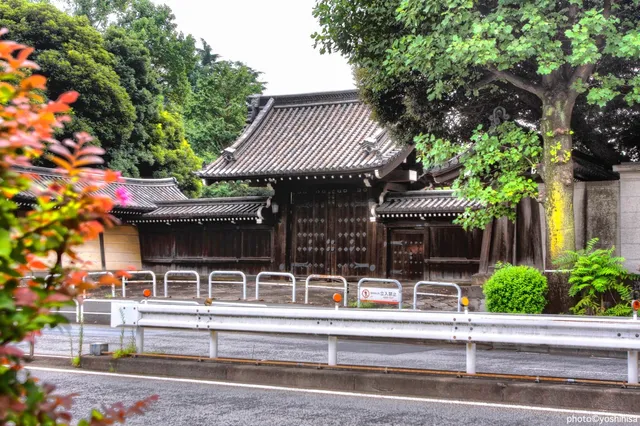
Akasaka State Guest House East Gate (Kishu clan Tokugawa Nakayashiki front gate)
4.2
(55)
Open until 12:00 AM
Click for details
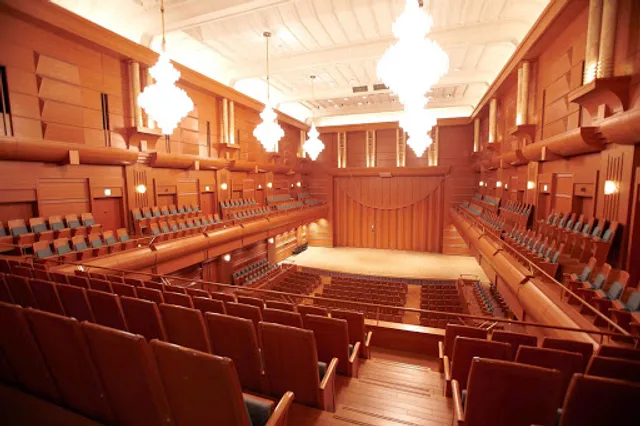
Kioi Hall
4.3
(816)
Open 24 hours
Click for details
Nearby restaurants of State Guest House Akasaka Palace
View & Dining The Sky
Tour d'Argent Tokyo
Kyubey Hotel New Otani The Main Branch
Taikan En
Hashiguchi
Trader Vic's Tokyo
Tonkatsu Fumizen New Otani Hotel Main Shop
AUX BACCHANALES KIOICHO
TORAYA Akasaka Main Store
SATSUKI サツキ
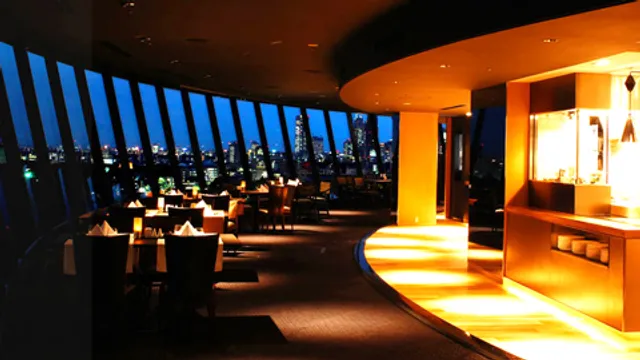
View & Dining The Sky
4.3
(946)
Closed
Click for details
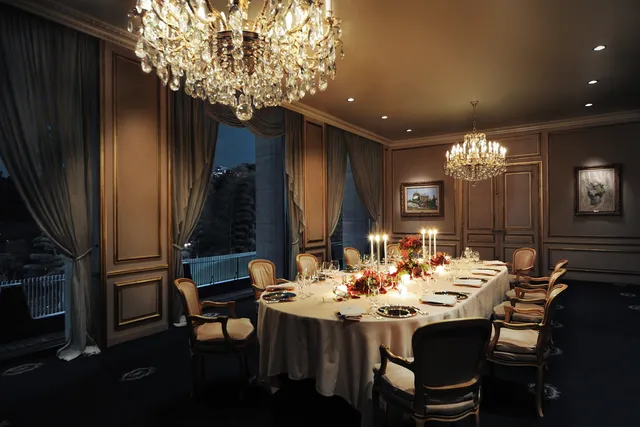
Tour d'Argent Tokyo
4.6
(332)
Closed
Click for details

Kyubey Hotel New Otani The Main Branch
4.2
(113)
Closed
Click for details
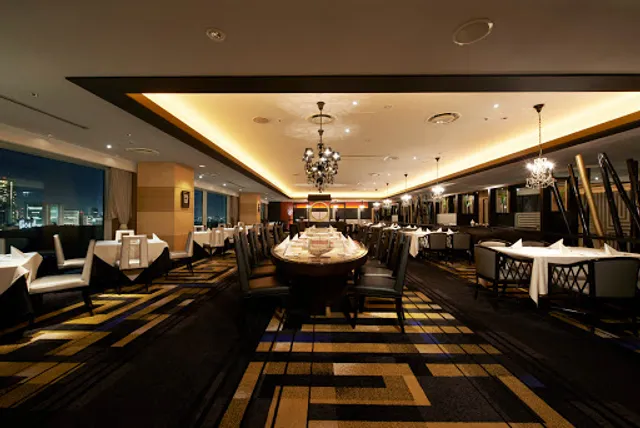
Taikan En
4.2
(155)
Open until 10:00 PM
Click for details
Nearby local services of State Guest House Akasaka Palace
Japanese Style Annex, Yushintei
Tokyo Ramen Tours
Ryushuin
Akasaka Residence
Garden Pool
Hotel New Otani - The Main Shopping Arcade
Seirinji
Tsubomiya
Yotsuya Station
atré Yotsuya
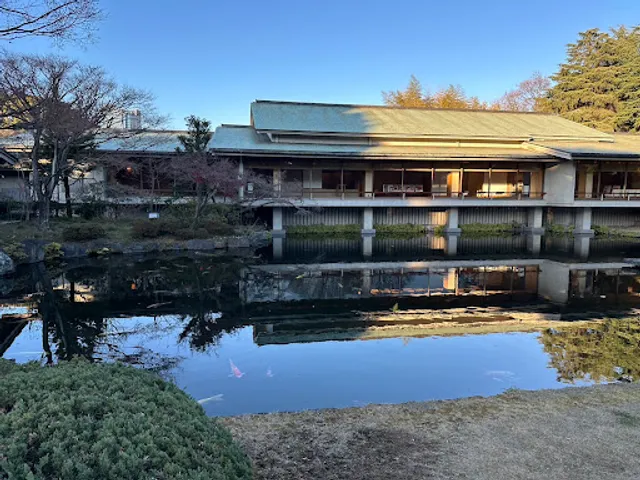
Japanese Style Annex, Yushintei
4.7
(44)
Click for details
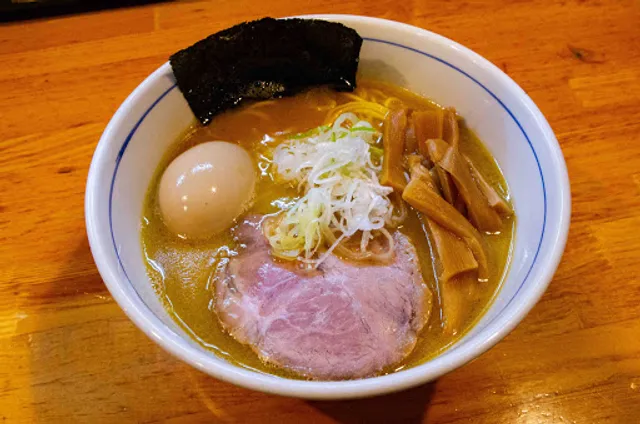
Tokyo Ramen Tours
5.0
(291)
Click for details
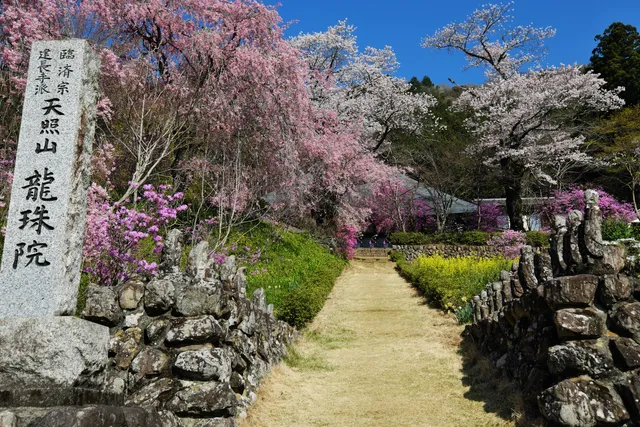
Ryushuin
4.3
(79)
Click for details

Akasaka Residence
4.3
(63)
Click for details