HTML SitemapExplore
logo
Find Things to DoFind The Best Restaurants

Taira no Masakado's Grave — Attraction in Tokyo

Name
Taira no Masakado's Grave
Description
Nearby attractions
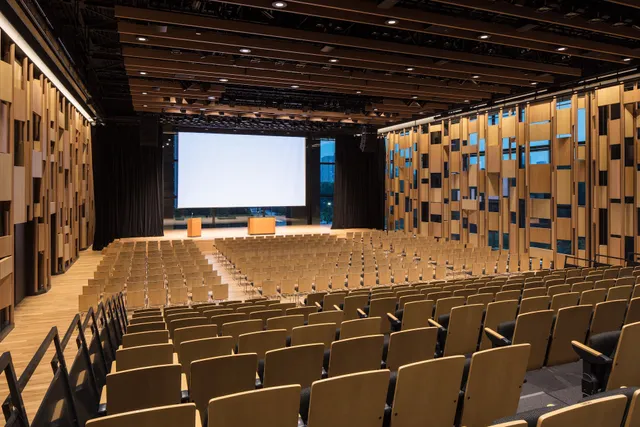
Otemachi Mitsui Hall
Japan, 〒100-0004 Tokyo, Chiyoda City, Ōtemachi, 1 Chome−2−1 Otemachi One 3F
Yomiuri Otemachi Hall
1 Chome-7-1 Ōtemachi, Chiyoda City, Tokyo 100-0004, Japan
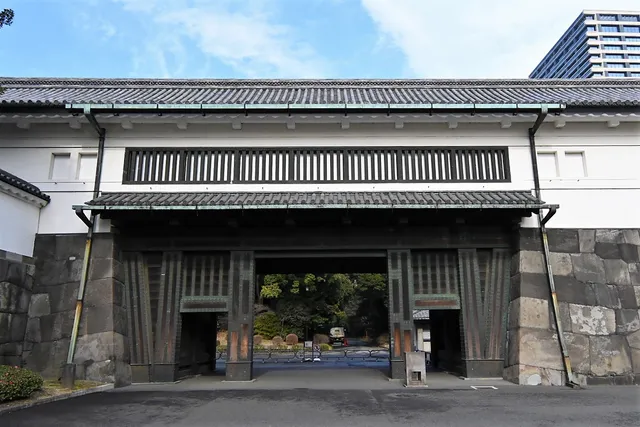
Ōte-mon Gate (Gate to the East Gardens)
1-1 Chiyoda, Chiyoda City, Tokyo 100-0001, Japan
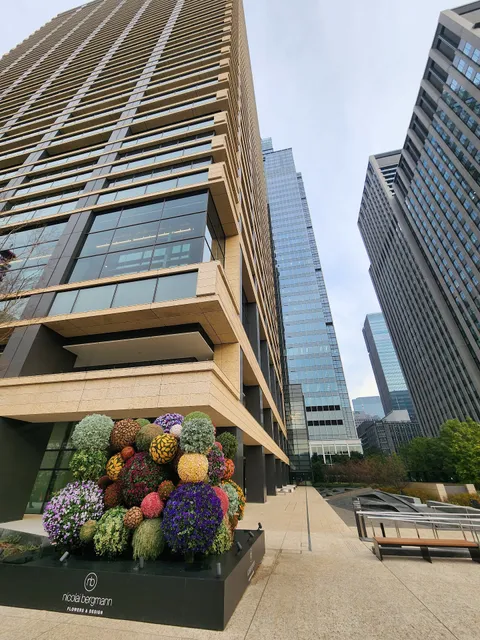
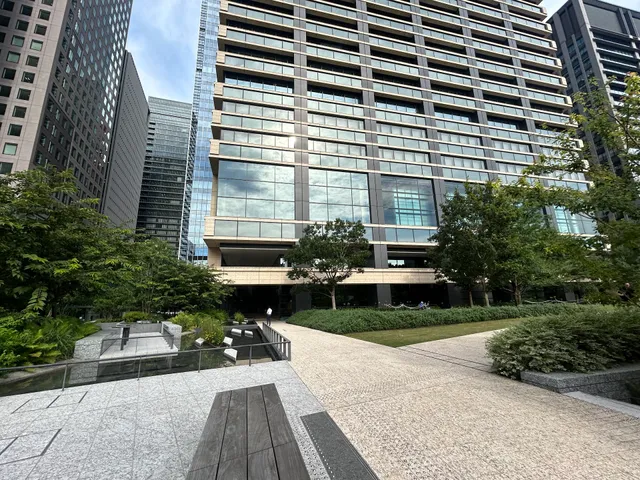
Otemachi One Garden
1 Chome-2-1 Ōtemachi, Chiyoda City, Tokyo 100-0004, Japan
The National Museum of the Imperial Collections, Sannomaru Shozokan
Japan, 〒100-0001 Tokyo, Chiyoda City, Chiyoda, 1−8 皇居東御苑 内
Imperial Palace East National Gardens
1-1 Chiyoda, Chiyoda City, Tokyo 100-8111, Japan
Kanda Bridge
1 Chome-3 Uchikanda, Chiyoda City, Tokyo 101-0047, Japan
Ninomaru Garden
1-1 Chiyoda, Chiyoda City, Tokyo 100-0001, Japan
Ote-bori Moat (The East Gardens of the Imperial Palace)
1-1 Chiyoda, Chiyoda City, Tokyo 100-0001, Japan
Hotoria Square
1 Chome-1 Ōtemachi, Chiyoda City, Tokyo 100-0004, Japan
Nearby restaurants
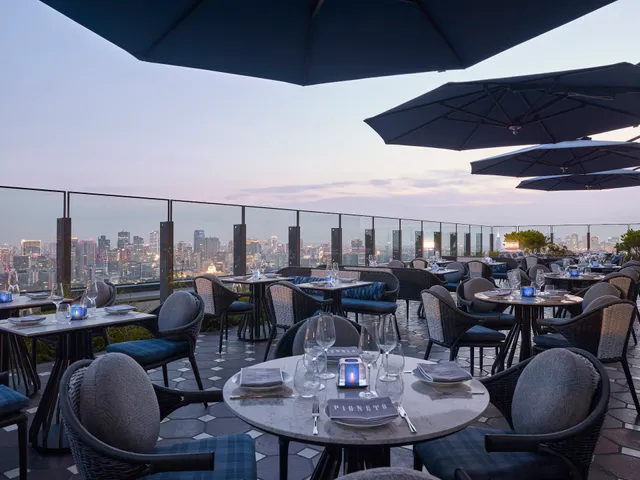
PIGNETO
1 Chome-2-1 Ōtemachi, Chiyoda City, Tokyo 100-0004, Japan
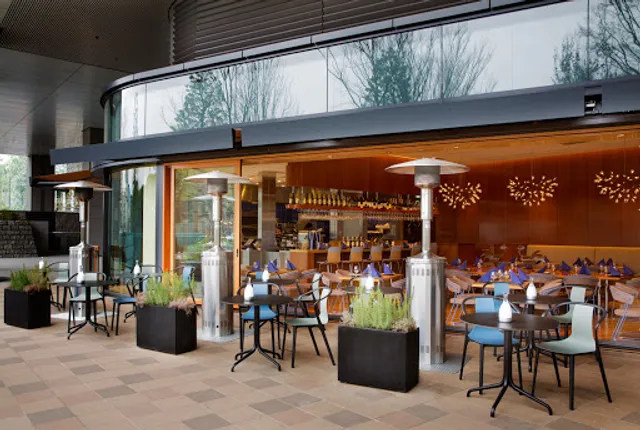
Le Poulet Brasserie Ukai
Japan, 〒100-0004 Tokyo, Chiyoda City, Ōtemachi, 1 Chome−1−1 パークビルディング 1F
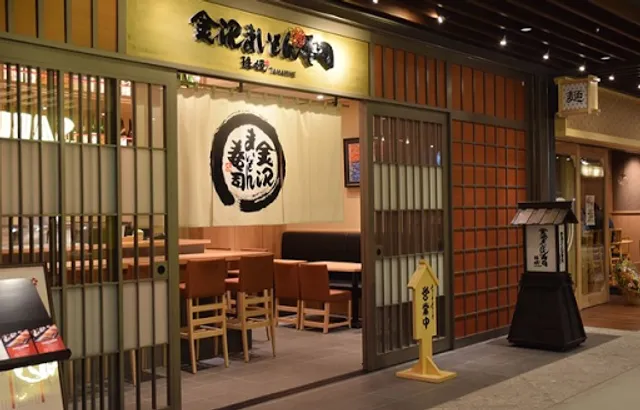
Kanazawa Maimon Sushi Tamahime Otemachi
Japan, 〒100-0004 Tokyo, Chiyoda City, Ōtemachi, 1 Chome−1−1 パークビルディングホトリア『よいまち』地下1階
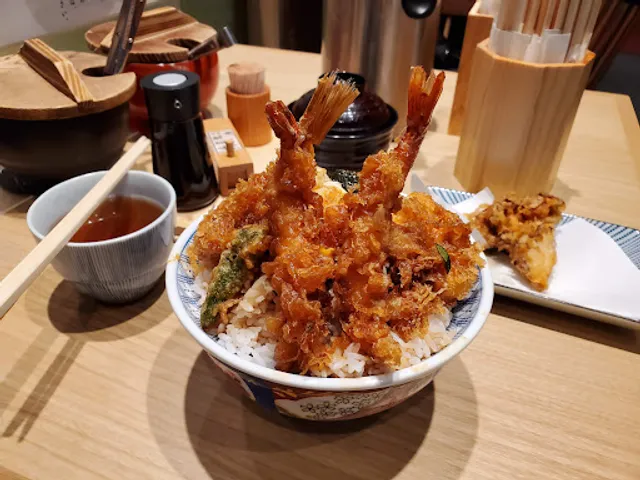
Tendon Kanekohannosuke Otemachi One
Otemachi One, B1F, 1 Chome-2-1 Ōtemachi, Chiyoda City, Tokyo 100-0004, Japan
Mallory Pork Steak Otemachi Hotoria
Japan, 〒100-0004 Tokyo, Chiyoda City, Ōtemachi, 1 Chome−1−2 Otemon Tower, B1F ・JXビル
Moyan Curry
Japan, 〒100-0004 Tokyo, Chiyoda City, Ōtemachi, 1 Chome−1−2 Otemon Tower, B1
Yakiniku Kankokuryori KollaBo (Korabo) Otemachiten
Japan, 〒100-0004 Tokyo, Chiyoda City, Ōtemachi, 1 Chome−2 1Otemachi One B2F
est
1 Chome-2-1 Ōtemachi, Chiyoda City, Tokyo 100-0004, Japan
Sakanasama
Japan, 〒100-0004 Tokyo, Chiyoda City, Ōtemachi, 1 Chome−1−1 パークビルディング B1
Tsujita Otemachi One
Otemachi One, B1F, 1 Chome-2-1 Ōtemachi, Chiyoda City, Tokyo 100-0004, Japan
Nearby hotels
Four Seasons Hotel Tokyo at Otemachi
1 Chome-2-1 Ōtemachi, Chiyoda City, Tokyo 100-0004, Japan
Otemachi One
Japan, 〒100-0004 Tokyo, Chiyoda City, Ōtemachi, 1 Chome−2−1 地下鉄C4 C5出口
Ascott Marunouchi Tokyo
1 Chome-1-1 Ōtemachi, Chiyoda City, Tokyo 100-0004, Japan
HOSHINOYA Tokyo
1 Chome-9-1 Ōtemachi, 千代田区 Chiyoda City, Tokyo 100-0004, Japan
Palace Hotel Tokyo
1 Chome-1-1 Marunouchi, Chiyoda City, Tokyo 100-0005, Japan
Aman Tokyo
The Otemachi Tower, 1 Chome-5-6 Ōtemachi, Chiyoda City, Tokyo 100-0004, Japan
Mitsui Garden Hotel Otemachi
2 Chome-1-2 Uchikanda, Chiyoda City, Tokyo 101-0047, Japan
Toyoko INN Tokyo Otemachi
1 Chome-8-10 Uchikanda, Chiyoda City, Tokyo 101-0047, Japan
Hotel Villa Fontaine Otemachi
1 Chome-8-8 Uchikanda, Chiyoda City, Tokyo 101-0047, Japan
Marunouchi Hotel
1 Chome-6-3 Marunouchi, Chiyoda City, Tokyo 100-0005, Japan
Related posts
Keywords
Taira no Masakado's Grave tourism.Taira no Masakado's Grave hotels.Taira no Masakado's Grave bed and breakfast. flights to Taira no Masakado's Grave.Taira no Masakado's Grave attractions.Taira no Masakado's Grave restaurants.Taira no Masakado's Grave travel.Taira no Masakado's Grave travel guide.Taira no Masakado's Grave travel blog.Taira no Masakado's Grave pictures.Taira no Masakado's Grave photos.Taira no Masakado's Grave travel tips.Taira no Masakado's Grave maps.Taira no Masakado's Grave things to do.
Taira no Masakado's Grave things to do, attractions, restaurants, events info and trip planning
Taira no Masakado's Grave
JapanTokyoTaira no Masakado's Grave

Basic Info

Taira no Masakado's Grave

1 Chome-2-1 Ōtemachi, Chiyoda City, Tokyo 100-0004, Japan
4.5(1.2K)
Open until 12:00 AM
Save
spot

Ratings & Description

Info

Cultural
Accessibility
attractions: Otemachi Mitsui Hall, Yomiuri Otemachi Hall, Ōte-mon Gate (Gate to the East Gardens), Otemachi One Garden, The National Museum of the Imperial Collections, Sannomaru Shozokan, Imperial Palace East National Gardens, Kanda Bridge, Ninomaru Garden, Ote-bori Moat (The East Gardens of the Imperial Palace), Hotoria Square, restaurants: PIGNETO, Le Poulet Brasserie Ukai, Kanazawa Maimon Sushi Tamahime Otemachi, Tendon Kanekohannosuke Otemachi One, Mallory Pork Steak Otemachi Hotoria, Moyan Curry, Yakiniku Kankokuryori KollaBo (Korabo) Otemachiten, est, Sakanasama, Tsujita Otemachi One
logoLearn more insights from Wanderboat AI.
Website
visit-chiyoda.tokyo
Open hoursSee all hours
MonOpen 24 hoursOpen

Plan your stay

hotel
Pet-friendly Hotels in Tokyo
Find a cozy hotel nearby and make it a full experience.

hotel
Affordable Hotels in Tokyo
Find a cozy hotel nearby and make it a full experience.

hotel
The Coolest Hotels You Haven't Heard Of (Yet)
Find a cozy hotel nearby and make it a full experience.

hotel
Trending Stays Worth the Hype in Tokyo
Find a cozy hotel nearby and make it a full experience.

Reviews

Nearby attractions of Taira no Masakado's Grave

Otemachi Mitsui Hall

Yomiuri Otemachi Hall

Ōte-mon Gate (Gate to the East Gardens)

Otemachi One Garden

The National Museum of the Imperial Collections, Sannomaru Shozokan

Imperial Palace East National Gardens

Kanda Bridge

Ninomaru Garden

Ote-bori Moat (The East Gardens of the Imperial Palace)

Hotoria Square

Otemachi Mitsui Hall

Otemachi Mitsui Hall

4.2

(360)

Closed
Click for details
Yomiuri Otemachi Hall

Yomiuri Otemachi Hall

4.2

(231)

Open 24 hours
Click for details
Ōte-mon Gate (Gate to the East Gardens)

Ōte-mon Gate (Gate to the East Gardens)

4.4

(311)

Open 24 hours
Click for details
Otemachi One Garden

Otemachi One Garden

4.3

(24)

Open 24 hours
Click for details

Things to do nearby

Toshi Experience World’s largest fish market tour
Tue, Dec 9 • 12:00 PM
135-0061, Tokyo Prefecture, Koto City, Japan
View details
Eat/drink like A Local-Taverns&Ramen in Tokyo Ueno
Mon, Dec 8 • 7:00 PM
110-0005, Tokyo Prefecture, Taito City, Japan
View details
Shinjuku Izakaya Tour with an Expert
Tue, Dec 9 • 5:00 PM
160-0023, Tokyo Prefecture, Shinjuku City, Japan
View details
Nearby restaurants of Taira no Masakado's Grave

PIGNETO

Le Poulet Brasserie Ukai

Kanazawa Maimon Sushi Tamahime Otemachi

Tendon Kanekohannosuke Otemachi One

Mallory Pork Steak Otemachi Hotoria

Moyan Curry

Yakiniku Kankokuryori KollaBo (Korabo) Otemachiten

est

Sakanasama

Tsujita Otemachi One

PIGNETO

PIGNETO

4.4

(201)

Click for details
Le Poulet Brasserie Ukai

Le Poulet Brasserie Ukai

4.2

(201)

$$$

Click for details
Kanazawa Maimon Sushi Tamahime Otemachi

Kanazawa Maimon Sushi Tamahime Otemachi

4.0

(163)

$$$

Click for details
Tendon Kanekohannosuke Otemachi One

Tendon Kanekohannosuke Otemachi One

3.8

(114)

$

Click for details
Get the Appoverlay
Get the AppOne tap to find yournext favorite spots!
Wanderboat LogoWanderboat

Your everyday Al companion for getaway ideas

CompanyAbout Us
InformationAI Trip PlannerSitemap
SocialXInstagramTiktokLinkedin
LegalTerms of ServicePrivacy Policy

Get the app

© 2025 Wanderboat. All rights reserved.
logo

Reviews of Taira no Masakado's Grave

4.5
(1,232)
avatar
5.0
28w

A Hauntingly Beautiful Experience at Taira no Masakado’s Grave

Visiting the grave of Taira no Masakado in Tokyo is an unforgettable journey into the heart of Japan’s storied past. This sacred site, nestled amidst the modern cityscape, radiates a timeless beauty that captivates the soul. It is a place where history and legend intertwine, offering an experience that lingers long after you leave.

Taira no Masakado, a samurai who rebelled against the emperor over 1,100 years ago, is said to linger here as a powerful spirit. In life, he was an unstoppable force, commanding respect and awe; in death, his presence demands no less. The locals honor this legendary figure with deep reverence, and as a visitor, you’re expected to do the same. Approach his grave with a pure heart and unwavering respect, for it is believed that Masakado’s spirit can sense your intentions.

As I stood before his resting place, I felt a profound energy—an almost tangible gaze from the shadows, as if Masakado himself were watching. To honor him, I offered a simple bow, eyes closed, hands pressed together in a gesture of sincerity. Speaking softly, I presented a small offering, a token of respect for this enduring legend. The act felt like a quiet communion with history, a moment to connect with the spirit of a warrior whose influence transcends time.

This is not a place for carelessness or disrespect. Locals believe that foolishness or brash behavior—akin to what some might call “Rocky Mountain rudeness”—could invite misfortune, threatening not just your visit but your success and happiness in life. Masakado’s spirit, freed from its mortal shell, remains a formidable presence, commanding the same reverence he did in life. Approach with humility, and you’ll pass what locals call his “vibe test,” feeling the weight of his legacy in a way that’s both humbling and inspiring.

In a Christian Science light, one might see Masakado’s enduring spirit as a reflection of the eternal nature of strength and honor, a reminder to approach sacred spaces with mindfulness and purity of intent. This grave is more than a historical site; it’s a testament to the power of respect and the beauty of connecting with Japan’s ancient soul. For those who come with an open heart, Masakado’s grave is a place of profound beauty, forever etched in memory as a truly...

   Read more
avatar
5.0
1y

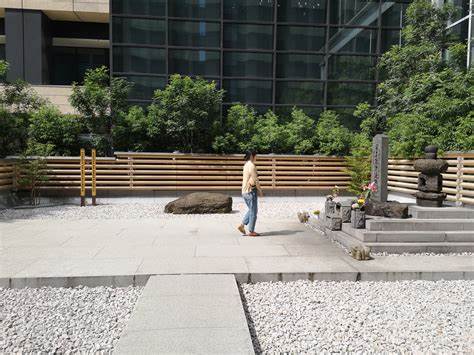
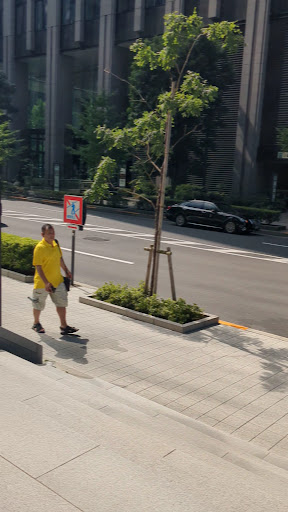
Facing the steps while standing on the sidewalk: Bow once. Go up the steps and approach the grave. Walk either on the left side or the right side of the walkway. DO NOT walk on the center: the center is for the gods. Bow twice to the grave. Give a few yen: 5yen coins if possible. Clap you hands twice and keep them together. Make a prayer. Bow and walk back and AROUND if other people are praying. When you are back on the sidewalk, face the steps and bow once more.

This is not a haunted place or a place for ghost hunting. The story of the person interred here is of Taira No Masakado. Please do some research on his life before making this trip. The grounds are cleaned and washed by a non-profit organization so there will be times when there is inscent burning or freshly poured water on the grave. This is free but it is recommended that a small donation be given. I have visited several times and I like to bring him sake. May he...

   Read more
avatar
5.0
4y

都の指定史跡。

令和3年4月27日訪問。令和の普請工事が終わり,境内がきれいになった。というよりも「思い切って様相を変えてみた」に近い。境内の至るところに九曜紋を,隠れミッキー的にあしらっていた。

伝承上,将門塚は平安時代から存在したというが,鎌倉時代後期には荒廃し,これを憐れんだ真教という僧侶が改修を行ったとされる。 江戸時代になると,将門塚は大名屋敷の庭の中に含まれたため,当該大名によって管理・維持されていたものと考えられる。 明治維新後は,織田完之らの働きかけにより将門塚保存の機運が高まり,『故蹟保存碑』や『二代目石塔婆』などが建てられた。 しかし,大正時代,関東大震災によって壊滅的な被害を受け,その後の改修によって,江戸以前の様相がほぼ完全に失われた。 そして,戦後に結成された将門塚保存会による改修は,計六回を数えている(1961年,1963年,1965年,1973年,1976年,2020年)。

以上の通り,将門塚は歴史上複数回の改修が繰り返されている。特に,多くの人がパワースポットとして慣れ親しむ様になった景観は,同会によって1973年に創作されたものであった点に留意されたい。

以下に,観察情報を記載する。

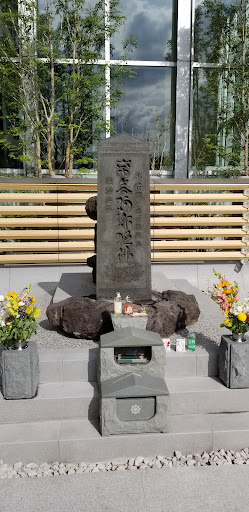
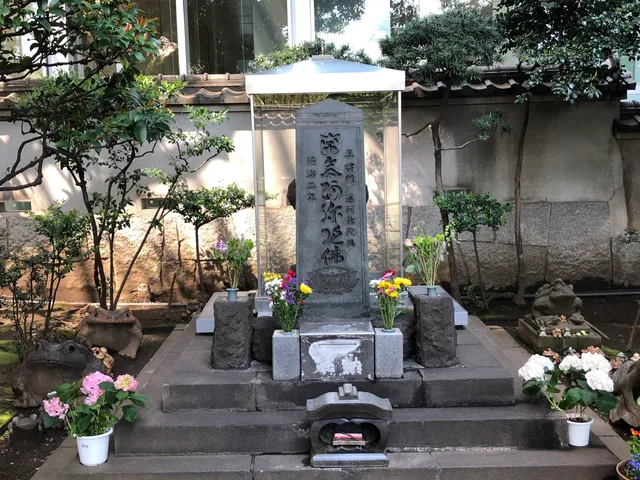
【平将門石塔婆】 結論から言えば,この石造物は四代目。 オリジナルは鎌倉時代の僧侶 真教が作ったと伝わるが,江戸中期以降に逸失していたという。 二代目は,明治四十年(1907年),将門塚の保存を訴えた織田完之らによって建てられる。なんでも江戸中期の其阿という僧侶がオリジナルから拓本を採っていたらしく,二代目は,この揮毫を元に再現されたとされる。しかし,これも昭和十五年(1940年)の雷火によって焼失した。 三代目は,大蔵大臣 河田烈によって再建されたが,これも昭和四十五年(1970年)七月に逸失。そして,同年九月に四代目が再々々建された。

正面右には「平將門 蓮阿彌陀佛」「徳治二年」「南無阿彌陀佛」と独特な書体で名号を陰刻し,その下に蓮花座を線刻する。裏面には,再々々建までの経緯が刻まれていた。

【千鳥石】 明治期当地には,古井戸と池があり,この石はその池にあったという。古井戸は池の傍にあって,「そこで将門の首を洗ったのだ」という伝承があった。しかし,古くから「その信憑性は低い」とされていた(『墓碑史蹟研究』)。いずれも現存しない。

【故蹟保存碑】 明治三十九年(1906年)五月健之銘。題字揮毫 河田烈。裏面に漢文。阪谷芳郎 撰文。調べるに,これも二代目で,明治三十九年のオリジナルは逸失しているとのこと。 肝心の碑文内容は,大蔵省創立三十七年の省史を編纂しようとして編纂委員会を立ち上げたことを記念するものであり,その序として,当地にあった平将門の塚の保存の由縁を刻んでいる様に読める。 なお,二代目の漢文内容は,オリジナルと一致している様である(『墓碑史蹟研究』)。 以下に,首塚に関連する部分のみを抜粋して私訳を試みる。

≪故蹟保存碑 抄訳 訓読≫ ……按(カンガエ)るに,此地(コノチ)芝崎村(シバサキムラ)と昔(イニシエ)に稱(ショウ)し,寺嚮(サキ)に有り。曰く,「日輪寺の平將門の冢(ツカ)焉(ココ)に在(ア)り。德治二年,遊行(ユギョウ)眞教坊(シンキョウボウ)芝﨑道場(シバサキドウジョウ)と改称し,將門に蓮阿彌陀佛(レンアミダブツ)と諡(オク)る。親(ミズカ)ら書(カキ)て,碑を植(タ)ち,祠を造(ツクリ)て,其祀(ソノマツリ)を存(タモ)つ」と云い, 今猶(イマナオ)古冢(コチョウ)井池(セイチ)喬木(キョウボク)石燈(セキトウ)水磐(スイバン)存(タモタレ)て有り。事(コトガラ)子(オトコ)織田完之(オダカンシ)の『將門故蹟考』の著(アラワ)す所に詳(クワシ)く,地形の變遷(ヘンセン)を顧(カエリミル)に,故蹟(コセキ)隱晦(インカイ)易(シヤス)く,保存の方,後人(コウジン)宜(ヨロシ)く講(コウ)ずべきなり……

≪上記私訳≫ ……(撰文者...

   Read more
Page 1 of 7
Previous
Next

Posts

Toby DelkToby Delk
**A Hauntingly Beautiful Experience at Taira no Masakado’s Grave** Visiting the grave of Taira no Masakado in Tokyo is an unforgettable journey into the heart of Japan’s storied past. This sacred site, nestled amidst the modern cityscape, radiates a timeless beauty that captivates the soul. It is a place where history and legend intertwine, offering an experience that lingers long after you leave. Taira no Masakado, a samurai who rebelled against the emperor over 1,100 years ago, is said to linger here as a powerful spirit. In life, he was an unstoppable force, commanding respect and awe; in death, his presence demands no less. The locals honor this legendary figure with deep reverence, and as a visitor, you’re expected to do the same. Approach his grave with a pure heart and unwavering respect, for it is believed that Masakado’s spirit can sense your intentions. As I stood before his resting place, I felt a profound energy—an almost tangible gaze from the shadows, as if Masakado himself were watching. To honor him, I offered a simple bow, eyes closed, hands pressed together in a gesture of sincerity. Speaking softly, I presented a small offering, a token of respect for this enduring legend. The act felt like a quiet communion with history, a moment to connect with the spirit of a warrior whose influence transcends time. This is not a place for carelessness or disrespect. Locals believe that foolishness or brash behavior—akin to what some might call “Rocky Mountain rudeness”—could invite misfortune, threatening not just your visit but your success and happiness in life. Masakado’s spirit, freed from its mortal shell, remains a formidable presence, commanding the same reverence he did in life. Approach with humility, and you’ll pass what locals call his “vibe test,” feeling the weight of his legacy in a way that’s both humbling and inspiring. In a Christian Science light, one might see Masakado’s enduring spirit as a reflection of the eternal nature of strength and honor, a reminder to approach sacred spaces with mindfulness and purity of intent. This grave is more than a historical site; it’s a testament to the power of respect and the beauty of connecting with Japan’s ancient soul. For those who come with an open heart, Masakado’s grave is a place of profound beauty, forever etched in memory as a truly extraordinary experience.
山田万歳山田万歳
都の指定史跡。 令和3年4月27日訪問。令和の普請工事が終わり,境内がきれいになった。というよりも「思い切って様相を変えてみた」に近い。境内の至るところに九曜紋を,隠れミッキー的にあしらっていた。 伝承上,将門塚は平安時代から存在したというが,鎌倉時代後期には荒廃し,これを憐れんだ真教という僧侶が改修を行ったとされる。 江戸時代になると,将門塚は大名屋敷の庭の中に含まれたため,当該大名によって管理・維持されていたものと考えられる。 明治維新後は,織田完之らの働きかけにより将門塚保存の機運が高まり,『故蹟保存碑』や『二代目石塔婆』などが建てられた。 しかし,大正時代,関東大震災によって壊滅的な被害を受け,その後の改修によって,江戸以前の様相がほぼ完全に失われた。 そして,戦後に結成された将門塚保存会による改修は,計六回を数えている(1961年,1963年,1965年,1973年,1976年,2020年)。 以上の通り,将門塚は歴史上複数回の改修が繰り返されている。特に,多くの人がパワースポットとして慣れ親しむ様になった景観は,同会によって1973年に創作されたものであった点に留意されたい。 以下に,観察情報を記載する。 【平将門石塔婆】 結論から言えば,この石造物は四代目。 オリジナルは鎌倉時代の僧侶 真教が作ったと伝わるが,江戸中期以降に逸失していたという。 二代目は,明治四十年(1907年),将門塚の保存を訴えた織田完之らによって建てられる。なんでも江戸中期の其阿という僧侶がオリジナルから拓本を採っていたらしく,二代目は,この揮毫を元に再現されたとされる。しかし,これも昭和十五年(1940年)の雷火によって焼失した。 三代目は,大蔵大臣 河田烈によって再建されたが,これも昭和四十五年(1970年)七月に逸失。そして,同年九月に四代目が再々々建された。 正面右には「平將門 蓮阿彌陀佛」「徳治二年」「南無阿彌陀佛」と独特な書体で名号を陰刻し,その下に蓮花座を線刻する。裏面には,再々々建までの経緯が刻まれていた。 【千鳥石】 明治期当地には,古井戸と池があり,この石はその池にあったという。古井戸は池の傍にあって,「そこで将門の首を洗ったのだ」という伝承があった。しかし,古くから「その信憑性は低い」とされていた(『墓碑史蹟研究』)。いずれも現存しない。 【故蹟保存碑】 明治三十九年(1906年)五月健之銘。題字揮毫 河田烈。裏面に漢文。阪谷芳郎 撰文。調べるに,これも二代目で,明治三十九年のオリジナルは逸失しているとのこと。 肝心の碑文内容は,大蔵省創立三十七年の省史を編纂しようとして編纂委員会を立ち上げたことを記念するものであり,その序として,当地にあった平将門の塚の保存の由縁を刻んでいる様に読める。 なお,二代目の漢文内容は,オリジナルと一致している様である(『墓碑史蹟研究』)。 以下に,首塚に関連する部分のみを抜粋して私訳を試みる。 ≪故蹟保存碑 抄訳 訓読≫ ……按(カンガエ)るに,此地(コノチ)芝崎村(シバサキムラ)と昔(イニシエ)に稱(ショウ)し,寺嚮(サキ)に有り。曰く,「日輪寺の平將門の冢(ツカ)焉(ココ)に在(ア)り。德治二年,遊行(ユギョウ)眞教坊(シンキョウボウ)芝﨑道場(シバサキドウジョウ)と改称し,將門に蓮阿彌陀佛(レンアミダブツ)と諡(オク)る。親(ミズカ)ら書(カキ)て,碑を植(タ)ち,祠を造(ツクリ)て,其祀(ソノマツリ)を存(タモ)つ」と云い, 今猶(イマナオ)古冢(コチョウ)井池(セイチ)喬木(キョウボク)石燈(セキトウ)水磐(スイバン)存(タモタレ)て有り。事(コトガラ)子(オトコ)織田完之(オダカンシ)の『將門故蹟考』の著(アラワ)す所に詳(クワシ)く,地形の變遷(ヘンセン)を顧(カエリミル)に,故蹟(コセキ)隱晦(インカイ)易(シヤス)く,保存の方,後人(コウジン)宜(ヨロシ)く講(コウ)ずべきなり…… ≪上記私訳≫ ……(撰文者 阪谷芳郎が)調べるに,この土地はかつて芝崎村と呼ばれ,寺が近くにあったとされる。言い伝えには,「日輪寺の平将門の塚はここにあった。1307年(徳治二年),遊行の真教が(日輪寺を)芝崎道場と改称し,将門に『蓮阿彌陀佛』と(忌名を)贈る。(真教が)自ら筆をとり,碑を建てて,祠を造営し,その祭礼を守ってきた」とあり,1906年(明治三十九年)現在もなお,古塚,池井,高木,石灯籠,手水石が残っている。将門塚については,織田完之なる男の『將門故蹟考』(という本)に詳しく,地形の変遷を考えると史跡として滅失しやすい(状態にあるという)ので,保存の方は,後世の人々が行うべきであろう……
HK. CyberHK. Cyber
東京都指定の旧跡の一つですが、畏怖の対象としてのパワースポット、という印象が強いスポットです。 承平天慶の乱により討ち取られ、京都に晒された平将門の首が、光を放って東方に飛び去り、この地に落ちたという伝承があります。村人によって埋葬されたものの強い怨念から祟りが相次いだことから、神田明神の祭神として祀る等供養を施したところ、怨念も鎮まり、その後はこの地の守護神になった、と伝わります。1000年以上も前の伝承であるため、単なる伝承に過ぎなかったはずが、関東大震災や第二次世界大戦後の都市復興の区画整理の際、不用意にこの塚の取り壊しや移設をしようとしたため、不審の事故や死傷者が相次いだことから、単なる伝承では済まされなくなり、整備を繰り返しながら今日まで保存されるに至ります。 近隣企業が参加した保存会によって維持管理されるため、敷地内は勿論周辺も一切のゴミの散乱も無く美しく保たれています。塚以外何もなく、また供養塔への賽銭や供え物は禁止となっています。ただ静かに心穏やかにお参りするといいでしょう。 It's one of the historic sites designated by the Tokyo Metropolitan Government, but it gives the strong impression of being a power spot as an awe-inspiring object of worship. According to mere folklore, the head of Taira no Masakado, who was defeated in the Johei-Tengyo Rebellion and exposed in Kyoto, flew away to the east and fell here. The villagers buried the head, but it was cursed by a strong grudge, so he was enshrined as a deity of Kanda Myojin and other offerings were made, the grudge was quelled, and he became the guardian deity of the area. You would think that this is mere folklore, since it's more than 1,000 years old. But what would you think if, just 100 years ago, during the Great Kanto Earthquake or during the rezoning of the city for urban reconstruction after World War II, an attempt was made to inadvertently tear down or relocate this mound, resulting in a series of suspicious accidents, casualties, and injuries? This could no longer be mere folklore, and it has been preserved to this day through repeated maintenance. The mound is maintained and managed by a preservation society with the participation of neighboring businesses, so the site and surrounding area are kept beautiful and free of any litter. There is nothing to see but the mound, and offering money or offerings to the memorial tower is prohibited. It is best to simply visit the mound quietly and peacefully.
See more posts
See more posts
hotel
Find your stay

Pet-friendly Hotels in Tokyo

Find a cozy hotel nearby and make it a full experience.

**A Hauntingly Beautiful Experience at Taira no Masakado’s Grave** Visiting the grave of Taira no Masakado in Tokyo is an unforgettable journey into the heart of Japan’s storied past. This sacred site, nestled amidst the modern cityscape, radiates a timeless beauty that captivates the soul. It is a place where history and legend intertwine, offering an experience that lingers long after you leave. Taira no Masakado, a samurai who rebelled against the emperor over 1,100 years ago, is said to linger here as a powerful spirit. In life, he was an unstoppable force, commanding respect and awe; in death, his presence demands no less. The locals honor this legendary figure with deep reverence, and as a visitor, you’re expected to do the same. Approach his grave with a pure heart and unwavering respect, for it is believed that Masakado’s spirit can sense your intentions. As I stood before his resting place, I felt a profound energy—an almost tangible gaze from the shadows, as if Masakado himself were watching. To honor him, I offered a simple bow, eyes closed, hands pressed together in a gesture of sincerity. Speaking softly, I presented a small offering, a token of respect for this enduring legend. The act felt like a quiet communion with history, a moment to connect with the spirit of a warrior whose influence transcends time. This is not a place for carelessness or disrespect. Locals believe that foolishness or brash behavior—akin to what some might call “Rocky Mountain rudeness”—could invite misfortune, threatening not just your visit but your success and happiness in life. Masakado’s spirit, freed from its mortal shell, remains a formidable presence, commanding the same reverence he did in life. Approach with humility, and you’ll pass what locals call his “vibe test,” feeling the weight of his legacy in a way that’s both humbling and inspiring. In a Christian Science light, one might see Masakado’s enduring spirit as a reflection of the eternal nature of strength and honor, a reminder to approach sacred spaces with mindfulness and purity of intent. This grave is more than a historical site; it’s a testament to the power of respect and the beauty of connecting with Japan’s ancient soul. For those who come with an open heart, Masakado’s grave is a place of profound beauty, forever etched in memory as a truly extraordinary experience.
Toby Delk

Toby Delk

hotel
Find your stay

Affordable Hotels in Tokyo

Find a cozy hotel nearby and make it a full experience.

Get the Appoverlay
Get the AppOne tap to find yournext favorite spots!
都の指定史跡。 令和3年4月27日訪問。令和の普請工事が終わり,境内がきれいになった。というよりも「思い切って様相を変えてみた」に近い。境内の至るところに九曜紋を,隠れミッキー的にあしらっていた。 伝承上,将門塚は平安時代から存在したというが,鎌倉時代後期には荒廃し,これを憐れんだ真教という僧侶が改修を行ったとされる。 江戸時代になると,将門塚は大名屋敷の庭の中に含まれたため,当該大名によって管理・維持されていたものと考えられる。 明治維新後は,織田完之らの働きかけにより将門塚保存の機運が高まり,『故蹟保存碑』や『二代目石塔婆』などが建てられた。 しかし,大正時代,関東大震災によって壊滅的な被害を受け,その後の改修によって,江戸以前の様相がほぼ完全に失われた。 そして,戦後に結成された将門塚保存会による改修は,計六回を数えている(1961年,1963年,1965年,1973年,1976年,2020年)。 以上の通り,将門塚は歴史上複数回の改修が繰り返されている。特に,多くの人がパワースポットとして慣れ親しむ様になった景観は,同会によって1973年に創作されたものであった点に留意されたい。 以下に,観察情報を記載する。 【平将門石塔婆】 結論から言えば,この石造物は四代目。 オリジナルは鎌倉時代の僧侶 真教が作ったと伝わるが,江戸中期以降に逸失していたという。 二代目は,明治四十年(1907年),将門塚の保存を訴えた織田完之らによって建てられる。なんでも江戸中期の其阿という僧侶がオリジナルから拓本を採っていたらしく,二代目は,この揮毫を元に再現されたとされる。しかし,これも昭和十五年(1940年)の雷火によって焼失した。 三代目は,大蔵大臣 河田烈によって再建されたが,これも昭和四十五年(1970年)七月に逸失。そして,同年九月に四代目が再々々建された。 正面右には「平將門 蓮阿彌陀佛」「徳治二年」「南無阿彌陀佛」と独特な書体で名号を陰刻し,その下に蓮花座を線刻する。裏面には,再々々建までの経緯が刻まれていた。 【千鳥石】 明治期当地には,古井戸と池があり,この石はその池にあったという。古井戸は池の傍にあって,「そこで将門の首を洗ったのだ」という伝承があった。しかし,古くから「その信憑性は低い」とされていた(『墓碑史蹟研究』)。いずれも現存しない。 【故蹟保存碑】 明治三十九年(1906年)五月健之銘。題字揮毫 河田烈。裏面に漢文。阪谷芳郎 撰文。調べるに,これも二代目で,明治三十九年のオリジナルは逸失しているとのこと。 肝心の碑文内容は,大蔵省創立三十七年の省史を編纂しようとして編纂委員会を立ち上げたことを記念するものであり,その序として,当地にあった平将門の塚の保存の由縁を刻んでいる様に読める。 なお,二代目の漢文内容は,オリジナルと一致している様である(『墓碑史蹟研究』)。 以下に,首塚に関連する部分のみを抜粋して私訳を試みる。 ≪故蹟保存碑 抄訳 訓読≫ ……按(カンガエ)るに,此地(コノチ)芝崎村(シバサキムラ)と昔(イニシエ)に稱(ショウ)し,寺嚮(サキ)に有り。曰く,「日輪寺の平將門の冢(ツカ)焉(ココ)に在(ア)り。德治二年,遊行(ユギョウ)眞教坊(シンキョウボウ)芝﨑道場(シバサキドウジョウ)と改称し,將門に蓮阿彌陀佛(レンアミダブツ)と諡(オク)る。親(ミズカ)ら書(カキ)て,碑を植(タ)ち,祠を造(ツクリ)て,其祀(ソノマツリ)を存(タモ)つ」と云い, 今猶(イマナオ)古冢(コチョウ)井池(セイチ)喬木(キョウボク)石燈(セキトウ)水磐(スイバン)存(タモタレ)て有り。事(コトガラ)子(オトコ)織田完之(オダカンシ)の『將門故蹟考』の著(アラワ)す所に詳(クワシ)く,地形の變遷(ヘンセン)を顧(カエリミル)に,故蹟(コセキ)隱晦(インカイ)易(シヤス)く,保存の方,後人(コウジン)宜(ヨロシ)く講(コウ)ずべきなり…… ≪上記私訳≫ ……(撰文者 阪谷芳郎が)調べるに,この土地はかつて芝崎村と呼ばれ,寺が近くにあったとされる。言い伝えには,「日輪寺の平将門の塚はここにあった。1307年(徳治二年),遊行の真教が(日輪寺を)芝崎道場と改称し,将門に『蓮阿彌陀佛』と(忌名を)贈る。(真教が)自ら筆をとり,碑を建てて,祠を造営し,その祭礼を守ってきた」とあり,1906年(明治三十九年)現在もなお,古塚,池井,高木,石灯籠,手水石が残っている。将門塚については,織田完之なる男の『將門故蹟考』(という本)に詳しく,地形の変遷を考えると史跡として滅失しやすい(状態にあるという)ので,保存の方は,後世の人々が行うべきであろう……
山田万歳

山田万歳

hotel
Find your stay

The Coolest Hotels You Haven't Heard Of (Yet)

Find a cozy hotel nearby and make it a full experience.

hotel
Find your stay

Trending Stays Worth the Hype in Tokyo

Find a cozy hotel nearby and make it a full experience.

東京都指定の旧跡の一つですが、畏怖の対象としてのパワースポット、という印象が強いスポットです。 承平天慶の乱により討ち取られ、京都に晒された平将門の首が、光を放って東方に飛び去り、この地に落ちたという伝承があります。村人によって埋葬されたものの強い怨念から祟りが相次いだことから、神田明神の祭神として祀る等供養を施したところ、怨念も鎮まり、その後はこの地の守護神になった、と伝わります。1000年以上も前の伝承であるため、単なる伝承に過ぎなかったはずが、関東大震災や第二次世界大戦後の都市復興の区画整理の際、不用意にこの塚の取り壊しや移設をしようとしたため、不審の事故や死傷者が相次いだことから、単なる伝承では済まされなくなり、整備を繰り返しながら今日まで保存されるに至ります。 近隣企業が参加した保存会によって維持管理されるため、敷地内は勿論周辺も一切のゴミの散乱も無く美しく保たれています。塚以外何もなく、また供養塔への賽銭や供え物は禁止となっています。ただ静かに心穏やかにお参りするといいでしょう。 It's one of the historic sites designated by the Tokyo Metropolitan Government, but it gives the strong impression of being a power spot as an awe-inspiring object of worship. According to mere folklore, the head of Taira no Masakado, who was defeated in the Johei-Tengyo Rebellion and exposed in Kyoto, flew away to the east and fell here. The villagers buried the head, but it was cursed by a strong grudge, so he was enshrined as a deity of Kanda Myojin and other offerings were made, the grudge was quelled, and he became the guardian deity of the area. You would think that this is mere folklore, since it's more than 1,000 years old. But what would you think if, just 100 years ago, during the Great Kanto Earthquake or during the rezoning of the city for urban reconstruction after World War II, an attempt was made to inadvertently tear down or relocate this mound, resulting in a series of suspicious accidents, casualties, and injuries? This could no longer be mere folklore, and it has been preserved to this day through repeated maintenance. The mound is maintained and managed by a preservation society with the participation of neighboring businesses, so the site and surrounding area are kept beautiful and free of any litter. There is nothing to see but the mound, and offering money or offerings to the memorial tower is prohibited. It is best to simply visit the mound quietly and peacefully.
HK. Cyber

HK. Cyber

See more posts
See more posts