Yokohama Mazu Miao things to do, attractions, restaurants, events info and trip planning
Basic Info
Yokohama Mazu Miao
136 Yamashitacho, Naka Ward, Yokohama, Kanagawa 231-0023, Japan
4.2(536)
Closed
Save
spot
spot
Ratings & Description
Info
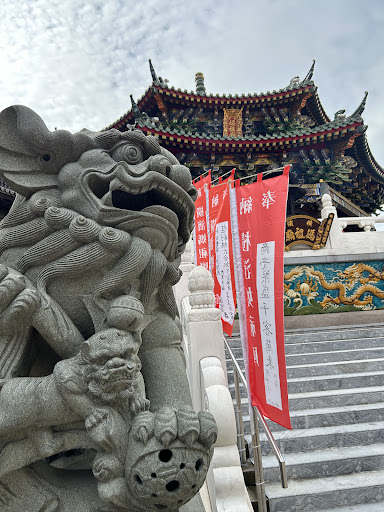
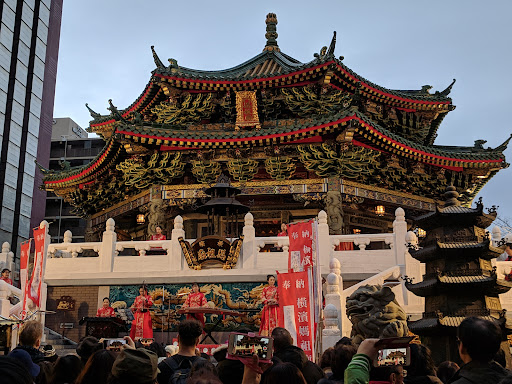
The Yokohama Ma Zu Miao is a temple of the Chinese Goddess Mazu located in Yokohama, Japan. It opened on 17 March 2006. It is located in Yokohama's Chinatown.
Cultural
Family friendly
Accessibility
attractions: Yokohama Daisekai, Yamashitacho Park, Yokohama Chinatown, Yokohama Kuan Ti Miao, Yokohama Motomachi Shopping Street, Suzaku Mon, TenChoMon, アートリックミュージアム(ARTRICK MUSEUM), Yamashita Park, Chinatown East Gate (Chō-yō-mon), restaurants: Shatenki Nigouten, Setsuen, Saikoushinkan, Kocho, Horin, pignic cafe yokohama, Touen, Syoufukurou, Koukien, Ronshin Hanten, local businesses: 138-14 Yamashitachō, Akanece Yokohama, CAYHANE Part 1 Household goods, Iwakura, ringram リングラム横浜元町店(よこはまもとまちてん), Gigo Yokohama Chukagai (Chinatown), ウォーハンマー横浜, Motomachi-Chukagai Station, Motomachi Union Motomachi, MIXUE Yokohama Chinatown
 Learn more insights from Wanderboat AI.
Phone
+81 45-681-0909
Website
yokohama-masobyo.jp
Open hoursSee all hours
Tue9 AM - 7 PMClosed
Plan your stay

Pet-friendly Hotels in Yokohama
Find a cozy hotel nearby and make it a full experience.

Affordable Hotels in Yokohama
Find a cozy hotel nearby and make it a full experience.

The Coolest Hotels You Haven't Heard Of (Yet)
Find a cozy hotel nearby and make it a full experience.

Trending Stays Worth the Hype in Yokohama
Find a cozy hotel nearby and make it a full experience.
Reviews
Live events
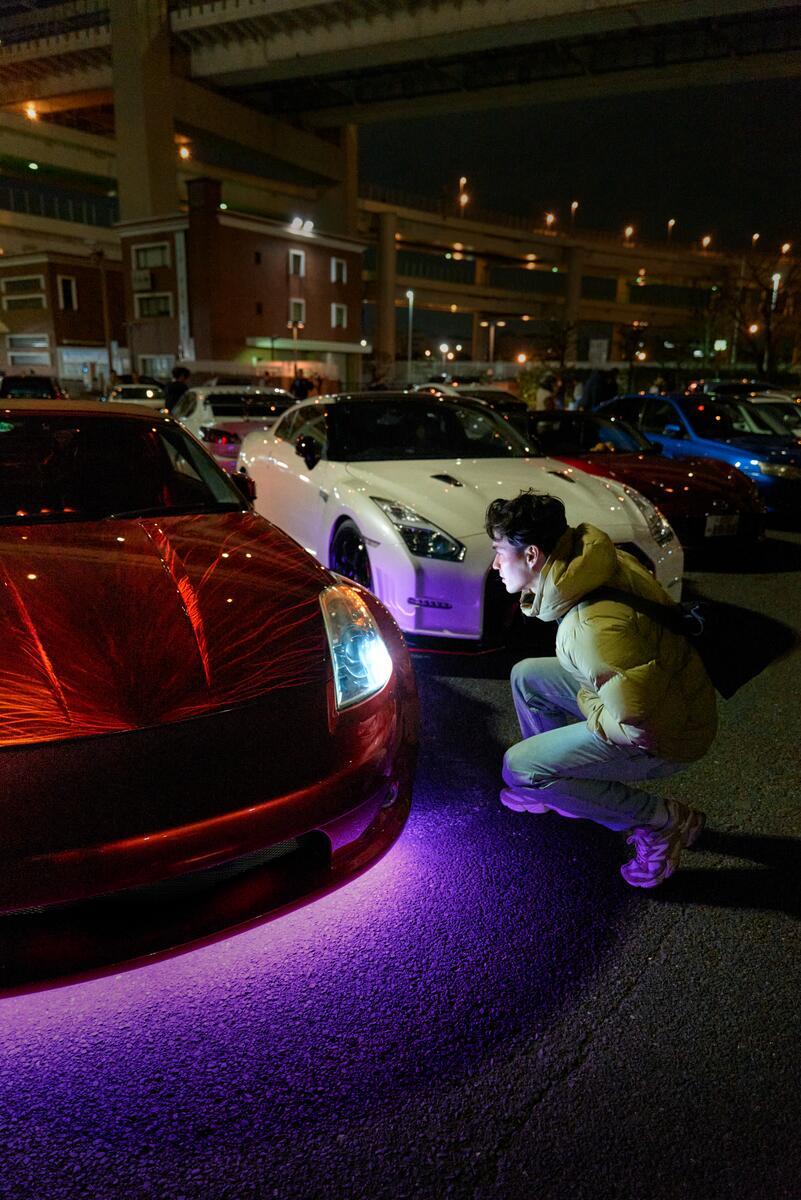
Drive Tokyo’s car culture in a Nissan Skyline
Tue, Feb 24 • 8:30 PM
150-0047, Tokyo Prefecture, Shibuya, Japan
View details
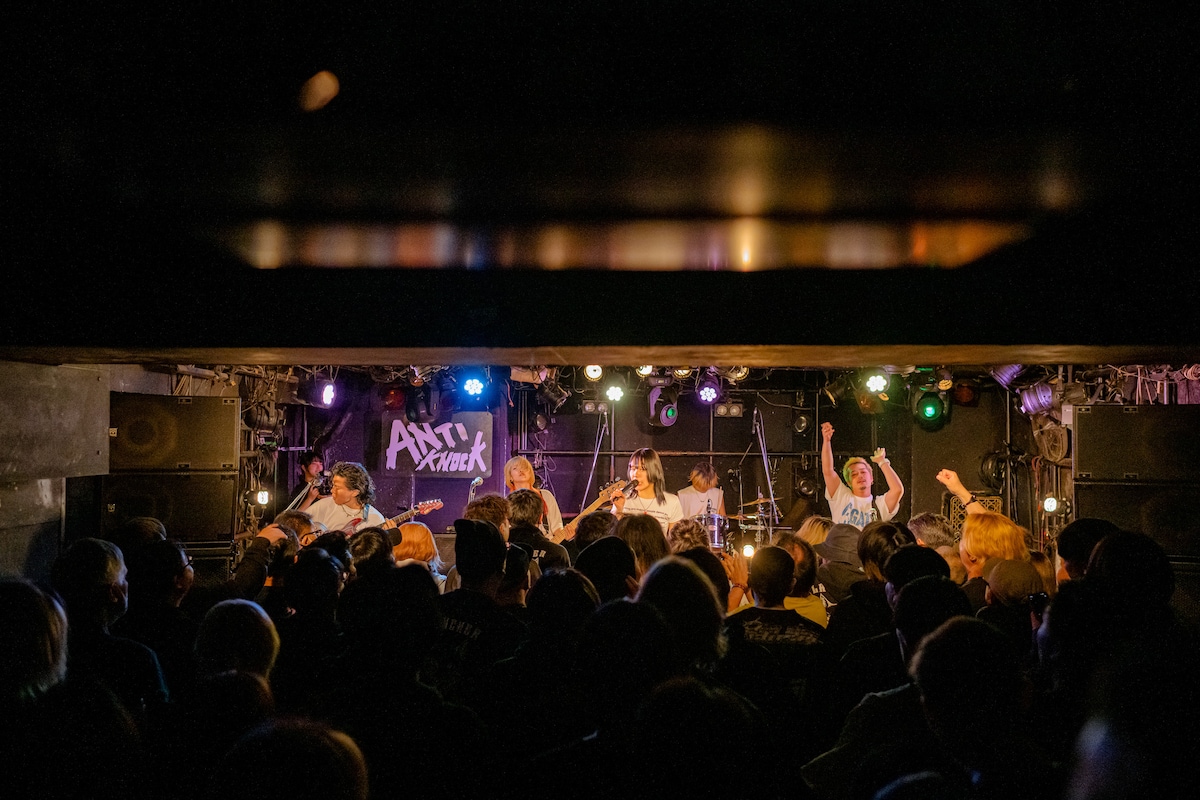
Explore Tokyo’s music scene with an insider
Sun, Mar 1 • 5:00 PM
150-0043, Tokyo Prefecture, Shibuya, Japan
View details

TYFFONIUM 新宿:コリドール
Tue, Feb 24 • 11:10 AM
東京都新宿区西新宿2-2-1 京王プラザホテル 南館2F (2-chōme-2-1 Nishishinjuku, Shinjuku City), 160-8330
View details
Nearby attractions of Yokohama Mazu Miao
Yokohama Daisekai
Yamashitacho Park
Yokohama Chinatown
Yokohama Kuan Ti Miao
Yokohama Motomachi Shopping Street
Suzaku Mon
TenChoMon
アートリックミュージアム(ARTRICK MUSEUM)
Yamashita Park
Chinatown East Gate (Chō-yō-mon)
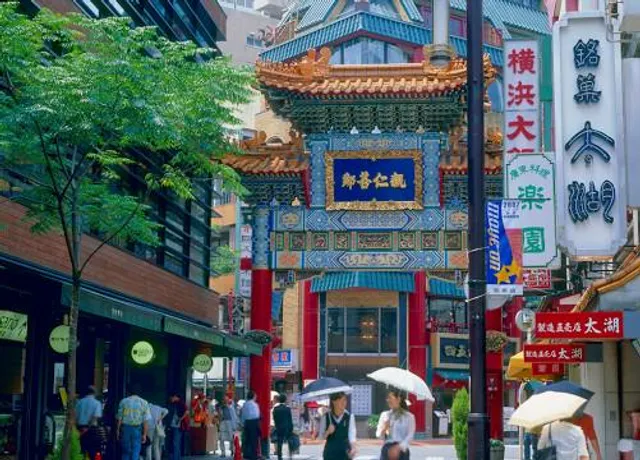
Yokohama Daisekai
3.7
(976)
Closed
Click for details
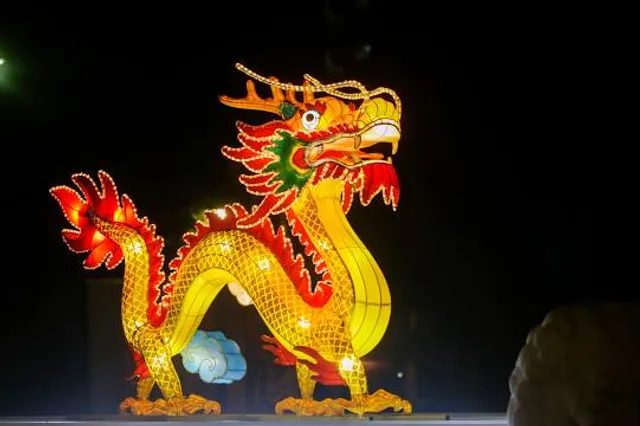
Yamashitacho Park
4.0
(288)
Open until 12:00 AM
Click for details
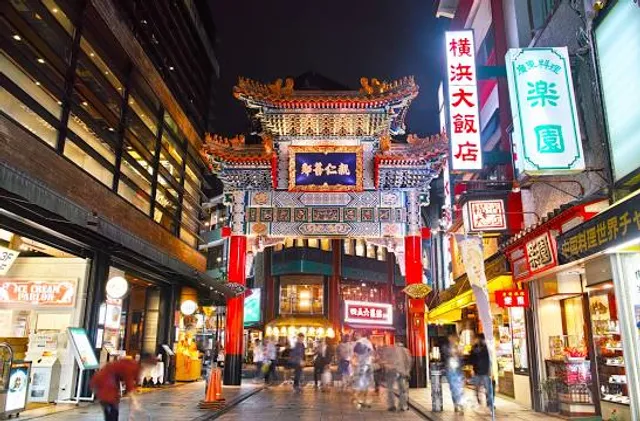
Yokohama Chinatown
4.1
(17.1K)
Open until 12:00 AM
Click for details
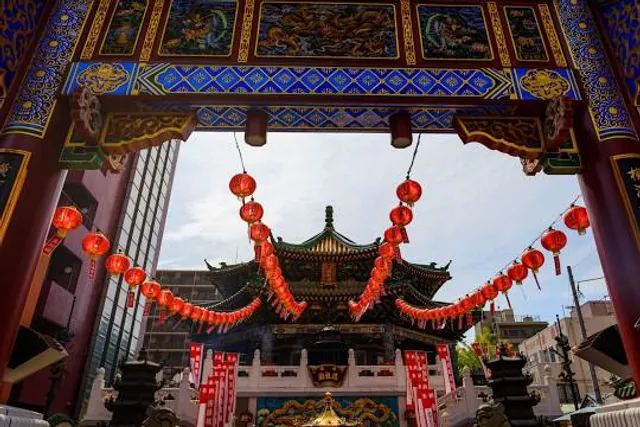
Yokohama Kuan Ti Miao
4.2
(750)
Closed
Click for details
Nearby restaurants of Yokohama Mazu Miao
Shatenki Nigouten
Setsuen
Saikoushinkan
Kocho
Horin
pignic cafe yokohama
Touen
Syoufukurou
Koukien
Ronshin Hanten
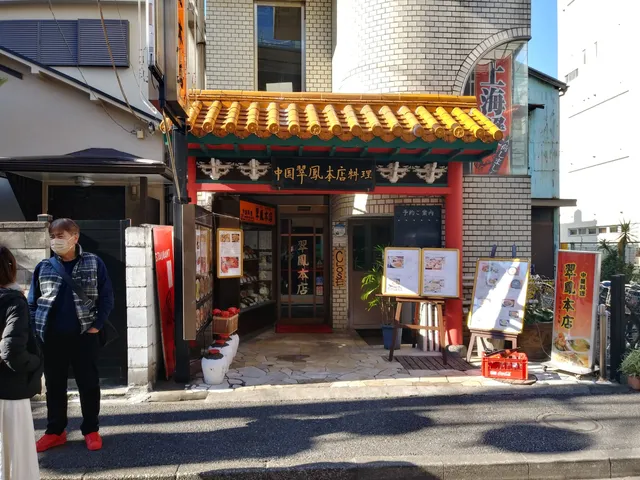
Shatenki Nigouten
4.2
(1.1K)
Closed
Click for details
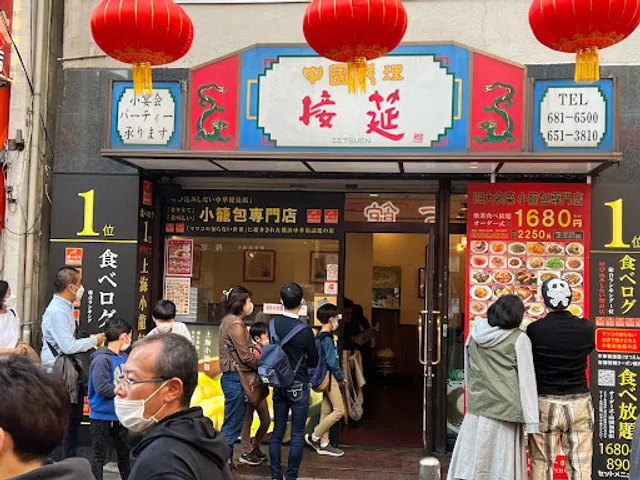
Setsuen
4.3
(531)
Closed
Click for details
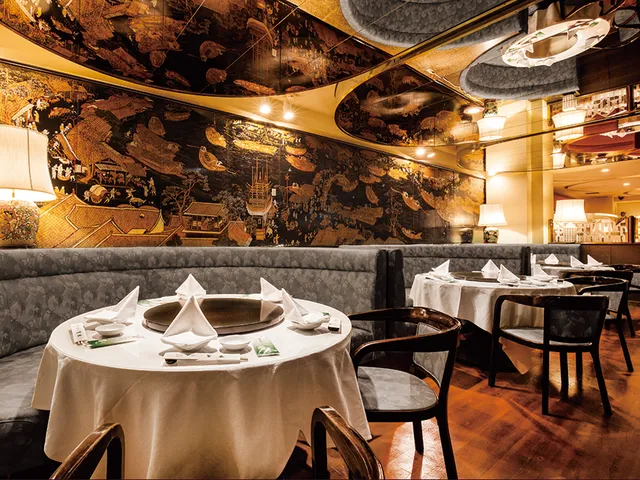
Saikoushinkan
4.2
(1.4K)
$$
Open until 12:00 AM
Click for details
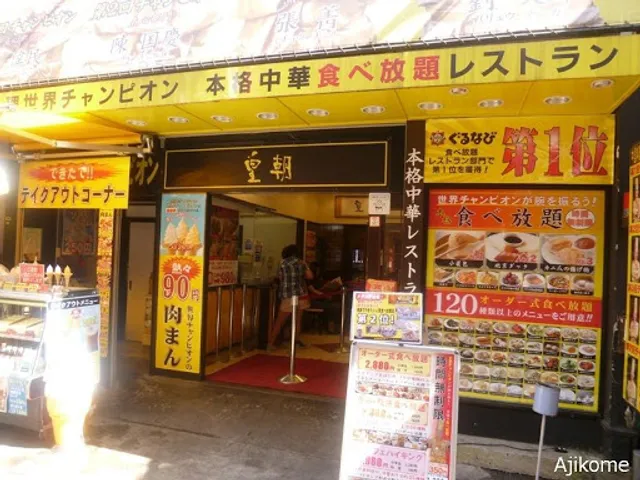
Kocho
4.4
(2K)
Closed
Click for details
Nearby local services of Yokohama Mazu Miao
138-14 Yamashitachō
Akanece Yokohama
CAYHANE Part 1 Household goods
Iwakura
ringram リングラム横浜元町店(よこはまもとまちてん)
Gigo Yokohama Chukagai (Chinatown)
ウォーハンマー横浜
Motomachi-Chukagai Station
Motomachi Union Motomachi
MIXUE Yokohama Chinatown
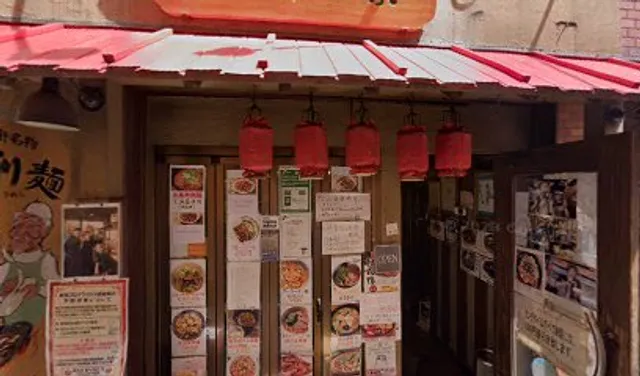
138-14 Yamashitachō
4.3
(511)
Click for details
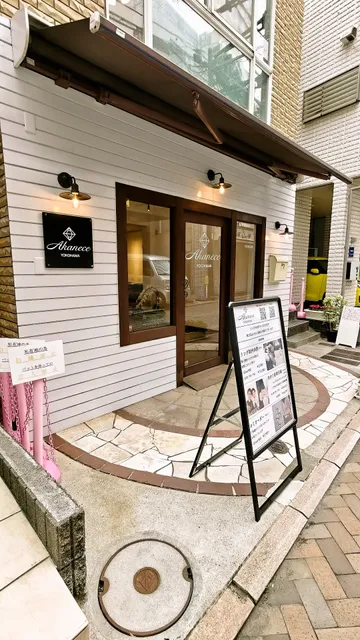
Akanece Yokohama
4.9
(1.4K)
Click for details
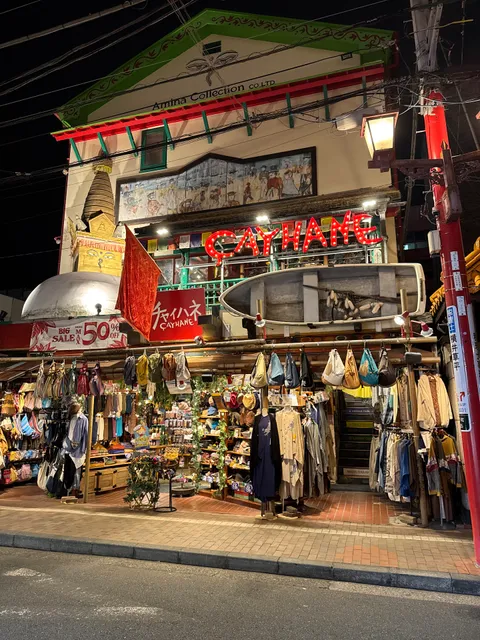
CAYHANE Part 1 Household goods
4.3
(158)
Click for details
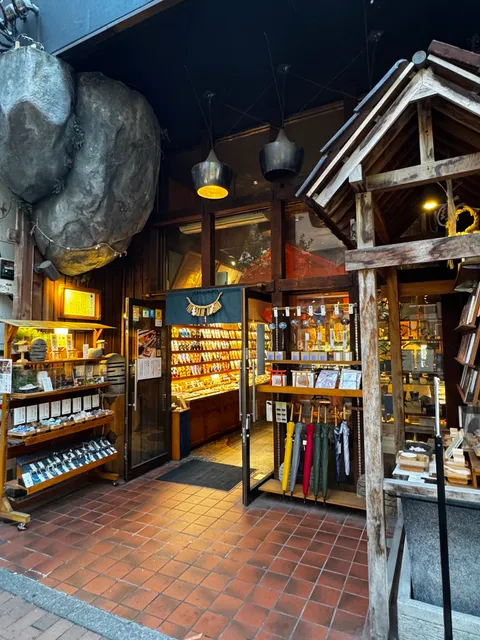
Iwakura
4.3
(88)
Click for details