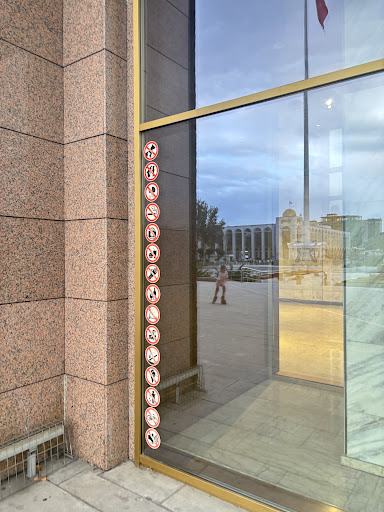
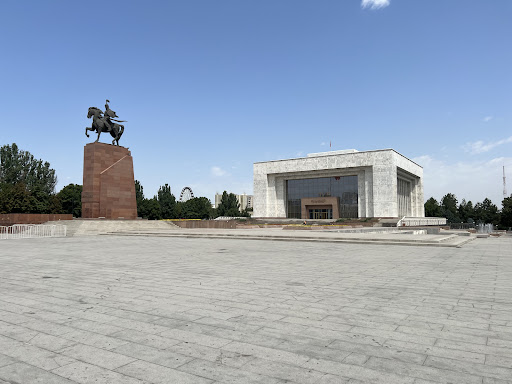
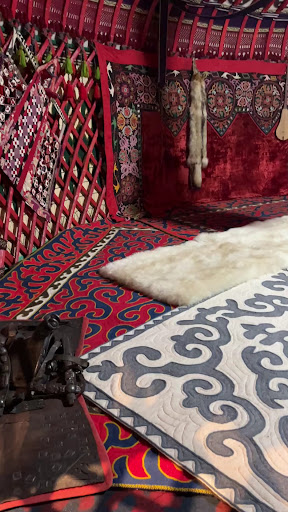
State History Museum things to do, attractions, restaurants, events info and trip planning
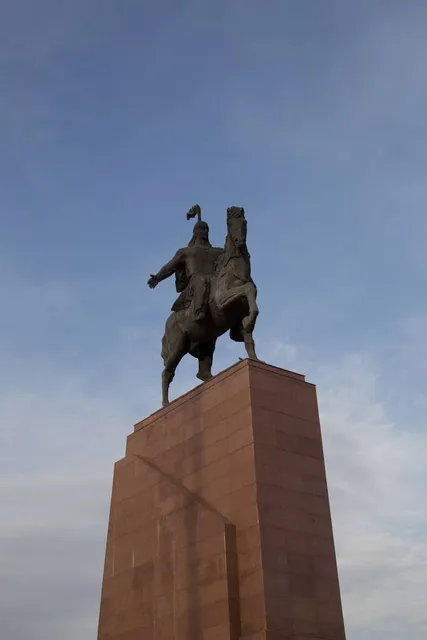
Basic Info
State History Museum
203 Chuy Ave, Bishkek 720040, Kyrgyzstan
4.6(889)
Closed
Save
spot
spot
Ratings & Description
Info
Cultural
Family friendly
Accessibility
attractions: Ala-Too Square, Vladimir Lenin Statue, Oak Park, Panfilov Park, Aikol Manas Statue, Friendship of Nations Monument, Oak Park Exhibition Hall, M V Frunze Museum, Russian Theatre Named Ch. Aitmatov, Kurmanzhan Datka Statue, restaurants: Imperiya Pizzy, Frunze restaurant, Izum, Tyubeteyka Chaykhana, Usta, Buhara Assorti, Pishpek, Consul Restaurant, Raykan, Cafe-bar "Ugolek", local businesses: Raritet, Jogorku Kenesh (Parliament) of the Kyrgyz Republic, Government of the Kyrgyz Republic, TSUM Aichurok, Beren Gold, Beta Stores, Torro Grill & Bar, Holy Resurrection Cathedral (Russian Orthodox Church), Monument to Toktogul Satylganov, Red Centre
 Learn more insights from Wanderboat AI.
Phone
+996 312 626 090
Website
instagram.com
Open hoursSee all hours
Sun10 AM - 6 PMClosed
Plan your stay

Pet-friendly Hotels in Bishkek City
Find a cozy hotel nearby and make it a full experience.

Affordable Hotels in Bishkek City
Find a cozy hotel nearby and make it a full experience.

The Coolest Hotels You Haven't Heard Of (Yet)
Find a cozy hotel nearby and make it a full experience.

Trending Stays Worth the Hype in Bishkek City
Find a cozy hotel nearby and make it a full experience.
Reviews
Live events
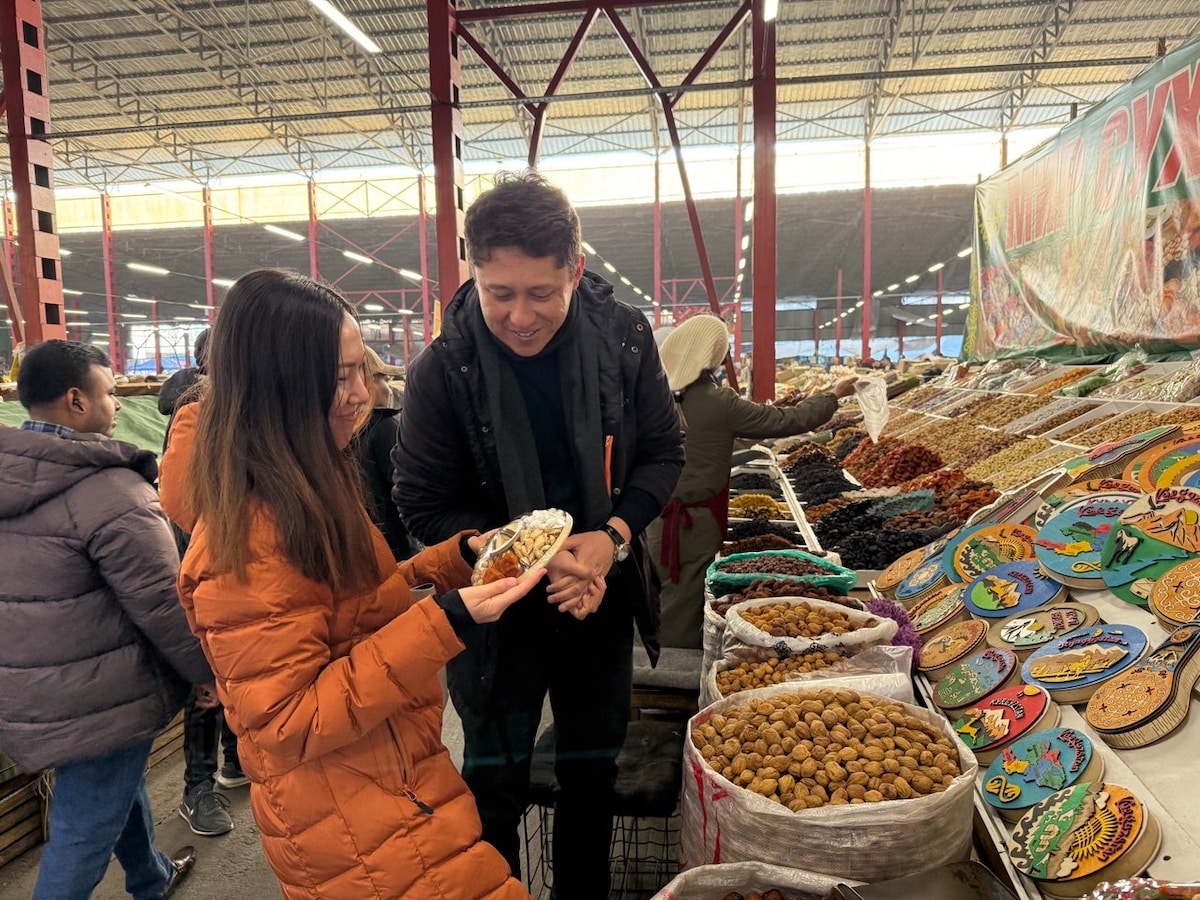
Explore Osh Bazaar with a Local: Food & Culture
Mon, Feb 23 • 12:00 PM
Bishkek, Bishkek City 720001, Kyrgyzstan
View details

Girls for Girls: Creative Showcase
Sun, Mar 1 • 4:00 AM
ololo, 80 Yunusaliev Ave, Bishkek, Kyrgyzstan
View details
Nearby attractions of State History Museum
Ala-Too Square
Vladimir Lenin Statue
Oak Park
Panfilov Park
Aikol Manas Statue
Friendship of Nations Monument
Oak Park Exhibition Hall
M V Frunze Museum
Russian Theatre Named Ch. Aitmatov
Kurmanzhan Datka Statue
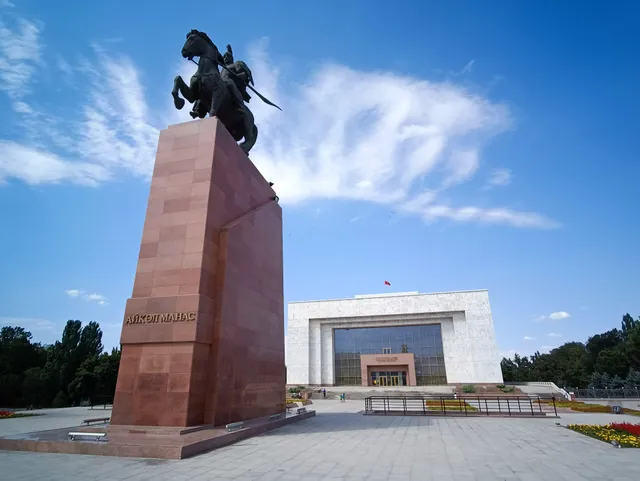
Ala-Too Square
4.5
(8.3K)
Open until 12:00 AM
Click for details
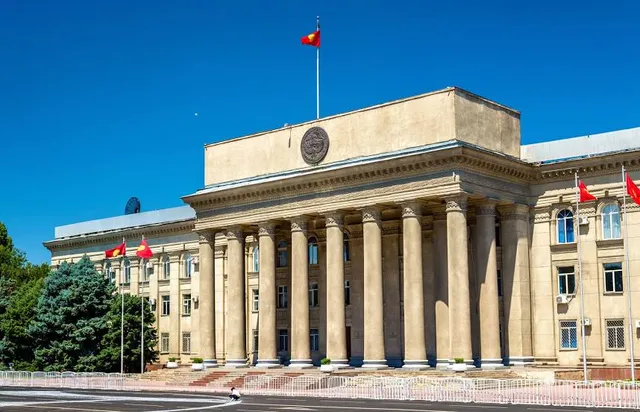
Vladimir Lenin Statue
4.4
(168)
Open until 12:00 AM
Click for details
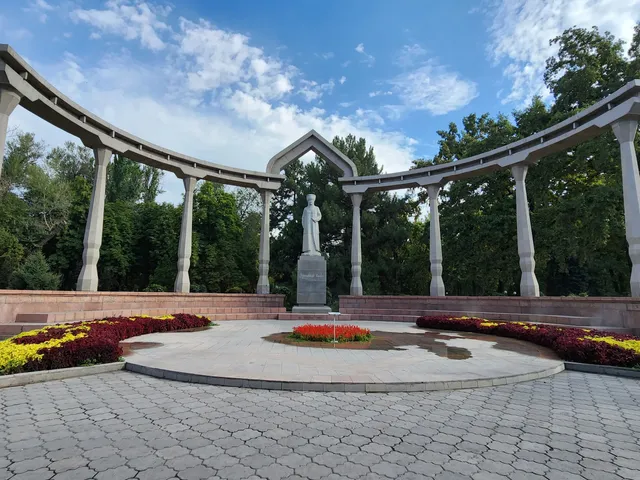
Oak Park
4.6
(1.9K)
Open until 12:00 AM
Click for details
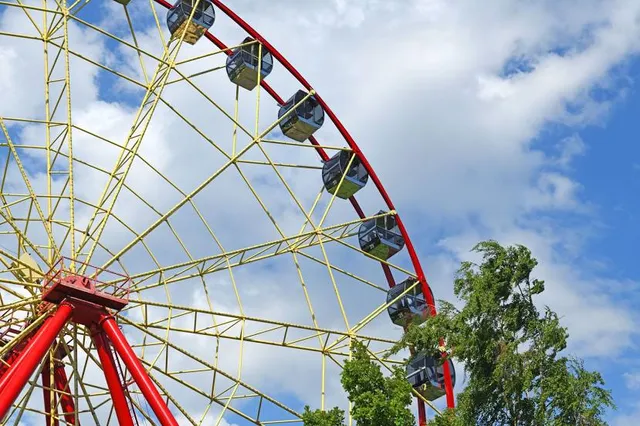
Panfilov Park
4.4
(5.5K)
Closed
Click for details
Nearby restaurants of State History Museum
Imperiya Pizzy
Frunze restaurant
Izum
Tyubeteyka Chaykhana
Usta
Buhara Assorti
Pishpek
Consul Restaurant
Raykan
Cafe-bar "Ugolek"
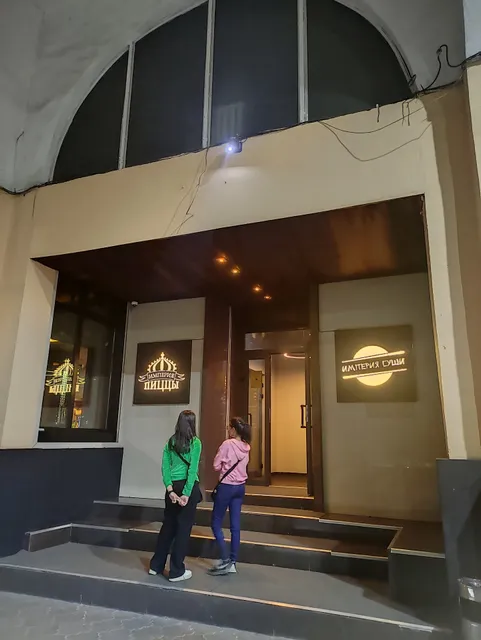
Imperiya Pizzy
4.0
(1.7K)
$$
Open until 12:00 AM
Click for details
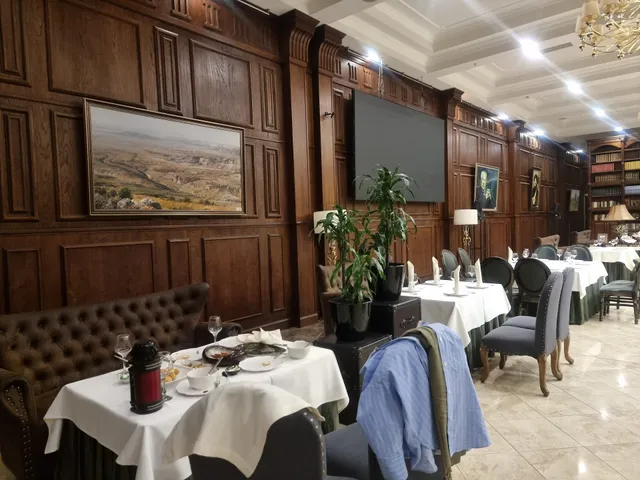
Frunze restaurant
4.6
(860)
$$$
Open until 12:00 AM
Click for details
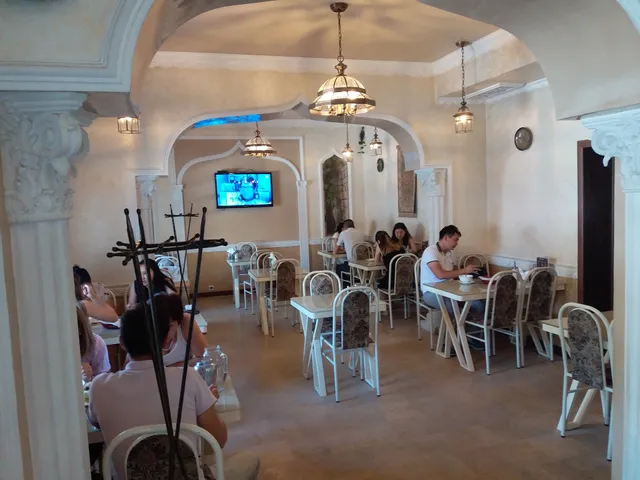
Izum
4.3
(367)
$$
Open until 12:00 AM
Click for details
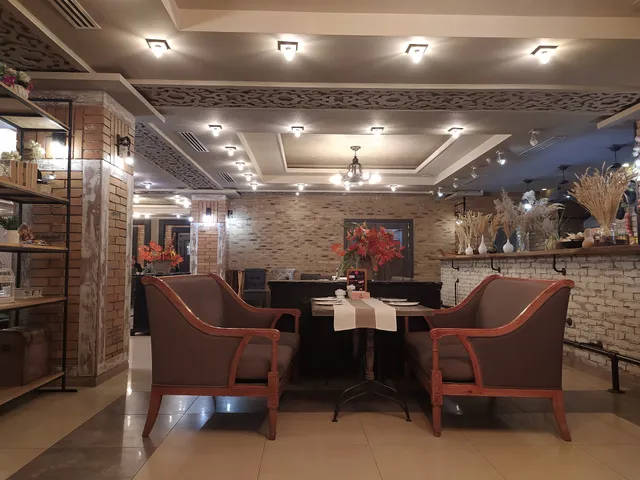
Tyubeteyka Chaykhana
4.3
(235)
$$
Closed
Click for details
Nearby local services of State History Museum
Raritet
Jogorku Kenesh (Parliament) of the Kyrgyz Republic
Government of the Kyrgyz Republic
TSUM Aichurok
Beren Gold
Beta Stores
Torro Grill & Bar
Holy Resurrection Cathedral (Russian Orthodox Church)
Monument to Toktogul Satylganov
Red Centre
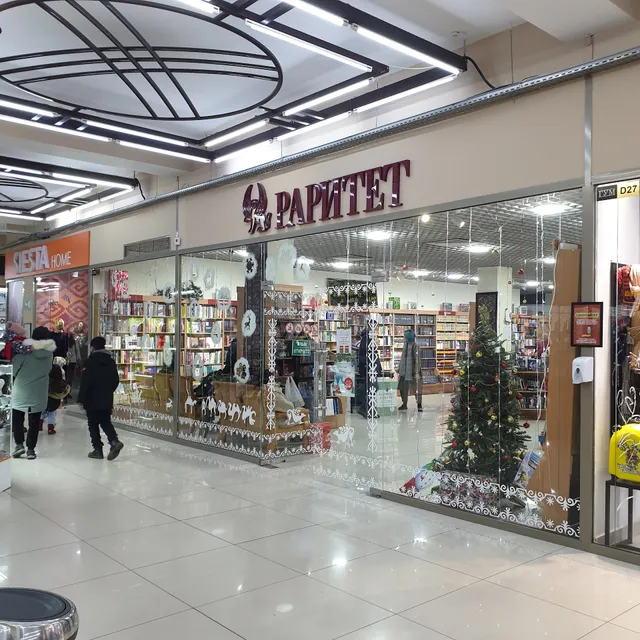
Raritet
4.7
(1.2K)
Click for details
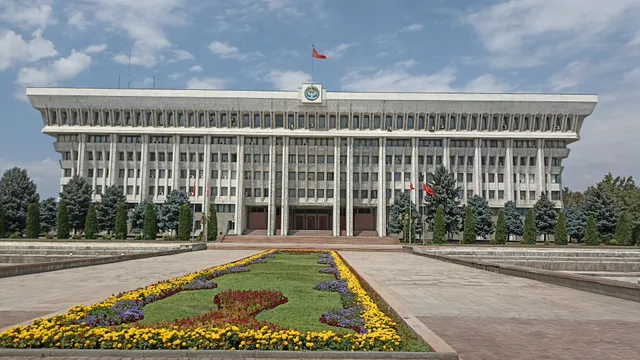
Jogorku Kenesh (Parliament) of the Kyrgyz Republic
4.0
(66)
Click for details
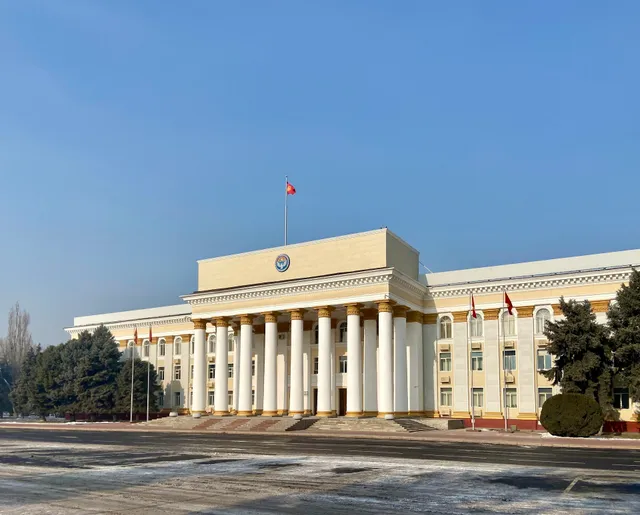
Government of the Kyrgyz Republic
3.6
(28)
Click for details
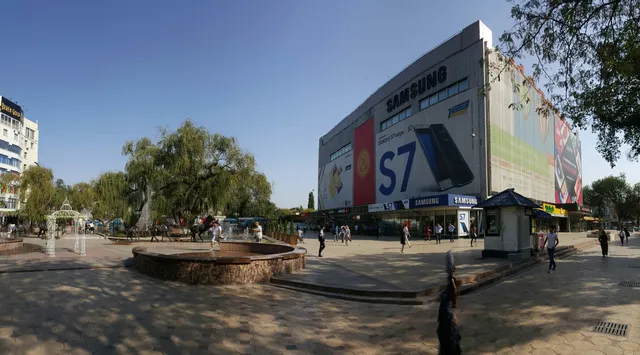
TSUM Aichurok
4.3
(6.2K)
Click for details