The Freedom Monument things to do, attractions, restaurants, events info and trip planning
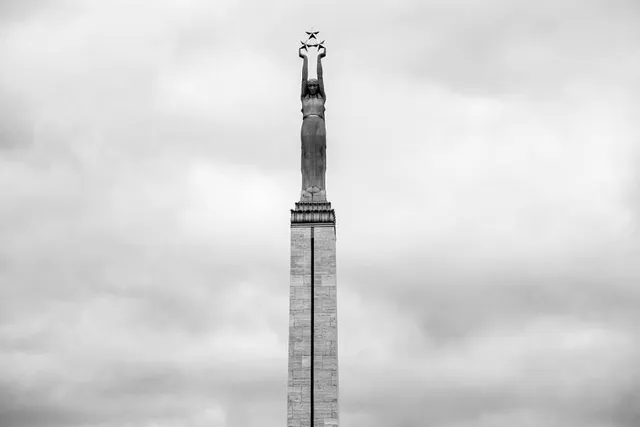
Basic Info
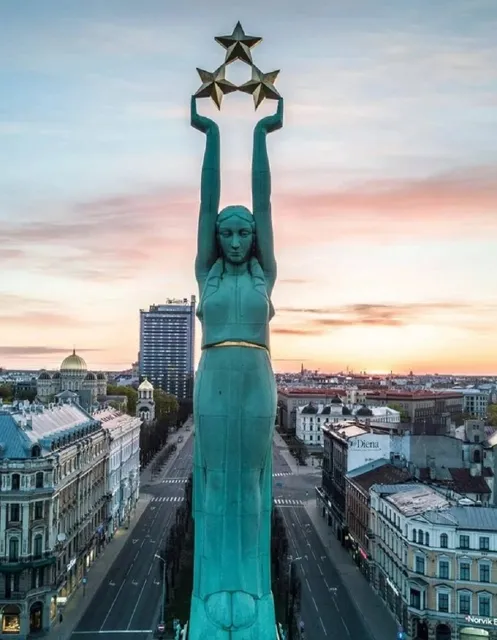
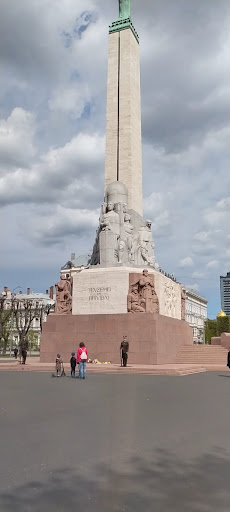
The Freedom Monument
Central District, Riga, LV-1050, Latvia
4.7(4.8K)
Open until 12:00 AM
Save
spot
spot
Ratings & Description
Info
Cultural
Accessibility
attractions: Bastejkalna Park, Latvian National Opera, Esplanāde, Vērmane Garden, Latvian War Museum, Powder Tower, Cat House, Riga Latvian Society House, Latvian Museum of Natural History, Fountain City Canal, restaurants: Коlonāde, Whitehouse, Buzzing Grilbārs, Cadets de Gascogne, kafejnica, Street Fries Kitchen, Monterosso, restorāns, LIDO Vērmanītis, Shot Cafe, Liberta restaurant, HuMMus, local businesses: Brīvības bulvāris 30, Rigabycanal - Boat Tours & Canal Cruises, Galerija Centrs, Riga Nativity of Christ Orthodox Cathedral, Free Tours Riga by locals, Gastro Pub Duvel's, The Swedish Gate, Dome Square, Shopping Center Origo, Galleria Riga
 Learn more insights from Wanderboat AI.
Website
latvia.travel
Open hoursSee all hours
TueOpen 24 hoursOpen
Plan your stay

Pet-friendly Hotels in Riga
Find a cozy hotel nearby and make it a full experience.

Affordable Hotels in Riga
Find a cozy hotel nearby and make it a full experience.

The Coolest Hotels You Haven't Heard Of (Yet)
Find a cozy hotel nearby and make it a full experience.

Trending Stays Worth the Hype in Riga
Find a cozy hotel nearby and make it a full experience.
Reviews
Live events
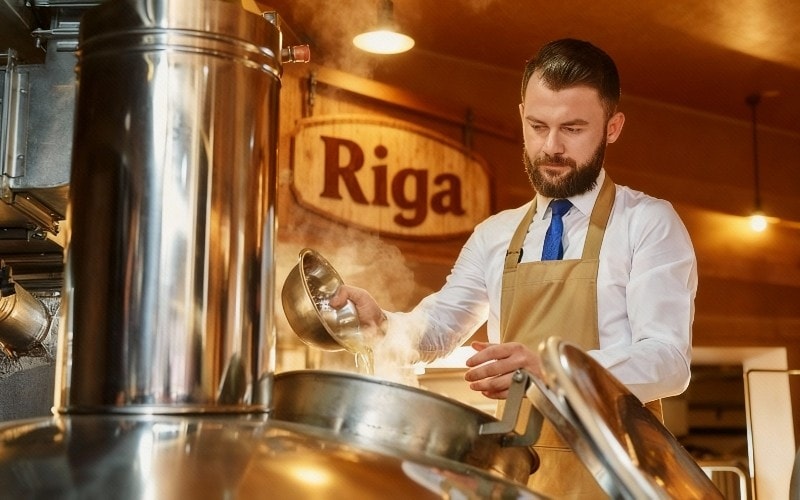
Private Riga Brewery Tour & Beer Tasting
Tue, Feb 24 • 2:00 PM
Riga, 1010, Latvia
View details
Candlelight: Coldplay un Imagine Dragons
Sat, Feb 28 • 7:30 PM
Rātslaukums 7, Rīga, 1050
View details
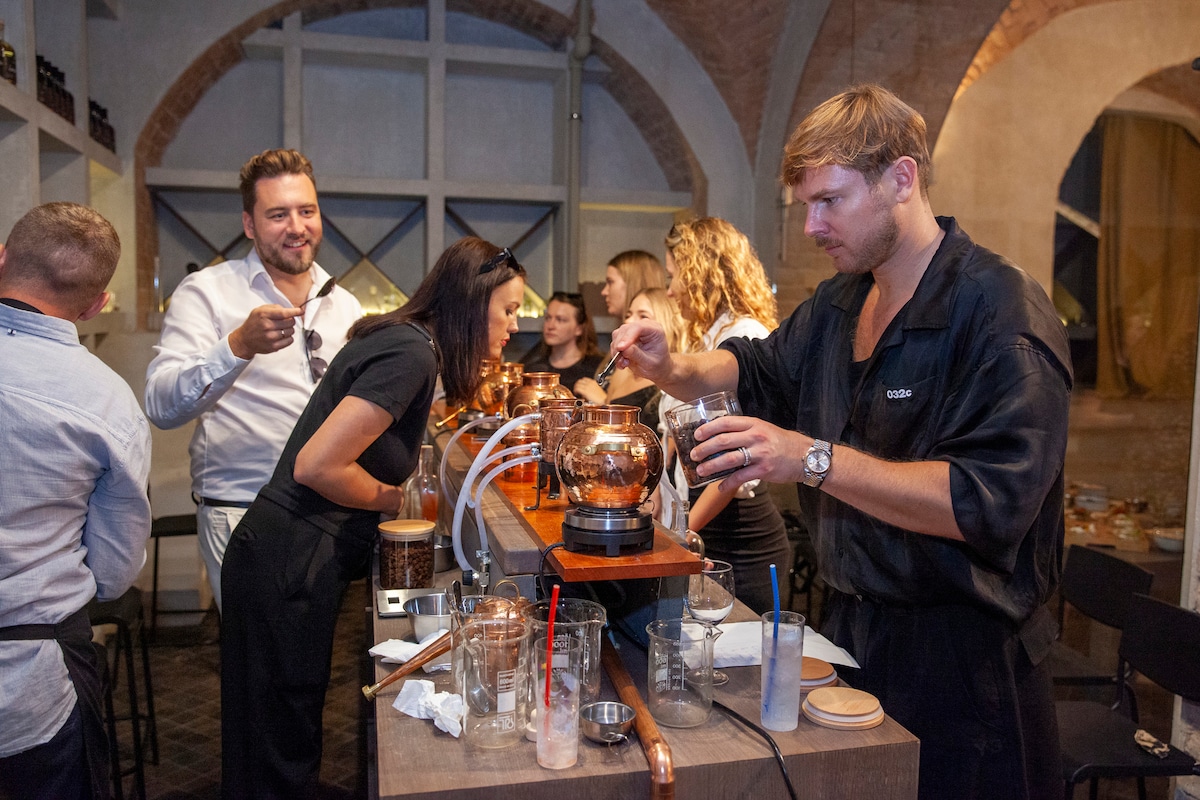
Create your own gin
Tue, Feb 24 • 6:00 PM
Riga, LV, 1010, Latvia
View details
Nearby attractions of The Freedom Monument
Bastejkalna Park
Latvian National Opera
Esplanāde
Vērmane Garden
Latvian War Museum
Powder Tower
Cat House
Riga Latvian Society House
Latvian Museum of Natural History
Fountain City Canal
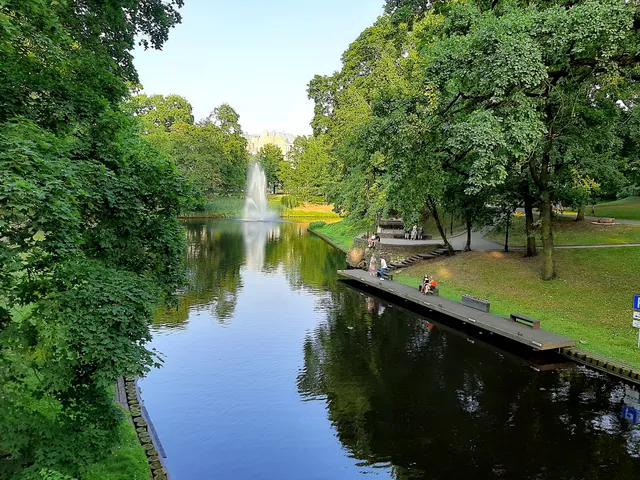
Bastejkalna Park
4.7
(3.7K)
Open until 12:00 AM
Click for details
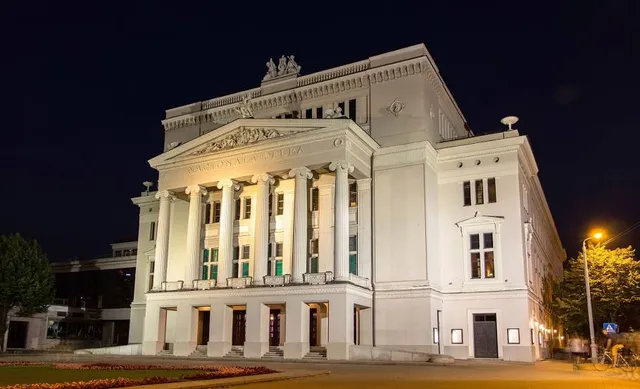
Latvian National Opera
4.7
(3.2K)
Open 24 hours
Click for details
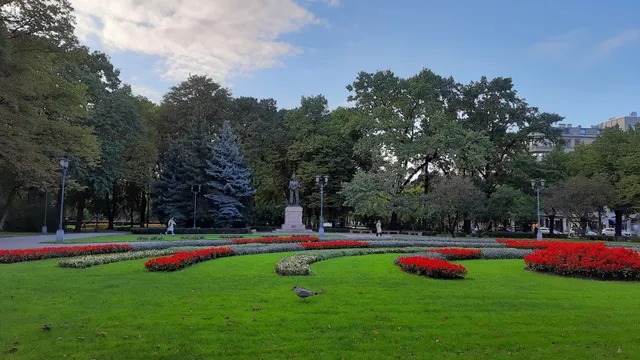
Esplanāde
4.5
(4K)
Open until 12:00 AM
Click for details
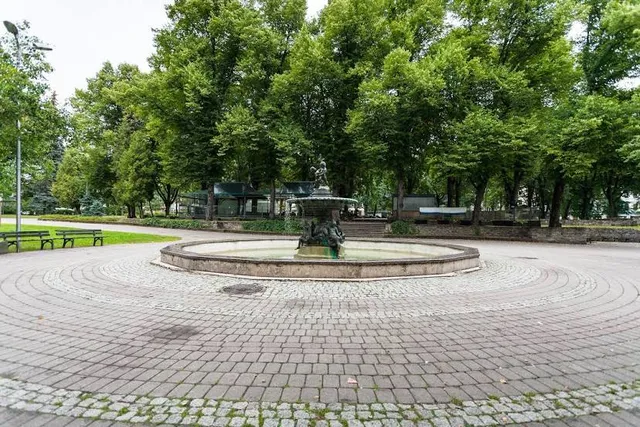
Vērmane Garden
4.6
(4.6K)
Open until 12:00 AM
Click for details
Nearby restaurants of The Freedom Monument
Коlonāde
Whitehouse
Buzzing Grilbārs
Cadets de Gascogne, kafejnica
Street Fries Kitchen
Monterosso, restorāns
LIDO Vērmanītis
Shot Cafe
Liberta restaurant
HuMMus
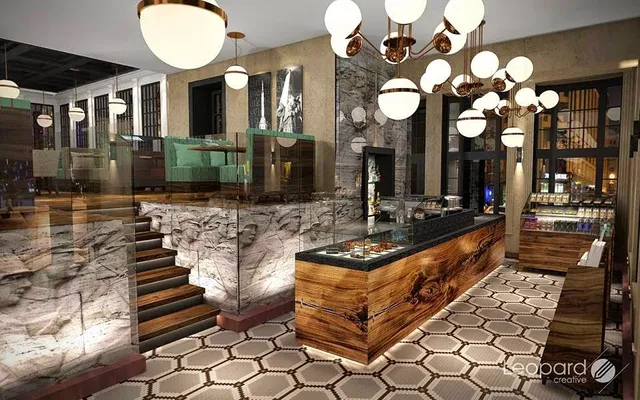
Коlonāde
4.5
(521)
$$$
Closed
Click for details
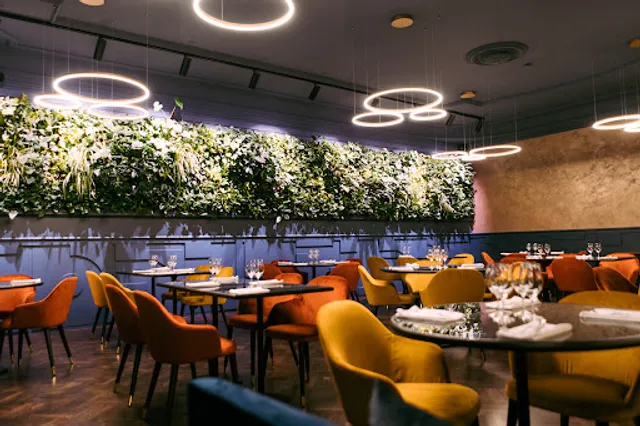
Whitehouse
4.6
(512)
Open until 12:00 AM
Click for details
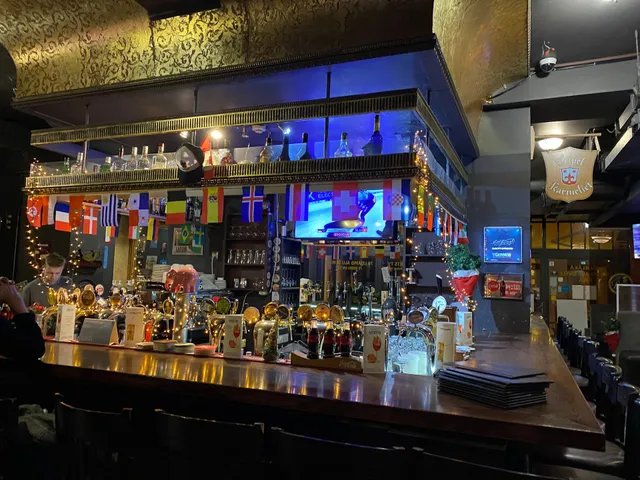
Buzzing Grilbārs
4.2
(896)
$$
Closed
Click for details
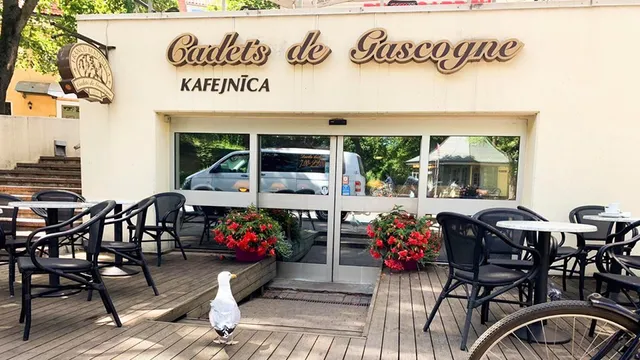
Cadets de Gascogne, kafejnica
4.5
(489)
Closed
Click for details
Nearby local services of The Freedom Monument
Brīvības bulvāris 30
Rigabycanal - Boat Tours & Canal Cruises
Galerija Centrs
Riga Nativity of Christ Orthodox Cathedral
Free Tours Riga by locals
Gastro Pub Duvel's
The Swedish Gate
Dome Square
Shopping Center Origo
Galleria Riga
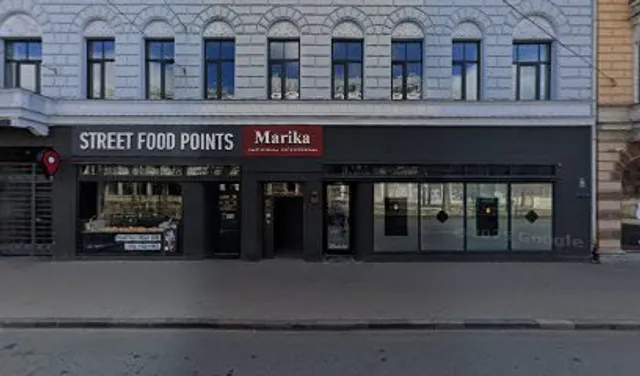
Brīvības bulvāris 30
4.2
(736)
Click for details
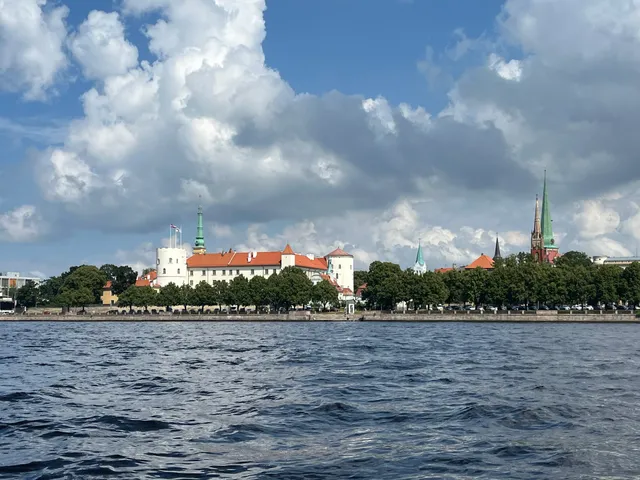
Rigabycanal - Boat Tours & Canal Cruises
4.4
(198)
Click for details
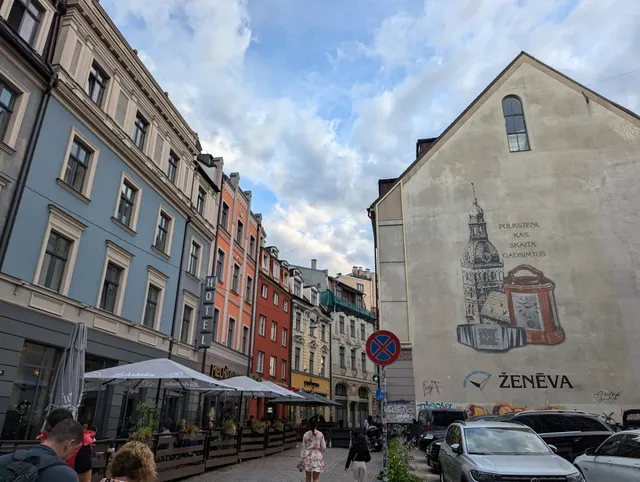
Galerija Centrs
4.4
(5.6K)
Click for details
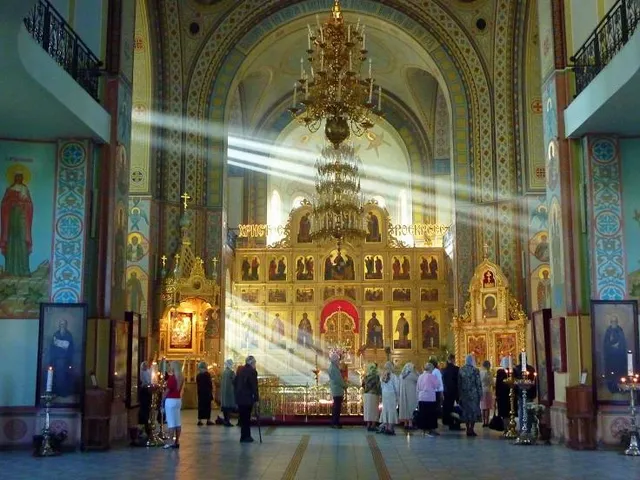
Riga Nativity of Christ Orthodox Cathedral
4.7
(1.5K)
Click for details