Regional Museum of Guadalajara things to do, attractions, restaurants, events info and trip planning
Basic Info
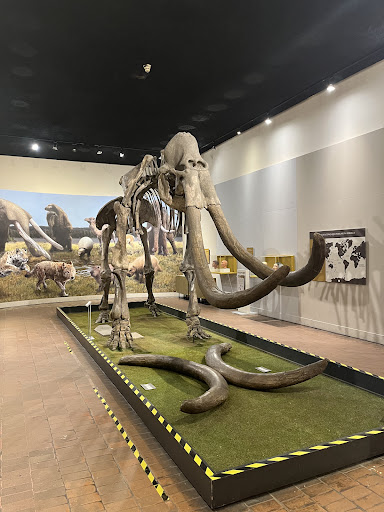
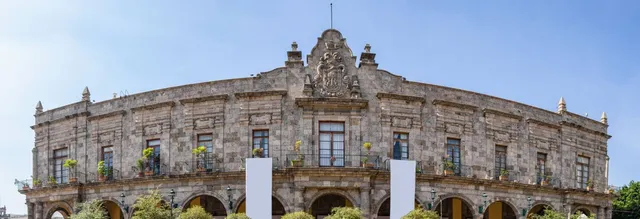
Regional Museum of Guadalajara
C. Liceo 60, Zona Centro, 44100 Guadalajara, Jal., Mexico
4.5(1.3K)
Closed

tickets
Save
spot
spot
Ratings & Description
Info
Cultural
Family friendly
Accessibility
attractions: Guadalajara Cathedral, Rotonda de los Jaliscienses Ilustres, Plaza de la Liberación, Plaza Guadalajara, Centro Histórico de Guadalajara, Teatro Degollado, Museo de Cera, Plaza de Armas, Casa Museo Lopez Portillo, State of Jalisco Government Building, restaurants: Cantina La Fuente, El Arte RESTAURANTE/CAFÉ, Restaurante Los Ilustres, Café Boutique Teatro Degollado, Restaurant Las Sombrillas, Café Chai Centro, La Chata de Guadalajara, Restaurant La Antigua, Croissants Alfredo, Carl's Jr. Degollado, local businesses: Parroquia El Sagrario Metropolitano, Palacio Municipal de Guadalajara, Plaza Alegría, Templo de San Agustín, Arnoldi, Fresh Salads, Paulette, Mr.CD López Cotilla, Mercado Alcalde, Courthouse State of Jalisco
 Learn more insights from Wanderboat AI.
Phone
+52 33 3613 2703
Website
lugares.inah.gob.mx
Open hoursSee all hours
Sat9 AM - 6 PMClosed
Plan your stay

Pet-friendly Hotels in Jalisco
Find a cozy hotel nearby and make it a full experience.

Affordable Hotels in Jalisco
Find a cozy hotel nearby and make it a full experience.

The Coolest Hotels You Haven't Heard Of (Yet)
Find a cozy hotel nearby and make it a full experience.

Trending Stays Worth the Hype in Jalisco
Find a cozy hotel nearby and make it a full experience.
Reviews
Live events

La Fuga del Prisionero - Street Escape®
Sat, Feb 28 • 10:00 AM
C. El Chaco 3200, Providencia, Guadalajara, 44630
View details
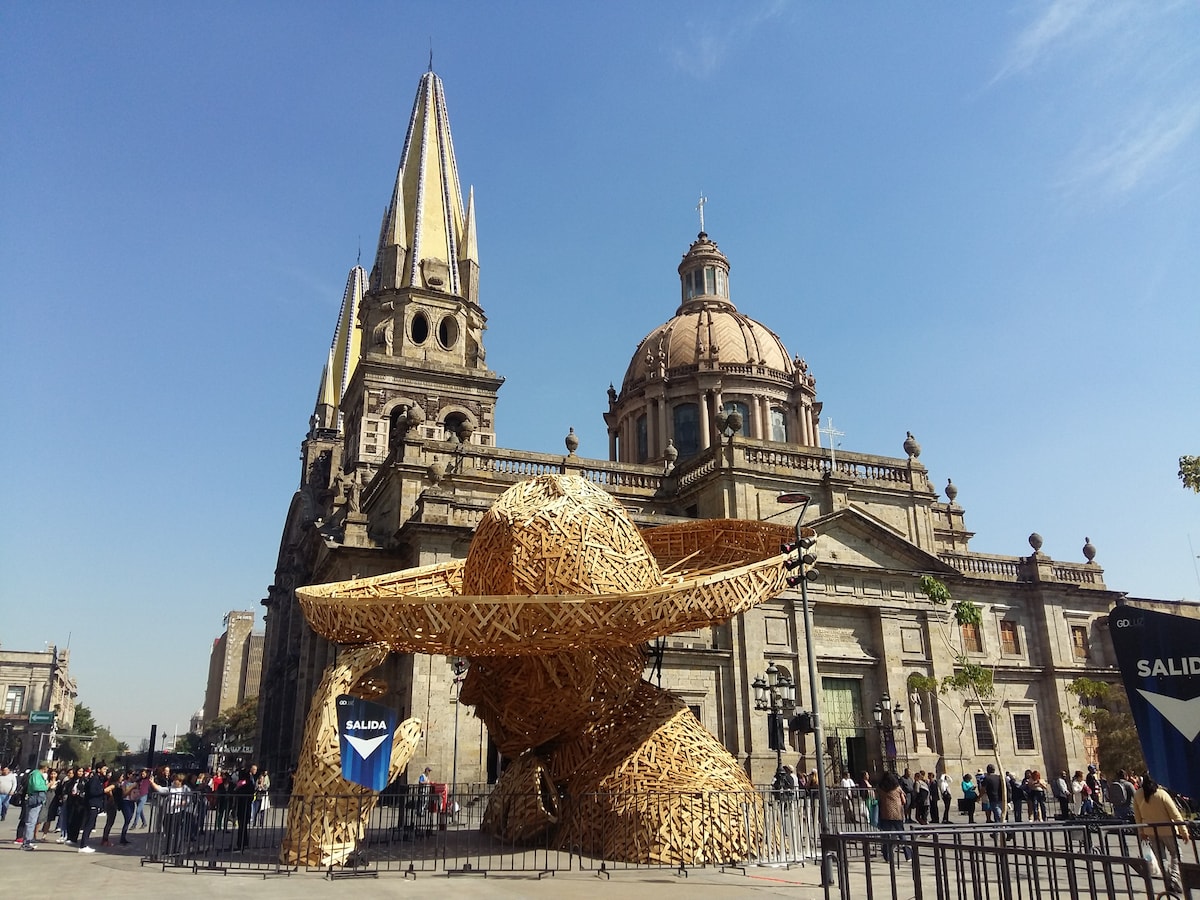
Discover the Guadalajara downtown
Sun, Feb 22 • 12:15 PM
44100, Guadalajara, Jalisco, Mexico
View details
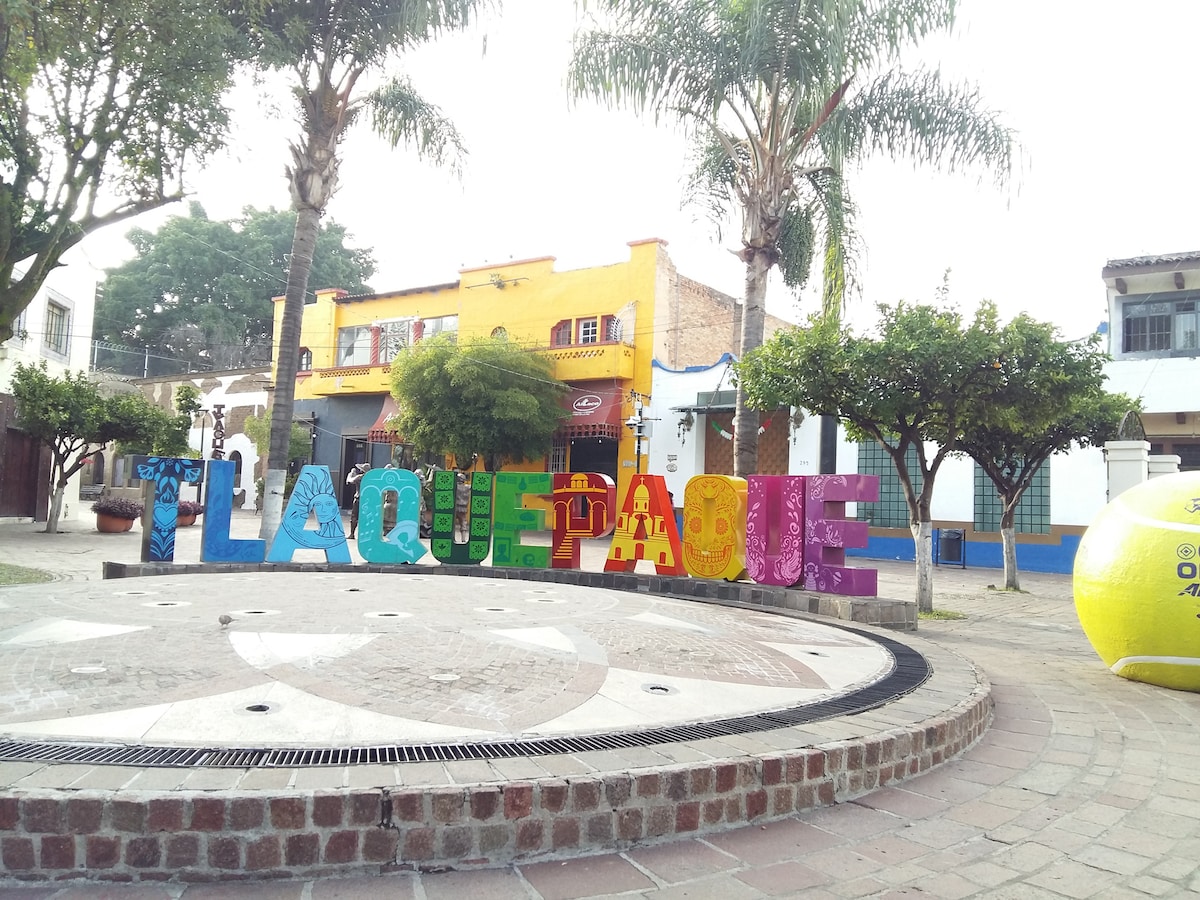
Tlaquepaque Art Magic Town
Tue, Feb 24 • 11:15 AM
45500, Tlaquepaque, Jalisco, Mexico
View details
Nearby attractions of Regional Museum of Guadalajara
Guadalajara Cathedral
Rotonda de los Jaliscienses Ilustres
Plaza de la Liberación
Plaza Guadalajara
Centro Histórico de Guadalajara
Teatro Degollado
Museo de Cera
Plaza de Armas
Casa Museo Lopez Portillo
State of Jalisco Government Building
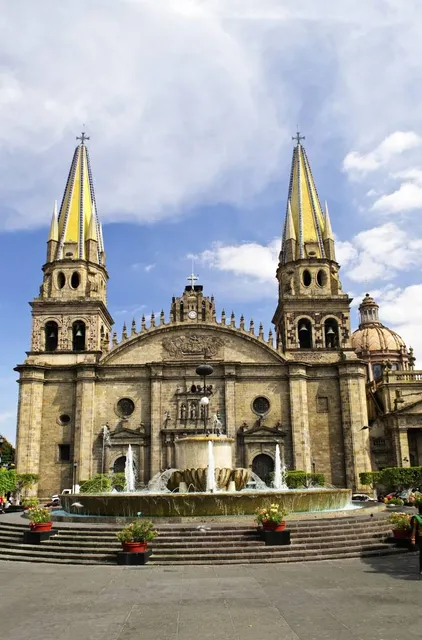
Guadalajara Cathedral
4.8
(16.4K)
Closed
Click for details
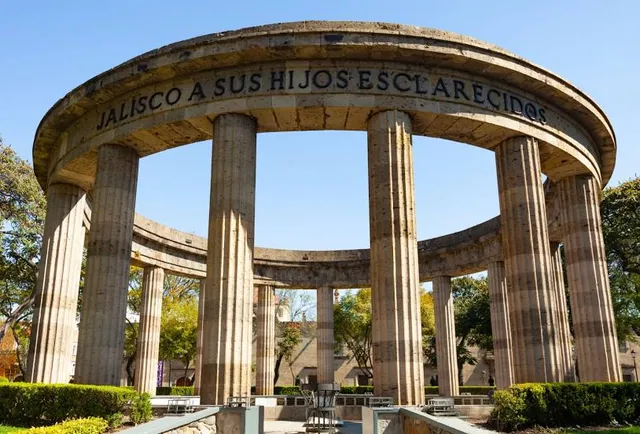
Rotonda de los Jaliscienses Ilustres
4.7
(3.7K)
Open until 12:00 AM
Click for details
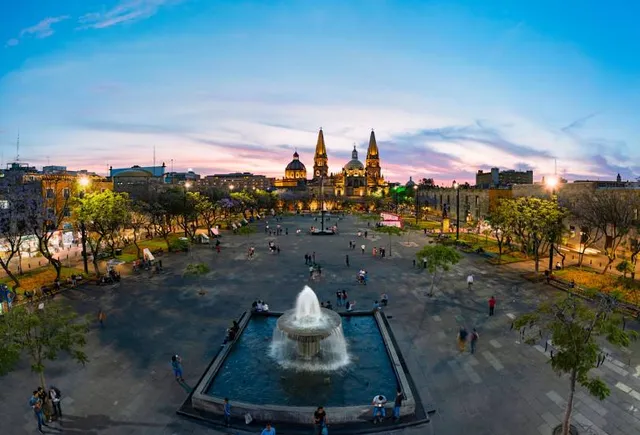
Plaza de la Liberación
4.7
(5.7K)
Open until 12:00 AM
Click for details
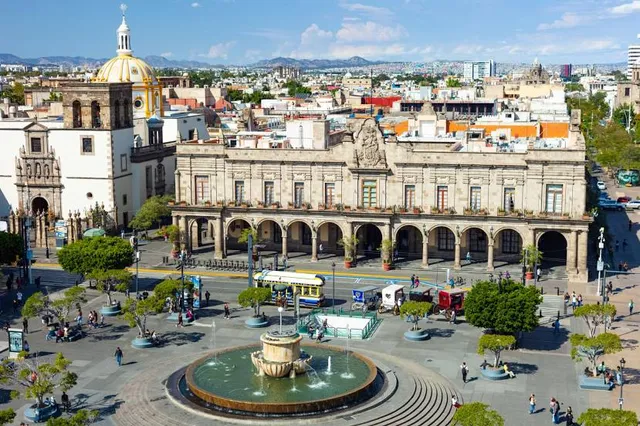
Plaza Guadalajara
4.7
(3.6K)
Open until 12:00 AM
Click for details
Nearby restaurants of Regional Museum of Guadalajara
Cantina La Fuente
El Arte RESTAURANTE/CAFÉ
Restaurante Los Ilustres
Café Boutique Teatro Degollado
Restaurant Las Sombrillas
Café Chai Centro
La Chata de Guadalajara
Restaurant La Antigua
Croissants Alfredo
Carl's Jr. Degollado
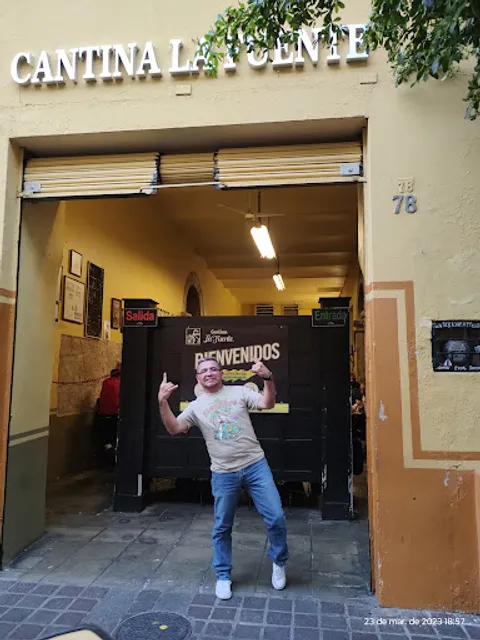
Cantina La Fuente
4.5
(2.1K)
Open until 12:00 AM
Click for details
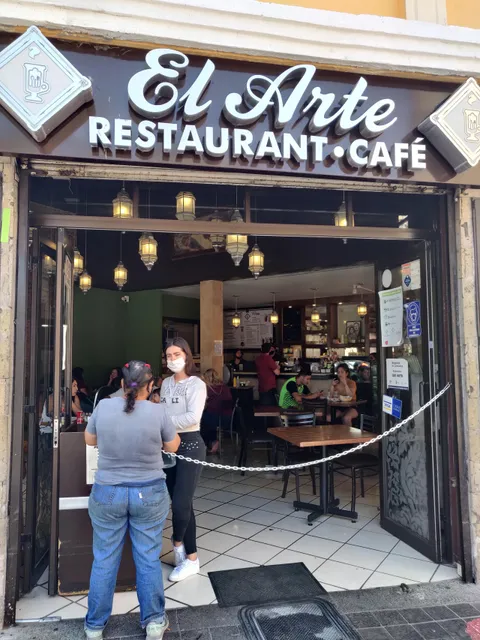
El Arte RESTAURANTE/CAFÉ
4.4
(1.7K)
Open until 11:00 PM
Click for details
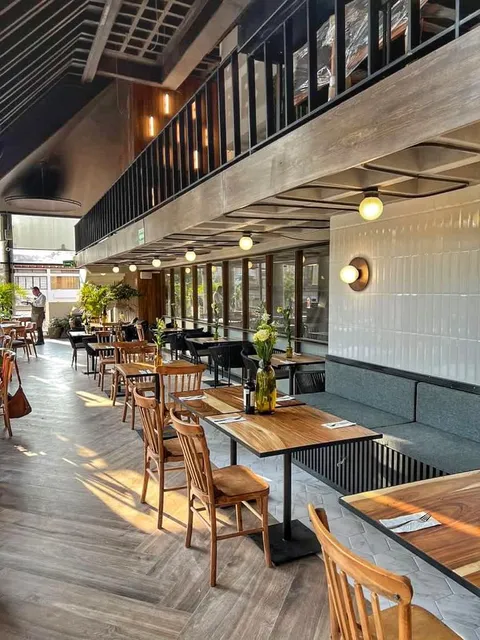
Restaurante Los Ilustres
4.6
(825)
Open until 10:00 PM
Click for details
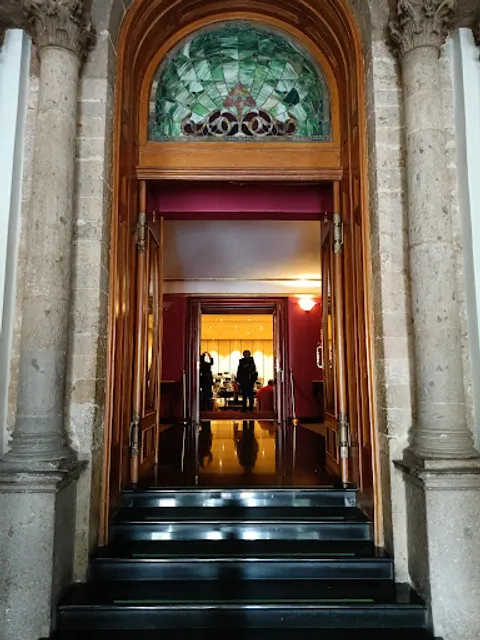
Café Boutique Teatro Degollado
4.5
(2.7K)
Open until 11:30 PM
Click for details
Nearby local services of Regional Museum of Guadalajara
Parroquia El Sagrario Metropolitano
Palacio Municipal de Guadalajara
Plaza Alegría
Templo de San Agustín
Arnoldi
Fresh Salads
Paulette
Mr.CD López Cotilla
Mercado Alcalde
Courthouse State of Jalisco
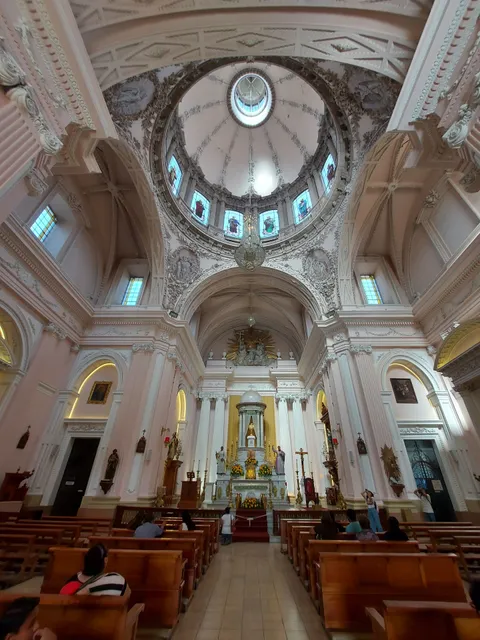
Parroquia El Sagrario Metropolitano
4.6
(383)
Click for details
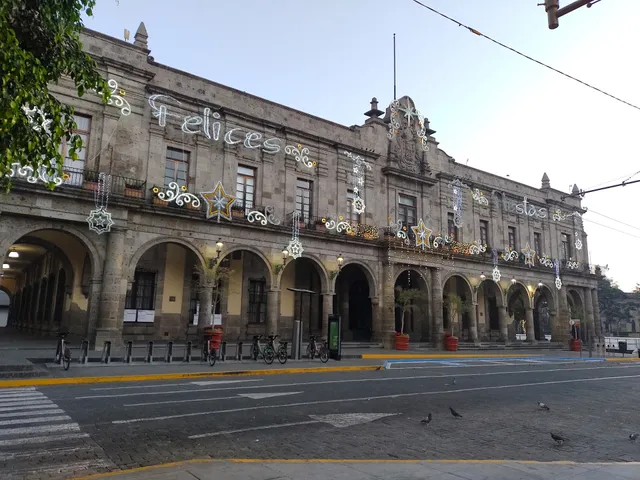
Palacio Municipal de Guadalajara
4.7
(298)
Click for details
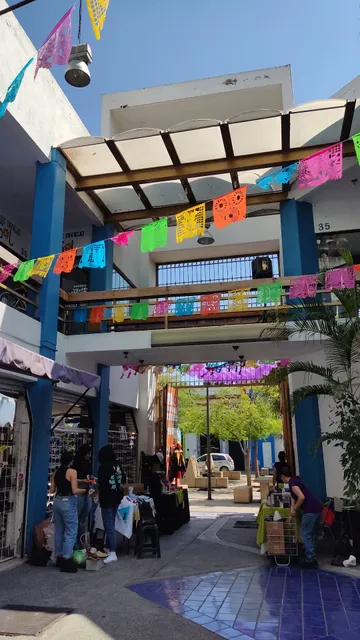
Plaza Alegría
4.0
(394)
Click for details
Templo de San Agustín
4.7
(198)
Click for details