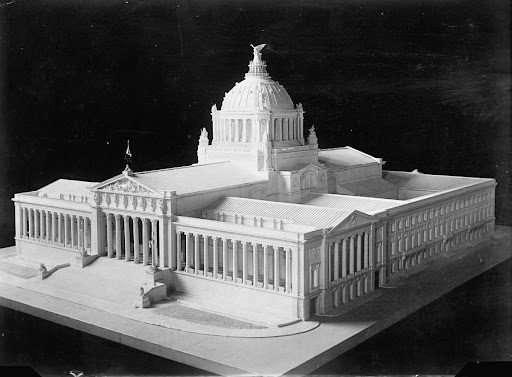
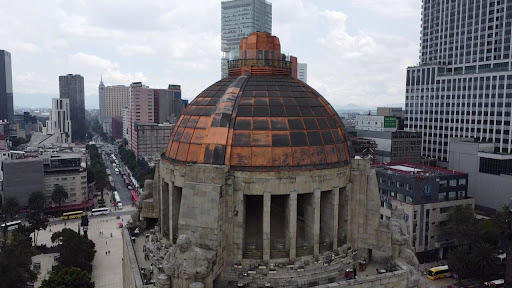
Monument to the Revolution things to do, attractions, restaurants, events info and trip planning
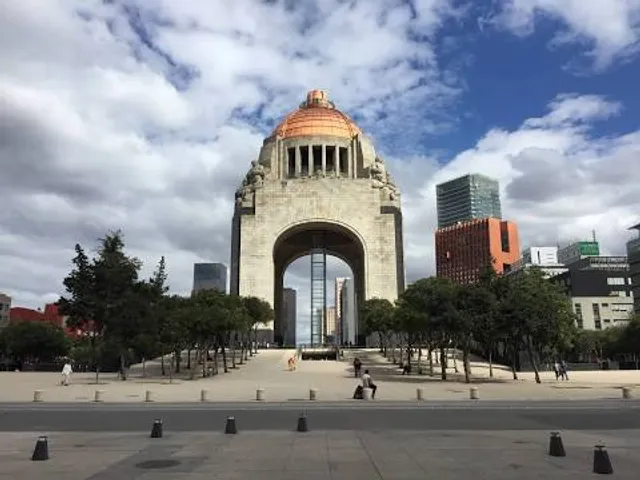
Basic Info
Monument to the Revolution
Pl. de la República s/n, Tabacalera, Cuauhtémoc, 06030 Ciudad de México, CDMX, Mexico
4.7(25.2K)
Open until 8:00 PM


tickets
Save
spot
spot
Ratings & Description
Info
Cultural
Outdoor
Family friendly
attractions: Plaza de la República, National Museum of the Revolution, Monumento a la revolución, Cenote Cuzama, San Carlos National Museum, Teatro De Los Electricistas, Jardín del Arte Sullivan, Torre Caballito, Venustiano Carranza theater, Nuevo Teatro Silvia Pinal, restaurants: Terraza Cha Cha Chá, Doncella Café, Don Core, La Casa De los Bisquets, Vips Colón, Pizza del Perro Negro Monumento a la Revolución, El Comal De Villa, Pizzorama, Coronela, Arango, local businesses: Museo de la Revolución Mexicana, Be Grand® Reforma, Mystika: Un Viaje Inmersivo Espiritual, Torre Cuarzo, Monument to Cuauhtémoc, Parada turibus circuito centro, Reforma 77, SkyTown Insurgentes, Banco BBVA, Spa Barceló México Reforma
 Learn more insights from Wanderboat AI.
Phone
+52 55 5592 2038
Website
mexicocity.cdmx.gob.mx
Open hoursSee all hours
Sun10 AM - 8 PMOpen
Plan your stay

Pet-friendly Hotels in Mexico City
Find a cozy hotel nearby and make it a full experience.

Affordable Hotels in Mexico City
Find a cozy hotel nearby and make it a full experience.

The Coolest Hotels You Haven't Heard Of (Yet)
Find a cozy hotel nearby and make it a full experience.

Trending Stays Worth the Hype in Mexico City
Find a cozy hotel nearby and make it a full experience.
Reviews
Live events

Teotihuacan Balloon Ride & Breakfast at La Gruta
Mon, Feb 23 • 4:45 AM
01000, Mexico City, Mexico City, Mexico
View details

Lucha, Tacos & Beer = Best_ Night Ever
Sun, Feb 22 • 3:15 PM
06700, Mexico City, Mexico City, Mexico
View details
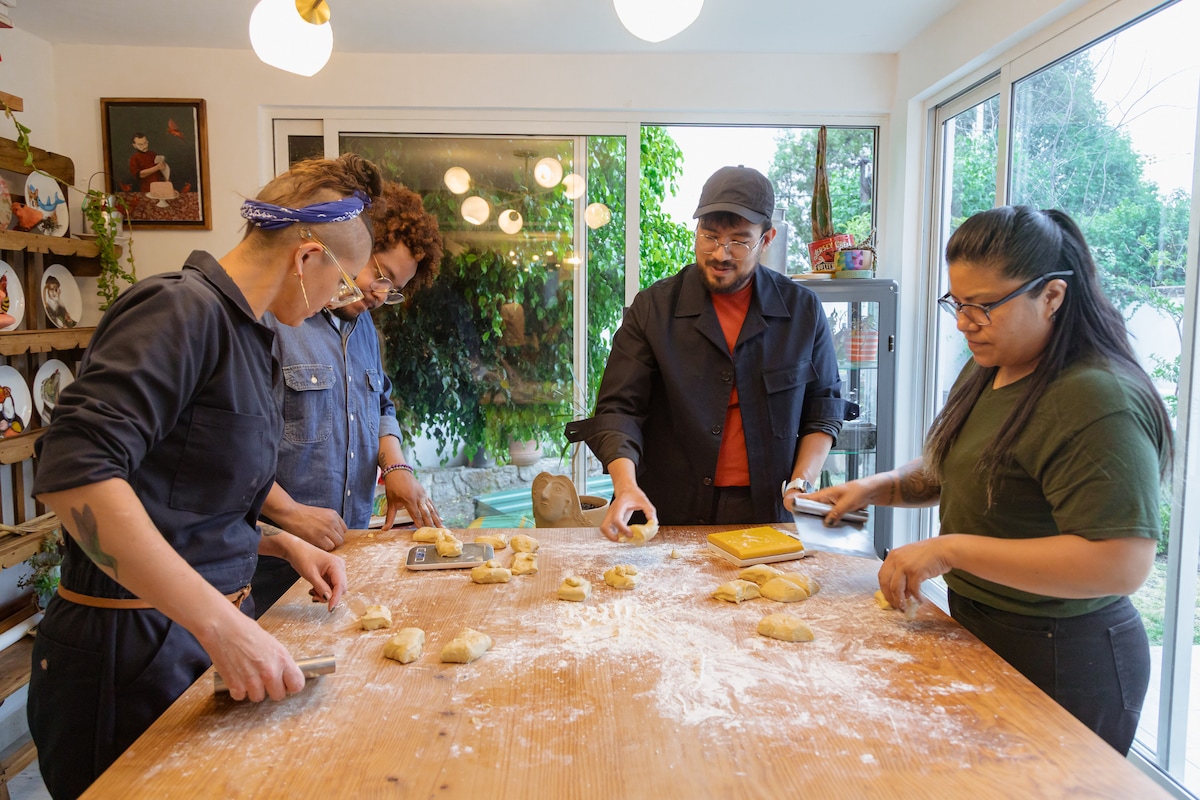
Make Mexican bread with a professional
Tue, Feb 24 • 10:00 AM
11520, Mexico City, Mexico City, Mexico
View details
Nearby attractions of Monument to the Revolution
Plaza de la República
National Museum of the Revolution
Monumento a la revolución
Cenote Cuzama
San Carlos National Museum
Teatro De Los Electricistas
Jardín del Arte Sullivan
Torre Caballito
Venustiano Carranza theater
Nuevo Teatro Silvia Pinal
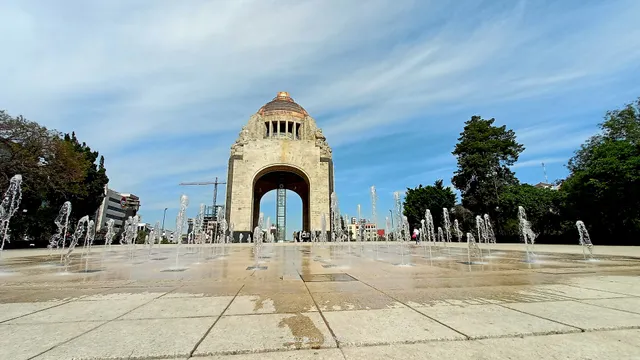
Plaza de la República
4.6
(22K)
Open until 8:00 PM
Click for details
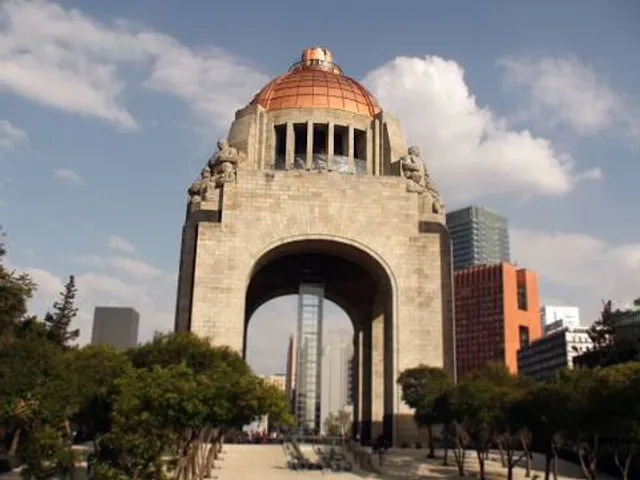
National Museum of the Revolution
4.7
(3.9K)
Open until 8:00 PM
Click for details
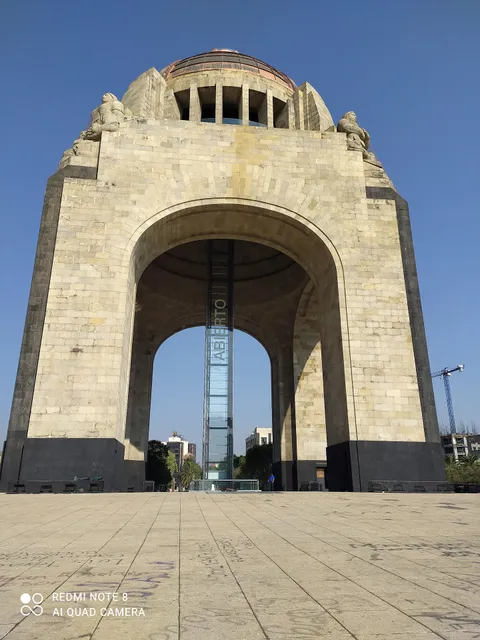
Monumento a la revolución
4.7
(36)
Open 24 hours
Click for details
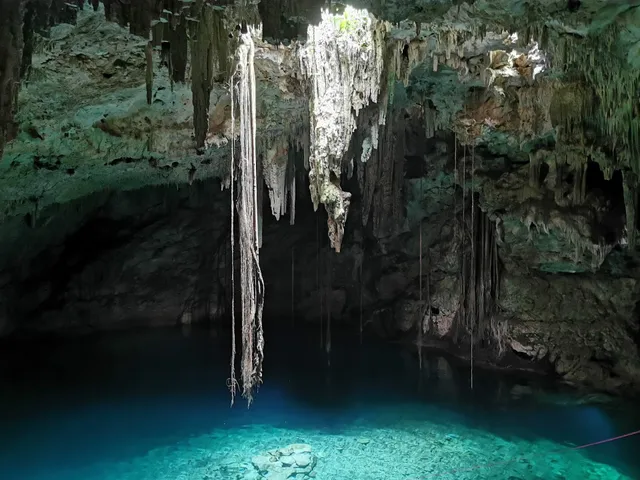
Cenote Cuzama
4.7
(367)
Open until 6:00 PM
Click for details
Nearby restaurants of Monument to the Revolution
Terraza Cha Cha Chá
Doncella Café
Don Core
La Casa De los Bisquets
Vips Colón
Pizza del Perro Negro Monumento a la Revolución
El Comal De Villa
Pizzorama
Coronela
Arango
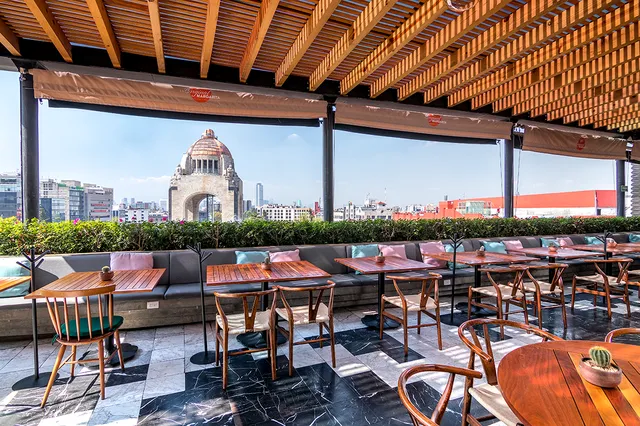
Terraza Cha Cha Chá
4.4
(3.7K)
$$$
Open until 7:00 PM
Click for details
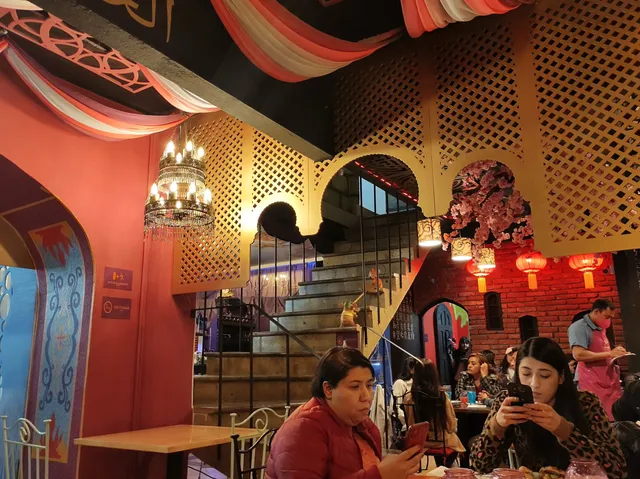
Doncella Café
4.7
(3.3K)
Open until 8:00 PM
Click for details
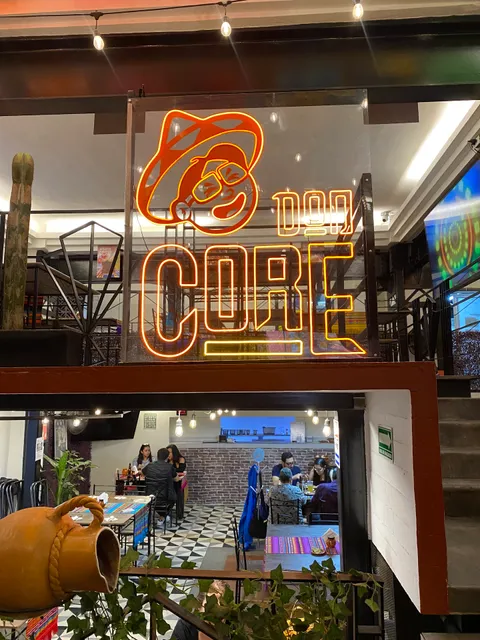
Don Core
4.6
(2.9K)
$
Open until 8:00 PM
Click for details
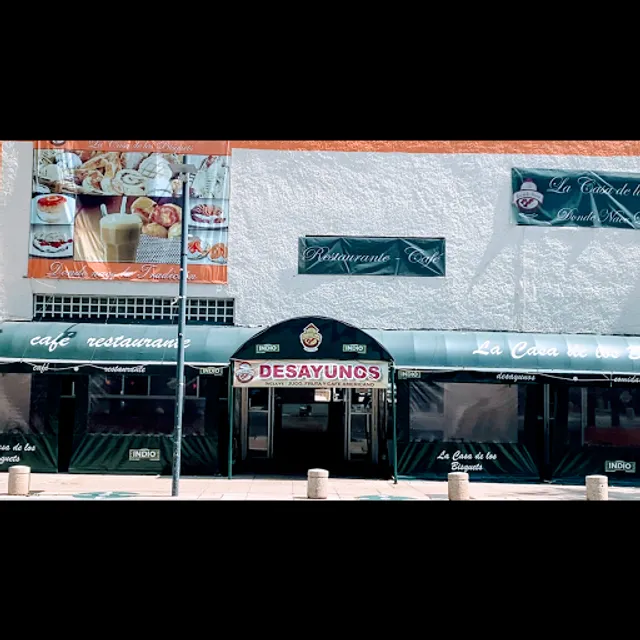
La Casa De los Bisquets
3.9
(1.4K)
Open until 8:00 PM
Click for details
Nearby local services of Monument to the Revolution
Museo de la Revolución Mexicana
Be Grand® Reforma
Mystika: Un Viaje Inmersivo Espiritual
Torre Cuarzo
Monument to Cuauhtémoc
Parada turibus circuito centro
Reforma 77
SkyTown Insurgentes
Banco BBVA
Spa Barceló México Reforma
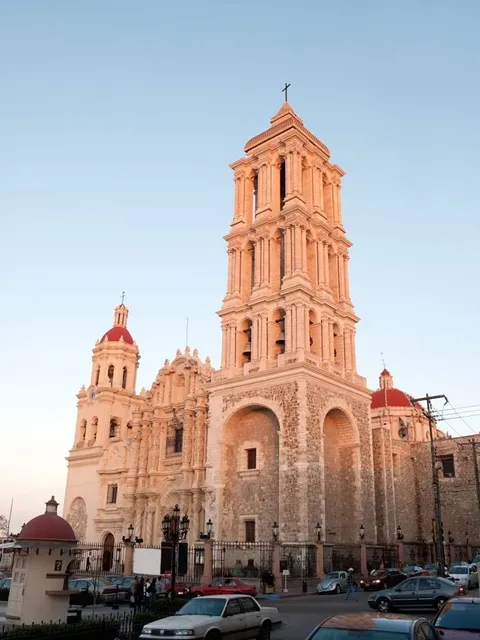
Museo de la Revolución Mexicana
4.6
(416)
Click for details
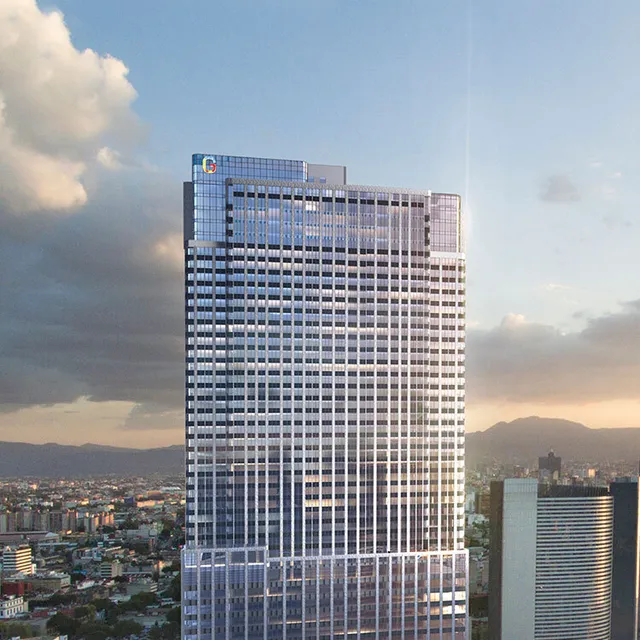
Be Grand® Reforma
4.4
(171)
Click for details

Mystika: Un Viaje Inmersivo Espiritual
4.9
(1.6K)
Click for details
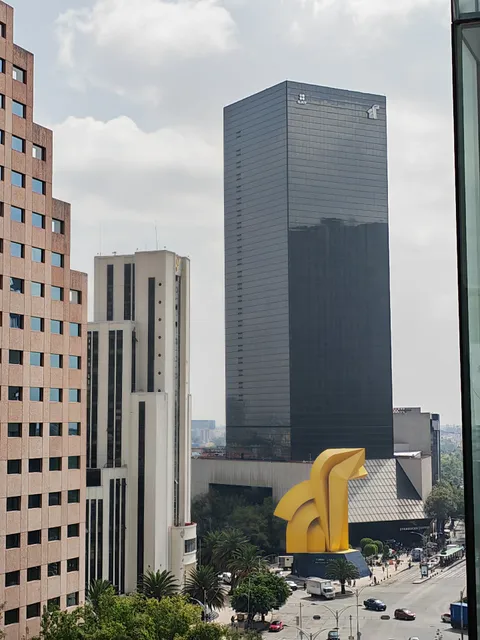
Torre Cuarzo
4.7
(288)
Click for details


The hit list


Plan your trip with Wanderboat
Welcome to Wanderboat AI, your AI search for local Eats and Fun, designed to help you explore your city and the world with ease.
Powered by Wanderboat AI trip planner.