Moroccan Tannery things to do, attractions, restaurants, events info and trip planning
Basic Info
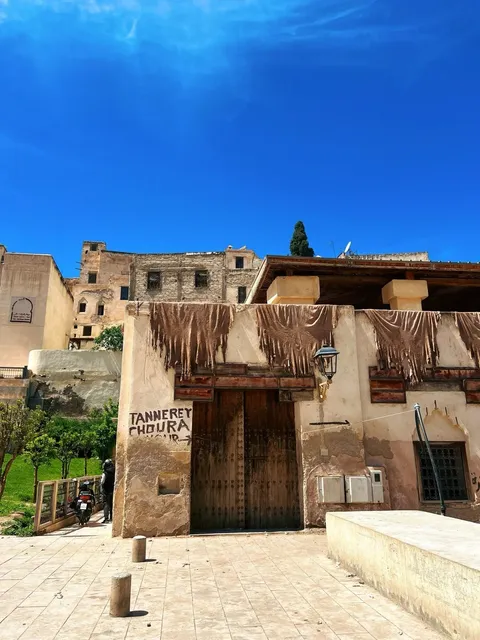
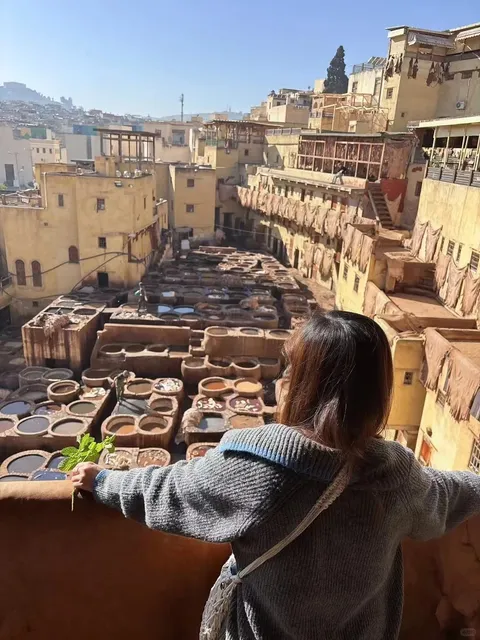
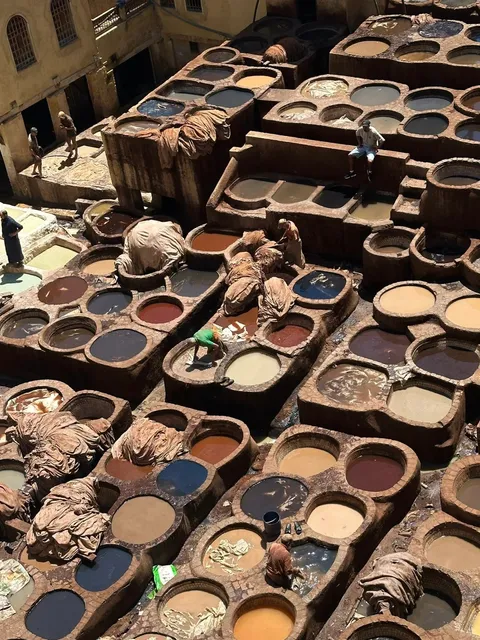
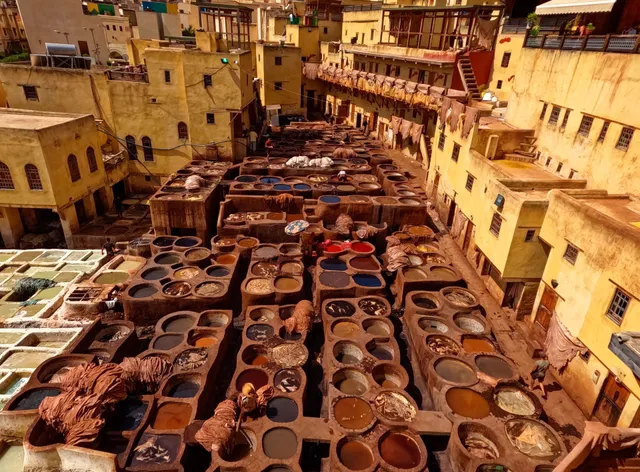
Moroccan Tannery
Rue chouara, Fès, Morocco
4.2(556)
Closed
Save
spot
spot
Ratings & Description
Info
Cultural
Scenic
Family friendly
Off the beaten path
attractions: Al Attarine Madrasa, Mosque and University Kairaouine, Place Seffarine, Mausoleum of Sidi Ahmed al-Tijani, Bab Sidi Boujida, Andalusian Mosque, Nejjarine Museum, مدرسة الشراطين, Tanneries de Fes, Saffarin Madrasa, restaurants: Café Terrasse Panoramique, café Terrasse Riad Kettani, Restaurant Dar Hatim, Restaurant NAYAR, Restaurant la famille Zerhouni, Dar Alamia & Restaurant, Les Mystères de Dar Tajine, Veggie Beldi, Badr Barbeque, Funky friends, local businesses: TERRASSE DE TANNERIE 14 ET 10, Leather Shop with rooftop terrace, Moroccan Tannery, مدخل دار الدبغ شوارة Principal Dor Of Tanneries Chouarra, Fez Cooking School at Palais Amani, Mausoleum of Moulay Idriss II, Palais Quaraouiyine, B K leather design, Tannery Sidi Moussa, Musée Najjarine
 Learn more insights from Wanderboat AI.
Website
moroccantannery.com
Open hoursSee all hours
Wed9 AM - 7 PMClosed
Plan your stay

Pet-friendly Hotels in Fez
Find a cozy hotel nearby and make it a full experience.

Affordable Hotels in Fez
Find a cozy hotel nearby and make it a full experience.

The Coolest Hotels You Haven't Heard Of (Yet)
Find a cozy hotel nearby and make it a full experience.

Trending Stays Worth the Hype in Fez
Find a cozy hotel nearby and make it a full experience.
Reviews
Live events
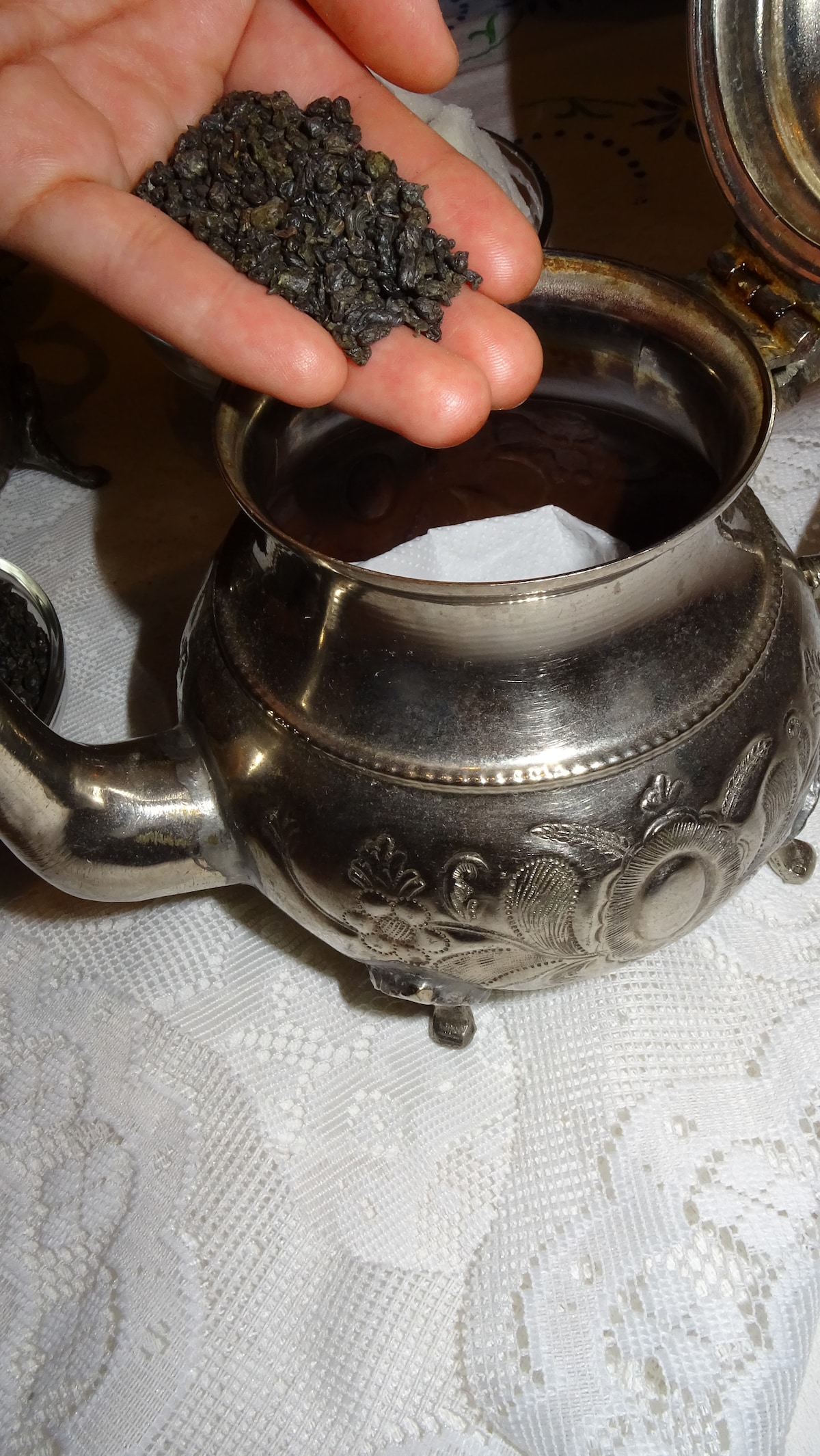
Enjoy a Moroccan tea ceremony
Thu, Feb 26 • 5:00 PM
Fes, 30100, Morocco
View details

Guided tour of the old medina of Fez
Thu, Feb 26 • 10:30 AM
Fes, 30000, Morocco
View details
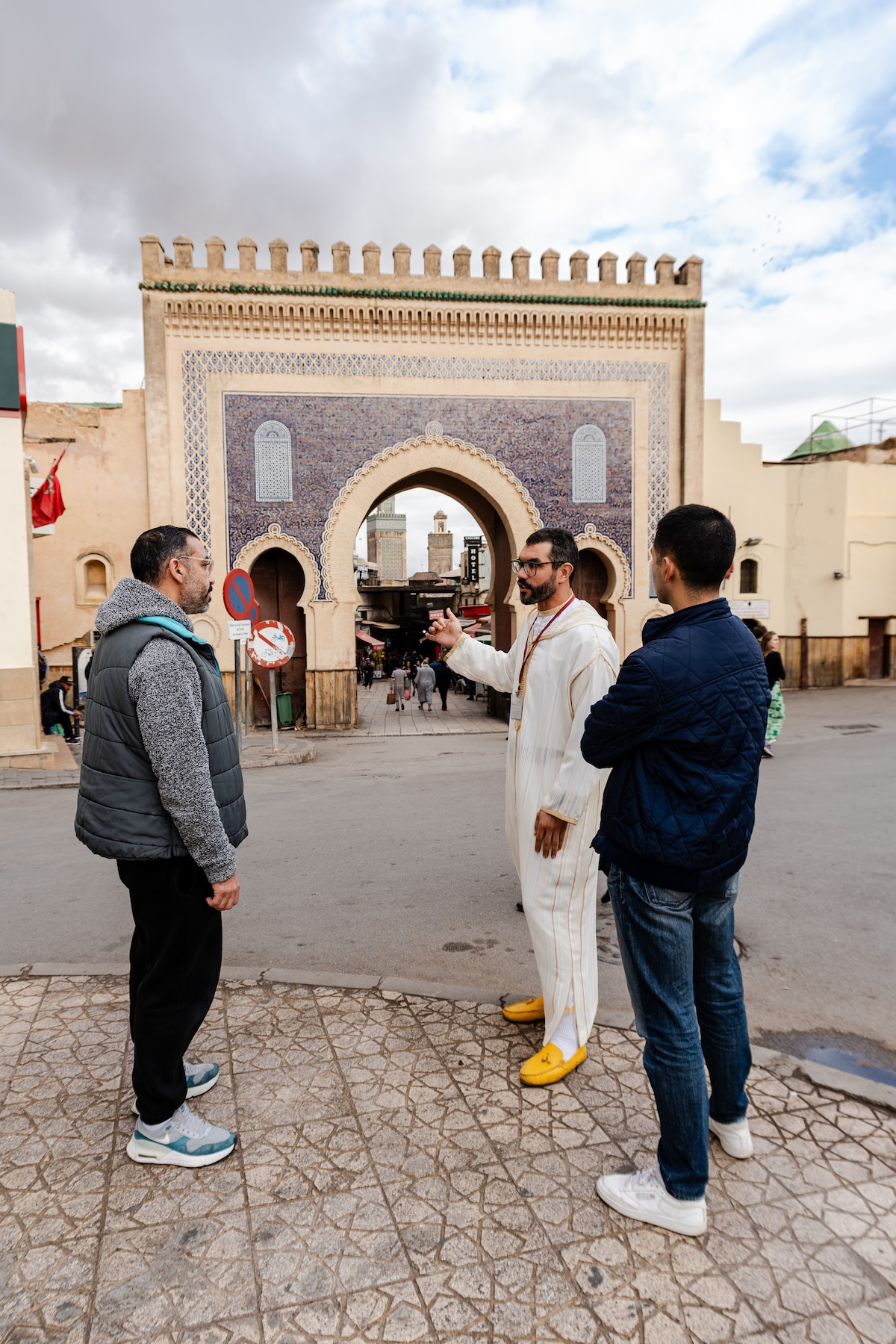
Uncover Fez’s hidden secrets
Thu, Feb 26 • 2:30 PM
Fes, 30110, Morocco
View details
Nearby attractions of Moroccan Tannery
Al Attarine Madrasa
Mosque and University Kairaouine
Place Seffarine
Mausoleum of Sidi Ahmed al-Tijani
Bab Sidi Boujida
Andalusian Mosque
Nejjarine Museum
مدرسة الشراطين
Tanneries de Fes
Saffarin Madrasa
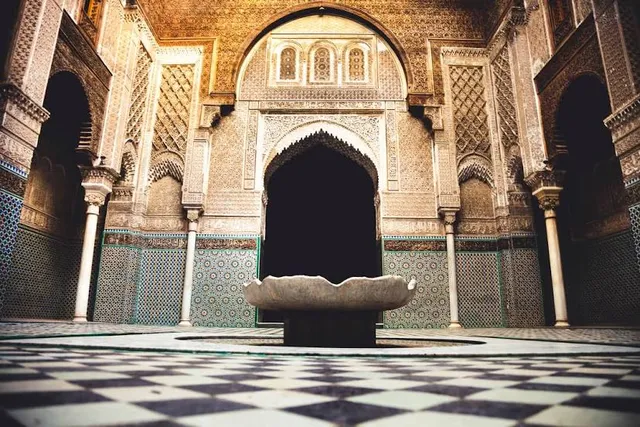
Al Attarine Madrasa
4.5
(1.2K)
Closed
Click for details
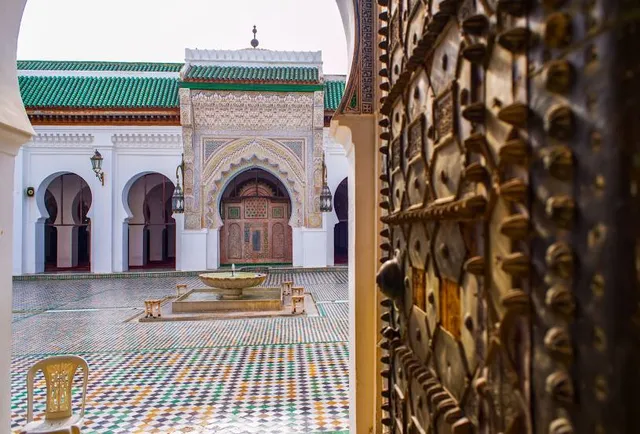
Mosque and University Kairaouine
4.6
(921)
Closed
Click for details
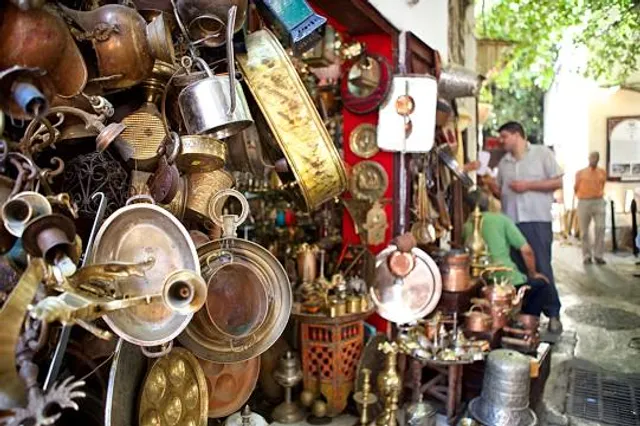
Place Seffarine
4.6
(363)
Closed
Click for details
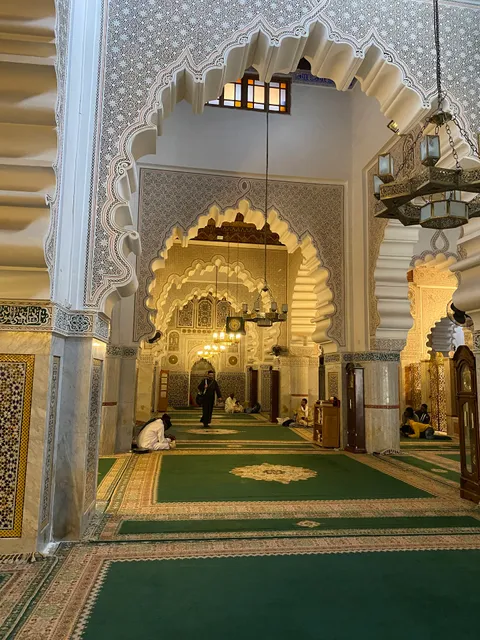
Mausoleum of Sidi Ahmed al-Tijani
4.8
(58)
Open 24 hours
Click for details
Nearby restaurants of Moroccan Tannery
Café Terrasse Panoramique
café Terrasse Riad Kettani
Restaurant Dar Hatim
Restaurant NAYAR
Restaurant la famille Zerhouni
Dar Alamia & Restaurant
Les Mystères de Dar Tajine
Veggie Beldi
Badr Barbeque
Funky friends
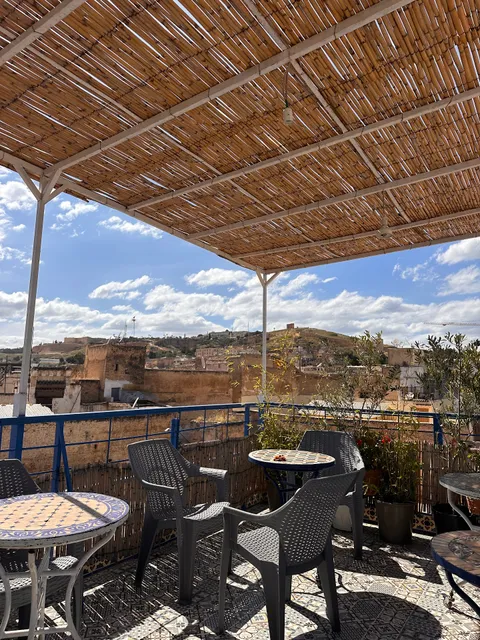
Café Terrasse Panoramique
4.4
(161)
Open until 12:00 AM
Click for details

café Terrasse Riad Kettani
4.7
(113)
Closed
Click for details
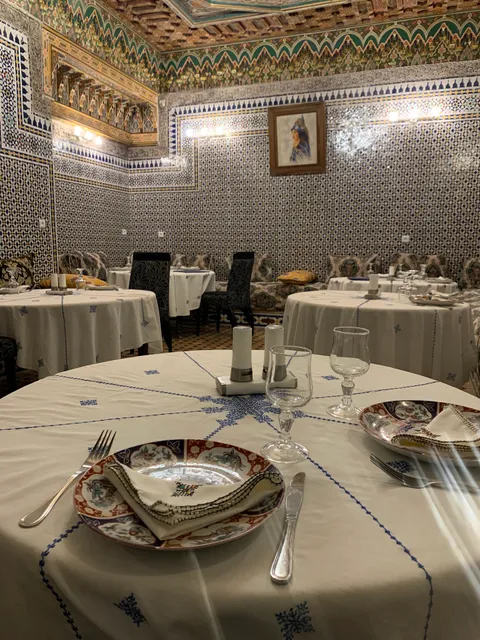
Restaurant Dar Hatim
4.5
(243)
Open until 10:30 PM
Click for details
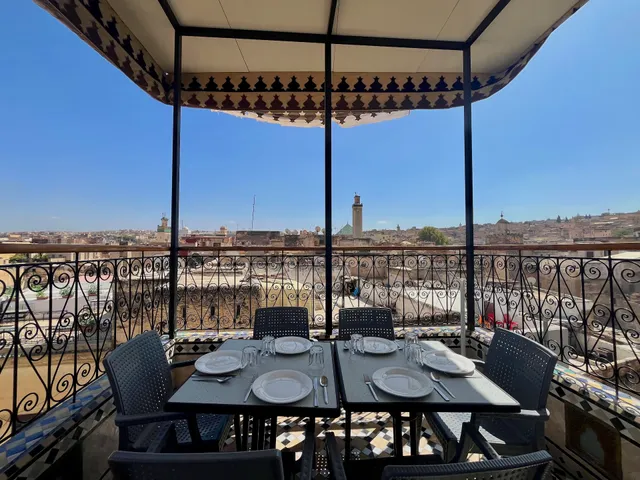
Restaurant NAYAR
4.4
(245)
Closed
Click for details
Nearby local services of Moroccan Tannery
TERRASSE DE TANNERIE 14 ET 10
Leather Shop with rooftop terrace
Moroccan Tannery
مدخل دار الدبغ شوارة Principal Dor Of Tanneries Chouarra
Fez Cooking School at Palais Amani
Mausoleum of Moulay Idriss II
Palais Quaraouiyine
B K leather design
Tannery Sidi Moussa
Musée Najjarine
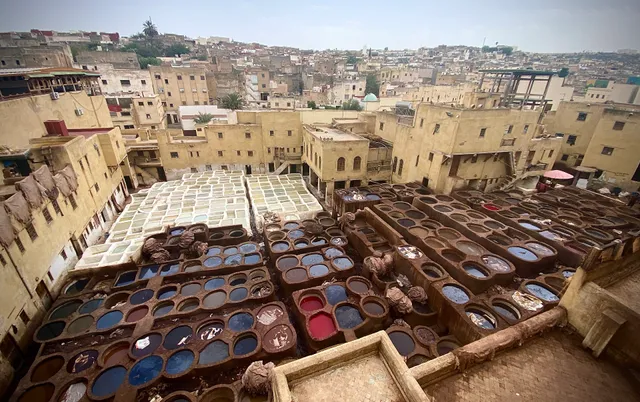
TERRASSE DE TANNERIE 14 ET 10
4.5
(23)
Click for details
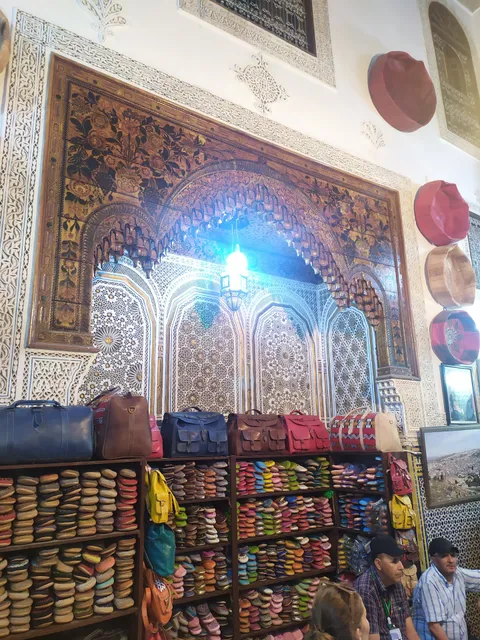
Leather Shop with rooftop terrace
2.9
(39)
Click for details
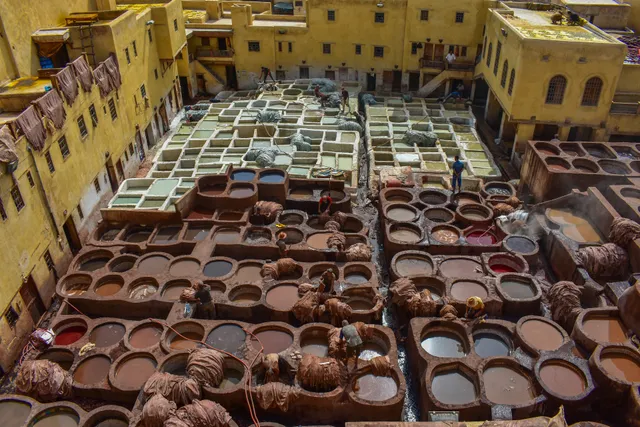
Moroccan Tannery
4.1
(174)
Click for details
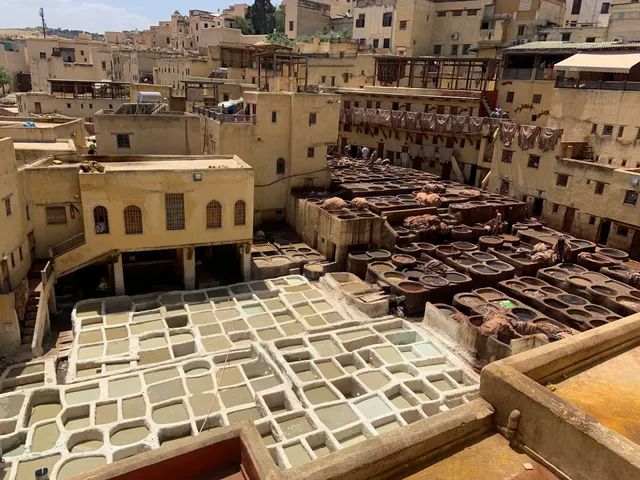
مدخل دار الدبغ شوارة Principal Dor Of Tanneries Chouarra
4.2
(9)
Click for details