Almoravid Koubba things to do, attractions, restaurants, events info and trip planning
Basic Info
Almoravid Koubba
75 Derb Souk Cheria, Marrakech 40000, Morocco
3.9(234)
Closed
tickets
Save
spot
spot
Ratings & Description
Info
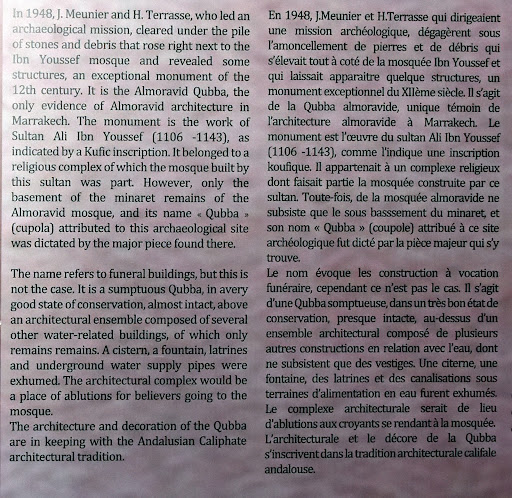
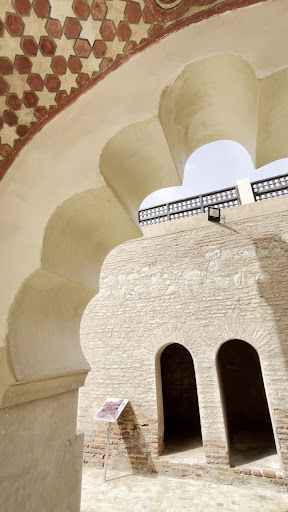
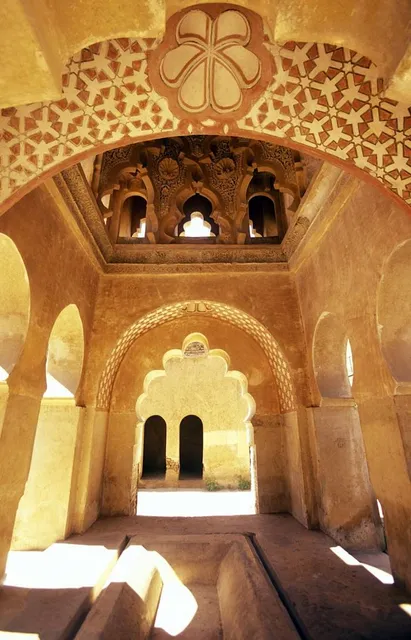
The Almoravid Qubba, or Qubba Ba'adiyyin/Barudiyyin, is a small monument in Marrakech, Morocco. It was erected by the Almoravid dynasty in the early 12th century. It is notable for its extraordinary decoration and for being one of the only remnants of Almoravid architecture in Marrakech.
Cultural
Scenic
Family friendly
attractions: Madrasa Ben Youssef, Marrakech Museum, Le Jardin Secret, Ben Youssef Mosque, Medina of Marrakesh, House of Photography in Marrakech, La Qoubba Galerie d'Art, Museum of Mouassine Music, 本约瑟夫神学院, Jemaa el-Fnaa, restaurants: Le Slimana Restaurant & Rooftop, Moroccan Teahouse Restaurant - 1112 Marrakech, Terrasse des épices, Le Jardin Restaurant Marrakech Medina, La fontaine des épices, Terrasse Bakchich, Kafé Merstan restaurant et terrasse, Jad Jamal, Les almoravides (Restaurant), Kui-Zin, local businesses: Mederssa Ben Youssef, Herboriste du paradis, Herboriste la Sagesse, Souk MARKET, Les Nomades De Marrakech-Best Moroccan Carpets and Rugs store, Herboriste des Amis, Hammam Mouassine, Souk Cherifia, La Patisserie de la Terrasse Spices, Souk El Attarine - Copper Market
 Learn more insights from Wanderboat AI.
Website
almoravidkoubba.com
Open hoursSee all hours
Fri8:30 AM - 6 PMClosed
Plan your stay

Pet-friendly Hotels in Marrakesh Prefecture
Find a cozy hotel nearby and make it a full experience.

Affordable Hotels in Marrakesh Prefecture
Find a cozy hotel nearby and make it a full experience.

The Coolest Hotels You Haven't Heard Of (Yet)
Find a cozy hotel nearby and make it a full experience.

Trending Stays Worth the Hype in Marrakesh Prefecture
Find a cozy hotel nearby and make it a full experience.
Reviews
Live events
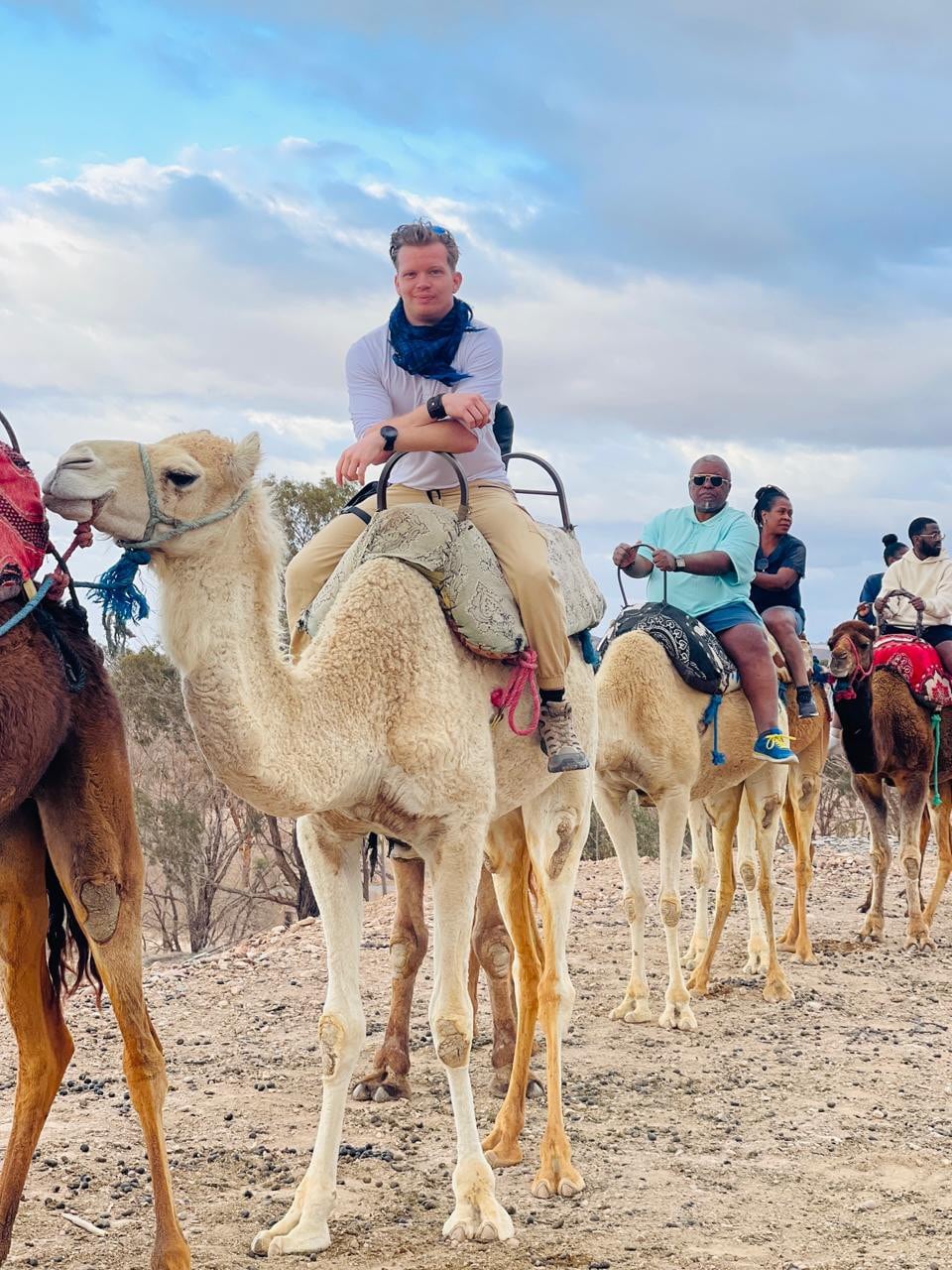
Quad bike, Camel ride & Dinner Show, Agafay desert
Fri, Feb 27 • 2:00 PM
Marrakesh, 40000, Morocco
View details
Nearby attractions of Almoravid Koubba
Madrasa Ben Youssef
Marrakech Museum
Le Jardin Secret
Ben Youssef Mosque
Medina of Marrakesh
House of Photography in Marrakech
La Qoubba Galerie d'Art
Museum of Mouassine Music
本约瑟夫神学院
Jemaa el-Fnaa
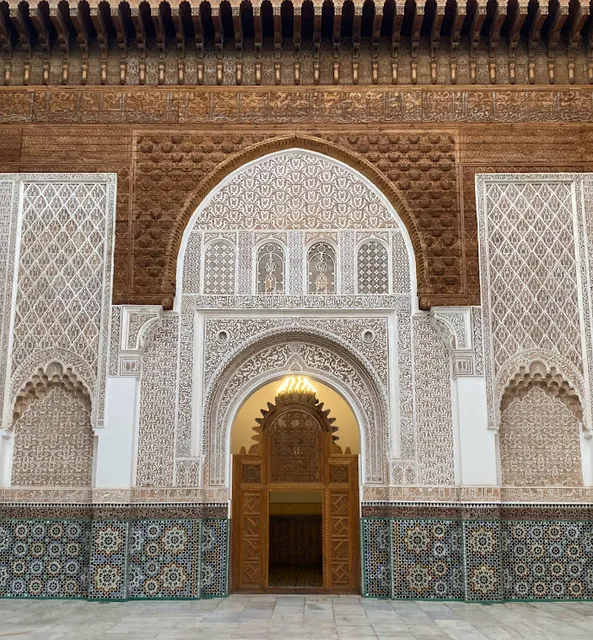
Madrasa Ben Youssef
4.7
(4.5K)
Closed
Click for details
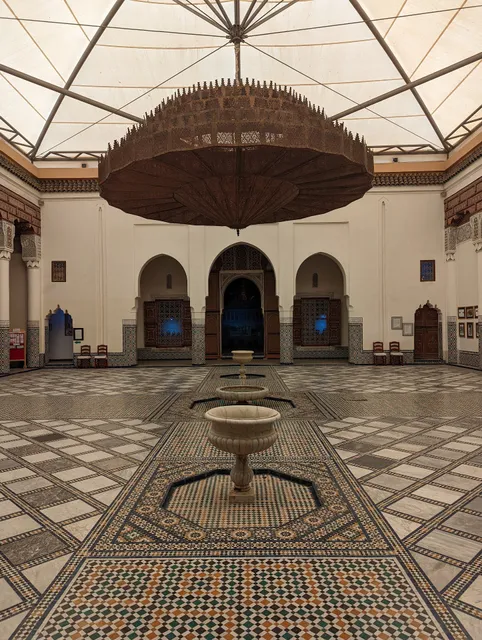
Marrakech Museum
4.0
(1.1K)
Closed
Click for details
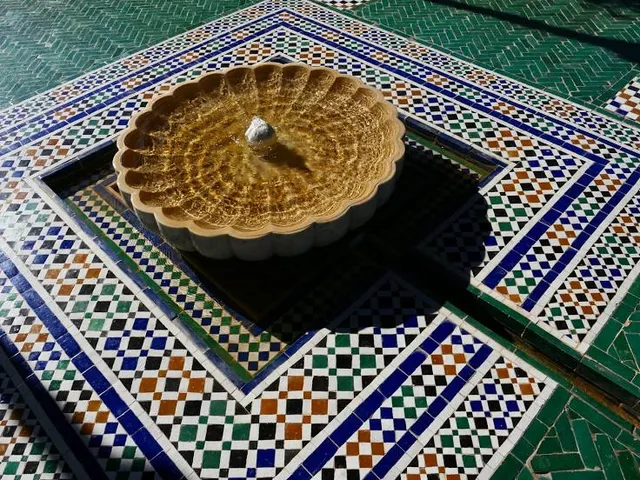
Le Jardin Secret
4.2
(4.6K)
Closed
Click for details
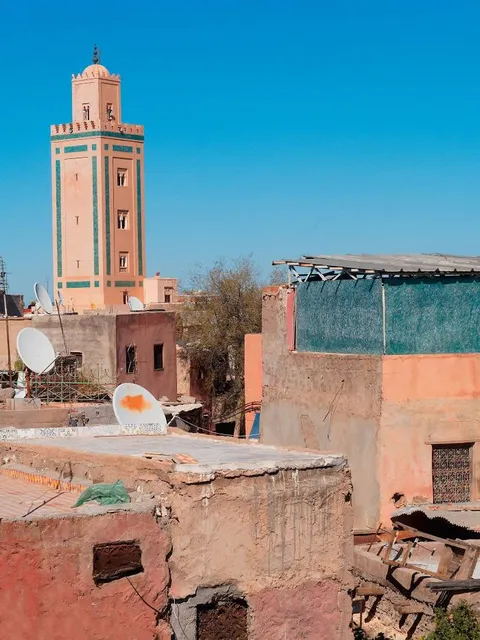
Ben Youssef Mosque
4.5
(239)
Closed
Click for details
Nearby restaurants of Almoravid Koubba
Le Slimana Restaurant & Rooftop
Moroccan Teahouse Restaurant - 1112 Marrakech
Terrasse des épices
Le Jardin Restaurant Marrakech Medina
La fontaine des épices
Terrasse Bakchich
Kafé Merstan restaurant et terrasse
Jad Jamal
Les almoravides (Restaurant)
Kui-Zin
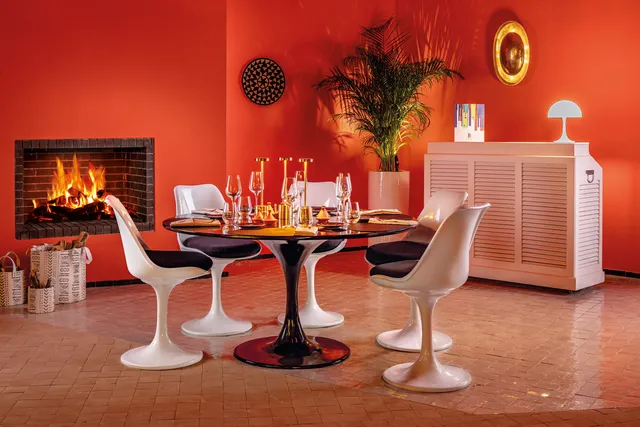
Le Slimana Restaurant & Rooftop
4.8
(2.8K)
$$
Closed
Click for details
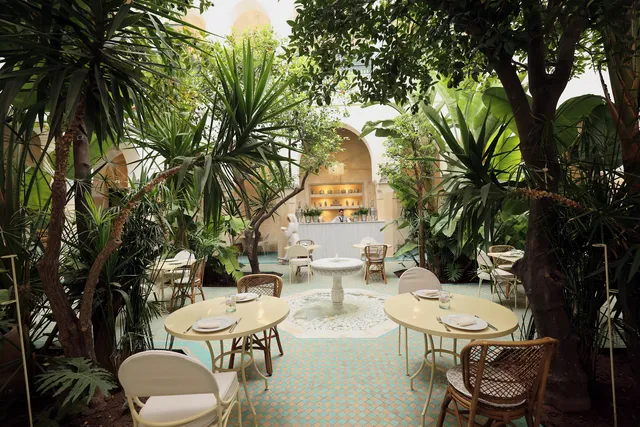
Moroccan Teahouse Restaurant - 1112 Marrakech
4.7
(421)
Closed
Click for details
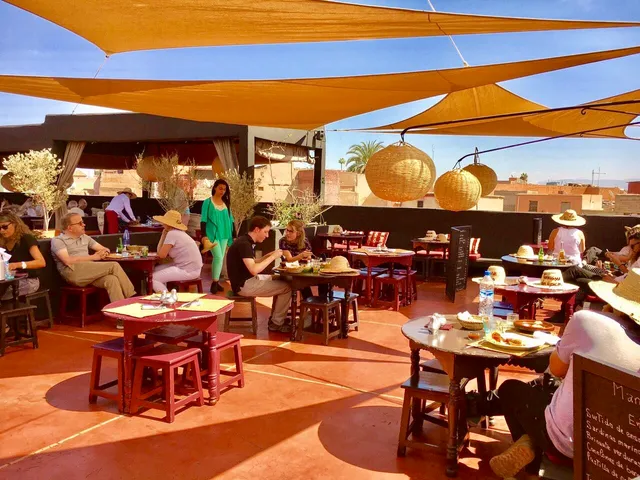
Terrasse des épices
4.4
(2K)
$$$
Closed
Click for details
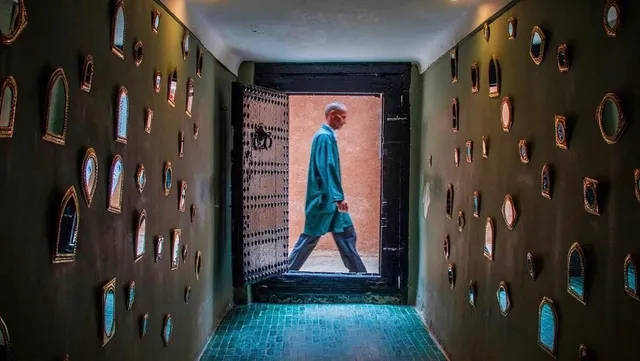
Le Jardin Restaurant Marrakech Medina
4.2
(2.4K)
$$
Closed
Click for details
Nearby local services of Almoravid Koubba
Mederssa Ben Youssef
Herboriste du paradis
Herboriste la Sagesse
Souk MARKET
Les Nomades De Marrakech-Best Moroccan Carpets and Rugs store
Herboriste des Amis
Hammam Mouassine
Souk Cherifia
La Patisserie de la Terrasse Spices
Souk El Attarine - Copper Market
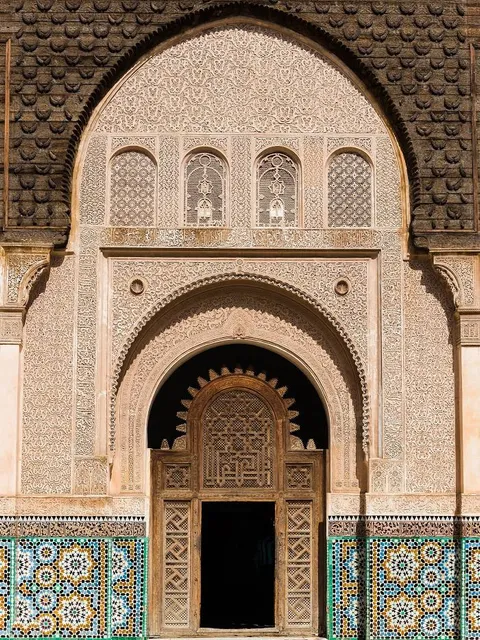
Mederssa Ben Youssef
4.6
(1.8K)
Click for details
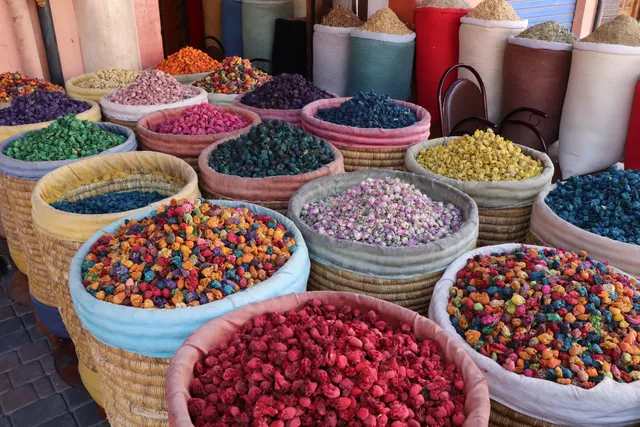
Herboriste du paradis
4.2
(124)
Click for details
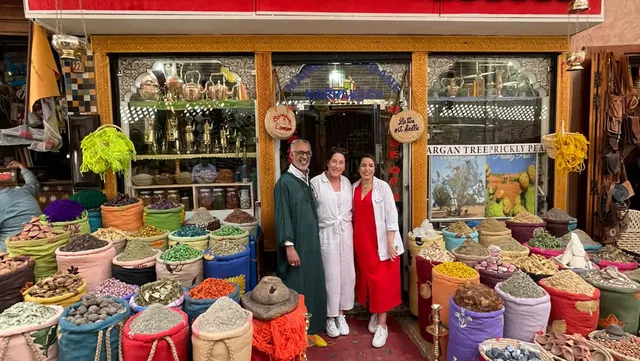
Herboriste la Sagesse
4.3
(86)
Click for details
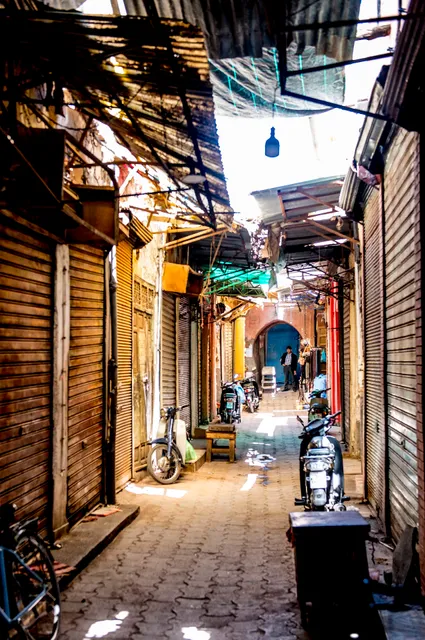
Souk MARKET
4.3
(275)
Click for details