Marrakech Museum things to do, attractions, restaurants, events info and trip planning
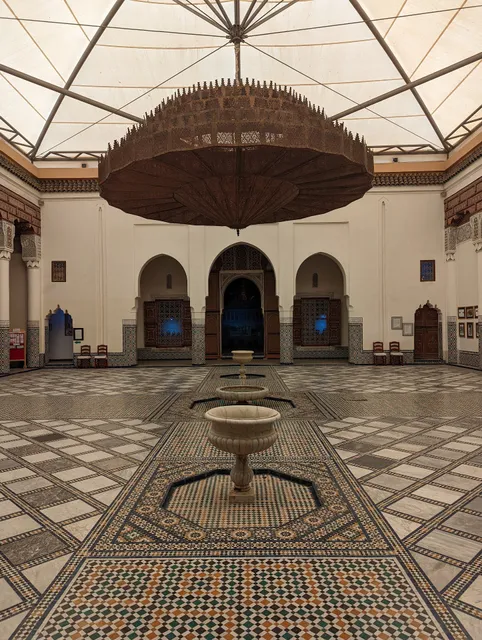
Basic Info
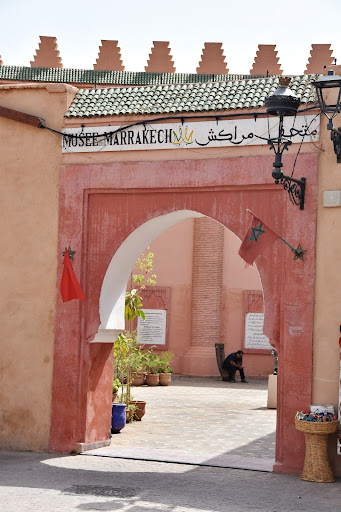
Marrakech Museum
J2H6+VPJ, Place Ben Youssef, Marrakesh 40000, Morocco
4.0(1.1K)
Closed

tickets
Save
spot
spot
Ratings & Description
Info
Cultural
Entertainment
Family friendly
Accessibility
attractions: Madrasa Ben Youssef, House of Photography in Marrakech, Ben Youssef Mosque, Almoravid Koubba, Le Jardin Secret, La Qoubba Galerie d'Art, Medina of Marrakesh, 本约瑟夫神学院, Souk Semmarine, Museum of Mouassine Music, restaurants: Le Slimana Restaurant & Rooftop, Moroccan Teahouse Restaurant - 1112 Marrakech, Le Trou Au Mur Restaurant and Roof terrace, Le Foundouk Restaurant & Rooftop, Jad Jamal, Kafé Merstan restaurant et terrasse, Terrasse La Medersa, Le Jardin Restaurant Marrakech Medina, Terrasse Bakchich, Terrasse des épices, local businesses: Mederssa Ben Youssef, Herboriste du paradis, Herboriste des Amis, Museo de los Orientalistas de Marrakech, Les Nomades De Marrakech-Best Moroccan Carpets and Rugs store, Fondation Dar Bellarj Maison Des Cigognes, Herboriste la Sagesse, Souk MARKET, Hammam Mouassine, Souk Cherifia
 Learn more insights from Wanderboat AI.
Phone
+212 5 24 44 18 93
Website
marrakechmuseum.com
Open hoursSee all hours
Fri9:30 a.m. - 6 p.m.Closed
Plan your stay

Pet-friendly Hotels in Marrakesh Prefecture
Find a cozy hotel nearby and make it a full experience.

Affordable Hotels in Marrakesh Prefecture
Find a cozy hotel nearby and make it a full experience.

The Coolest Hotels You Haven't Heard Of (Yet)
Find a cozy hotel nearby and make it a full experience.

Trending Stays Worth the Hype in Marrakesh Prefecture
Find a cozy hotel nearby and make it a full experience.
Reviews
Live events
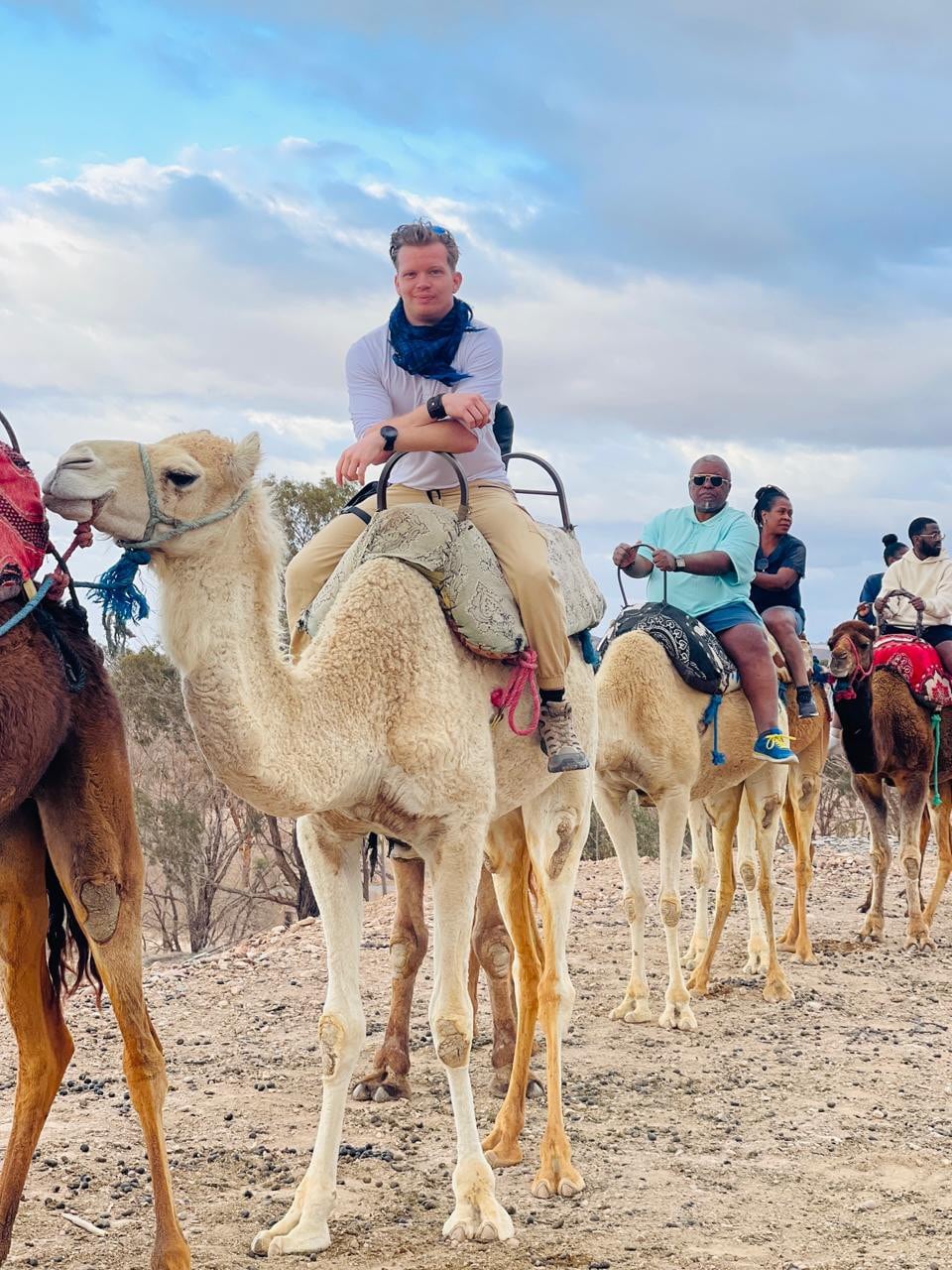
Quad bike, Camel ride & Dinner Show, Agafay desert
Sat, Feb 21 • 3:00 PM
Marrakesh, 40000, Morocco
View details
Nearby attractions of Marrakech Museum
Madrasa Ben Youssef
House of Photography in Marrakech
Ben Youssef Mosque
Almoravid Koubba
Le Jardin Secret
La Qoubba Galerie d'Art
Medina of Marrakesh
本约瑟夫神学院
Souk Semmarine
Museum of Mouassine Music
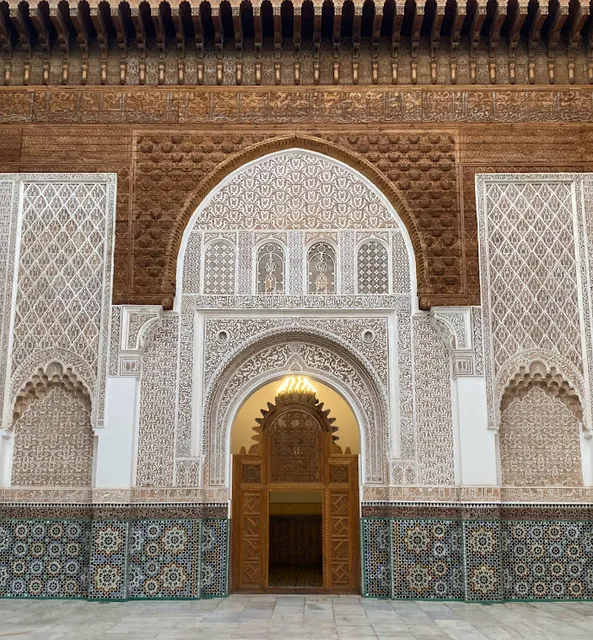
Madrasa Ben Youssef
4.7
(4.2K)
Closed
Click for details
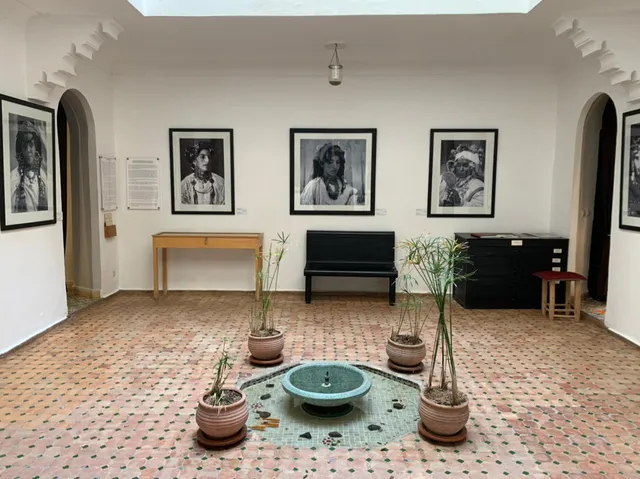
House of Photography in Marrakech
4.5
(1.6K)
Closed
Click for details
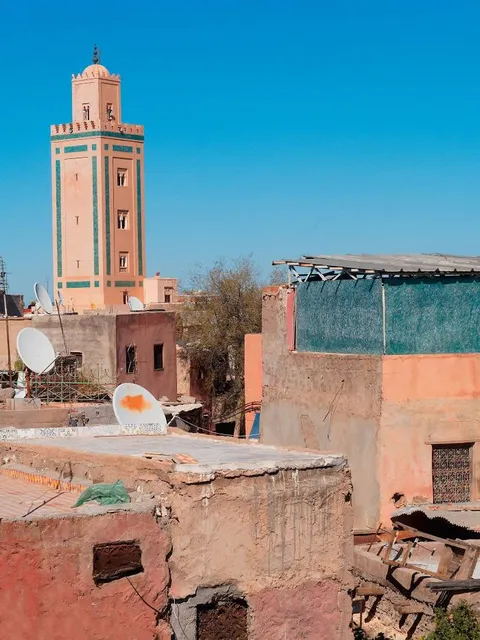
Ben Youssef Mosque
4.5
(233)
Closed
Click for details
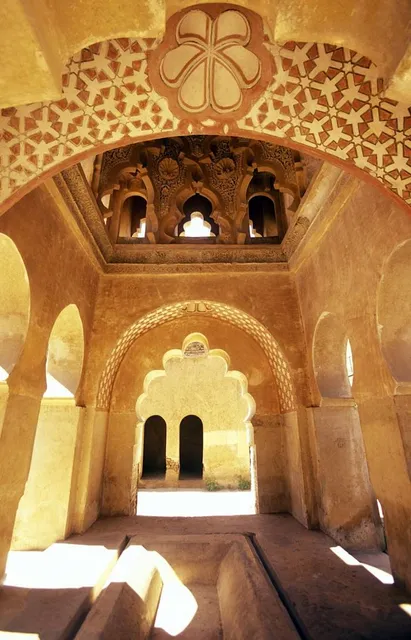
Almoravid Koubba
3.9
(244)
Closed
Click for details
Nearby restaurants of Marrakech Museum
Le Slimana Restaurant & Rooftop
Moroccan Teahouse Restaurant - 1112 Marrakech
Le Trou Au Mur Restaurant and Roof terrace
Le Foundouk Restaurant & Rooftop
Jad Jamal
Kafé Merstan restaurant et terrasse
Terrasse La Medersa
Le Jardin Restaurant Marrakech Medina
Terrasse Bakchich
Terrasse des épices
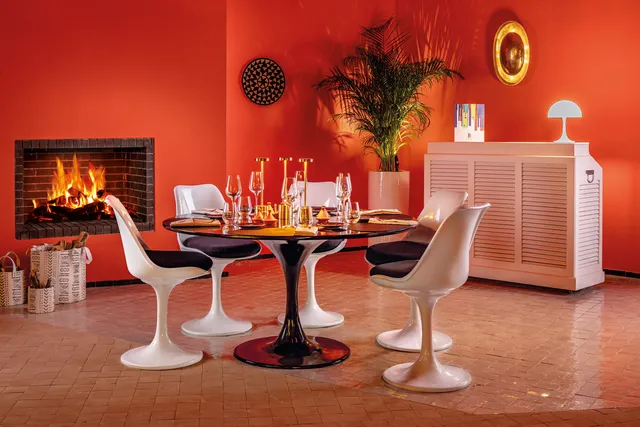
Le Slimana Restaurant & Rooftop
4.8
(2.7K)
$$
Closed
Click for details
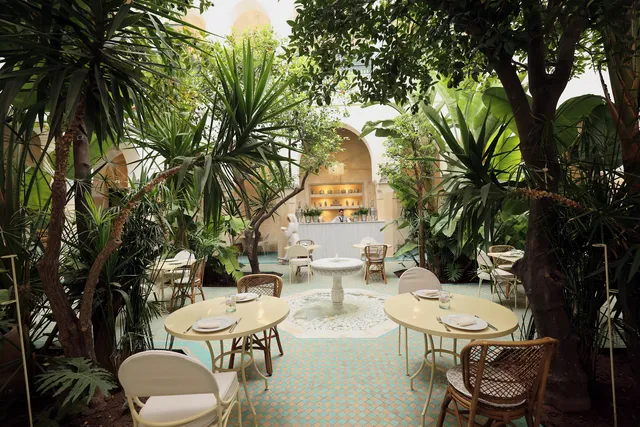
Moroccan Teahouse Restaurant - 1112 Marrakech
4.8
(423)
Closed
Click for details
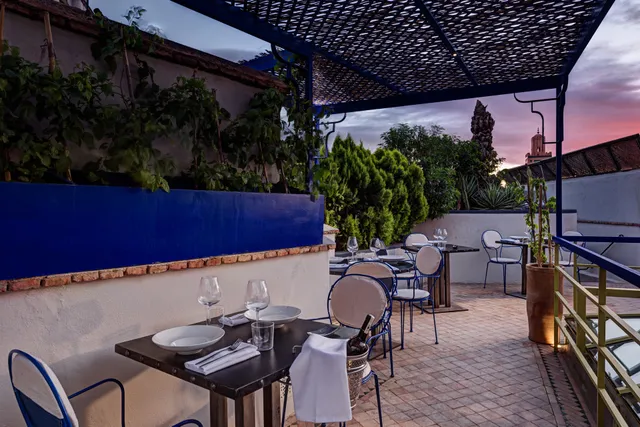
Le Trou Au Mur Restaurant and Roof terrace
4.6
(382)
Open until 12:00 AM
Click for details
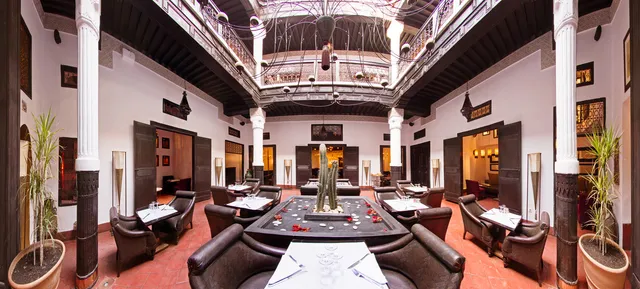
Le Foundouk Restaurant & Rooftop
4.2
(544)
Open until 12:00 AM
Click for details
Nearby local services of Marrakech Museum
Mederssa Ben Youssef
Herboriste du paradis
Herboriste des Amis
Museo de los Orientalistas de Marrakech
Les Nomades De Marrakech-Best Moroccan Carpets and Rugs store
Fondation Dar Bellarj Maison Des Cigognes
Herboriste la Sagesse
Souk MARKET
Hammam Mouassine
Souk Cherifia
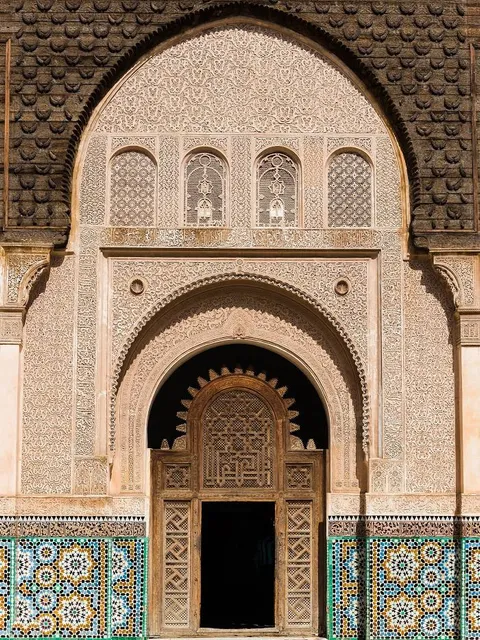
Mederssa Ben Youssef
4.6
(1.7K)
Click for details
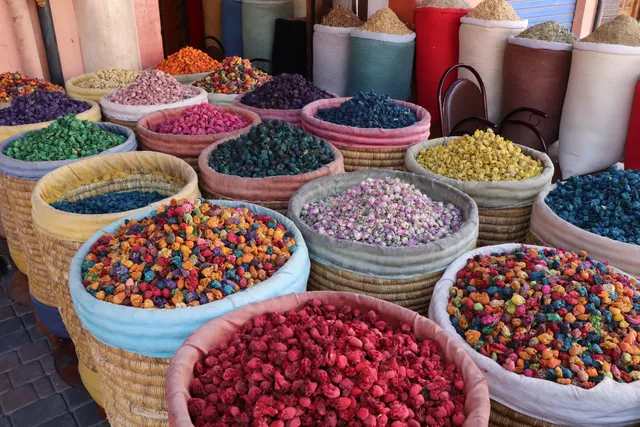
Herboriste du paradis
4.2
(119)
Click for details
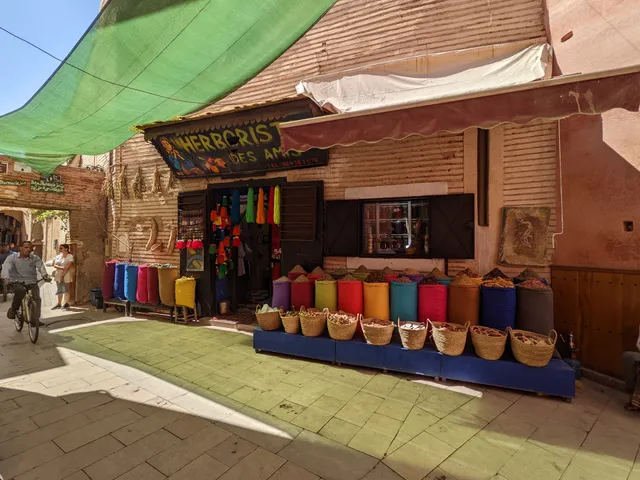
Herboriste des Amis
4.6
(80)
Click for details
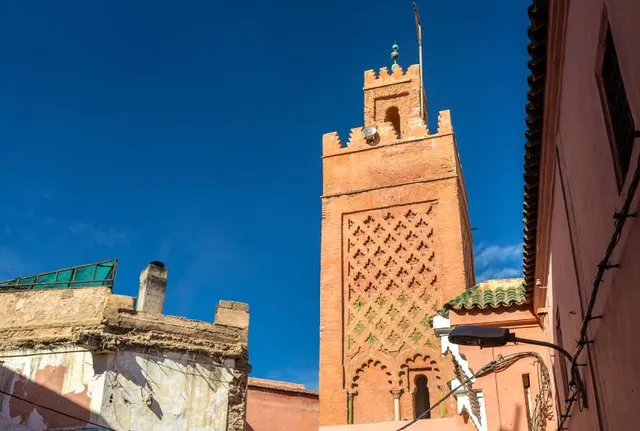
Museo de los Orientalistas de Marrakech
4.3
(100)
Click for details