HTML SitemapExplore
logo
Find Things to DoFind The Best Restaurants

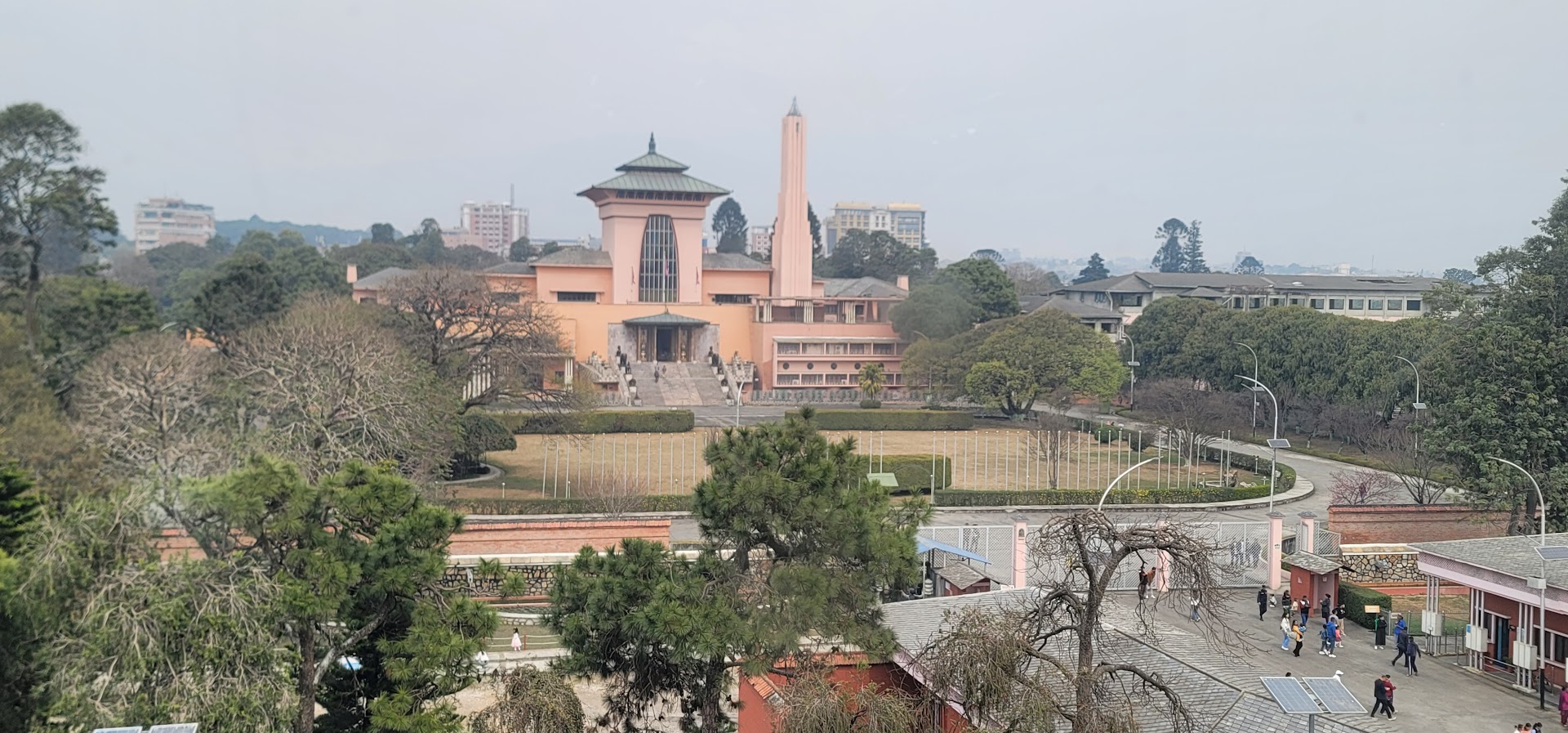
Narayanhiti Palace — Attraction in Kathmandu Metropolitan City

Name
Narayanhiti Palace
Description
Nearby attractions
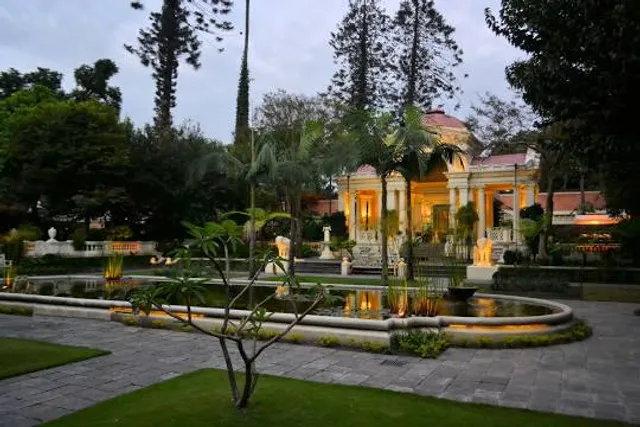
Garden of Dreams
Tridevi Sadak, Kathmandu 44600, Nepal
Chaturbeuha Narayan Temple
P879+HM4, Kathmandu 44600, Nepal
Kaiser Library
P878+H4G, Kanti Path, Kathmandu 44600, Nepal
Keshar Mahal
26 Keshar Mahal Marg, Kathmandu 44600, Nepal
Tridevi Temple
Tri-Devi Temple, Tridevi Sadak, Kathmandu 44600, Nepal
Casino Anna
Seto Dhoka Marg, Kathmandu 44600, Nepal
Nepal Himalayas Trekking Pvt. Ltd
Amrit Marg, Kathmandu 44600, Nepal
Green Valley Nepal Treks
Thamel Marg, Kathmandu 44600, Nepal
Skywalk Tower Kathmandu
P859+6JM, Road, Kathmandu 44600, Nepal
Base Camp Trekking & Expeditions
Kathmandu 44600, Nepal
Nearby restaurants
Mezze by Roadhouse
Mercantile Plaza, Durbar Marg, Kathmandu 04466, Nepal
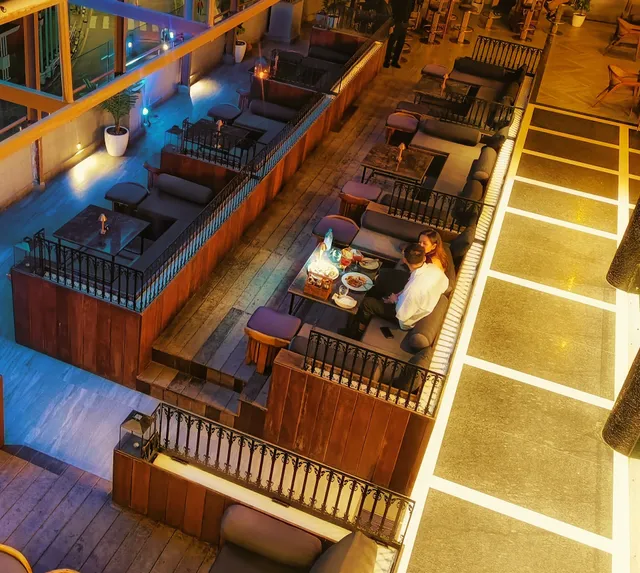
Penthouse Rooftop Bar & Lounge
1 Durbar Mall, Durbar Marg, Kathmandu 44600, Nepal
Le Trio Restaurant & Bar
Narayanhiti Path, Kathmandu 44600, Nepal
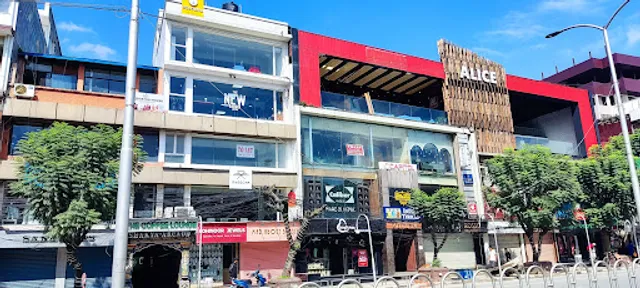
Alice Restaurant
Durbar Marg, Kathmandu 44600, Nepal
Moti Mahal Vegetarian Restaurant
Durbar Marg, Kathmandu 44600, Nepal
Fire And Ice Pizzeria
Kathmandu 44600, Nepal
Mahotsav Restaurant and Bar
Lal Durbar, Durbar Marg, Kathmandu 44600, Nepal
The Black Gold Restaurant: Halal Authentic
1 Durbar Marg, Kathmandu 44600, Nepal
Dechenling Garden Restaurant
Keshar Mahal Marg, Kathmandu 44600, Nepal
Mustang Thakali By State III
Ananda Bhawan, Uttar Dhoka Rd, Kathmandu 44600, Nepal
Nearby hotels
Landmark Kathmandu
P869+6WP, Durbar Marg, Kathmandu 44600, Nepal
Hotel Yak & Yeti
Durbar Marg, Kathmandu 44600, Nepal
Hotel Barahi Kathmandu
Tridevi Sadak, Kathmandu 44600, Nepal
Fairfield by Marriott Kathmandu
Kmc, 29 Tridevi Marg, Kathmandu 44600, Nepal
Magnificent Hotel
Keshar Mahal Marg, Kathmandu 44600, Nepal
Oasis Kathmandu Hotel
29 Keshar Mahal Marg, Kathmandu 44600, Nepal
Aryatara Kathmandu Hotel
Kesarmahal Rd, Kathmandu 44600, Nepal
Hotel Shree Tara
Kathmandu 44600, Nepal
Rama Inn Boutique Home
Lal Durbar Marg, Kathmandu 44600, Nepal
Aloft Kathmandu Thamel
Chhaya Devi Complex, Amrit Marg, Kathmandu 44600, Nepal
Related posts
Keywords
Narayanhiti Palace tourism.Narayanhiti Palace hotels.Narayanhiti Palace bed and breakfast. flights to Narayanhiti Palace.Narayanhiti Palace attractions.Narayanhiti Palace restaurants.Narayanhiti Palace travel.Narayanhiti Palace travel guide.Narayanhiti Palace travel blog.Narayanhiti Palace pictures.Narayanhiti Palace photos.Narayanhiti Palace travel tips.Narayanhiti Palace maps.Narayanhiti Palace things to do.
Narayanhiti Palace things to do, attractions, restaurants, events info and trip planning
Narayanhiti Palace
NepalBagmati ProvinceKathmandu Metropolitan CityNarayanhiti Palace

Basic Info

Narayanhiti Palace

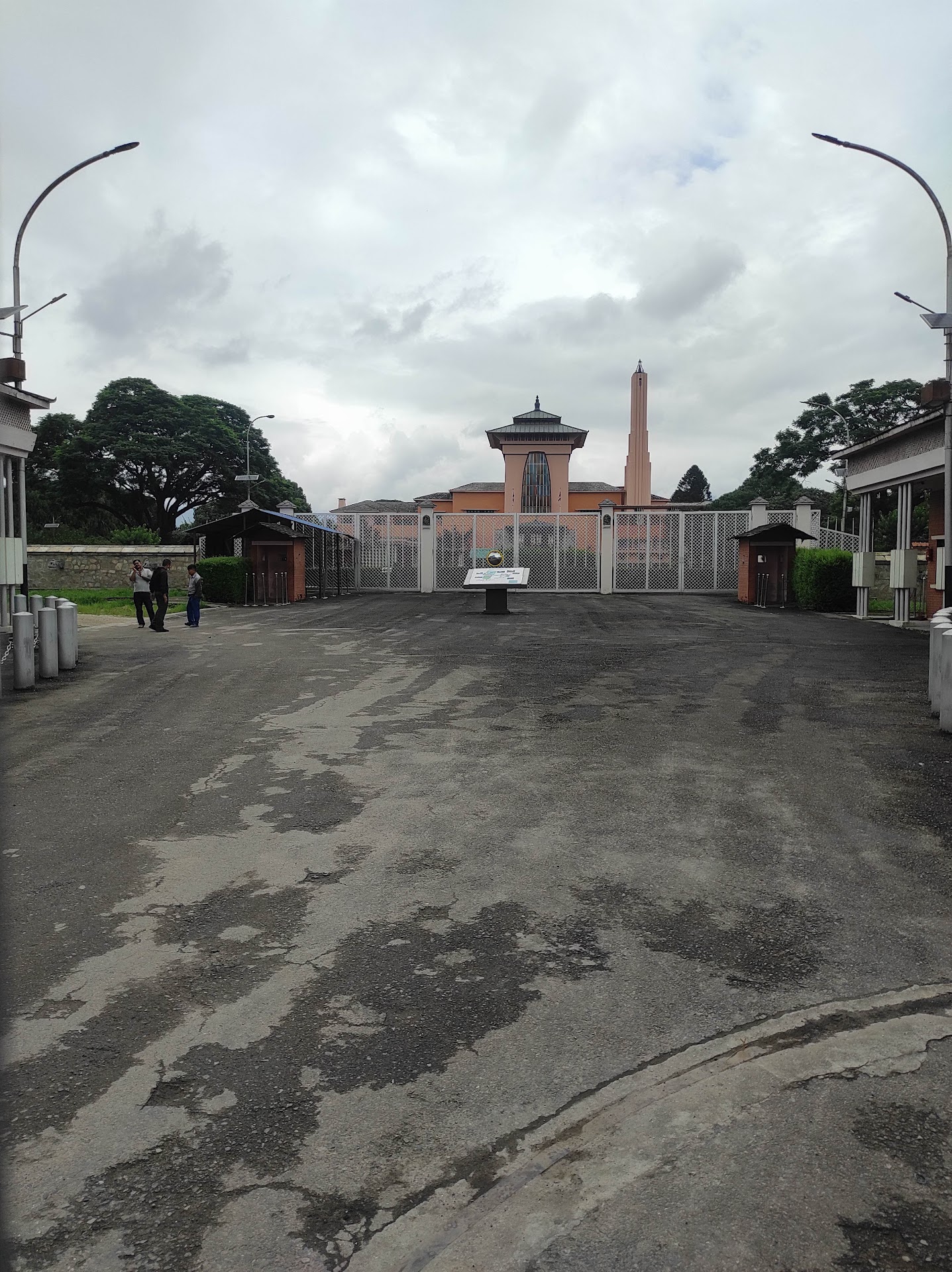
Narayanhiti Palace Museum North Gate Rd, Kathmandu 44600, Nepal
4.4(2.4K)
Open 24 hours
Save
spot

Ratings & Description

Info

Cultural
Family friendly
Accessibility
attractions: Garden of Dreams, Chaturbeuha Narayan Temple, Kaiser Library, Keshar Mahal, Tridevi Temple, Casino Anna, Nepal Himalayas Trekking Pvt. Ltd, Green Valley Nepal Treks, Skywalk Tower Kathmandu, Base Camp Trekking & Expeditions, restaurants: Mezze by Roadhouse, Penthouse Rooftop Bar & Lounge, Le Trio Restaurant & Bar, Alice Restaurant, Moti Mahal Vegetarian Restaurant, Fire And Ice Pizzeria, Mahotsav Restaurant and Bar, The Black Gold Restaurant: Halal Authentic, Dechenling Garden Restaurant, Mustang Thakali By State III

logoLearn more insights from Wanderboat AI.
Phone
+977 1-4227844
Website
narayanhitipalacemuseum.com

Plan your stay

hotel
Pet-friendly Hotels in Kathmandu Metropolitan City
Find a cozy hotel nearby and make it a full experience.

hotel
Affordable Hotels in Kathmandu Metropolitan City
Find a cozy hotel nearby and make it a full experience.

hotel
The Coolest Hotels You Haven't Heard Of (Yet)
Find a cozy hotel nearby and make it a full experience.

hotel
Trending Stays Worth the Hype in Kathmandu Metropolitan City
Find a cozy hotel nearby and make it a full experience.

Reviews

Nearby attractions of Narayanhiti Palace

Garden of Dreams

Chaturbeuha Narayan Temple

Kaiser Library

Keshar Mahal

Tridevi Temple

Casino Anna

Nepal Himalayas Trekking Pvt. Ltd

Green Valley Nepal Treks

Skywalk Tower Kathmandu

Base Camp Trekking & Expeditions
Garden of Dreams

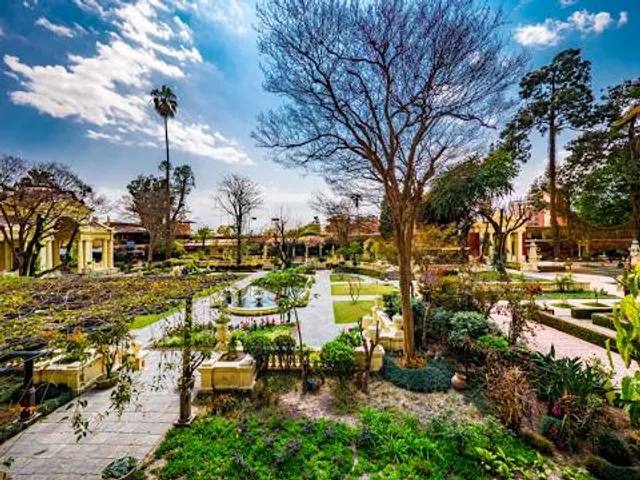
Garden of Dreams

4.2

(5.4K)

Open 24 hours
Click for details
Chaturbeuha Narayan Temple

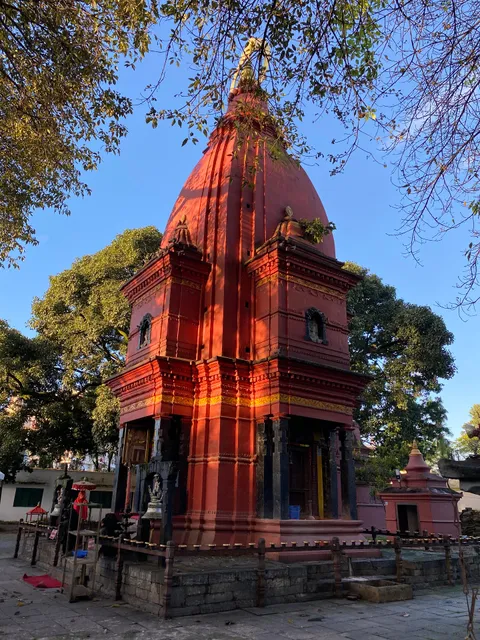
Chaturbeuha Narayan Temple

4.3

(72)

Open 24 hours
Click for details
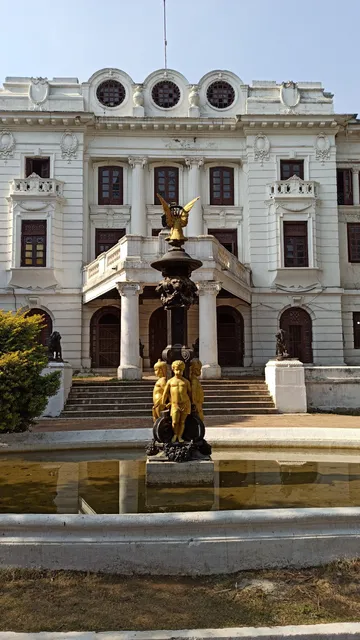
Kaiser Library

Kaiser Library

4.0

(97)

Open until 5:00 PM
Click for details
Keshar Mahal

Keshar Mahal

4.2

(91)

Closed
Click for details

Things to do nearby

Forge a traditional Gurkha khukuri knife by hand
Sun, Dec 7 • 8:30 AM
Kathmandu, Bagmati Province 44600, Nepal
View details
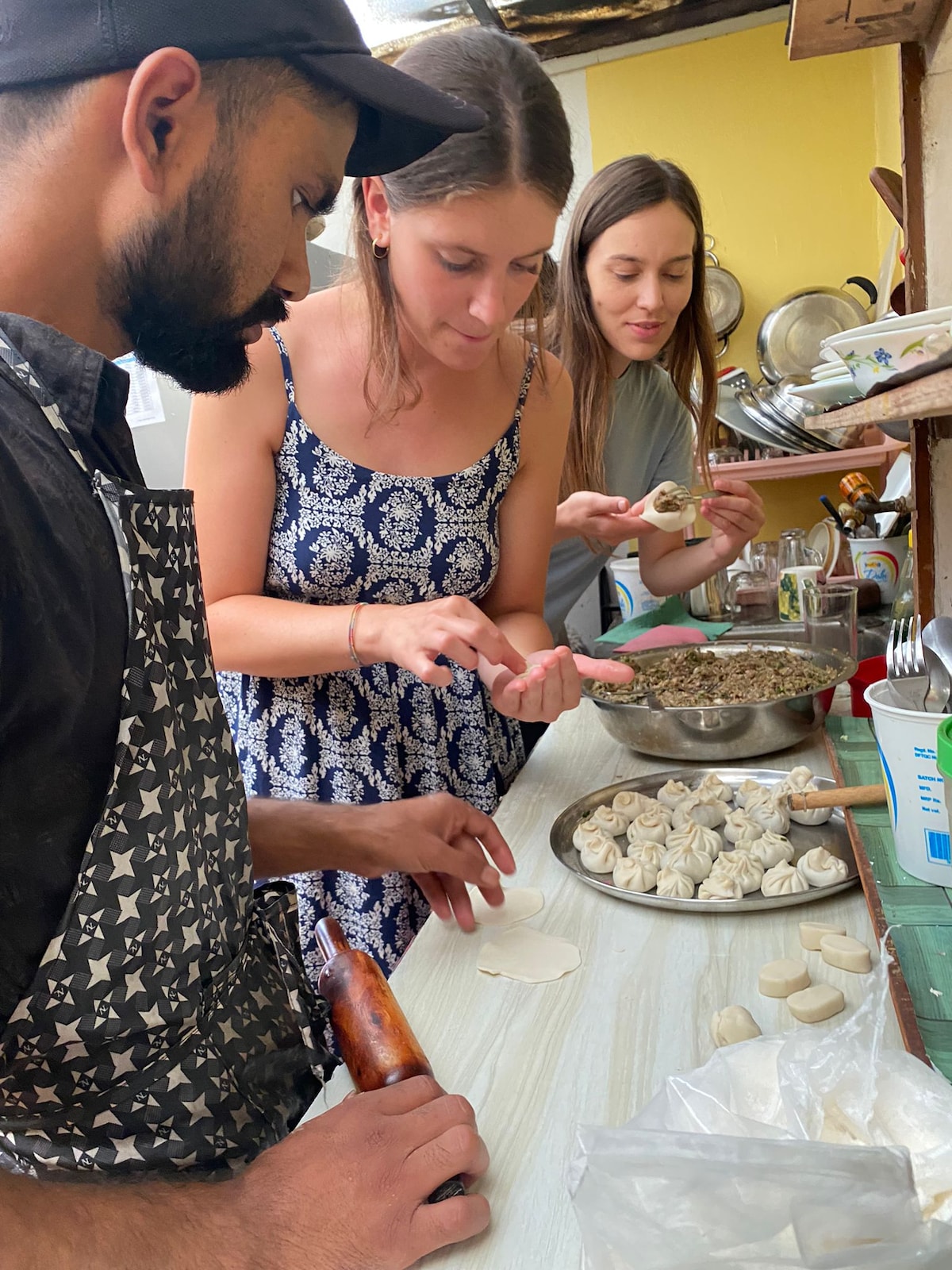
Learn Nepali cooking in Patan
Sat, Dec 6 • 10:00 AM
Lalitpur, Bagmati Province 44600, Nepal
View details

Nearby restaurants of Narayanhiti Palace

Mezze by Roadhouse

Penthouse Rooftop Bar & Lounge

Le Trio Restaurant & Bar

Alice Restaurant

Moti Mahal Vegetarian Restaurant

Fire And Ice Pizzeria

Mahotsav Restaurant and Bar

The Black Gold Restaurant: Halal Authentic

Dechenling Garden Restaurant

Mustang Thakali By State III
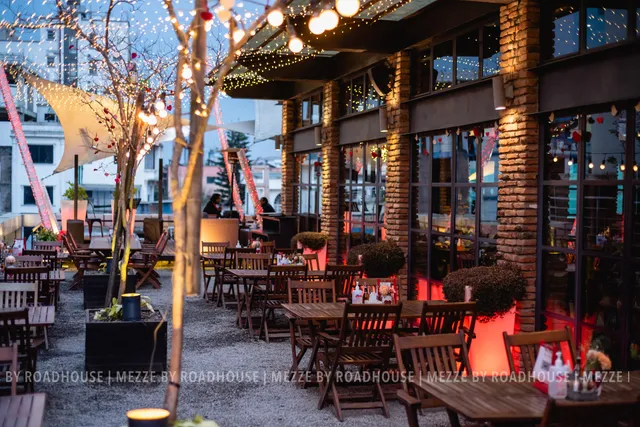
Mezze by Roadhouse

Mezze by Roadhouse

4.3

(744)

$$$

Click for details
Penthouse Rooftop Bar & Lounge

Penthouse Rooftop Bar & Lounge

4.3

(208)

Click for details
Le Trio Restaurant & Bar

Le Trio Restaurant & Bar

4.0

(357)

$$$

Click for details
Alice Restaurant

Alice Restaurant

4.1

(521)

$$

Click for details
Get the Appoverlay
Get the AppOne tap to find yournext favorite spots!
Wanderboat LogoWanderboat

Your everyday Al companion for getaway ideas

CompanyAbout Us
InformationAI Trip PlannerSitemap
SocialXInstagramTiktokLinkedin
LegalTerms of ServicePrivacy Policy

Get the app

© 2025 Wanderboat. All rights reserved.
logo

Posts

Anwarul Mustafa KhanAnwarul Mustafa Khan
Narayanhiti Durbar Palace: A Historical Gem in Kathmandu Nestled in the heart of Kathmandu, the Narayanhiti Durbar Palace stands as a testament to Nepal's rich cultural heritage and tumultuous history. Originally built in the mid-19th century, the palace has witnessed significant events that have shaped the nation's destiny. Architecture and Ambiance: The architectural grandeur of Narayanhiti Durbar Palace is awe-inspiring. Its intricate wood carvings, majestic courtyards, and opulent halls reflect the craftsmanship of the Newar artisans who contributed to its construction. As one wanders through its corridors, they are transported to a bygone era of regal splendor and magnificence. Historical Significance: The palace has been witness to numerous historical events, including the massacre of the royal family in 2001. This tragic incident marked a turning point in Nepal's history, leading to the abolition of the monarchy and the establishment of a federal democratic republic. Today, the palace serves as a museum, offering visitors a glimpse into the lives of Nepal's erstwhile royals and the events that shaped the nation. Events and Exhibits: Visitors to Narayanhiti Durbar Palace can explore a wide range of exhibits showcasing the royal lifestyle, including elaborate costumes, ceremonial artifacts, and regal furnishings. Additionally, the palace hosts cultural events and exhibitions that celebrate Nepal's diverse heritage, providing visitors with a deeper understanding of the country's rich traditions and customs. Visitor Experience: A visit to Narayanhiti Durbar Palace is a must for history enthusiasts and culture aficionados alike. Guided tours offer valuable insights into Nepal's royal past, while the serene ambiance of the palace grounds provides a welcome respite from the hustle and bustle of Kathmandu city. Conclusion: In conclusion, Narayanhiti Durbar Palace stands as a symbol of Nepal's rich cultural legacy and storied history. Its majestic architecture, coupled with its historical significance, makes it a must-visit destination for anyone interested in exploring the cultural heritage of Kathmandu. Whether you're drawn to its architectural marvels or intrigued by its tumultuous past, a visit to Narayanhiti Durbar Palace promises to be a truly enriching experience.
Ashok MahatoAshok Mahato
Narayanhiti Palace, or Narayanhiti Durbar (Nepali: नारायणहिटी दरवार) is a palace in Kathmandu, which long served as the residence and principal workplace of the reigning Monarch of the Kingdom of Nepal. Located in the capital city of Kathmandu, the palace was the centre of state occasions and royal hospitality. The palace complex is located towards east of the Kaiser Mahal next to Thamel, and is incorporated in an impressive and vast array of courtyards, gardens and buildings. The current Narayanhiti Durbar was built by King Mahendra in 1963. The name, ''Narayanhiti'' is made up of two words ‘Narayana’ and ‘Hiti’. Narayan is the Hindu god Vishnu, whose temple is located opposite to the palace. ‘Hiti’ means “water spout” in Newar Language, which is also located to the east of main entrance in the precincts of the palace, a landmark that features prominently in local legends. First houses on the site During the early Shah period, the site of the future Narayanhiti Palace was occupied by family of shreepali basnet Kaji Dhokal Singh Basnet house. Ownership of the site changed hands many times;after Dhokal singh Basnyat the site was occupied by Chautariya Fateh Jung Shah (6th Prime Minister of Nepal), his father courtier Choutaria Pran Shah and family. During Kot massacre of 19 September 1846 both Prime Minister Chautariya Fateh Jang Shah along with his father Choutaria Pran Shah and brothers were killed or send in exile out of Kathmandu. After this massacre Narayanhiti Palace was taken over by Jung Bahadur Rana's brother future Prime Minister then colonel Ranodip Singh Kunwar. Colonel Ranodip Singh ordered minor renovation of the old palace of Choutaria Pran Shah and used it as his private residence. After ascending the throne of Prime Minister Maharaja in 1877, Narayanhit Durbar was again renovated, but this time much lavish and was extended into multi-wing palace On 22 November 1885 during a coup d'état Prime Minister Maharaja Ranodip Singh Kunwar was assassinated by his nephews, the Sumsher brothers(Khadga Shumsher, Chandra Shumsher, and Dumber Shumsher) somewhere in the southern wing of this palace.
Ram BinayRam Binay
Narayanhiti Palace Museum is one of the tourist attractions. Entrance fee is there and it is opened upto 4 pm. Mobile, electronic items are not allowed. Details about kings ruled, visitors gallery, rooms of royal family, durbar etc can be seen. Surprisingly interesting place to see where so much history has taken place. It shows various rooms where the king and his visitors Stayed as well as the site of the massacre. There is explanation in English too off the rooms. You do have to check phones and cameras too but that was very quick and safe. Only down side was they could do with a bit more history about the family etc. After the inside visit of the Narayanhiti Palace, it makes you think of another way of living of the King and Queen at that time. it was very good to see all the old monument of the Royal Kingdom of Nepal. Also very sad to know about the Royal Massacre in 2001. But, the preservation of the museum is good. Remains and recollection of Saha Royalty with and the kingship that was in Nepal for some centuries. One of the places to visit. What every royal palace should be like: open to the public. Very pleasant way to spend an hour or two in the city. The palace gardens are also nice to stroll around. I went on a Saturday (nepalis day off) and it was not crowded. Nice glimpse into the “old days” of the country. It was a good place. good point is , its well managed to roam inside the palace. they have put the directional symbols and at each point there is a security personel to help you.Slightly outside Thamel but well within walking distance, the Palace has been preserved since the last Royals stepped out. A credit to the Nepali Government in keeping it all intact. The treasures are nationally important and the fact that everybody can see then is very special indeed.
See more posts
See more posts
hotel
Find your stay

Pet-friendly Hotels in Kathmandu Metropolitan City

Find a cozy hotel nearby and make it a full experience.

Narayanhiti Durbar Palace: A Historical Gem in Kathmandu Nestled in the heart of Kathmandu, the Narayanhiti Durbar Palace stands as a testament to Nepal's rich cultural heritage and tumultuous history. Originally built in the mid-19th century, the palace has witnessed significant events that have shaped the nation's destiny. Architecture and Ambiance: The architectural grandeur of Narayanhiti Durbar Palace is awe-inspiring. Its intricate wood carvings, majestic courtyards, and opulent halls reflect the craftsmanship of the Newar artisans who contributed to its construction. As one wanders through its corridors, they are transported to a bygone era of regal splendor and magnificence. Historical Significance: The palace has been witness to numerous historical events, including the massacre of the royal family in 2001. This tragic incident marked a turning point in Nepal's history, leading to the abolition of the monarchy and the establishment of a federal democratic republic. Today, the palace serves as a museum, offering visitors a glimpse into the lives of Nepal's erstwhile royals and the events that shaped the nation. Events and Exhibits: Visitors to Narayanhiti Durbar Palace can explore a wide range of exhibits showcasing the royal lifestyle, including elaborate costumes, ceremonial artifacts, and regal furnishings. Additionally, the palace hosts cultural events and exhibitions that celebrate Nepal's diverse heritage, providing visitors with a deeper understanding of the country's rich traditions and customs. Visitor Experience: A visit to Narayanhiti Durbar Palace is a must for history enthusiasts and culture aficionados alike. Guided tours offer valuable insights into Nepal's royal past, while the serene ambiance of the palace grounds provides a welcome respite from the hustle and bustle of Kathmandu city. Conclusion: In conclusion, Narayanhiti Durbar Palace stands as a symbol of Nepal's rich cultural legacy and storied history. Its majestic architecture, coupled with its historical significance, makes it a must-visit destination for anyone interested in exploring the cultural heritage of Kathmandu. Whether you're drawn to its architectural marvels or intrigued by its tumultuous past, a visit to Narayanhiti Durbar Palace promises to be a truly enriching experience.
Anwarul Mustafa Khan

Anwarul Mustafa Khan

hotel
Find your stay

Affordable Hotels in Kathmandu Metropolitan City

Find a cozy hotel nearby and make it a full experience.

Get the Appoverlay
Get the AppOne tap to find yournext favorite spots!
Narayanhiti Palace, or Narayanhiti Durbar (Nepali: नारायणहिटी दरवार) is a palace in Kathmandu, which long served as the residence and principal workplace of the reigning Monarch of the Kingdom of Nepal. Located in the capital city of Kathmandu, the palace was the centre of state occasions and royal hospitality. The palace complex is located towards east of the Kaiser Mahal next to Thamel, and is incorporated in an impressive and vast array of courtyards, gardens and buildings. The current Narayanhiti Durbar was built by King Mahendra in 1963. The name, ''Narayanhiti'' is made up of two words ‘Narayana’ and ‘Hiti’. Narayan is the Hindu god Vishnu, whose temple is located opposite to the palace. ‘Hiti’ means “water spout” in Newar Language, which is also located to the east of main entrance in the precincts of the palace, a landmark that features prominently in local legends. First houses on the site During the early Shah period, the site of the future Narayanhiti Palace was occupied by family of shreepali basnet Kaji Dhokal Singh Basnet house. Ownership of the site changed hands many times;after Dhokal singh Basnyat the site was occupied by Chautariya Fateh Jung Shah (6th Prime Minister of Nepal), his father courtier Choutaria Pran Shah and family. During Kot massacre of 19 September 1846 both Prime Minister Chautariya Fateh Jang Shah along with his father Choutaria Pran Shah and brothers were killed or send in exile out of Kathmandu. After this massacre Narayanhiti Palace was taken over by Jung Bahadur Rana's brother future Prime Minister then colonel Ranodip Singh Kunwar. Colonel Ranodip Singh ordered minor renovation of the old palace of Choutaria Pran Shah and used it as his private residence. After ascending the throne of Prime Minister Maharaja in 1877, Narayanhit Durbar was again renovated, but this time much lavish and was extended into multi-wing palace On 22 November 1885 during a coup d'état Prime Minister Maharaja Ranodip Singh Kunwar was assassinated by his nephews, the Sumsher brothers(Khadga Shumsher, Chandra Shumsher, and Dumber Shumsher) somewhere in the southern wing of this palace.
Ashok Mahato

Ashok Mahato

hotel
Find your stay

The Coolest Hotels You Haven't Heard Of (Yet)

Find a cozy hotel nearby and make it a full experience.

hotel
Find your stay

Trending Stays Worth the Hype in Kathmandu Metropolitan City

Find a cozy hotel nearby and make it a full experience.

Narayanhiti Palace Museum is one of the tourist attractions. Entrance fee is there and it is opened upto 4 pm. Mobile, electronic items are not allowed. Details about kings ruled, visitors gallery, rooms of royal family, durbar etc can be seen. Surprisingly interesting place to see where so much history has taken place. It shows various rooms where the king and his visitors Stayed as well as the site of the massacre. There is explanation in English too off the rooms. You do have to check phones and cameras too but that was very quick and safe. Only down side was they could do with a bit more history about the family etc. After the inside visit of the Narayanhiti Palace, it makes you think of another way of living of the King and Queen at that time. it was very good to see all the old monument of the Royal Kingdom of Nepal. Also very sad to know about the Royal Massacre in 2001. But, the preservation of the museum is good. Remains and recollection of Saha Royalty with and the kingship that was in Nepal for some centuries. One of the places to visit. What every royal palace should be like: open to the public. Very pleasant way to spend an hour or two in the city. The palace gardens are also nice to stroll around. I went on a Saturday (nepalis day off) and it was not crowded. Nice glimpse into the “old days” of the country. It was a good place. good point is , its well managed to roam inside the palace. they have put the directional symbols and at each point there is a security personel to help you.Slightly outside Thamel but well within walking distance, the Palace has been preserved since the last Royals stepped out. A credit to the Nepali Government in keeping it all intact. The treasures are nationally important and the fact that everybody can see then is very special indeed.
Ram Binay

Ram Binay

See more posts
See more posts

Reviews of Narayanhiti Palace

4.4
(2,412)
avatar
3.0
33w

he Narayanhiti Palace Museum (Nepali: नारायणहिटी दरवार सङ्ग्रहालय) is a public museum in Kathmandu, Nepal1] located east of the Kaiser Mahal and next to Thamel.[2] The museum was created in 2008 from the complex of the former Narayanhiti Palace (or Narayanhiti Durbar) following the 2006 revolution.[1] Before the revolution, the palace was the residence and principal workplace of the monarch of the Kingdom of Nepal, and hosted occasions of state.[35]

The existing palace complex was built by order of King Mahendra in 1963, and incorporates an impressive array of courtyards, gardens and buildings.[2]

Etymology The name, Narayanhiti is made up of two words 'Narayana' and 'Hiti'. Narayan is the Hindu god Vishnu, whose temple is opposite the palace. Hiti means "water spout" in Newar, which is to the east of the main entrance in the precincts of the palace, a landmark that features prominently in local legends.[6]

History Early residences Ownership of the palace site changed multiple times prior to being occupied by the monarchy. Prime Minister Fateh Jung Shah; his father, Choutaria Pran Shah, also lived on the property.[2] Fateh was killed in the Kot massacre on 19 September 1846 and his family was killed or exiled from Kathmandu.[2] Prime Minister Chautariya Pushkar Shah and his family also lived in the area. The area was basically reserved for Chautariya families.

The property and palace was taken over by Colonel Ranodip Singh Kunwar, the brother of Jung Bahadur Rana, who moved into Choutaria's residence after minor renovations. After Ranodip became prime minister in 1877, the complex was renovated and expanded into a lavish multi-wing palace.[2] Ranodip was assassinated during the coup d'état on 22 November 1885 in the palace's southern wing.[2

Royal residence Bir Shumsher Jang Bahadur Rana succeeded Ranodip as Prime Minister and took over the palace. In 1886, Bir Shumsher ordered the old palace demolished, and a new one constructed by architect Jogbir Sthapit as a residence for King Prithvi Bir Bikram Shah, his son-in-law. This moved the royal residence from Hanuman Dhoka Durbar to Narayanhiti.2]

The palace was damaged in the 1934 Nepal–Bihar earthquake, killing two infant daughters of King Tribhuvan. Colonel Surya Jung Thapa, an engineer, oversaw repairs and renovations which added a new portico and grand staircase.[2]

King Mahendra ordered the palace to be demolished and replaced in 1963. The new palace was designed by American architect Benjamin Polk, who was living in India. Nepalese architecture styles were used to create a national symbol.[8[10] Construction ended in 1969. Griha Pravesh (a housewarming party) was performed on 27 February 1970 for the wedding of Crown Prince Birendra.[9]

Mahendra declared the palace as king office and property of the Government of Nepal in 1972 . He claimed that the property was the dowry of Queen Divyeshwari, his paternal grandmother.[2]

Speculations: On 1 June 2001, the royal massacre happened.Among those killed were King Birendra and Queen...

   Read more
avatar
5.0
1y

Narayanhiti Durbar Palace: A Historical Gem in Kathmandu

Nestled in the heart of Kathmandu, the Narayanhiti Durbar Palace stands as a testament to Nepal's rich cultural heritage and tumultuous history. Originally built in the mid-19th century, the palace has witnessed significant events that have shaped the nation's destiny.

Architecture and Ambiance: The architectural grandeur of Narayanhiti Durbar Palace is awe-inspiring. Its intricate wood carvings, majestic courtyards, and opulent halls reflect the craftsmanship of the Newar artisans who contributed to its construction. As one wanders through its corridors, they are transported to a bygone era of regal splendor and magnificence.

Historical Significance: The palace has been witness to numerous historical events, including the massacre of the royal family in 2001. This tragic incident marked a turning point in Nepal's history, leading to the abolition of the monarchy and the establishment of a federal democratic republic. Today, the palace serves as a museum, offering visitors a glimpse into the lives of Nepal's erstwhile royals and the events that shaped the nation.

Events and Exhibits: Visitors to Narayanhiti Durbar Palace can explore a wide range of exhibits showcasing the royal lifestyle, including elaborate costumes, ceremonial artifacts, and regal furnishings. Additionally, the palace hosts cultural events and exhibitions that celebrate Nepal's diverse heritage, providing visitors with a deeper understanding of the country's rich traditions and customs.

Visitor Experience: A visit to Narayanhiti Durbar Palace is a must for history enthusiasts and culture aficionados alike. Guided tours offer valuable insights into Nepal's royal past, while the serene ambiance of the palace grounds provides a welcome respite from the hustle and bustle of Kathmandu city.

Conclusion: In conclusion, Narayanhiti Durbar Palace stands as a symbol of Nepal's rich cultural legacy and storied history. Its majestic architecture, coupled with its historical significance, makes it a must-visit destination for anyone interested in exploring the cultural heritage of Kathmandu. Whether you're drawn to its architectural marvels or intrigued by its tumultuous past, a visit to Narayanhiti Durbar Palace promises to be a truly...

   Read more
avatar
4.0
4y

Narayanhiti Palace, or Narayanhiti Durbar (Nepali: नारायणहिटी दरवार) is a palace in Kathmandu, which long served as the residence and principal workplace of the reigning Monarch of the Kingdom of Nepal. Located in the capital city of Kathmandu, the palace was the centre of state occasions and royal hospitality. The palace complex is located towards east of the Kaiser Mahal next to Thamel, and is incorporated in an impressive and vast array of courtyards, gardens and buildings. The current Narayanhiti Durbar was built by King Mahendra in 1963.

The name, ''Narayanhiti'' is made up of two words ‘Narayana’ and ‘Hiti’. Narayan is the Hindu god Vishnu, whose temple is located opposite to the palace. ‘Hiti’ means “water spout” in Newar Language, which is also located to the east of main entrance in the precincts of the palace, a landmark that features prominently in local legends.

First houses on the site

During the early Shah period, the site of the future Narayanhiti Palace was occupied by family of shreepali basnet Kaji Dhokal Singh Basnet house. Ownership of the site changed hands many times;after Dhokal singh Basnyat the site was occupied by Chautariya Fateh Jung Shah (6th Prime Minister of Nepal), his father courtier Choutaria Pran Shah and family. During Kot massacre of 19 September 1846 both Prime Minister Chautariya Fateh Jang Shah along with his father Choutaria Pran Shah and brothers were killed or send in exile out of Kathmandu. After this massacre Narayanhiti Palace was taken over by Jung Bahadur Rana's brother future Prime Minister then colonel Ranodip Singh Kunwar. Colonel Ranodip Singh ordered minor renovation of the old palace of Choutaria Pran Shah and used it as his private residence. After ascending the throne of Prime Minister Maharaja in 1877, Narayanhit Durbar was again renovated, but this time much lavish and was extended into multi-wing palace On 22 November 1885 during a coup d'état Prime Minister Maharaja Ranodip Singh Kunwar was assassinated by his nephews, the Sumsher brothers(Khadga Shumsher, Chandra Shumsher, and Dumber Shumsher) somewhere in the southern wing of...

   Read more
Page 1 of 7
Previous
Next