VOC Ship 'Amsterdam' Replica things to do, attractions, restaurants, events info and trip planning
Basic Info
VOC Ship 'Amsterdam' Replica
Kattenburgerplein 1, 1018 KK Amsterdam, Netherlands
4.6(260)
Closed


tickets
Save
spot
spot
Ratings & Description
Info
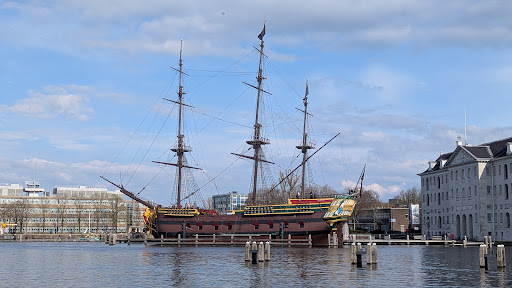
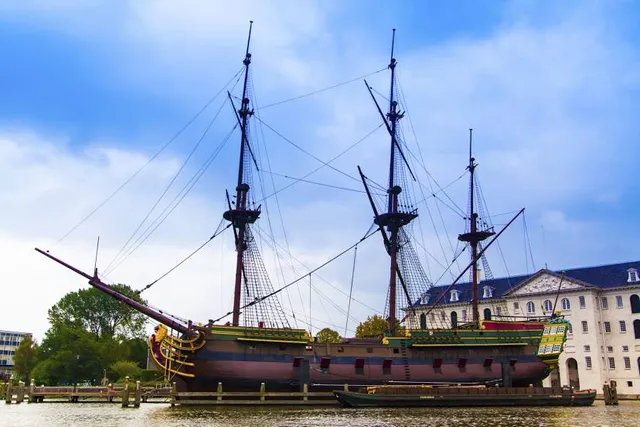
The Amsterdam was an 18th-century cargo ship of the Dutch East India Company. The VOC was established in 1602. The ship started its maiden voyage from Texel to Batavia on 8 January 1749, but was wrecked in a storm on the English Channel on 26 January 1749.
Cultural
Entertainment
Family friendly
Accessibility
attractions: National Maritime Museum, NEMO Science Museum, ARCAM Architecture Centre Amsterdam, Codam Coding College, Verzetsmuseum Amsterdam - Museum of WWII Resistance, Micropia, ARTIS, Willem Baars Projects, Montelbaanstoren, Aloha, restaurants: Bakers & Roasters, Kras Haring, NEMO Museumrestaurant, Kanteen25, SOTTO Pizza Kadijksplein, Café Orloff Amsterdam, Verena Restaurant, Bar Guzzo, Cafe Kadijk, Restaurant-café, local businesses: The National Maritime Museum, Kuuma Marineterrein, Marineterrein Amsterdam, Rederij Nassau B.V. (kantoor), MediaMarkt Amsterdam Center, Rederij Lampedusa, Klimmuur Amsterdam Centraal, Hortus Botanicus Amsterdam, National Holocaust Museum In Development, Grand Hotel Amrâth Amsterdam
 Learn more insights from Wanderboat AI.
Phone
+31 20 523 2222
Open hoursSee all hours
Wed10 AM - 5 PMClosed
Plan your stay

Pet-friendly Hotels in Amsterdam
Find a cozy hotel nearby and make it a full experience.

Affordable Hotels in Amsterdam
Find a cozy hotel nearby and make it a full experience.

The Coolest Hotels You Haven't Heard Of (Yet)
Find a cozy hotel nearby and make it a full experience.

Trending Stays Worth the Hype in Amsterdam
Find a cozy hotel nearby and make it a full experience.
Reviews
Live events
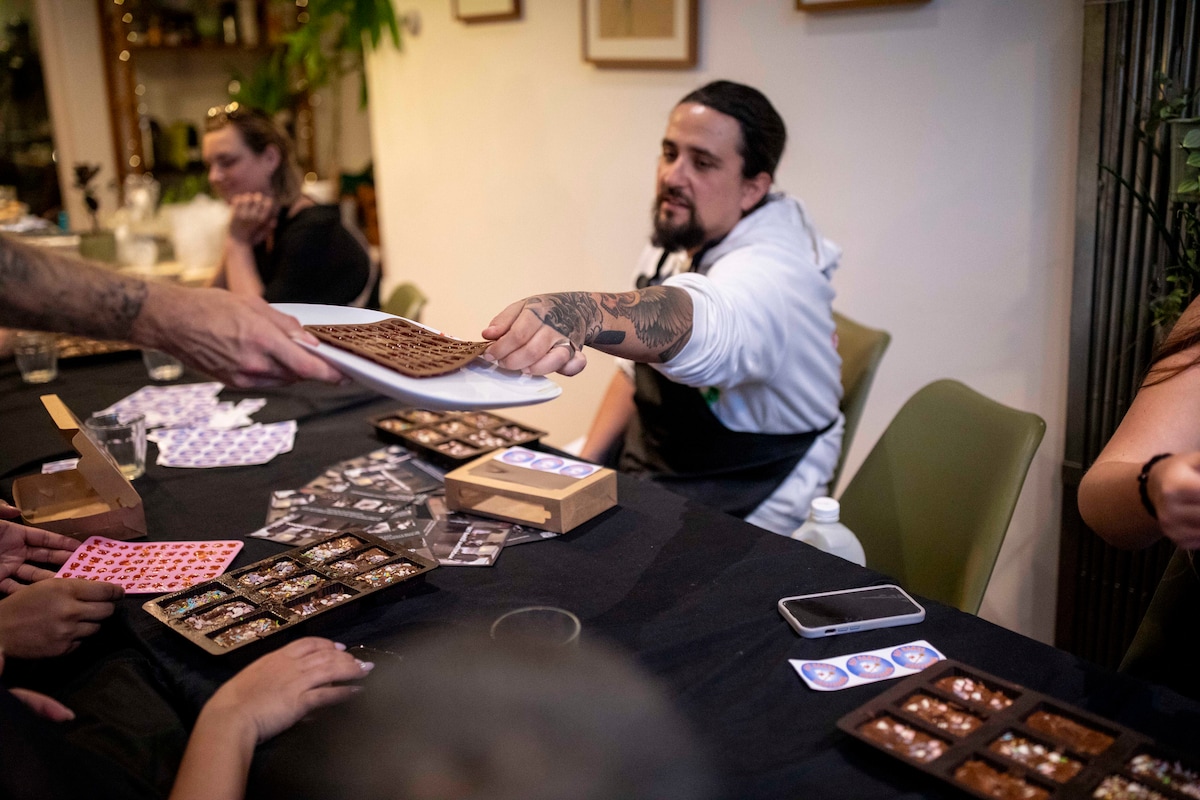
Make edibles in Amsterdam with Get Baked Amsterdam
Mon, Mar 2 • 1:30 PM
1052 HL, Amsterdam, Netherlands
View details

Cruise Amsterdam’s canals with onboard snacks
Thu, Feb 26 • 10:00 AM
1016 EK, Amsterdam, Netherlands
View details
Prehistoric Planet: Dinosaurs – De meeslepende voorstelling
Thu, Feb 26 • 11:00 AM
Pazzanistraat 37, Amsterdam, 1014 DB
View details
Nearby attractions of VOC Ship 'Amsterdam' Replica
National Maritime Museum
NEMO Science Museum
ARCAM Architecture Centre Amsterdam
Codam Coding College
Verzetsmuseum Amsterdam - Museum of WWII Resistance
Micropia
ARTIS
Willem Baars Projects
Montelbaanstoren
Aloha
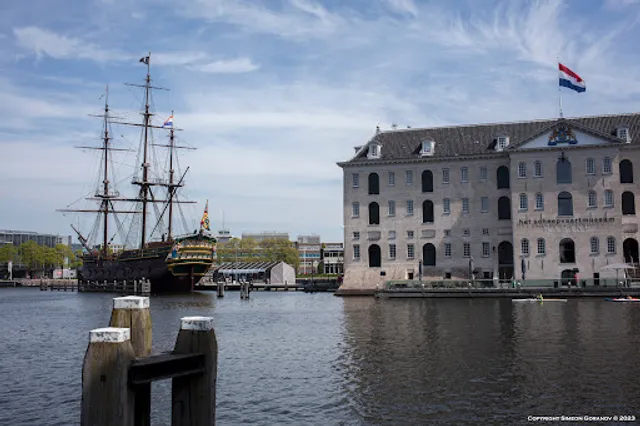
National Maritime Museum
4.5
(5K)
Closed
Click for details
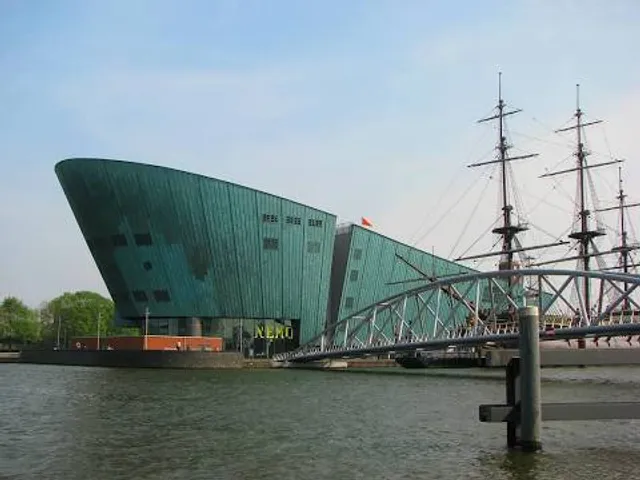
NEMO Science Museum
4.5
(13K)
Closed
Click for details
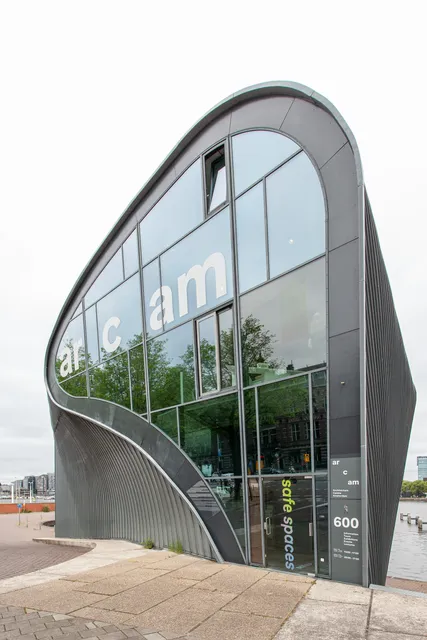
ARCAM Architecture Centre Amsterdam
4.3
(174)
Closed
Click for details

Codam Coding College
4.4
(59)
Open until 12:00 AM
Click for details
Nearby restaurants of VOC Ship 'Amsterdam' Replica
Bakers & Roasters
Kras Haring
NEMO Museumrestaurant
Kanteen25
SOTTO Pizza Kadijksplein
Café Orloff Amsterdam
Verena Restaurant
Bar Guzzo
Cafe Kadijk
Restaurant-café
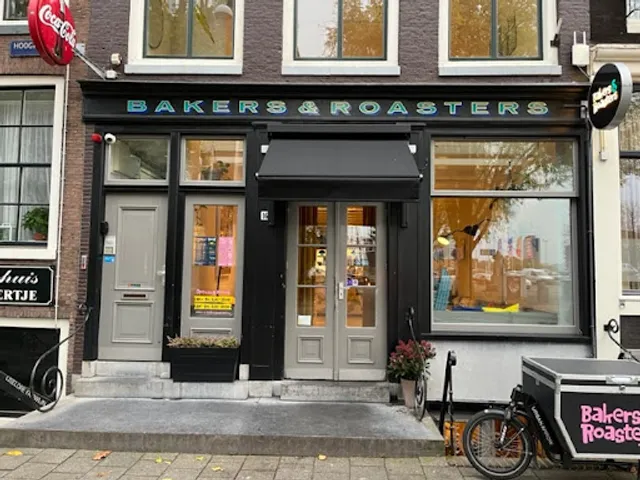
Bakers & Roasters
4.6
(1.1K)
$$
Closed
Click for details
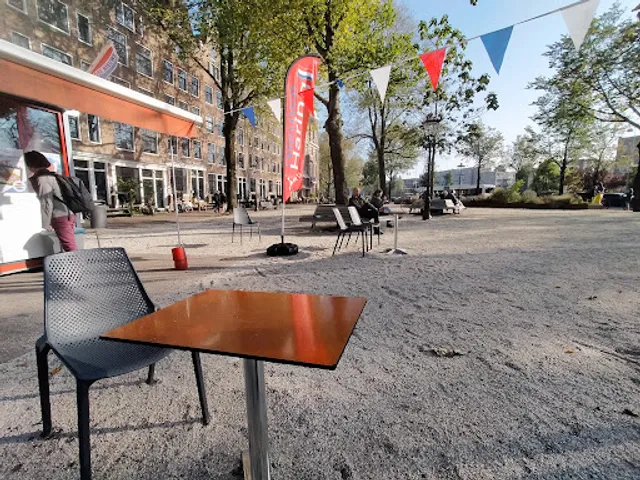
Kras Haring
4.9
(202)
Open until 12:00 AM
Click for details
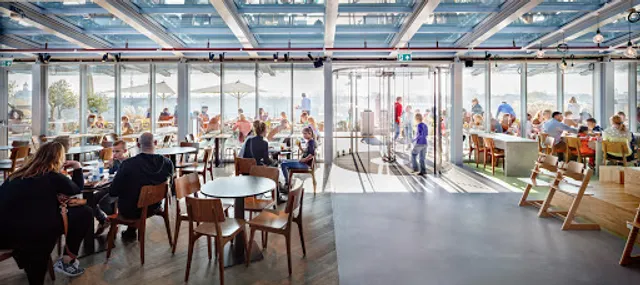
NEMO Museumrestaurant
4.3
(410)
Closed
Click for details
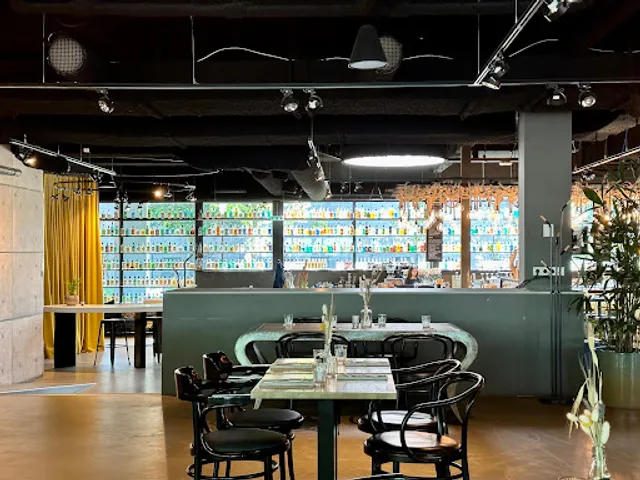
Kanteen25
4.5
(392)
Closed
Click for details
Nearby local services of VOC Ship 'Amsterdam' Replica
The National Maritime Museum
Kuuma Marineterrein
Marineterrein Amsterdam
Rederij Nassau B.V. (kantoor)
MediaMarkt Amsterdam Center
Rederij Lampedusa
Klimmuur Amsterdam Centraal
Hortus Botanicus Amsterdam
National Holocaust Museum In Development
Grand Hotel Amrâth Amsterdam
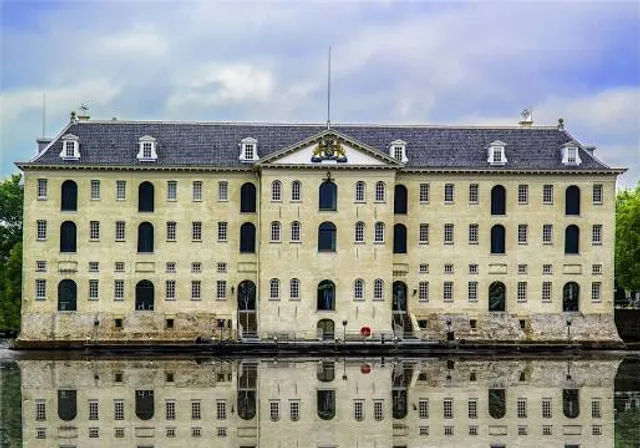
The National Maritime Museum
4.5
(4.1K)
Click for details
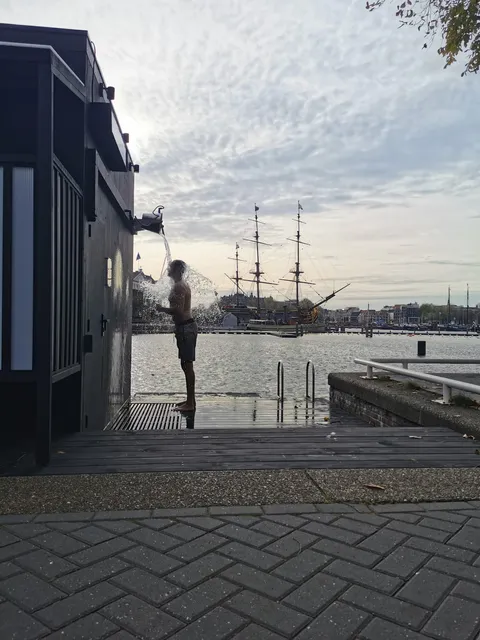
Kuuma Marineterrein
4.9
(55)
Click for details
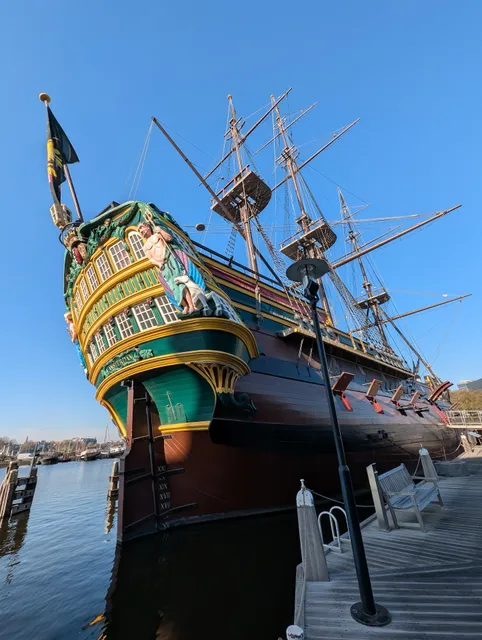
Marineterrein Amsterdam
4.1
(99)
Click for details
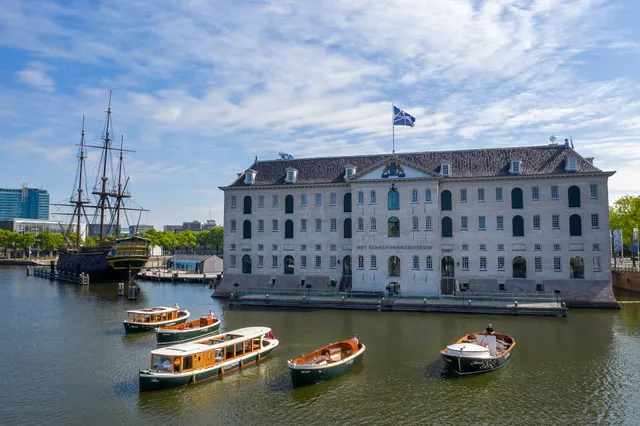
Rederij Nassau B.V. (kantoor)
4.7
(117)
Click for details