Stone Bridge things to do, attractions, restaurants, events info and trip planning
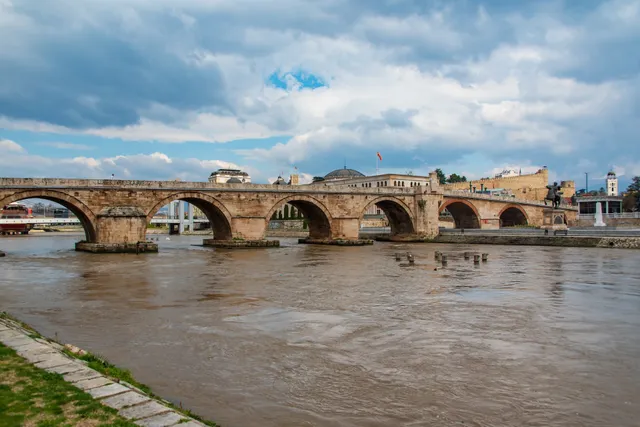
Basic Info
Stone Bridge
Stone Bridge, Skopje 1000, North Macedonia
4.7(3K)
Open until 12:00 AM
Save
spot
spot
Ratings & Description
Info
Cultural
Scenic
Family friendly
Accessibility
attractions: „Macedonia“ Square, Museum of the Macedonian Struggle for Independence, Archaeological Museum of Macedonia, Holocaust Memorial Center for the Jews of Macedonia, Macedonian Opera and Ballet (MOB), Gate Macedonia, Monument Philip II of Macedonia, Mother Theresa Memorial House, Old Bazaar, Woman-Warrior Park, restaurants: Soul Kitchen - Macedonian Wine & Cuisine, Restaurant Dion, Kolektiv (Collective) Restaurant, Pelister, La Terrazza Restaurant, Bella Vista - Lounge Bar & Restaurant, Bocata Restaurant & Bar, Restaurant Plaza de Toros, Distrikt, Buenos Dias, local businesses: Alexander the Great Macedonian Monument, Free Skopje Walking Tours, Orthodox Church St. Demetrius, National Gallery of Macedonia Daut Pasha Hammam, Skopje Fortress, Macedonian Orthodox Church of Saint Clement of Ohrid, Church Temple "Holy Equal-to-the-Apostles Emperor Constantine & Empress Elena", Murat Paša, Church „Nativity of the Holy Mother of God“, Orthodox Church-Archdiocese of Ohrid - Head Office
 Learn more insights from Wanderboat AI.
Open hoursSee all hours
SunOpen 24 hoursOpen
Plan your stay

Pet-friendly Hotels in Municipality of Centar
Find a cozy hotel nearby and make it a full experience.

Affordable Hotels in Municipality of Centar
Find a cozy hotel nearby and make it a full experience.

The Coolest Hotels You Haven't Heard Of (Yet)
Find a cozy hotel nearby and make it a full experience.

Trending Stays Worth the Hype in Municipality of Centar
Find a cozy hotel nearby and make it a full experience.
Reviews
Live events
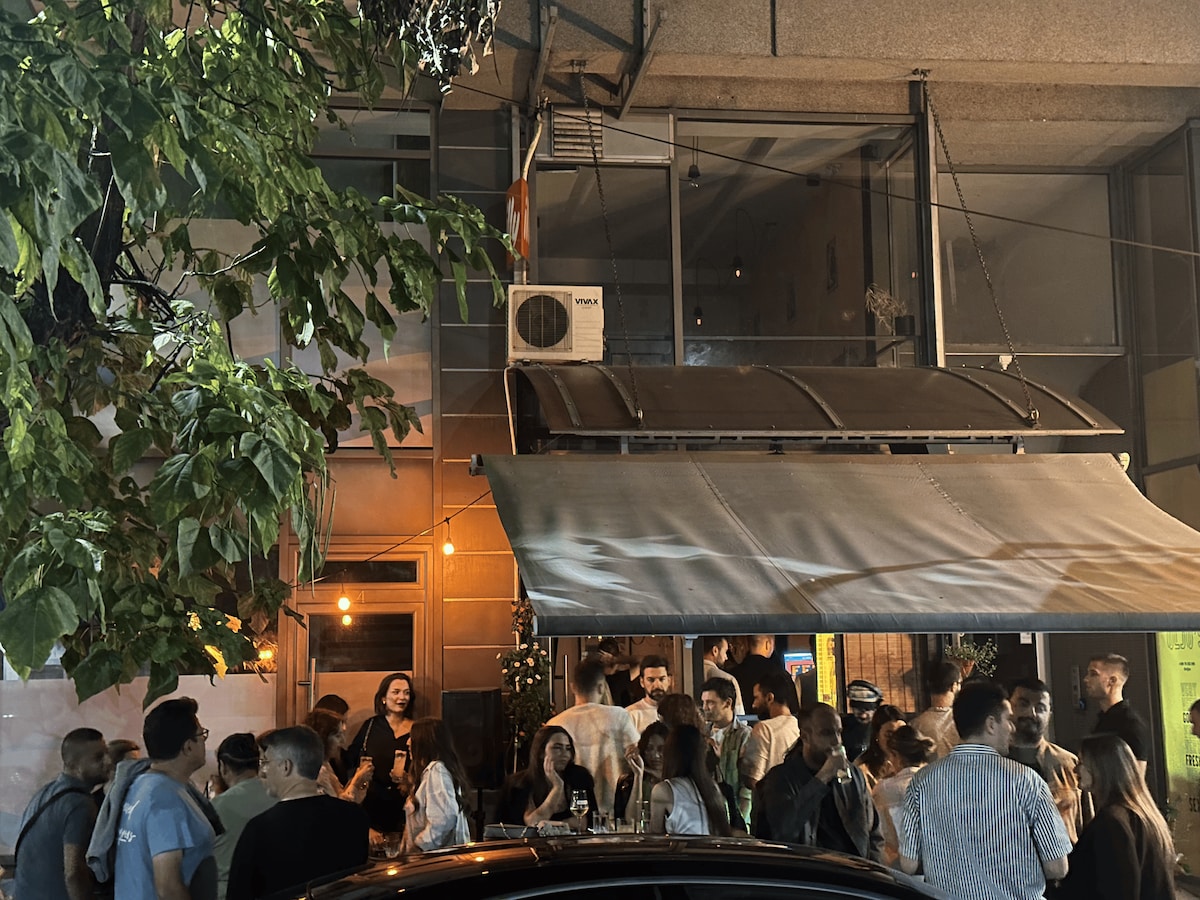
Skopje Bar Crawl - Food, Cocktails & Draft Beers
Sat, Feb 21 • 8:30 PM
Skopje, Greater Skopje 1000, North Macedonia
View details
Nearby attractions of Stone Bridge
„Macedonia“ Square
Museum of the Macedonian Struggle for Independence
Archaeological Museum of Macedonia
Holocaust Memorial Center for the Jews of Macedonia
Macedonian Opera and Ballet (MOB)
Gate Macedonia
Monument Philip II of Macedonia
Mother Theresa Memorial House
Old Bazaar
Woman-Warrior Park
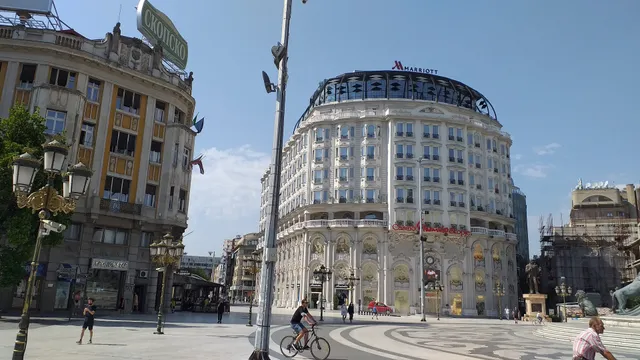
„Macedonia“ Square
4.5
(2.5K)
Open until 12:00 AM
Click for details
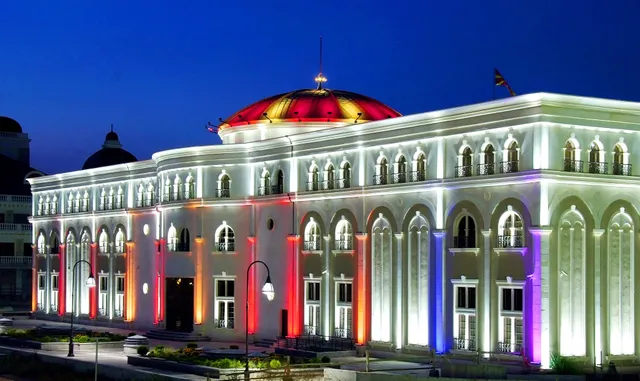
Museum of the Macedonian Struggle for Independence
4.5
(645)
Open until 6:00 PM
Click for details
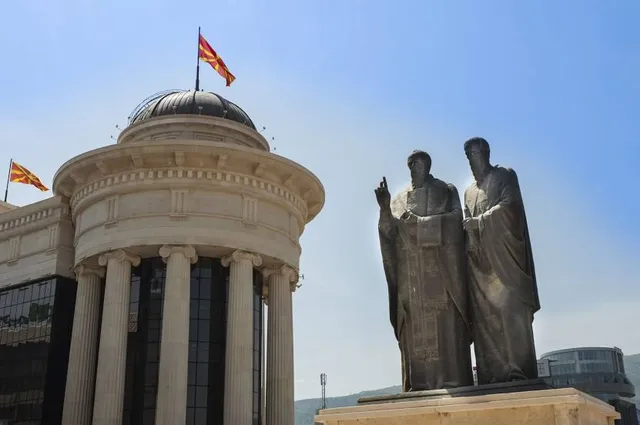
Archaeological Museum of Macedonia
3.9
(773)
Open until 6:00 PM
Click for details

Holocaust Memorial Center for the Jews of Macedonia
4.5
(230)
Open until 3:00 PM
Click for details
Nearby restaurants of Stone Bridge
Soul Kitchen - Macedonian Wine & Cuisine
Restaurant Dion
Kolektiv (Collective) Restaurant
Pelister
La Terrazza Restaurant
Bella Vista - Lounge Bar & Restaurant
Bocata Restaurant & Bar
Restaurant Plaza de Toros
Distrikt
Buenos Dias
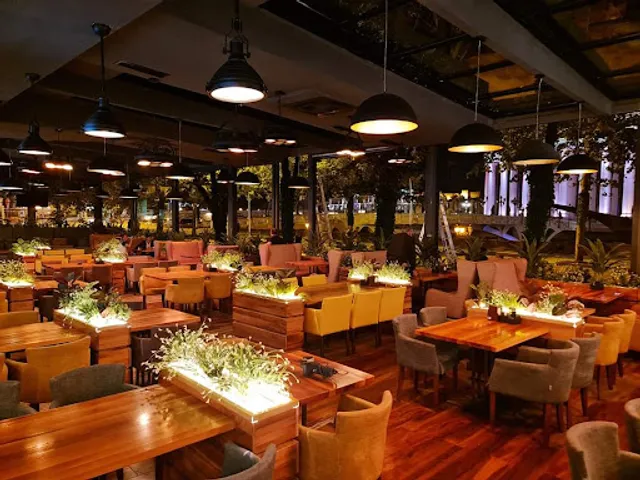
Soul Kitchen - Macedonian Wine & Cuisine
4.3
(1.7K)
Open until 12:00 AM
Click for details

Restaurant Dion
4.0
(1.1K)
$$
Open until 12:00 AM
Click for details

Kolektiv (Collective) Restaurant
4.3
(761)
$$
Open until 12:00 AM
Click for details
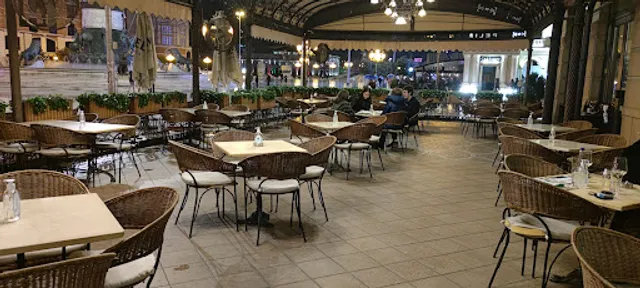
Pelister
4.4
(1.8K)
$$
Open until 12:00 AM
Click for details
Nearby local services of Stone Bridge
Alexander the Great Macedonian Monument
Free Skopje Walking Tours
Orthodox Church St. Demetrius
National Gallery of Macedonia Daut Pasha Hammam
Skopje Fortress
Macedonian Orthodox Church of Saint Clement of Ohrid
Church Temple "Holy Equal-to-the-Apostles Emperor Constantine & Empress Elena"
Murat Paša
Church „Nativity of the Holy Mother of God“
Orthodox Church-Archdiocese of Ohrid - Head Office
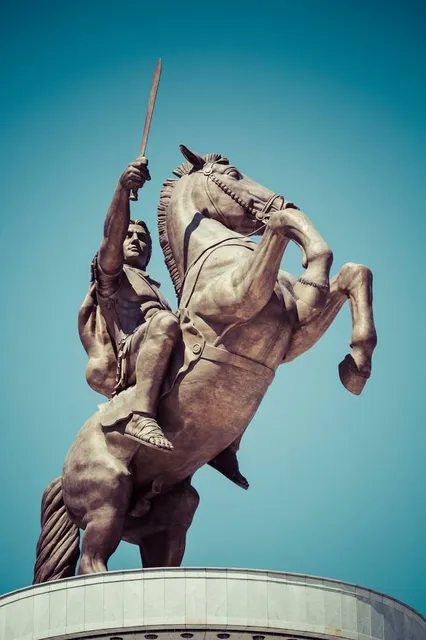
Alexander the Great Macedonian Monument
4.4
(170)
Click for details
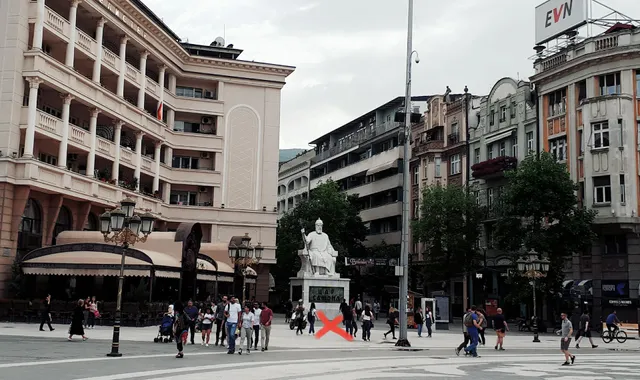
Free Skopje Walking Tours
4.9
(223)
Click for details
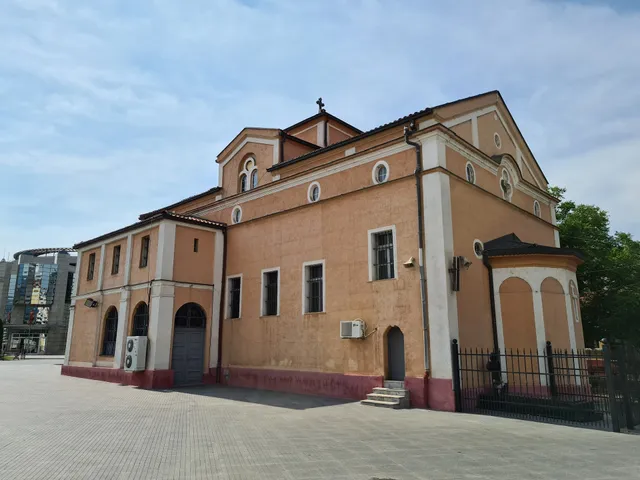
Orthodox Church St. Demetrius
4.8
(72)
Click for details
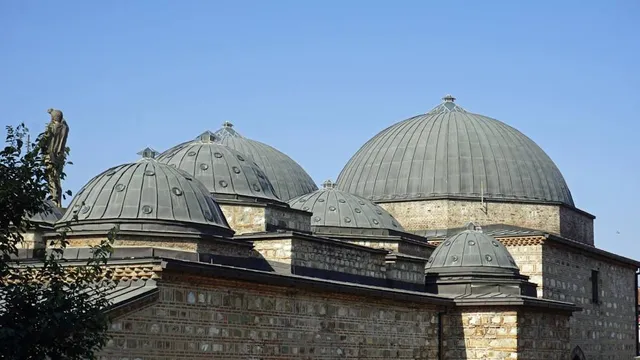
National Gallery of Macedonia Daut Pasha Hammam
4.6
(185)
Click for details







