While in Oslo, I made sure to visit this museum. I am a big fan of all kinds of art, and I knew this museum was going to be great. With floor upon floor of artwork, I was not disappointed, but when I walked into the first exhibit, I was slightly more than surprised.
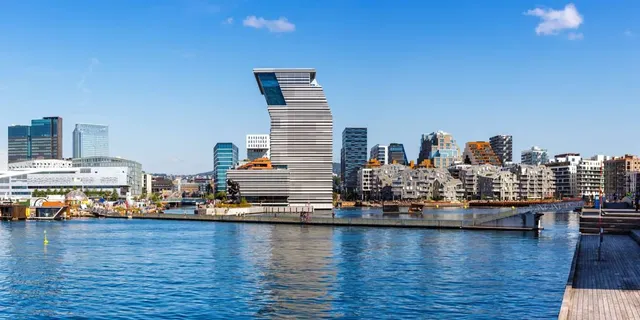
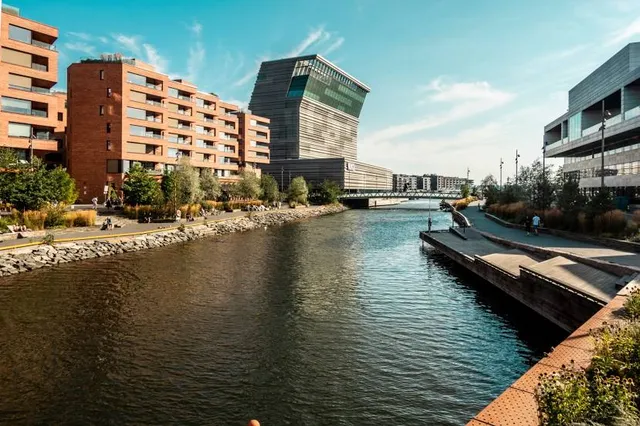
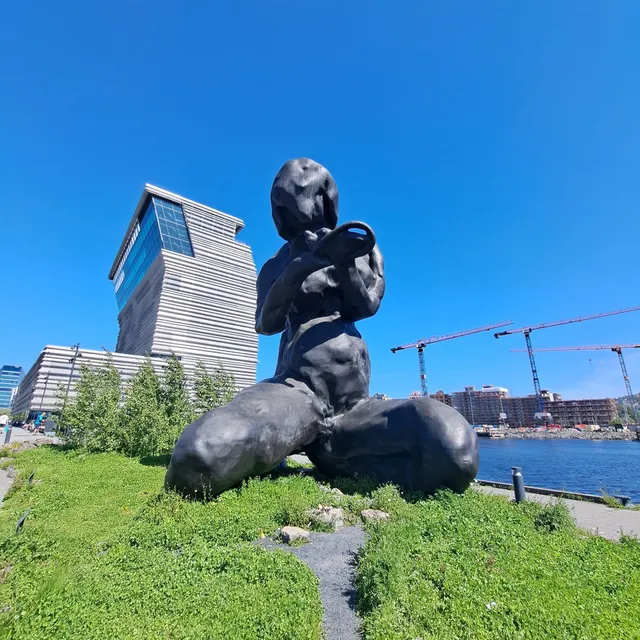
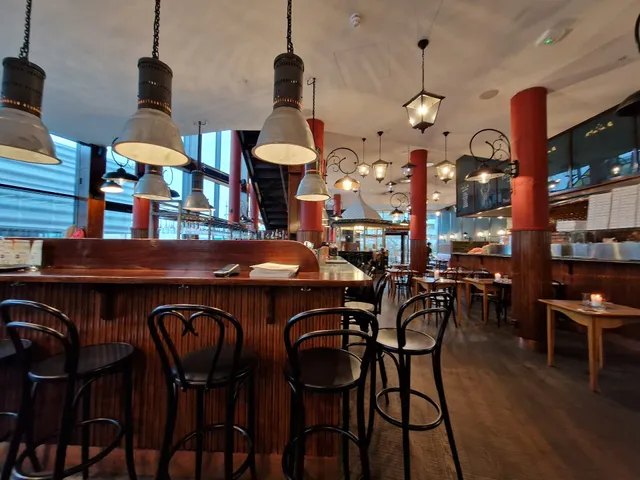
As you walk up to the museum, you are immediately struck by its size. At 13 stories, it is a sight to behold and looks incredibly overwhelming. What I found out later is that several of these floors are not available to tour (for the public), meaning it is smaller than you would think- only seven floors of exhibitions. The top two floors are a restaurant and rooftop bar. So, it's small, but if you are worried about taking four hours in the museum, don't.
After getting my ticket, I headed up to the first exhibit on floor three. This exhibit depicted art from Vanessa Baird. I'll be brutally honest. I did not like this exhibit whatsoever. The artwork was much... different than the rest (look up her work and you'll understand). So, not my thing. I also thought it was a little strange to get people to see this as their first exhibit. After walking out of there wondering what I was getting myself into if that was the first exhibit, I continued up.
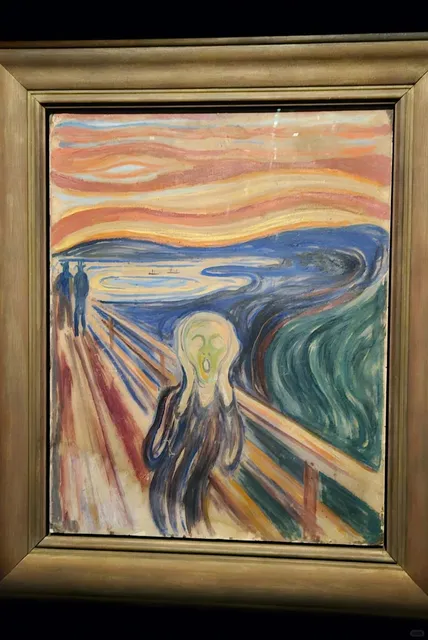
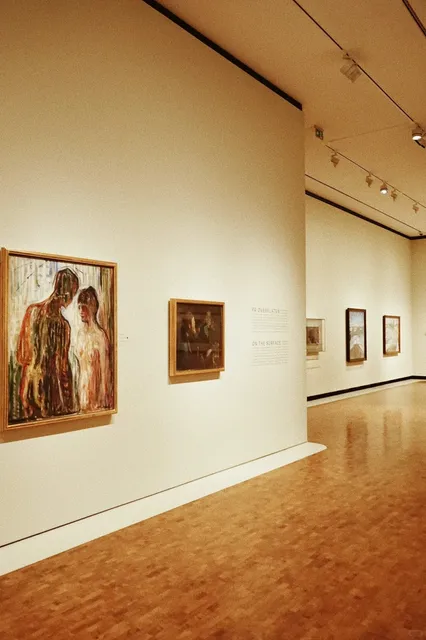
Thankfully, the next floor was much more tame. This is where Munch's art started being displayed, and it was awesome. He is an incredibly talented artist, and he had an enormous amount of artwork that was able to be displayed. The artwork here was broken down into several different categories, with great descriptions of what they represented, with enough left out so you could draw your own conclusions about the artwork. This floor is where the Scream paintings are displayed. I was able to time it so I could see both the most famous version of Scream, as well as a sketch (30min intervals of time to switch between). Along with the rest, there were a lot of great paintings to see here and analyze.
The fourth floor was Munch's bigger (physically) paintings. I had never seen any of those paintings, and they were very interesting, especially "The Human Mountain", flanked on either side by two other paintings, with the three combining to present the reasons why people are ambitious: lust for power and greed, compared to the desire to better the world and help those around them.
The following floor displayed Munch's woodcuts, and also a workshop where you can make a frottage copy of some designs. This exhibit was smaller than the others, but I still thought it was educational and interesting to see. On floor nine was the exhibit by Arif- a Norwegian R&B artist. I thought this exhibit was interesting, but also much different than the rest. It included a video created by Arif that explores several themes. Don't ask me which themes, because it was kind of confusing, but if that's your thing go for it. After the film, there is also a studio where you can sometimes catch Arif working. When I went I don't think Arif was working, just these two other guys.
Floor ten was interesting contemporary art, but also not really my thing. It was a story about these two humans who became bird gods, and then blocked off the offerings from the real gods (the 12 Olympians). It was pretty strange (to me), but it is art nonetheless.
The final floor of exhibits returns to Munch's artwork. Like the rest of his work, I saw a lot of new paintings that I had never seen before up to this point. Two or three of the paintings here were being reframed when I was there, so I was not able to see them. However, this was not an enormous problem, as the rest of the exhibit made up for it multiple times over. Again, a lot of quality work, and it was pretty big. So you were able to spend a decent amount of time here.
Overall, a great museum with a ton of art. Although some of it was a little strange, the amount of works from Munch a several other similar artists was great. It doesn't take an enormous amount of time to go through, but you get a great experience that is worth both your time...
Read moreThe Munch Museum (MUNCH) in Oslo, Norway, is a cultural institution dedicated to the life and work of Norwegian artist Edvard Munch, best known for his iconic painting The Scream. Opened in 2021 on Oslo's waterfront, the museum houses the world’s largest collection of Munch’s works, offering an immersive experience into the life and legacy of one of modern art’s pioneers.
History and Architecture
Edvard Munch, a central figure in expressionism, donated over 28,000 of his artworks to the city of Oslo upon his death in 1944. His collection includes paintings, prints, drawings, photographs, and personal letters. To showcase this vast body of work, the original Munch Museum opened in 1963 in Oslo’s Tøyen neighborhood. However, as interest in Munch grew, a more modern and expansive space became necessary, leading to the construction of the new museum.
Designed by the Spanish architecture firm Estudio Herreros, the new Munch Museum is a striking 13-story building with a distinctive leaning shape. It offers expansive gallery spaces and panoramic views of Oslo and the Oslo Fjord. The design merges functionality with a unique aesthetic that reflects the emotional intensity of Munch’s work while offering visitors a world-class cultural experience.
Munch’s Collection
The museum's permanent collection spans Munch’s entire career, showcasing his evolution as an artist. Major works on display include The Scream, Madonna, and The Dance of Life, among many others. The Scream is a standout attraction, symbolizing modern existential anxiety with its vivid colors and striking emotional intensity.
Beyond his well-known paintings, the museum also features Munch's prints, which played a crucial role in spreading his reputation internationally. These works explore recurring themes in Munch's art, such as love, death, melancholy, and the human condition.
Exhibitions and Programs
In addition to the permanent collection, the museum offers rotating exhibitions that often combine Munch’s works with contemporary art. This interplay between the historical and the modern keeps MUNCH relevant to today’s art scene while honoring its central figure. The museum also organizes workshops, guided tours, and educational programs for visitors of all ages, making it a dynamic place for both art enthusiasts and families.
Live performances, film screenings, and lectures are part of the museum's rich programming, offering diverse ways to engage with art. These events create a space for reflection on Munch’s influence on contemporary culture.
Visiting Information
Ticket Prices:
General admission: NOK 180 (around USD 17)
Students and seniors: NOK 110 (around USD 10)
Children under 18: Free
Hours: The museum is open daily from 10 AM to 6 PM, though hours can vary slightly during certain holidays or special events.
After touring the museum, visitors can relax at the top-floor café with stunning views of the Oslo Fjord. The museum’s shop offers a wide array of Munch-related memorabilia, making it a great stop for souvenirs.
Nearby Attractions
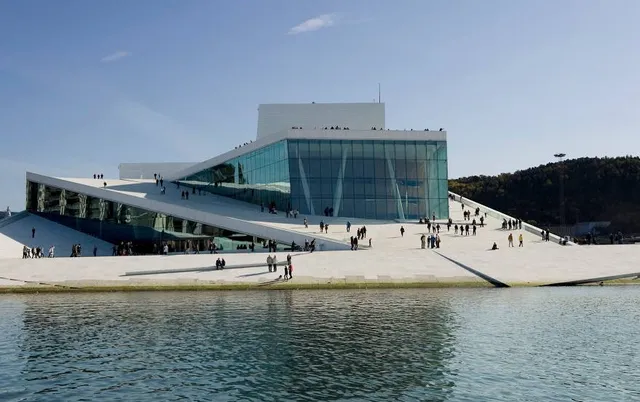
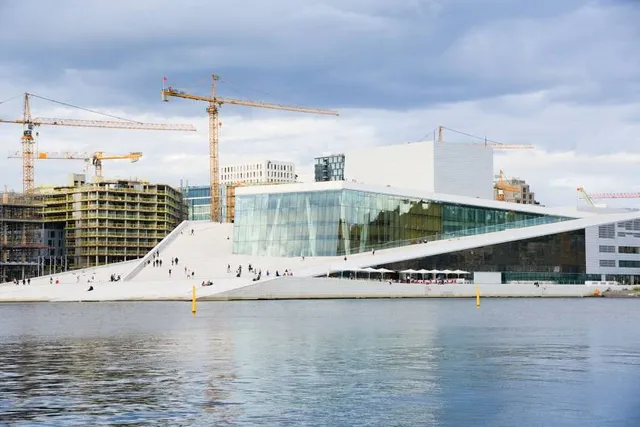
Located in the Bjørvika district, the museum is close to other Oslo landmarks, such as the Oslo Opera House and the Barcode Project, making it easy to explore the city’s waterfront after a...
Read moreThe Munch Museum in Oslo is a must-visit destination for art enthusiasts and fans of the renowned Norwegian artist, Edvard Munch. The museum is dedicated to preserving and showcasing Munch's iconic works, including his most famous painting, "The Scream." For first-timers, it’s important to know that there are 3 versions of The Scream (4th floor) that keep rotating in a random order (one hour each). The staff are not allowed to tell you exactly when they’re going to change and what version will be next. So plan your time accordingly.
When I entered the Museum, a staff member handed me a free entry ticket which was really nice, thank you!
Upon entering the museum, visitors are greeted with a captivating collection of Munch's art, featuring his distinct expressionistic style and emotionally charged themes. The museum's layout is well-organized, allowing for a smooth and immersive journey through Munch's artistic evolution.
The museum provides insightful information about Munch's life, influences, and artistic techniques, giving visitors a deeper understanding of his creative process. It's fascinating to witness the progression of Munch's art over the years and how his experiences shaped his works.
The museum also offers temporary exhibitions that highlight Munch's influence on contemporary art and showcase the works of other talented artists. These exhibitions provide a fresh perspective and add to the overall richness of the museum experience.
Additionally, the Munch Museum features educational programs, workshops, and guided tours, catering to visitors of all ages and interests. This makes it an excellent destination for families, art students, and anyone curious about Munch's legacy.
The museum's location in Oslo adds to its appeal, as it is situated in a beautiful area near the waterfront, providing a picturesque backdrop for art appreciation. The museum's architecture is modern and inviting, blending seamlessly with the surrounding environment.
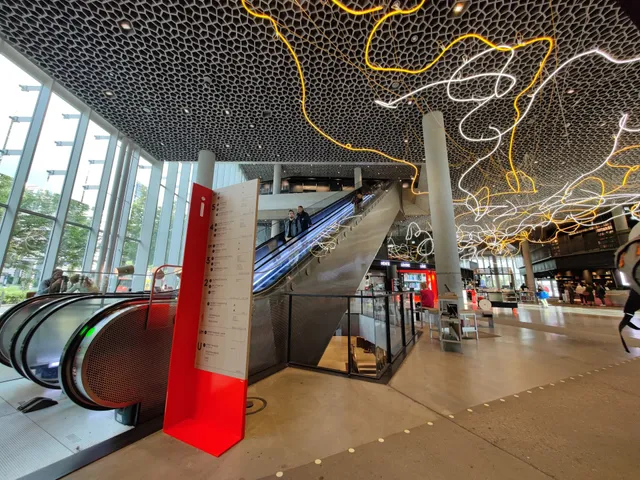
You can take the escalators or lift up to the 6th floor for a beautiful and free view over the opera hall and the sea. You can also go to the 11th and 12th for a skybar!
There’s a small gift shop that offers the usual from postcards to magnets and generic museum souvenirs. The staff were extremely friendly and helpful.
Overall, the Munch Museum in Oslo offers a captivating and enriching experience for art lovers. It successfully celebrates the genius of Edvard Munch while providing valuable insights into his art and its cultural significance. A visit to this museum is a memorable journey into the mind and soul of one of Norway's greatest artists.
*pro tip: don’t wait for the elevator, it can get really long and crowded on busy days, just use...
Read more