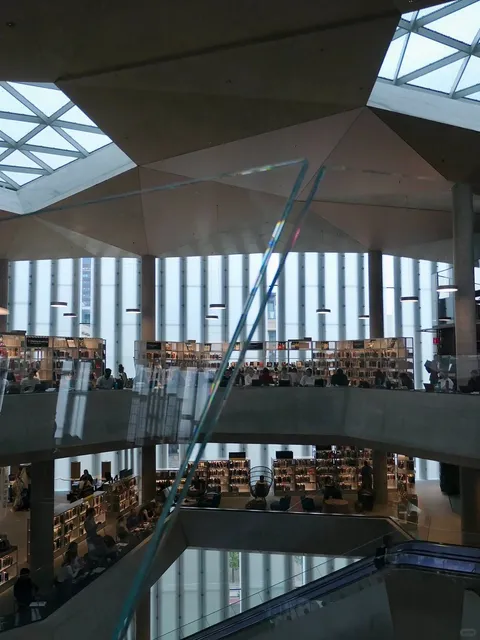
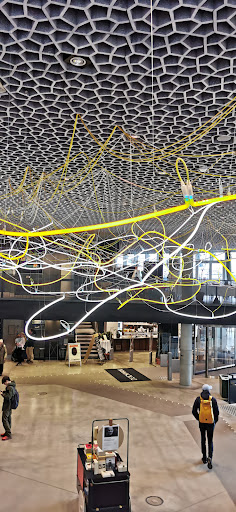
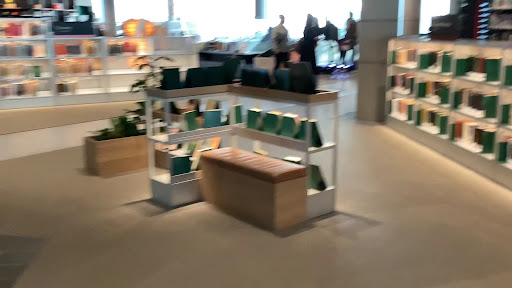
Deichman Bjørvika things to do, attractions, restaurants, events info and trip planning
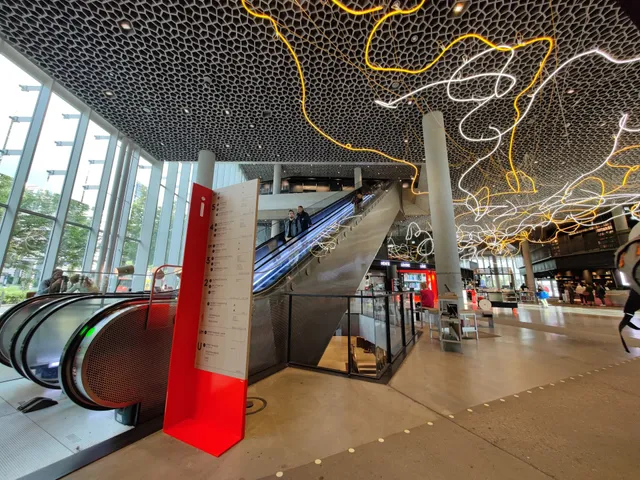
Basic Info
Deichman Bjørvika
Anne-Cath, Vestlys plass 1, 0150 Oslo, Norway
4.7(1.3K)
Closed
Save
spot
spot
Ratings & Description
Info
attractions: Oslo Opera House, Munch, The Tiger, Oslo Visitor Center, Operastranda, Fjord City, The Fjords - Cruise Oslofjorden, Havnepromenade, Oslo Cathedral, Paléhaven, restaurants: Døgnvill Burger Bjørvika, Centropa Restaurant & Bar, Olivia Østbanehallen, Royal Gastropub, Cru Wine & French Food, Vaaghals, Kaffebrenneriet avd Bjørvika, Eufemia Bar, Restaurant Havsmak, El Camino, local businesses: The Norwegian Opera and Ballet, Oslo Central Station, Byporten Shopping, Oslo City, Plaza de Christian Frederik, Neo Tokyo Arkaden, Cinemateket, Studio Johnny, Filmens hus, Tonios Churros & Waffles
 Learn more insights from Wanderboat AI.
Phone
+47 23 43 29 00
Website
deichman.no
Open hoursSee all hours
Mon8 AM - 10 PMClosed
Plan your stay

Pet-friendly Hotels in Oslo
Find a cozy hotel nearby and make it a full experience.

Affordable Hotels in Oslo
Find a cozy hotel nearby and make it a full experience.

The Coolest Hotels You Haven't Heard Of (Yet)
Find a cozy hotel nearby and make it a full experience.

Trending Stays Worth the Hype in Oslo
Find a cozy hotel nearby and make it a full experience.
Reviews
Live events

Candlelight Valentines Day: Classical Romance
Sat, Feb 14 • 8:15 PM
Holtegata 15, Oslo, 0259
View details

The Norwegian Skiing Experience
Fri, Feb 13 • 8:30 AM
0694, Oslo, Norway
View details

Glide silently among fjords and city landmarks
Mon, Feb 9 • 10:00 AM
0160, Oslo, Norway
View details
Nearby attractions of Deichman Bjørvika
Oslo Opera House
Munch
The Tiger
Oslo Visitor Center
Operastranda
Fjord City
The Fjords - Cruise Oslofjorden
Havnepromenade
Oslo Cathedral
Paléhaven
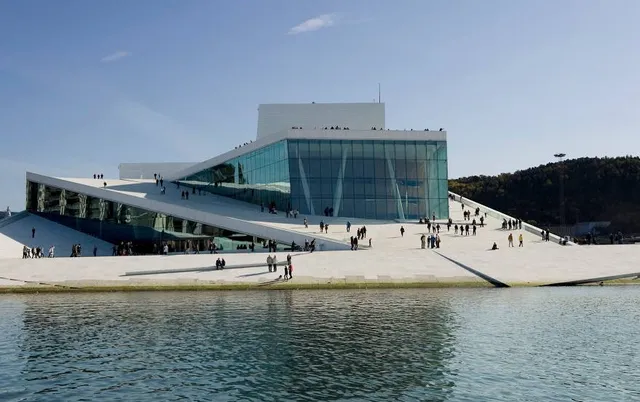
Oslo Opera House
4.7
(11.1K)
Open 24 hours
Click for details
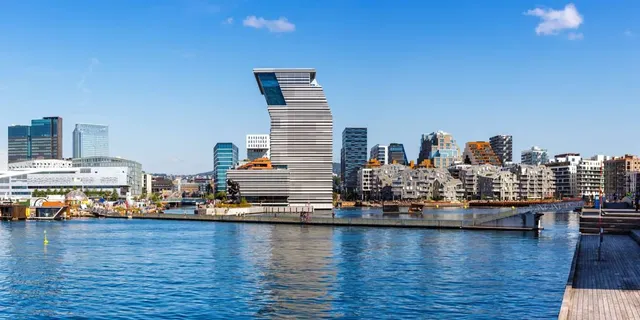
Munch
4.5
(6.6K)
Closed
Click for details
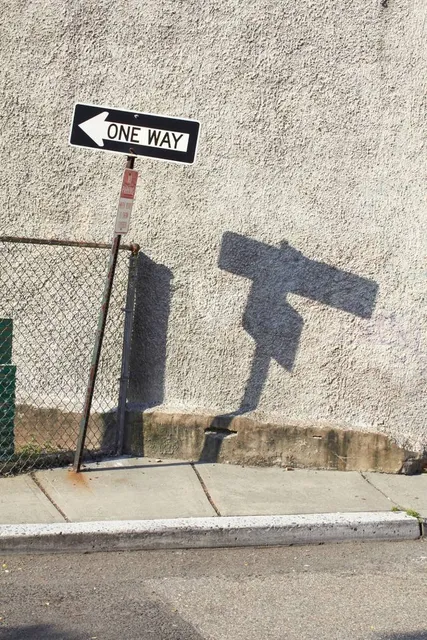
The Tiger
4.3
(1.0K)
Open until 12:00 AM
Click for details
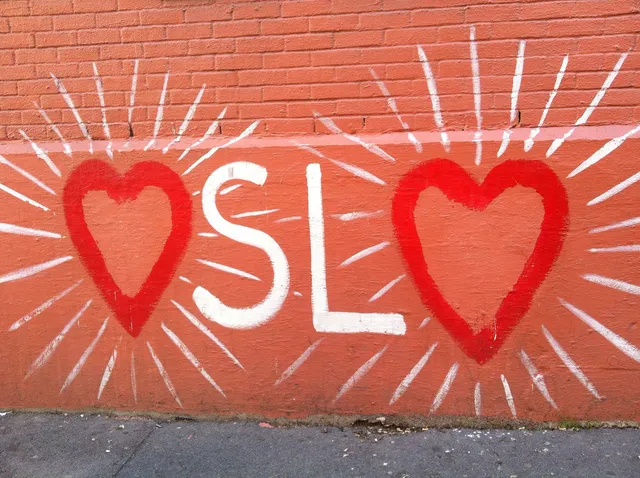
Oslo Visitor Center
4.5
(336)
Open until 12:00 AM
Click for details
Nearby restaurants of Deichman Bjørvika
Døgnvill Burger Bjørvika
Centropa Restaurant & Bar
Olivia Østbanehallen
Royal Gastropub
Cru Wine & French Food
Vaaghals
Kaffebrenneriet avd Bjørvika
Eufemia Bar
Restaurant Havsmak
El Camino
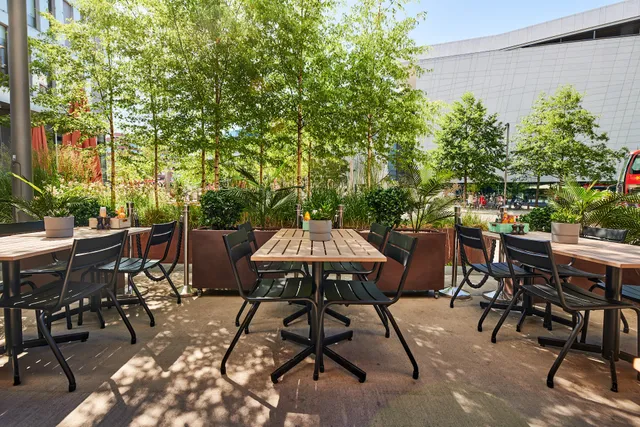
Døgnvill Burger Bjørvika
4.4
(800)
Closed
Click for details
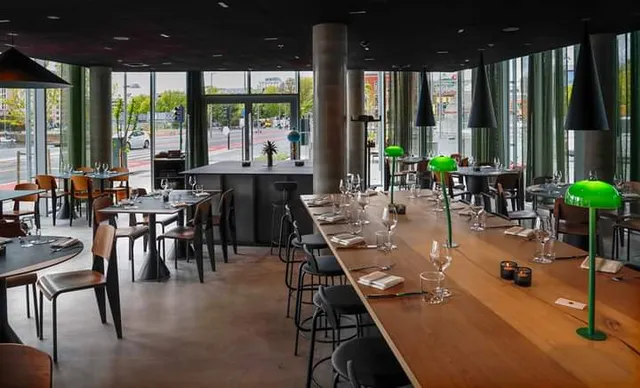
Centropa Restaurant & Bar
4.1
(174)
Open until 12:00 AM
Click for details
Olivia Østbanehallen
4.0
(901)
$$
Closed
Click for details
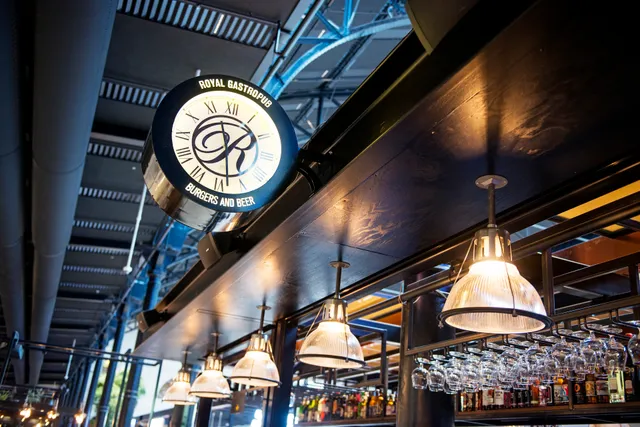
Royal Gastropub
4.0
(667)
$$
Closed
Click for details
Nearby local services of Deichman Bjørvika
The Norwegian Opera and Ballet
Oslo Central Station
Byporten Shopping
Oslo City
Plaza de Christian Frederik
Neo Tokyo Arkaden
Cinemateket
Studio Johnny
Filmens hus
Tonios Churros & Waffles
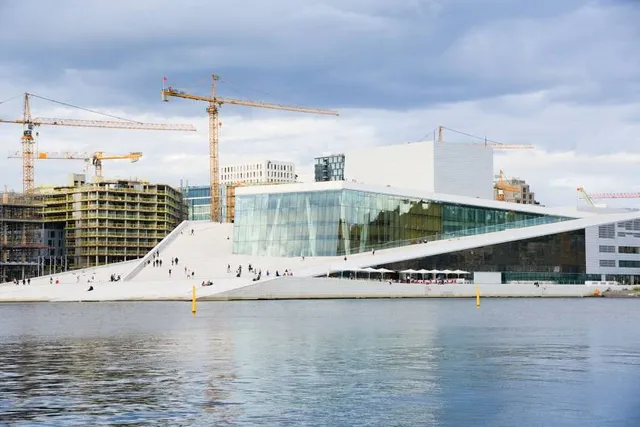
The Norwegian Opera and Ballet
4.8
(873)
Click for details
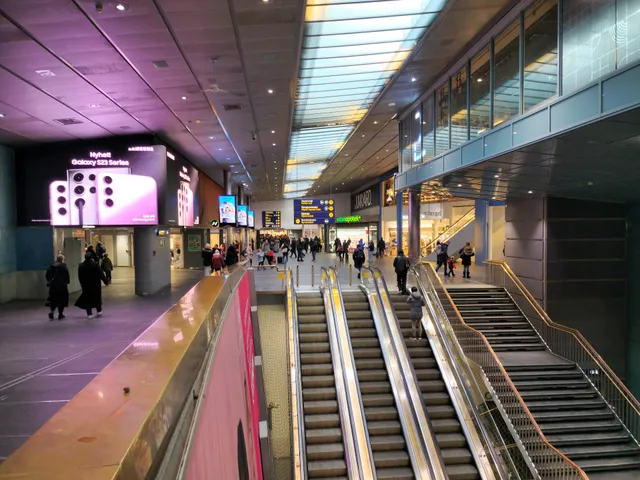
Oslo Central Station
4.2
(858)
Click for details
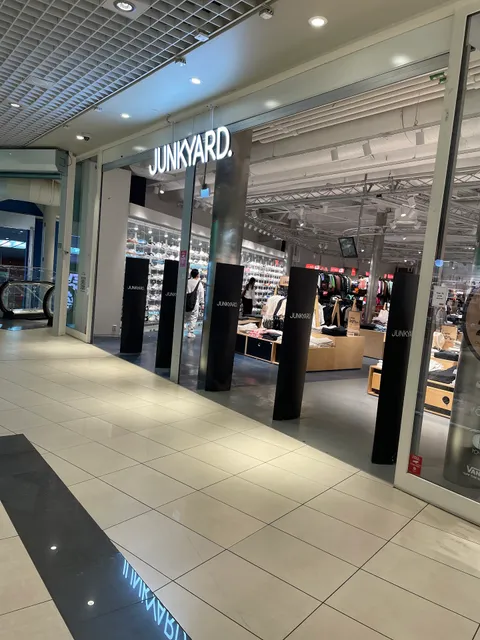
Byporten Shopping
4.0
(2.1K)
Click for details

Oslo City
4.1
(6K)
Click for details