Faqeer Khana Museum things to do, attractions, restaurants, events info and trip planning
Basic Info
Faqeer Khana Museum
Hakiman Bazar, Kucha Faqirkhana Kucha Astana Sharif Walled City of Lahore, Lahore, 54000, Pakistan
4.4(470)
Open until 5:00 PM
Save
spot
spot
Ratings & Description
Info
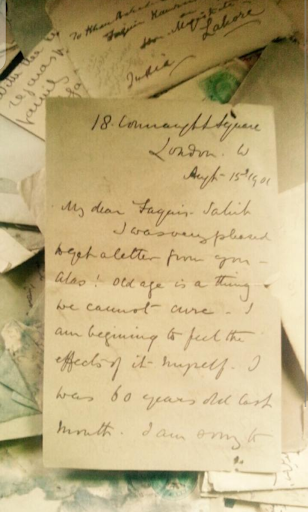
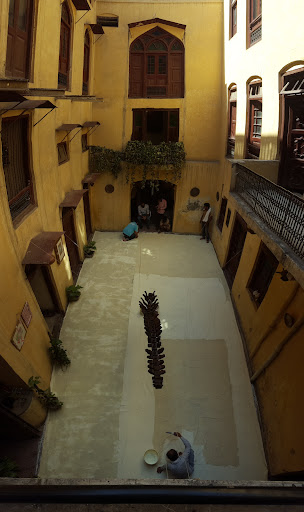
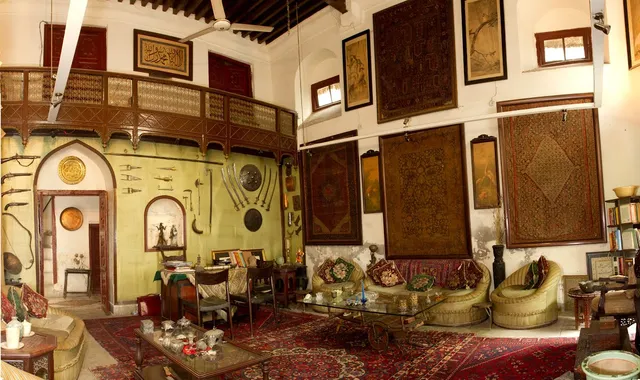
Fakir Khana is a private museum and house located in Lahore, Pakistan, owned by the Fakir family. Fakhir Khana contains over 20,000 objects, and is the largest privately owned museum in South Asia.
Cultural
Family friendly
Off the beaten path
attractions: Badshahi Mosque, Haveli Nau Nihal Singh, Family Park, Haveli Barood Khana, Data Darbar, Lahore Fort, Hazuri Bagh, Chowk Jhanda, Moti Masjid, Lahore Fort Park, restaurants: Fazal Din Phajja Siri Paye - Since 1953, Andaaz Restaurant, Chand Shahab Sweets, Junoon Heritage Restaurant, Cooco's Den, Fort Vista (Eatery & Lodges), Shahi Bawarchikhana, Riwaj Restaurant, Tara Bong Paye Gumti Bazar, New Zaiqa Restaurant, local businesses: Food Street Fort Road, Lahore Guided Tours, Tomb of Allama Iqbal, Lohari Gate, Samadhi of Maharaja Ranjit Singh Ji, Azadi Chowk
 Learn more insights from Wanderboat AI.
Phone
+92 300 4131809
Website
fakirkhana.com
Open hoursSee all hours
Thu10 AM - 5 PMOpen
Plan your stay

Pet-friendly Hotels in Lahore City Tehsil
Find a cozy hotel nearby and make it a full experience.

Affordable Hotels in Lahore City Tehsil
Find a cozy hotel nearby and make it a full experience.

The Coolest Hotels You Haven't Heard Of (Yet)
Find a cozy hotel nearby and make it a full experience.

Trending Stays Worth the Hype in Lahore City Tehsil
Find a cozy hotel nearby and make it a full experience.
Reviews
Nearby attractions of Faqeer Khana Museum
Badshahi Mosque
Haveli Nau Nihal Singh
Family Park
Haveli Barood Khana
Data Darbar
Lahore Fort
Hazuri Bagh
Chowk Jhanda
Moti Masjid
Lahore Fort Park
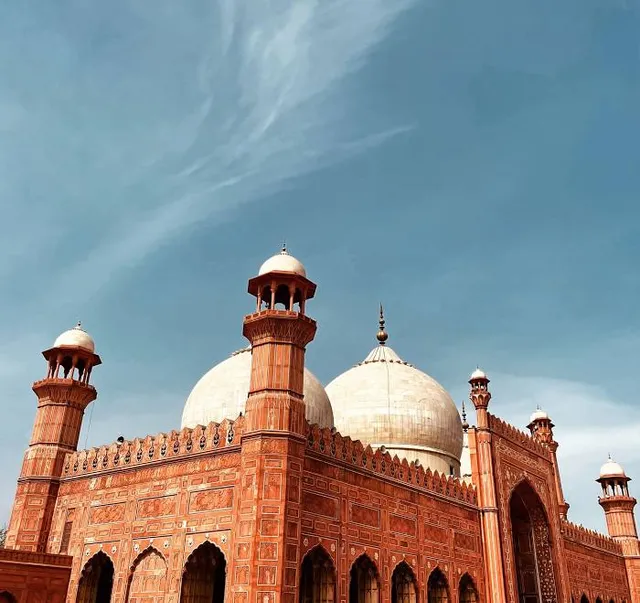
Badshahi Mosque
4.7
(10.1K)
Open until 8:00 PM
Click for details
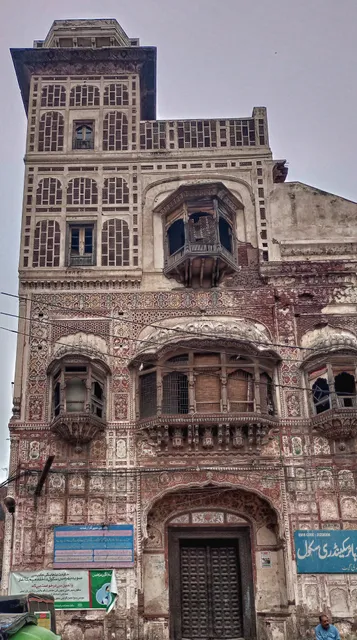
Haveli Nau Nihal Singh
4.5
(169)
Open until 12:00 AM
Click for details
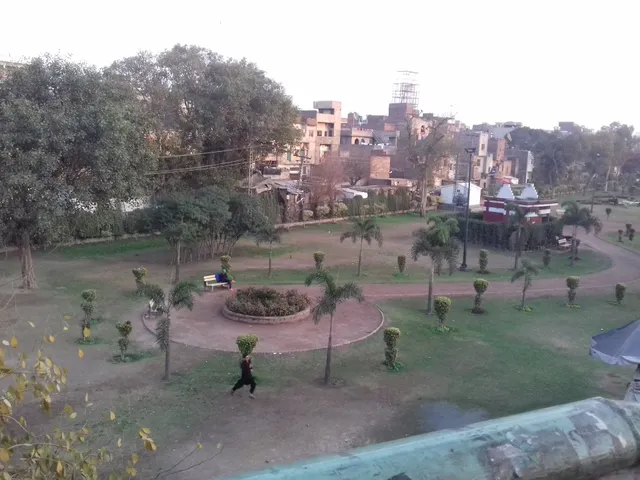
Family Park
4.2
(41)
Open 24 hours
Click for details
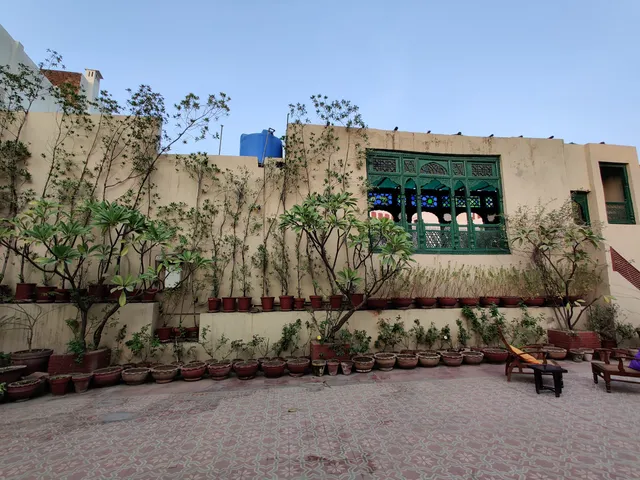
Haveli Barood Khana
4.6
(423)
Open until 6:00 PM
Click for details
Nearby restaurants of Faqeer Khana Museum
Fazal Din Phajja Siri Paye - Since 1953
Andaaz Restaurant
Chand Shahab Sweets
Junoon Heritage Restaurant
Cooco's Den
Fort Vista (Eatery & Lodges)
Shahi Bawarchikhana
Riwaj Restaurant
Tara Bong Paye Gumti Bazar
New Zaiqa Restaurant
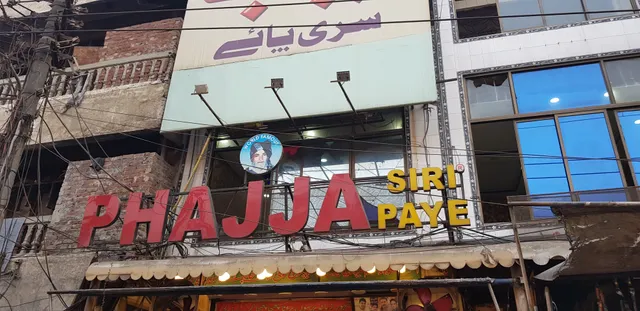
Fazal Din Phajja Siri Paye - Since 1953
3.9
(2.2K)
Open until 12:00 AM
Click for details
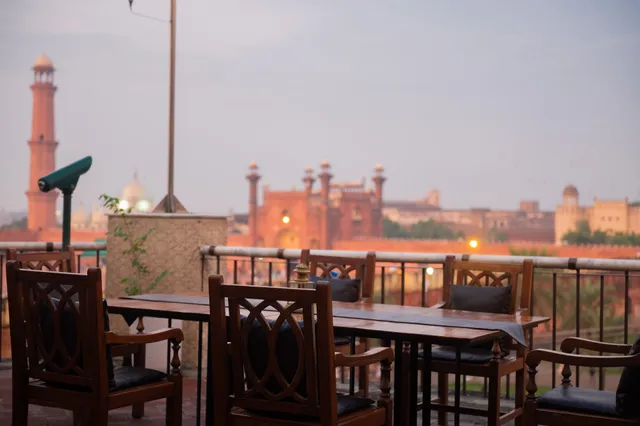
Andaaz Restaurant
4.1
(958)
$$$$
Closed
Click for details
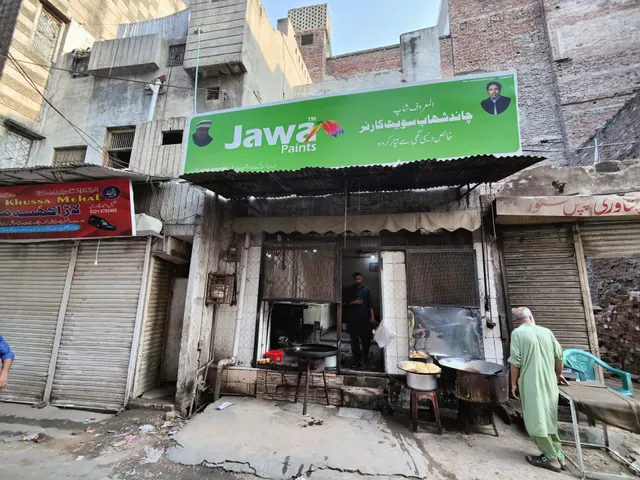
Chand Shahab Sweets
4.1
(243)
Closed
Click for details
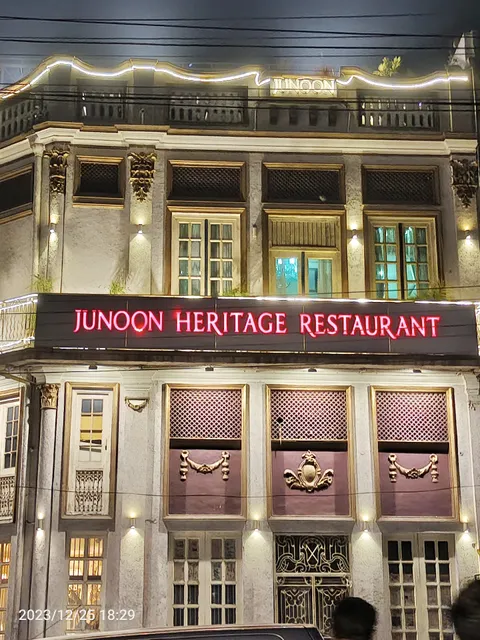
Junoon Heritage Restaurant
4.3
(537)
Open until 12:00 AM
Click for details
Nearby local services of Faqeer Khana Museum
Food Street Fort Road
Lahore Guided Tours
Tomb of Allama Iqbal
Lohari Gate
Samadhi of Maharaja Ranjit Singh Ji
Azadi Chowk
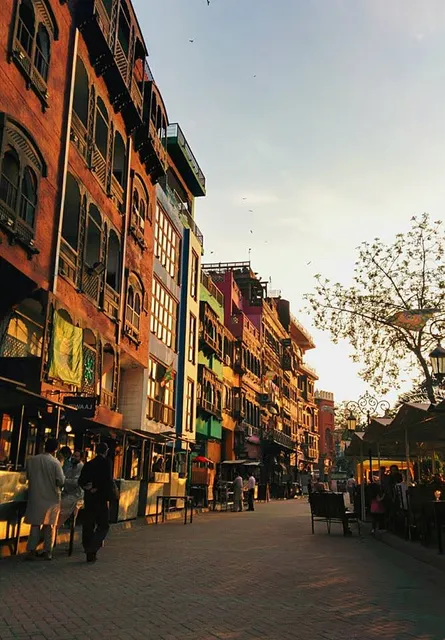
Food Street Fort Road
4.6
(224)
Click for details
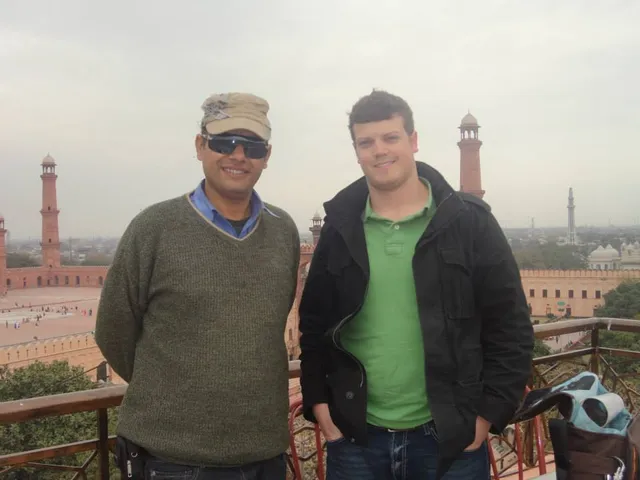
Lahore Guided Tours
4.9
(93)
Click for details

Tomb of Allama Iqbal
4.8
(274)
Click for details
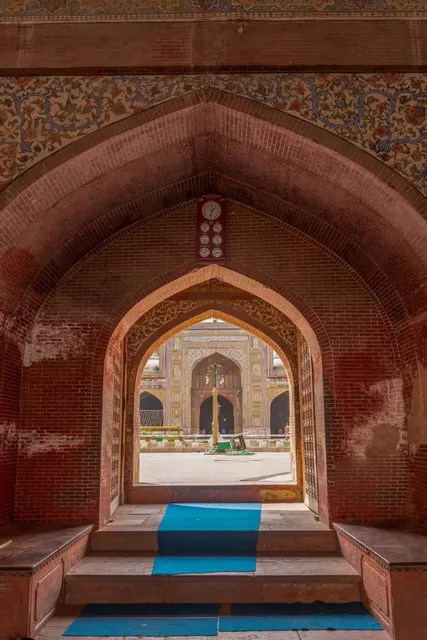
Lohari Gate
4.5
(4.6K)
Click for details