The Badshahi Mosque is one of the most iconic landmarks in Lahore, Pakistan, and is renowned for its grand architecture, historical significance, and cultural importance. Here are some key details about it:
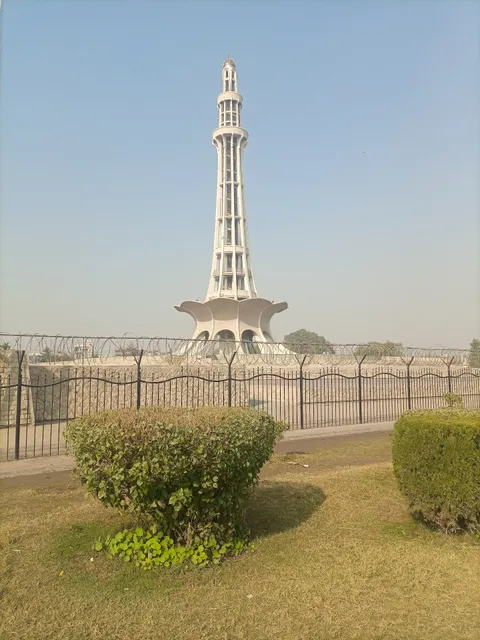
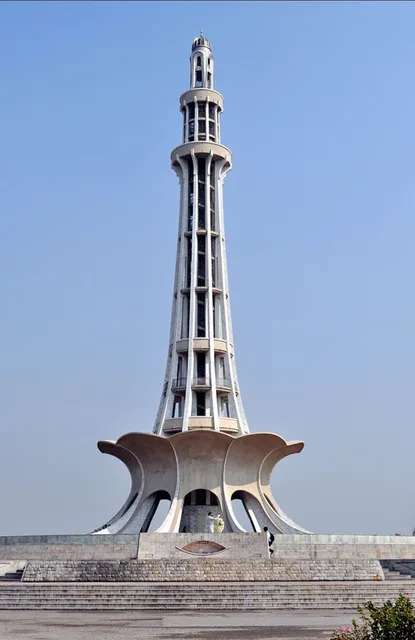
Historical Background Built: The mosque was commissioned by Emperor Aurangzeb of the Mughal Empire and completed in 1673. Location: It is situated near the Lahore Fort and the entrance to the Shahi Qila (Royal Fort), and overlooks the Badshahi Mosque grounds, which also offer stunning views of the surrounding areas, including the Minar-e-Pakistan. The mosque was built during the peak of Mughal architectural influence and stands as a testament to Mughal culture and grandeur.
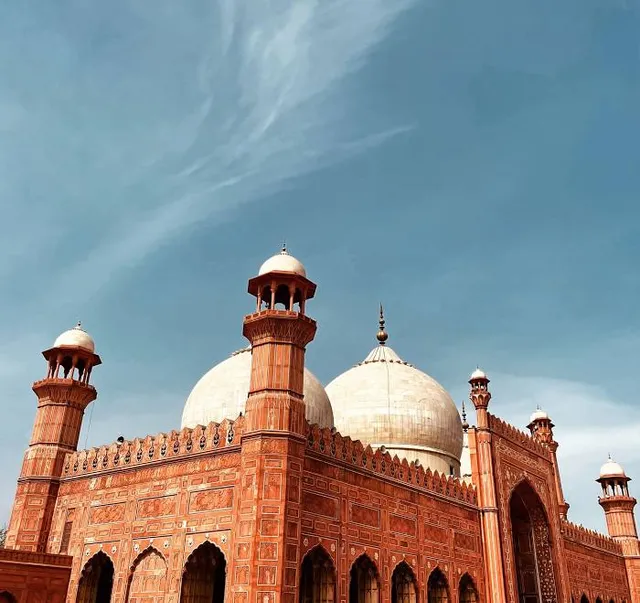
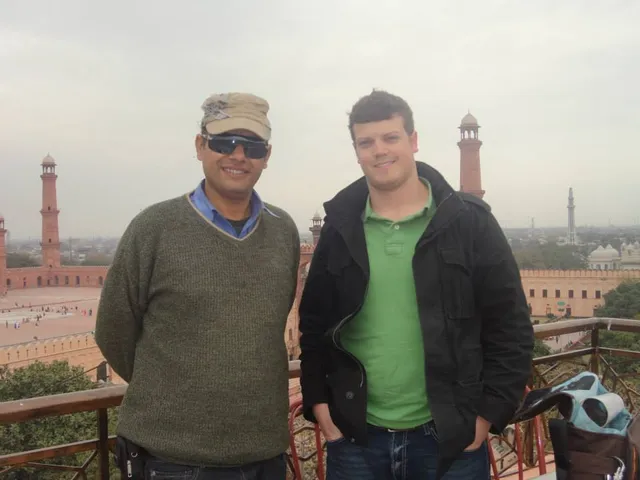
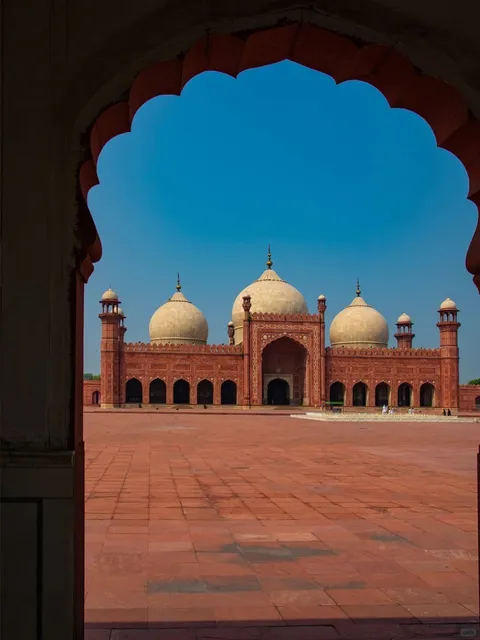
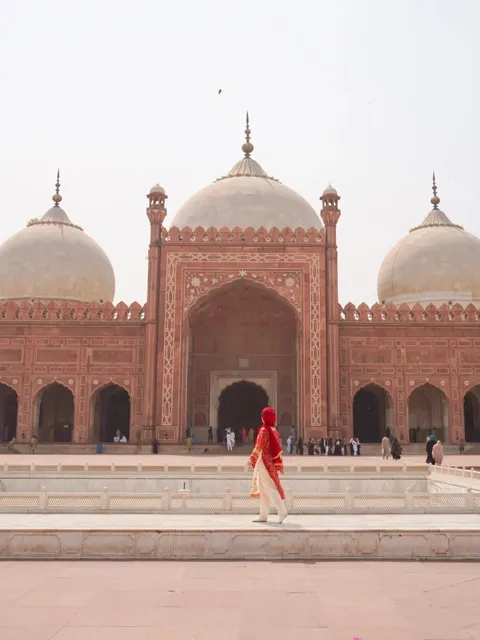
Architecture The Badshahi Mosque is an excellent example of Mughal architecture, characterized by its large scale, red sandstone construction, and intricate decoration. The design incorporates Persian, Indian, and Central Asian elements. Main Features: Prayer Hall: The mosque features an expansive prayer hall with a massive central dome, which is one of the largest of its kind in the world. Minarets: It has four towering minarets, each standing at around 70 meters (230 feet), making the mosque a striking feature of Lahore's skyline. Courtyard: The mosque is surrounded by a large open courtyard that can hold around 55,000 worshippers, making it one of the largest mosques in the world. Materials: The mosque is primarily constructed from red sandstone, with marble inlays and ornate decorations, a hallmark of Mughal craftsmanship.
Significance Religious: As a mosque, it remains a key site for Muslim worship and prayer in Lahore. It is still actively used for daily prayers, as well as special events like Eid prayers, attracting thousands of worshippers. Cultural and Historical: The mosque stands as a symbol of the Mughal Empire's grandeur and the fusion of Islamic and South Asian architectural styles. It is also a symbol of Lahore’s rich cultural heritage. It has been a prominent historical and political symbol, especially during the times of the Mughal rule, as the region was a central hub in the empire.
Restoration and Preservation The mosque was partially damaged during the colonial period, but it underwent restoration during the British Raj in the 19th century. Later, it also faced renovations in the 20th century. It was declared a protected heritage site by Pakistan’s government, ensuring its preservation for future generations.
Visitor Experience The mosque is a popular tourist attraction, drawing visitors from around the world due to its architectural beauty and historical importance. It is also often included in cultural and educational tours, and visitors can explore the intricate details of the mosque, its grand interior, and the surrounding gardens.
Adjacent Sites The Lahore Fort (Shahi Qila) is located right next to the mosque and is another UNESCO World Heritage site. Together, these two monuments represent the zenith of Mughal architecture in Lahore.
In summary, the Badshahi Mosque remains a symbol of Lahore's rich Mughal history, renowned for its scale, beauty, and cultural significance. It stands as a proud testament to the artistic and architectural achievements of the...
Read moreBadshahi mosque is one of the few significant architectural monuments built during Emperor Aurangzeb's long rule from 1658 to 1707. It is presently the fifth largest mosque in the world and was indisputably the largest mosque in the world from 1673 to 1986 when the Faisal Mosque was constructed in Islamabad. Although it was built late in the Mughal era in a period of relative decline, its beauty, elegance, and scale epitomize Mughal cultural achievement like no other monument in Lahore.
Construction of the mosque began in 1671 under the direction of Muzaffar Hussain (Fida'i Khan Koka), Aurangzeb's brother-in-law and the governor of Lahore. It was originally planned as a reliquary to safeguard a strand of the Prophet's hair. Its grand scale is influenced by the Jama Mosque of Delhi which had been built by Aurangzeb's father Shah Jahan. The plan of Badshahi mosque is essentially a square measuring 170 meters on each side. Since the north end of the mosque was built along the edge of the Ravi river, it was not possible to install a north gate like the one used in the Jama Mosque, and a south gate was also not constructed in order to maintain the overall symmetry. Within the courtyard, the prayer hall features four minarets that echo in minature the four minarets at each corner of the mosque's perimeter.
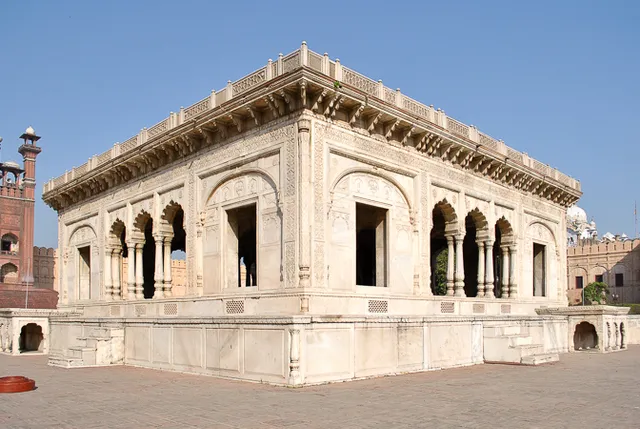
The prominence of the mosque in the imperial vision was such that it was constructed just a few hundred meters to the west of Lahore Fort. A special gate facing the mosque was added to the fort and designated the Alamgiri gate. The space in between--the future Hazuri Bagh garden--was used as a parade ground where Aurangzeb would review his troops and courtiers. The Hazuri Bagh appears to be at a lower level than the mosque since the latter was built on a six meter plinth to help prevent flooding.
The mosque did not fare well during the rule of Ranjit Singh, the Maharaja of the Sikh Empire. When Ranjit Singh took control of Lahore in 1799 the mosque's courtyard was used as a stable and the hujras (cells) around the perimeter were occupied by his soldiers. Ranjit Singh himself used the adjacent Hazuri Bagh as his official royal court. When William Moorcroft of England visited Lahore in 1820, he recorded that the mosque as being used as an exercise ground for the Sipahi infantry. Twenty years later, a moderate earthquake struck lahore and collapsed the delicate marble turrets at the tops of each minaret. The open turrets were used as gun emplacements a year later when Ranjit Singh's son, Sher Singh, occupied the mosque to bombard Lahore Fort during the Sikh civil war.
After the British took control of Lahore in 1846 they continued to use Badshahi Mosque as a military garrison. It was not until 1852 that the British established the Badshahi Mosque Authority to oversee the restoration of the mosque so that it could be returned to Muslims as a place of worship. Although repairs were carried out, it was not until 1939 that extensive repairs began under the oversight of architect Nawab Zen Yar Jang Bahadur. The repairs continued until 1960 and were completed at a cost of 4.8...
Read moreBadshahi Mosque - A Timeless Marvel of Lahore
Unveiling a tapestry of history, art, and spiritual grandeur, my recent visit to the Badshahi Mosque in Lahore left an indelible mark on my heart and senses. This review aims to capture the magnificence and cultural significance that this iconic monument exudes.
🕌 Architectural Gem: The Badshahi Mosque, standing proudly against the backdrop of Lahore's skyline, is a living testament to Mughal architectural brilliance. Its massive red sandstone walls, intricate marble inlays, and majestic domes exude an aura of grandeur that transcends time. The symmetry and harmony of the design are nothing short of awe-inspiring.
🌟 Historical Legacy: Stepping into the courtyard of the Badshahi Mosque felt like stepping back in time, immersing me in the rich history of the Mughal empire. As I walked through its halls, I couldn't help but marvel at the craftsmanship and vision that went into creating this masterpiece. Every corner whispers stories of emperors, artisans, and devotion.
🕌 Prayerful Tranquility: As I entered the prayer hall, the hushed reverence of worshippers and visitors alike created an atmosphere of profound serenity. The rows of arched pillars, the intricately designed mihrab, and the ornate chandeliers all contribute to an ambiance that invites contemplation and spiritual connection.
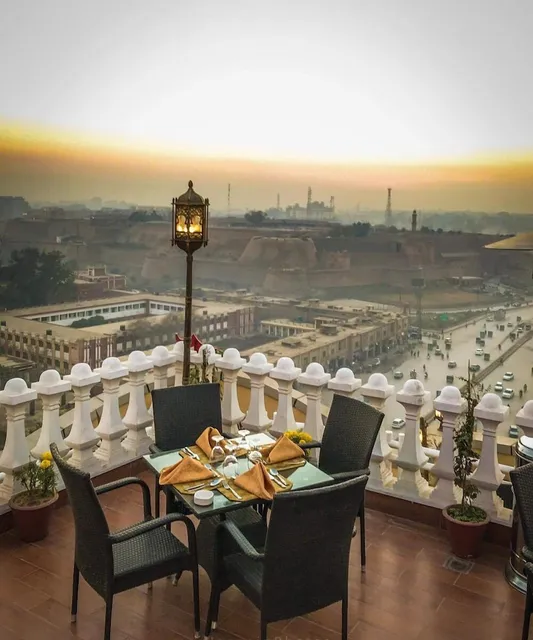
🌄 Panoramic Views: The mosque's elevated location offers breathtaking panoramic views of Lahore's bustling streets and the tranquil expanse of the Ravi River. The sight of the sun casting its golden hues on the mosque's exterior, or the moonlight illuminating its domes, adds an ethereal charm that is truly enchanting.
📜 Cultural Heritage: The Badshahi Mosque is not merely a religious monument; it's a living heritage that reflects the cultural diversity and artistic prowess of the Mughal era. Its role as a symbol of unity, faith, and architectural brilliance is a testament to the enduring impact of Mughal art and culture.
💖 Visitor Experience: My visit was made even more memorable by the warm hospitality of the staff and the ease of access for visitors. The well-maintained premises, informative plaques, and availability of guided tours enhanced my understanding and appreciation of the mosque's historical and architectural significance.
In conclusion, the Badshahi Mosque is a jewel in Lahore's crown, an architectural marvel that resonates with history, spirituality, and cultural pride. Its timeless elegance, coupled with the palpable reverence that fills the air, makes it a must-visit destination for anyone seeking to immerse themselves in the rich heritage of Lahore and the Mughal legacy.
#BadshahiMosque #ArchitecturalElegance #CulturalHeritage...
Read more