HTML SitemapExplore
logo
Find Things to DoFind The Best Restaurants

Moti Masjid — Attraction in Lahore City Tehsil

Name
Moti Masjid
Description
Nearby attractions
Lahore Fort
H8Q7+56P, Fort Rd, Walled City of Lahore, Lahore, Pakistan
Hazuri Bagh
Badshahi Mosque, Fort Rd, Walled City of Lahore, Lahore, 54000, Pakistan
Sheesh Mahal Lahore
H8Q7+X7F, Walled City of Lahore, Lahore, Pakistan
Badshahi Mosque
Fort Rd, Walled City of Lahore, Lahore, 54000, Pakistan
Lahore Fort Park
H8P7+WQH, Circular Rd, Walled City of Lahore, Lahore, Pakistan
Maharani Jindan Kaur Haveli: Sarkar-i Khalsa Gallery
Maharani Jindan Kaur's Haveli, Fort Rd, Walled City of Lahore, Lahore, Pakistan
Jahangir's Quadrangle
H8Q8+H73, Fort Rd, Walled City of Lahore, Lahore, Pakistan
Greater Iqbal Park
Greter Iqbal Prak, Walled City of Lahore, Lahore, Pakistan
Haveli Barood Khana
H8M7+WRQ, Walled City of Lahore, Lahore, Pakistan
Minar-e-Pakistan
Minar-e-Pakistan, Ahmed Ali Rd, Walled City of Lahore, Lahore, 54000, Pakistan
Nearby restaurants
Fort Vista (Eatery & Lodges)
Shahi Mohallah Walled City of Lahore, Lahore, 54110, Pakistan
Cooco's Den
Roshnai Gate, 2168/A Food St Fort Rd, Shahi Mohallah Walled City of Lahore, Lahore, Pakistan
Arif Chatkhara House
Taxali Gate Rd, Shahi Mohallah Walled City of Lahore, Lahore, 54000, Pakistan
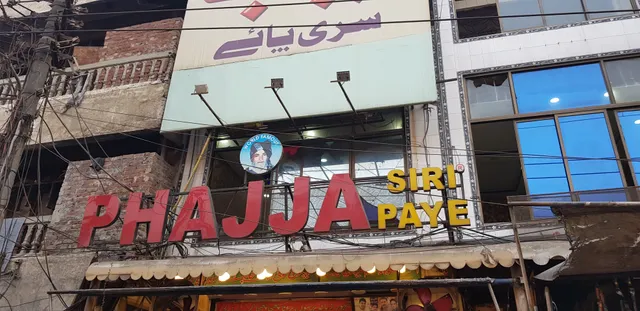
Fazal Din Phajja Siri Paye - Since 1953
taj Mahal saweet, Kali Beri Bazar, Shahi Mohallah Walled City of Lahore, Lahore, Pakistan
Riwaj Restaurant
Food St Fort Rd, Shahi Mohallah Walled City of Lahore, Lahore, Pakistan
Junoon Heritage Restaurant
H8P6+J6V Badshahi Mosque, Fort Rd, Shahi Mohallah Walled City of Lahore, Lahore, 54000, Pakistan
Andaaz Restaurant
2189 A Fort Rd, Shahi Mohallah Walled City of Lahore, Lahore, Pakistan
New Zaiqa Restaurant
H8P6+GWP, Fort Rd, Shahi Mohallah Walled City of Lahore, Lahore, Pakistan
Shahi Bawarchikhana
at food street, Fort Rd, Shahi Mohallah Walled City of Lahore, Lahore, Pakistan
Bastion Café Lahore Fort
H8R6+3V3, Fort Rd, near Picture Wall, Walled City of Lahore, Lahore, 54110, Pakistan
Nearby hotels
Related posts
Keywords
Moti Masjid tourism.Moti Masjid hotels.Moti Masjid bed and breakfast. flights to Moti Masjid.Moti Masjid attractions.Moti Masjid restaurants.Moti Masjid travel.Moti Masjid travel guide.Moti Masjid travel blog.Moti Masjid pictures.Moti Masjid photos.Moti Masjid travel tips.Moti Masjid maps.Moti Masjid things to do.
Moti Masjid things to do, attractions, restaurants, events info and trip planning
Moti Masjid
PakistanPunjabLahore City TehsilMoti Masjid

Basic Info

Moti Masjid

Moti Masjid, Walled City of Lahore, Lahore, Pakistan
4.7(502)
Open 24 hours
Save
spot

Ratings & Description

Info

Cultural
Scenic
"family friendly"
"accessibility"
attractions: Lahore Fort, Hazuri Bagh, Sheesh Mahal Lahore, Badshahi Mosque, Lahore Fort Park, Maharani Jindan Kaur Haveli: Sarkar-i Khalsa Gallery, Jahangir's Quadrangle, Greater Iqbal Park, Haveli Barood Khana, Minar-e-Pakistan, restaurants: Fort Vista (Eatery & Lodges), Cooco's Den, Arif Chatkhara House, Fazal Din Phajja Siri Paye - Since 1953, Riwaj Restaurant, Junoon Heritage Restaurant, Andaaz Restaurant, New Zaiqa Restaurant, Shahi Bawarchikhana, Bastion Café Lahore Fort
logoLearn more insights from Wanderboat AI.

Plan your stay

hotel
Pet-friendly Hotels in Lahore City Tehsil
Find a cozy hotel nearby and make it a full experience.

hotel
Affordable Hotels in Lahore City Tehsil
Find a cozy hotel nearby and make it a full experience.

hotel
The Coolest Hotels You Haven't Heard Of (Yet)
Find a cozy hotel nearby and make it a full experience.

hotel
Trending Stays Worth the Hype in Lahore City Tehsil
Find a cozy hotel nearby and make it a full experience.

Reviews

Nearby attractions of Moti Masjid

Lahore Fort

Hazuri Bagh

Sheesh Mahal Lahore

Badshahi Mosque

Lahore Fort Park

Maharani Jindan Kaur Haveli: Sarkar-i Khalsa Gallery

Jahangir's Quadrangle

Greater Iqbal Park

Haveli Barood Khana
Minar-e-Pakistan

Lahore Fort

Lahore Fort

4.6

(9.9K)

Open 24 hours
Click for details
Hazuri Bagh

Hazuri Bagh

4.6

(640)

Open until 7:00 PM
Click for details
Sheesh Mahal Lahore

Sheesh Mahal Lahore

4.5

(602)

Open 24 hours
Click for details
Badshahi Mosque

Badshahi Mosque

4.8

(10.9K)

Open 24 hours
Click for details

Nearby restaurants of Moti Masjid

Fort Vista (Eatery & Lodges)

Cooco's Den

Arif Chatkhara House

Fazal Din Phajja Siri Paye - Since 1953

Riwaj Restaurant

Junoon Heritage Restaurant

Andaaz Restaurant

New Zaiqa Restaurant

Shahi Bawarchikhana

Bastion Café Lahore Fort

Fort Vista (Eatery & Lodges)

Fort Vista (Eatery & Lodges)

4.4

(738)

$$

Click for details
Cooco's Den

Cooco's Den

3.8

(1.4K)

Click for details
Arif Chatkhara House

Arif Chatkhara House

4.1

(3.1K)

Click for details
Fazal Din Phajja Siri Paye - Since 1953

Fazal Din Phajja Siri Paye - Since 1953

3.9

(2.2K)

Click for details
Get the Appoverlay
Get the AppOne tap to find yournext favorite spots!
Wanderboat LogoWanderboat

Your everyday Al companion for getaway ideas

CompanyAbout Us
InformationAI Trip PlannerSitemap
SocialXInstagramTiktokLinkedin
LegalTerms of ServicePrivacy Policy

Get the app

© 2025 Wanderboat. All rights reserved.
logo

Posts

Mudassir MaqsoodMudassir Maqsood
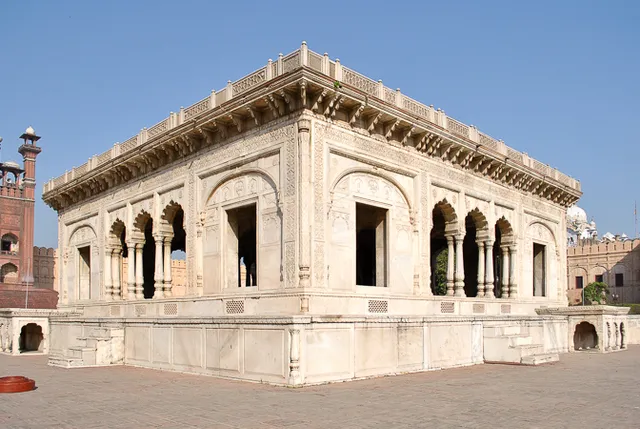
Moti Masjid (Pearl Mosque) A small mosque claimed to have spirits and ghouls inside it is the Moti Masjid. People visiting it have a strong belief that if Nawafil (Muslim Prayers) are offered at Moti Masjid, the wishes do come true. Having the same belief thousands of visitors from all over the world visit this place every week. During the Asr prayers you will hardly find a place to step inside the mosque. Moti Masjid was built in 1645 by the Mughal Shah Jahan. As per historic accounts it is stated that the mosque might have been built along with Dolat Khana Khaas-o-Aam of Shah Jahan. It is one of those two mosques built in chaste marble by Shah Jahan. The second one was built at Agra Fort in 1654 AD. The Mughal Emperor Aurangzeb also constructed a mosque of the same type at Red Fort Delhi in 1662 AD. They are all titled as Pearl Mosque because of their outlook imbued with white marble. This is a small mosque which can accommodate only a hundred people at one time. The glowing facade of Moti Masjid is divided into five chambers with the central one slightly extended into the courtyard. The five-chamber or bay facade was Mughals’ specialty and can be seen in many mosques of the era including the Mariam Zamani Mosque. The interior is simple and plain with the exception of ceilings that are decorated and designed in arches and horizontal beams. The mosque has three domes with a huge one in the center. These domes are in fact double domes, devised for loud acoustics. This feature of the domes enables the sound being heard clearly as in an auditorium. These domes can be seen as you enter the Lahore Fort through the British era postern gate. During the day as well as night these domes are glowing like a real pearl. The facade of the graceful arches is finished with delicate pietra dura work. The same décor you will find in the Diwan-e-Khaas inside Shah Jahan’s Quadrangle, Sheesh Mahal, Naulakha Pavilion and some other buildings of the Mughal Era. The specialty of this mosque is that male and females can offer prayers there. On one side of the mosque are the prayer rooms dedicated for the females. The Hujras are also made on another side for the visitors for resting and offering prayers. At one end of the mosque is a very narrow and steep staircase leading to the roof top of the mosque. It is usually closed and visitors are not allowed to go upstairs. This mosque is exclusively built of Sang-e-Marmar which is white marble. It was brought from Makrana, Rajasthan, India at the time of its construction. Makrana has always been prominent for the white marble taken from the mines around it. Marble from Makrana was also used in the construction of the Taj Mahal. Till today, you will see this marble glowing like a pearl and that’s the specialty of it. The Mosque has been conserved by WCLA in 2021
Asif IqbalAsif Iqbal
Moti Masjid Located within the Lahore Fort, this beautiful mosque is famous for its pearl-like domes and milky white color, earning it the name Moti Masjid (Pearl Mosque). The mosque was originally built during the reign of Emperor Jahangir. However, even during Akbar’s era, a mosque existed at this site. Upon Jahangir’s orders, it was reconstructed using a rare type of stone known as Moti (pearl stone). At that time, the mosque was designated exclusively for women’s prayers. During the rule of Ranjit Singh, Moti Masjid was first converted into Moti Mandir (Pearl Temple) and later repurposed as a treasury. The mosque’s main entrance was sealed with large wooden pillars for security, and for nearly thirty years, treasure chests were dragged across the mosque’s exquisite marble flooring. Today, the mosque’s outer courtyard, once home to a beautiful water reservoir, has been turned into a marketplace where local goods are sold to tourists. The mosque features three prominent domes that enhance its architectural beauty. However, it has no minaret. Over time, various traditions have become associated with the mosque, leading people to visit it for making vows and supplications. During our visit, we noticed some individuals performing prayers in a standing posture. Upon inquiry, one gentleman explained that this particular way of praying is linked to making a vow. There are other mosques by the name Moti Masjid in Delhi and Agra, which are equally timeless in their beauty. Regardless of the legends surrounding it, Moti Masjid carries an undeniable aura of tranquility. It is a place where one feels compelled to sit in silence and reflect, remembering the countless souls who once bowed in prayer within its sacred walls.
Haroon HaiderHaroon Haider
Moti Masjid, also known as the "Pearl Mosque," is a beautiful white marble mosque located inside the Lahore Fort. Built during the reign of Mughal Emperor Shah Jahan in the 17th century, this mosque is a fine example of elegant Mughal architecture. Its simple yet graceful design includes three domes and finely carved arches, which give it a peaceful and spiritual atmosphere. Once used for royal prayers, the mosque later served different roles during Sikh and British rule. Today, it stands as a symbol of cultural heritage and attracts history lovers and tourists alike. Visiting Moti Masjid offers a glimpse into the Mughal era’s architectural brilliance and spiritual legacy.
See more posts
See more posts
hotel
Find your stay

Pet-friendly Hotels in Lahore City Tehsil

Find a cozy hotel nearby and make it a full experience.

Moti Masjid (Pearl Mosque) A small mosque claimed to have spirits and ghouls inside it is the Moti Masjid. People visiting it have a strong belief that if Nawafil (Muslim Prayers) are offered at Moti Masjid, the wishes do come true. Having the same belief thousands of visitors from all over the world visit this place every week. During the Asr prayers you will hardly find a place to step inside the mosque. Moti Masjid was built in 1645 by the Mughal Shah Jahan. As per historic accounts it is stated that the mosque might have been built along with Dolat Khana Khaas-o-Aam of Shah Jahan. It is one of those two mosques built in chaste marble by Shah Jahan. The second one was built at Agra Fort in 1654 AD. The Mughal Emperor Aurangzeb also constructed a mosque of the same type at Red Fort Delhi in 1662 AD. They are all titled as Pearl Mosque because of their outlook imbued with white marble. This is a small mosque which can accommodate only a hundred people at one time. The glowing facade of Moti Masjid is divided into five chambers with the central one slightly extended into the courtyard. The five-chamber or bay facade was Mughals’ specialty and can be seen in many mosques of the era including the Mariam Zamani Mosque. The interior is simple and plain with the exception of ceilings that are decorated and designed in arches and horizontal beams. The mosque has three domes with a huge one in the center. These domes are in fact double domes, devised for loud acoustics. This feature of the domes enables the sound being heard clearly as in an auditorium. These domes can be seen as you enter the Lahore Fort through the British era postern gate. During the day as well as night these domes are glowing like a real pearl. The facade of the graceful arches is finished with delicate pietra dura work. The same décor you will find in the Diwan-e-Khaas inside Shah Jahan’s Quadrangle, Sheesh Mahal, Naulakha Pavilion and some other buildings of the Mughal Era. The specialty of this mosque is that male and females can offer prayers there. On one side of the mosque are the prayer rooms dedicated for the females. The Hujras are also made on another side for the visitors for resting and offering prayers. At one end of the mosque is a very narrow and steep staircase leading to the roof top of the mosque. It is usually closed and visitors are not allowed to go upstairs. This mosque is exclusively built of Sang-e-Marmar which is white marble. It was brought from Makrana, Rajasthan, India at the time of its construction. Makrana has always been prominent for the white marble taken from the mines around it. Marble from Makrana was also used in the construction of the Taj Mahal. Till today, you will see this marble glowing like a pearl and that’s the specialty of it. The Mosque has been conserved by WCLA in 2021
Mudassir Maqsood

Mudassir Maqsood

hotel
Find your stay

Affordable Hotels in Lahore City Tehsil

Find a cozy hotel nearby and make it a full experience.

Get the Appoverlay
Get the AppOne tap to find yournext favorite spots!
Moti Masjid Located within the Lahore Fort, this beautiful mosque is famous for its pearl-like domes and milky white color, earning it the name Moti Masjid (Pearl Mosque). The mosque was originally built during the reign of Emperor Jahangir. However, even during Akbar’s era, a mosque existed at this site. Upon Jahangir’s orders, it was reconstructed using a rare type of stone known as Moti (pearl stone). At that time, the mosque was designated exclusively for women’s prayers. During the rule of Ranjit Singh, Moti Masjid was first converted into Moti Mandir (Pearl Temple) and later repurposed as a treasury. The mosque’s main entrance was sealed with large wooden pillars for security, and for nearly thirty years, treasure chests were dragged across the mosque’s exquisite marble flooring. Today, the mosque’s outer courtyard, once home to a beautiful water reservoir, has been turned into a marketplace where local goods are sold to tourists. The mosque features three prominent domes that enhance its architectural beauty. However, it has no minaret. Over time, various traditions have become associated with the mosque, leading people to visit it for making vows and supplications. During our visit, we noticed some individuals performing prayers in a standing posture. Upon inquiry, one gentleman explained that this particular way of praying is linked to making a vow. There are other mosques by the name Moti Masjid in Delhi and Agra, which are equally timeless in their beauty. Regardless of the legends surrounding it, Moti Masjid carries an undeniable aura of tranquility. It is a place where one feels compelled to sit in silence and reflect, remembering the countless souls who once bowed in prayer within its sacred walls.
Asif Iqbal

Asif Iqbal

hotel
Find your stay

The Coolest Hotels You Haven't Heard Of (Yet)

Find a cozy hotel nearby and make it a full experience.

hotel
Find your stay

Trending Stays Worth the Hype in Lahore City Tehsil

Find a cozy hotel nearby and make it a full experience.

Moti Masjid, also known as the "Pearl Mosque," is a beautiful white marble mosque located inside the Lahore Fort. Built during the reign of Mughal Emperor Shah Jahan in the 17th century, this mosque is a fine example of elegant Mughal architecture. Its simple yet graceful design includes three domes and finely carved arches, which give it a peaceful and spiritual atmosphere. Once used for royal prayers, the mosque later served different roles during Sikh and British rule. Today, it stands as a symbol of cultural heritage and attracts history lovers and tourists alike. Visiting Moti Masjid offers a glimpse into the Mughal era’s architectural brilliance and spiritual legacy.
Haroon Haider

Haroon Haider

See more posts
See more posts

Reviews of Moti Masjid

4.7
(502)
avatar
5.0
3y

Moti Masjid (Pearl Mosque)

A small mosque claimed to have spirits and ghouls inside it is the Moti Masjid. People visiting it have a strong belief that if Nawafil (Muslim Prayers) are offered at Moti Masjid, the wishes do come true. Having the same belief thousands of visitors from all over the world visit this place every week. During the Asr prayers you will hardly find a place to step inside the mosque.

Moti Masjid was built in 1645 by the Mughal Shah Jahan. As per historic accounts it is stated that the mosque might have been built along with Dolat Khana Khaas-o-Aam of Shah Jahan.

It is one of those two mosques built in chaste marble by Shah Jahan. The second one was built at Agra Fort in 1654 AD. The Mughal Emperor Aurangzeb also constructed a mosque of the same type at Red Fort Delhi in 1662 AD. They are all titled as Pearl Mosque because of their outlook imbued with white marble.

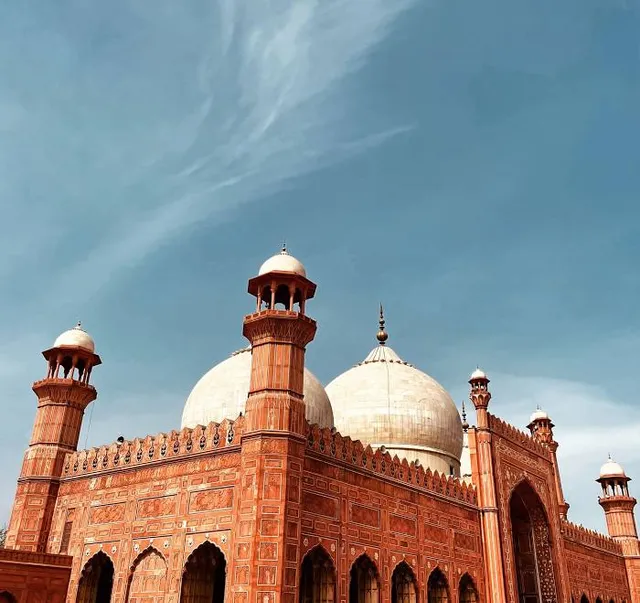
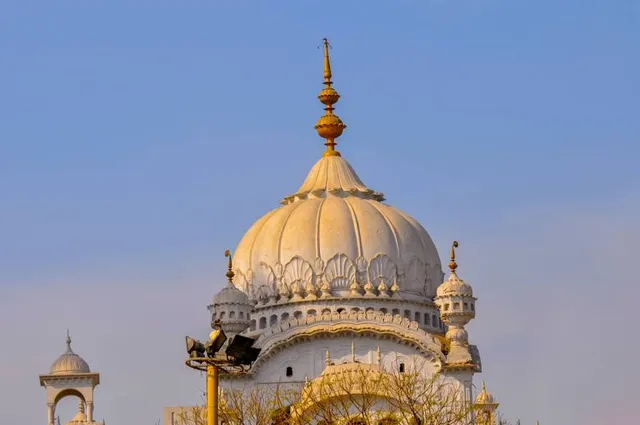
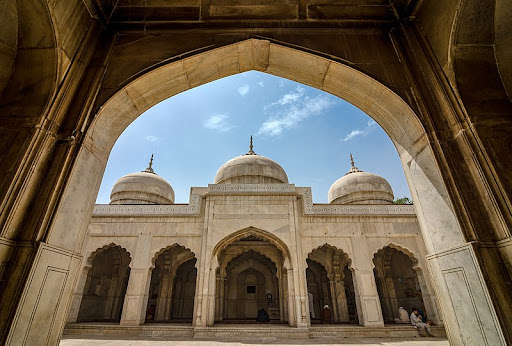
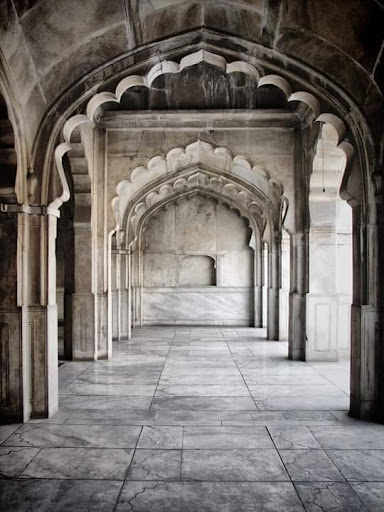
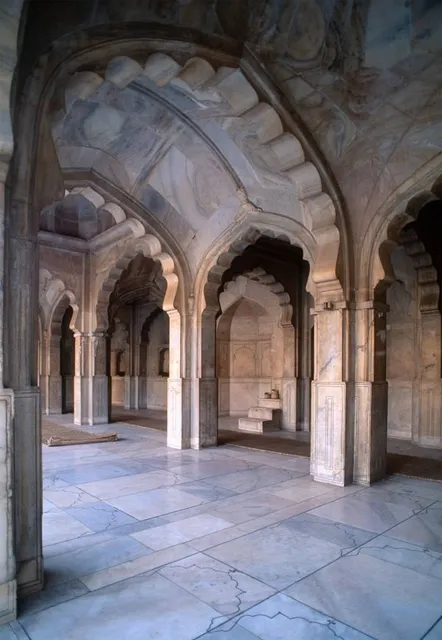
This is a small mosque which can accommodate only a hundred people at one time. The glowing facade of Moti Masjid is divided into five chambers with the central one slightly extended into the courtyard. The five-chamber or bay facade was Mughals’ specialty and can be seen in many mosques of the era including the Mariam Zamani Mosque. The interior is simple and plain with the exception of ceilings that are decorated and designed in arches and horizontal beams. The mosque has three domes with a huge one in the center. These domes are in fact double domes, devised for loud acoustics. This feature of the domes enables the sound being heard clearly as in an auditorium. These domes can be seen as you enter the Lahore Fort through the British era postern gate. During the day as well as night these domes are glowing like a real pearl.

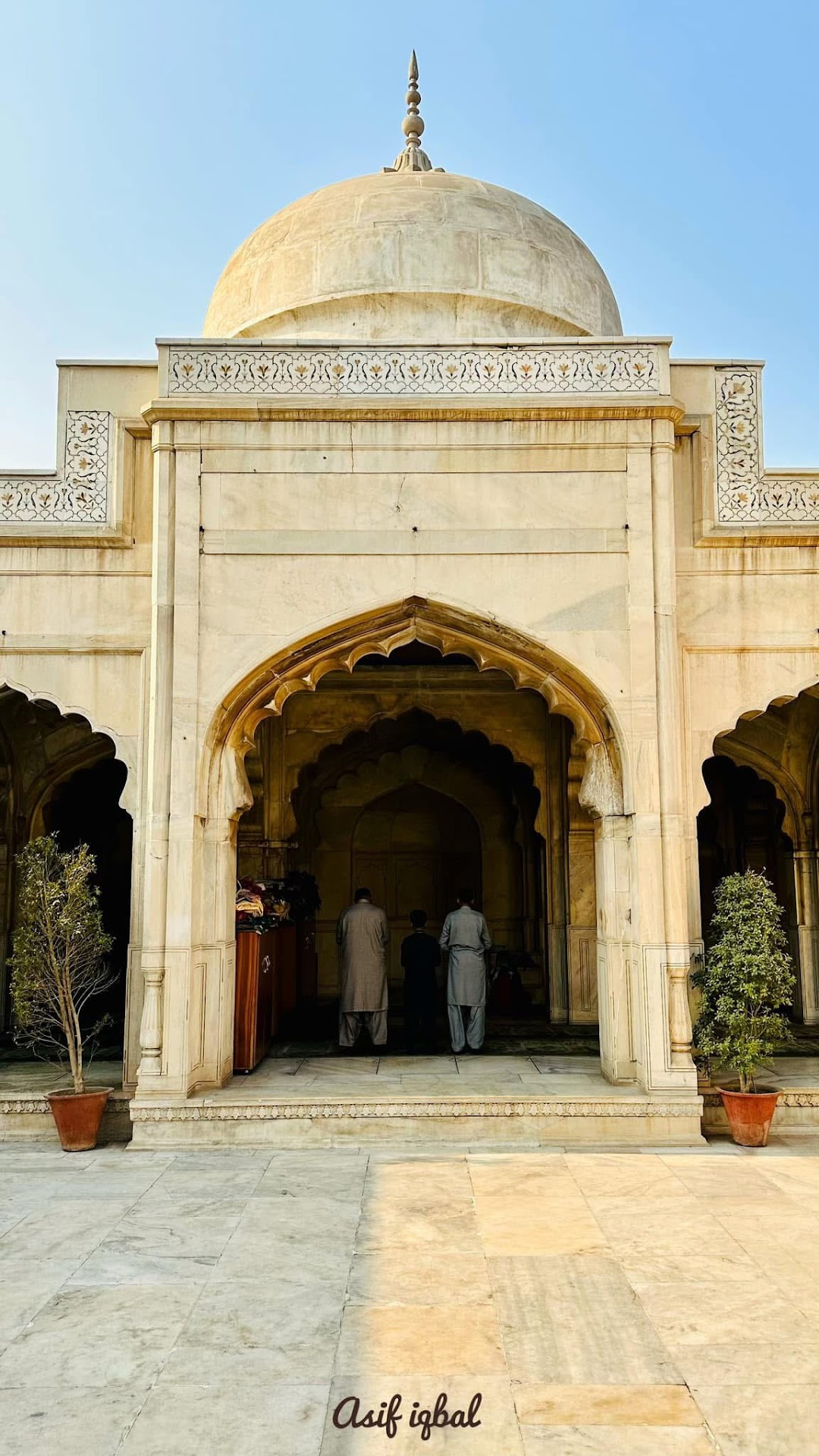
The facade of the graceful arches is finished with delicate pietra dura work. The same décor you will find in the Diwan-e-Khaas inside Shah Jahan’s Quadrangle, Sheesh Mahal, Naulakha Pavilion and some other buildings of the Mughal Era. The specialty of this mosque is that male and females can offer prayers there. On one side of the mosque are the prayer rooms dedicated for the females. The Hujras are also made on another side for the visitors for resting and offering prayers. At one end of the mosque is a very narrow and steep staircase leading to the roof top of the mosque. It is usually closed and visitors are not allowed to go upstairs.

This mosque is exclusively built of Sang-e-Marmar which is white marble. It was brought from Makrana, Rajasthan, India at the time of its construction. Makrana has always been prominent for the white marble taken from the mines around it. Marble from Makrana was also used in the construction of the Taj Mahal. Till today, you will see this marble glowing like a pearl and that’s the specialty of it.

The Mosque has been conserved by...

   Read more
avatar
5.0
1y

Moti Masjid, Lahore Fort

Moti Masjid, nestled within the historic Lahore Fort, stands as a pristine example of Mughal architectural finesse and cultural significance. Built during the reign of Emperor Jahangir and later enhanced by Shah Jahan's architects, this "Pearl Mosque" derives its name from the lustrous white marble that adorns its structure, evoking a sense of preciousness and elegance.

Constructed between 1630 and 1635, Moti Masjid reflects the meticulous craftsmanship of its time. The façade, characterized by cusped arches and baluster columns, exudes a sense of grace and symmetry typical of Shah Jahan's era. Its three superimposed domes and intricate pietra dura work on marble columns highlight the mastery of Mughal artisans, showcasing their skill in blending aesthetics with religious reverence.

Historically, Moti Masjid endured transformations under different rulers. Converted into a Sikh temple during Ranjit Singh's reign, it later housed the state treasury under the Sikh Confederacy. Its restoration to its original glory by the British in 1849 preserved its architectural integrity, revealing hidden treasures like precious stones wrapped in velvet purses, which were subsequently relocated to nearby Badshahi Mosque.

Today, Moti Masjid stands as a testament to Lahore's rich cultural heritage and architectural legacy. Its serene interiors, adorned with simple yet elegant designs, provide a tranquil space for contemplation and prayer amidst the bustling Lahore Fort complex. Visitors can admire its delicate ceiling decorations and the harmonious layout designed to compensate for the site's irregularity, creating a symmetrical courtyard that enhances its visual appeal.

Moti Masjid's enduring charm lies not only in its architectural grandeur but also in its ability to transcend time, offering a glimpse into the artistic splendor and religious devotion of Mughal-era Lahore. For history enthusiasts and admirers of Islamic architecture, a visit to Moti Masjid promises an enriching experience steeped in cultural heritage and...

   Read more
avatar
4.0
44w

Moti Masjid

Located within the Lahore Fort, this beautiful mosque is famous for its pearl-like domes and milky white color, earning it the name Moti Masjid (Pearl Mosque).

The mosque was originally built during the reign of Emperor Jahangir. However, even during Akbar’s era, a mosque existed at this site. Upon Jahangir’s orders, it was reconstructed using a rare type of stone known as Moti (pearl stone). At that time, the mosque was designated exclusively for women’s prayers.

During the rule of Ranjit Singh, Moti Masjid was first converted into Moti Mandir (Pearl Temple) and later repurposed as a treasury. The mosque’s main entrance was sealed with large wooden pillars for security, and for nearly thirty years, treasure chests were dragged across the mosque’s exquisite marble flooring.

Today, the mosque’s outer courtyard, once home to a beautiful water reservoir, has been turned into a marketplace where local goods are sold to tourists.

The mosque features three prominent domes that enhance its architectural beauty. However, it has no minaret. Over time, various traditions have become associated with the mosque, leading people to visit it for making vows and supplications. During our visit, we noticed some individuals performing prayers in a standing posture. Upon inquiry, one gentleman explained that this particular way of praying is linked to making a vow.

There are other mosques by the name Moti Masjid in Delhi and Agra, which are equally timeless in their beauty.

Regardless of the legends surrounding it, Moti Masjid carries an undeniable aura of tranquility. It is a place where one feels compelled to sit in silence and reflect, remembering the countless souls who once bowed in prayer within its...

   Read more
Page 1 of 7
Previous
Next