HTML SitemapExplore
logo
Find Things to DoFind The Best Restaurants

Juliusz Słowacki Theatre — Attraction in Krakow

Name
Juliusz Słowacki Theatre
Description
Nearby attractions
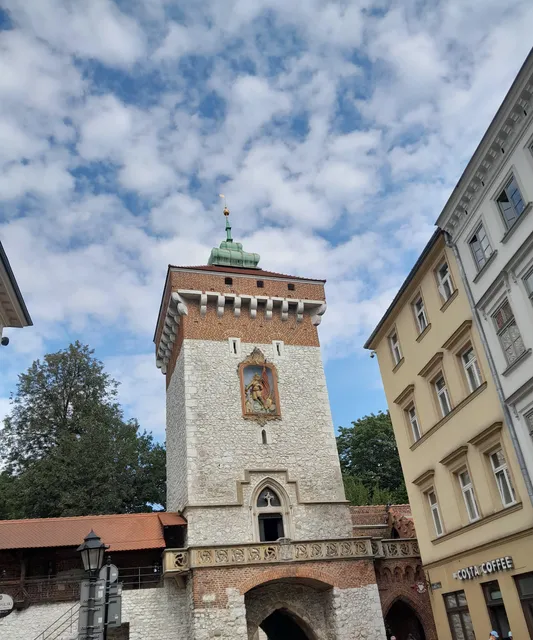
St. Florian's Gate
30-001 Kraków, Poland
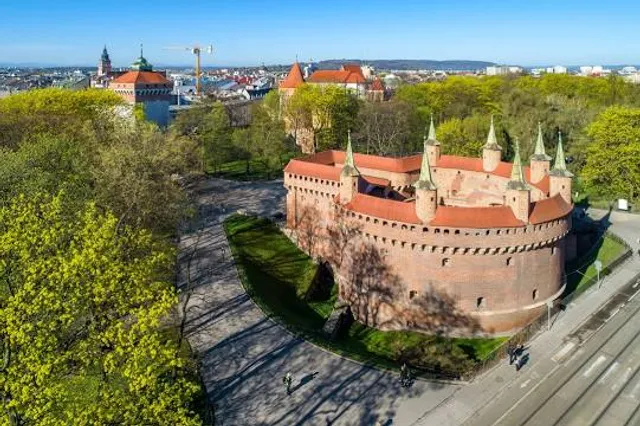
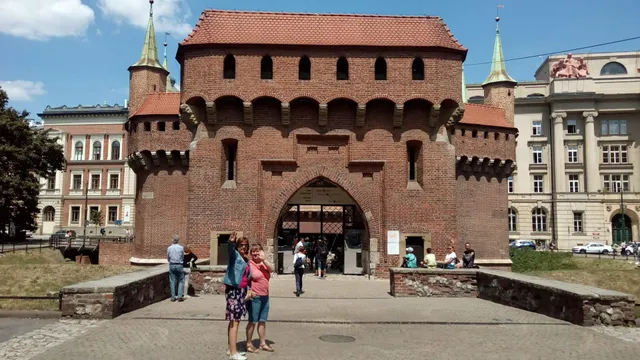
Kraków Barbican
Basztowa, 30-547 Kraków, Poland
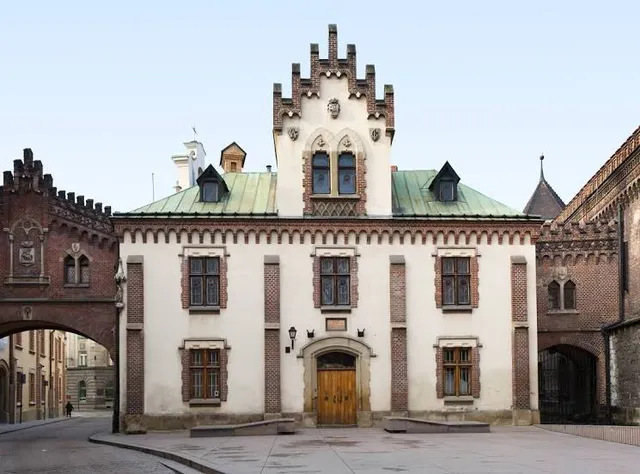
The Princes Czartoryski Museum
Pijarska 15, 31-015 Kraków, Poland
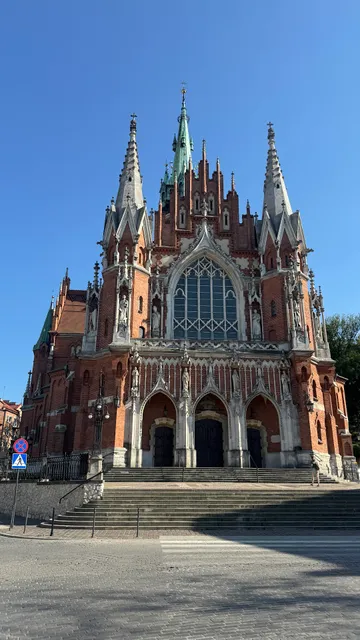
Roman Catholic Parish of the Holy Cross
Świętego Krzyża 23, 31-023 Kraków, Poland
Polonia Wax Museum
Floriańska 32, 31-150 Kraków, Poland
The Jan Matejko House | National Museum
Floriańska 41, 31-019 Kraków, Poland
Rynek Główny
Rynek Główny, 31-422 Kraków, Poland
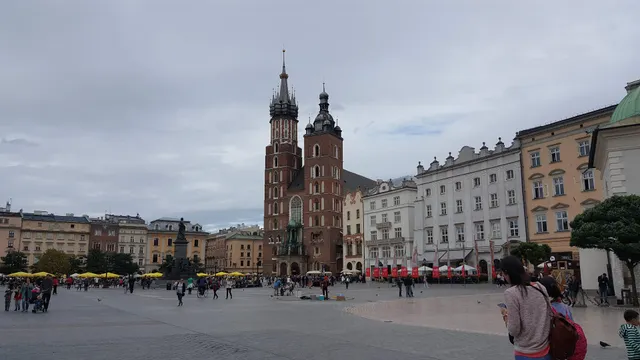
St. Mary's Basilica
plac Mariacki 5, 31-042 Kraków, Poland
Lost Souls Alley
Floriańska 6, 31-021 Kraków, Poland
Muzeum Farmacji Collegium Medicum Uniwersytetu Jagiellońskiego
Floriańska 25, 31-019 Kraków, Poland
Nearby restaurants
Szalone Widelce
Szpitalna 40, 31-024 Kraków, Poland
Tawerna Wilczy Dół
Szpitalna 22, 31-024 Kraków, Poland
Stodoła
Floriańska 47, 31-019 Kraków, Poland
Cat Café Kociarnia
Lubicz 1, 31-033 Kraków, Poland
Milkbar Tomasza
Św. Tomasza 24, 33-332 Kraków, Poland
House of Beer
Św. Tomasza 35, 31-027 Kraków, Poland
Coffee&Wine Consonni Szpitalna
Szpitalna 34, 33-332 Kraków, Poland
Noodles & Pizza
Pijarska 23, 31-015 Kraków, Poland
Moo Moo Steak & Burger Club
Świętego Krzyża 15, 31-028 Kraków, Poland
Beer House
Floriańska 43, 31-019 Kraków, Poland
Nearby hotels
Hotel Pollera
Szpitalna 30, 31-024 Kraków, Poland
Polonia Hotel
Basztowa 25, 31-156 Kraków, Poland
SKY HOSTEL
Szpitalna 38, 31-024 Kraków, Poland
Wyndham Grand Krakow Old Town
Floriańska 28, 31-021 Kraków, Poland
Hotel Unicus
św. Marka 20, 31-020 Kraków, Poland
P&J Apartments
Floriańska 39, 30-019 Kraków, Poland
Hotel Campanile
Św. Tomasza 34, 31-023 Kraków, Poland
Hotel Elektor Premium
Szpitalna 28, 31-024 Kraków, Poland
Krakow City Apartments
Szpitalna 34, 31-024 Kraków, Poland
Amber Design Residence
św. Marka 35, 31-024 Kraków, Poland
Related posts
Keywords
Juliusz Słowacki Theatre tourism.Juliusz Słowacki Theatre hotels.Juliusz Słowacki Theatre bed and breakfast. flights to Juliusz Słowacki Theatre.Juliusz Słowacki Theatre attractions.Juliusz Słowacki Theatre restaurants.Juliusz Słowacki Theatre travel.Juliusz Słowacki Theatre travel guide.Juliusz Słowacki Theatre travel blog.Juliusz Słowacki Theatre pictures.Juliusz Słowacki Theatre photos.Juliusz Słowacki Theatre travel tips.Juliusz Słowacki Theatre maps.Juliusz Słowacki Theatre things to do.
Juliusz Słowacki Theatre things to do, attractions, restaurants, events info and trip planning
Juliusz Słowacki Theatre
PolandLesser Poland VoivodeshipKrakowJuliusz Słowacki Theatre

Basic Info

Juliusz Słowacki Theatre

plac Świętego Ducha 1, 31-023 Kraków, Poland
4.8(2.5K)
Open 24 hours
Save
spot

Ratings & Description

Info

Cultural
Entertainment
Accessibility
attractions: St. Florian's Gate, Kraków Barbican, The Princes Czartoryski Museum, Roman Catholic Parish of the Holy Cross, Polonia Wax Museum, The Jan Matejko House | National Museum, Rynek Główny, St. Mary's Basilica, Lost Souls Alley, Muzeum Farmacji Collegium Medicum Uniwersytetu Jagiellońskiego, restaurants: Szalone Widelce, Tawerna Wilczy Dół, Stodoła, Cat Café Kociarnia, Milkbar Tomasza, House of Beer, Coffee&Wine Consonni Szpitalna, Noodles & Pizza, Moo Moo Steak & Burger Club, Beer House
logoLearn more insights from Wanderboat AI.
Phone
+48 12 424 45 00
Website
slowacki.krakow.pl

Plan your stay

hotel
Pet-friendly Hotels in Krakow
Find a cozy hotel nearby and make it a full experience.

hotel
Affordable Hotels in Krakow
Find a cozy hotel nearby and make it a full experience.

hotel
The Coolest Hotels You Haven't Heard Of (Yet)
Find a cozy hotel nearby and make it a full experience.

hotel
Trending Stays Worth the Hype in Krakow
Find a cozy hotel nearby and make it a full experience.

Reviews

Nearby attractions of Juliusz Słowacki Theatre

St. Florian's Gate

Kraków Barbican

The Princes Czartoryski Museum

Roman Catholic Parish of the Holy Cross

Polonia Wax Museum

The Jan Matejko House | National Museum

Rynek Główny

St. Mary's Basilica

Lost Souls Alley

Muzeum Farmacji Collegium Medicum Uniwersytetu Jagiellońskiego

St. Florian's Gate

St. Florian's Gate

4.7

(5.1K)

Open 24 hours
Click for details
Kraków Barbican

Kraków Barbican

4.6

(2.8K)

Open 24 hours
Click for details
The Princes Czartoryski Museum

The Princes Czartoryski Museum

4.8

(3.7K)

Open 24 hours
Click for details
Roman Catholic Parish of the Holy Cross

Roman Catholic Parish of the Holy Cross

4.8

(390)

Open 24 hours
Click for details

Things to do nearby

Uncover Kazimierz
Uncover Kazimierz
Sat, Dec 6 • 12:00 PM
31-055, Kraków, Lesser Poland Voivodeship, Poland
View details
Taste of Tradition- Krakow Food Tour
Sat, Dec 6 • 5:00 PM
31-060, Kraków, Lesser Poland Voivodeship, Poland
View details
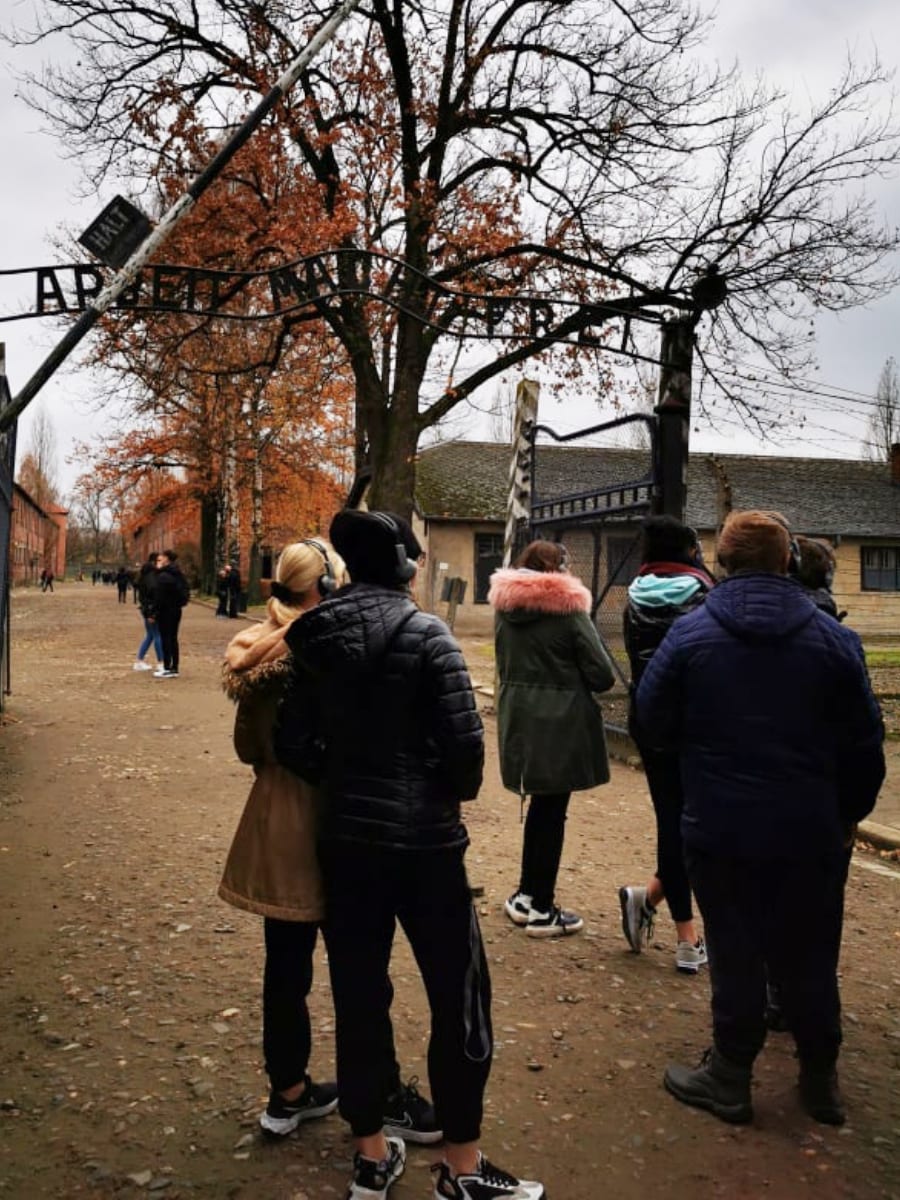
Small Group Schindlers Factory and Ghetto Tour
Sun, Dec 7 • 3:30 PM
32-051, Kraków, Lesser Poland Voivodeship, Poland
View details

Nearby restaurants of Juliusz Słowacki Theatre

Szalone Widelce

Tawerna Wilczy Dół

Stodoła

Cat Café Kociarnia

Milkbar Tomasza

House of Beer

Coffee&Wine Consonni Szpitalna

Noodles & Pizza

Moo Moo Steak & Burger Club

Beer House

Szalone Widelce

Szalone Widelce

4.6

(4K)

Click for details
Tawerna Wilczy Dół

Tawerna Wilczy Dół

4.8

(3.9K)

$

Click for details
Stodoła

Stodoła

4.5

(1.5K)

$$

Click for details
Cat Café Kociarnia

Cat Café Kociarnia

4.3

(2.9K)

$$

Click for details
Get the Appoverlay
Get the AppOne tap to find yournext favorite spots!
Wanderboat LogoWanderboat

Your everyday Al companion for getaway ideas

CompanyAbout Us
InformationAI Trip PlannerSitemap
SocialXInstagramTiktokLinkedin
LegalTerms of ServicePrivacy Policy

Get the app

© 2025 Wanderboat. All rights reserved.
logo

Reviews of Juliusz Słowacki Theatre

4.8
(2,505)
avatar
5.0
6y

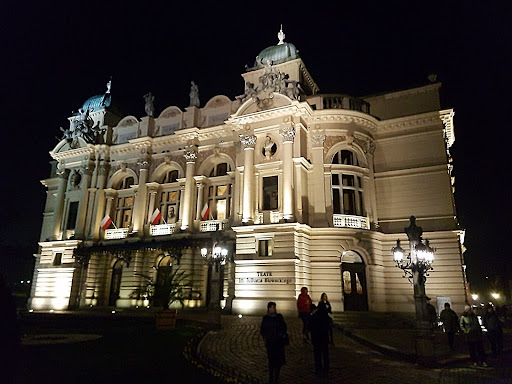
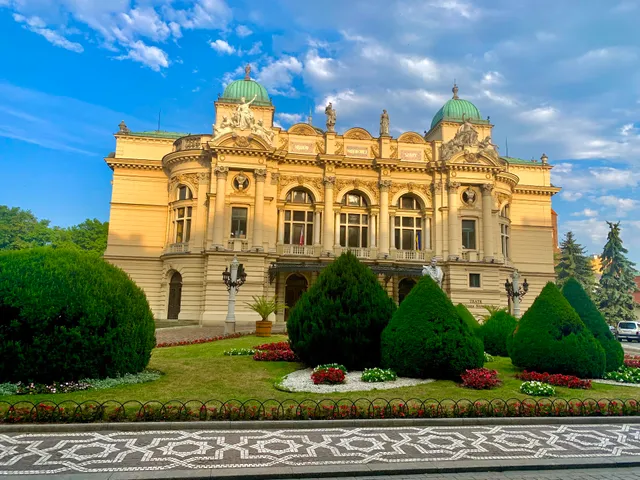
Designed by Jan Zawiejski, the theatre was erected on Holy Ghost Square (Plac Św. Ducha) in place of the former 14th century church and monastery of religious order 'Duchacy' or Order of the Holy Ghost (hence the name of the square). The church had been converted into a residential building due to secularization of the Polish male branch of the cloister in 1783. The city council of Kraków decided to demolish it in 1886 in order to make room for a new theatre. The church was dismantled in May 1892 – an event which caused much controversy, notably the emotive declaration of Polish painter Jan Matejko, that he would never exhibit his paintings in Kraków again.

The new theatre opened on October 21, 1893. It was an exquisite example of the Polish Eclectic architecture, the first building in Kraków designed for and equipped with electric light. Initially it was called Municipal Theatre (Teatr Miejski). Only in 1909 did it receive the name of Juliusz Słowacki, a Polish poet and playwright of Romanticism.

Inauguration took place with a program consisting of excerpts from Aleksander Fredro's Zemsta, Juliusz Słowacki's Balladyna and Adam Mickiewicz's Konfederaci Barscy. The theatre staged its first full-length production, Fredro's Śluby Panieńskie, four days later.

During Nazi Germany occupation of Poland, the theatre was run by a German troupe. The last Polish play for the next 6 years was produced in Autumn 1939. The theatre reopened for Polish audience in February 1945.

Since March 27, 1976, the theatre is accompanied by the Small Stage housed in the former electric plant (designed in 1890s, to provide the theatre with its own electricity). In 2000 a third stage was added, the summertime Next to the Pump Stage. A fourth one (Stage in the Gate) opened on...

   Read more
avatar
5.0
3y

Tu przez 600 lat znajdował się klasztor duchaczek, ale w XIX wieku wyburzono go by zbudować teatr. Protestował przeciw temu J. Matejko, który aż się tu wprowadził w ramach protestu. Kiedy wyjechał na wakacje budynek klasztoru jednak wyburzono. Matejko w odwecie nie wystawił już nigdy więcej w Krakowie swoich dzieł..

W średniowieczu pierwszymi zakonami byli: benedyktyni, cystersi, franciszkanie, norbertanie, karmelici, kameduli, dominikanie.

Duchacy i duchaczki posiadali wspólne klasztory, a prowadzili szpitale i przytułki dla dzieci "domy dziecka"). Zakonnicy stanowili personel szpitali, a zakonnice przeznaczone były do posług i prowadzenia przytułków.

Musieli żyć w samotnych celach, modlić się przez wiele godzin dziennie do Ducha Świętego, ale potem ten nakaz medytacji ograniczono.

Do duchaczek mogły wstępować także kobiety z biednych rodzin, podczas gdy do klarysek u norbertanek tylko z rodzin niskiego stanu.

Duchacy (nie mylić ich z duchaczami - członkami Arcybractwa Ducha Świętego, od 1920 działającymi w Polsce i skoncentrowanymi na szerzeniu kultu Trzeciej Osoby Boskiej) prowadzili wszędzie kościoły i szpitale.

"Zakon Ducha Świętego" założony we Francji w 1180, kiedy Gwidon z Montpellier, członek rycerskiego zakonu templariuszy, wybudował w rodzinnym mieście szpital pomagając ludziom biednym i porzuconym dzieciom, oddając swe dzieło pod patronat Ducha Świętego. Początkowo było to stowarzyszenie świeckie. Pierwszy Dom Ducha Świętego miał za zadanie dawać schronienie i pociechę pielgrzymom, chorym, biednym, a także samotnym matkom i podrzuconym niemowlętom.

Był to okres czasu kiedy na południu Francji zaczynała się wojna religijna pomiędzy przeciwnikami i obrońcami papieża. Gesty dobroczynne Gwidona były tak spektakularne że papież mianował go komisarzem do spraw zwalczania heretyków w całej Francji. Wizytując niespokojny region i widząc charytatywne dzieła Gwidona Innocenty III powiedział: "Tu głodni są nakarmieni, biedni ubrani, osierocone i porzucone dzieci otoczone opieką, i to nie potrzebujący.. ale bracia są prawdziwie nędzarzami, ponieważ z miłością rozdają to, co jest konieczne potrzebującym”.

Wkrótce zakon zakon otrzymał od papieża pomieszczenie pod szpital w samym Rzymie. Oddani zostali pod opiekę wracających z Palestyny rycerzy-krzyżowców z zakonu joannitów (zwanych też później "kawalerami maltańskimi") i to ich herb ("krzyż maltański" / "krzyż lotaryński") stał się symbolem tychże szpitali.

Szpital powstał w miejscu, w którym we wczesnym średniowieczu (VIII wiek) znajdowała się szkoła dla rzymskiej kolonii Anglosasów (łac . „Schola Saxonum”) dlatego nazywany jest często "Santo Spirito in Saxia". Saxia - dziś powiedzielibyśmy Saksonia - to ówczesna łacińska nazwa.. Anglii.

Dwieście lat później były już tysiące szpitali Ducha Świętego w całej Europie, w tym - w Opocznie.

W XVI wieku obok szpitala Ducha Świętego wybudowano kościół Santo Spirito in Saxia i o dziwo jest on nawet podobny do Bartłomieja z Opoczna (o 400 lat młodszego).

Do Polski sprowadził duchaków słynny Iwo Odrowąż (1220) - biskup krakowski, jeden z najwybitniejszych członków rodu Odrowążów.

W XVIII wieku zakon prawie całkowicie zniknął, egzystując do dziś głównie w Hiszpanii i w Polsce. W 1783 nastąpiła bowiem kasata męskiej gałęzi Zakonu Ducha Świętego.

Ostatni duchak w Polsce umarł w roku 1823 w Krakowie, a ostatni na świecie – w roku 1875 w Rzymie.

Przetrwała jednak żeńska gałąź zgromadzenia. Obecnie w Krakowie znajduje się Dom Generalny Zakonu Sióstr Kanoniczek Ducha Świętego de Saxia (i 17 domów lokalnych w Polsce), a w Gdańsku (sanktuarium MB Brzemiennej w Matemblewie) i w Krakowie dokonuje się odtwarzanie gałęzi męskiej.

Rzymski szpital Świętego Ducha istnieje do dziś i jest najstarszym istniejącym szpitalem w Europie. Położony w pobliżu Watykanu szpital kontynuuje tradycję Gwidona z Montpellier. Jeszcze pół wieku temu był to największy kompleks szpitalny w Europie, sztandarowy przykład papieskiej działalności...

   Read more
avatar
5.0
1y

The "Dziady" drama was so modern, it seams all traditionally male roles were changed to female. However the director did not promote the new order, coming from the modern Tzar, the EU overlord, by placing bearded woman as main character. And I would ask why?

Other than this limitation of artistic expression all actors were dancing the 'dance of Hohol' an expression of confusion on many levels. Very moving performance especially at the end, trying to say that the new identity (Europol) is easy to be steered without any unalienable values and be chained to interest of elites isolated from reality.

Timeless message and prophesy of the poet about external forces pulling apart once thriving multi cultural community (to not to use a incorrect word 'nation').

As I go to movies I am able to get refund, if the show is disappointing, it is not the case here. THE REGISTER IS CLOSED. it must be part of the performance showing helplessness of the subjects of the new Tzar....

   Read more
Page 1 of 7
Previous
Next

Posts

Stefan SimonovicStefan Simonovic
Designed by Jan Zawiejski, the theatre was erected on Holy Ghost Square (Plac Św. Ducha) in place of the former 14th century church and monastery of religious order 'Duchacy' or Order of the Holy Ghost (hence the name of the square). The church had been converted into a residential building due to secularization of the Polish male branch of the cloister in 1783. The city council of Kraków decided to demolish it in 1886 in order to make room for a new theatre. The church was dismantled in May 1892 – an event which caused much controversy, notably the emotive declaration of Polish painter Jan Matejko, that he would never exhibit his paintings in Kraków again. The new theatre opened on October 21, 1893. It was an exquisite example of the Polish Eclectic architecture, the first building in Kraków designed for and equipped with electric light. Initially it was called Municipal Theatre (Teatr Miejski). Only in 1909 did it receive the name of Juliusz Słowacki, a Polish poet and playwright of Romanticism. Inauguration took place with a program consisting of excerpts from Aleksander Fredro's Zemsta, Juliusz Słowacki's Balladyna and Adam Mickiewicz's Konfederaci Barscy. The theatre staged its first full-length production, Fredro's Śluby Panieńskie, four days later. During Nazi Germany occupation of Poland, the theatre was run by a German troupe. The last Polish play for the next 6 years was produced in Autumn 1939. The theatre reopened for Polish audience in February 1945. Since March 27, 1976, the theatre is accompanied by the Small Stage housed in the former electric plant (designed in 1890s, to provide the theatre with its own electricity). In 2000 a third stage was added, the summertime Next to the Pump Stage. A fourth one (Stage in the Gate) opened on November 7, 2003.
Thomas BThomas B
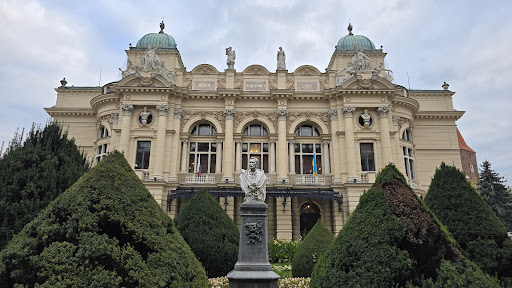
This 19th century theatre-opera house and UNESCO World Heritage Site was built in 1893 and modeled in the style of many of Europe’s baroque and eclectic theatres. It has been in continuous operations since 1893 and was one of Poland’s largest architectural investments on the 19th century in Krakow and the first building to get electric lighting. The building, with ornate façade, grand interior, is considered an iconic institution and symbol of Krakow’s rich cultural heritage. The grounds in front of the theatre are beautiful and there is a statue of Count Aleksander Fredro, which interestingly was the originally name selected for the theatre, before it was named Juliusz Slowacki in 1909, after the famous Polish poet. We did not get a chance to attend a performance in this theatre, which we were hoping to do.
Fast GuideFast Guide
Везде, где я бываю, стремлюсь всегда увидеть центр культурной жизни города - главный театр. И в Кракове конечно я не могла пройти мимо Драматического театра имени Юлиуша Словацкого, который красуется на площади Святого Духа. Он начал деятельность под названием «Городской театр» первой премьерой 21 октября 1893 года и должен был носить имя в честь польского комедиографа графа Александра Фредро, что подтверждает его бюст, расположенный перед главным входом. В результате, в 1909 году театр получил имя Юлиуша Словацкого к столетию со дня его рождения. Здание театра спроектировал польский архитектор Ян Завейский, и оно получилось легким и нарядным, но по решению городских властей было возведено на месте снесенных построек монастыря и костела св. Духа. Это вызвало немалое возмущение в кругах краковских историков, реставраторов и художников: художник Ян Матейко, который яростно боролся за право оставить на этом месте средневековые памятники, в знак протеста отказался от титула почетного гражданина города. 14 ноября 1896 года в тогдашнем Городском театре прошел первый в Польше показ кинематографа – изобретения братьев Люмьер, где было представлено двенадцать фильмов. Кинопоказы проходили перед вечерним спектаклем и пользовались большой популярностью – за два месяца их посмотрели не менее десяти тысяч жителей Кракова, то есть тогда каждый восьмой житель города. Сейчас театр входит в число наиболее ценных памятников архитектуры эклектического стиля с преобладанием элементов необарокко в Европе, ведь его уникальный внешний вид вызывает неподдельное восхищение. Тут постоянно ставят важные пьесы высокого качества, которые ярко комментируют нынешние дни и творчески хранят польские и европейские традиции. С 2002 года в театре располагается знаменитый поэтический салон Анны Дымной, а с 2000 – работает открытая сцена, на которой ставятся спектакли в течение летних ночей. На фасаде присутствует надпись: «Краков – национальному искусству».
See more posts
See more posts
hotel
Find your stay

Pet-friendly Hotels in Krakow

Find a cozy hotel nearby and make it a full experience.

Designed by Jan Zawiejski, the theatre was erected on Holy Ghost Square (Plac Św. Ducha) in place of the former 14th century church and monastery of religious order 'Duchacy' or Order of the Holy Ghost (hence the name of the square). The church had been converted into a residential building due to secularization of the Polish male branch of the cloister in 1783. The city council of Kraków decided to demolish it in 1886 in order to make room for a new theatre. The church was dismantled in May 1892 – an event which caused much controversy, notably the emotive declaration of Polish painter Jan Matejko, that he would never exhibit his paintings in Kraków again. The new theatre opened on October 21, 1893. It was an exquisite example of the Polish Eclectic architecture, the first building in Kraków designed for and equipped with electric light. Initially it was called Municipal Theatre (Teatr Miejski). Only in 1909 did it receive the name of Juliusz Słowacki, a Polish poet and playwright of Romanticism. Inauguration took place with a program consisting of excerpts from Aleksander Fredro's Zemsta, Juliusz Słowacki's Balladyna and Adam Mickiewicz's Konfederaci Barscy. The theatre staged its first full-length production, Fredro's Śluby Panieńskie, four days later. During Nazi Germany occupation of Poland, the theatre was run by a German troupe. The last Polish play for the next 6 years was produced in Autumn 1939. The theatre reopened for Polish audience in February 1945. Since March 27, 1976, the theatre is accompanied by the Small Stage housed in the former electric plant (designed in 1890s, to provide the theatre with its own electricity). In 2000 a third stage was added, the summertime Next to the Pump Stage. A fourth one (Stage in the Gate) opened on November 7, 2003.
Stefan Simonovic

Stefan Simonovic

hotel
Find your stay

Affordable Hotels in Krakow

Find a cozy hotel nearby and make it a full experience.

Get the Appoverlay
Get the AppOne tap to find yournext favorite spots!
This 19th century theatre-opera house and UNESCO World Heritage Site was built in 1893 and modeled in the style of many of Europe’s baroque and eclectic theatres. It has been in continuous operations since 1893 and was one of Poland’s largest architectural investments on the 19th century in Krakow and the first building to get electric lighting. The building, with ornate façade, grand interior, is considered an iconic institution and symbol of Krakow’s rich cultural heritage. The grounds in front of the theatre are beautiful and there is a statue of Count Aleksander Fredro, which interestingly was the originally name selected for the theatre, before it was named Juliusz Slowacki in 1909, after the famous Polish poet. We did not get a chance to attend a performance in this theatre, which we were hoping to do.
Thomas B

Thomas B

hotel
Find your stay

The Coolest Hotels You Haven't Heard Of (Yet)

Find a cozy hotel nearby and make it a full experience.

hotel
Find your stay

Trending Stays Worth the Hype in Krakow

Find a cozy hotel nearby and make it a full experience.

Везде, где я бываю, стремлюсь всегда увидеть центр культурной жизни города - главный театр. И в Кракове конечно я не могла пройти мимо Драматического театра имени Юлиуша Словацкого, который красуется на площади Святого Духа. Он начал деятельность под названием «Городской театр» первой премьерой 21 октября 1893 года и должен был носить имя в честь польского комедиографа графа Александра Фредро, что подтверждает его бюст, расположенный перед главным входом. В результате, в 1909 году театр получил имя Юлиуша Словацкого к столетию со дня его рождения. Здание театра спроектировал польский архитектор Ян Завейский, и оно получилось легким и нарядным, но по решению городских властей было возведено на месте снесенных построек монастыря и костела св. Духа. Это вызвало немалое возмущение в кругах краковских историков, реставраторов и художников: художник Ян Матейко, который яростно боролся за право оставить на этом месте средневековые памятники, в знак протеста отказался от титула почетного гражданина города. 14 ноября 1896 года в тогдашнем Городском театре прошел первый в Польше показ кинематографа – изобретения братьев Люмьер, где было представлено двенадцать фильмов. Кинопоказы проходили перед вечерним спектаклем и пользовались большой популярностью – за два месяца их посмотрели не менее десяти тысяч жителей Кракова, то есть тогда каждый восьмой житель города. Сейчас театр входит в число наиболее ценных памятников архитектуры эклектического стиля с преобладанием элементов необарокко в Европе, ведь его уникальный внешний вид вызывает неподдельное восхищение. Тут постоянно ставят важные пьесы высокого качества, которые ярко комментируют нынешние дни и творчески хранят польские и европейские традиции. С 2002 года в театре располагается знаменитый поэтический салон Анны Дымной, а с 2000 – работает открытая сцена, на которой ставятся спектакли в течение летних ночей. На фасаде присутствует надпись: «Краков – национальному искусству».
Fast Guide

Fast Guide

See more posts
See more posts