HTML SitemapExplore
logo
Find Things to DoFind The Best Restaurants

Kraków Barbican — Attraction in Krakow

Name
Kraków Barbican
Description
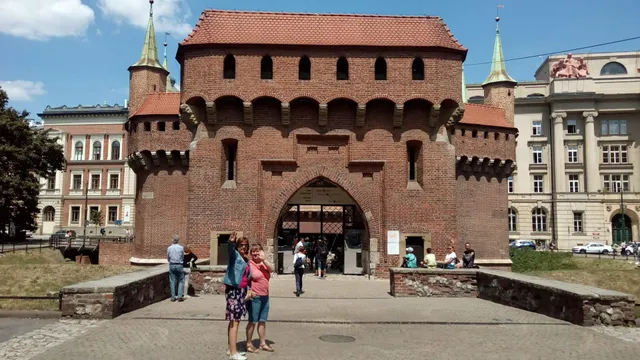
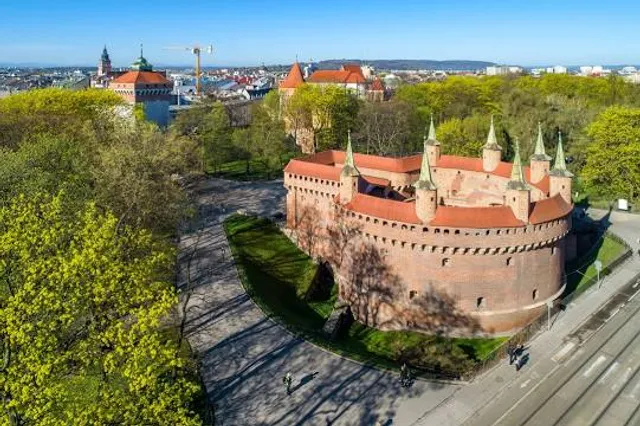
The Kraków Barbican is a barbican – a fortified outpost once connected to the city walls. It is a historic gateway leading into the Old Town of Kraków, Poland.
Nearby attractions
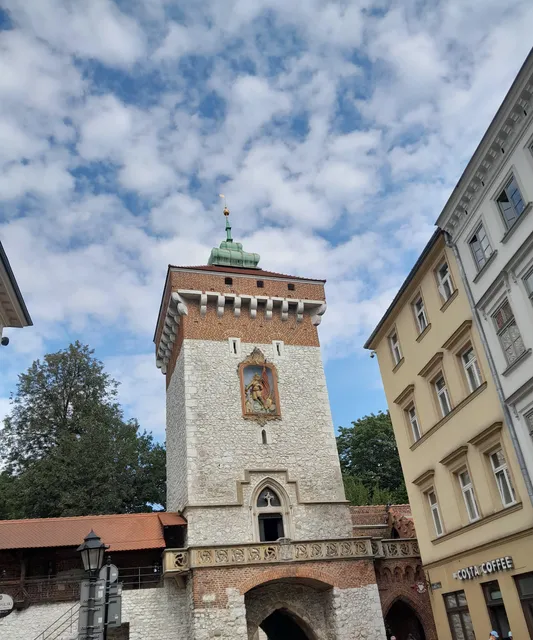
St. Florian's Gate
30-001 Kraków, Poland
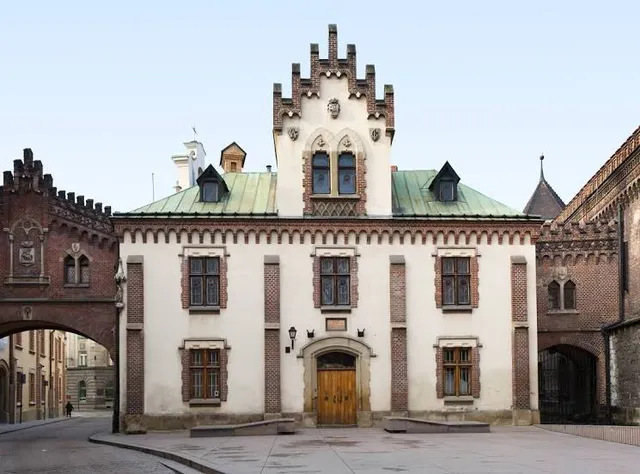
The Princes Czartoryski Museum
Pijarska 15, 31-015 Kraków, Poland
Old Kleparz
Rynek Kleparski 20, 31-150 Kraków, Poland
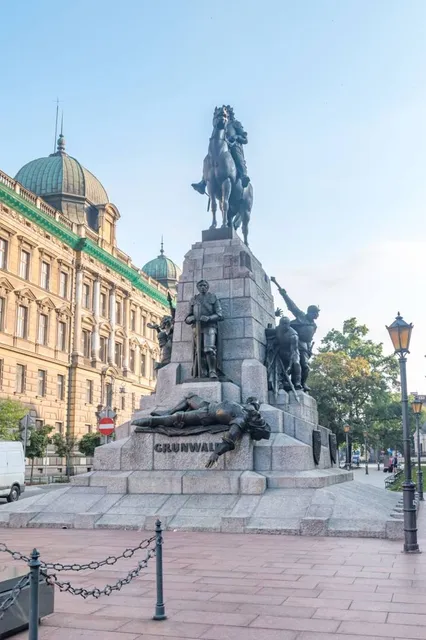
Grunwald Monument
plac Jana Matejki, 30-001 Kraków, Poland
Juliusz Słowacki Theatre
plac Świętego Ducha 1, 31-023 Kraków, Poland
Live Bagel Museum of Kraków
Ignacego Paderewskiego 4, 31-157 Kraków, Poland
Polonia Wax Museum
Floriańska 32, 31-150 Kraków, Poland
The Jan Matejko House | National Museum
Floriańska 41, 31-019 Kraków, Poland
MNK Arsenal
Pijarska 8, 31-015 Kraków, Poland
Galeria obrazów pod Bramą Floriańska
Floriańska 36, 31-021 Kraków, Poland
Nearby restaurants
Szalone Widelce
Szpitalna 40, 31-024 Kraków, Poland
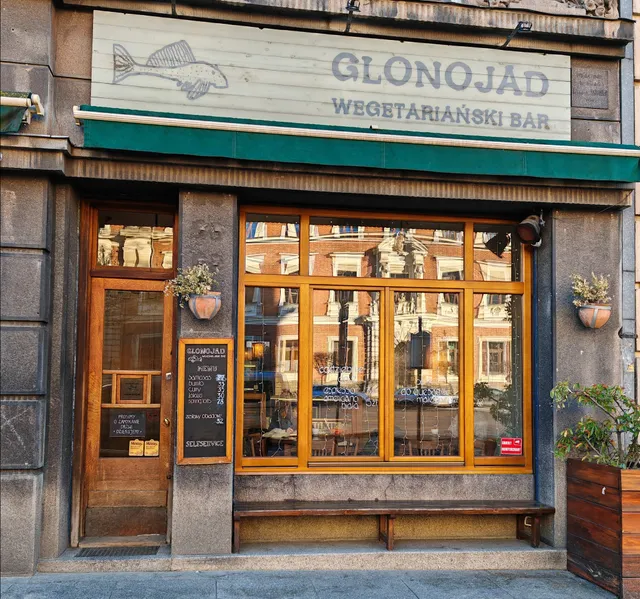
Glonojad
plac Jana Matejki 2, 31-157 Kraków, Poland
Stodoła
Floriańska 47, 31-019 Kraków, Poland
Oriental Spoon
Oriental spoon, Ignacego Paderewskiego 4, 31-157 Kraków, Poland
Efes Kebab
Basztowa 17, 31-143 Kraków, Poland
Hotel Polski pod Białym Orłem
Pijarska 17, 31-015 Kraków, Poland
Gossip Cafe
Świętego Jana 30, 31-018 Kraków, Poland
Stare Mury - restauracja Kraków
Pijarska 21, 31-015 Kraków, Poland
BEIRUT SHAWARMA KEBAB & FALAFEL KRAKOW
Floriańska 51, 31-019 Kraków, Poland
Noodles & Pizza
Pijarska 23, 31-015 Kraków, Poland
Nearby hotels
Hotel Mercure Kraków Stare Miasto
Pawia 18/B, 31-154 Kraków, Poland
Bubble Hostel
Basztowa 15, 31-143 Kraków, Poland
Brama Hostel
Floriańska 55, 31-019 Kraków, Poland
Hotel Francuski
Pijarska 13, 31-015 Kraków, Poland
Wyndham Grand Krakow Old Town
Floriańska 28, 31-021 Kraków, Poland
Hotel Floryan Old Town
Floriańska 38, 31-021 Kraków, Poland
Vienna House by Wyndham Andel's Cracow
Pawia 3, 31-154 Kraków, Poland
Polonia Hotel
Basztowa 25, 31-156 Kraków, Poland
Hotel Matejko
plac Jana Matejki 8, 31-157 Kraków, Poland
Roller aparthotel&apartments
plac Jana Matejki 6, 31-157 Kraków, Poland
Related posts
Keywords
Kraków Barbican tourism.Kraków Barbican hotels.Kraków Barbican bed and breakfast. flights to Kraków Barbican.Kraków Barbican attractions.Kraków Barbican restaurants.Kraków Barbican travel.Kraków Barbican travel guide.Kraków Barbican travel blog.Kraków Barbican pictures.Kraków Barbican photos.Kraków Barbican travel tips.Kraków Barbican maps.Kraków Barbican things to do.
Kraków Barbican things to do, attractions, restaurants, events info and trip planning
Kraków Barbican
PolandLesser Poland VoivodeshipKrakowKraków Barbican

Basic Info

Kraków Barbican

Basztowa, 30-547 Kraków, Poland
4.6(2.8K)
Open 24 hours
Save
spot

Ratings & Description

Info

The Kraków Barbican is a barbican – a fortified outpost once connected to the city walls. It is a historic gateway leading into the Old Town of Kraków, Poland.

Cultural
Outdoor
Family friendly
attractions: St. Florian's Gate, The Princes Czartoryski Museum, Old Kleparz, Grunwald Monument, Juliusz Słowacki Theatre, Live Bagel Museum of Kraków, Polonia Wax Museum, The Jan Matejko House | National Museum, MNK Arsenal, Galeria obrazów pod Bramą Floriańska, restaurants: Szalone Widelce, Glonojad, Stodoła, Oriental Spoon, Efes Kebab, Hotel Polski pod Białym Orłem, Gossip Cafe, Stare Mury - restauracja Kraków, BEIRUT SHAWARMA KEBAB & FALAFEL KRAKOW, Noodles & Pizza
logoLearn more insights from Wanderboat AI.
Phone
+48 12 421 02 01
Website
muzeumkrakowa.pl

Plan your stay

hotel
Pet-friendly Hotels in Krakow
Find a cozy hotel nearby and make it a full experience.

hotel
Affordable Hotels in Krakow
Find a cozy hotel nearby and make it a full experience.

hotel
The Coolest Hotels You Haven't Heard Of (Yet)
Find a cozy hotel nearby and make it a full experience.

hotel
Trending Stays Worth the Hype in Krakow
Find a cozy hotel nearby and make it a full experience.

Reviews

Nearby attractions of Kraków Barbican

St. Florian's Gate

The Princes Czartoryski Museum

Old Kleparz

Grunwald Monument

Juliusz Słowacki Theatre

Live Bagel Museum of Kraków

Polonia Wax Museum

The Jan Matejko House | National Museum

MNK Arsenal

Galeria obrazów pod Bramą Floriańska

St. Florian's Gate

St. Florian's Gate

4.7

(5.1K)

Open 24 hours
Click for details
The Princes Czartoryski Museum

The Princes Czartoryski Museum

4.8

(3.7K)

Open 24 hours
Click for details
Old Kleparz

Old Kleparz

4.6

(5.8K)

Closed
Click for details
Grunwald Monument

Grunwald Monument

4.7

(825)

Open 24 hours
Click for details

Things to do nearby

Auschwitz and Birkenau tour with tickets included
Wed, Dec 10 • 9:00 AM
31-072, Kraków, Lesser Poland Voivodeship, Poland
View details
Commemorate Auschwitz-Birkenau
Wed, Dec 10 • 9:00 AM
30, Kraków, Lesser Poland Voivodeship, Poland
View details
The Krakow Vodka Tour & Tasting Experience
Mon, Dec 8 • 6:00 PM
33-332, Kraków, Lesser Poland Voivodeship, Poland
View details

Nearby restaurants of Kraków Barbican

Szalone Widelce

Glonojad

Stodoła

Oriental Spoon

Efes Kebab

Hotel Polski pod Białym Orłem

Gossip Cafe

Stare Mury - restauracja Kraków

BEIRUT SHAWARMA KEBAB & FALAFEL KRAKOW

Noodles & Pizza

Szalone Widelce

Szalone Widelce

4.6

(4K)

Click for details
Glonojad

Glonojad

4.5

(1.7K)

$

Click for details
Stodoła

Stodoła

4.5

(1.5K)

$$

Click for details
Oriental Spoon

Oriental Spoon

4.7

(867)

Click for details
Get the Appoverlay
Get the AppOne tap to find yournext favorite spots!
Wanderboat LogoWanderboat

Your everyday Al companion for getaway ideas

CompanyAbout Us
InformationAI Trip PlannerSitemap
SocialXInstagramTiktokLinkedin
LegalTerms of ServicePrivacy Policy

Get the app

© 2025 Wanderboat. All rights reserved.
logo

Reviews of Kraków Barbican

4.6
(2,800)
avatar
4.0
27w

The Kraków Barbican is a remarkable example of medieval military architecture and one of the few remaining structures of its kind in Europe. Constructed in 1498, this fortified outpost was designed to protect the city against potential invasions, particularly from the Ottoman Empire. Its robust, circular brick structure features seven turrets and walls up to 3 meters thick, encompassing an inner courtyard 24.4 meters in diameter. Originally connected to the city’s defensive walls via a covered passage to St. Florian’s Gate, the Barbican served as a critical checkpoint for those entering Kraków .  

Today, the Barbican operates as a branch of the Museum of Kraków, offering visitors a glimpse into the city’s rich history. Inside, you can explore exhibits detailing the development of Kraków’s fortifications and enjoy various cultural events held within its walls. The structure’s design, inspired by Arabic defensive strategies, includes 130 embrasures and was once surrounded by a moat, adding to its formidable appearance .  

The Barbican is open to visitors from April to October, Tuesday through Sunday, between 10:00 AM and 6:00 PM. It remains closed during the winter months. Admission fees are modest, with standard tickets priced at 16 PLN, and discounts available for students, seniors, and families .   

When planning your visit, consider arriving early or later in the day to avoid peak crowds, especially during school holidays and weekends. While the Barbican is accessible to most visitors, please note that certain areas may have limited accessibility due to the historic nature of the structure. For more information or to book guided tours, you can visit the official Museum of Kraków website .  

A visit to the Kraków Barbican offers a unique opportunity to step back in time and experience a piece of the city’s medieval heritage. Its impressive architecture and historical significance make it a must-see for anyone interested in...

   Read more
avatar
4.0
2y

Located at the entrance to the historic city, the Krakow Barbican is an architectural marvel that transports visitors to a past of militia, siege and medieval defenses As I enter the castle, its there instantly captured my attention by the weirdness and rich historical significance. The Kraków Barbican is a well-preserved monument of the city's defense system, its Gothic architecture and massive brick walls are truly awe-inspiring From the moment I laid eyes on its circular architecture and seven towers, I knew I was leaving a wonderful journey down through history. One of the highlights of my visit was exploring the Barbican. The impressive expanse of roads, buildings and alleyways gave us a glimpse of the methods used by the medieval city’s inhabitants As I walked the narrow alleyways and stared at the cracks of arrows almost that I can think of the brave guards who once stood guard ready to protect their loved one Krakow The relationship between the Barbican and the city wall further enriched my experience. I was treated to breathtaking views of Kraków as I walked along the walls, views that give you a unique perspective on the structure and historical significance of the city The seamless integration of the Barbican into the city’s defensive system was truly impressive. I was also pleased to learn about the intensive restoration efforts that have preserved the original features of the Kraków Barbican. The stunning brickwork and Gothic elements were beautifully maintained, giving visitors like me a real sense of how grand the building really is. It is clear that great care has been taken to ensure that this iconic landmark is...

   Read more
avatar
5.0
1y

We visited Kraków (or Kraków Babikan in Polish) with my wife for New Year holiday. It was a wonderful experience. The city is marvelous, very beautiful and full of history. We walked around the old town and saw many historical buildings that are still in their original state. One of them was the Kraków Barbican, a fortified outpost that was built in 1498 to protect the city from the Ottoman Empire. It is one of the few remaining relics of the complex network of fortifications that once encircled the royal city of Kraków. It was amazing to see how well preserved it was. We also visited the Wawel Hill, where the legend says that the mythical ruler Krakus founded the city above a cave with a dragon. The dragon, called Smok Wawelski, was killed by Krakus who fed it a poisoned lamb. We saw the dragon bones displayed at the entrance of the Wawel Cathedral. They are probably from a mammoth, but it was still impressive. For all this, we are grateful also to the local charming guide Damian. He told us a lot of interesting things and tirelessly walked around almost the entire old town with us. Kraków is a city with a rich and long history. It was the capital of Poland from 1038 to 1596, and the capital of the Grand Duchy of Kraków from 1846 to 1918. It witnessed many important events and battles, such as the Siege of Kraków in 1587, 1655 and 1657, and the Polish–Russian War of 1792. It also has a vibrant cultural life, with many museums, theatres, festivals and universities. It is a UNESCO World Heritage Site since 1978. We just loved Kraków and recommend it to everyone who wants to see a beautiful and historic...

   Read more
Page 1 of 7
Previous
Next

Posts

RR
The Kraków Barbican is a remarkable example of medieval military architecture and one of the few remaining structures of its kind in Europe. Constructed in 1498, this fortified outpost was designed to protect the city against potential invasions, particularly from the Ottoman Empire. Its robust, circular brick structure features seven turrets and walls up to 3 meters thick, encompassing an inner courtyard 24.4 meters in diameter. Originally connected to the city’s defensive walls via a covered passage to St. Florian’s Gate, the Barbican served as a critical checkpoint for those entering Kraków .   Today, the Barbican operates as a branch of the Museum of Kraków, offering visitors a glimpse into the city’s rich history. Inside, you can explore exhibits detailing the development of Kraków’s fortifications and enjoy various cultural events held within its walls. The structure’s design, inspired by Arabic defensive strategies, includes 130 embrasures and was once surrounded by a moat, adding to its formidable appearance .   The Barbican is open to visitors from April to October, Tuesday through Sunday, between 10:00 AM and 6:00 PM. It remains closed during the winter months. Admission fees are modest, with standard tickets priced at 16 PLN, and discounts available for students, seniors, and families .    When planning your visit, consider arriving early or later in the day to avoid peak crowds, especially during school holidays and weekends. While the Barbican is accessible to most visitors, please note that certain areas may have limited accessibility due to the historic nature of the structure. For more information or to book guided tours, you can visit the official Museum of Kraków website .   A visit to the Kraków Barbican offers a unique opportunity to step back in time and experience a piece of the city’s medieval heritage. Its impressive architecture and historical significance make it a must-see for anyone interested in Kraków’s past.
Ashish SharmaAshish Sharma
The Kraków Barbican is a fortified outpost located in Kraków, Poland. It was constructed in the 15th century as a part of the city's defensive walls. The Barbican's primary function was to defend the city's main entrance, known as the Florian Gate. Built between 1498 and 1499, the Kraków Barbican was designed in a circular shape with seven turrets and a moat surrounding it. It was a significant defensive structure, equipped with loopholes for archers and openings for cannons. The Barbican played a crucial role in protecting the city during times of conflict and sieges. Over the centuries, the need for defensive walls and fortifications diminished, and by the 19th century, the Kraków Barbican had lost its military importance. It was partially demolished in the early 19th century to make way for road expansions, but fortunately, efforts were made to preserve and restore the remaining structure. Today, the Kraków Barbican stands as one of the few surviving examples of medieval fortifications in Europe. It has become a popular tourist attraction and a symbol of Kraków's rich history. Visitors can explore the interior of the Barbican, which now houses a museum dedicated to the city's fortifications and defense systems. The Kraków Barbican serves as a reminder of the city's medieval past and is an important architectural and historical landmark in Poland.
Marcus HurleyMarcus Hurley
The Barbican is the most visible remaining part of the city defences, other than Wawel Castle. Entrance is about £2 and includes the small exhibition and wall walk on the city walls. These used to be joined to the barbican but those fortifications have been demolished. You can walk around the courtyard inside and also the two levels of defences although there isn't much to see looking out as trees obscure a lot of the visibility. Inside is a huge amount of information that gives a full history of the barbican and other defences of the city including its last minute preservation. I think we spent about an hour here and it seemed very quiet compared to the number of visitors elsewhere.
See more posts
See more posts
hotel
Find your stay

Pet-friendly Hotels in Krakow

Find a cozy hotel nearby and make it a full experience.

The Kraków Barbican is a remarkable example of medieval military architecture and one of the few remaining structures of its kind in Europe. Constructed in 1498, this fortified outpost was designed to protect the city against potential invasions, particularly from the Ottoman Empire. Its robust, circular brick structure features seven turrets and walls up to 3 meters thick, encompassing an inner courtyard 24.4 meters in diameter. Originally connected to the city’s defensive walls via a covered passage to St. Florian’s Gate, the Barbican served as a critical checkpoint for those entering Kraków .   Today, the Barbican operates as a branch of the Museum of Kraków, offering visitors a glimpse into the city’s rich history. Inside, you can explore exhibits detailing the development of Kraków’s fortifications and enjoy various cultural events held within its walls. The structure’s design, inspired by Arabic defensive strategies, includes 130 embrasures and was once surrounded by a moat, adding to its formidable appearance .   The Barbican is open to visitors from April to October, Tuesday through Sunday, between 10:00 AM and 6:00 PM. It remains closed during the winter months. Admission fees are modest, with standard tickets priced at 16 PLN, and discounts available for students, seniors, and families .    When planning your visit, consider arriving early or later in the day to avoid peak crowds, especially during school holidays and weekends. While the Barbican is accessible to most visitors, please note that certain areas may have limited accessibility due to the historic nature of the structure. For more information or to book guided tours, you can visit the official Museum of Kraków website .   A visit to the Kraków Barbican offers a unique opportunity to step back in time and experience a piece of the city’s medieval heritage. Its impressive architecture and historical significance make it a must-see for anyone interested in Kraków’s past.
R

R

hotel
Find your stay

Affordable Hotels in Krakow

Find a cozy hotel nearby and make it a full experience.

Get the Appoverlay
Get the AppOne tap to find yournext favorite spots!
The Kraków Barbican is a fortified outpost located in Kraków, Poland. It was constructed in the 15th century as a part of the city's defensive walls. The Barbican's primary function was to defend the city's main entrance, known as the Florian Gate. Built between 1498 and 1499, the Kraków Barbican was designed in a circular shape with seven turrets and a moat surrounding it. It was a significant defensive structure, equipped with loopholes for archers and openings for cannons. The Barbican played a crucial role in protecting the city during times of conflict and sieges. Over the centuries, the need for defensive walls and fortifications diminished, and by the 19th century, the Kraków Barbican had lost its military importance. It was partially demolished in the early 19th century to make way for road expansions, but fortunately, efforts were made to preserve and restore the remaining structure. Today, the Kraków Barbican stands as one of the few surviving examples of medieval fortifications in Europe. It has become a popular tourist attraction and a symbol of Kraków's rich history. Visitors can explore the interior of the Barbican, which now houses a museum dedicated to the city's fortifications and defense systems. The Kraków Barbican serves as a reminder of the city's medieval past and is an important architectural and historical landmark in Poland.
Ashish Sharma

Ashish Sharma

hotel
Find your stay

The Coolest Hotels You Haven't Heard Of (Yet)

Find a cozy hotel nearby and make it a full experience.

hotel
Find your stay

Trending Stays Worth the Hype in Krakow

Find a cozy hotel nearby and make it a full experience.

The Barbican is the most visible remaining part of the city defences, other than Wawel Castle. Entrance is about £2 and includes the small exhibition and wall walk on the city walls. These used to be joined to the barbican but those fortifications have been demolished. You can walk around the courtyard inside and also the two levels of defences although there isn't much to see looking out as trees obscure a lot of the visibility. Inside is a huge amount of information that gives a full history of the barbican and other defences of the city including its last minute preservation. I think we spent about an hour here and it seemed very quiet compared to the number of visitors elsewhere.
Marcus Hurley

Marcus Hurley

See more posts
See more posts