HTML SitemapExplore

National Museum in Lublin — Attraction in Lublin

Name
National Museum in Lublin
Description
Nearby attractions
Zamek w Lublinie
Zamkowa 9, 20-400 Lublin, Poland
The Donjon
Zamkowa 9, 20-400 Lublin, Poland
Lublin Castle Fields
20-400 Lublin, Poland
Plac Po Farze
Grodzka 18, 20-400 Lublin, Poland
"Grodzka Gate - NN Theatre"
Grodzka 21, 20-112 Lublin, Poland
Regionalne Muzeum Cebularza
Rybna 9, 20-114 Lublin, Poland
Lubelska Trasa Podziemna
Rynek 1, 20-112 Lublin, Poland
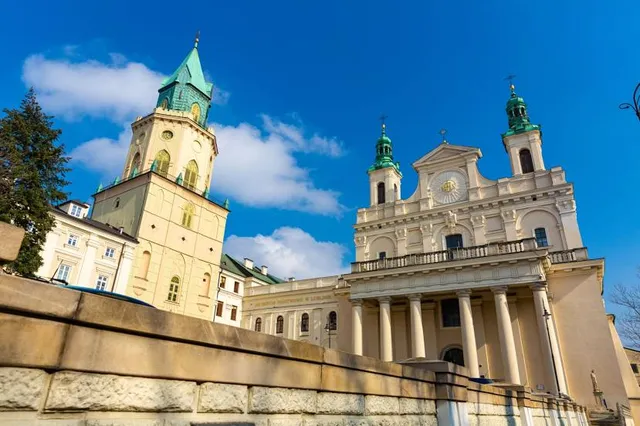
St. John the Baptist Cathedral, Lublin
Królewska 10, 20-109 Lublin, Poland
MUSÉE JOSEF CZECHOWICZ (LUBLIN)
Złota 3, 20-112 Lublin, Poland
Cellar under the fortune
Rynek 8, 20-111 Lublin, Poland
Nearby restaurants
BONA restaurant
Kowalska 19, 20-112 Lublin, Poland
Browar Grodzki
Grodzka 15, 20-112 Lublin, Poland
Queen Mama
Grodzka 16, 20-112 Lublin, Poland
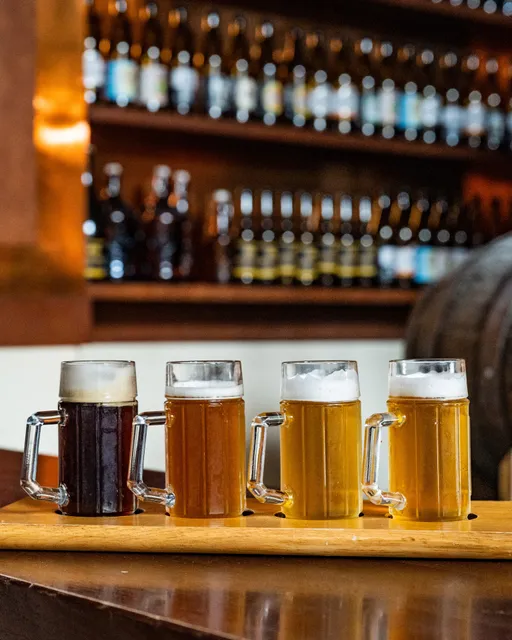
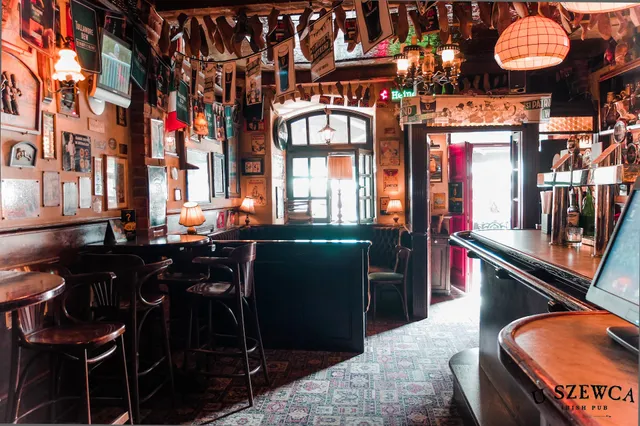
Pub u Szewca
Grodzka 18, 20-112 Lublin, Poland
KFC Lublin Statoil Tysiąclecia
al. Tysiąclecia 12, 20-121 Lublin, Poland
Pasibus | Better Burger
al. Unii Lubelskiej 2, 20-108 Lublin, Poland
Restauracja Magia
Grodzka 2, 20-114 Lublin, Poland
U Fotografa - Craft Beer & Smash Burgers
Złota 2, 20-112 Lublin, Poland
ROZMARYN Restauracja & Pub
Grodzka 8, 20-112 Lublin, Poland
Trybunalska Lublin City Pub
Rynek 4, 20-111 Lublin, Poland
Nearby hotels
Dom na Podwalu
Podwale 15, 20-117 Lublin, Poland
Hotel Alter
Grodzka 30, 20-112 Lublin, Poland
Hotel Grodzka 20
Grodzka 20, 20-112 Lublin, Poland
Apartamenty Centrum RS SUITES Kowalska 12
Kowalska 12, 20-015 Lublin, Poland
Lublin Old Town Rooms
Kowalska 10/3, 20-115 Lublin, Poland
FONTANA BOUTIQUE
Kowalska 19, 20-112 Lublin, Poland
Villa MERLINI
Grodzka 19, 20-112 Lublin, Poland
Focus Hotel Premium Lublin
Podzamcze 1, 20-126 Lublin, Poland
Apartments Number 6
Złota 6, 20-112 Lublin, Poland
ibis Styles Lublin Stare Miasto
al. Solidarności 7, 20-841 Lublin, Poland
Related posts
Keywords
National Museum in Lublin tourism.National Museum in Lublin hotels.National Museum in Lublin bed and breakfast. flights to National Museum in Lublin.National Museum in Lublin attractions.National Museum in Lublin restaurants.National Museum in Lublin travel.National Museum in Lublin travel guide.National Museum in Lublin travel blog.National Museum in Lublin pictures.National Museum in Lublin photos.National Museum in Lublin travel tips.National Museum in Lublin maps.National Museum in Lublin things to do.
National Museum in Lublin things to do, attractions, restaurants, events info and trip planning

National Museum in Lublin
PolandLublin VoivodeshipLublinNational Museum in Lublin

Basic Info

National Museum in Lublin

Zamkowa 9, 20-117 Lublin, Poland
4.6(7.9K)
Open until 12:00 AM
Save
spot

Ratings & Description

Info

Cultural
Scenic
Family friendly
Accessibility
attractions: Zamek w Lublinie, The Donjon, Lublin Castle Fields, Plac Po Farze, "Grodzka Gate - NN Theatre", Regionalne Muzeum Cebularza, Lubelska Trasa Podziemna, St. John the Baptist Cathedral, Lublin, MUSÉE JOSEF CZECHOWICZ (LUBLIN), Cellar under the fortune, restaurants: BONA restaurant, Browar Grodzki, Queen Mama, Pub u Szewca, KFC Lublin Statoil Tysiąclecia, Pasibus | Better Burger, Restauracja Magia, U Fotografa - Craft Beer & Smash Burgers, ROZMARYN Restauracja & Pub, Trybunalska Lublin City Pub
logoLearn more insights from Wanderboat AI.
Phone
+48 81 532 50 01
Website
mnwl.pl
Open hoursSee all hours
MonClosedOpen

Plan your stay

hotel
Pet-friendly Hotels in Lublin
Find a cozy hotel nearby and make it a full experience.

hotel
Affordable Hotels in Lublin
Find a cozy hotel nearby and make it a full experience.

hotel
The Coolest Hotels You Haven't Heard Of (Yet)
Find a cozy hotel nearby and make it a full experience.

hotel
Trending Stays Worth the Hype in Lublin
Find a cozy hotel nearby and make it a full experience.

Reviews

Nearby attractions of National Museum in Lublin

Zamek w Lublinie

The Donjon

Lublin Castle Fields

Plac Po Farze

"Grodzka Gate - NN Theatre"

Regionalne Muzeum Cebularza

Lubelska Trasa Podziemna

St. John the Baptist Cathedral, Lublin

MUSÉE JOSEF CZECHOWICZ (LUBLIN)

Cellar under the fortune
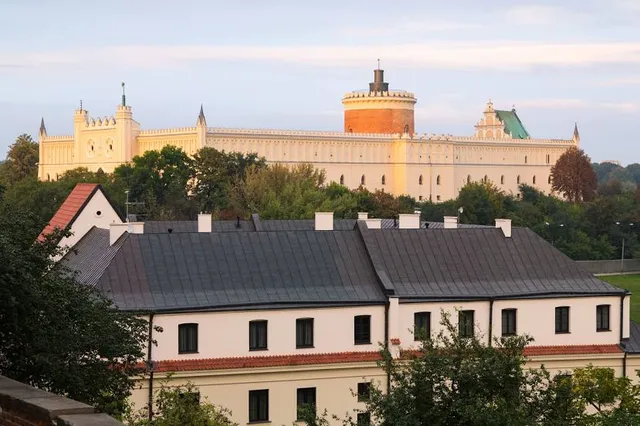
Zamek w Lublinie

Zamek w Lublinie

4.7

(410)

Open until 12:00 AM
Click for details
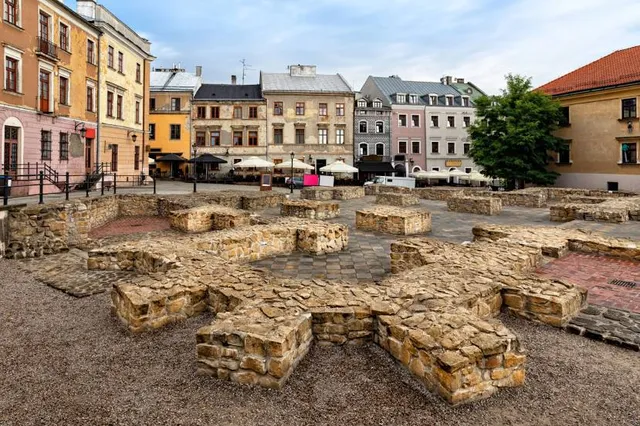
The Donjon

The Donjon

4.8

(182)

Open 24 hours
Click for details
Lublin Castle Fields

Lublin Castle Fields

4.6

(265)

Open until 12:00 AM
Click for details
Plac Po Farze

Plac Po Farze

4.7

(1.5K)

Open until 12:00 AM
Click for details

Things to do nearby

Kino w Teatrze Starym „Paw zwyczajny”
Mon, Jan 12 • 6:00 PM
ul. Jezuicka 18, 20-113 Lublin, Poland, ulica Jezuicka 18, 20-113 Lublin, Polska, Lublin, Poland
View details
Wernisaż wystawy fotografii Rafała Woźnego Tam, gdzie milkną słowa
Tue, Jan 13 • 5:30 PM
Rybna 4/5, 20-114 Lublin, Poland, ulica Rybna 4, 20-114 Lublin, Polska, Lublin, Poland
View details
CUBAN LADIES | nowy kurs od zera | SALSAme | start: styczeń 2026
Tue, Jan 13 • 5:40 PM
Kameralna 1, 20-864 Lublin, Poland, ulica Kameralna 1, 20-864 Lublin, Polska, Lublin, Poland
View details

Nearby restaurants of National Museum in Lublin

BONA restaurant

Browar Grodzki

Queen Mama

Pub u Szewca

KFC Lublin Statoil Tysiąclecia

Pasibus | Better Burger

Restauracja Magia

U Fotografa - Craft Beer & Smash Burgers

ROZMARYN Restauracja & Pub

Trybunalska Lublin City Pub
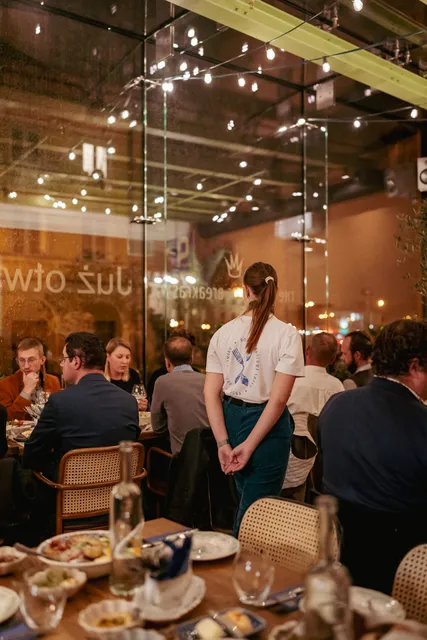
BONA restaurant

BONA restaurant

4.5

(521)

Closed
Click for details
Browar Grodzki

Browar Grodzki

4.3

(869)

$$

Click for details
Queen Mama

Queen Mama

4.5

(1.9K)

Click for details
Pub u Szewca

Pub u Szewca

4.3

(1.3K)

Click for details
Get the Appoverlay
Get the AppOne tap to find yournext favorite spots!
Wanderboat LogoWanderboat

Your everyday Al companion for getaway ideas

CompanyAbout Us
InformationAI Trip PlannerSitemap
SocialXInstagramTiktokLinkedin
LegalTerms of ServicePrivacy Policy

Get the app

© 2025 Wanderboat. All rights reserved.

Reviews of National Museum in Lublin

4.6
(7,870)
avatar
5.0
38w

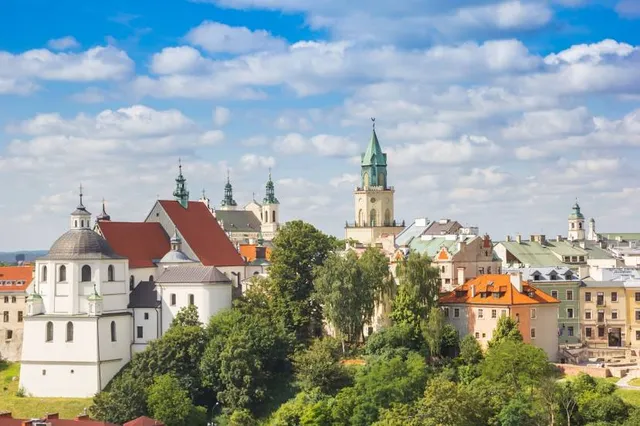
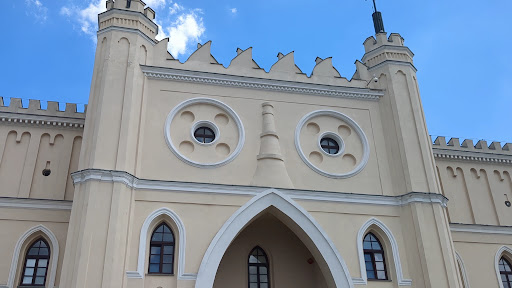
Visiting Zamek w Lublinie was an unforgettable experience that beautifully combined rich history, unique architecture, and a profound sense of cultural heritage. The building itself is visually striking—its elegant neo-Gothic façade, complete with turrets and arched windows, makes it one of the most iconic landmarks in Lublin. The castle's light-colored exterior and symmetrical structure create an inviting yet majestic atmosphere that draws you in from the moment you arrive.

Inside, the castle houses the Lublin Museum, which showcases a wide range of exhibits reflecting the region’s historical and artistic legacy. One of the most fascinating aspects of this site is its layered history: originally established as a stronghold in the Middle Ages, it has served various roles over centuries—including a royal residence, prison, and now a cultural institution.

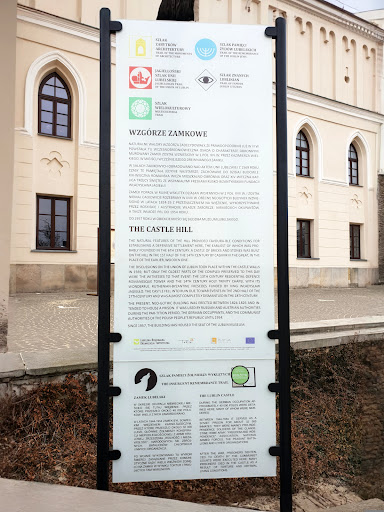
What adds even more depth to the visit is the outdoor information board, which clearly explains the significance of the Castle Hill, the Union of Lublin, and the architectural transformations the site has undergone. It also outlines various cultural trails that pass through this location, making it an excellent starting point for exploring the broader historical context of Lublin.

Highly recommended for anyone visiting the city—whether you're a history buff, architecture enthusiast, or simply looking for a meaningful...

   Read more
avatar
5.0
7y

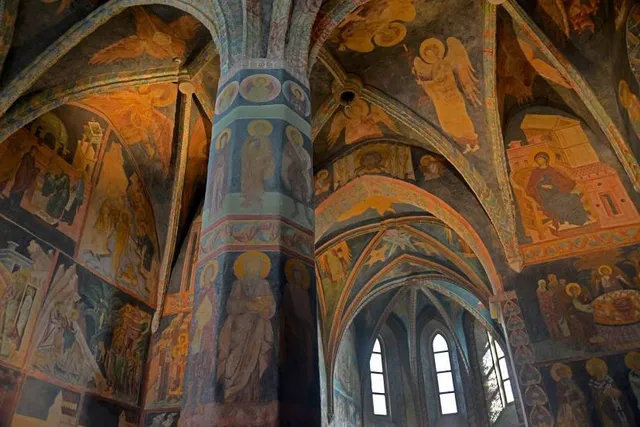
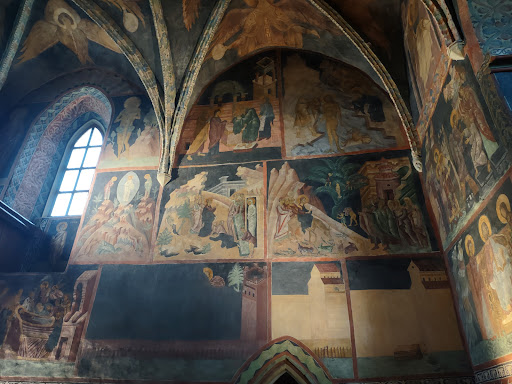
Medieval Lublin was a ghost town when I visited it for the first time back in 1990. No more! It is now an attractive touristic center on the easternmost side of Poland. Walking along Ul Grodzka from the market square to Lublin’s Castle is an on-the-spot history lesson made alive by an agglomeration of architectural styles and restored buildings. The Church of the Dominican Monastery which is chock-a-block with artifacts is a must-see but the Castle is definitely the city’s prime attraction. Located as it is on the extreme outcrop of Lublin’s hillside, it is a beautiful edifice from the outside and an utterly historical place from the inside. The Castle’s chapel is unquestionably unique, its colored wall frescoes constitute an art museum of Polish paintings with harmonious shades of green dominating everywhere. Ul Grodzka is nowadays full of bars and eateries where one can while the time away while enjoying Lublin’s...

   Read more
avatar
5.0
2y

⭐Zamek stoi na niewielkim wzgórzu sąsiadującym z lubelskim Starym Miastem. Już w VI wieku istniała w tamtym miejscu wczesnośredniowieczna osada. W połowie XIII wieku w obrębie górnej części wzgórza wybudowano murowaną wieżę obronno-rezydencjonalną (tzw. donżon). Jest to cenny zabytek sztuki romańskiej zachowany do dziś. Wieża pełniła przede wszystkim funkcje militarne, ale stanowiła też schronienie w razie niebezpieczeństwa. ⭐Przełomową datą w dziejach zamku był rok 1341, kiedy Tatarzy natarli na Lublin. Po tym wydarzeniu król Kazimierz Wielki zdecydował o wystawieniu murowanego zamku w miejscu drewnianego grodu. W XVI wieku, za panowania Zygmunta Starego, obiekt przebudowano. Wzniesiona została brama wjazdowa, dodano drugie piętro oraz okazałą attykę. Dnia 1 lipca 1569 roku na zamku została zaprzysiężona unia polsko-litewska, zwana Unią Lubelską. Była to pierwsza międzypaństwowa unia realna zawarta w Europie. W XVII wieku podczas potopu szwedzkiego, w wyniku licznych działań wojennych i pożarów zamek popadł w ruinę. Ocalały jedynie najstarsze budowle – kaplica i donżon. ⭐Dopiero w XIX wieku w miejscu zniszczonych budowli zaplanowano budowę gmachu więziennego. W latach 1824–1826 z inicjatywy Stanisława Staszica na ruinach dawnego zamku wzniesiono nową budowlę w stylu neogotyku angielskiego. Od połowy XIX wieku do 1915 roku trafiali tam głównie więźniowie polityczni. W czasie II wojny światowej, w latach 1939–1944, na zamku mieściło się hitlerowskie więzienie. Łącznie osadzono w nim około 40 tys. osób. Największej egzekucji Niemcy dokonali 22 lipca 1944 roku, w przeddzień wyzwolenia Lublina. Zamordowano wtedy blisko trzystu więźniów. ⭐Kaplica Trójcy Świętej na Zamku Lubelskim jest jednym z najcenniejszych zabytków sztuki w Europie. O jej wartości świadczą bizantyńsko-ruskie malowidła z początku XV wieku. Polichromia pokrywająca niemal całą powierzchnię sklepień i ścian została ufundowana przez króla Władysława Jagiełłę. ⭐W latach 1944-1954 na zamku funkcjonowało więzienie NKWD i UB. Przez jego mury przeszło około 35 tys. zatrzymanych. ⭐Po zamknięciu więzienia zamek poddany został renowacji, celem której było przekształcenie go na siedzibę Muzeum Lubelskiego a od 2021 r. Muzeum Narodowe w Lublinie, w którym zgromadzono bogate zbiory w działach, m. in.: archeologicznym, numizmatycznym, militariów czy...

   Read more
Page 1 of 7
Previous
Next

Posts

Misha SmileyMisha Smiley
Visiting Zamek w Lublinie was an unforgettable experience that beautifully combined rich history, unique architecture, and a profound sense of cultural heritage. The building itself is visually striking—its elegant neo-Gothic façade, complete with turrets and arched windows, makes it one of the most iconic landmarks in Lublin. The castle's light-colored exterior and symmetrical structure create an inviting yet majestic atmosphere that draws you in from the moment you arrive. Inside, the castle houses the Lublin Museum, which showcases a wide range of exhibits reflecting the region’s historical and artistic legacy. One of the most fascinating aspects of this site is its layered history: originally established as a stronghold in the Middle Ages, it has served various roles over centuries—including a royal residence, prison, and now a cultural institution. What adds even more depth to the visit is the outdoor information board, which clearly explains the significance of the Castle Hill, the Union of Lublin, and the architectural transformations the site has undergone. It also outlines various cultural trails that pass through this location, making it an excellent starting point for exploring the broader historical context of Lublin. Highly recommended for anyone visiting the city—whether you're a history buff, architecture enthusiast, or simply looking for a meaningful stop in Lublin.
Mał GOSIAMał GOSIA
⭐Zamek stoi na niewielkim wzgórzu sąsiadującym z lubelskim Starym Miastem. Już w VI wieku istniała w tamtym miejscu wczesnośredniowieczna osada. W połowie XIII wieku w obrębie górnej części wzgórza wybudowano murowaną wieżę obronno-rezydencjonalną (tzw. donżon). Jest to cenny zabytek sztuki romańskiej zachowany do dziś. Wieża pełniła przede wszystkim funkcje militarne, ale stanowiła też schronienie w razie niebezpieczeństwa. ⭐Przełomową datą w dziejach zamku był rok 1341, kiedy Tatarzy natarli na Lublin. Po tym wydarzeniu król Kazimierz Wielki zdecydował o wystawieniu murowanego zamku w miejscu drewnianego grodu. W XVI wieku, za panowania Zygmunta Starego, obiekt przebudowano. Wzniesiona została brama wjazdowa, dodano drugie piętro oraz okazałą attykę. Dnia 1 lipca 1569 roku na zamku została zaprzysiężona unia polsko-litewska, zwana Unią Lubelską. Była to pierwsza międzypaństwowa unia realna zawarta w Europie. W XVII wieku podczas potopu szwedzkiego, w wyniku licznych działań wojennych i pożarów zamek popadł w ruinę. Ocalały jedynie najstarsze budowle – kaplica i donżon. ⭐Dopiero w XIX wieku w miejscu zniszczonych budowli zaplanowano budowę gmachu więziennego. W latach 1824–1826 z inicjatywy Stanisława Staszica na ruinach dawnego zamku wzniesiono nową budowlę w stylu neogotyku angielskiego. Od połowy XIX wieku do 1915 roku trafiali tam głównie więźniowie polityczni. W czasie II wojny światowej, w latach 1939–1944, na zamku mieściło się hitlerowskie więzienie. Łącznie osadzono w nim około 40 tys. osób. Największej egzekucji Niemcy dokonali 22 lipca 1944 roku, w przeddzień wyzwolenia Lublina. Zamordowano wtedy blisko trzystu więźniów. ⭐Kaplica Trójcy Świętej na Zamku Lubelskim jest jednym z najcenniejszych zabytków sztuki w Europie. O jej wartości świadczą bizantyńsko-ruskie malowidła z początku XV wieku. Polichromia pokrywająca niemal całą powierzchnię sklepień i ścian została ufundowana przez króla Władysława Jagiełłę. ⭐W latach 1944-1954 na zamku funkcjonowało więzienie NKWD i UB. Przez jego mury przeszło około 35 tys. zatrzymanych. ⭐Po zamknięciu więzienia zamek poddany został renowacji, celem której było przekształcenie go na siedzibę Muzeum Lubelskiego a od 2021 r. Muzeum Narodowe w Lublinie, w którym zgromadzono bogate zbiory w działach, m. in.: archeologicznym, numizmatycznym, militariów czy etnograficznym.
Anya NuraAnya Nura
A nice castle with an interesting museum to visit. The chapel with its frescos was the most impressive, in my opinion. The museum has both temporary and permanent exhibitions. There are lots of paintings, icons, furniture and coins. There is a place to leave your jackets and bags (if needed). There also elevators, so it will be handy for people with special needs. The tower has lots of steps, so take that into consideration when visiting. The top of the tower provides pretty good view of the city. The only thing missing is a cafe in the castle yard for summer time :)
See more posts
See more posts
hotel
Find your stay

Pet-friendly Hotels in Lublin

Find a cozy hotel nearby and make it a full experience.

Visiting Zamek w Lublinie was an unforgettable experience that beautifully combined rich history, unique architecture, and a profound sense of cultural heritage. The building itself is visually striking—its elegant neo-Gothic façade, complete with turrets and arched windows, makes it one of the most iconic landmarks in Lublin. The castle's light-colored exterior and symmetrical structure create an inviting yet majestic atmosphere that draws you in from the moment you arrive. Inside, the castle houses the Lublin Museum, which showcases a wide range of exhibits reflecting the region’s historical and artistic legacy. One of the most fascinating aspects of this site is its layered history: originally established as a stronghold in the Middle Ages, it has served various roles over centuries—including a royal residence, prison, and now a cultural institution. What adds even more depth to the visit is the outdoor information board, which clearly explains the significance of the Castle Hill, the Union of Lublin, and the architectural transformations the site has undergone. It also outlines various cultural trails that pass through this location, making it an excellent starting point for exploring the broader historical context of Lublin. Highly recommended for anyone visiting the city—whether you're a history buff, architecture enthusiast, or simply looking for a meaningful stop in Lublin.
Misha Smiley

Misha Smiley

hotel
Find your stay

Affordable Hotels in Lublin

Find a cozy hotel nearby and make it a full experience.

Get the Appoverlay
Get the AppOne tap to find yournext favorite spots!
⭐Zamek stoi na niewielkim wzgórzu sąsiadującym z lubelskim Starym Miastem. Już w VI wieku istniała w tamtym miejscu wczesnośredniowieczna osada. W połowie XIII wieku w obrębie górnej części wzgórza wybudowano murowaną wieżę obronno-rezydencjonalną (tzw. donżon). Jest to cenny zabytek sztuki romańskiej zachowany do dziś. Wieża pełniła przede wszystkim funkcje militarne, ale stanowiła też schronienie w razie niebezpieczeństwa. ⭐Przełomową datą w dziejach zamku był rok 1341, kiedy Tatarzy natarli na Lublin. Po tym wydarzeniu król Kazimierz Wielki zdecydował o wystawieniu murowanego zamku w miejscu drewnianego grodu. W XVI wieku, za panowania Zygmunta Starego, obiekt przebudowano. Wzniesiona została brama wjazdowa, dodano drugie piętro oraz okazałą attykę. Dnia 1 lipca 1569 roku na zamku została zaprzysiężona unia polsko-litewska, zwana Unią Lubelską. Była to pierwsza międzypaństwowa unia realna zawarta w Europie. W XVII wieku podczas potopu szwedzkiego, w wyniku licznych działań wojennych i pożarów zamek popadł w ruinę. Ocalały jedynie najstarsze budowle – kaplica i donżon. ⭐Dopiero w XIX wieku w miejscu zniszczonych budowli zaplanowano budowę gmachu więziennego. W latach 1824–1826 z inicjatywy Stanisława Staszica na ruinach dawnego zamku wzniesiono nową budowlę w stylu neogotyku angielskiego. Od połowy XIX wieku do 1915 roku trafiali tam głównie więźniowie polityczni. W czasie II wojny światowej, w latach 1939–1944, na zamku mieściło się hitlerowskie więzienie. Łącznie osadzono w nim około 40 tys. osób. Największej egzekucji Niemcy dokonali 22 lipca 1944 roku, w przeddzień wyzwolenia Lublina. Zamordowano wtedy blisko trzystu więźniów. ⭐Kaplica Trójcy Świętej na Zamku Lubelskim jest jednym z najcenniejszych zabytków sztuki w Europie. O jej wartości świadczą bizantyńsko-ruskie malowidła z początku XV wieku. Polichromia pokrywająca niemal całą powierzchnię sklepień i ścian została ufundowana przez króla Władysława Jagiełłę. ⭐W latach 1944-1954 na zamku funkcjonowało więzienie NKWD i UB. Przez jego mury przeszło około 35 tys. zatrzymanych. ⭐Po zamknięciu więzienia zamek poddany został renowacji, celem której było przekształcenie go na siedzibę Muzeum Lubelskiego a od 2021 r. Muzeum Narodowe w Lublinie, w którym zgromadzono bogate zbiory w działach, m. in.: archeologicznym, numizmatycznym, militariów czy etnograficznym.
Mał GOSIA

Mał GOSIA

hotel
Find your stay

The Coolest Hotels You Haven't Heard Of (Yet)

Find a cozy hotel nearby and make it a full experience.

hotel
Find your stay

Trending Stays Worth the Hype in Lublin

Find a cozy hotel nearby and make it a full experience.

A nice castle with an interesting museum to visit. The chapel with its frescos was the most impressive, in my opinion. The museum has both temporary and permanent exhibitions. There are lots of paintings, icons, furniture and coins. There is a place to leave your jackets and bags (if needed). There also elevators, so it will be handy for people with special needs. The tower has lots of steps, so take that into consideration when visiting. The top of the tower provides pretty good view of the city. The only thing missing is a cafe in the castle yard for summer time :)
Anya Nura

Anya Nura

See more posts
See more posts