St. John the Baptist Cathedral, Lublin things to do, attractions, restaurants, events info and trip planning
Basic Info
St. John the Baptist Cathedral, Lublin
Królewska 10, 20-109 Lublin, Poland
4.8(1.2K)
Open until 8:00 PM
Save
spot
spot
Ratings & Description
Info
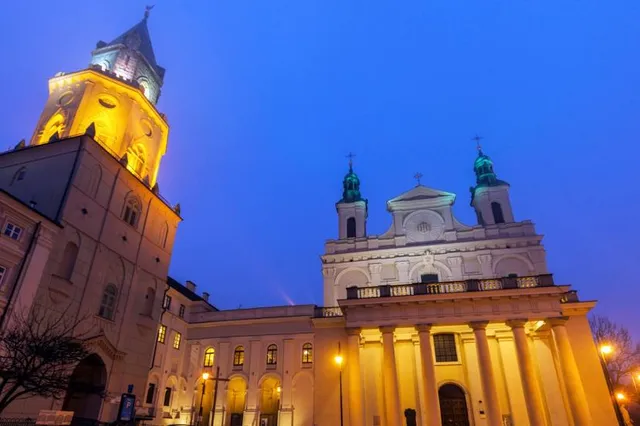
The Cathedral of Saint John the Baptist or simply Lublin Cathedral in Lublin, Poland is the cathedral church of the Roman Catholic Archdiocese of Lublin. It was built between 1592 and 1617 as a church of the Society of Jesus.
Cultural
Family friendly
attractions: Lubelska Trasa Podziemna, Plac Po Farze, Regionalne Muzeum Cebularza, Lublin History Museum, MUSÉE JOSEF CZECHOWICZ (LUBLIN), National Museum in Lublin, Cellar under the fortune, Fish Gate in Lublin, Teatr Imaginarium, "Grodzka Gate - NN Theatre", restaurants: Stół i Wół, Trybunalska Lublin City Pub, U Fotografa - Craft Beer & Smash Burgers, Restauracja Magia, Restauracja 16 Stołów, Restauracja włoska, Pizzeria ATRIUM, Peccato di Gola, Restauracja Staropolska, Bosko - Lody Produkcji Własnej, Queen Mama, local businesses: Bramowa 2, Torre Trynitarska, Św. Michał - pub regionalny, Bałagan, Dostana kebab, Księgarnia Królewska 11 s.c., Lublin Castle, Bagatela Pub, Walerego Wróblewskiego 4, Królewska
 Learn more insights from Wanderboat AI.
Phone
+48 81 532 11 96
Website
archikatedra.kuria.lublin.pl
Open hoursSee all hours
Wed6:30 AM - 8 PMOpen
Plan your stay

Pet-friendly Hotels in Lublin
Find a cozy hotel nearby and make it a full experience.

Affordable Hotels in Lublin
Find a cozy hotel nearby and make it a full experience.

The Coolest Hotels You Haven't Heard Of (Yet)
Find a cozy hotel nearby and make it a full experience.

Trending Stays Worth the Hype in Lublin
Find a cozy hotel nearby and make it a full experience.
Reviews
Live events
Candlelight: Hołd dla ABBA i Innych Legend
Sat, Feb 28 • 8:00 PM
Pałac Czartoryskich, 20 080, Lublin, 20-400
View details

VAN GOGH. PODARUJ PIĘKNO NA ŚWIĘTA🩰
Wed, Feb 25 • 7:00 PM
Centrum Spotkania Kultur w Lublinie, Plac Teatralny 1,Lublin, Poland
View details
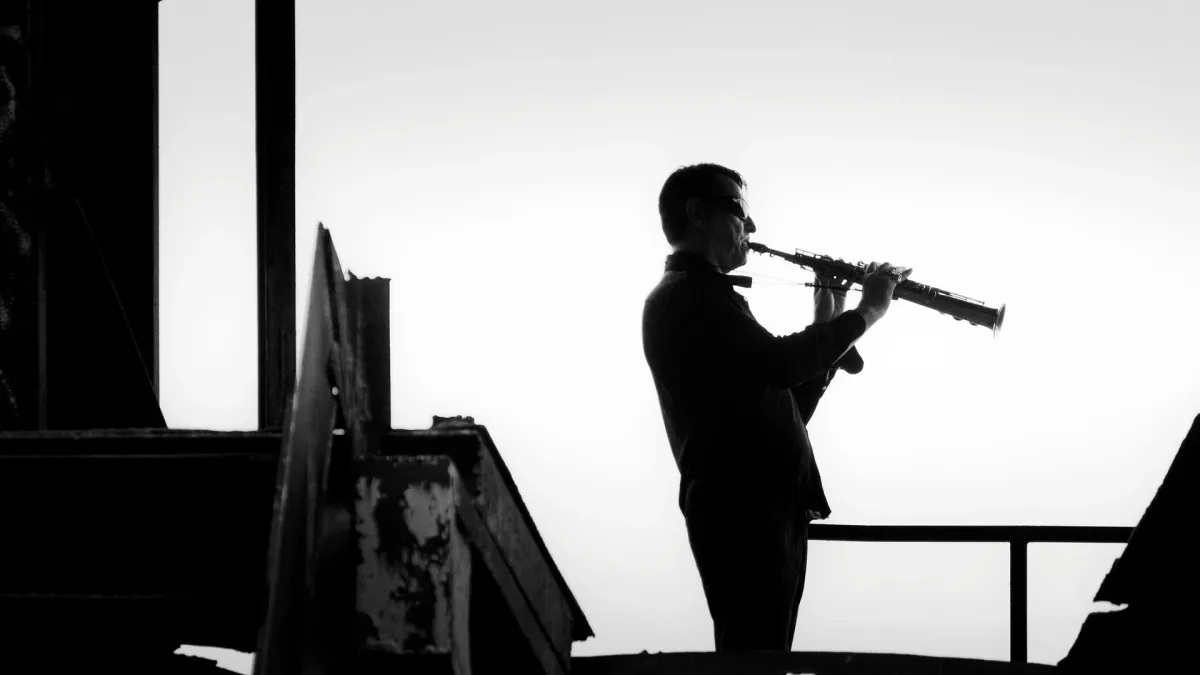
Maciej Maleńczuk in Puławy
Wed, Feb 25 • 7:00 PM
Puławski Ośrodek Kultury Dom Chemika, Puławski Ośrodek Kultury Dom Chemika, Lublin, LU, Poland
View details
Nearby attractions of St. John the Baptist Cathedral, Lublin
Lubelska Trasa Podziemna
Plac Po Farze
Regionalne Muzeum Cebularza
Lublin History Museum
MUSÉE JOSEF CZECHOWICZ (LUBLIN)
National Museum in Lublin
Cellar under the fortune
Fish Gate in Lublin
Teatr Imaginarium
"Grodzka Gate - NN Theatre"
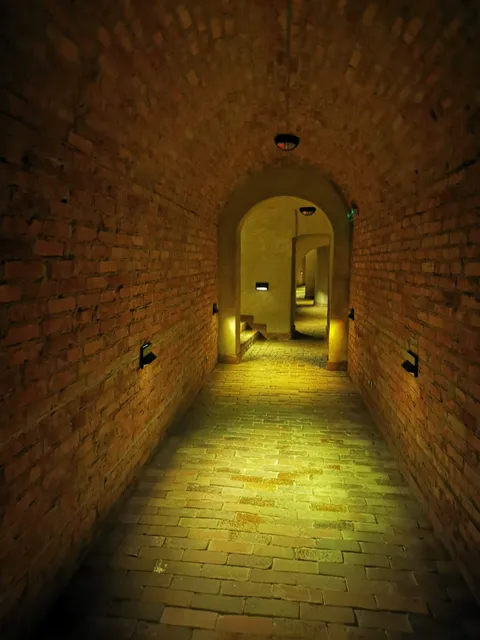
Lubelska Trasa Podziemna
4.3
(635)
Open 24 hours
Click for details
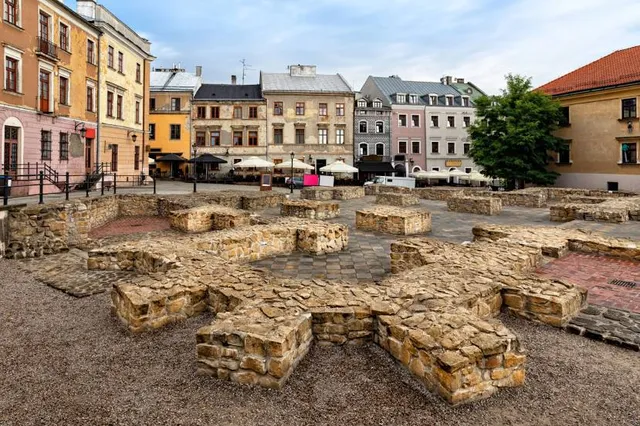
Plac Po Farze
4.7
(1.4K)
Open until 12:00 AM
Click for details
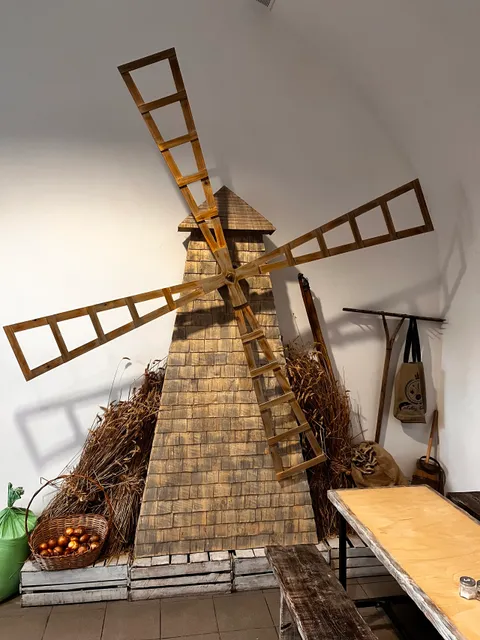
Regionalne Muzeum Cebularza
4.5
(519)
Open 24 hours
Click for details
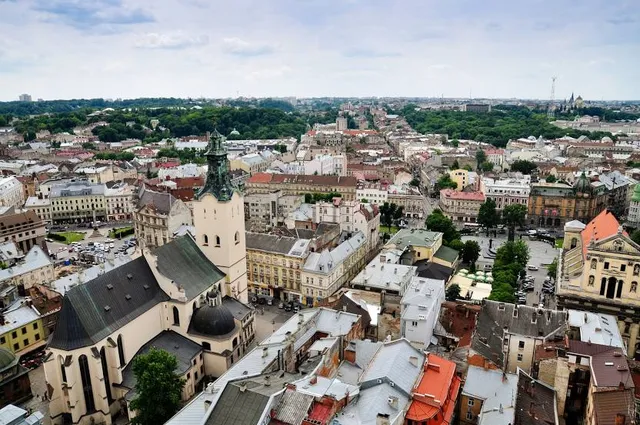
Lublin History Museum
4.2
(83)
Closed
Click for details
Nearby restaurants of St. John the Baptist Cathedral, Lublin
Stół i Wół
Trybunalska Lublin City Pub
U Fotografa - Craft Beer & Smash Burgers
Restauracja Magia
Restauracja 16 Stołów
Restauracja włoska, Pizzeria ATRIUM
Peccato di Gola
Restauracja Staropolska
Bosko - Lody Produkcji Własnej
Queen Mama
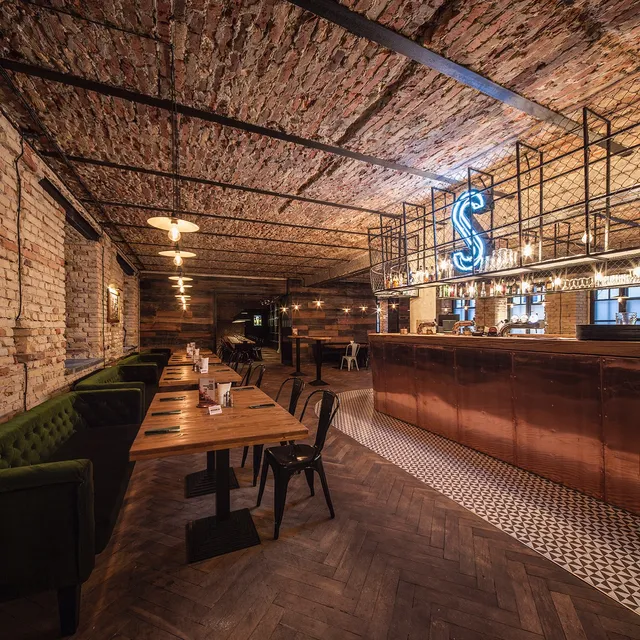
Stół i Wół
4.3
(3.2K)
$$
Closed
Click for details
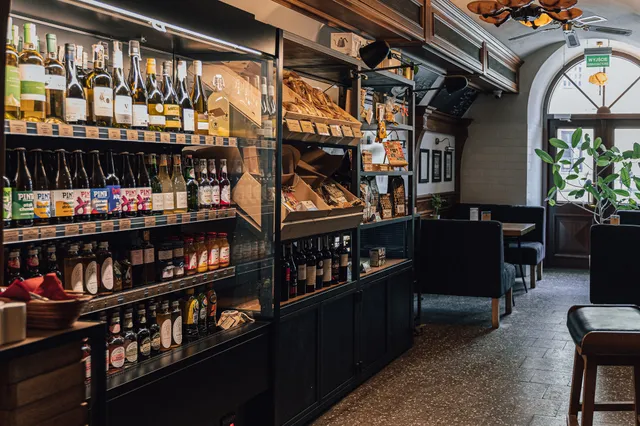
Trybunalska Lublin City Pub
4.2
(1.4K)
Click for details
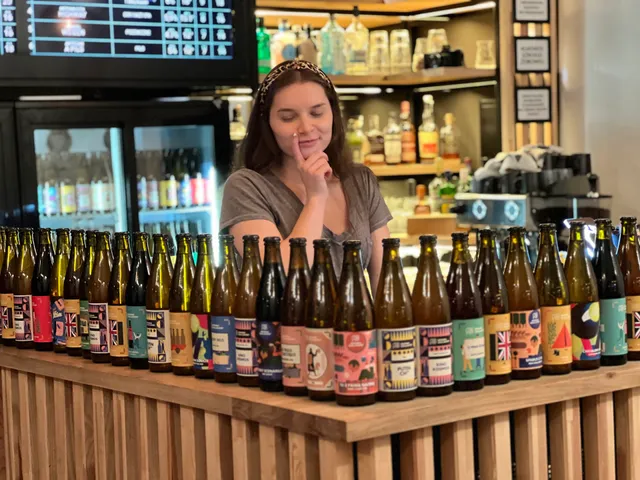
U Fotografa - Craft Beer & Smash Burgers
4.7
(939)
Closed
Click for details
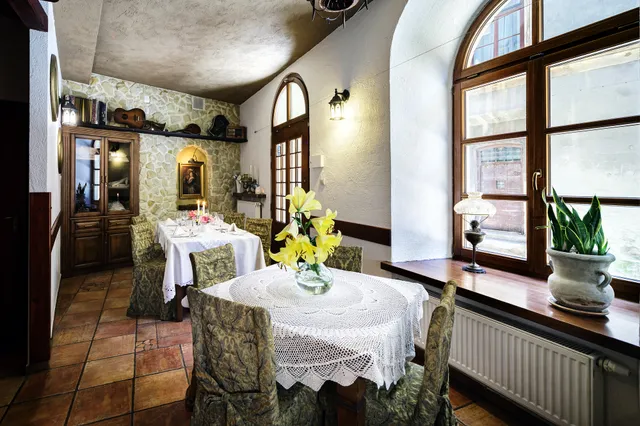
Restauracja Magia
4.5
(1.3K)
$$
Closed
Click for details
Nearby local services of St. John the Baptist Cathedral, Lublin
Bramowa 2
Torre Trynitarska
Św. Michał - pub regionalny
Bałagan
Dostana kebab
Księgarnia Królewska 11 s.c.
Lublin Castle
Bagatela Pub
Walerego Wróblewskiego 4
Królewska
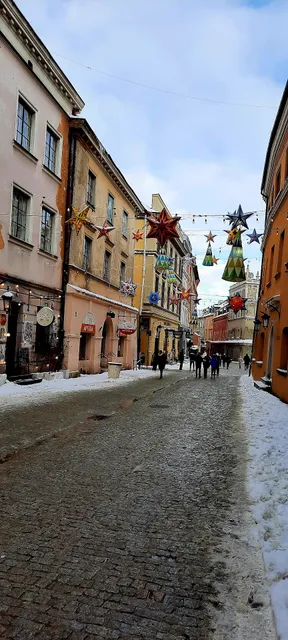
Bramowa 2
4.8
(3.7K)
Click for details
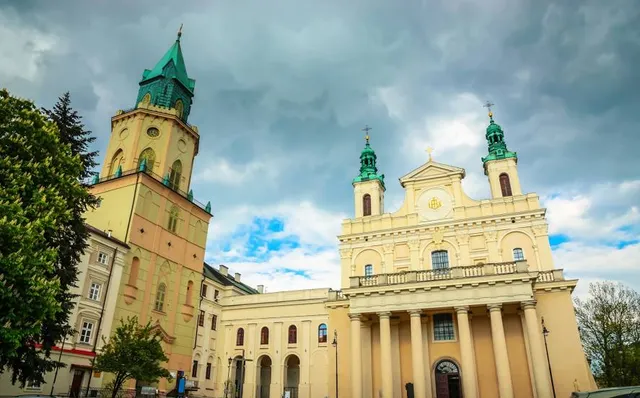
Torre Trynitarska
4.8
(335)
Click for details
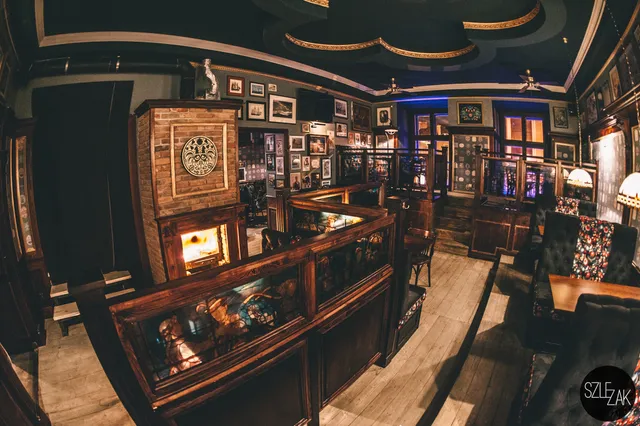
Św. Michał - pub regionalny
4.6
(3.4K)
Click for details
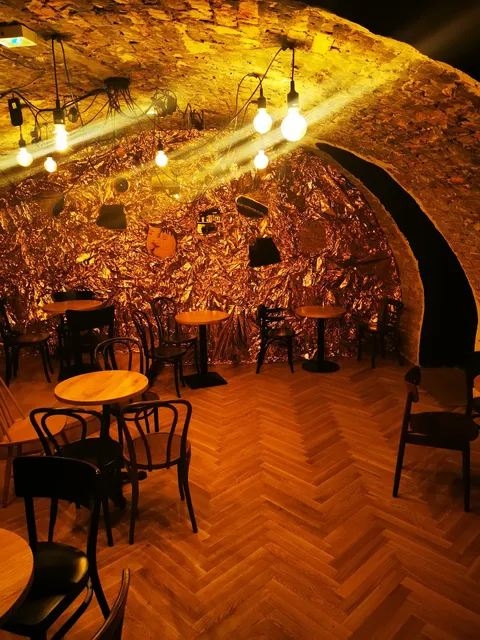
Bałagan
4.9
(251)
Click for details