HTML SitemapExplore
Find Things to DoFind The Best Restaurants

Church of Our Lady of the Loreto of the Italians — Attraction in Lisbon

Name
Church of Our Lady of the Loreto of the Italians
Description
Nearby attractions
Praça Luís de Camões
Largo Luís de Camões, 1200-243 Lisboa, Portugal
Carmo Convent
Largo do Carmo, 1200-092 Lisboa, Portugal
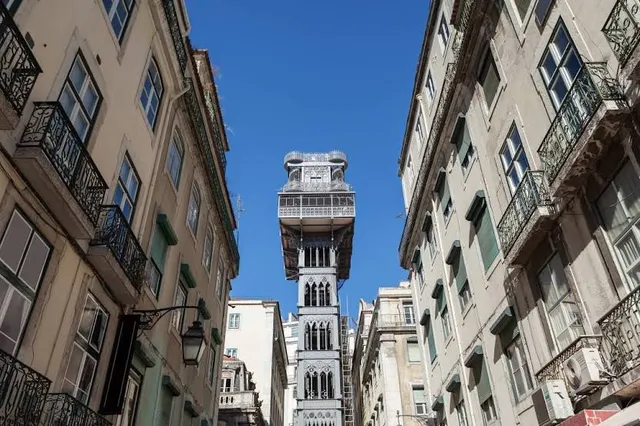
Santa Justa Lift
R. de Santa Justa, 1150-060 Lisboa, Portugal
Church of Our Lady of the Incarnation
Largo do Chiado 15, 1200-443 Lisboa, Portugal
Teatro Nacional de São Carlos
R. Serpa Pinto 9, 1200-442 Lisboa, Portugal
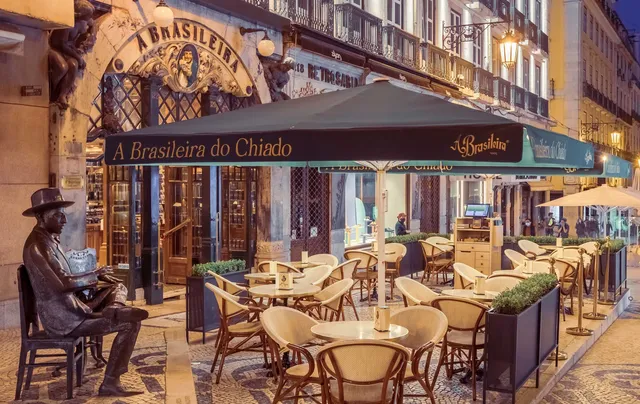
Statue of António Ribeiro
Largo do Chiado, 1200-443 Lisboa, Portugal
Zé dos Bois gallery
R. da Barroca 59, 1200-049 Lisboa, Portugal
Church of Saint Roch
Largo Trindade Coelho, 1200-470 Lisboa, Portugal
Chafariz do Carmo
Largo do Carmo, 1200-092 Lisboa, Portugal
Game Over
Rua de O Século 4B, 1200-435 Lisboa, Portugal
Nearby restaurants
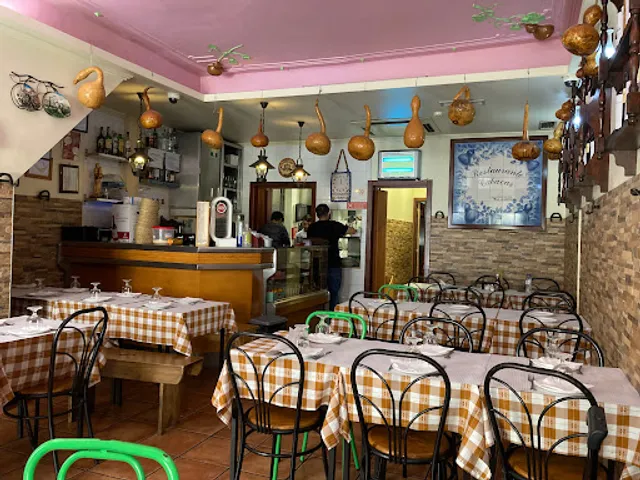
Restaurante Cabaças
R. das Gáveas 8, 1200-208 Lisboa, Portugal
Boa-Bao
Largo Rafael Bordalo Pinheiro 30, 1200-369 Lisboa, Portugal
Palácio Chiado
R. do Alecrim 70, 1200-018 Lisboa, Portugal
Honorato Chiado
Largo Rafael Bordalo Pinheiro 12, 1200-205 Lisboa, Portugal
Ao 26
R. da Horta Seca 5, 1200-213 Lisboa, Portugal
Taberna da Rua das Flores
Rua das Flores 103 109, 1200-194 Lisboa, Portugal
Stasha
R. das Gáveas 21 a 33, 1200-206 Lisboa, Portugal
La Brasserie de l'Entrecôte
R. do Alecrim 117, 1200-108 Lisboa, Portugal
O Boteco
Praça Luís de Camões 37, 1200-243 Lisboa, Portugal
Pateo - Bairro do Avillez
R. Nova da Trindade 18, 1200-303 Lisboa, Portugal
Nearby hotels
Hotel Borges Chiado
R. Garrett 108, 1200-205 Lisboa, Portugal
Bairro Alto Hotel
Praça Luís de Camões 2 5º Piso, 1200-243 Lisboa, Portugal
Solar dos Poetas
Praça Luís de Camões 36 1ºD, 1200-243 Lisboa, Portugal
Palácio das Especiarias
R. da Horta Seca 11, 1200-221 Lisboa, Portugal
9Hotel Mercy
R. da Misericórdia 76, 1200-273 Lisboa, Portugal
Lisboa Pessoa Hotel
R. da Oliveira ao Carmo 8, 1200-309 Lisboa, Portugal
Lisboa Carmo Hotel
R. da Oliveira ao Carmo 1A, 1200-307 Lisboa, Portugal
Teatro B&B
R. Trindade 36, 1200-468 Lisboa, Portugal
Friendly Hills Bairro Alto
R. da Barroca 4, 1200-106 Lisboa, Portugal
Boutique Chiado Apartments & Suites
R. da Horta Seca 32, 1200-221 Lisboa, Portugal
Related posts
Keywords
Church of Our Lady of the Loreto of the Italians tourism.Church of Our Lady of the Loreto of the Italians hotels.Church of Our Lady of the Loreto of the Italians bed and breakfast. flights to Church of Our Lady of the Loreto of the Italians.Church of Our Lady of the Loreto of the Italians attractions.Church of Our Lady of the Loreto of the Italians restaurants.Church of Our Lady of the Loreto of the Italians travel.Church of Our Lady of the Loreto of the Italians travel guide.Church of Our Lady of the Loreto of the Italians travel blog.Church of Our Lady of the Loreto of the Italians pictures.Church of Our Lady of the Loreto of the Italians photos.Church of Our Lady of the Loreto of the Italians travel tips.Church of Our Lady of the Loreto of the Italians maps.Church of Our Lady of the Loreto of the Italians things to do.
Church of Our Lady of the Loreto of the Italians things to do, attractions, restaurants, events info and trip planning
Church of Our Lady of the Loreto of the Italians
PortugalLisbonChurch of Our Lady of the Loreto of the Italians

Basic Info

Church of Our Lady of the Loreto of the Italians

Largo do Chiado 16, 1200-108 Lisboa, Portugal
4.7(253)
Open 24 hours
Save
spot

Ratings & Description

Info

Cultural
Scenic
Accessibility
attractions: Praça Luís de Camões, Carmo Convent, Santa Justa Lift, Church of Our Lady of the Incarnation, Teatro Nacional de São Carlos, Statue of António Ribeiro, Zé dos Bois gallery, Church of Saint Roch, Chafariz do Carmo, Game Over, restaurants: Restaurante Cabaças, Boa-Bao, Palácio Chiado, Honorato Chiado, Ao 26, Taberna da Rua das Flores, Stasha, La Brasserie de l'Entrecôte, O Boteco, Pateo - Bairro do Avillez
logoLearn more insights from Wanderboat AI.
Phone
+351 21 342 3655
Website
igrejadoloreto.pt

Plan your stay

hotel
Pet-friendly Hotels in Lisbon
Find a cozy hotel nearby and make it a full experience.

hotel
Affordable Hotels in Lisbon
Find a cozy hotel nearby and make it a full experience.

hotel
The Coolest Hotels You Haven't Heard Of (Yet)
Find a cozy hotel nearby and make it a full experience.

hotel
Trending Stays Worth the Hype in Lisbon
Find a cozy hotel nearby and make it a full experience.

Reviews

Nearby attractions of Church of Our Lady of the Loreto of the Italians

Praça Luís de Camões

Carmo Convent

Santa Justa Lift

Church of Our Lady of the Incarnation

Teatro Nacional de São Carlos

Statue of António Ribeiro

Zé dos Bois gallery

Church of Saint Roch

Chafariz do Carmo

Game Over

Praça Luís de Camões

Praça Luís de Camões

4.5

(10.4K)

Open until 12:00 AM
Click for details
Carmo Convent

Carmo Convent

4.5

(7.9K)

Open 24 hours
Click for details
Santa Justa Lift

Santa Justa Lift

4.1

(20.1K)

Open 24 hours
Click for details
Church of Our Lady of the Incarnation

Church of Our Lady of the Incarnation

4.7

(315)

Open 24 hours
Click for details

Things to do nearby

Explore the beauty and the beach 
Sintra-Cascais
Explore the beauty and the beach Sintra-Cascais
Mon, Dec 29 • 9:30 AM
2710-423, Sintra, Portugal
View details
Sailing tour in Lisbon: the best view of the city
Thu, Dec 25 • 3:30 PM
1400-038, Lisbon, Portugal
View details
Bake Pastel de Nata in a real bakery in Lisbon
Fri, Dec 26 • 4:30 PM
1100-581, Lisbon, Portugal
View details

Nearby restaurants of Church of Our Lady of the Loreto of the Italians

Restaurante Cabaças

Boa-Bao

Palácio Chiado

Honorato Chiado

Ao 26

Taberna da Rua das Flores

Stasha

La Brasserie de l'Entrecôte

O Boteco

Pateo - Bairro do Avillez

Restaurante Cabaças

Restaurante Cabaças

4.4

(1.1K)

Click for details
Boa-Bao

Boa-Bao

4.4

(2.5K)

$$$

Click for details
Palácio Chiado

Palácio Chiado

4.4

(1.8K)

Click for details
Honorato Chiado

Honorato Chiado

4.2

(1.5K)

Click for details
Get the Appoverlay
Get the AppOne tap to find yournext favorite spots!
Wanderboat LogoWanderboat

Your everyday Al companion for getaway ideas

CompanyAbout Us
InformationAI Trip PlannerSitemap
SocialXInstagramTiktokLinkedin
LegalTerms of ServicePrivacy Policy

Get the app

© 2025 Wanderboat. All rights reserved.

Reviews of Church of Our Lady of the Loreto of the Italians

4.7
(253)
avatar
4.0
2y

The Church of Our Lady of Loreto of the Italians is situated at Largo de Chiado and directly across the street from the Our Lady of the Incarnation church. Not exactly sure of opening hours but we found the church open for mass recently and were able to visit afterwards.

Historically, the Church of Our Lady of Loreto was originally built in 1518 for the Italian community of Lisbon. It was destroyed by fire in 1651 and built in the manner which you see today around 1675. Unfortunately, the church suffered severe damage from the earthquake in 1755 and had to be rebuilt again by architect Jose da Costa e Sliva, who restored the church to its previous state.

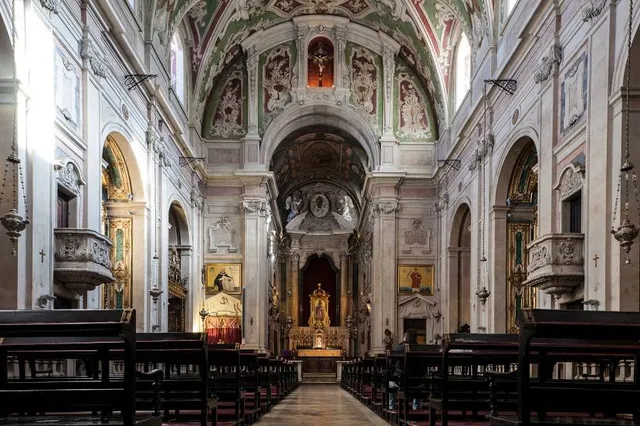
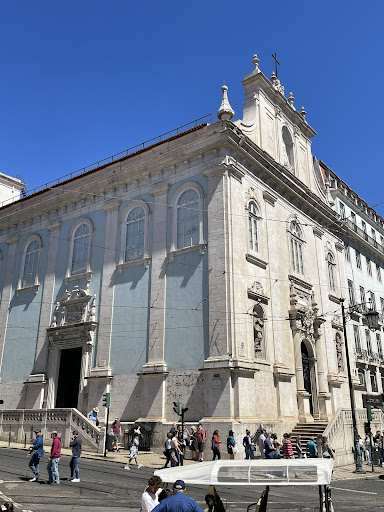
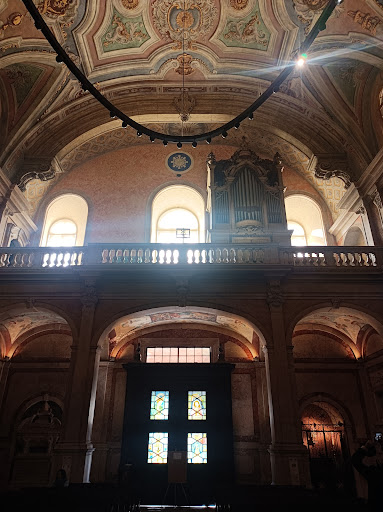
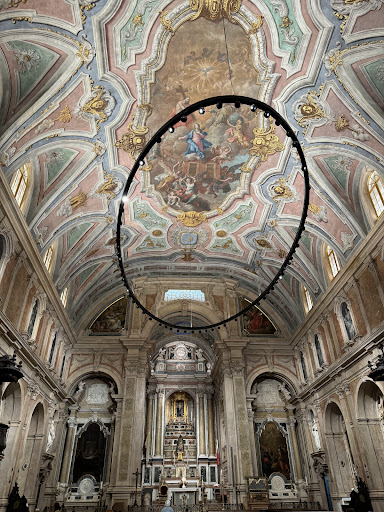
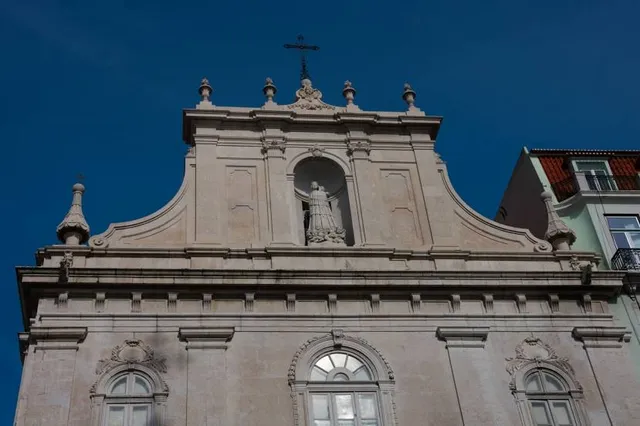
The exterior facade includes an image of Our Lady of Loreto along with two angels with papal coats of arms. This is believed to be the work of renowned 17th-century Italian architect Francesco Borromini. Within the church, you'll find nave with 12 chapels, one each for the apostles. Side chapels are separated by marble inlay and columns with delicate design which are topped by artworks of niches filled with statues of the apostles. Continue looking upward and you'll see a delightful ceiling patterns and fresco.

Overall, the Church of Our Lady of Loreto of the Italians is another beautiful historic church in the Chiado neighbourhood that is well worth popping in for a visit if you find them open during time spend in this...

   Read more
avatar
5.0
1y

La chiesa di Loreto sorge a Lisbona, nel quartiere Chiado, ed è conosciuta anche come la Igreja do Loreto. Nata per l’esigenza, soprattutto, di mercanti e marinai che, all’epoca, la usavano come un punto d’incontro di tutti gli italiani che transitavano e vivevano a Lisbona. La Igreja Do Loreto, dedicata al culto della madonna di Loreto, fu edificata da Filippo Terzi. Nel 1518 grazie a José Costa e Silva assunse uno stampo neoclassico. Prima della sua costruzione, nel XV secolo, esisteva un vecchio eremo dedicato a Sant’ Antonio. La chiesa di Loreto, negli anni, ha subito diversi incidenti di percorso che l’hanno vista cadere e tornare in vita, ogni volta, come una fenice che rinasce dalle sue stesse ceneri. Il 29 marzo del 1651 la chiesa dovette affrontare un terribile incendio che la rese per la gran parte inagibile. Venne ricostruita nel 1676 ad opera della comunità italiana su progetto dall’architetto De Magalhães. Solo 9 anni più tardi, nel 1755, un terremoto devastante portò alla distruzione della maggior parte dei monumenti della città compresa la chiesa di Loreto. Anche questa volta, dopo 30 anni, venne rimessa in piedi per merito di Joaquim António dos Reis Zuzarte. Oggi, al lato della chiesa, si trova la torre della Porta di Santa Catarina. Conosciuta come “figlia del Loreto” è caratterizzata dalle decorazioni sulla facciata di Encarnação, provenienti dalle demolizioni subite negli anni. La torre venne costruita per riempire lo spazio vuoto lasciato dalla porta non più presente. La parte più imponente e magnifica della chiesa è proprio la facciata, che rappresenta le armi pontificie con due angeli, opera realizzata dal Borromini. La chiesa del Loreto al suo interno è formata da un’unica navata con 12 cappelle interamente rivestite da marmo di origine italiano. Ogni cappella ospita uno dei 12 apostoli sotto forma di statue dipinte. La sacristia è ricoperta dalle famose piastrelle tipiche del Portogallo, azulejos, opera del famoso ceramista spagnolo Gabriel del Barco.Gli altari posti di lato sono dedicati ad altri santi di famose città italiane, quali: San Francesco di Assisi; Santo Giovanni Battista; San Francesco di Paola; San Carlo Borromeo. Sull’altare principale troviamo la protagonista della chiesa, la madonna di Loreto in mezzo a due bandiere, quella vaticana sulla sinistra e quella italiana sulla destra. Sulle pareti si possono, invece, ammirare le pitture di António Machado Sapeiro. Alzando lo sguardo è possibile ammirare l’affresco della Madonna di Loreto opera del pittore Pedro Alexandrino. Sulla facciata troviamo anche le statue della Nossa Senhora do Loreto, di San Pietro e di San Paolo. Questa chiesa è circondata da tante storie e leggende molto interessanti: La leggenda che narra la frequentazione della chiesa da parte di Cristoforo Colombo il quale visse, per un periodo della sua vita, a Lisbona per studiare tecniche di navigazione presso la nota Escola de Sagres. Proprio in questo periodo elaborò l’idea di raggiungere le Indie navigando verso ovest. Presentò il suo progetto al Re che non si rese disponibile a finanziarlo. La statua della Madonna del Loreto, fabbricata con legno di cedro proveniente dal Libano ha ben 300 anni. Negli anni in cui l’Italia non si era ancora unita a Lisbona, la comunità italiana, presente nella città, si riuniva periodicamente. La costanza degli incontri portò alla creazione di una vera “Nazione Italiana” in Portogallo. Il tesoro della chiesa di Loreto: l’archivio storico. Già dal 1518, al primo piano della chiesa di Loreto, è situato l’archivio storico della confraternita di Loreto. Al suo interno è raccolta tutta la documentazione delle attività svolte a Lisbona dalla nostra comunità. Ad oggi, di tale documentazioni ne resta solo una parte. Il resto andò perso durante gli eventi catastrofici...

   Read more
avatar
5.0
2y

MA CHE BELLA COSA! Que iglesia tan bonita, con una riqueza interior que deja sin aliento al visitante. Cruzar la puerta de entrada a esta iglesia es como transportarte a tierras italianas o, tener un auténtico tesoro italiano en Lisboa desde hace 500 años. Abierta en 1522 este templo fue construido por mercaderes genoveses y venecianos, seducidos por la riqueza del comercio en la capital portuguesa quienes se reunieron para fundar una iglesia de la Nación Italiana, directamente dependiente de Roma. "El Chiado era italiano". Se erigió justo donde se erguían las murallas que delimitaban la zona occidental en el sXIV por orden del rey D Fernando ( justo al lado de una de las puertas de la ciudad, la Porta de Santa Catarina, que finalmente desapareció con el terremoto de 1755) y fue tan grande la influencia de esta comunidad, que en 1573 la ermita de San Antonio dio lugar a un templo más amplio dedicado a la Virgen de Loreto que integró la torre de la muralla de la zona norte. No obstante, la actual iglesia fue reedificada en 1676, tras un incendio que en 1651 destruyó parte de la edificación primitiva, por el arquitecto José da Vista e Silva, quién también proyecto el Teatro de S Carlos y cuyas obras tardaron 30 años! En la fachada, de noble arquitectura, destaca sobre el arquitrabe una imagen de la Virgen de Loreto con una bella indumentaria y al niño asomándose por su hombro izquierdo. En el portal, dos ángeles a ambos lados con las armas pontificales y en los nichos laterales, están las imágenes de los apóstoles S Pedro y S Paulo también de influencia italiana. Está rodeado por 12 capillas, que representan a los doce apóstoles y todas repletas de mármol italiano y paneles de bellas pinturas, que lograron sobrevivir al terrible terremoto de 1755. Posee también un órgano de tubos datado del sXVIII de auto desconocido. Pero, lo más maravilloso es el GRAN FRESCO DEL TECHO, obra del pintor Pedro Alejandrino y los altares están dedicados a los santos patronos de Italia: San Juan Bautista, Santa Catalina de Génova, San Carlos Borromeo de Milán, San Francisco de Asis y San Francisco de Paula de Nápoles.en el altar mayor, la imagen de la patrona en madera de cedro oscuro del Líbano, y a cada lado las respectivas banderas del Vaticano y de Italia. Y como curiosidad, en 1862 el rector introdujo las sillas para los fieles, que fue una auténtica novedad! Es mucho lo que hay que ver y decir de esta iglesia: su sacristía tiene una rica colección de elementos ornamentales, pero quizás también es interesante saber la importancia de su notoriedad histórica y social durante la era de los descubrimientos y los personajes ilustres que aquí se han prostado ante la Virgen de Loreto a lo largo...

   Read more
Page 1 of 7
Previous
Next

Posts

BradBrad
The Church of Our Lady of Loreto of the Italians is situated at Largo de Chiado and directly across the street from the Our Lady of the Incarnation church. Not exactly sure of opening hours but we found the church open for mass recently and were able to visit afterwards. Historically, the Church of Our Lady of Loreto was originally built in 1518 for the Italian community of Lisbon. It was destroyed by fire in 1651 and built in the manner which you see today around 1675. Unfortunately, the church suffered severe damage from the earthquake in 1755 and had to be rebuilt again by architect Jose da Costa e Sliva, who restored the church to its previous state. The exterior facade includes an image of Our Lady of Loreto along with two angels with papal coats of arms. This is believed to be the work of renowned 17th-century Italian architect Francesco Borromini. Within the church, you'll find nave with 12 chapels, one each for the apostles. Side chapels are separated by marble inlay and columns with delicate design which are topped by artworks of niches filled with statues of the apostles. Continue looking upward and you'll see a delightful ceiling patterns and fresco. Overall, the Church of Our Lady of Loreto of the Italians is another beautiful historic church in the Chiado neighbourhood that is well worth popping in for a visit if you find them open during time spend in this area of Lisbon.
Tabita FernandesTabita Fernandes
MA CHE BELLA COSA! Que iglesia tan bonita, con una riqueza interior que deja sin aliento al visitante. Cruzar la puerta de entrada a esta iglesia es como transportarte a tierras italianas o, tener un auténtico tesoro italiano en Lisboa desde hace 500 años. Abierta en 1522 este templo fue construido por mercaderes genoveses y venecianos, seducidos por la riqueza del comercio en la capital portuguesa quienes se reunieron para fundar una iglesia de la Nación Italiana, directamente dependiente de Roma. "El Chiado era italiano". Se erigió justo donde se erguían las murallas que delimitaban la zona occidental en el sXIV por orden del rey D Fernando ( justo al lado de una de las puertas de la ciudad, la Porta de Santa Catarina, que finalmente desapareció con el terremoto de 1755) y fue tan grande la influencia de esta comunidad, que en 1573 la ermita de San Antonio dio lugar a un templo más amplio dedicado a la Virgen de Loreto que integró la torre de la muralla de la zona norte. No obstante, la actual iglesia fue reedificada en 1676, tras un incendio que en 1651 destruyó parte de la edificación primitiva, por el arquitecto José da Vista e Silva, quién también proyecto el Teatro de S Carlos y cuyas obras tardaron 30 años! En la fachada, de noble arquitectura, destaca sobre el arquitrabe una imagen de la Virgen de Loreto con una bella indumentaria y al niño asomándose por su hombro izquierdo. En el portal, dos ángeles a ambos lados con las armas pontificales y en los nichos laterales, están las imágenes de los apóstoles S Pedro y S Paulo también de influencia italiana. Está rodeado por 12 capillas, que representan a los doce apóstoles y todas repletas de mármol italiano y paneles de bellas pinturas, que lograron sobrevivir al terrible terremoto de 1755. Posee también un órgano de tubos datado del sXVIII de auto desconocido. Pero, lo más maravilloso es el GRAN FRESCO DEL TECHO, obra del pintor Pedro Alejandrino y los altares están dedicados a los santos patronos de Italia: San Juan Bautista, Santa Catalina de Génova, San Carlos Borromeo de Milán, San Francisco de Asis y San Francisco de Paula de Nápoles.en el altar mayor, la imagen de la patrona en madera de cedro oscuro del Líbano, y a cada lado las respectivas banderas del Vaticano y de Italia. Y como curiosidad, en 1862 el rector introdujo las sillas para los fieles, que fue una auténtica novedad! Es mucho lo que hay que ver y decir de esta iglesia: su sacristía tiene una rica colección de elementos ornamentales, pero quizás también es interesante saber la importancia de su notoriedad histórica y social durante la era de los descubrimientos y los personajes ilustres que aquí se han prostado ante la Virgen de Loreto a lo largo de los siglos.
Jurgen SchoutenJurgen Schouten
The Lisbon church of the Italians, 'Nossa Senhora do Loreto', opened first in 1522, partially incorporating some of the former 14th century city walls, largely destroyed in 1651 by a fire, rebuild 1676, then largely destroyed by the 1755 earthquake. In 1785, it reopened, retaining the 17th century chapels of the twelfe apostles that flank the nave. The church is still patronized by descendants of the Italians of centuries gone by and by newer members of the Italian community in Lisbon. Open most days and evenings. Only accessible by stairs, so not by wheelchair.
See more posts
See more posts
hotel
Find your stay

Pet-friendly Hotels in Lisbon

Find a cozy hotel nearby and make it a full experience.

The Church of Our Lady of Loreto of the Italians is situated at Largo de Chiado and directly across the street from the Our Lady of the Incarnation church. Not exactly sure of opening hours but we found the church open for mass recently and were able to visit afterwards. Historically, the Church of Our Lady of Loreto was originally built in 1518 for the Italian community of Lisbon. It was destroyed by fire in 1651 and built in the manner which you see today around 1675. Unfortunately, the church suffered severe damage from the earthquake in 1755 and had to be rebuilt again by architect Jose da Costa e Sliva, who restored the church to its previous state. The exterior facade includes an image of Our Lady of Loreto along with two angels with papal coats of arms. This is believed to be the work of renowned 17th-century Italian architect Francesco Borromini. Within the church, you'll find nave with 12 chapels, one each for the apostles. Side chapels are separated by marble inlay and columns with delicate design which are topped by artworks of niches filled with statues of the apostles. Continue looking upward and you'll see a delightful ceiling patterns and fresco. Overall, the Church of Our Lady of Loreto of the Italians is another beautiful historic church in the Chiado neighbourhood that is well worth popping in for a visit if you find them open during time spend in this area of Lisbon.
Brad

Brad

hotel
Find your stay

Affordable Hotels in Lisbon

Find a cozy hotel nearby and make it a full experience.

Get the Appoverlay
Get the AppOne tap to find yournext favorite spots!
MA CHE BELLA COSA! Que iglesia tan bonita, con una riqueza interior que deja sin aliento al visitante. Cruzar la puerta de entrada a esta iglesia es como transportarte a tierras italianas o, tener un auténtico tesoro italiano en Lisboa desde hace 500 años. Abierta en 1522 este templo fue construido por mercaderes genoveses y venecianos, seducidos por la riqueza del comercio en la capital portuguesa quienes se reunieron para fundar una iglesia de la Nación Italiana, directamente dependiente de Roma. "El Chiado era italiano". Se erigió justo donde se erguían las murallas que delimitaban la zona occidental en el sXIV por orden del rey D Fernando ( justo al lado de una de las puertas de la ciudad, la Porta de Santa Catarina, que finalmente desapareció con el terremoto de 1755) y fue tan grande la influencia de esta comunidad, que en 1573 la ermita de San Antonio dio lugar a un templo más amplio dedicado a la Virgen de Loreto que integró la torre de la muralla de la zona norte. No obstante, la actual iglesia fue reedificada en 1676, tras un incendio que en 1651 destruyó parte de la edificación primitiva, por el arquitecto José da Vista e Silva, quién también proyecto el Teatro de S Carlos y cuyas obras tardaron 30 años! En la fachada, de noble arquitectura, destaca sobre el arquitrabe una imagen de la Virgen de Loreto con una bella indumentaria y al niño asomándose por su hombro izquierdo. En el portal, dos ángeles a ambos lados con las armas pontificales y en los nichos laterales, están las imágenes de los apóstoles S Pedro y S Paulo también de influencia italiana. Está rodeado por 12 capillas, que representan a los doce apóstoles y todas repletas de mármol italiano y paneles de bellas pinturas, que lograron sobrevivir al terrible terremoto de 1755. Posee también un órgano de tubos datado del sXVIII de auto desconocido. Pero, lo más maravilloso es el GRAN FRESCO DEL TECHO, obra del pintor Pedro Alejandrino y los altares están dedicados a los santos patronos de Italia: San Juan Bautista, Santa Catalina de Génova, San Carlos Borromeo de Milán, San Francisco de Asis y San Francisco de Paula de Nápoles.en el altar mayor, la imagen de la patrona en madera de cedro oscuro del Líbano, y a cada lado las respectivas banderas del Vaticano y de Italia. Y como curiosidad, en 1862 el rector introdujo las sillas para los fieles, que fue una auténtica novedad! Es mucho lo que hay que ver y decir de esta iglesia: su sacristía tiene una rica colección de elementos ornamentales, pero quizás también es interesante saber la importancia de su notoriedad histórica y social durante la era de los descubrimientos y los personajes ilustres que aquí se han prostado ante la Virgen de Loreto a lo largo de los siglos.
Tabita Fernandes

Tabita Fernandes

hotel
Find your stay

The Coolest Hotels You Haven't Heard Of (Yet)

Find a cozy hotel nearby and make it a full experience.

hotel
Find your stay

Trending Stays Worth the Hype in Lisbon

Find a cozy hotel nearby and make it a full experience.

The Lisbon church of the Italians, 'Nossa Senhora do Loreto', opened first in 1522, partially incorporating some of the former 14th century city walls, largely destroyed in 1651 by a fire, rebuild 1676, then largely destroyed by the 1755 earthquake. In 1785, it reopened, retaining the 17th century chapels of the twelfe apostles that flank the nave. The church is still patronized by descendants of the Italians of centuries gone by and by newer members of the Italian community in Lisbon. Open most days and evenings. Only accessible by stairs, so not by wheelchair.
Jurgen Schouten

Jurgen Schouten

See more posts
See more posts