Statue of António Ribeiro things to do, attractions, restaurants, events info and trip planning
Basic Info
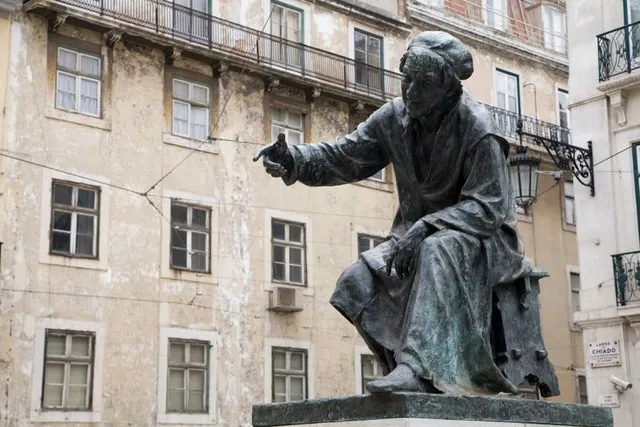
Statue of António Ribeiro
Largo do Chiado, 1200-443 Lisboa, Portugal
4.5(91)
Open until 12:00 AM
Save
spot
spot
Ratings & Description
Info
Cultural
Scenic
attractions: Praça Luís de Camões, Carmo Convent, Santa Justa Lift, Teatro Nacional de São Carlos, Church of Our Lady of the Incarnation, Church of Our Lady of the Loreto of the Italians, Museum of Illusions Lisbon, The National Museum of Contemporary Art, Chafariz do Carmo, Church of Saint Roch, restaurants: A Brasileira, McDonald's - Largo do Chiado, Manteigaria, Boa-Bao, Palácio Chiado, Honorato Chiado, Pastelaria Benard, Belcanto, Restaurante Cabaças, Taberna da Rua das Flores, local businesses: Livraria Bertrand - Chiado, Baixa-Chiado, Armazéns do Chiado, Farmácia Andrade - Chiado, Elevador da Bica, Sephora, Praça Luís de Camões, Açaí Natura - Chiado, Páginas Tantas, Nat'elier | Pastel de Nata
 Learn more insights from Wanderboat AI.
Website
informacoeseservicos.lisboa.pt
Open hoursSee all hours
SatOpen 24 hoursOpen
Plan your stay

Pet-friendly Hotels in Lisbon
Find a cozy hotel nearby and make it a full experience.

Affordable Hotels in Lisbon
Find a cozy hotel nearby and make it a full experience.

The Coolest Hotels You Haven't Heard Of (Yet)
Find a cozy hotel nearby and make it a full experience.

Trending Stays Worth the Hype in Lisbon
Find a cozy hotel nearby and make it a full experience.
Reviews
Live events
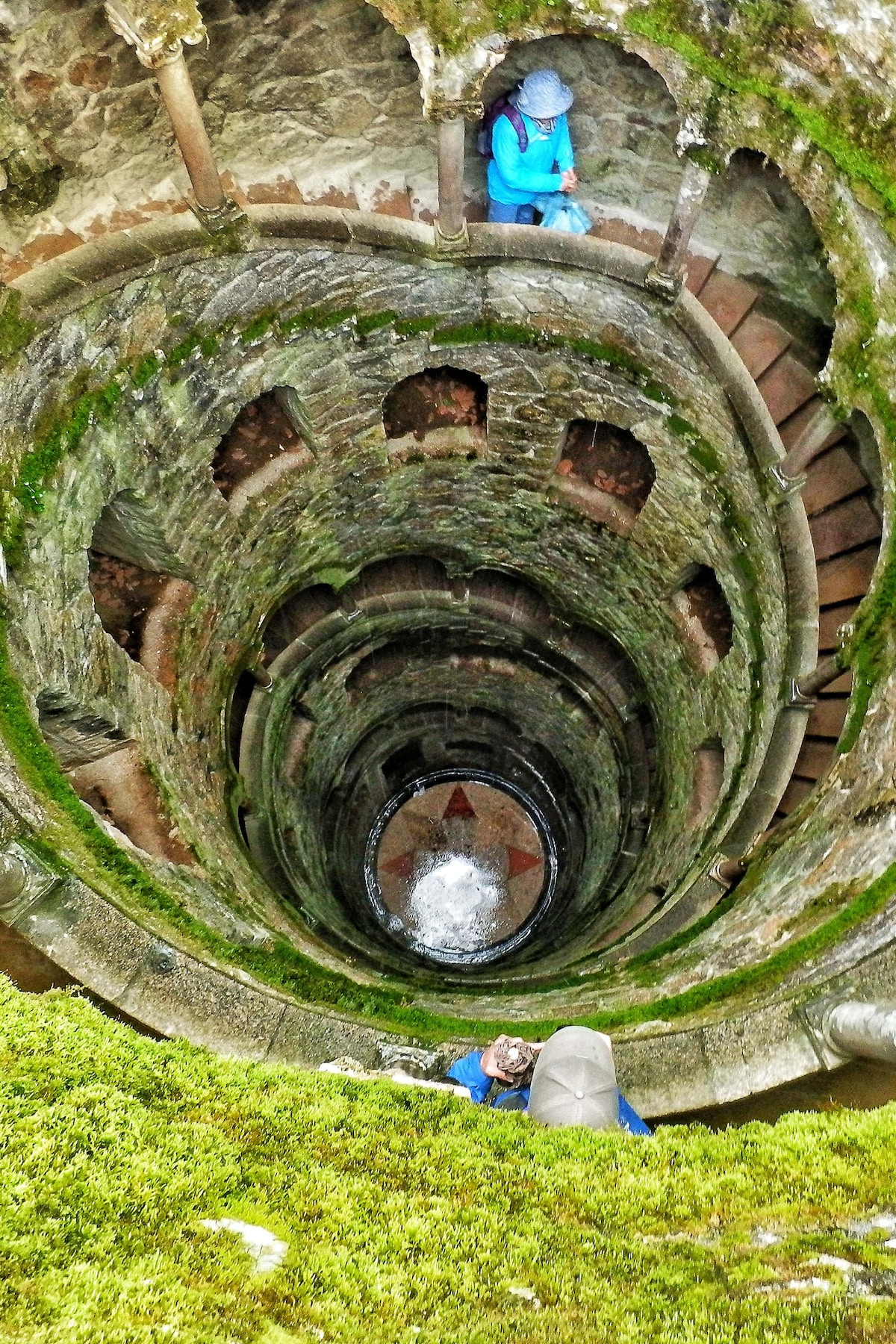
Sintra Tour from Lisbon - The True Experience
Sat, Feb 28 • 8:15 AM
1249-970, Lisbon, Portugal
View details

Splash&Spa
Mon, Mar 2 • 10:00 AM
Rua das Palmeiras, Lote 5 - Quinta da Marinha, 2750-005
View details

Bake Pastel de Nata in a real bakery in Lisbon
Sat, Feb 28 • 10:00 AM
1100-581, Lisbon, Portugal
View details
Nearby attractions of Statue of António Ribeiro
Praça Luís de Camões
Carmo Convent
Santa Justa Lift
Teatro Nacional de São Carlos
Church of Our Lady of the Incarnation
Church of Our Lady of the Loreto of the Italians
Museum of Illusions Lisbon
The National Museum of Contemporary Art
Chafariz do Carmo
Church of Saint Roch
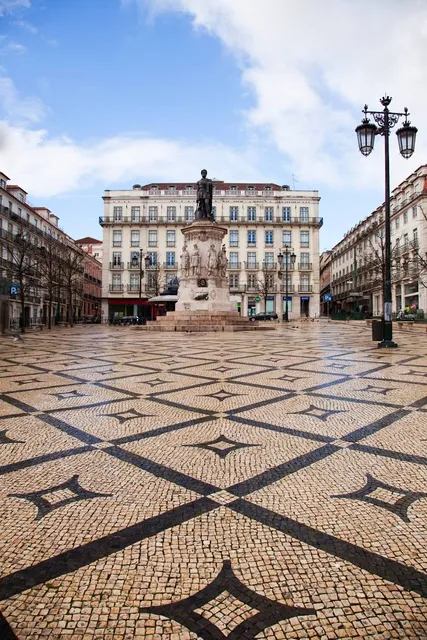
Praça Luís de Camões
4.5
(10.6K)
Open until 12:00 AM
Click for details
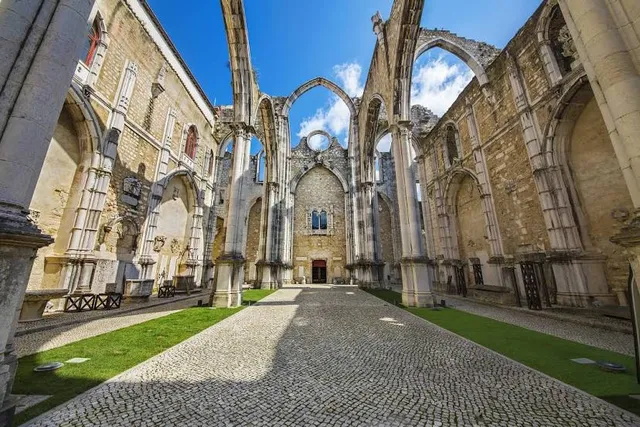
Carmo Convent
4.5
(7.8K)
Closed
Click for details
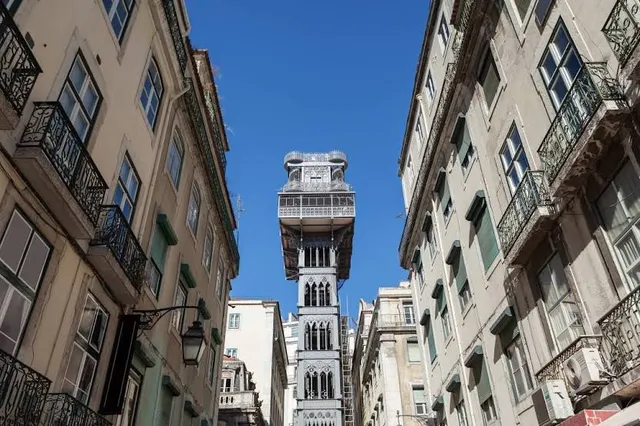
Santa Justa Lift
4.1
(20.7K)
Open until 10:45 PM
Click for details
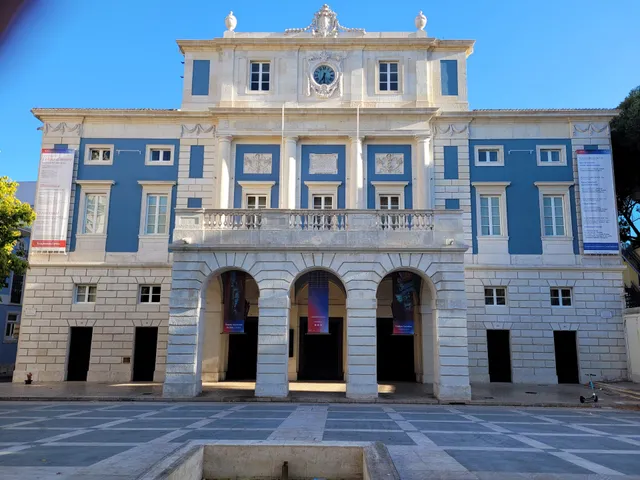
Teatro Nacional de São Carlos
4.7
(809)
Open 24 hours
Click for details
Nearby restaurants of Statue of António Ribeiro
A Brasileira
McDonald's - Largo do Chiado
Manteigaria
Boa-Bao
Palácio Chiado
Honorato Chiado
Pastelaria Benard
Belcanto
Restaurante Cabaças
Taberna da Rua das Flores
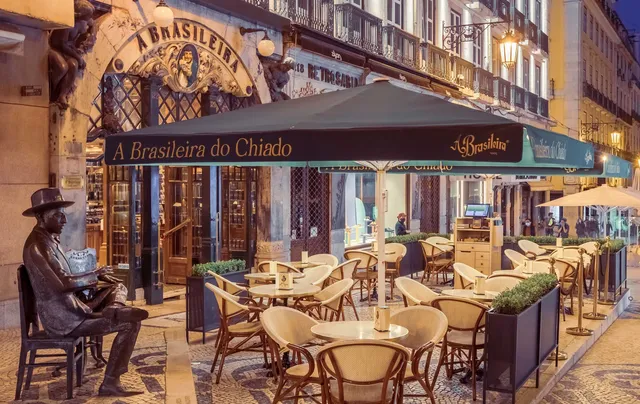
A Brasileira
4.2
(4K)
Closed
Click for details
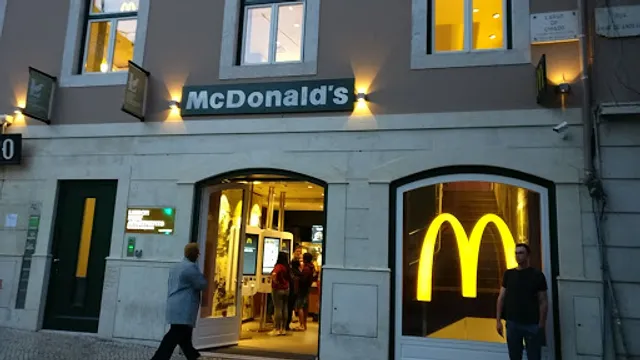
McDonald's - Largo do Chiado
3.8
(1.6K)
Closed
Click for details
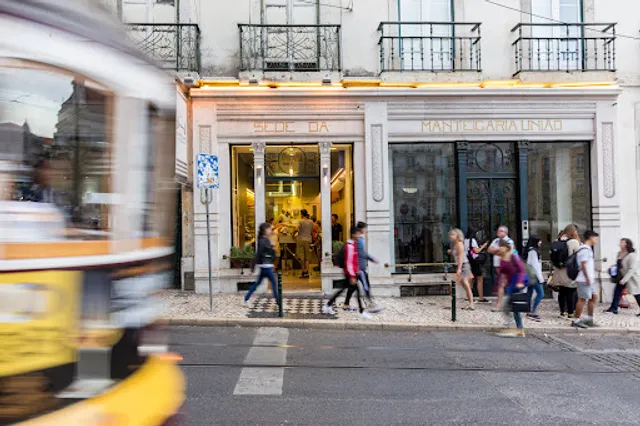
Manteigaria
4.8
(4.1K)
Closed
Click for details
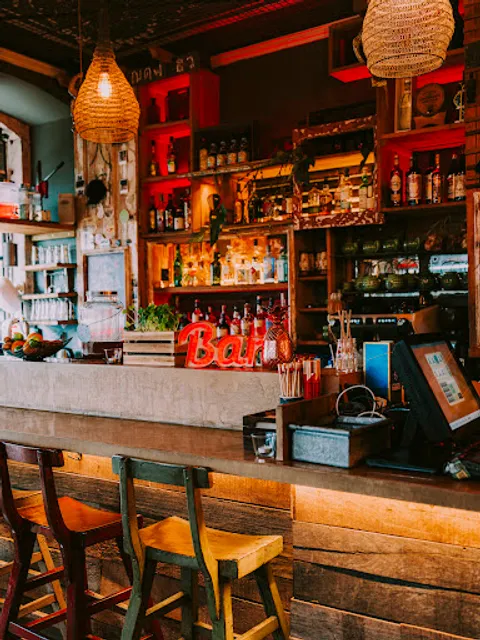
Boa-Bao
4.4
(2.6K)
$$$
Closed
Click for details
Nearby local services of Statue of António Ribeiro
Livraria Bertrand - Chiado
Baixa-Chiado
Armazéns do Chiado
Farmácia Andrade - Chiado
Elevador da Bica
Sephora
Praça Luís de Camões
Açaí Natura - Chiado
Páginas Tantas
Nat'elier | Pastel de Nata
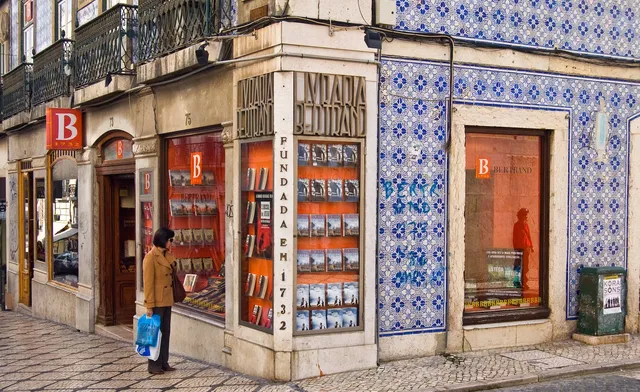
Livraria Bertrand - Chiado
4.6
(3.1K)
Click for details
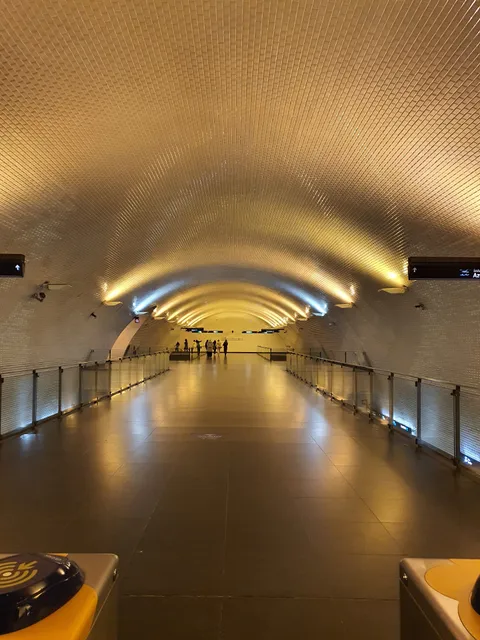
Baixa-Chiado
4.2
(456)
Click for details
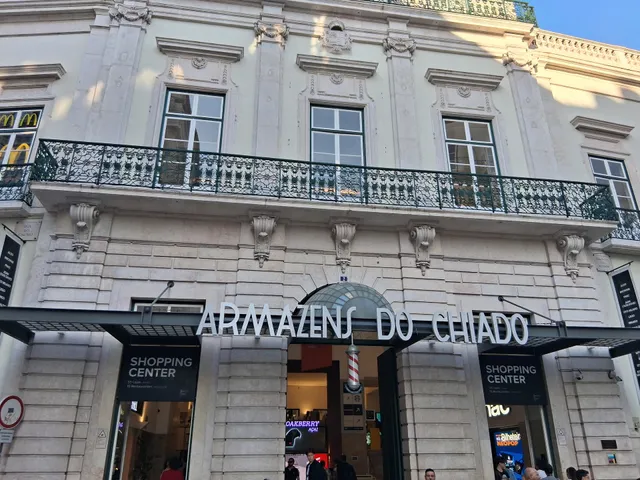
Armazéns do Chiado
4.4
(3.3K)
Click for details

Farmácia Andrade - Chiado
3.9
(97)
Click for details