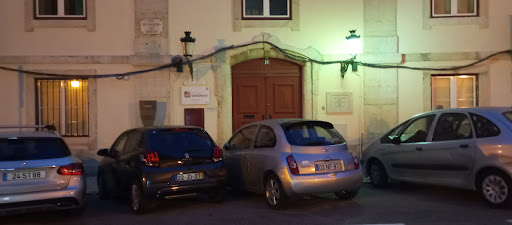
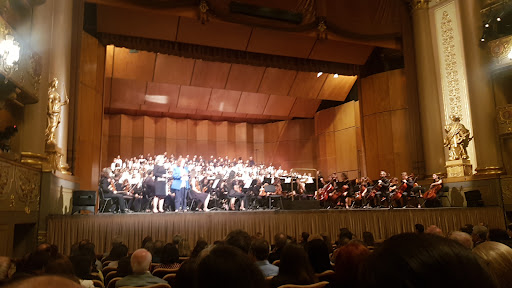
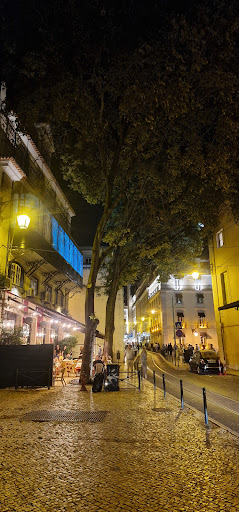
Teatro Nacional de São Carlos things to do, attractions, restaurants, events info and trip planning
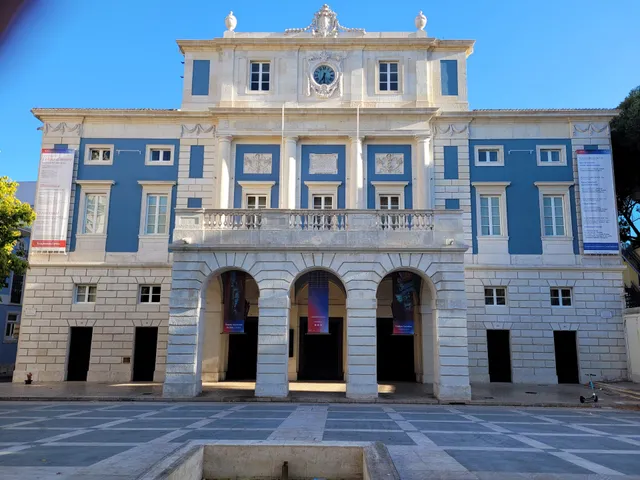
Basic Info
Teatro Nacional de São Carlos
R. Serpa Pinto 9, 1200-442 Lisboa, Portugal
4.7(801)
Open 24 hours
Save
spot
spot
Ratings & Description
Info
Cultural
Entertainment
Accessibility
Luxury
attractions: Praça Luís de Camões, Santa Justa Lift, Carmo Convent, The National Museum of Contemporary Art, Church of Our Lady of the Incarnation, Money Museum, Pink Street, Museu Nacional de Arte Contemporânea (MNAC), Museum of Illusions Lisbon, Church of Our Lady of the Loreto of the Italians, restaurants: A Brasileira, To.B - To burger or not to burger, Palácio Chiado, Belcanto, CANTINHO DO AVILLEZ, McDonald's - Largo do Chiado, Kaffeehaus, Delirium Café Lisboa, Breakfast Lovers Chiado, Fauna & Flora - Chiado, local businesses: Livraria Bertrand - Chiado, Armazéns do Chiado, Farmácia Andrade - Chiado, Sephora, Elevador da Bica, Calle Rosa de Lisboa, Sephora Portugal-perfumaria, Lda. - Escritório/Office, Açaí Natura - Chiado, Praça Luís de Camões, Nat'elier | Pastel de Nata
 Learn more insights from Wanderboat AI.
Phone
+351 21 325 3000
Website
tnsc.pt
Plan your stay

Pet-friendly Hotels in Lisbon
Find a cozy hotel nearby and make it a full experience.

Affordable Hotels in Lisbon
Find a cozy hotel nearby and make it a full experience.

The Coolest Hotels You Haven't Heard Of (Yet)
Find a cozy hotel nearby and make it a full experience.

Trending Stays Worth the Hype in Lisbon
Find a cozy hotel nearby and make it a full experience.
Reviews
Live events
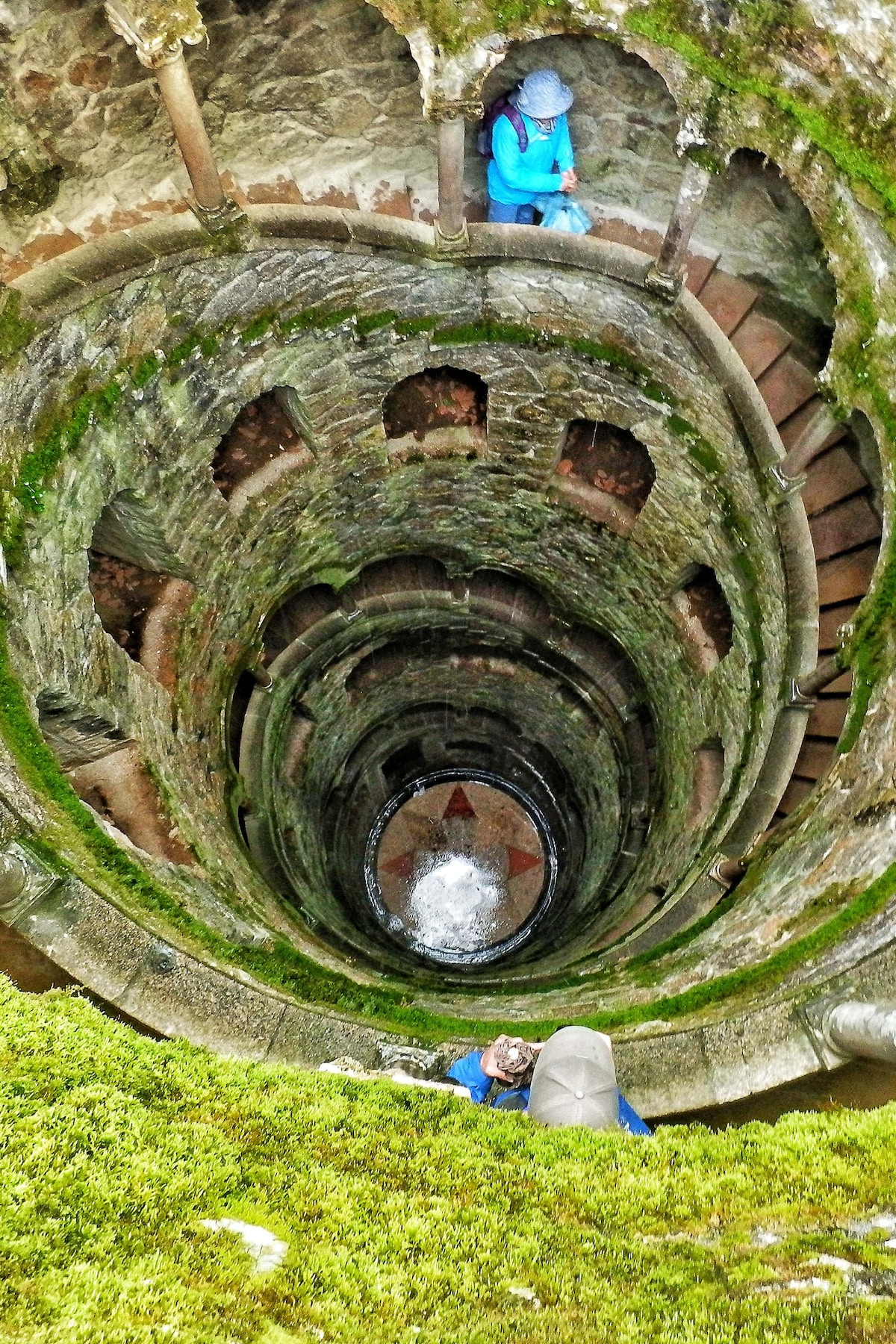
Sintra Tour from Lisbon - The True Experience
Sun, Feb 8 • 8:45 AM
1249-970, Lisbon, Portugal
View details

Bake Pastel de Nata in a real bakery in Lisbon
Sun, Feb 8 • 10:00 AM
1100-581, Lisbon, Portugal
View details
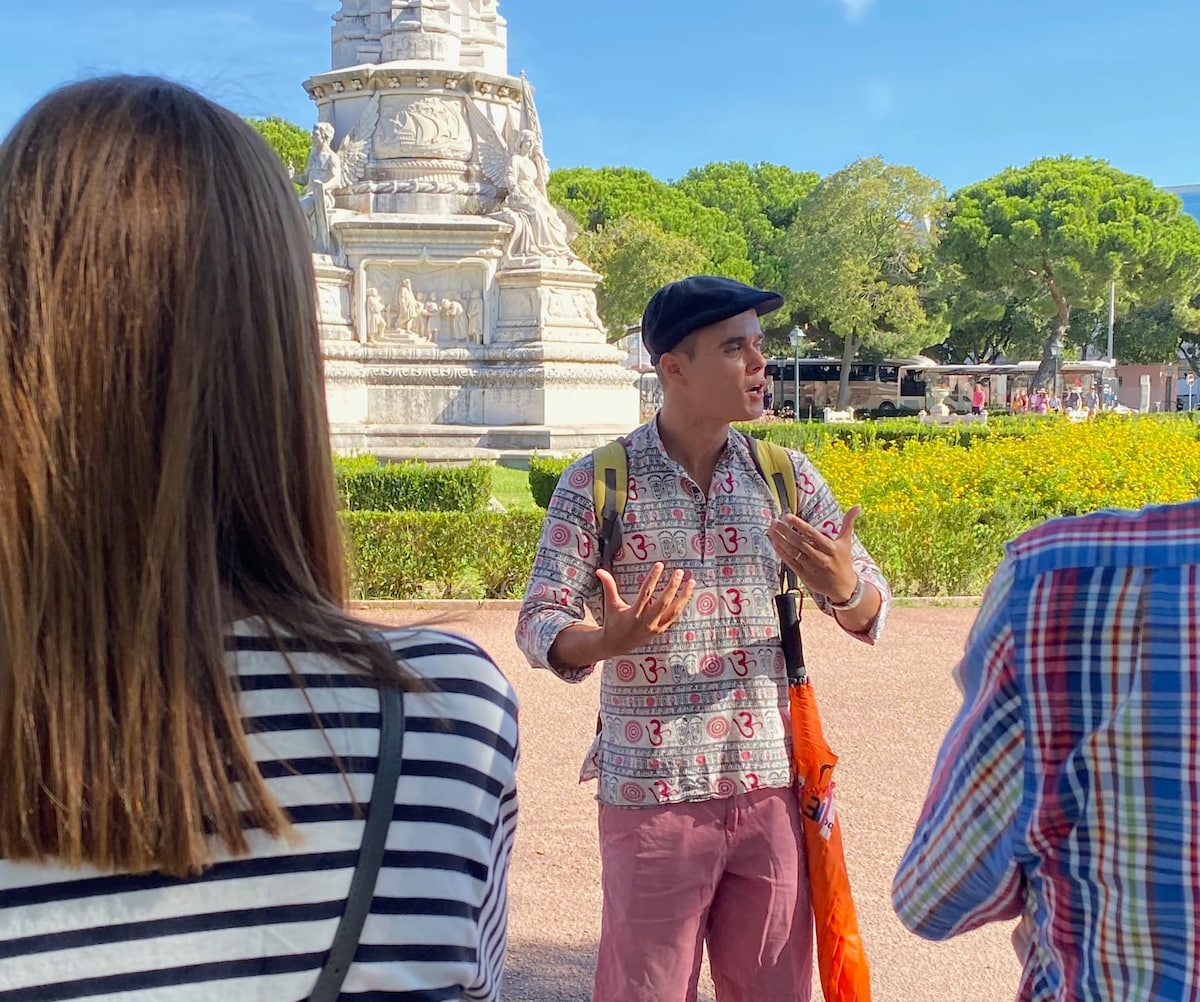
Discover Lisbons heart
Sun, Feb 8 • 10:00 AM
1100-148, Lisbon, Portugal
View details
Nearby attractions of Teatro Nacional de São Carlos
Praça Luís de Camões
Santa Justa Lift
Carmo Convent
The National Museum of Contemporary Art
Church of Our Lady of the Incarnation
Money Museum
Pink Street
Museu Nacional de Arte Contemporânea (MNAC)
Museum of Illusions Lisbon
Church of Our Lady of the Loreto of the Italians
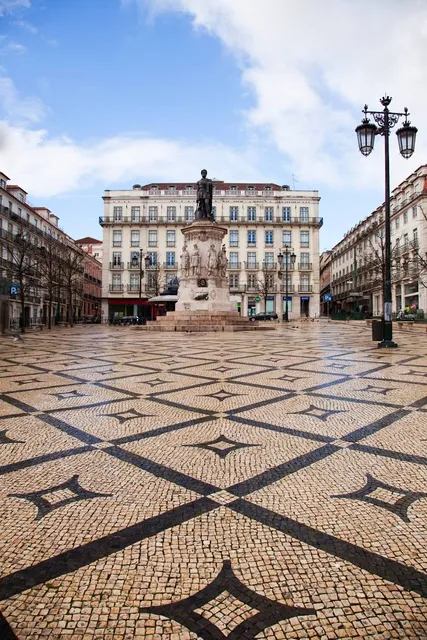
Praça Luís de Camões
4.5
(10.5K)
Open until 12:00 AM
Click for details
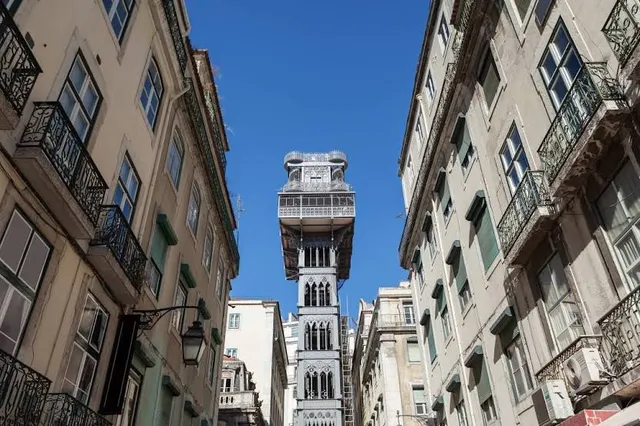
Santa Justa Lift
4.1
(20.1K)
Open until 10:45 PM
Click for details
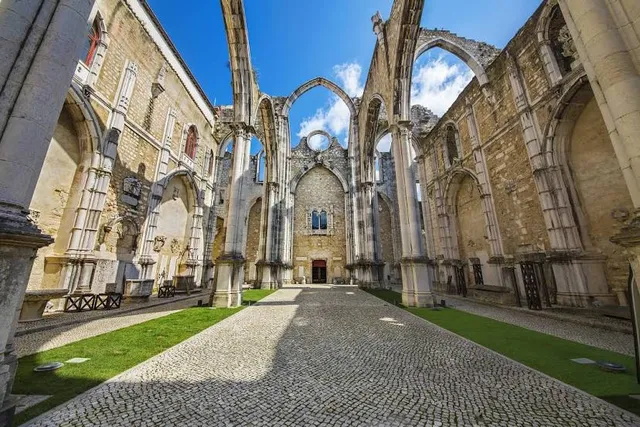
Carmo Convent
4.5
(7.7K)
Closed
Click for details
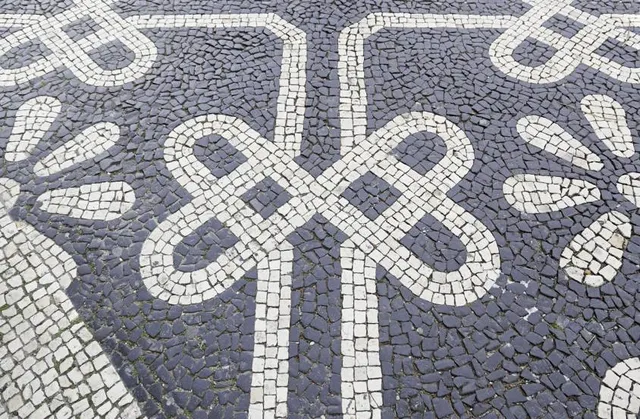
The National Museum of Contemporary Art
4.0
(934)
Closed
Click for details
Nearby restaurants of Teatro Nacional de São Carlos
A Brasileira
To.B - To burger or not to burger
Palácio Chiado
Belcanto
CANTINHO DO AVILLEZ
McDonald's - Largo do Chiado
Kaffeehaus
Delirium Café Lisboa
Breakfast Lovers Chiado
Fauna & Flora - Chiado
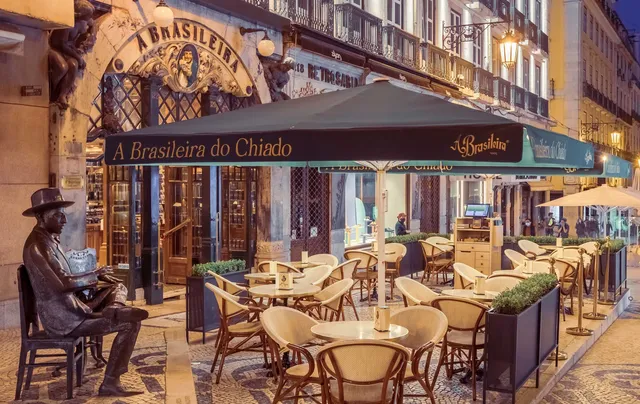
A Brasileira
4.2
(4.1K)
Open until 12:00 AM
Click for details
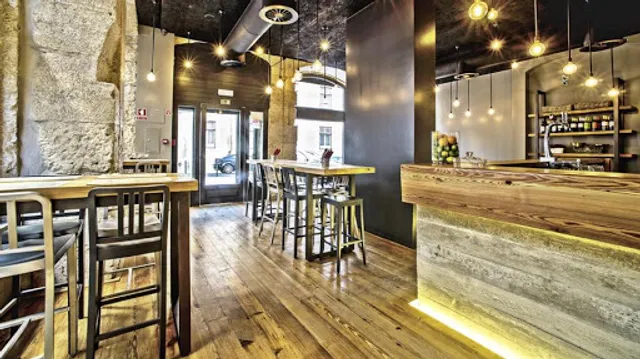
To.B - To burger or not to burger
4.4
(866)
Click for details
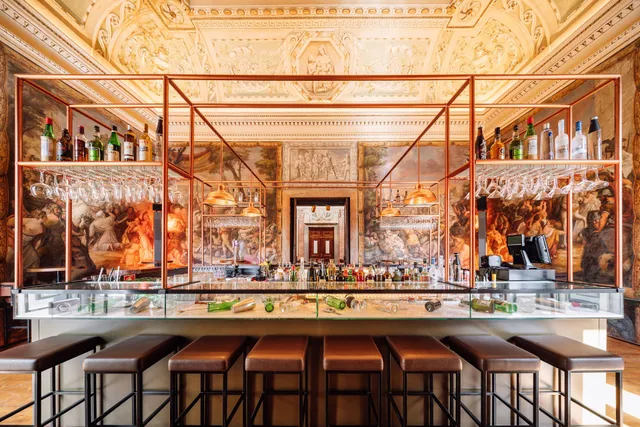
Palácio Chiado
4.4
(1.8K)
Open until 2:00 AM
Click for details
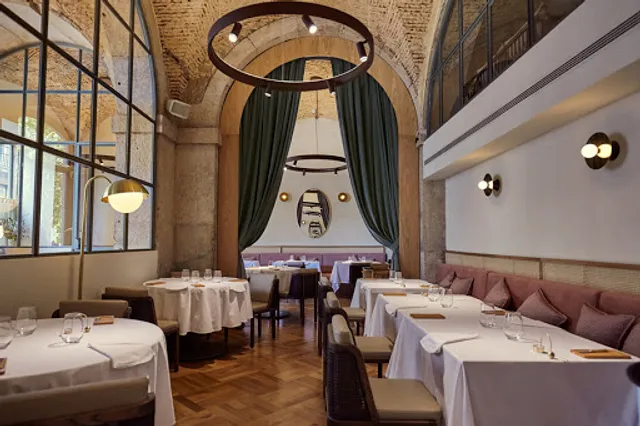
Belcanto
4.6
(798)
Open until 10:00 PM
Click for details
Nearby local services of Teatro Nacional de São Carlos
Livraria Bertrand - Chiado
Armazéns do Chiado
Farmácia Andrade - Chiado
Sephora
Elevador da Bica
Calle Rosa de Lisboa
Sephora Portugal-perfumaria, Lda. - Escritório/Office
Açaí Natura - Chiado
Praça Luís de Camões
Nat'elier | Pastel de Nata
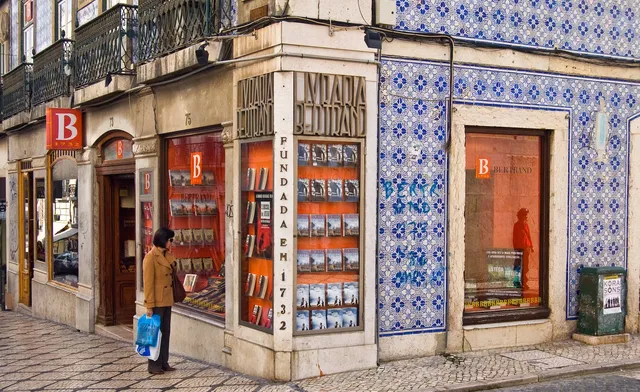
Livraria Bertrand - Chiado
4.6
(3K)
Click for details
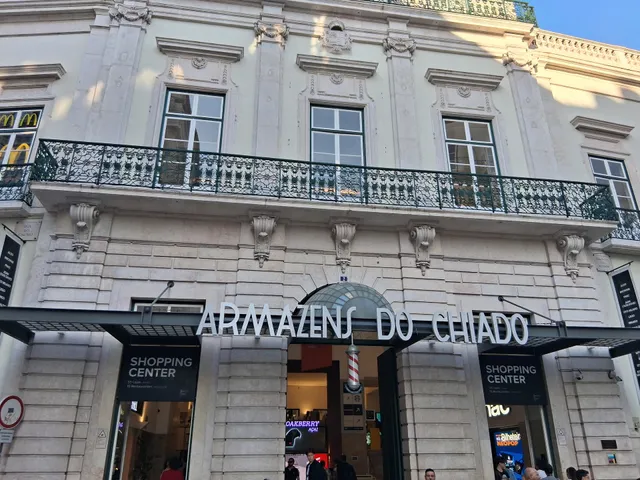
Armazéns do Chiado
4.4
(3.8K)
Click for details
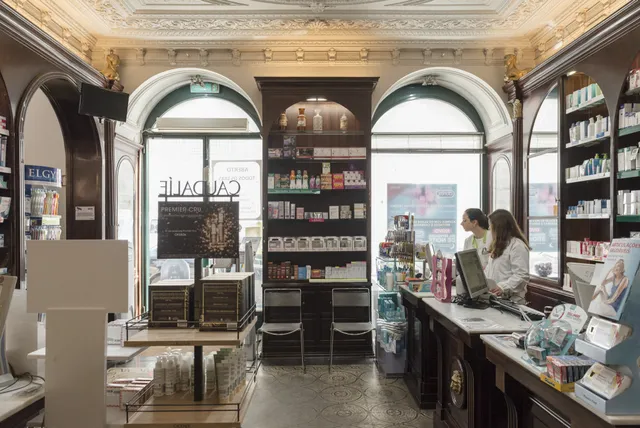
Farmácia Andrade - Chiado
3.9
(93)
Click for details

Sephora
4.3
(333)
Click for details