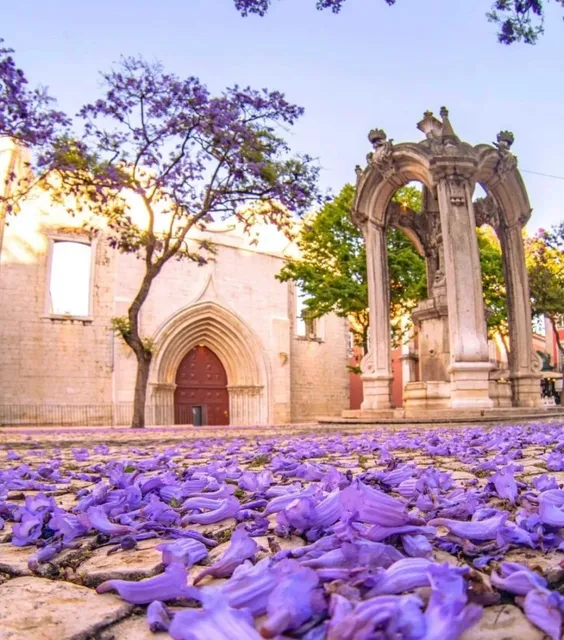
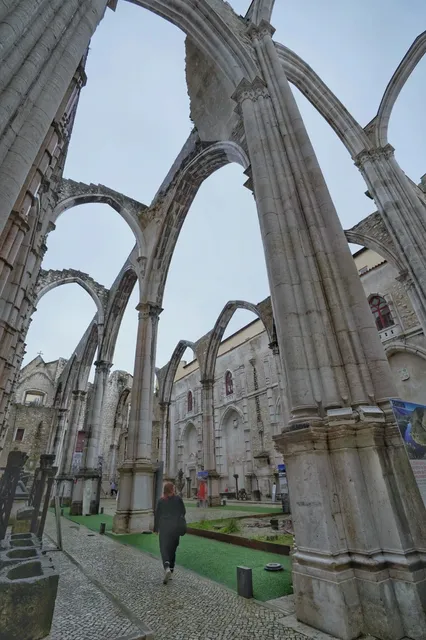
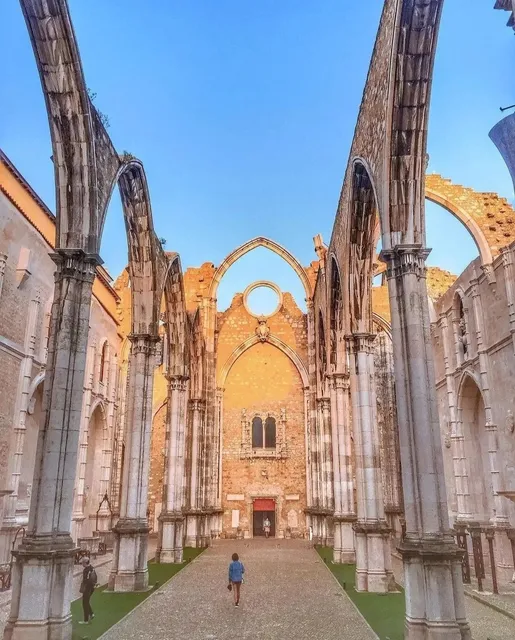
Carmo Convent things to do, attractions, restaurants, events info and trip planning
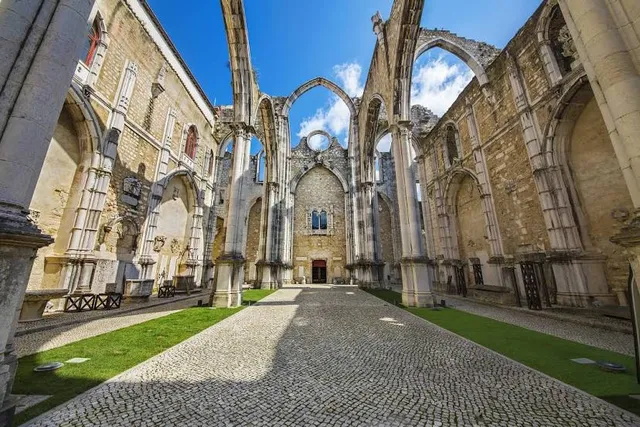
Basic Info
Carmo Convent
Largo do Carmo, 1200-092 Lisboa, Portugal
4.5(7.7K)
Open until 12:00 AM


tickets
Save
spot
spot
Ratings & Description
Info
The Convent of Our Lady of Mount Carmel is a former Catholic convent located in the civil parish of Santa Maria Maior, municipality of Lisbon, Portugal.
Cultural
Accessibility
attractions: Santa Justa Lift, Chafariz do Carmo, Praça Dom Pedro IV, Praça Luís de Camões, GNR - Museu da Guarda Nacional Republicana, Lisbon Under Stars, Church of Saint Roch, Lisbon in Fado, Museum of Illusions Lisbon, Church of Saint Dominic, restaurants: Uma Marisqueira, Boa-Bao, Duque, Sacramento do Chiado, Jardim das Cerejas, Fiorella - Italian Restaurant, Pateo - Bairro do Avillez, Carmo, Taverna Alfacinha, Grelha do Carmo, local businesses: Armazéns do Chiado, Livraria Bertrand - Chiado, Nat'elier | Pastel de Nata, Sephora, The Fantastic World Of Portuguese Sardines, Chiado, Lisboa Rossio, Younik - Dare to be You, Barbearia O Corvo - The Crow Barbershop, R. Augusta
 Learn more insights from Wanderboat AI.
Phone
+351 21 346 0473
Website
museuarqueologicodocarmo.pt
Open hoursSee all hours
SunClosedOpen
Plan your stay

Pet-friendly Hotels in Lisbon
Find a cozy hotel nearby and make it a full experience.

Affordable Hotels in Lisbon
Find a cozy hotel nearby and make it a full experience.

The Coolest Hotels You Haven't Heard Of (Yet)
Find a cozy hotel nearby and make it a full experience.

Trending Stays Worth the Hype in Lisbon
Find a cozy hotel nearby and make it a full experience.
Reviews
Live events

Splash&Spa
Mon, Feb 23 • 10:00 AM
Rua das Palmeiras, Lote 5 - Quinta da Marinha, 2750-005
View details

Oasis Termal no Hyatt Regency Lisboa
Mon, Feb 23 • 10:00 AM
Rua da Junqueira 65, Lisboa, 1300-343
View details
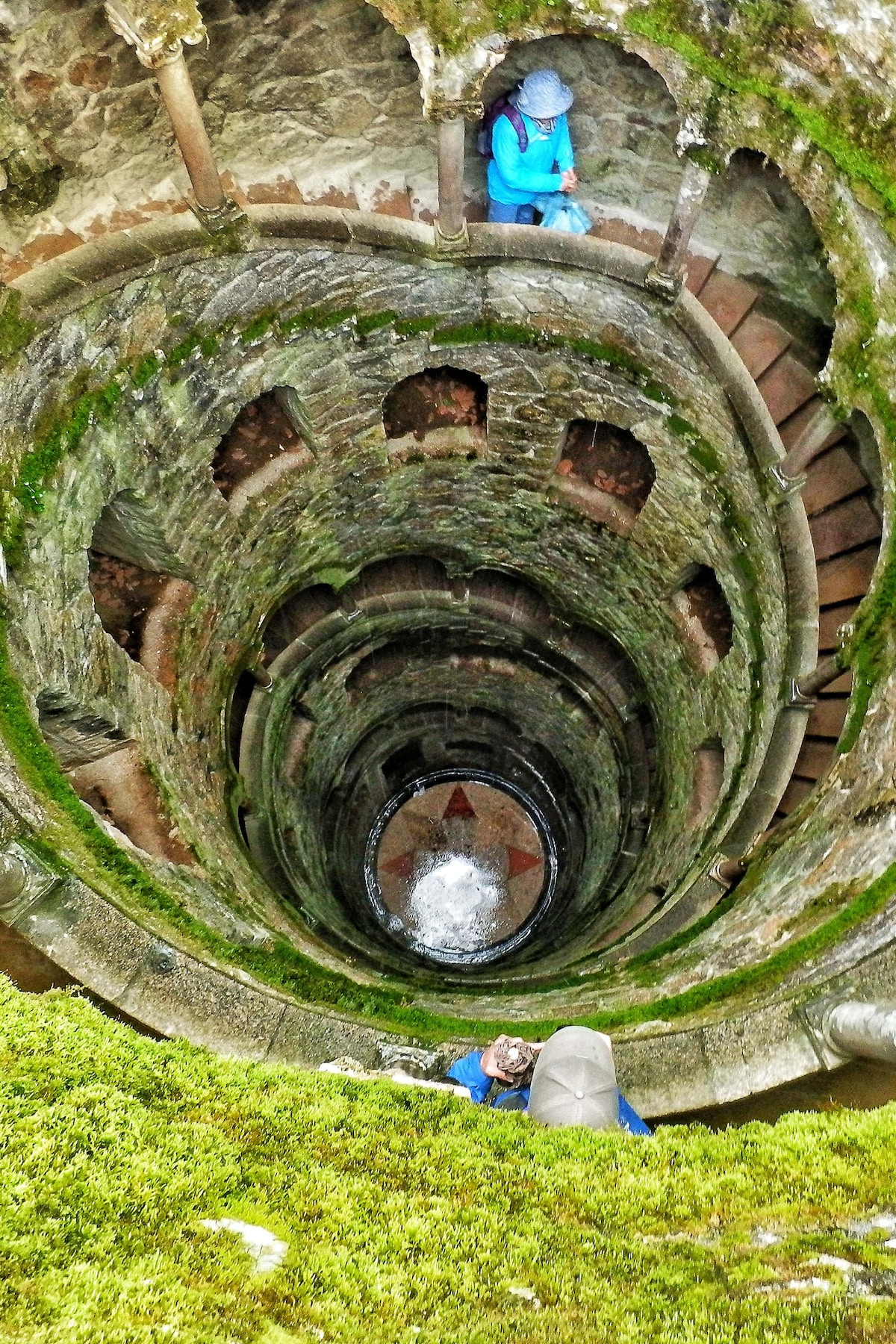
Sintra Tour from Lisbon - The True Experience
Sun, Feb 22 • 8:45 AM
1249-970, Lisbon, Portugal
View details
Nearby attractions of Carmo Convent
Santa Justa Lift
Chafariz do Carmo
Praça Dom Pedro IV
Praça Luís de Camões
GNR - Museu da Guarda Nacional Republicana
Lisbon Under Stars
Church of Saint Roch
Lisbon in Fado
Museum of Illusions Lisbon
Church of Saint Dominic
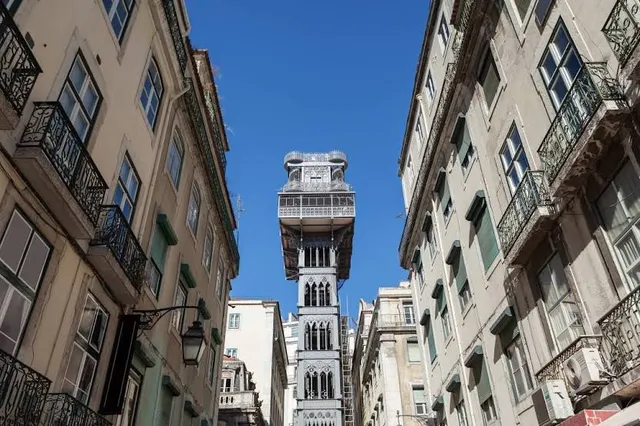
Santa Justa Lift
4.1
(20.1K)
Closed
Click for details
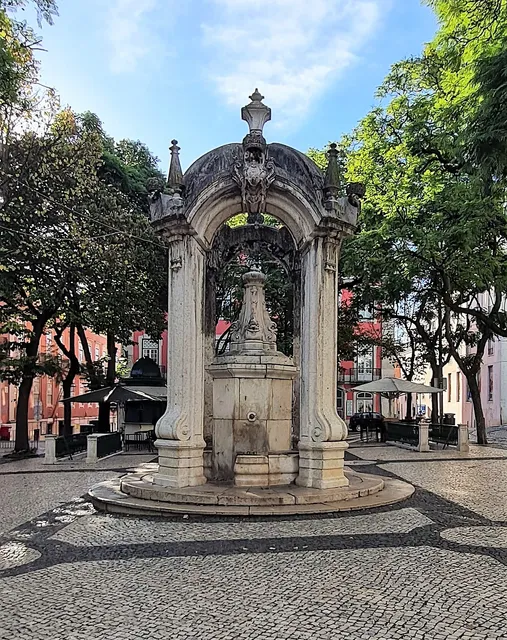
Chafariz do Carmo
4.5
(341)
Open 24 hours
Click for details
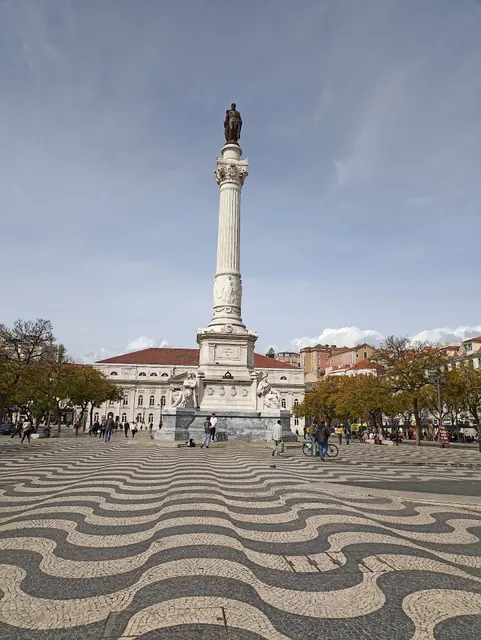
Praça Dom Pedro IV
4.6
(6.1K)
Open until 12:00 AM
Click for details
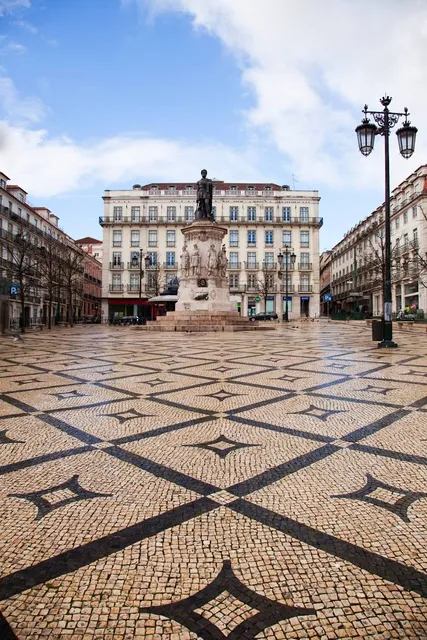
Praça Luís de Camões
4.5
(10.5K)
Open until 12:00 AM
Click for details
Nearby restaurants of Carmo Convent
Uma Marisqueira
Boa-Bao
Duque
Sacramento do Chiado
Jardim das Cerejas
Fiorella - Italian Restaurant
Pateo - Bairro do Avillez
Carmo
Taverna Alfacinha
Grelha do Carmo
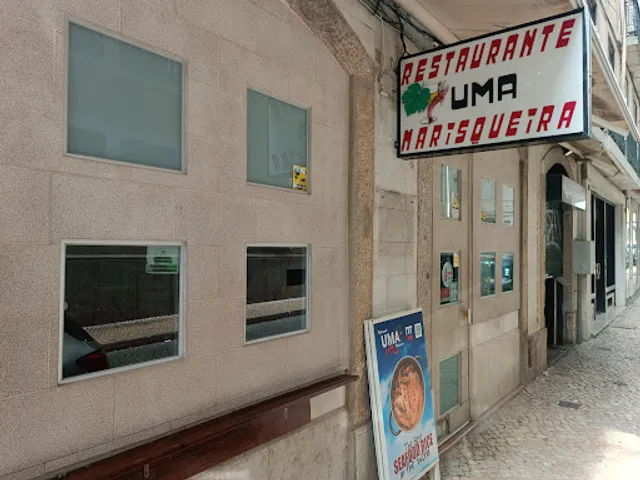
Uma Marisqueira
4.5
(7.7K)
Closed
Click for details
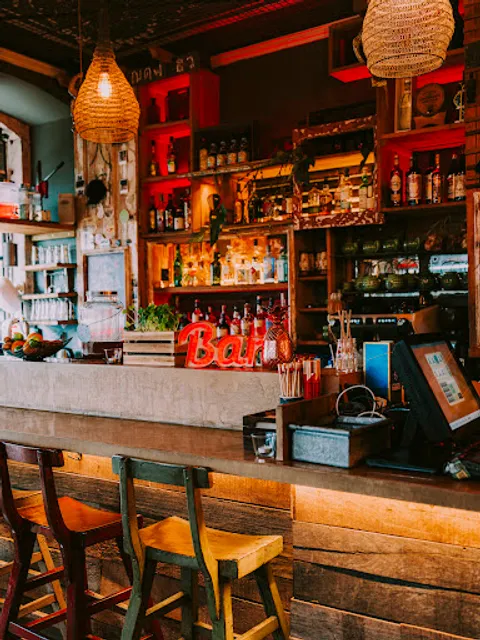
Boa-Bao
4.4
(2.6K)
$$$
Closed
Click for details
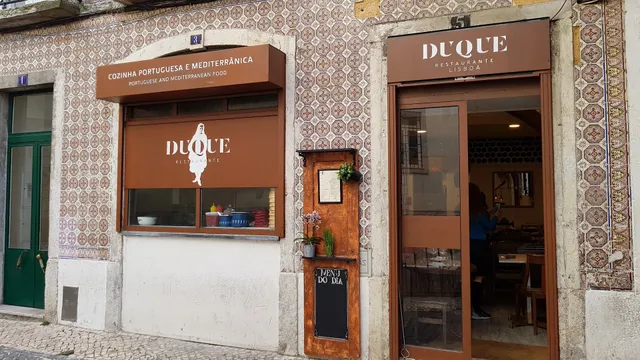
Duque
4.5
(1.4K)
$$
Closed
Click for details
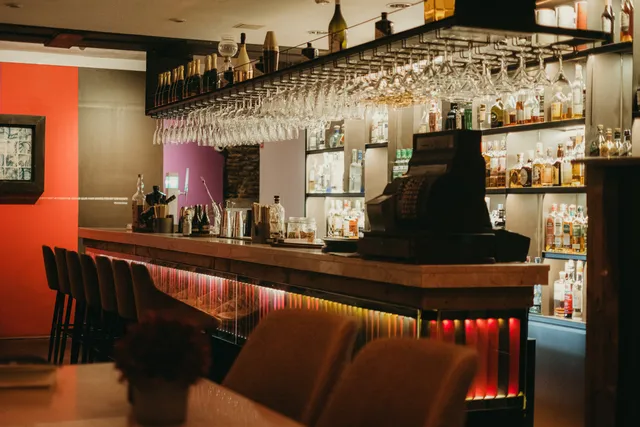
Sacramento do Chiado
4.4
(1.1K)
$$
Closed
Click for details
Nearby local services of Carmo Convent
Armazéns do Chiado
Livraria Bertrand - Chiado
Nat'elier | Pastel de Nata
Sephora
The Fantastic World Of Portuguese Sardines
Chiado
Lisboa Rossio
Younik - Dare to be You
Barbearia O Corvo - The Crow Barbershop
R. Augusta
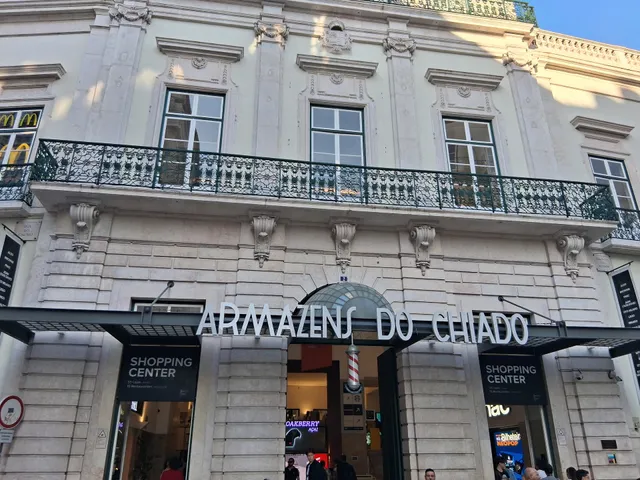
Armazéns do Chiado
4.4
(3.8K)
Click for details
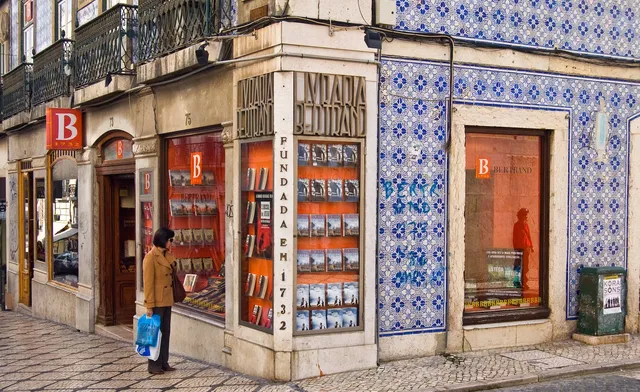
Livraria Bertrand - Chiado
4.6
(3K)
Click for details
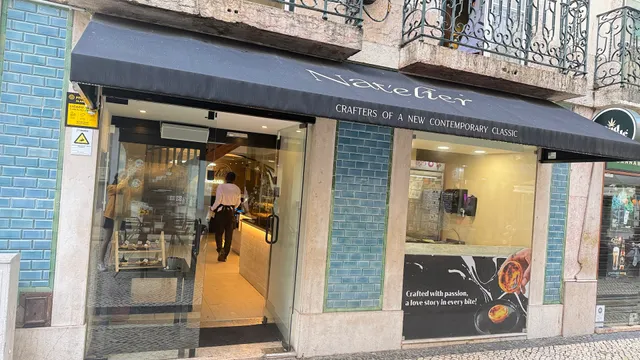
Nat'elier | Pastel de Nata
4.9
(1.1K)
Click for details

Sephora
4.3
(333)
Click for details