National Coach Museum things to do, attractions, restaurants, events info and trip planning
Basic Info
National Coach Museum
Av. da Índia 136, 1300-300 Lisboa, Portugal
4.6(4.2K)
Open until 12:00 AM
tickets
Save
spot
spot
Ratings & Description
Info
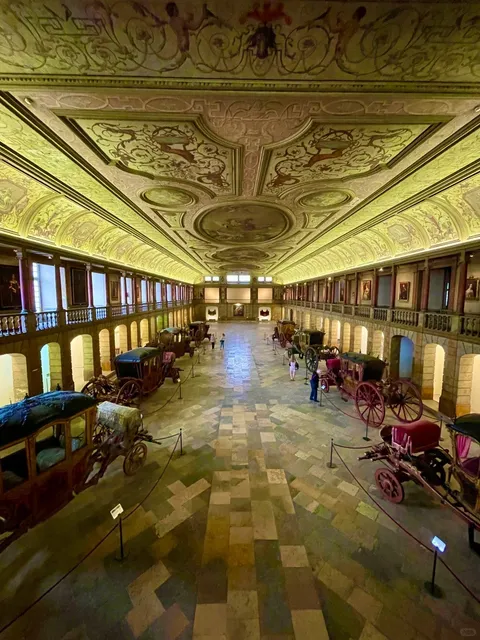
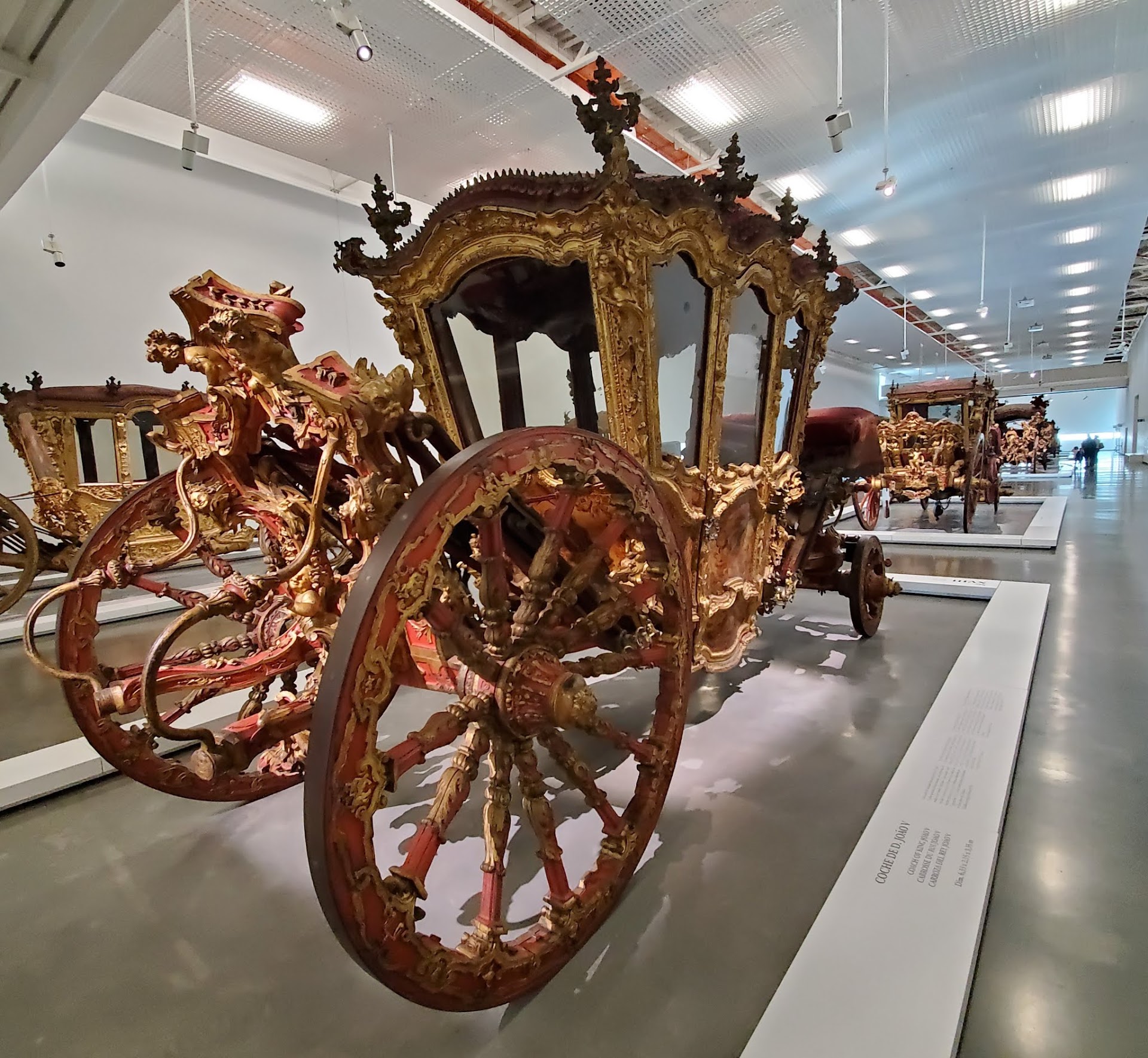
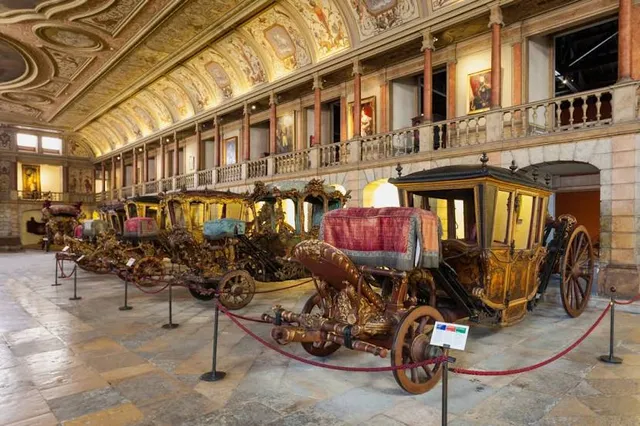
The National Coach Museum is located on the Afonso de Albuquerque Square in the Belém district of Lisbon in Portugal. The museum has one of the finest collections of historical carriages in the world and is one of the most visited museums of the city.
Cultural
Accessibility
attractions: Quake - Lisbon Earthquake Museum, National Coach Museum - Old Royal Riding School, Tejo Power Station, Garden of Afonso de Albuquerque, MAAT, Palácio Nacional de Belém, Adega Belém Urban Winery, Garden Vasco da Gama, Museu da Presidência da República, Tropical Botanical Garden, restaurants: Restaurante Rui dos Pregos, Tasty Kebab and PizZa, Restaurante O Frade, Samurai Belém, Restaurante Frazao, Versailles, Corações Com Coroa, Telepizza Belém, Augusto Lisboa - Belém, Belém Palácio, local businesses: Museu dos coches, LU.CA - Teatro Luís de Camões, Estacionamento da Cordoaria, Mundo Fantástico da Sardinha Portuguesa - Belém, Church of Santa Maria de Belem, Túmulos de Luís de Camões e Vasco da Gama, Barbeiros do Bairro
 Learn more insights from Wanderboat AI.
Phone
+351 21 049 2400
Website
museudoscoches.gov.pt
Open hoursSee all hours
Tue10 AM - 6 PMOpen
Plan your stay

Pet-friendly Hotels in Lisbon
Find a cozy hotel nearby and make it a full experience.

Affordable Hotels in Lisbon
Find a cozy hotel nearby and make it a full experience.

The Coolest Hotels You Haven't Heard Of (Yet)
Find a cozy hotel nearby and make it a full experience.

Trending Stays Worth the Hype in Lisbon
Find a cozy hotel nearby and make it a full experience.
Reviews
Live events

Splash&Spa
Wed, Feb 25 • 10:00 AM
Rua das Palmeiras, Lote 5 - Quinta da Marinha, 2750-005
View details

Horizonte de Quéops: Viagem ao Antigo Egito
Thu, Feb 26 • 12:00 PM
Terreiro do Paço, Lisboa, 1100-278
View details

Menu de almoço com estrela Michelin no Eleven
Wed, Feb 25 • 12:30 PM
Rua Marquês da Fronteira Jardim Amália Rodrigues, 1070-051
View details
Nearby attractions of National Coach Museum
Quake - Lisbon Earthquake Museum
National Coach Museum - Old Royal Riding School
Tejo Power Station
Garden of Afonso de Albuquerque
MAAT
Palácio Nacional de Belém
Adega Belém Urban Winery
Garden Vasco da Gama
Museu da Presidência da República
Tropical Botanical Garden
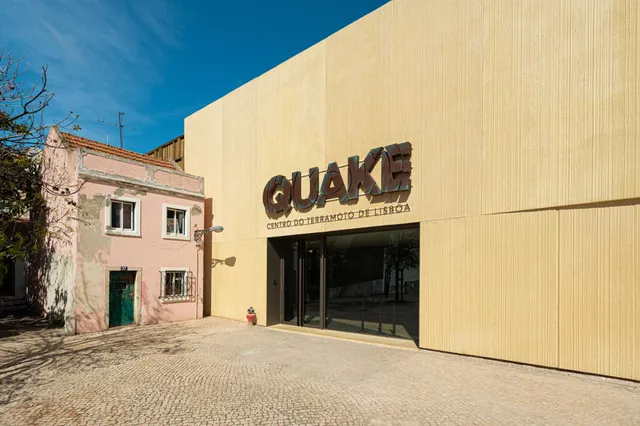
Quake - Lisbon Earthquake Museum
4.7
(3.3K)
Open until 6:00 PM
Click for details
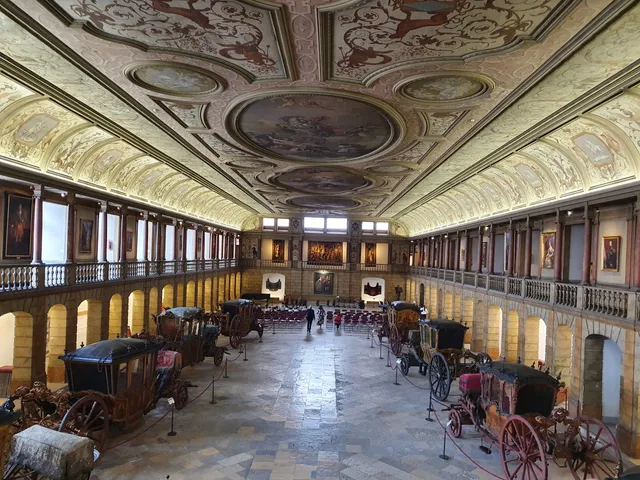
National Coach Museum - Old Royal Riding School
4.5
(331)
Open until 12:00 AM
Click for details
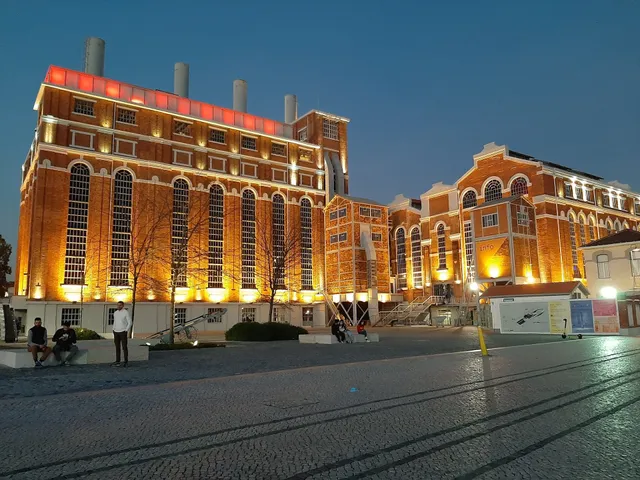
Tejo Power Station
4.6
(1.4K)
Open until 12:00 AM
Click for details
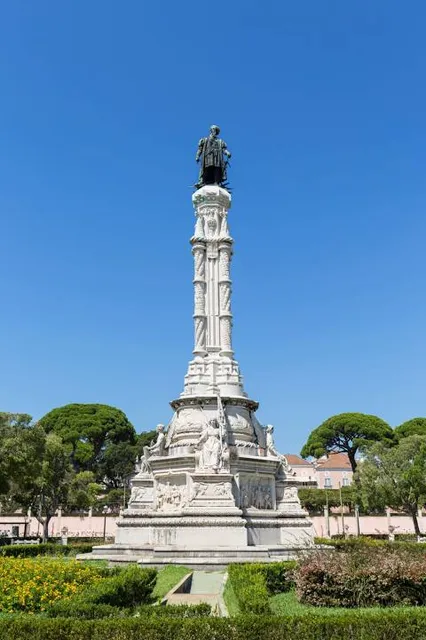
Garden of Afonso de Albuquerque
4.5
(1.5K)
Open until 12:00 AM
Click for details
Nearby restaurants of National Coach Museum
Restaurante Rui dos Pregos
Tasty Kebab and PizZa
Restaurante O Frade
Samurai Belém
Restaurante Frazao
Versailles
Corações Com Coroa
Telepizza Belém
Augusto Lisboa - Belém
Belém Palácio

Restaurante Rui dos Pregos
4.0
(1.2K)
Open until 12:00 AM
Click for details

Tasty Kebab and PizZa
4.7
(682)
Open until 2:00 AM
Click for details
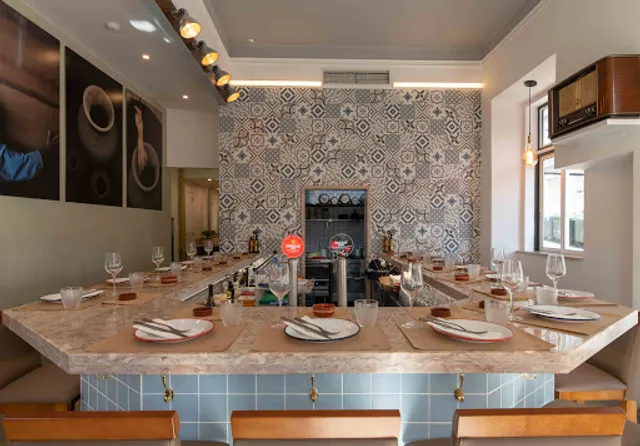
Restaurante O Frade
4.6
(1.1K)
$$
Closed
Click for details

Samurai Belém
4.2
(348)
Closed
Click for details
Nearby local services of National Coach Museum
Museu dos coches
LU.CA - Teatro Luís de Camões
Estacionamento da Cordoaria
Mundo Fantástico da Sardinha Portuguesa - Belém
Church of Santa Maria de Belem
Túmulos de Luís de Camões e Vasco da Gama
Barbeiros do Bairro
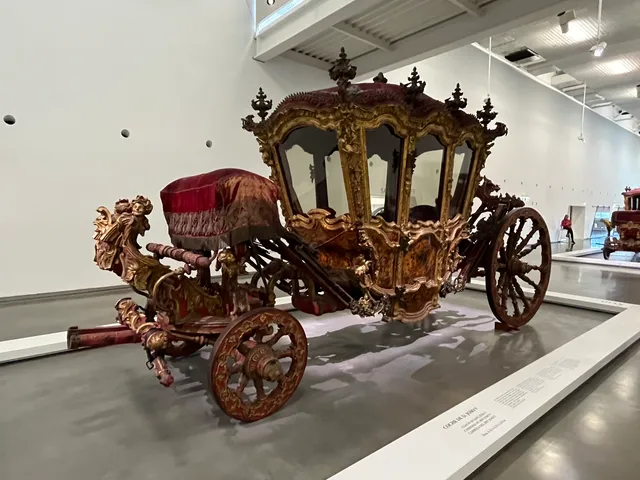
Museu dos coches
4.7
(12)
Click for details
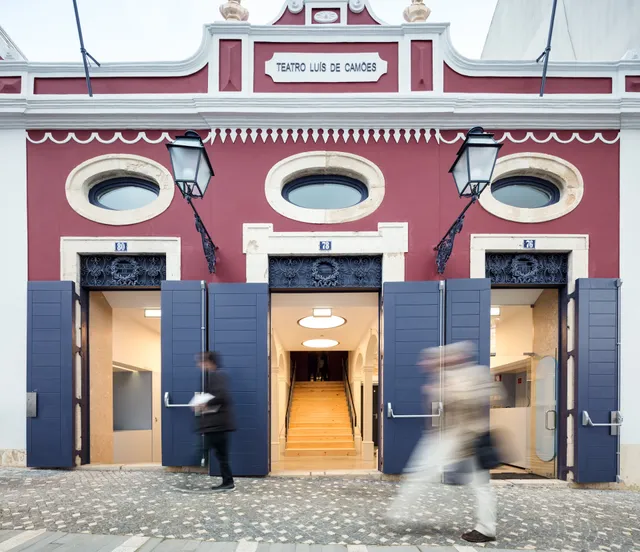
LU.CA - Teatro Luís de Camões
4.6
(212)
Click for details
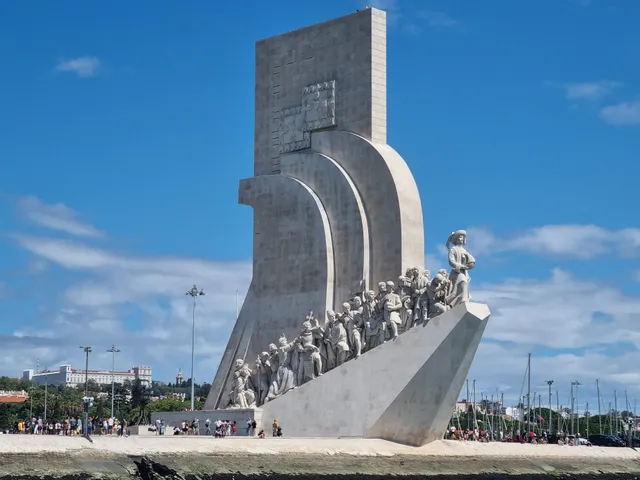
Estacionamento da Cordoaria
4.2
(37)
Click for details
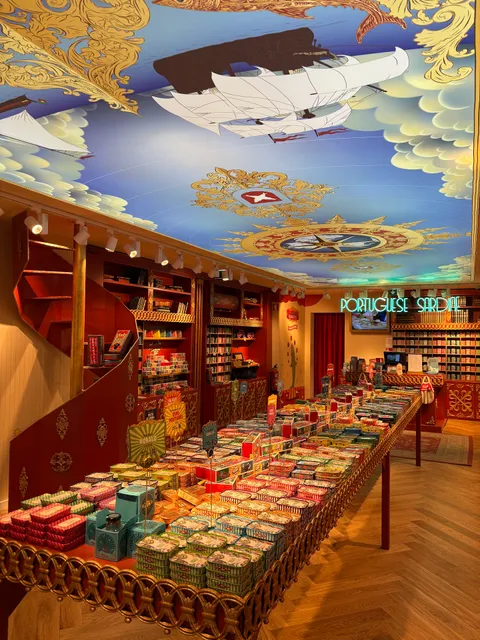
Mundo Fantástico da Sardinha Portuguesa - Belém
5.0
(15)
Click for details