The National Museum of Contemporary Art things to do, attractions, restaurants, events info and trip planning
Basic Info
The National Museum of Contemporary Art
R. Serpa Pinto 4, 1200-444 Lisboa, Portugal
4.0(874)
Closed
tickets
Save
spot
spot
Ratings & Description
Info
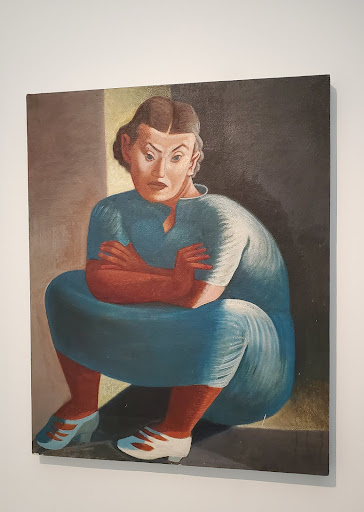
The National Museum of Contemporary Art is an art museum located in the Chiado neighbourhood of Lisbon, Portugal. It was created in 1911 and re-inaugurated, in new installations, in 1994.
Cultural
Entertainment
Family friendly
Accessibility
attractions: Praça do Comércio, Teatro Nacional de São Carlos, Praça Luís de Camões, Pink Street, Arco da Rua Augusta, Santa Justa Lift, Carmo Convent, Museu Nacional de Arte Contemporânea (MNAC), Museum of Illusions Lisbon, Lisbon in Fado, restaurants: Breakfast Lovers Chiado, Clube do Bacalhau, CANTINHO DO AVILLEZ, Dear Breakfast - Chiado, O Português Chiado, Cantina das Freiras, Grau Douro Tapas & Wine Bar (Portuguese Tapas and Wine), Loja das Conservas Petiscos, Kong - Food Made With Compassion, Trobadores - Taberna Medieval, local businesses: Livraria Bertrand - Chiado, Armazéns do Chiado, Rei do Bacalhau, Calle Rosa de Lisboa, Lisbon City Hall, Baixa-Chiado, Gale patio, R. Nova do Carvalho, Sephora, Court of Appeal of Lisbon
 Learn more insights from Wanderboat AI.
Phone
+351 21 343 2148
Website
museuartecontemporanea.gov.pt
Open hoursSee all hours
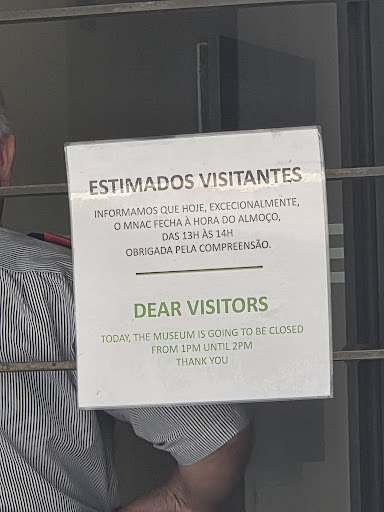
Tue10 AM - 6 PMClosed
Plan your stay

Pet-friendly Hotels in Lisbon
Find a cozy hotel nearby and make it a full experience.

Affordable Hotels in Lisbon
Find a cozy hotel nearby and make it a full experience.

The Coolest Hotels You Haven't Heard Of (Yet)
Find a cozy hotel nearby and make it a full experience.

Trending Stays Worth the Hype in Lisbon
Find a cozy hotel nearby and make it a full experience.
Reviews
Live events

Splash&Spa
Wed, Feb 25 • 10:00 AM
Rua das Palmeiras, Lote 5 - Quinta da Marinha, 2750-005
View details

Horizonte de Quéops: Viagem ao Antigo Egito
Thu, Feb 26 • 12:00 PM
Terreiro do Paço, Lisboa, 1100-278
View details
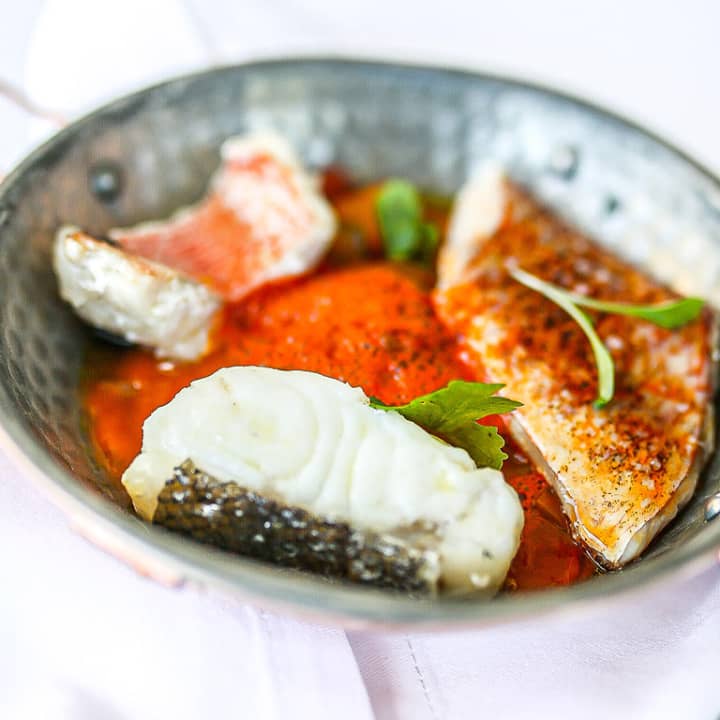
Menu de almoço com estrela Michelin no Eleven
Wed, Feb 25 • 12:30 PM
Rua Marquês da Fronteira Jardim Amália Rodrigues, 1070-051
View details
Nearby attractions of The National Museum of Contemporary Art
Praça do Comércio
Teatro Nacional de São Carlos
Praça Luís de Camões
Pink Street
Arco da Rua Augusta
Santa Justa Lift
Carmo Convent
Museu Nacional de Arte Contemporânea (MNAC)
Museum of Illusions Lisbon
Lisbon in Fado
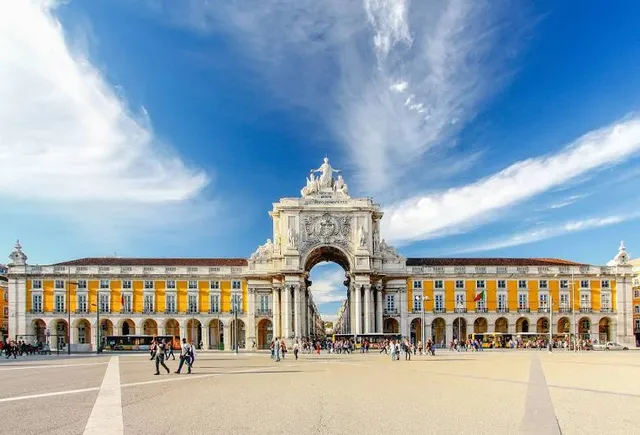
Praça do Comércio
4.7
(40.9K)
Open until 12:00 AM
Click for details
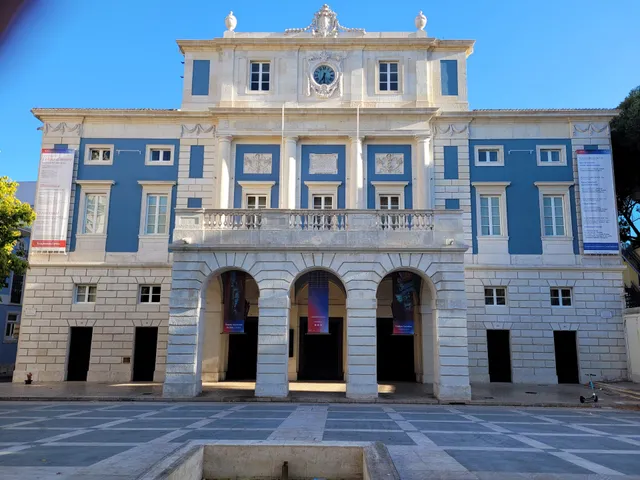
Teatro Nacional de São Carlos
4.7
(797)
Open 24 hours
Click for details
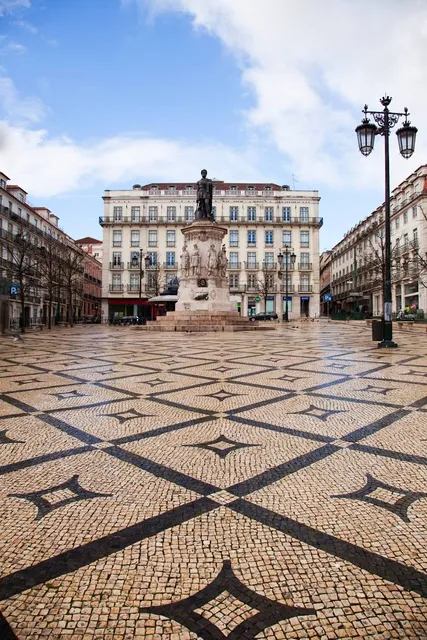
Praça Luís de Camões
4.5
(10.6K)
Open until 12:00 AM
Click for details
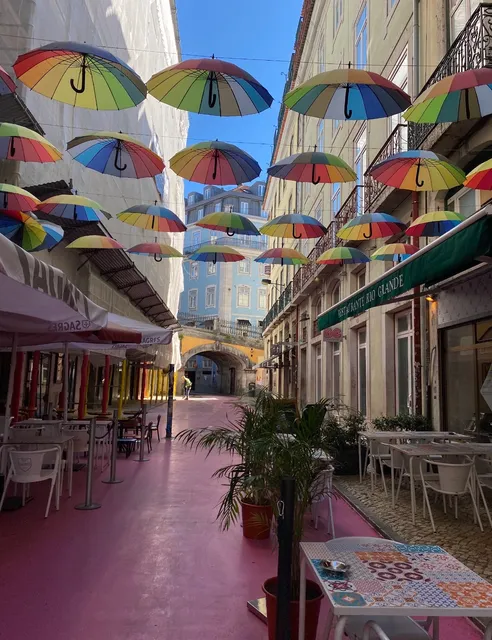
Pink Street
3.8
(3.9K)
Open until 12:00 AM
Click for details
Nearby restaurants of The National Museum of Contemporary Art
Breakfast Lovers Chiado
Clube do Bacalhau
CANTINHO DO AVILLEZ
Dear Breakfast - Chiado
O Português Chiado
Cantina das Freiras
Grau Douro Tapas & Wine Bar (Portuguese Tapas and Wine)
Loja das Conservas Petiscos
Kong - Food Made With Compassion
Trobadores - Taberna Medieval
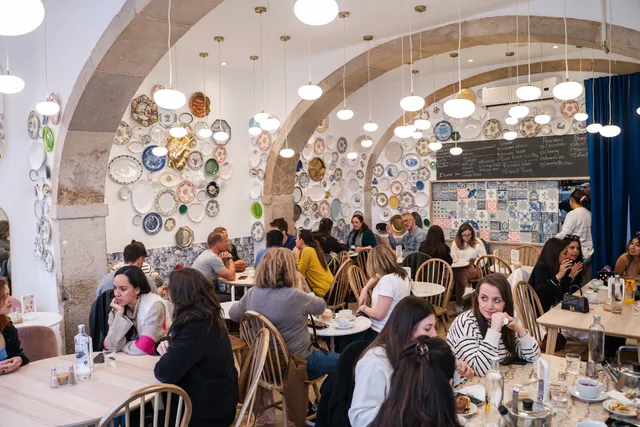
Breakfast Lovers Chiado
4.9
(1.4K)
Closed
Click for details
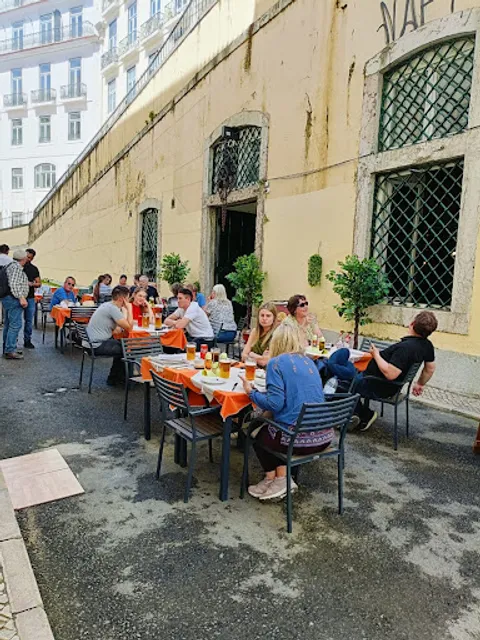
Clube do Bacalhau
4.7
(1.5K)
$$
Closed
Click for details
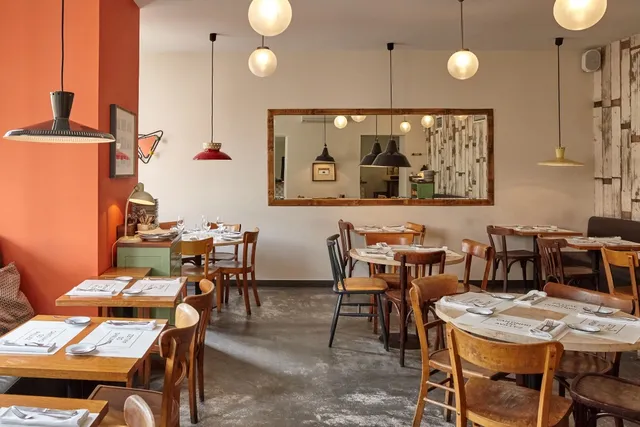
CANTINHO DO AVILLEZ
4.3
(1.2K)
$$$
Closed
Click for details
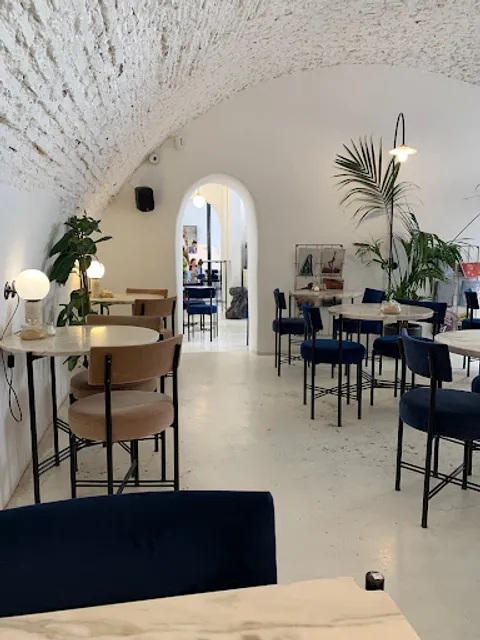
Dear Breakfast - Chiado
4.5
(2.1K)
Closed
Click for details
Nearby local services of The National Museum of Contemporary Art
Livraria Bertrand - Chiado
Armazéns do Chiado
Rei do Bacalhau
Calle Rosa de Lisboa
Lisbon City Hall
Baixa-Chiado
Gale patio
R. Nova do Carvalho
Sephora
Court of Appeal of Lisbon
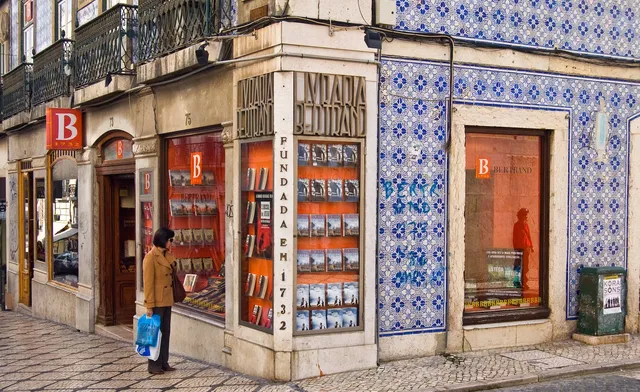
Livraria Bertrand - Chiado
4.6
(3.1K)
Click for details
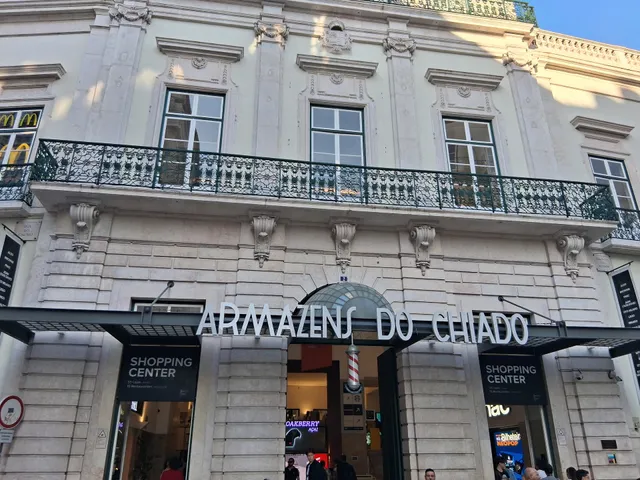
Armazéns do Chiado
4.4
(3.5K)
Click for details
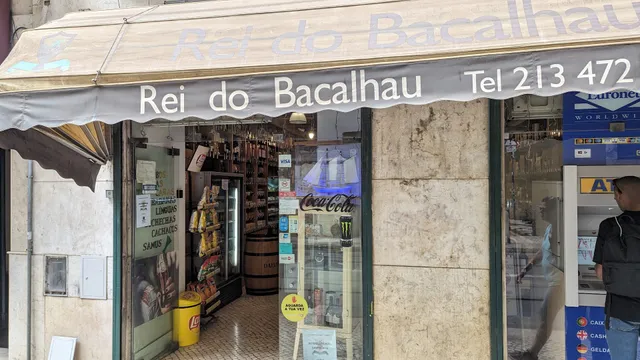
Rei do Bacalhau
4.6
(95)
Click for details
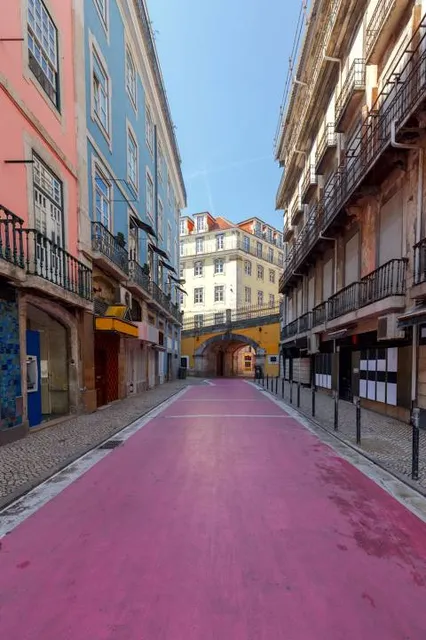
Calle Rosa de Lisboa
3.9
(883)
Click for details